
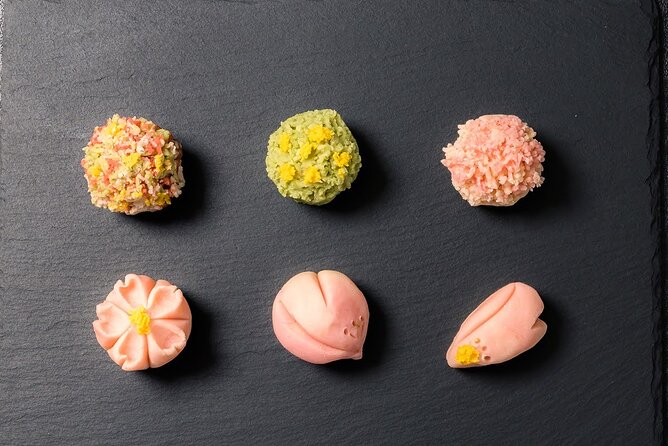
Review · MATCHA & TEA CEREMONY SESSIONS
Sweets Making and Kimono Tea Ceremony at Tokyo Maikoya
Tea, sweets, and a kimono. This is a hands-on workshop in Asakusa where you make wagashi and then slow everything down with a real tea ceremony. I especially like that the session feels personal thanks to the small-group size, and I like that you get both the sweet-making skills and the etiquette context instead of just watching. One thing to consider: parts of the tea ceremony limit photography and video, and tripods are not allowed, so you will want to follow the tea master’s cues.
You start at the Maikoya tea house in Asakusa (11:30 am) and finish back where you meet, about two hours later. I also appreciate that you dress in a kimono, with styling help, so the experience is not only cultural, it is visually memorable too.
In This Review
- Key highlights to plan for
- Where Tokyo Maikoya starts you off, Asakusa at 11:30
- Kimono fitting, why it matters beyond photos
- Wagashi sweets making, where your hands learn the tradition
- The matcha tea ceremony, etiquette you can feel
- Photos in kimono, what to expect and how to get the shots
- How the 2-hour format actually feels in real life
- Value for your money, $112.29 and what you truly get
- Who should book this kimono tea and wagashi workshop
- A quick checklist before you go
- Should you book Tokyo Maikoya’s sweets making and kimono tea ceremony?
- FAQ
- Where does the experience start?
- What time does the session begin?
- How long does it last?
- What is included in the ticket?
- Will I make wagashi and get to eat it?
- Can I take photos and video?
- How many people are in the group?
- Are there age limits?
- Is transportation included?
Key highlights to plan for
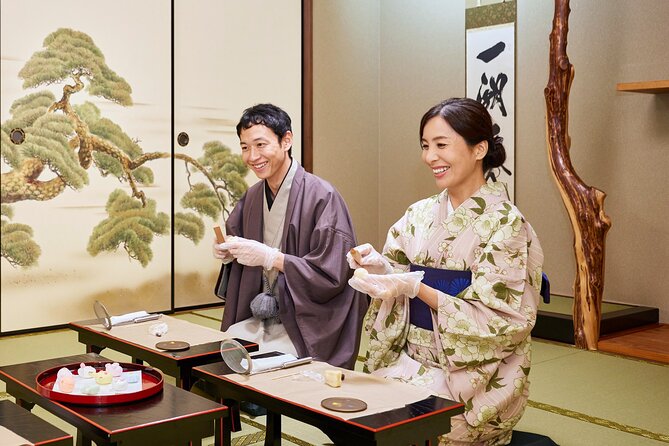
- Kimono dressing and hair styling, with choices for your look
- Wagashi workshop, including shaping, coloring, and designing
- Matcha tea ceremony, with etiquette and meaning explained
- Small group setting, capped at 10 or up to 12 depending on the session
- Photo time built into the flow, with guidance on where to pose
- Tripods not allowed, and filming may be limited during parts of the ceremony
Where Tokyo Maikoya starts you off, Asakusa at 11:30
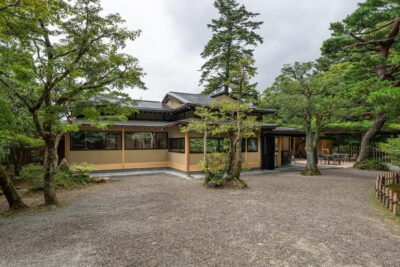
This experience begins at Kimono Tea Ceremony MAIKOYA Asakusa (1-chōme-12-2, Asakusa, Taito City), with a start time of 11:30 am. You end right back at the same meeting point, so you are not dealing with a neighborhood marathon or a complicated return plan. It is also described as near public transportation, which matters in Tokyo where door-to-door routing can eat time.
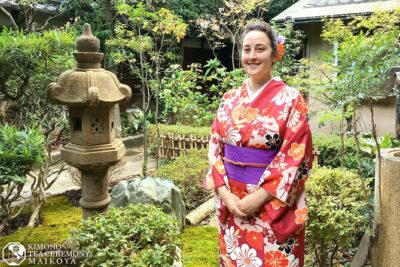
Once you arrive, the tone shifts fast. This is not a casual class where you come, sit, and go. Your first step is the kimono experience, which is the social and cultural “gateway.” You choose your kimono, and the staff help with the details, including hair styling. Several people highlight that the dressing process includes traditional touches like a styled up-do and accessories. That is more than costume. It changes how you move and how you take part in the ceremony that follows.
One practical note I like to tell friends: plan to be present during the hands-on portions. The ceremony has rules, and the tea master gives instructions during the session, so you get the best results when you listen closely instead of trying to multitask.
More Kimono Rentals in Tokyo
- Kimono Tea Ceremony at Tokyo, Asakusa Maikoya
★ 5.0 · 638 reviews - Asakusa:Family-Friendly Kimono & Yukata Experience at WARGO
★ 5.0 · 30 reviews - Japanese Matcha Tea Ceremony and Kimono Experience in Hanayaka
★ 5.0 · 26 reviews
Kimono fitting, why it matters beyond photos
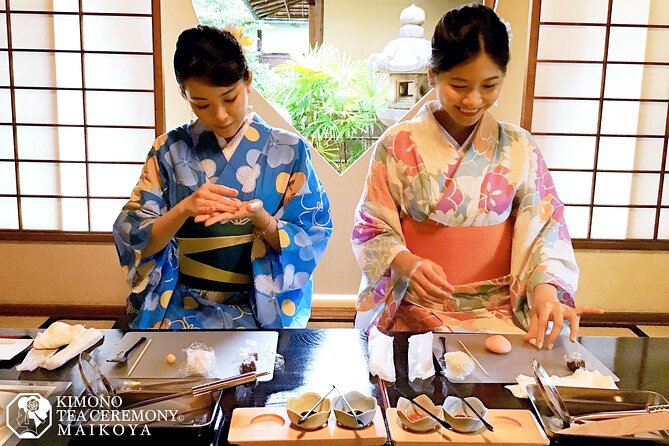
You are not just handed a robe and sent to a mirror. The kimono wearing experience is part of the learning. The idea is simple: when you dress for the ritual, you understand it in your body, not just your head. That is why the session builds from the kimono step into wagashi and then into tea.
In the best versions of this type of workshop, staff guide you through choices. Here, people mention selecting not only a kimono but also the obi and hair accessory. There is also an emphasis on getting you styled neatly, with hair fixed into a traditional up-do. That is great for photos, yes, but it also helps you get into the rhythm of the ceremony so you are not worried about fixing your outfit every two minutes.
Also watch for the photo flow. Guided opportunities are part of the session, and some people mention outside garden or terrace moments. If you care about photos, ask staff when you can step out for them. A few reviews specifically call out that the team offers to take pictures if you request it, which is helpful if you travel as a couple or family and want everyone in the frame.
The one consideration is practical: because you are in traditional clothing, you may want comfortable shoes for before and after, and you might want to keep your bag situation simple. The class format does not mention lockers or special storage, so bring only what you need and keep it easy to manage.
Wagashi sweets making, where your hands learn the tradition
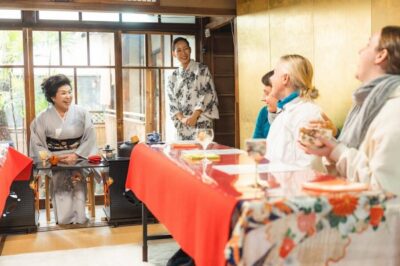
The workshop focuses on making traditional Japanese sweets, wagashi, typically served with matcha. You will be guided through the process at a tea house setting, and the group size stays small, so it does not feel rushed. Many people highlight the patience of the host during the sweets-making portion, which is a good sign. Wagashi takes skill, even when the class makes it approachable.
One detail you should know before you go: the hands-on part may not mean making everything from scratch. One person notes you might not actually make the dough, and instead you focus on coloring and designing. Even if that is your version of the class, it still counts as real participation. You are shaping, designing, and creating the element that becomes part of the tasting.
Several reviews also mention that you can choose the shape and color of your sweets. That is one of the best parts for “I want to do something, not just watch” travelers. It gives your wagashi a personal stamp, and then you get to taste what you made in the ceremony that follows.
Expect a calm pace. The session is designed for a small group, with a maximum of 10 participants mentioned in the experience description, and another line listing up to 12 travelers. Either way, it is not a crowded factory of activity. That matters for two reasons:
1) You can ask questions and get corrections while your hands are working.
2) You can actually enjoy the ceremony afterward instead of feeling mentally behind.
If you have kids, this is often the “doable but special” segment of a Japan trip. The sweets step gives them something concrete to do, not only cultural watching.
The matcha tea ceremony, etiquette you can feel
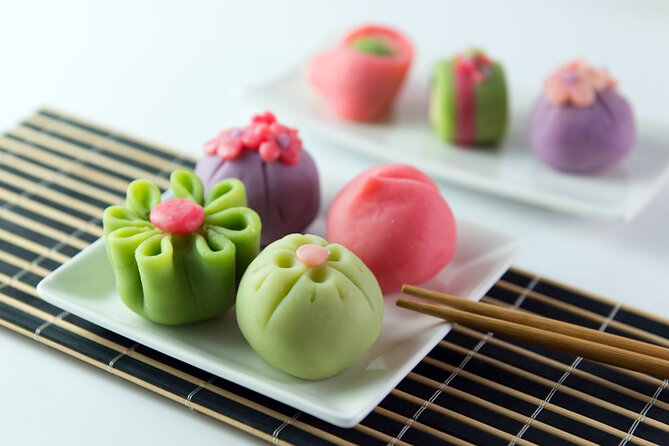
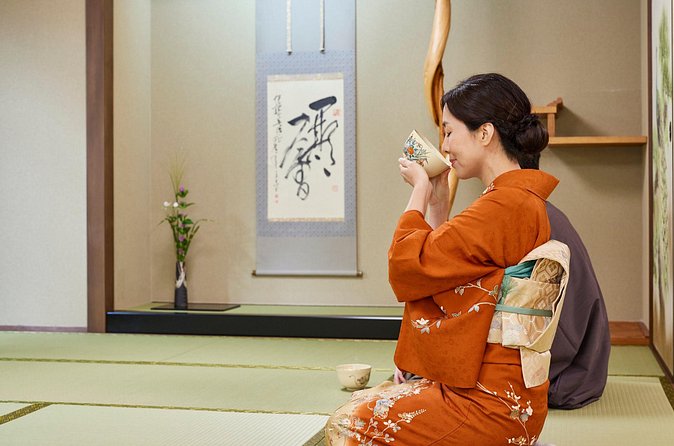
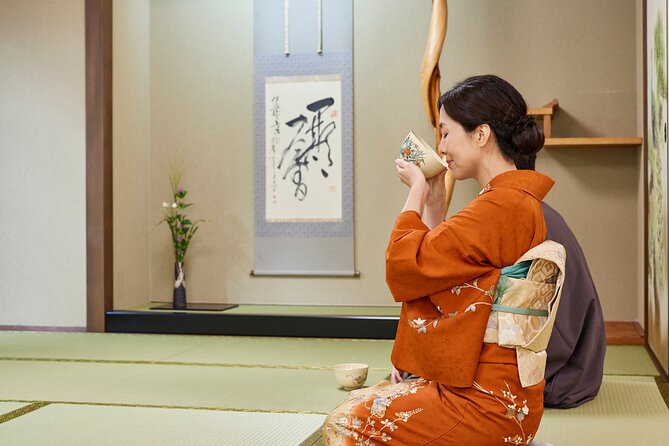
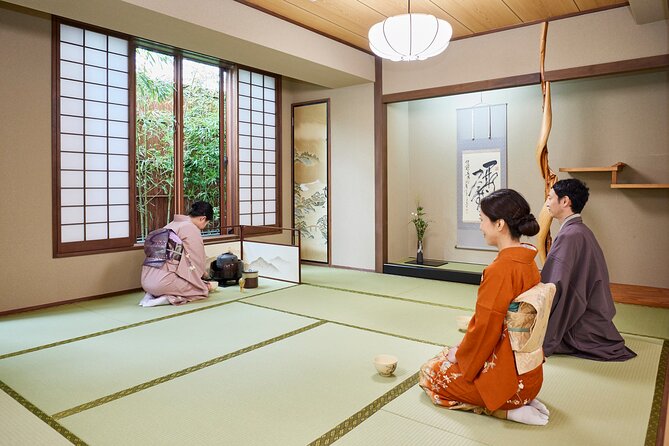
After the wagashi-making part, you move into the tea ceremony portion. This is where the experience becomes more than a craft class. The staff explain the proper tea ceremony etiquette and its cultural meaning, and then you get to prepare and enjoy matcha green tea in a serene, historic tearoom.
The ceremony has formal steps, so you are not expected to be perfect. You are expected to follow the tea master’s directions. The session also includes guided opportunities for photos, but photography and video may be limited during parts of the ceremony, and tripods are not allowed. In other words, respect the flow. If you want the photos, do it during the permitted windows, then be fully present for the tea.
One review mentions a connection to zen meditation, and that matches how many tea rituals are taught: the etiquette is about attention and restraint. You will likely notice this most when the conversation quiets down and the pace slows. Even if you have seen tea clips online, the etiquette explanation makes the ritual feel more grounded, and not like a staged performance.
You also get something tangible: you drink matcha that is served alongside sweets you made. That makes the learning “stick.” You taste the result of the workshop, not just the process.
More Tea Ceremonies in Tokyo
- Asakusa Cultural Walk & Matcha Making Tour
★ 5.0 · 245 reviews - A 90 min. Tea ceremony Workshop In The Authentic Tea Room
★ 5.0 · 174 reviews - Matcha Making Class in Tokyo with Authentic Japanese Sweets Set
★ 5.0 · 744 reviews - Tokyo: Traditional Tea Ceremony with a Tea Master
★ 5.0 · 528 reviews
Photos in kimono, what to expect and how to get the shots
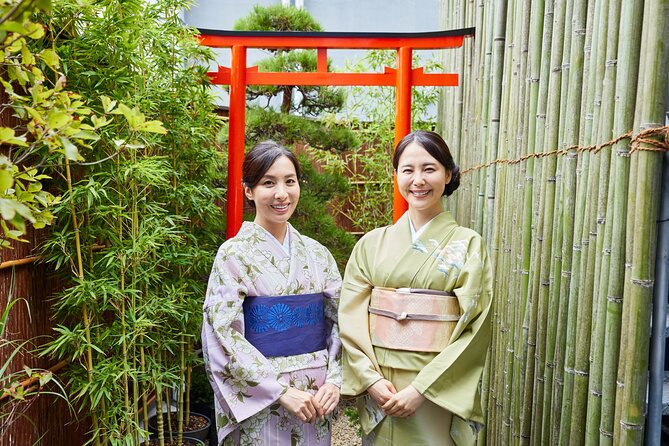
There is real photo energy built into the session. You dress in kimono, you may get styled hair and accessories, and the experience includes guided opportunities for taking photos in different settings. People mention lots of photo moments, including outdoor terrace or garden-style spots, and even umbrella-style props in one person’s description.
Here is the practical side, so you do not get surprised:
- Tripods are not allowed.
- Photography and video may be limited during parts of the ceremony.
- You should follow the tea master’s instructions.
So how do you get good photos anyway? Treat the ceremony like a ritual first, and photos like a bonus second. If you arrive with a camera setup, keep it simple. If you want group photos, ask staff when the best window is. Multiple reviews note that staff will take pictures if you ask, which solves the classic “everyone is in kimono but nobody has the right angle” problem.
Also, remember you are in traditional clothing. Do not rush through the step you get dressed. If you want a clean photo, your outfit needs to be properly arranged. The time invested in styling is part of what makes the pictures look like a real cultural moment instead of a quick costume stop.
How the 2-hour format actually feels in real life
The tour runs about two hours. It starts at 11:30 am and ends back at the meeting point. That short window is one reason it is a strong pick for Tokyo. You can pack it into a day without losing your whole schedule.
In a two-hour structure, the sequencing matters:
1) Kimono fitting and styling helps you settle into the “ritual mode.”
2) Wagashi sweets making gives you a focused, hands-on task.
3) The tea ceremony slows everything down and ties the sweets to the tea.
This is also where the small-group rule helps. When there are fewer people, staff can guide you through tricky steps and correct small details. That turns the experience into something you can actually participate in.
The experience is also priced at $112.29 per person. For Tokyo, that is not a cheap add-on, so you want to be honest about what you care about:
- If you want a once-in-a-lifetime cultural workshop with photos and a take-home experience, the package can make sense.
- If you only want the tea ceremony and would rather skip the sweets and kimono, you might want to compare against simpler tea-only options.
Still, the combo is the point here. You do not only learn about tea. You make wagashi for tea, and you wear kimono during it.
Value for your money, $112.29 and what you truly get
Let’s talk value in plain terms. At $112.29 per person, you are paying for a curated package with multiple components:
- Kimono wearing experience
- Ingredients and utensils for Japanese sweets making
- Green tea and water, plus matcha experience tied to the ceremony
- A guided tea ceremony with etiquette and cultural meaning
- Photo opportunities during the session
- A small-group format (max 10 or up to 12 travelers, depending on the session)
You are also not paying for transportation or hotel pickup and drop-off. So your real cost includes getting yourself to Asakusa on time.
When this class feels like a “good deal,” it is because the teaching is not just informational. You handle the materials for wagashi, and you drink what you made part of. That is a more complete cultural experience than a talk plus a quick sample.
The other “value” angle is time. Two hours is enough to feel like you did something meaningful, but short enough to keep your day intact. Tokyo is big. Short, high-impact activities work.
Who should book this kimono tea and wagashi workshop
This is a great fit for you if:
- You like hands-on cultural activities, not only museum-style learning.
- You want photos that look like more than a random outfit rental.
- You are curious about how tea culture connects to daily etiquette and attention.
- You want a small-group experience with personalized attention.
It is also a good family option in practice. One review mentions a mother and daughter experience, and another highlights that even older kids and family members enjoyed it. The sweets-making step tends to be the most engaging for younger participants, and the tea ceremony adds calm and structure.
One important limitation: children under 7 cannot enter the tea ceremony venue. If you have a child under 7 in your party, you will not be able to make the reservation for this experience.
A quick checklist before you go
Before you book, make sure your expectations match the format:
- Plan for about two hours starting at 11:30 am
- Know that tripods are not allowed, and filming may be limited during parts of the ceremony
- Bring yourself to Asakusa, transportation is not included
- If you care about photos, be ready to follow staff timing for the best windows
- Remember this is small-group, capped at 10 or up to 12 travelers, so it is calm but you still need to pay attention
Also, if you are traveling with family, think about how you will manage items. Traditional clothing can be hands-on and photo-friendly, but it is not a good time for complicated bags and phone chargers everywhere.
Should you book Tokyo Maikoya’s sweets making and kimono tea ceremony?
Yes, if you want a single activity that hits several Tokyo highlights at once, with a real cultural thread. The combination of wagashi making, a proper matcha tea ceremony, and a guided kimono experience is exactly the kind of “do it, taste it, wear it” workshop that feels memorable without requiring a long commitment.
I would skip it only if you:
- Want a fully flexible photo plan and dislike any filming restrictions
- Only care about tea and would rather spend less on sweets and kimono
- Need a child under 7 to participate
If you are deciding between “tea-only” and “tea plus sweets plus kimono,” this one is stronger for most people because it gives you a tangible result you can eat and taste, not just observe.
FAQ
Where does the experience start?
It starts at Kimono Tea Ceremony MAIKOYA Asakusa, 1-chōme-12-2 Asakusa, Taito City, Tokyo 111-0032, Japan.
What time does the session begin?
The start time is 11:30 am.
How long does it last?
The duration is about 2 hours.
What is included in the ticket?
Your ticket includes kimono wearing, ingredients and utensils for Japanese sweets making, and green tea and water.
Will I make wagashi and get to eat it?
Yes. The experience includes making traditional Japanese sweets (wagashi), and you prepare and enjoy matcha green tea during the tea ceremony.
Can I take photos and video?
Tripods are not allowed. Photography and video may be limited during parts of the ceremony, so you should follow the tea master’s instructions.
How many people are in the group?
The experience is limited to a small group, described as a maximum of 10 participants for a calm and personal experience, and also listed as having a maximum of 12 travelers.
Are there age limits?
Children under 7 cannot enter the tea ceremony venue, so the reservation cannot be made if your party includes a child under 7.
Is transportation included?
No. Transportation and hotel pickup and drop-off are not included.
More Kimono Rentals in Asakusa
- Asakusa Kimono Photography Tour (Private Option Available)
★ 5.0 · 20 reviews - Kimono rental in Asakusa Tokyo
★ 5.0 · 17 reviews - Asakusa Rental Kimono in Tokyo
★ 5.0 · 11 reviews - Kimono Tea Ceremony at Kyoto Maikoya, NISHIKI
★ 5.0 · 911 reviews
More Tea Ceremonies in Asakusa
- Kyoto: Tea Ceremony in a Traditional Tea House in Kiyomizu
★ 4.9 · 3,519 reviews - Kyoto: Tea Ceremony Ju-An at Jotokuji Temple
★ 4.9 · 3,207 reviews - Kyoto: 45-Minute Tea Ceremony Lesson Experience
★ 4.3 · 2,378 reviews - World Heritage Kyoto & Nara Uji Authentic Matcha Experience
★ 5.0 · 1,573 reviews
Newly listed around Asakusa
- Tokyo : Asakusa Food Tour – 12 Dishes & 3 Drinks★ 5.0 · 44 reviews
- Tokyo: Customized Private Tour with a Local Guide★ 5.0 · 16 reviews
- 【Tokyo/Asakusa】Traditional Japanese Washi Papermaking experience★ 5.0 · 146 reviews
- Tokyo Japanese Dance Cabaret Theater Asakusa-Kaguwa★ 5.0 · 170 reviews
- Asakusa Kimono Photography Tour (Private Option Available)★ 5.0 · 20 reviews
- Tokyo: Asakusa & Sensoji ー Oldest Temple Walking Tour (2hrs)★ 5.0 · 213 reviews
- Asakusa Rental Kimono in Tokyo★ 5.0 · 11 reviews
- Asakusa:Family-Friendly Kimono & Yukata Experience at WARGO★ 5.0 · 30 reviews
Matcha & Tea Ceremony Sessions, compared.
Tea Ceremony in a Traditional Tea House in Kiyomizu
Read our review →
World Heritage Kyoto & Nara Uji Authentic Matcha Experience
Read our review →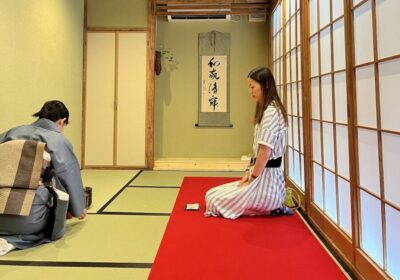
Browse the lists this tour appears in