
Review · LICENSED GUIDES & PRIVATE DRIVERS
Private Tokyo City tour With English Speaking guide
Tokyo in one day, guided. This private city tour is built for people who want big-name sights without getting stuck with directions, transfers, and “what’s the order again?” stress. I especially like the private, English-speaking guide for real-time decisions, and I like that transport is included so you spend your energy seeing Tokyo instead of figuring out routes.
The main thing to factor in is costs for two major viewpoints. Tokyo Skytree and Tokyo Tower are listed as not included, so you’ll want to budget extra on top of the $395 price.
You also get a day that feels like Tokyo’s greatest hits, from Senso-ji and Tsukiji to Shibuya, Harajuku, and techy Akihabara. In past experiences, guides such as Maz and Johny were praised for strong Tokyo context and patience, and one low-score note flagged a problem finding the agreed rendezvous. My take: confirm the meeting point details early, and you’ll set yourself up well.
In This Review
- Key Things That Make This Private Tokyo Day Work
- Why a Private English-Speaking Guide Beats DIY in Tokyo
- The 10-Hour Flow: How the Stops Fit Together
- Senso-ji Temple and Asakusa: Start With Tokyo’s Old Heart
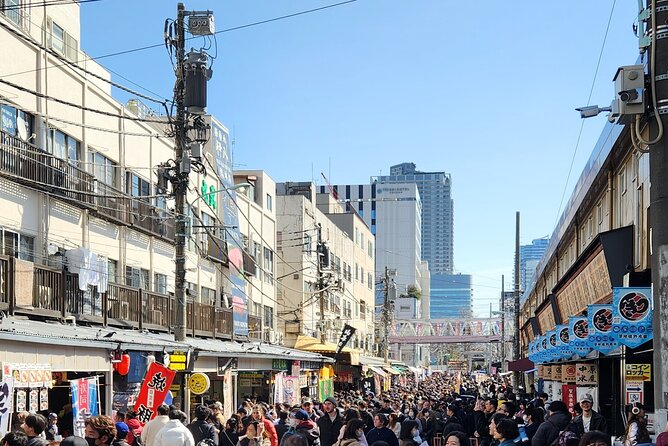
- Tsukiji Fish Market: Old Wholesale Energy, Not Just a Tourist Walk
- Skytree vs. Tokyo Tower: Two Viewpoints, Two Different Moods
- Tokyo Skytree (tickets extra)
- Tokyo Tower (tickets extra)
- How to choose on the day
- Shibuya Crossing and the Hachiko Exit: Watch the City Move
- Takeshita Street, 350 Meters of Kawaii Chaos
- Akihabara and Pop Culture Hardware: Electronics Meets Otaku Energy
- Meiji Jingu: A Quiet Reset in the Middle of Tokyo
- Omotesando Harajuku and Tokyu Plaza: Style, People, and Offbeat Picks
- East Gardens of the Imperial Palace: Walk the Open Grounds
- Tokyo Tower for Classic Skyline Photos
- Price and Value: What $395 Really Buys You
- Meeting Your Guide and Getting the Day Right
- Who This Tour Suits Best
- Should You Book This Private Tokyo City Tour?
- FAQ
- FAQ
- How long is the private Tokyo city tour?
- Is this tour private?
- Does the tour include pickup?
- What is included with the tour price?
- Is breakfast or lunch included?
- Which major attractions require extra tickets?
- How much are the Tokyo Skytree ticket options?
- Is a mobile ticket provided?
- What stops have free admission?
- Does the tour depend on weather?
Key Things That Make This Private Tokyo Day Work
- Transport included, not just sightseeing: You get an air-conditioned vehicle and a smooth ride between far-apart stops.
- A true mix of old Tokyo and pop Tokyo: Temples and shrines sit next to shopping streets and electronics neighborhoods.
- Food market time that feels real: Tsukiji is treated like more than a photo stop, with a full hour on site.
- You can shape the day: The itinerary is described as personalized to your interests, which matters when you’re choosing between views, shopping, and photos.
- Skytree and Tokyo Tower are the extra-ticket decision: If you want the observation decks, plan for those costs.
Why a Private English-Speaking Guide Beats DIY in Tokyo
Tokyo is great, but it can be a speed puzzle. One station can turn into five exits, and an hour disappears fast when you’re searching for the right entrance. A private guide solves that. You’re not waiting for group pacing or hoping someone else knows the route.
For me, the best part is how the tour is framed as flexible. The day is laid out as a plan, but it can be tailored to what you actually want more of. That matters because Tokyo can split your priorities fast. Do you want more shrine quiet? More shopping time? More photo stops around Shibuya or Harajuku? A private guide makes those calls easier.
There’s also a practical comfort layer. Pickup is offered, you get a mobile ticket, and bottled water is included. Add an air-conditioned vehicle and you’ve got a day that feels more doable in summer heat or cold weather.
More Private Guides in Tokyo
- Tokyo 6hr Private Tour with Government-Licensed Guide
★ 5.0 · 3,902 reviews - Tokyo 4hr Private Tour with Government-Licensed Guide
★ 5.0 · 1,394 reviews - Tokyo Private Sightseeing Tour by Car- English speaking chauffeur
★ 5.0 · 1,004 reviews
The 10-Hour Flow: How the Stops Fit Together
This tour runs about 10 hours and is built around clustered time blocks. The big idea is simple: you hit Tokyo’s “must-see” zones in one day, with transport time counted inside the schedule.
The stop durations are short enough to keep momentum, but long enough to actually see and move:
- Senso-ji and Tsukiji each get 1 hour.
- Shibuya Crossing gets 1 hour.
- Skytree gets 1 hour (tickets extra).
- Takeshita Street gets 1 hour.
- Meiji Jingu gets 1 hour.
- Akihabara gets 30 minutes.
- East Gardens of the Imperial Palace gets 30 minutes.
- Tokyo Tower gets 30 minutes (tickets extra).
That pacing works well if you want a complete sampler platter. If you prefer slow travel, expect it to feel busy, because there are a lot of famous spots packed into the day.
Senso-ji Temple and Asakusa: Start With Tokyo’s Old Heart
You begin at Senso-ji in Asakusa. This is one of Tokyo’s oldest and most famous temples, dedicated to Bodhisattva Kannon. Asakusa is in Taito, and the vibe is classic: temple grounds, nearby streets, and a sense that this neighborhood has been welcoming visitors for a very long time.
Why this stop is smart at the start of the day:
- You get an easy “what am I looking at?” orientation for Tokyo’s religious spaces early on.
- Lighting and crowds tend to be more manageable earlier than later in the day, so your first hour feels smoother.
The tour lists admission included here, and you’ll have about one hour. That’s enough to get inside the temple area, take in the main views, and still avoid rushing.
Tsukiji Fish Market: Old Wholesale Energy, Not Just a Tourist Walk
Next comes Tsukiji Fish Market, described as the oldest fish market and a traditional wholesale market established in 1935. It’s known for seafood and also vegetables, which is a helpful detail because the market isn’t only about fish stalls.
What I like about this stop in the tour plan is that it’s not reduced to a quick “photo and leave” moment. You get one hour and admission included.
Two practical notes:
- Tsukiji can be lively and tight in places, so wear shoes you can stand in.
- If you’re hoping for a meal, you might find options nearby rather than inside every corner of the market area. The tour itself doesn’t include breakfast or lunch, so treat this as an observation and snack opportunity, depending on what you like.
If your Tokyo trip is short, Tsukiji helps you understand the city’s food culture beyond sushi counters.
A different sort of day in Japan:
- Mt Fuji and Hakone 1-Day Bus Tour Return by Bullet Train
★ 5.0 · 26,383 reviews - 1-Day Tokyo Bus Tour
★ 5.0 · 14,250 reviews - Tokyo: TOKYO SKYTREE® Admission ticket
★ 4.5 · 11,192 reviews - Tokyo: teamLab Planets TOKYO Digital Art Museum Entry Ticket
★ 4.6 · 9,779 reviews
Skytree vs. Tokyo Tower: Two Viewpoints, Two Different Moods
This tour includes two major skyline moments, but only one is typically an easy yes. Tokyo Skytree and Tokyo Tower are marked as not included, so you pay the observation deck tickets separately.
Tokyo Skytree (tickets extra)
Skytree is described as Japan’s tallest tower since 2010, and it’s both a broadcasting and observation tower in Sumida. You get about one hour for this stop.
The price details given are:
- Combo deck: 3,100 Japanese yen
- Tembo deck: 2,100 Japanese yen
My practical advice: decide based on how much time you want inside the tower and how much you care about depth of viewing. If you just want the big Tokyo overview, the lower-cost option can still deliver what you came for.
Tokyo Tower (tickets extra)
Tokyo Tower is a red and white landmark inspired by the Eiffel Tower, reaching 333 meters. You get about 30 minutes at the tower, with ticketing not included.
It’s often ideal for a quick, iconic view and skyline photos, especially if you want that classic Tokyo postcard angle.
How to choose on the day
Because both are extra costs, think of it this way: if you want one “big viewpoint” experience, Skytree fits better with a full hour. Tokyo Tower then becomes the quick icon and a second angle, assuming you’re still fresh after the earlier stops.
Shibuya Crossing and the Hachiko Exit: Watch the City Move
Shibuya Crossing is famous for a reason. It’s the pedestrian scramble intersection in front of Shibuya Station’s Hachiko exit, and the design stops vehicles so pedestrians flood the crossroads.
You get about one hour and the tour lists admission included. Even if the crossing itself is free, the value here is that you’re there with time to see how it works and where the best viewing angles typically are, without wasting your day trying to coordinate the perfect spot.
If you’re traveling with camera gear, this is where you can practice getting steady shots. Go in with a plan: wide shot first, then move for closer angles once the crowd pattern makes sense.
Takeshita Street, 350 Meters of Kawaii Chaos
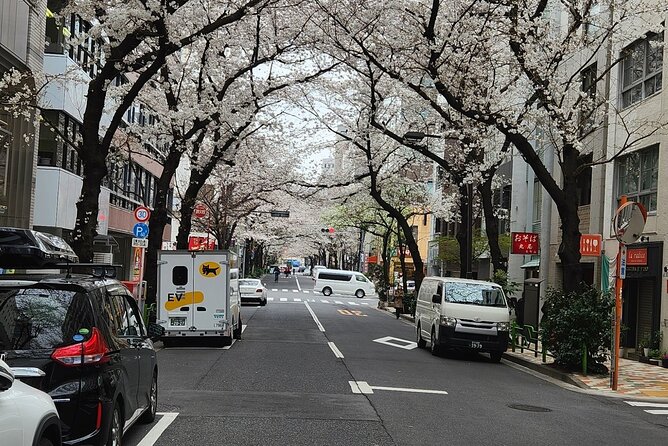
After Shibuya, the tour jumps to Harajuku and Takeshita-dori, also called Takeshita Street. It’s described as a 350-meter pedestrian shopping street and the center of Tokyo fashion trends, often linked to the origin of Japanese kawaii or cute culture.
You get one hour and admission is free. Here’s the useful angle: Harajuku is a visual overload, but it’s also very short and walkable. With a private guide, you can spend time where you personally enjoy the style, instead of wandering aimlessly.
A quick tip: if shopping is your priority, go sooner in the hour and save photo time for later. Otherwise, the lines for popular snacks or stores can quietly eat your time.
Akihabara and Pop Culture Hardware: Electronics Meets Otaku Energy
Akihabara is next, with about 30 minutes and admission free. The description is spot on: it’s known for electronics retailers and pop culture, and it’s considered the center of Japan’s otaku culture, or diehard fan culture.
This stop works best if you want:
- tech window-shopping,
- specialty parts stores,
- or a quick feel for Japanese geek culture.
Because the time is short, it’s not about deep shopping. It’s about sampling the vibe and seeing what the neighborhood specializes in. If you’re a serious hobbyist, you might later want to add a separate visit on your own day.
Meiji Jingu: A Quiet Reset in the Middle of Tokyo
Meiji Shrine is a shrine dedicated to Emperor Meiji and his consort, Empress Shoken. You get about one hour and admission is free.
This stop is a smart counterbalance after the busier shopping and crossings. You’re basically switching from concrete city noise to a calmer sacred space, which helps the whole day feel less exhausting.
Practical expectation: you’re going to want time to slow down, not just walk through. Even if you don’t know every detail, the atmosphere does the work.
Omotesando Harajuku and Tokyu Plaza: Style, People, and Offbeat Picks
Next, the tour goes to Tokyu Plaza Omotesando Harajuku, another Harajuku-area choice. The description emphasizes pop culture, rainbow food, and offbeat style.
You get about one hour, admission free. This is a good segment if you like browsing, people watching, and finding small, photo-friendly treats and shops. It can also be a practical break from walking: malls and plazas tend to be easier on your feet and let you regroup.
East Gardens of the Imperial Palace: Walk the Open Grounds
The tour includes The East Gardens of the Imperial Palace, located on the historic site of Edo Castle. The inner palace is described as closed to the public, but the East Gardens and outer grounds are open.
Admission is free, with about 30 minutes on the schedule. There’s also a useful note included with the description: free guided tours are available with advance reservation.
So what should you do with that info?
- If you care about an organized explanation inside the palace grounds, you might want to plan a reservation separately.
- If you just want the green walk and classic sightseeing photos, the East Gardens are a solid, low-stress payoff near Tokyo Station.
Tokyo Tower for Classic Skyline Photos
The final stop is Tokyo Tower for about 30 minutes. It’s open daily, with panoramic views from main and top decks. The tour lists ticket costs as not included.
The time limit here explains the purpose: it’s your fast iconic finish, not a long observation-deck day. If the weather is clear, you’ll feel the reward quickly.
If clouds roll in, you might still get decent city texture and light, but don’t expect every faraway view to be perfect. This is one reason good-weather planning matters for a whole-day city schedule.
Price and Value: What $395 Really Buys You
At $395 for a private 10-hour day, the value comes from the way the tour handles the hard parts:
- You’re not paying for a “basic bus loop” with a crowd.
- You get a private guide and transport included across scattered neighborhoods.
- You get bottled water and an air-conditioned ride.
- Multiple stops have admission marked as included.
What’s likely to affect your final cost is exactly what the tour flags as extra: Tokyo Skytree and Tokyo Tower ticketing. Skytree alone can be either 2,100 yen or 3,100 yen depending on deck choice.
Also note what’s not included: breakfast, lunch, and dinner are not part of the price. That’s normal, but it matters for budgeting. You’ll want to plan where you eat between stops or treat the day like a snack-and-sip food crawl.
Overall, I’d see this as good value if:
- you’re short on time and want a lot of iconic stops,
- you prefer private pacing over train-and-walk logistics,
- and you’re okay paying extra for two viewpoints.
If you’re traveling on a strict budget, the ticket add-ons and the absence of meals can shift the math.
Meeting Your Guide and Getting the Day Right
Because this is a private tour, the day hinges on one thing: the rendezvous. A low-score experience highlighted a problem with the guide finding the agreed meeting point, along with concerns about English and Tokyo knowledge. That’s not something you can control, but you can reduce the odds of a rough start.
My simple plan:
- Confirm the meeting point details in advance.
- Keep your phone charged for your mobile ticket.
- Give yourself a little time buffer before your pickup.
When the guide is strong, the difference shows fast. Guides like Maz and Johny were described as well spoken, knowledgeable about Tokyo, patient, and able to customize based on your interests. That’s exactly what you want from a private guide: not just facts, but smooth flow.
Who This Tour Suits Best
This tour is a strong match for:
- First-time visitors who want Tokyo highlights in one day.
- People who get tired of mapping every train transfer.
- Anyone who loves a mix of temples, markets, and pop culture neighborhoods.
- Couples or small groups who want a flexible plan, not a rigid group schedule.
It may not feel ideal if you want a slow, deep cultural experience where you linger for hours at one place. Here, you move. You sample. You reset often.
Should You Book This Private Tokyo City Tour?
Yes, if you want a one-day Tokyo sampler that’s easier than DIY and you’re comfortable paying a little extra for the big viewpoints. The value is in the private guide, the included transport, and a lineup that covers old temples, food-market energy, and modern neighborhoods.
I’d book it if your travel style is practical: you want to see a lot, you like clear structure, and you don’t want to spend half a day figuring out transit.
I’d think twice if you’re extremely cost-sensitive, hate crowds at iconic places, or you want a slow pace with deep time in just one neighborhood. In that case, you might be happier splitting Tokyo into two or more days.
FAQ
FAQ
How long is the private Tokyo city tour?
It runs about 10 hours.
Is this tour private?
Yes. It’s a private tour/activity and only your group participates.
Does the tour include pickup?
Pickup is offered.
What is included with the tour price?
Bottled water and an air-conditioned vehicle are included, and transport is included. Some entrances are also listed as included, depending on the stop.
Is breakfast or lunch included?
No. Breakfast, lunch, and dinner are not included.
Which major attractions require extra tickets?
Tokyo Skytree and Tokyo Tower entrance tickets are not included.
How much are the Tokyo Skytree ticket options?
Tokyo Skytree is listed as 3,100 Japanese yen for the Combo deck and 2,100 Japanese yen for the Tembo deck.
Is a mobile ticket provided?
Yes. The tour offers a mobile ticket.
What stops have free admission?
Takeshita Street, Akihabara, Meiji Jingu Shrine, Tokyu Plaza Omotesando Harajuku, and The East Gardens of the Imperial Palace are listed as free admission.
Does the tour depend on weather?
Yes. The experience requires good weather, and if it’s canceled due to poor weather, you’ll be offered a different date or a full refund.
Newly listed around Tokyo
- Real-Life Anime Pilgrimage Tour Shibuya Incident★ 5.0 · 7 reviews
- Ramen and Gyoza Cooking Class in Tokyo★ 5.0 · 21 reviews
- Get Unique Insights into Tokyo – Private Tour with local Guide★ 5.0 · 195 reviews
- Ramen Tasting – Mini Bowl Ramen Tour★ 5.0 · 127 reviews
- Cozy Tokyo Class: Ramen, Sushi, Sake Pairing & Cultural Exchange★ 5.0 · 74 reviews
- REAL, All-Inclusive Tokyo Food and Drink Adventure (leave the tourists behind)★ 5.0 · 25 reviews
- Private tour Tokyo – The Harmony of Modernity and Tradition★ 5.0 · 24 reviews
- Full Day Private Tour to Mount Fuji and Hakone★ 4.5 · 58 reviews
Licensed Guides & Private Drivers, compared.
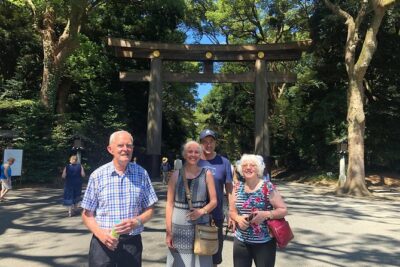
Tokyo 6hr Private Tour with Government-Licensed Guide
Read our review →
Kyoto Early Morning Tour with English-Speaking Guide
Read our review →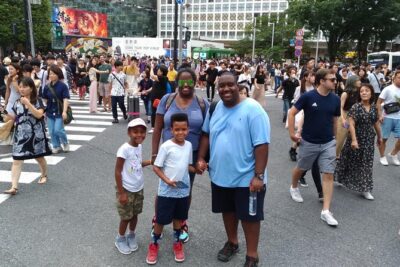
Tokyo 4hr Private Tour with Government-Licensed Guide
Read our review →
Kyoto 6hr Private Tour with Government-Licensed Guide
Read our review →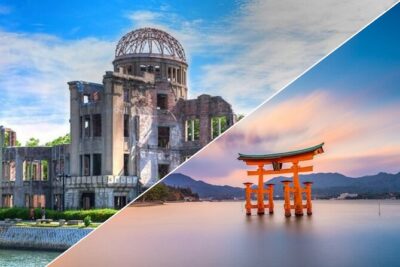
Hiroshima / Miyajima Full-day Private Tour with Government Licensed Guide
Read our review →Early Morning Tour with English-Speaking Guide
Read our review →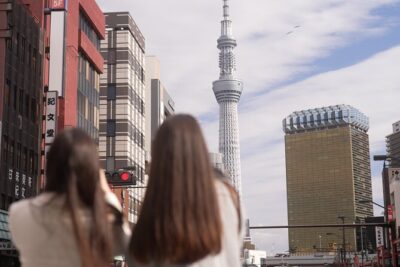
Tokyo Private Sightseeing Tour by Car- English speaking chauffeur
Read our review →
Mt Fuji Private Tour with English Speaking Driver
Read our review →Browse the lists this tour appears in