Review · SUSHI COOKING WORKSHOPS
Cozy Tokyo Class: Ramen, Sushi, Sake Pairing & Cultural Exchange
Great comfort food starts with ramen. In this Tokyo class, you learn ramen and sushi (or optional gyoza) from scratch, with cultural chat built into the cooking. It is designed for a relaxed, intimate feel, not a crowded room where you cannot hear the instructions.
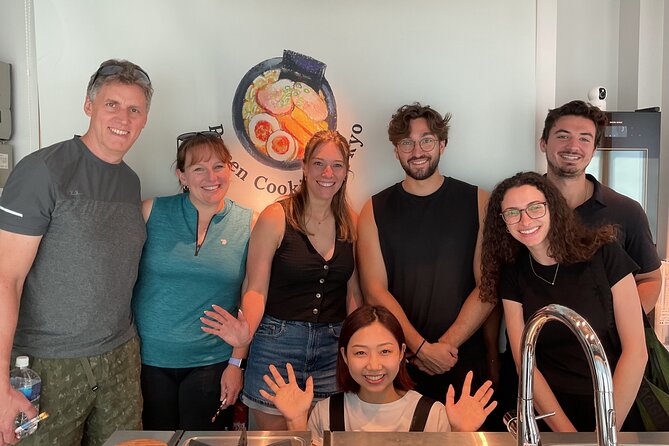
I love the small-group setup, capped at four people, with an overall activity limit of eight. That matters because you can actually ask questions and keep up, especially when you are learning technique. I also like the practical payoff, you taste what you make and you get a detailed recipe gift so you can recreate it at home.
The one consideration is time. In about three hours, you will cover two big dishes, so this is best for learning the core steps and building confidence, not for perfecting every bowl like a lifelong pro.
In This Review
- Key highlights at a glance
- Finding the vibe: Tsukishima, small-group, and easy to reach
- Ramen from scratch: learn technique, then make your bowl real
- Sushi (and gyoza option): two iconic dishes in one smooth flow
- Coziness plus cultural exchange: the hosts make it click
- Sake pairing and tasting: included, but you choose your pace
- Your take-home recipe gift: what you can actually cook again
- Price and value in Tokyo: why $79 can make sense
- Who should book this class, and who might pass
- Final verdict: should you book Cozy Tokyo Class?
- FAQ
- How long is the Cozy Tokyo Class?
- How much does the class cost?
- What dishes will I learn to make?
- Is this a small group class?
- Do I need Japanese cooking experience?
- Will the instruction be in English?
- Is alcohol included?
- Do I get a recipe to take home?
- Where does the class meet, and does it end nearby?
- What is the cancellation policy?
Key highlights at a glance
- Small group focus with a cap of four people, plus an activity limit of eight
- Hands-on ramen and sushi from scratch, with optional gyoza
- English-friendly hosts who keep the pace approachable for all skill levels
- Unlimited sake pairing plus Japanese beer and non-alcoholic options
- Recipe gift included so you leave with a real plan to cook again at home
- Cultural exchange vibe built around stories about Japanese food traditions
Finding the vibe: Tsukishima, small-group, and easy to reach
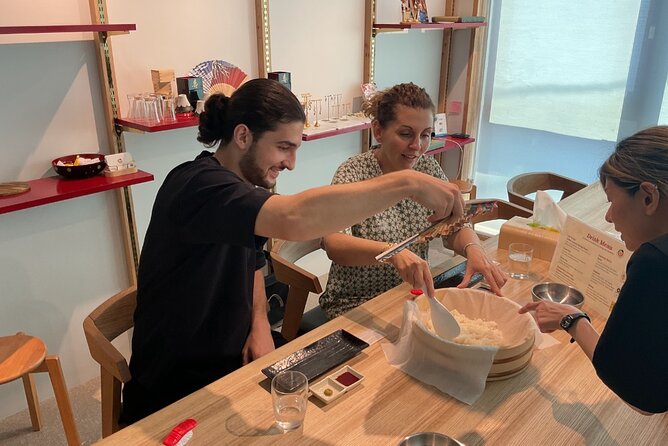
You start at HAUS Tsukishima in Tsukuda, Chuo City (104-0051), right where the experience begins and ends. Since it returns you to the same meeting point, you do not need to worry about a complicated route or a last stop that leaves you stranded.
The class is built around the idea that Tokyo is big, and your time is limited. So instead of scattering you across multiple places, everything centers in one cozy location. You will be near public transportation, and private transportation is not included, which is good news if you already plan to ride trains anyway.
One more thing I appreciate here: the atmosphere is intentionally relaxed. In a small class, that matters. You get room to taste, ask, and adjust while you cook, rather than rushing through steps you cannot see clearly.
More Drinking Tours in Tokyo
- Tokyo Bar Hopping Tour in Shinjuku (All-You-Can-Drink + Dinner)
★ 5.0 · 3,587 reviews - Tokyo: Shinjuku Local Bar and Izakaya Guided Walking Tour
★ 4.9 · 1,794 reviews - Shibuya Meltdown Nightlife Tour: All-You-Can-Drink Bar Hopping
★ 5.0 · 1,058 reviews
Ramen from scratch: learn technique, then make your bowl real
Ramen is one of those dishes people think they already know, then they taste a properly made bowl and realize technique is the whole story. In this class, you make ramen from scratch over the course of the session, guided by English-friendly Japanese hosts.
What makes this part work for real-life travelers is that it is not just a passive demo. You are hands-on. You build the skills step by step and you get guidance while you work. That is especially useful if your Japanese kitchen experience is light, or if you have cooked before but want a more structured, Japanese-style method.
Another smart touch is the way the class uses stories to connect the dish to Japanese culinary traditions. You do not just learn what to do, you learn why it is done a certain way. Even if the stories do not give you a full textbook, they give you context that helps your brain hold onto the technique.
Potential drawback: ramen is broad. Without more time, you cannot expect every nuance of ramen culture to be covered deeply. Plan to focus on what you can learn in a short session: the basic process, the key steps, and enough confidence to try again later.
Sushi (and gyoza option): two iconic dishes in one smooth flow
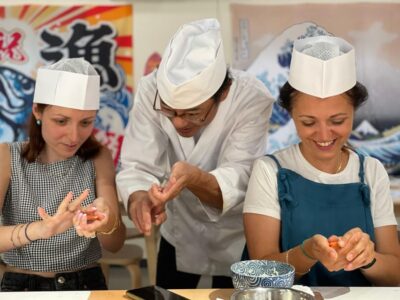
After ramen, the class moves into sushi from scratch. The idea is simple: you get a second Japanese icon in the same three-hour window, so the class feels like real value, not a one-dish sampler.
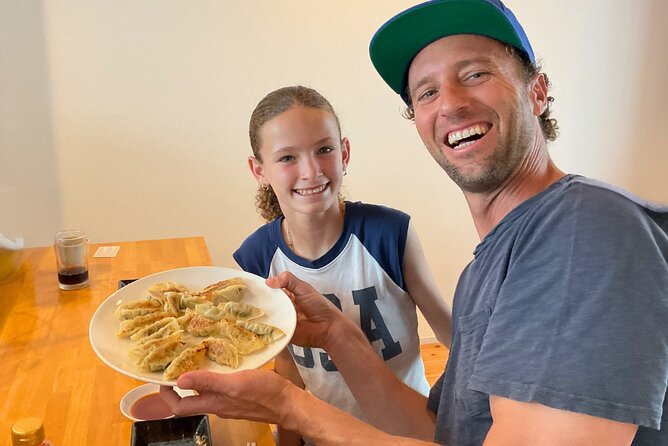
You may also have an option for gyoza. That is great if you are more excited about dumplings than fish and rice, or if you want a change from the standard ramen-and-sushi combo. The class wording suggests you will prepare either sushi or gyoza as part of the experience, so you can choose what fits your appetite.
One practical point: doing two dishes in one session means the pacing is steady. In a small class, that is still manageable, but you should expect to focus. If you are easily overwhelmed by multitasking in the kitchen, arrive hungry and ready to follow along.
The upside is you get variety. If you come to Tokyo craving ramen, you still walk away with sushi skills. If you come for sushi, you still leave understanding ramen basics. Either way, you get a fuller picture of how Japanese home cooking and comfort-food technique can overlap.
Coziness plus cultural exchange: the hosts make it click
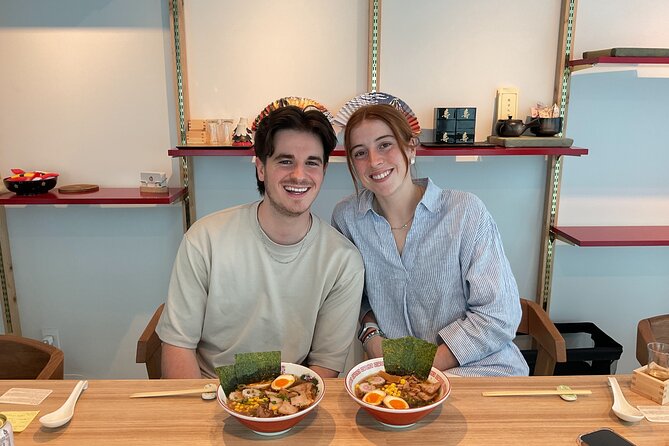
This class has a theme built around Beyond Cooking, Feel the Connection. That is not just marketing wording. The cooking is paired with conversation and cultural storytelling, which turns the class into a memory, not only a meal.
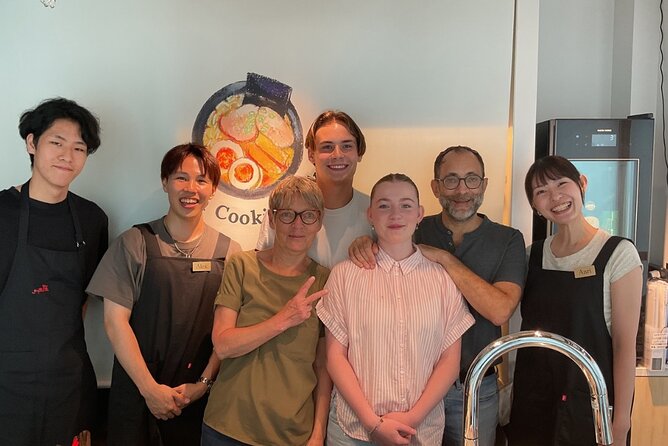
The hosts are English-friendly, and the tone from the instructors comes through as warm and encouraging. Names that show up from prior sessions include Umi San, Kou San, Komi, Namiko, and Alissa. You might not get the exact lineup every time, but the presence of multiple chefs suggests the team structure supports lots of guidance.
In practical terms, this style helps when you are:
- learning unfamiliar techniques,
- working through questions in English,
- or trying to understand ingredient behavior and timing.
It also makes the class feel social. You cook with a small group, you taste what you make, and you talk. For many people, that is the real reason to do a cooking class in Japan, because it turns sightseeing into something you carry home.
More Food Tours in Tokyo
- Tokyo: Shinjuku Food Tour (13 Dishes at 4 Local Eateries)
★ 5.0 · 6,603 reviews - Tokyo Tsukiji Fish Market Food and Culture Walking Tour
★ 5.0 · 3,184 reviews - Tokyo: Shinjuku Food Tour (15 Dishes and 4 Eateries)
★ 4.9 · 2,033 reviews - Tokyo: Tsukiji Fish Market Food and Walking tour
★ 5.0 · 1,724 reviews
Sake pairing and tasting: included, but you choose your pace
You get unlimited sake pairing, plus Japanese beer and non-alcoholic beverages. That inclusion is part of why this class feels more festive than a basic cooking workshop.
Sake pairing can be a fun way to learn how food flavors shift. In a class like this, it is not about fancy drinking rules. It is about having a reason to stop cooking, taste what you made, and notice how the food and drinks interact.
Because non-alcoholic options are included, you are not locked into alcohol. That is useful if you are traveling with family, or if you simply want the pairing experience without drinking.
Tip for value: if alcohol is not your thing, you can still benefit from the tasting portion. The main win is the chance to taste your own ramen and sushi, then leave with steps you can repeat later.
Your take-home recipe gift: what you can actually cook again
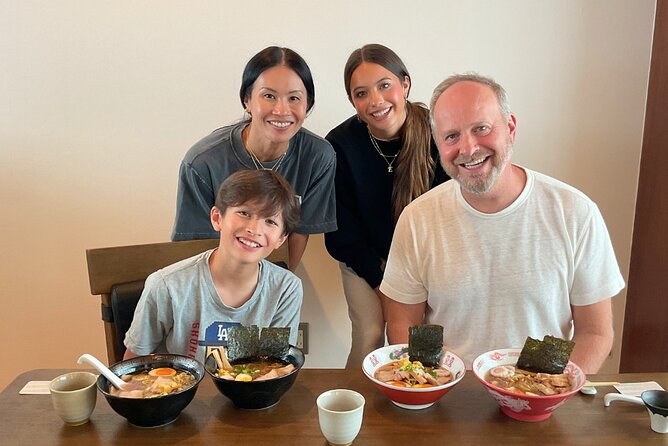
A lot of cooking classes end with a full belly and a blank memory. This one is set up to be different. You receive a detailed recipe as a gift, so you can recreate the dishes at home.
That matters for two reasons:
- Cooking is procedural. If you forget one step or measurement, your results drift fast.
- Your Tokyo memory fades. The recipe becomes your anchor.
When you get the recipe, do not just save it. Build a simple plan for the first attempt at home: pick a weekend, shop the ingredients early, and follow the recipe once without improvising too soon. Once you know the process works, then you can start tweaking.
One more practical note: because you are learning two dishes in a single session, the recipe is the best way to slow down after the class. It lets you revisit the technique at your pace, which is exactly what a short three-hour experience cannot fully do.
Price and value in Tokyo: why $79 can make sense
At $79 for about 3 hours, the value hinges on three things you actually get:
- a hands-on small-group experience,
- two iconic dishes (ramen and sushi, or gyoza option),
- and included tastings with unlimited sake pairing plus recipe handoff.
In Tokyo, “hands-on plus guidance” costs money. What makes this feel reasonable is the structure. You are not paying for time sitting in a chair. You are paying for instruction, cooking time, ingredients, and the full meal outcome, and you leave with a method you can repeat.
Also, the class is designed for beginners and experienced cooks. That broad fit usually lowers the risk of disappointment. If you are new, you still get clear steps. If you cook already, you still gain technique and context from the hosts.
One caution on price value: if you mainly want to eat, there are cheaper ways to get ramen and sushi in Tokyo. But if your goal is to learn, this is priced closer to a skill investment than a restaurant bill.
Who should book this class, and who might pass
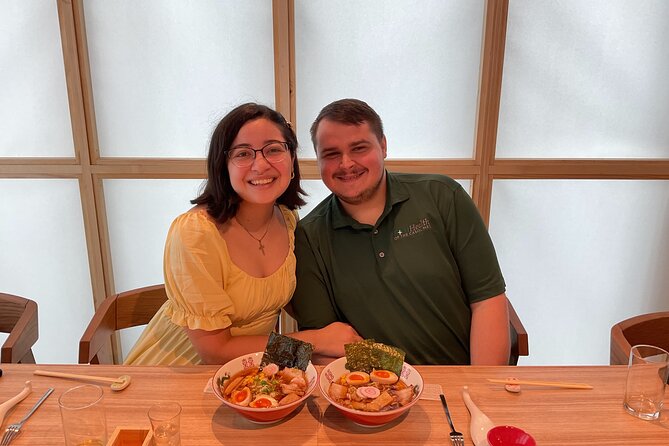
This class is a strong fit for:
- couples and friends who want a shared activity,
- families looking for a hands-on experience that includes non-alcoholic options,
- first-time visitors who want a practical Tokyo experience without complex planning,
- and returning cooks who want guidance and a structured approach.
It is also a good choice if you are doing a short Tokyo stay and want one activity that gives you both a story and skills. You do not need to coordinate multiple stops, and you get two dish outcomes.
You might choose something else if:
- you want an in-depth ramen specialty focused on one regional style only,
- you dislike having a timed, multi-course cooking schedule,
- or you are looking for a private, one-on-one lesson. The class format is small group, not private instruction.
Final verdict: should you book Cozy Tokyo Class?
I would book this if you want the classic Tokyo feeling, ramen and sushi, but you want it through skill-building rather than just eating. The small-group size is the big advantage, because it keeps the class calm and interactive. Add in unlimited sake pairing, warm hosts, and a detailed recipe gift, and the $79 price starts to feel like a smart deal.
Pick it especially if you learn best by doing. In three hours, you will likely not master every ramen and sushi detail like a chef, but you will leave with repeatable steps and a story you can tell for years.
FAQ
How long is the Cozy Tokyo Class?
It runs for about 3 hours.
How much does the class cost?
The price is $79.
What dishes will I learn to make?
You will learn to make ramen and sushi. Gyoza is optional.
Is this a small group class?
Yes. The class is described as capped at four people, and the activity has a maximum of eight travelers.
Do I need Japanese cooking experience?
No. The experience is suitable for beginners and experienced cooks, and it is designed with inclusive instruction.
Will the instruction be in English?
The hosts are described as English-friendly, so you should expect support in English.
Is alcohol included?
You get unlimited sake pairing, plus Japanese beer and non-alcoholic beverages.
Do I get a recipe to take home?
Yes. You receive a detailed recipe as a gift so you can recreate the dishes at home.
Where does the class meet, and does it end nearby?
The meeting point is HAUS Tsukishima in Tsukuda, Chuo City, and the activity ends back at the meeting point. It is near public transportation, and private transportation is not included.
What is the cancellation policy?
Cancellation is free up to 24 hours in advance for a full refund. If you cancel less than 24 hours before the start time, the amount paid is not refunded.
More Sake Tastings in Tokyo
- Ramen and Sushi Cooking Class with Sake Pairing Set in Tokyo
★ 5.0 · 291 reviews - Sake Tasting Masterclass in Shinjuku (8+ Varieties with a Pro)
★ 5.0 · 271 reviews - Sake Omakase in Tokyo: Guided Tasting by Certified Sommeliers
★ 5.0 · 239 reviews - Casual Japanese SAKE tasting and snack experience in Kabukicho
★ 5.0 · 159 reviews
More Ramen Trips in Tokyo
- Eat and Drink Like a Local: Tokyo Ueno Food Tour-Taverns&Ramen
★ 5.0 · 957 reviews - Ramen & Gyoza Cooking Class in Tokyo with Local Supermarket Visit
★ 5.0 · 823 reviews - Tokyo: Mount Fuji and Hakone Full Day Tour with Ramen Making
★ 4.5 · 476 reviews - Tokyo: Ramen Tasting Tour with 6 Mini Bowls of Ramen
★ 4.9 · 432 reviews
Newly listed around Tokyo
- Real-Life Anime Pilgrimage Tour Shibuya Incident★ 5.0 · 7 reviews
- Ramen and Gyoza Cooking Class in Tokyo★ 5.0 · 21 reviews
- Get Unique Insights into Tokyo – Private Tour with local Guide★ 5.0 · 195 reviews
- Ramen Tasting – Mini Bowl Ramen Tour★ 5.0 · 127 reviews
- Private Tokyo City tour With English Speaking guide★ 4.5 · 26 reviews
- REAL, All-Inclusive Tokyo Food and Drink Adventure (leave the tourists behind)★ 5.0 · 25 reviews
- Private tour Tokyo – The Harmony of Modernity and Tradition★ 5.0 · 24 reviews
- Full Day Private Tour to Mount Fuji and Hakone★ 4.5 · 58 reviews
Sushi Cooking Workshops, compared.
Sushi Making Tokyo Roll and Authentic Japanese Sushi Class
Read our review →
Roll and Authentic Sushi Making Class in Asakusa
Read our review →
Sushi Making Class in a Happi Coat near a Famous Spot
Read our review →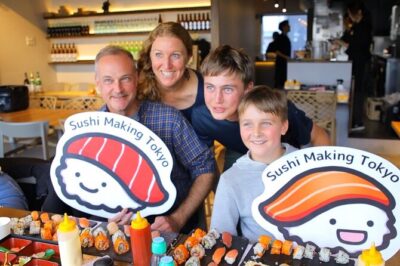
Sushi Making Tokyo! Popular Maki Sushi & Japanese Sushi(+Recipe!)
Read our review →
Tokyo Sushi Making Class in Tsukiji with Professional Chef
Read our review →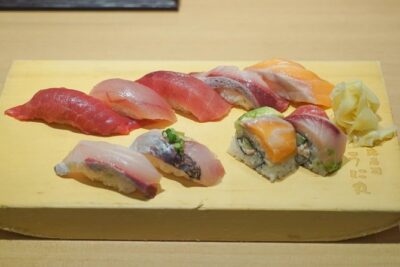
Tokyo Night Foodie Tour in Shinjuku – Seasonal Sushi, Wagyu Beef
Read our review →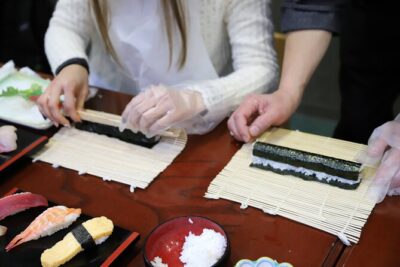
Tsukiji Fish Market Guided Tour and Sushi Making with Pro Chef
Read our review →