Review · TOKYO TOURS
Small-Group Architecture Tour in Ginza, Tokyo
Ginza looks different when you walk slowly. This small-group architecture tour builds in regular photo stops and lets you read the buildings as you go, instead of just watching them from a fast-moving car. You’ll see how the area mixes big commercial statements with older forms of Japanese design.
I especially like the way you get inside access at several standout places, including Tsukiji Hongwanji Temple and Kabukiza Theater. The other big plus is the guide’s ability to tie what you’re looking at to how Tokyo’s architecture was shaped by the Shogun era and by natural disasters. One thing to consider: some stops are short or outside only, so if you want long, unhurried museum-style time inside every site, this route may feel brisk.
In This Review
- Key points before you go
- Ginza architecture, minus the rush
- Your walk: Tsukiji to Ginza, with inside time along the way
- Stop 1: Ginza streets for orientation and photo pacing (about 40 minutes)
- Stop 2: Tsukiji Hongwanji Temple (about 10 minutes, inside)
- Stop 3: Kabukiza Theater (about 20 minutes, inside)
- Stop 4: Nicolas G. Hayek Center (about 15 minutes, inside)
- Stop 5: Toyoiwa Inari Shrine (about 5 minutes, enjoy features)
- Stop 6: Ginza Maison Hermes Le Forum (about 15 minutes, inside)
- Stop 7: Mikimoto Boutique Ginza 2-chome (about 5 minutes, inside if time)
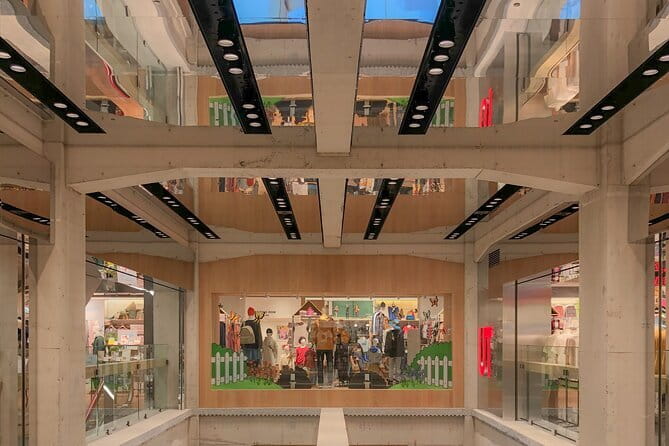
- Stop 8: UNIQLO Tokyo (about 10 minutes, outside)
- Stop 9: Mikimoto Ginza 4-chome Honten (about 5 minutes, outside)
- Stop 10: Wako Ginza (about 10 minutes, outside)
- Stop 11: Okuno Building (about 10 minutes, inside)
- The story behind the facades: Shogun era and disaster lessons
- How the small-group format changes what you notice
- The included drinks pause is more than a nice touch
- Price and value: paying for interpretation, not just walking
- Who should book this Ginza architecture tour
- Should you book this tour?
- FAQ
- How long is the Ginza architecture tour?
- How much does the tour cost?
- What size is the group?
- Is hotel pickup included?
- Where do I meet the guide?
- What time does the tour start?
- Are the stop entrances included?
- Is the tour dependent on weather?
Key points before you go
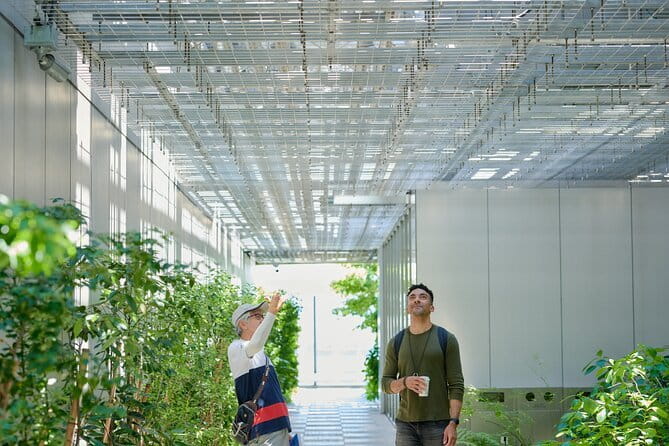
- Small group limit of 6 keeps the walk conversational and easy to ask questions
- Photo-first pacing means you can actually study facades, not just glance at them
- Multiple interior visits add variety beyond street-level sightseeing
- Licensed local guide helps you connect design choices to real-world forces
- Drinks break included so you’re not running on empty halfway through
- Free admissions at each listed stop lowers the cost of doing the route right
Ginza architecture, minus the rush
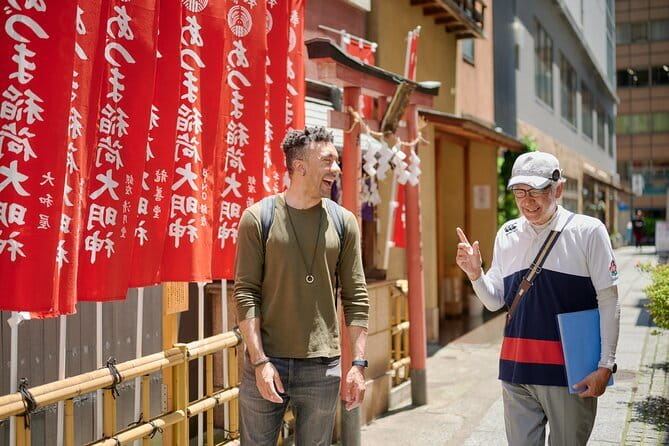
Ginza has a reputation for luxury signage and gleaming storefronts, but the fun part of this tour is how it slows you down. You start to notice how Japanese architecture often balances ceremony, function, and the need to handle big urban change.
I also like that the route is set up for asking questions. You’re not handed a script. You can ask your guide why certain shapes feel familiar, why some spaces work one way for crowds, and why other structures look almost futuristic.
One more reason this is a better way to experience Ginza: you get a walking rhythm that matches the district’s layout. You’re close enough to details to look up at materials and street-level entrances, without needing constant transit.
A few more Tokyo days to weigh up
- Mt Fuji and Hakone 1-Day Bus Tour Return by Bullet Train
★ 5.0 · 26,383 reviews - 1-Day Tokyo Bus Tour
★ 5.0 · 14,250 reviews - Tokyo: TOKYO SKYTREE® Admission ticket
★ 4.5 · 11,192 reviews
Your walk: Tsukiji to Ginza, with inside time along the way
The tour runs about 3 hours 30 minutes. That sounds short until you realize the time is spent both walking and actually entering sites, so it doesn’t feel like you’re just moving between photo ops.
You meet near Tsukiji Station, Exit 1, and the walk finishes at the Ginza 4-chome intersection in front of Mitsukoshi. Hotel pickup is not included, so plan to reach the start point on your own and treat the finish as a helpful drop near major department stores.
Stop 1: Ginza streets for orientation and photo pacing (about 40 minutes)
You begin in Ginza with a block of walking between sights. This first stretch matters because it sets your eye. When you start with the streets, you’re better prepared for what comes next, especially the contrast between older religious or performance spaces and modern commercial buildings.
You’ll get repeated chances to pause for photos. That sounds small, but it changes the whole experience, because you can look for patterns like how entrances frame pedestrians, how signage is handled at different heights, and how corners pull people in.
Stop 2: Tsukiji Hongwanji Temple (about 10 minutes, inside)
At Tsukiji Hongwanji Temple, you go inside. Even in a short visit, temple architecture has a way of resetting your senses. You tend to notice transitions, like how the approach feels one way and the interior feels calmer and more structured.
This stop also supports the tour’s bigger theme: architecture in Japan is tied to spiritual practice and to how communities organize space. Your guide can help you connect what you see here to broader design influences, including how Japan responds to major events over time.
A different sort of day in Japan:
- Tokyo: teamLab Planets TOKYO Digital Art Museum Entry Ticket
★ 4.6 · 9,779 reviews - Mt Fuji & Hakone Cruise, Drum Show Bullet Train 1 Day from Tokyo
★ 4.0 · 7,413 reviews - Tokyo: Sumo Show Experience with Chicken Hot Pot and a Photo
★ 4.8 · 6,678 reviews - Tokyo: Shinjuku Food Tour (13 Dishes at 4 Local Eateries)
★ 5.0 · 6,603 reviews
Stop 3: Kabukiza Theater (about 20 minutes, inside)
Kabukiza Theater is one of the most meaningful stops for architecture lovers because theater buildings have to solve practical crowd challenges. You get time inside to see features up close, and you’re in a space designed for performance logistics, sightlines, and audience flow.
I like that this stop isn’t just about star power or entertainment. It’s a chance to observe how a building shapes behavior. The way people gather, the way you move, and the way spaces funnel you all hint at design decisions.
Stop 4: Nicolas G. Hayek Center (about 15 minutes, inside)
Next up is the Nicolas G. Hayek Center. You enter and get to experience how a more modern, design-oriented building handles circulation and visitor experience.
This is where the tour’s “architecture beyond the brochure” approach really pays off. Instead of only talking about materials, your guide can connect structure and layout to how people experience a place while walking through it.
Also, I appreciate that luxury Ginza doesn’t stay “pretty” only. You’re nudged to think about the role of design in daily life, including how brands use architecture to communicate identity.
Stop 5: Toyoiwa Inari Shrine (about 5 minutes, enjoy features)
This is a fast stop, but shrines are often short for good reason. In a small window, you can still pick up the atmosphere and form, and you’ll have more time to compare it to the theaters and urban brand buildings you’ve already seen.
If you like contrasts, this stop is useful. It helps you feel how space changes when the purpose changes, even if the surrounding streets stay very urban.
Stop 6: Ginza Maison Hermes Le Forum (about 15 minutes, inside)
Here you go inside to enjoy the building’s features. This is a good place to notice how high-end retail architecture handles light, display space, and visitor movement.
The value of this stop is not shopping. It’s learning how luxury brands translate identity into architecture. Your guide can point out details you might otherwise miss, like how layout encourages browsing and how corners and sightlines are engineered to keep people moving.
Stop 7: Mikimoto Boutique Ginza 2-chome (about 5 minutes, inside if time)
This stop is short and only happens if the schedule allows. When it works, Mikimoto is a great contrast to the big performance and religious spaces you’ve already visited, because jewelry-focused environments often depend on careful scale and controlled lighting.
Since it can be time-sensitive, keep your expectations flexible. If you don’t get this one, the rest of the route still delivers plenty of architectural variety.
Stop 8: UNIQLO Tokyo (about 10 minutes, outside)
You view UNIQLO Tokyo from outside. This might sound like a downgrade compared to interior stops, but it gives you a different skill set: studying street-facing architecture.
Retail buildings at this scale show you how commercial design handles signage, massing, and pedestrian readability. You can also compare the feel of fast-fashion architecture with the more tradition-leaning interior stops.
Stop 9: Mikimoto Ginza 4-chome Honten (about 5 minutes, outside)
Another brief exterior viewing spot. Use it to compare with the boutique stop. Even if the time is limited, you can still notice how the brand’s visual language changes when the building context changes.
Stop 10: Wako Ginza (about 10 minutes, outside)
Wako Ginza is another outside-only moment, which is exactly why it’s worth your attention. Outdoor viewing forces you to read the building in one glance, from proportions to facade rhythm.
I find these exterior stops help you build a mental catalog. After a few, you stop thinking in single buildings and start thinking in patterns across the district.
Stop 11: Okuno Building (about 10 minutes, inside)
You finish with a visit inside the Okuno Building. The payoff of ending on an interior is that you get one last chance to slow down and understand how a space works from the inside, not just what it advertises on the street.
This is a strong final note if you like architecture that reveals itself through movement. You’ll likely leave with a better sense of how Ginza balances commerce with design intent.
The story behind the facades: Shogun era and disaster lessons
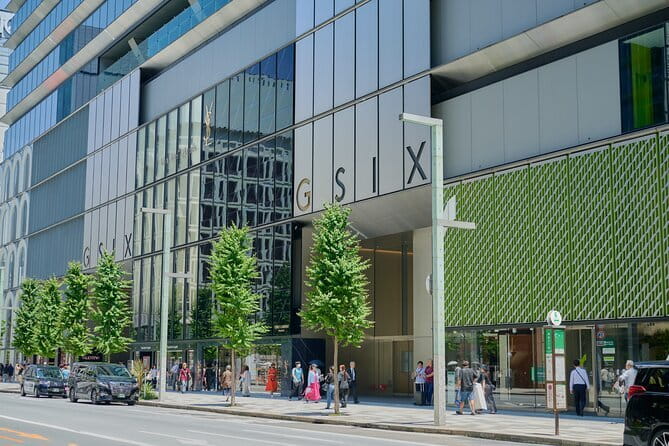
One of the most interesting elements of this tour is how your guide connects what you see to the Shogun era and to how natural disasters shaped architectural choices. Even without turning every stop into a lecture, it changes the way you observe.
You start looking for clues about resilience and planning, not just style. In Japan, architecture often reflects the need for stability, careful material choice, and a design culture shaped by major events. Your guide’s explanations help you see those ideas in both older traditional spaces and newer commercial structures.
This is where guides like Hal or Taka can make a real difference. Hal is known for tying technical design choices to why certain projects became iconic. Taka is described as coming from an urban planning and architecture background, which helps you connect the city-level logic to what’s happening at street level.
How the small-group format changes what you notice
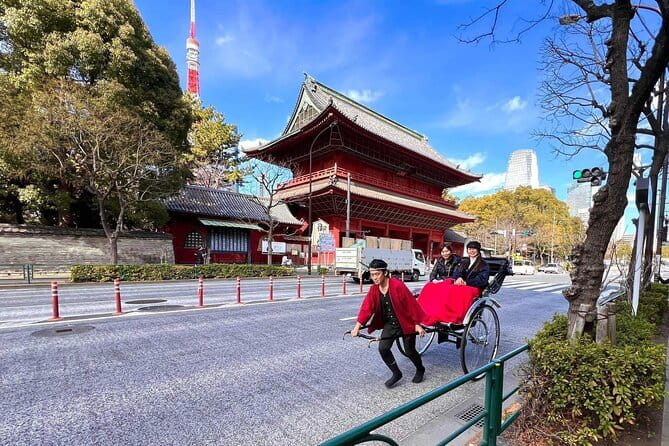
This tour caps at 6 travelers, and you can feel the difference. In a bigger group, questions get delayed and people get lost in the crowd. In a small group, you can ask for clarification, and your guide can adjust the pace.
That also means the photo stops feel purposeful. You’re not waiting for everyone to catch up. You’re using the pauses to actually observe details, like how buildings handle entrances, how the street grid frames sightlines, and how materials look in daylight.
I also like that it’s designed around walking, not bus or car sightseeing. Ginza is dense, so getting off a vehicle and moving at a human pace helps you understand the neighborhood as an experience, not as a list.
The included drinks pause is more than a nice touch
You get a cozy pause with drinks along the way. This matters because Ginza walking can add up, especially if you’re stopping for photos and entering buildings.
Also, it gives you a natural reset moment. You can regroup, check directions if needed, and ask your guide about what you’re seeing next. It’s the kind of small comfort that keeps the tour from turning into a sprint.
Price and value: paying for interpretation, not just walking
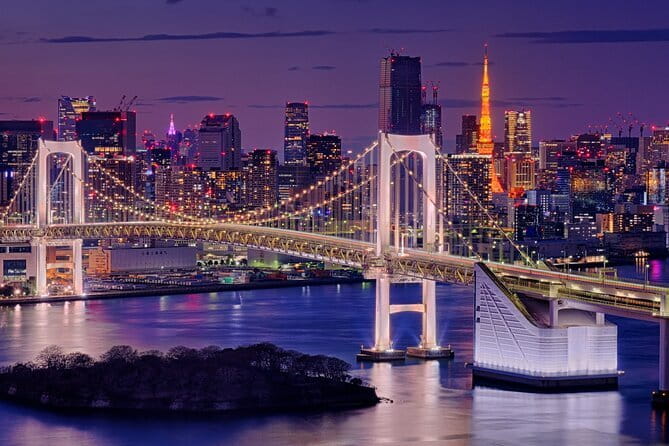
At $84.70 per person, this is not the cheapest thing you can book in Tokyo. The reason it can still feel like good value is what’s included.
You’re paying for:
- a local licensed guide
- guided time over about 3.5 hours
- a drinks pause
- and entry time at multiple stops
Also, the listed site admissions are marked free for each stop. That means you’re mostly paying for expertise and time, not ticket fees stacked on top of ticket fees.
If you’re the type of traveler who likes architecture but feels like guidebooks gloss over details, this price can make sense. You’re essentially buying a focused lens for Ginza, one that helps you translate what you see into something you can remember.
Who should book this Ginza architecture tour
This is a great match if you:
- enjoy architecture and want to understand design choices
- like walking tours but prefer smaller groups
- want a mix of older spaces and modern commercial buildings
- care about photo time, not just speed
It may be less ideal if you want a long, free-form neighborhood wander with lots of extra shopping time. The schedule is structured, and some stops are intentionally brief, like the outside views and the shrine visit.
Finally, keep the fitness level in mind. The tour is listed for travelers with moderate physical fitness, which usually means comfortable walking and frequent stops, not a marathon pace.
Should you book this tour?
I think you should book it if Ginza interests you beyond the big luxury names. This tour does a good job of giving you context, and it uses short interior visits and photo pauses to help you notice how architecture works in real settings.
Book it if you want a guided explanation that connects the buildings to larger forces like time, tradition, and disaster resilience. Also, the small group size is a real quality marker here, especially if you plan to ask questions.
If you only want to pass by famous facades from the sidewalk, you could do Ginza on your own. But if you want to understand what you’re looking at and get inside at several meaningful stops, this one is worth your half-day.
FAQ
How long is the Ginza architecture tour?
It lasts about 3 hours 30 minutes.
How much does the tour cost?
The price is $84.70 per person.
What size is the group?
The tour has a maximum of 6 travelers.
Is hotel pickup included?
No, hotel pickup and drop-off are not included.
Where do I meet the guide?
You meet at the Tsukiji meeting place near Tsukiji Station, 3-chome, Exit 1.
What time does the tour start?
The start time is 10:00 am.
Are the stop entrances included?
The stops listed are marked as free admission.
Is the tour dependent on weather?
Yes, it requires good weather. If it is canceled due to poor weather, you will be offered a different date or a full refund.
Newly listed around Tokyo
- Sumo Wrestlers Morning Practice Tour – Tokyo Sumida District★ 5.0 · 54 reviews
- Sumi-e Ink Painting Suiboku-Ga Workshop in a Japanese Teahouse★ 5.0 · 20 reviews
- 【Contemporary Culture】Bar Hopping I Always Visit in Shinjuku!★ 5.0 · 29 reviews
- Sumo Wrestling Tournament A-Class Seats & ExpertGuide | Tokyo MAY★ 5.0 · 14 reviews
- Tokyo Sumo Morning Practice: Viewing & Exclusive Interaction★ 4.5 · 59 reviews
- Snow Experience at Mt.Fuji, Hakone Pirate Ship & Gotemba Premium Outlet★ 4.0 · 32 reviews
- Asakusa’s Historic Treasures★ 5.0 · 30 reviews
- Small-Group Wagyu Beef and 7 Japanese Dishes Tokyo Cooking Class★ 5.0 · 190 reviews
Tokyo Tours, compared.
Mt Fuji and Hakone 1-Day Bus Tour Return by Bullet Train
Read our review →

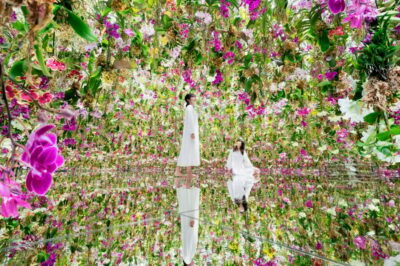
teamLab Planets TOKYO Digital Art Museum Entry Ticket
Read our review →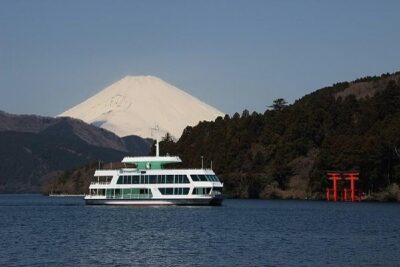
Mt Fuji & Hakone Cruise, Drum Show Bullet Train 1 Day from Tokyo
Read our review →
Sumo Show Experience with Chicken Hot Pot and a Photo
Read our review →
Shinjuku Food Tour (13 Dishes at 4 Local Eateries)
Read our review →