
Review · WORKSHOPS
Sumi-e Ink Painting Suiboku-Ga Workshop in a Japanese Teahouse
Ink moves slower than you think. This Suiboku-ga sumi-e workshop in a Tokyo teahouse is interesting because it trades big-group sightseeing for a calm, hands-on class with an instructor you can actually ask questions to. I really like the small group size (max eight), which keeps the pace unhurried.
I also like that you leave with something you made, not just photos: you’ll learn core techniques from award-winning artist Rensui, then take home your finished piece along with green tea. One drawback to think about: ink painting can feel harder than it looks, so if you’re expecting instant, detailed results, you may need to adjust your expectations.
In This Review
- Key Things You Should Know Before You Go
- A Tokyo Teahouse Workshop That Feels Nothing Like a Classroom
- Finding the Start Point Near Tsukiji
- The Lesson With Rensui: Water, Ink, and a Calm Zen Approach
- What you’ll do during the hour
- Choosing Your Theme: Pine, Bamboo, Plum, Orchid, Chrysanthemum, or Kanji
- Why these themes work for beginners
- Materials and Green Tea: The “Small Comforts” Part of the Value
- What’s included vs not included
- What You Take Home: Your Finished Artwork (and Why It’s Better Than a Souvenir Shop Bag)
- Price and Value for a One-Hour Hands-On Class
- Small Group Size: Why It Changes Everything
- Who Should Book This Workshop, and Who Might Skip It
- Should You Book This Tokyo Suiboku-ga Ink Painting Workshop?
- FAQ
- How long is the Suiboku-ga ink painting workshop?
- How many people are in the class?
- Is the workshop taught by an instructor by name?
- Can I choose what I paint when I book?
- What themes are available to paint?
- Are materials included?
- What food or drink is included?
- Where do I meet for the workshop?
- Do I need a printed ticket?
- What is the cancellation policy?
Key Things You Should Know Before You Go
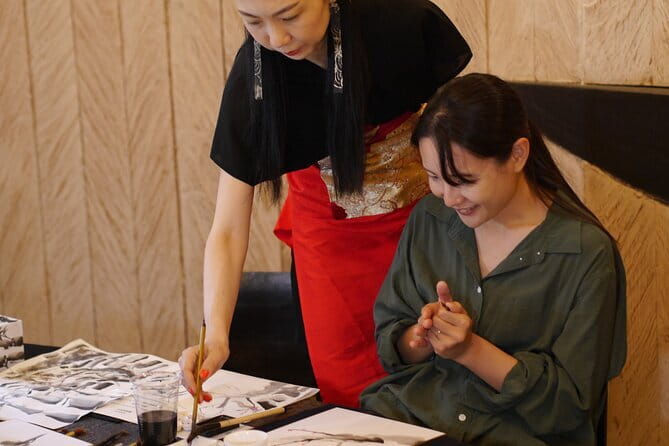
- Small-group teaching (max 8) means more time with the instructor.
- Guided Suiboku-ga basics focus on water, ink, texture, and contrast rather than layered paint.
- You choose your theme at booking: pine, bamboo, plum, orchid, chrysanthemum, or kanji.
- Single-brush finishing is part of the lesson approach, even for beginners.
- Green tea is built in as both a refreshment and a souvenir you can take home.
A Tokyo Teahouse Workshop That Feels Nothing Like a Classroom
A lot of Tokyo workshops are busy, loud, and overly scripted. This one feels different because it’s built around Suiboku-ga, a Japanese ink-wash style where the result depends on water control and confident brush decisions. The teahouse setting also helps you slow down, which matters in a medium as unforgiving as ink.
The class is designed as an introduction, and that’s part of the appeal. You’re learning a technique that is simple on paper but tricky in practice, and that gives you a real sense of progress in just about an hour.
A few more Tokyo days to weigh up
- Mt Fuji and Hakone 1-Day Bus Tour Return by Bullet Train
★ 5.0 · 26,383 reviews - 1-Day Tokyo Bus Tour
★ 5.0 · 14,250 reviews - Tokyo: TOKYO SKYTREE® Admission ticket
★ 4.5 · 11,192 reviews
Finding the Start Point Near Tsukiji
You’ll start at Uogashi Meicha Chanomi Club, located at 2-chōme-11-12 Tsukiji, Chuo City, Tokyo. The activity ends back at the meeting point, so you don’t have to worry about figuring out a second location afterward.
This is also one of those activities that works well even if your day is already packed. It’s about 1 hour, and it’s near public transportation, so you can slot it in without turning it into a whole logistical project.
The Lesson With Rensui: Water, Ink, and a Calm Zen Approach
The teacher for this class is Rensui, described as an award-winning calligrapher and artist. The workshop centers on the fundamentals of Suiboku-ga, a form of Sumi-e that uses ink washes to create texture and contrast instead of building up layers like many painting styles.
There’s also a mindset component. Suiboku-ga is often talked about as a technique from the heart, and the class aims to connect basic brush technique with a Zen-like spirit. Practically, that translates to fewer steps and more attention to what you do with each brush stroke.
One key technique you’ll be guided through is finishing with a single brushstroke. That sounds small, but it changes how you think while painting. You’re not constantly correcting. You’re committing, and you’re learning when to stop.
What you’ll do during the hour
You can expect a guided, step-by-step process that includes:
- Learning how to handle water and ink for the right look and texture
- Working toward a finished piece you can take home
- Getting coaching designed for beginners, not experts
If you’ve never painted in ink before, that’s normal. In fact, this is the kind of activity where the instructor’s coaching makes a big difference, because your first instinct is often to overwork the surface.
A different sort of day in Japan:
- Tokyo: teamLab Planets TOKYO Digital Art Museum Entry Ticket
★ 4.6 · 9,779 reviews - Mt Fuji & Hakone Cruise, Drum Show Bullet Train 1 Day from Tokyo
★ 4.0 · 7,413 reviews - Tokyo: Sumo Show Experience with Chicken Hot Pot and a Photo
★ 4.8 · 6,678 reviews - Tokyo: Shinjuku Food Tour (13 Dishes at 4 Local Eateries)
★ 5.0 · 6,603 reviews
Choosing Your Theme: Pine, Bamboo, Plum, Orchid, Chrysanthemum, or Kanji
At booking, you choose what you want to paint from a set theme list. The themes are: pine, bamboo, plum, orchid, chrysanthemum, or Chinese kanji characters.
That choice matters more than you might think. Different subjects push different brush movements. And even if the lesson is introductory, choosing a subject you like can help you stay engaged and confident as the instructor guides you.
Why these themes work for beginners
These subjects are classic for Japanese ink painting, and they’re also flexible. For example, bamboo or pine can be made in a simple style that still looks intentional. Kanji is more about brush energy and control than tiny details, so it can be a good match for first-timers who worry about drawing “perfect pictures.”
Materials and Green Tea: The “Small Comforts” Part of the Value
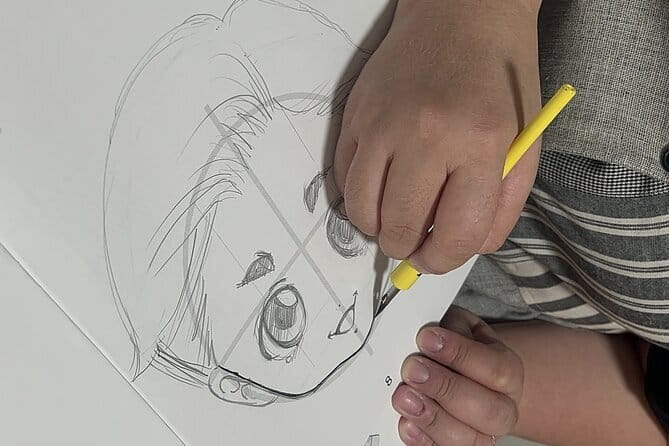
The workshop includes materials, plus Japanese green tea. You get light green tea refreshment during the session and also a packet of green tea as a souvenir to take home.
That may sound like a minor add-on, but it improves the whole experience. When you’re learning a technique that demands patience, having a warm drink and a relaxed break helps the session feel like a real cultural moment, not just a ticketed activity.
What’s included vs not included
Included:
- Workshop fee
- Materials
- Green tea souvenir
- Light green tea refreshment
Not included:
- Hotel pickup and drop-off
- Any other services not listed
So plan to make your own way to the meeting point. The trade-off is that you’re paying for the class itself and the included materials and tea.
What You Take Home: Your Finished Artwork (and Why It’s Better Than a Souvenir Shop Bag)
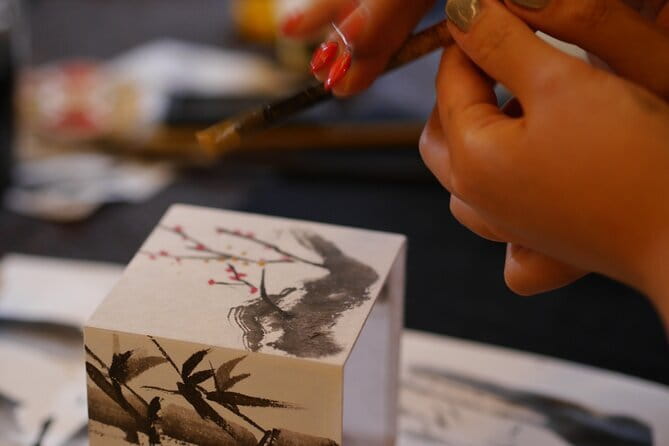
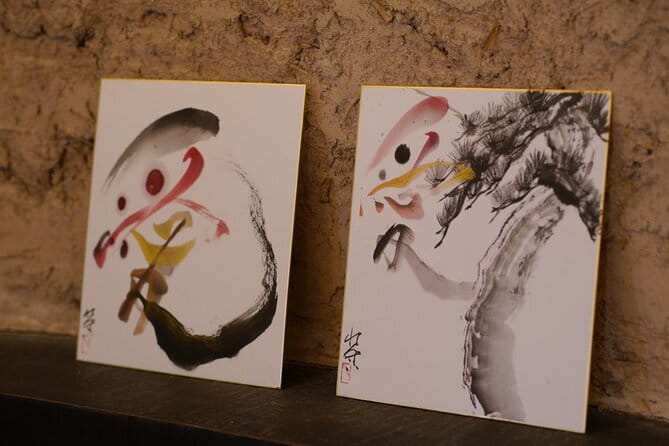
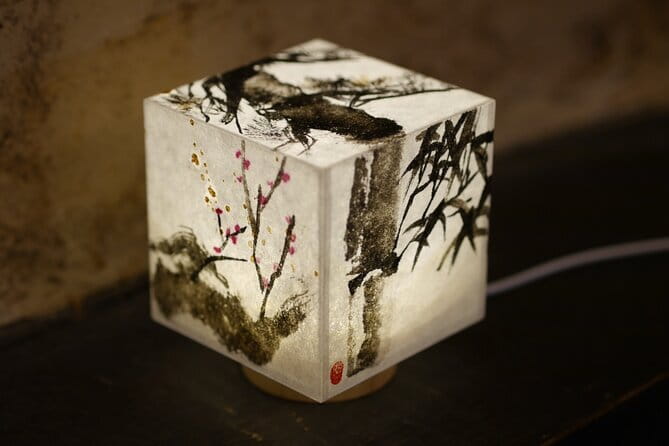
You’ll finish a piece that becomes a souvenir you can take home or gift to friends and family. That’s a big part of the appeal: the value isn’t just in the ink and paper, it’s in the process and the fact that it’s yours.
In reviews and word-of-mouth for this style of class, a common theme is that the instructor can pull out something worthwhile even if you think you’re not “good at drawing.” That matters because ink painting can feel intimidating at first, and a supportive teacher helps you land the basics.
Also, the finished work tends to be more personal than typical travel memorabilia. A tea tin or snack is easy to buy anywhere. Your own Suiboku-ga piece is something you can look at later and remember the day you learned the technique.
Price and Value for a One-Hour Hands-On Class
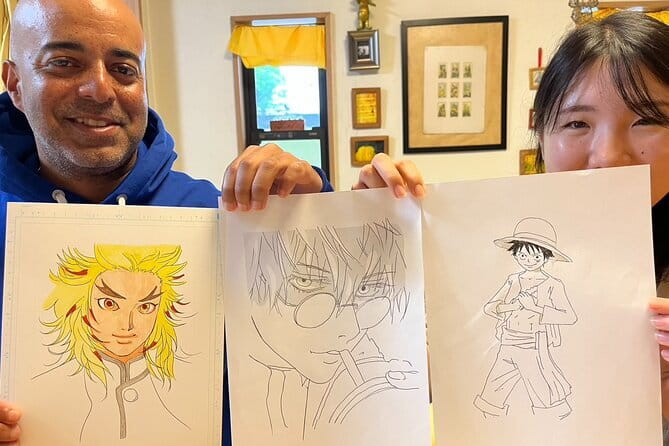
The price is $93.34 per person. For a one-hour experience, that might feel high if you’re comparing it to street-level activities like museum entry or a casual market stop.
But in this case, you’re paying for:
- A small-group class (max eight)
- Instruction from a named, award-winning artist
- Included materials
- Included tea, both during the class and as a take-home souvenir
- A guided approach to a technique that requires real coaching, especially with ink and water
The biggest value factor here is time and attention. In a larger, more crowded workshop, you often spend most of the session waiting. In a class this size, you’re more likely to get correction when your brush control or ink tone is off.
And if you’re the type who wants authentic Tokyo experiences beyond the usual photo ops, this is the sort of activity you’ll feel good about even after the one hour ends.
Small Group Size: Why It Changes Everything
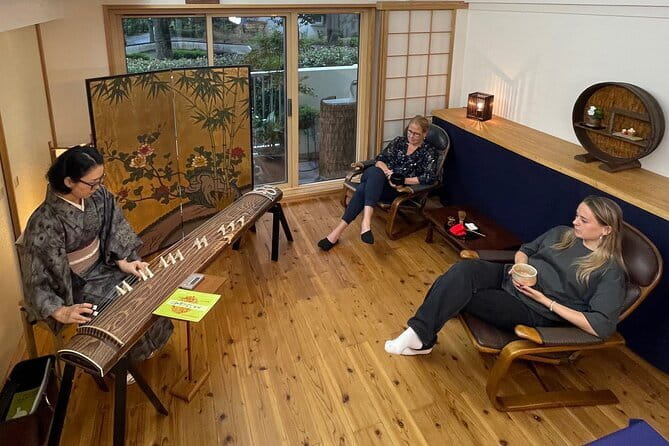
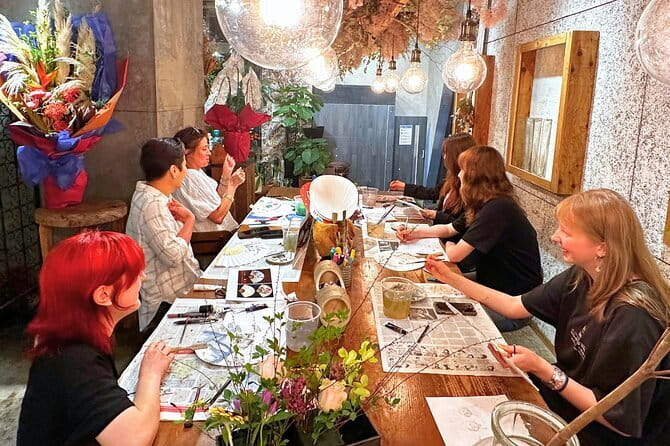
This workshop is limited to eight travelers max. That’s not just a comfort detail, it affects the entire learning curve.
With fewer people, you get:
- More chances to see what the instructor is doing
- Faster feedback if your ink is too light or too dark
- A calmer pace that helps you actually enjoy the process
It also makes a difference for families. People bringing kids have found the class memorable, especially when the instructor helps them translate the theme into a simple, achievable result.
One more practical point: because ink painting can go from calm to stressful quickly, a small group setting keeps everyone from feeling rushed.
Who Should Book This Workshop, and Who Might Skip It
This is a strong fit if you:
- Like hands-on art activities
- Want a quieter, more personal Tokyo experience
- Enjoy Japanese culture that’s not just food and temples
- Are okay with learning something new that takes practice
It’s also a good choice for beginners. The class is described as an introductory course, and the teaching style includes simple methods like finishing with a single brushstroke.
You might consider skipping if you:
- Only want guaranteed, highly detailed results right away
- Are looking for a long multi-day art session
- Want hotel pickup included, since this does not list transportation services
If your goal is to check a box, an ink workshop may feel like a lot of focus for one hour. If your goal is learning a cultural skill, it’s a very satisfying use of time.
Should You Book This Tokyo Suiboku-ga Ink Painting Workshop?
I’d book it if you want something that feels genuinely Tokyo, but not in the usual crowds-and-queues way. The combination of Suiboku-ga technique, a named instructor (Rensui), small group size, and a take-home piece makes this more than a passing activity.
But be honest with yourself about what ink painting asks from you. Even with coaching, you’re working in a medium where the brush doesn’t always let you correct mistakes. If you can accept that and enjoy the process, you’ll likely walk away proud.
One final practical tip: when you choose your theme at booking, go with the one you’ll feel happiest looking at later. Pine, bamboo, plum, orchid, chrysanthemum, or kanji are all fine options, but your enjoyment of the subject will carry you through the session.
FAQ
How long is the Suiboku-ga ink painting workshop?
The workshop is approximately 1 hour.
How many people are in the class?
The class has a maximum of 8 travelers, so it stays small.
Is the workshop taught by an instructor by name?
Yes. The workshop is led by award-winning artist and calligrapher Rensui.
Can I choose what I paint when I book?
Yes. At booking, you can choose which object you want to paint on.
What themes are available to paint?
Themes include pine, bamboo, plum, orchid, chrysanthemum, and Chinese kanji characters.
Are materials included?
Yes. Materials are included in the workshop fee.
What food or drink is included?
You’ll enjoy Japanese green tea during the workshop, and you also receive a light green tea refreshment. You get a packet of green tea as a souvenir as well.
Where do I meet for the workshop?
You start at Uogashi Meicha Chanomi Club, 2-chōme-11-12 Tsukiji, Chuo City, Tokyo 104-0045, Japan. The activity ends back at the meeting point.
Do I need a printed ticket?
No. The workshop uses a mobile ticket.
What is the cancellation policy?
You can cancel for a full refund if you cancel at least 24 hours before the experience’s start time, and free cancellation is offered. Confirmation is received within 48 hours of booking, subject to availability.
Newly listed around Tokyo
- Sumo Wrestlers Morning Practice Tour – Tokyo Sumida District★ 5.0 · 54 reviews
- 【Contemporary Culture】Bar Hopping I Always Visit in Shinjuku!★ 5.0 · 29 reviews
- Sumo Wrestling Tournament A-Class Seats & ExpertGuide | Tokyo MAY★ 5.0 · 14 reviews
- Snow Experience at Mt.Fuji, Hakone Pirate Ship & Gotemba Premium Outlet★ 4.0 · 32 reviews
- Tokyo Sumo Morning Practice: Viewing & Exclusive Interaction★ 4.5 · 59 reviews
- Asakusa’s Historic Treasures★ 5.0 · 30 reviews
- Small-Group Wagyu Beef and 7 Japanese Dishes Tokyo Cooking Class★ 5.0 · 190 reviews
- Flavours of Tokyo: A Journey Through Time – Small Group Food Tour★ 5.0 · 149 reviews
Workshops, compared.
Sushi Making Tokyo Roll and Authentic Japanese Sushi Class
Read our review →
Roll and Authentic Sushi Making Class in Asakusa
Read our review →
Ramen Cooking Class at Ramen Factory in Kyoto
Read our review →
Sushi Making Class in a Happi Coat near a Famous Spot
Read our review →

Tokyo Sushi Making Class in Tsukiji with Professional Chef
Read our review →
Ramen & Gyoza Cooking Class in Tokyo with Local Supermarket Visit
Read our review →Browse the lists this tour appears in