
Review · SUMO STABLE VISITS
Sumo Wrestling Tournament A-Class Seats & ExpertGuide | Tokyo MAY
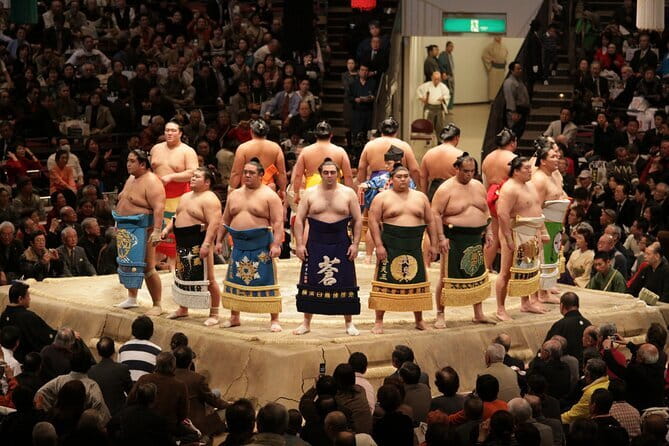
Sumo hits differently in person. This 4-hour Tokyo May sumo tournament experience brings you to A-Class seats at Ryogoku Kokugikan with a small group (up to 5) and a guide who explains what you are seeing as the day builds toward the strongest bouts. You even get to watch the pre-bout nakabi ceremony from your seats.
I especially like two things. First, the second-floor A-seat chairs give you a panoramic view without the pain of seiza, and eating and drinking at your seat is allowed. Second, the guide stays with you the whole time, answering questions and translating the tournament flow and traditions into plain English, with past guides like Yoki, Yuki Hatagawa, Atsushi, Yoko, and Jhon praised for their energy and clear explanations.
One thing to consider: these are great A seats, but the seating area cannot be specified, and you should not assume ringside. Also, you are committing to a set afternoon window from 14:00 to about 18:00, so plan your Tokyo day around it.
In This Review
- Key highlights at Ryogoku Kokugikan
- A-Class seats at Ryogoku Kokugikan, without the seiza grind
- Your afternoon schedule: 14:00 to about 18:00, built for the best matches
- The guide role: turning a seat into real understanding
- Watching nakabi from A seats: a small ceremony that frames everything
- The main bouts, TV timing, and how to plan your attention
- Food, drinks, and the included photos you will actually use
- Price and value: why $190 can make sense for A-class seats
- Who this sumo tour fits best, and who might want a different seat
- Quick planning tips before you go
- Should you book this Tokyo A-Class sumo tour?
- FAQ
- How long is the sumo tournament session?
- Where do I meet the guide?
- What seats do I get?
- Can I eat or drink at my seat?
- Is snacks included?
- Will I stay in one place the whole time?
- When is the nakabi ceremony?
- Is it possible to enter and leave the venue?
- What is included in the ticket price?
- Can I cancel for a full refund?
Key highlights at Ryogoku Kokugikan
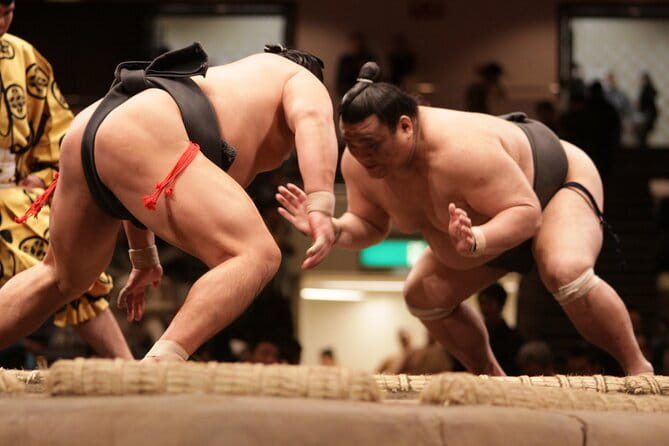
- A-Class second-floor chair seats with a wide view, and no seiza kneeling required
- Nakabi ceremony timing around 15:40, watched from your seats
- Main bouts window (about 16:00 to 18:00) when Japanese TV broadcasts start
- Small group format (up to 5) so questions are easy, not awkward
- Guidebook plus photos included, so you can remember details later
- Move around after you sit, so you can adjust for viewing comfort
A-Class seats at Ryogoku Kokugikan, without the seiza grind
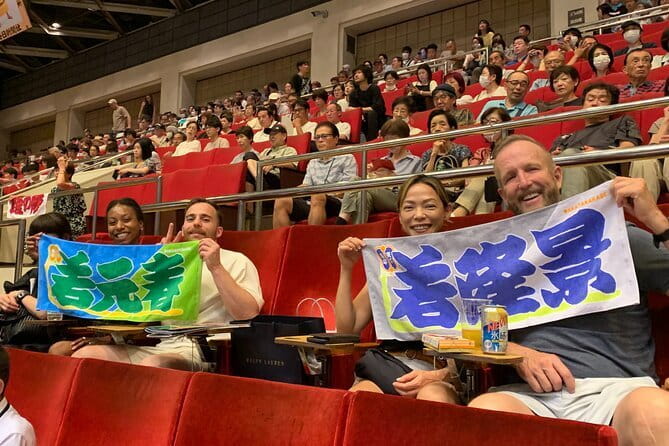
Ryogoku Kokugikan is where modern sumo really concentrates, and this tour gets you into the action with A-seat chairs on the second floor. The big practical win is comfort. You are not asked to sit in seiza, and because these are chair seats you can settle in for the afternoon without your legs going numb. Your view is also designed to be broad, described as panoramic across the arena, which matters because sumo is all about reading movement and timing, not just spotting a single target.
You can eat and drink at your seat. That sounds minor until you do it. During a tournament session, you want the freedom to snack and sip without leaving your place, especially when the most intense matches come closer to the later part of the afternoon. One review comment suggested there is always something to learn and watch once you understand the flow, and the best way to keep pace is to stay seated and present.
A small but important detail: the seating area cannot be specified. That means you should think of this as A-class access plus a great overall view, not a guaranteed perfect spot. If you are the type who obsesses over angles, or if you dream of the closest possible ringside view, you may want a different ticket category. But for most people, the comfort and sightlines make A-class feel like the sweet spot.
Compare these Sumo Stable visits in Tokyo:
- Tokyo: Sumo Show Experience with Chicken Hot Pot and a Photo
★ 4.8 · 6,678 reviews - Tokyo: Sumo Show and Dining Experience
★ 4.8 · 2,742 reviews - the SUMO show
★ 5.0 · 1,960 reviews
Your afternoon schedule: 14:00 to about 18:00, built for the best matches
This is not a casual drop-in. It runs as a structured session that lines up with the tournament’s strongest stretch. You meet at 14:00 at NewDays Ryogoku No.8, JR Ryogoku Station area (West Exit, Sobu Line), then you head into the venue together.
Once inside, you arrive at your seat on the second floor and you are free to move around. That flexibility is useful because sometimes you will want a different angle for a moment, or to step away before the busiest portion begins. Still, since the highlight blocks are time-dependent, most of your watching will naturally happen in your seat.
Here is the pacing that makes this tour work:
- Mid-afternoon prep: around 15:40 you will watch the nakabi ceremony from your seats.
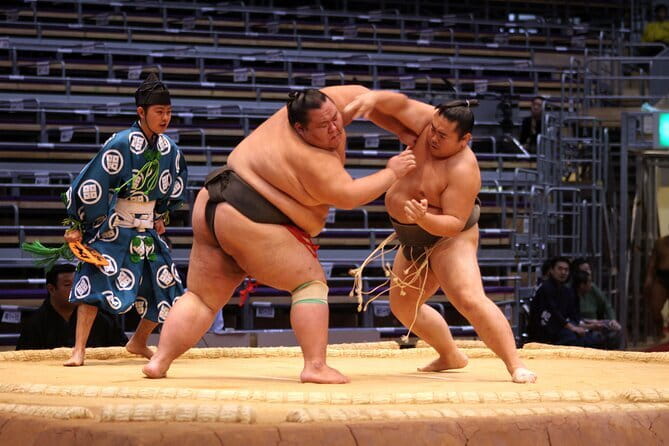
- Peak viewing: 16:00 to about 18:00 is the highlight, with especially strong bouts starting and Japanese TV broadcasts beginning as well.
- Finish: around 18:00, after the final match, the tour disbands.
What I like about this setup for you is that it avoids the common first-time problem. Many people arrive at a tournament and spend too long trying to decode what is happening next. Here, you get guided structure that points your attention to the moments that matter most, starting before the strongest bouts and carrying through the main run.
The guide role: turning a seat into real understanding
This tour is not just a ticket. It is a guided afternoon, and the guide is a big part of the value. You get a professional guide plus an original sumo guidebook, and the guide stays with your small group the entire time.
Past experiences with guides named Yoki, Yuki Hatagawa, Atsushi, Yoko, and Jhon were repeatedly described as friendly, enthusiastic, and able to answer questions as they came up. One thing that stands out in those comments is how the explanations worked for first-timers. If you do not know sumo rules yet, you get a clear start, including how the tournament is organized and what to look for as bouts begin.
I also like that the guide format is interactive. In a small group (up to 5), you can ask practical questions without shouting over strangers. And since the arena has its own rhythms, it helps to have someone who can point out what is happening now versus what you might see later.
Even if you have some sumo familiarity, the guidebook plus live explanation can change how you watch. Sumo is built on tradition and routine, and the best moments often come from understanding why a certain sequence exists. The guide is there to connect those dots, rather than leaving you alone with confusion while you stare at the ring.
Watching nakabi from A seats: a small ceremony that frames everything
Around 15:40 you will watch the nakabi ceremony from your seats. This is a great inclusion because it is early enough to set your mindset, but close enough that you stay in the flow.
Why it matters: ceremonies and pre-bout rituals are how sumo signals that something important is about to happen. Even if you do not know every detail, watching this segment gives you a context shift. You stop treating the day like random matches and start seeing it as a formal progression.
From a comfort standpoint, watching from your A-class seat is also a win. Instead of rushing around the arena searching for the best spot, you already have your base. You can focus on what the guide is explaining while you watch the ceremony unfold. For first-time visitors, this is often the difference between a cool sports event and a truly memorable cultural experience.
A few more Tokyo days to weigh up
- Mt Fuji and Hakone 1-Day Bus Tour Return by Bullet Train
★ 5.0 · 26,383 reviews - 1-Day Tokyo Bus Tour
★ 5.0 · 14,250 reviews - Tokyo: TOKYO SKYTREE® Admission ticket
★ 4.5 · 11,192 reviews - Tokyo: teamLab Planets TOKYO Digital Art Museum Entry Ticket
★ 4.6 · 9,779 reviews
The main bouts, TV timing, and how to plan your attention
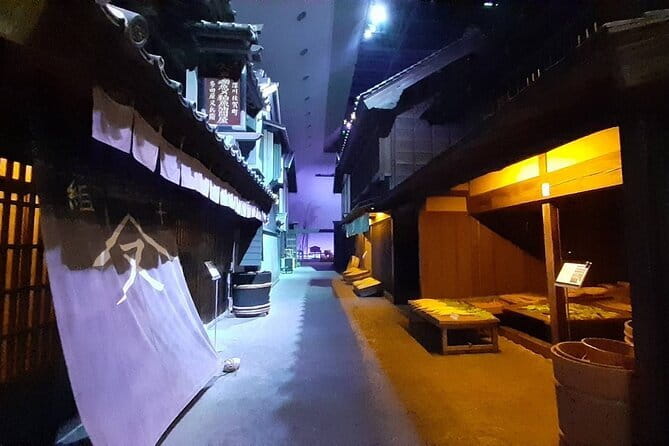
From 16:00 to around 18:00, the tour hits its peak. This is also when Japanese TV broadcasts begin, and when the especially strong wrestlers start their intense matches.
This is the time you should treat like your priority block. The good news is you do not have to scramble for better viewing because you already have your seats. The chair comfort helps you stay locked in, and because you can move around after you sit, you can adjust your position without losing the rhythm of what is happening.
If you are someone who likes to understand sports as you watch, this is where the guide has the most room to be helpful. Reviews that mention guides explaining wrestler rankings and how the tournament works point to a common result: once you understand who is coming up and why these matchups matter, the intensity feels clearer.
My practical tip for you: during the peak window, keep questions simple and immediate. Ask things like what to watch for in the current bout, or how the rank structure connects to what you see next. You will get more value out of your guide when you time your questions to the moment, not hours earlier.
Food, drinks, and the included photos you will actually use
The tour is designed for an afternoon that lets you stay seated. Eating and drinking at your seat is allowed, and the pacing from about 14:00 through the final match around 18:00 means you can snack without breaking your day into multiple trips.
Snacks themselves are listed as not included. So if you know you like a certain type of convenience food, bring what you prefer or plan to buy locally before you settle in. The included comfort is about access and timing, not a full meal package.
Another included item that I think is underrated: tour photos. In a venue like this, it is hard to capture everything you want because you are focused on the ring. Having someone else handle photos means you can look back later and remember the atmosphere, your seat area, and the day as a whole.
Price and value: why $190 can make sense for A-class seats
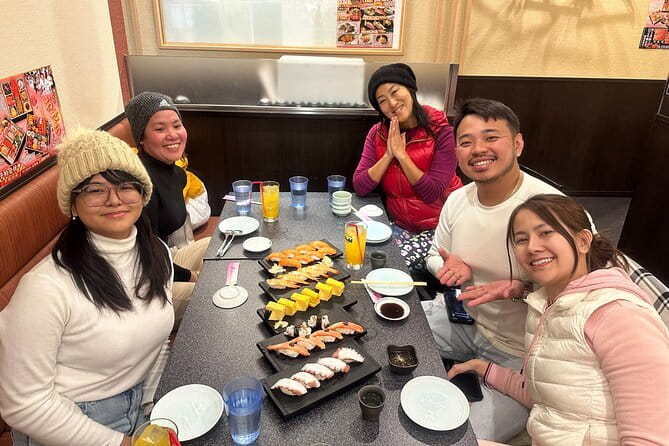
At $190 per person for a 4-hour guided tour, the value really depends on what you compare it to.
Here is the practical math behind why it can be worth it:
- You are paying for A-class ticket access plus a professional guide in a small group up to 5.
- You also get an original sumo guidebook and tour photos, which reduces the hassle of figuring everything out on your own.
- You are not spending time researching what matters at what time. The day is clearly structured around the moments most first-timers miss, like the nakabi ceremony around 15:40 and the strongest bout block around 16:00.
If you are comfortable self-guiding, you might be able to buy tickets directly and wing the rest. But if you want the matches to land emotionally and intellectually, the guide helps you interpret what you are seeing, and that is where a guided experience earns its keep.
One more timing detail that affects value: this is typically booked about 68 days in advance on average. That suggests demand is real, especially for a popular tournament date. If you are traveling in May during the sumo season window, being early matters.
Who this sumo tour fits best, and who might want a different seat
This tour is best for you if:
- you want to understand sumo without spending your whole trip researching rules
- you prefer comfort with chair seating and no seiza pressure
- you like a small-group experience where questions stay manageable
- you want the nakabi moment and the main bouts window in one organized session
It may not be ideal if:
- you are specifically chasing a closest-possible ringside experience
- you want full control over your exact seat placement, since the seating area cannot be specified
- you dislike fixed schedules, because the tour runs from 14:00 to about 18:00 and disbands after the final match
Also, the tour says most people can participate. If you have mobility or stamina concerns, the chair seats and no seiza requirement are a strong plus. Still, you will be spending several hours inside the arena, so plan accordingly.
Quick planning tips before you go
If you want your afternoon to go smoothly, do these:
- arrive at the meeting point around 14:00 at NewDays Ryogoku No.8 near JR Ryogoku Station West Exit
- wear shoes you can stand and walk in, since you may move around inside the venue
- keep your schedule open for the full 14:00 to about 18:00 session
- bring a small snack plan since snacks are not included
And remember, the day is designed around attention. The nakabi ceremony and the main bouts do not wait for you to settle in. Once you are seated and the guide starts pointing out the flow, you will likely feel like the whole tournament clicks into place.
Should you book this Tokyo A-Class sumo tour?
Yes, if you want a high-satisfaction sumo experience that is easy to understand and comfortable to sit through. The A-class second-floor chair seats remove a lot of friction, and the guided explanations are the main reason first-timers often leave feeling like they truly watched sumo, not just attended a stadium event.
If you already know sumo well and you have a strong preference for ringside distance, you might compare seat categories before committing. But for most people visiting Tokyo during a May tournament season, this strikes a practical balance: great viewing comfort, a guided interpretation of the tournament structure, and well-timed access to nakabi and the strongest bout block.
FAQ
How long is the sumo tournament session?
The tour runs about 4 hours, with the session described as 14:00 to 18:00.
Where do I meet the guide?
You meet in front of NewDays Ryogoku No.8, at the West Exit of JR Ryogoku Station (Sobu Line), at 14:00.
What seats do I get?
You get Class A seats on the second floor in Ryogoku Kokugikan. The seating area cannot be specified.
Can I eat or drink at my seat?
Yes. Eating and drinking at your seat is allowed.
Is snacks included?
Snacks are not listed as included.
Will I stay in one place the whole time?
After you arrive at your seat, you are free to move around inside the venue, but the viewing schedule still follows the fixed timing of the ceremony and matches.
When is the nakabi ceremony?
The nakabi ceremony begins around 15:40, and you watch it from your seats.
Is it possible to enter and leave the venue?
Re-entry is possible once per day. If you need to leave the venue, you should inform the guide.
What is included in the ticket price?
Included are the Class A ticket, a professional guide, an original sumo guidebook, and tour photos. Admission is included in the tour.
Can I cancel for a full refund?
You can cancel up to 24 hours in advance for a full refund, based on local time.
Newly listed around Tokyo
- Sumo Wrestlers Morning Practice Tour – Tokyo Sumida District★ 5.0 · 54 reviews
- Sumi-e Ink Painting Suiboku-Ga Workshop in a Japanese Teahouse★ 5.0 · 20 reviews
- 【Contemporary Culture】Bar Hopping I Always Visit in Shinjuku!★ 5.0 · 29 reviews
- Snow Experience at Mt.Fuji, Hakone Pirate Ship & Gotemba Premium Outlet★ 4.0 · 32 reviews
- Tokyo Sumo Morning Practice: Viewing & Exclusive Interaction★ 4.5 · 59 reviews
- Asakusa’s Historic Treasures★ 5.0 · 30 reviews
- Small-Group Wagyu Beef and 7 Japanese Dishes Tokyo Cooking Class★ 5.0 · 190 reviews
- Flavours of Tokyo: A Journey Through Time – Small Group Food Tour★ 5.0 · 149 reviews
Sumo Stable Visits, compared.
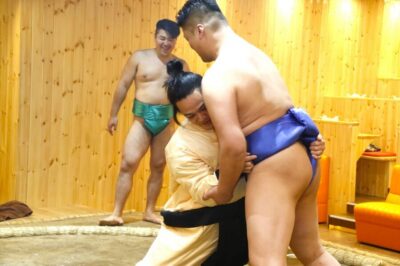
Sumo Show Experience with Chicken Hot Pot and a Photo
Read our review →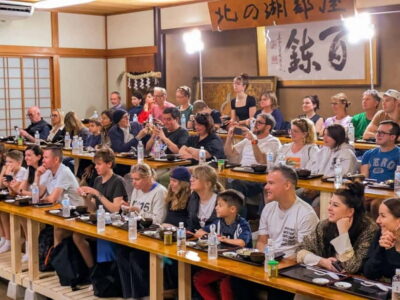
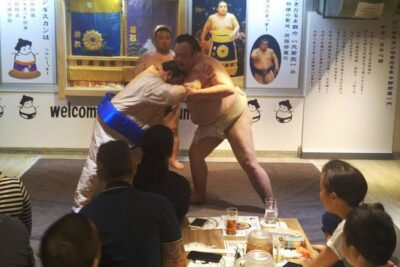
Tokyo Sumo Entertainment Show with Chicken Hot Pot and Photo
Read our review →
Tokyo Grand Sumo Tournament Viewing Tour with Tickets
Read our review →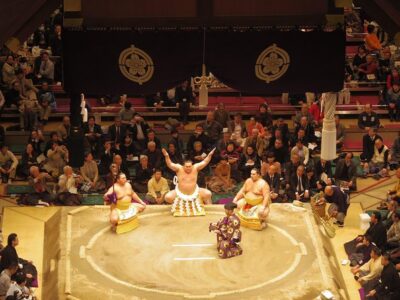

Sumo Show & Experience w/ Optional Kimono & Hot Pot
Read our review →Browse the lists this tour appears in