
Review · SHRINE & TEMPLE VISITS
Takayama: Onigiri and miso soup making at a buddhist temple
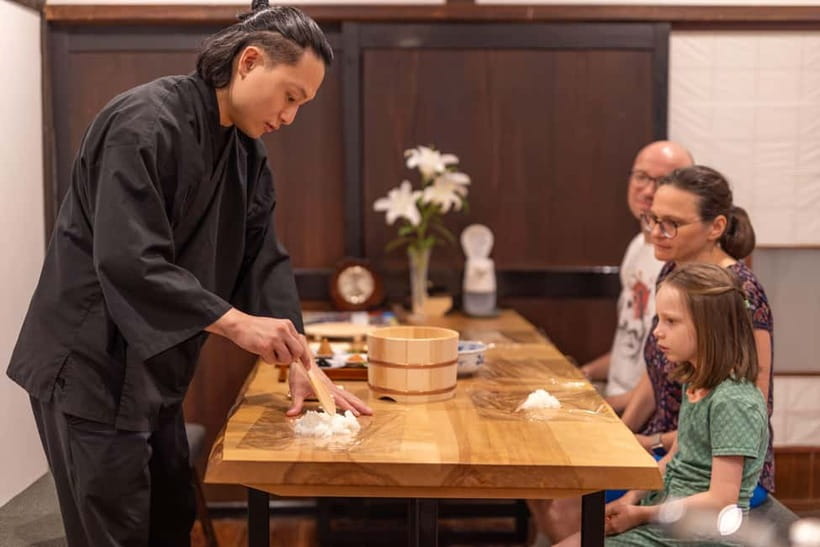
Temple cooking makes Takayama feel personal. In one hour you shape onigiri and learn miso soup in a quiet Buddhist kuri, with English guidance and a touch of prayer before you eat. It is not a food tour with lots of photos, it is hands-on time in a real temple kitchen.
I especially like the step-by-step coaching from temple staff, because they explain what to do and why as you go. I also love that the meal is part of the activity, so you taste your own work as “breakfast or lunch” in the temple setting.
One consideration: this is a focused one-hour class, so if you want lots of extra cultural context, you might wish you had just a bit more time.
In This Review
- Quick hits you will care about
- Onigiri and miso soup at a Takayama Buddhist temple
- What you do in the kuri kitchen in one hour
- Rice balls 101, how temple staff teach the shape
- Miso soup lessons, from ingredients to mindful eating
- The cultural thread, Buddhist respect for food
- English-friendly coaching and small-group flow
- Price and value, what $25 really buys you
- Getting there from Takayama, meeting point and timing tips
- Who should book this class, and who should skip it
- Should you book this onigiri and miso soup class?
- FAQ
- How long is the onigiri and miso soup making class?
- Is the class taught in English?
- What will I make and eat during the class?
- Are vegetarian options available?
- Where do I meet the group, and when should I arrive?
- Is transportation to the temple included?
- Who is the class not suitable for?
- Is free cancellation available?
Quick hits you will care about
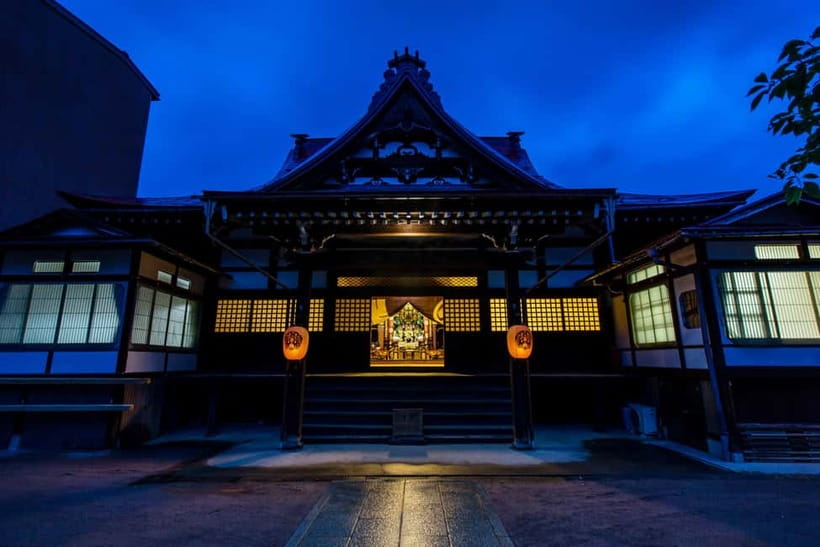
- Temple kuri kitchen: You cook in the temple’s own kitchen space, not a studio somewhere else.
- Two classics in 60 minutes: Onigiri and miso soup, made and eaten in the same session.
- English instruction: The instructor teaches in English, including how to handle ingredients.
- Vegetarian-friendly options: You can choose vegetarian without missing the core experience.
- Mindfulness touches: Sessions may include a brief prayer and advice on respecting food and ingredients.
- Small-group feel: It is run like a personal class, with time for questions and coaching.
Onigiri and miso soup at a Takayama Buddhist temple
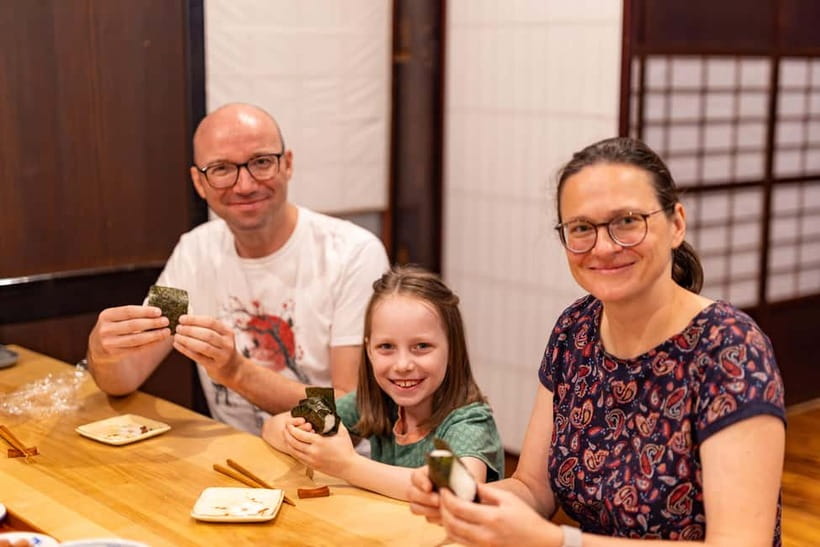
Takayama is a great place to do something calm and hands-on, and this class has that steady temple pace. Instead of bouncing between spots, you slow down and learn Japanese cooking the practical way: you make the food with your own hands, then you sit down and eat it.
The magic here is the setting. You are in a Buddhist temple environment where food is treated with respect, not just consumed. Even if your main goal is learning how to cook, you will also pick up small ideas about gratitude and mindfulness around eating.
For value, I like that you are not just tasting something. You get the full cycle: instruction, preparation, and a proper meal. For many people, that makes the $25 price feel fair, because it is both a class and your breakfast or lunch, not just a snack stop.
More Shrine and Temple visits in Takayama:
- Kyoto: Fushimi Inari, Kinkakuji, Bamboo Grove 1 Day Bus Tour
★ 4.8 · 4,316 reviews - Kyoto: Tea Ceremony Ju-An at Jotokuji Temple
★ 4.9 · 3,207 reviews - Tokyo: Meiji Shrine, Asakusa, Skytree Bus Tour and Cruise
★ 4.7 · 1,986 reviews
What you do in the kuri kitchen in one hour
The session runs about one hour, and the flow stays simple on purpose. You arrive a bit early, get settled, and then you move into cooking mode in the temple kitchen space called the kuri.
What you can expect is a guided, hands-on rhythm. You’ll work with fresh, seasonal ingredients to shape onigiri, and you’ll also learn the steps for making miso soup. Throughout, the temple staff explain processes clearly, and you get chances to ask questions when something feels unclear.
This timing matters. One hour is short enough that you do not get overloaded, but it can feel quick if you are the type who likes to linger and read every detail. The class is designed to be efficient, so think of it as learning the core technique and tasting the result, rather than mastering multiple cooking styles.
Rice balls 101, how temple staff teach the shape
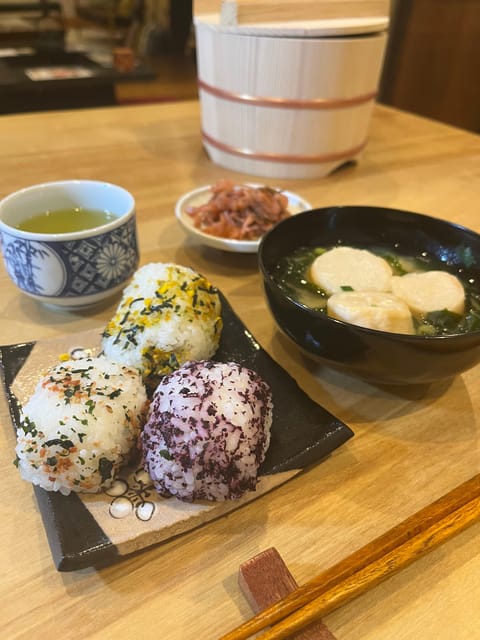
Onigiri is the national comfort food of Japan, but it is also surprisingly technical. The skill is not complicated, yet it does take practice to make it look right and hold together.
In this class, you learn the hands-on method for shaping rice balls. You use fresh ingredients and follow the guidance in the kitchen, where staff coach you through the steps without turning it into a lecture. If you like cooking, this part is satisfying because you can immediately see improvement.
One of the most praised parts of the experience is how clearly the process is explained in English. Several participants highlighted that the instructors’ English is strong, and that they actually talk you through the ingredients, not just the motions. That is a big deal if you want to take your skills home, because you’ll know what you are doing and what to replicate.
Also, because it happens in a small-group setup, you are more likely to get direct feedback while you work. That means fewer frozen moments like, Am I doing this right? and more practical corrections.
Miso soup lessons, from ingredients to mindful eating
Miso soup is one of those dishes that sounds simple, yet tastes like comfort when you get the balance right. The class treats miso soup as its own lesson, not an afterthought.
You learn the preparation steps with the temple staff, and you get to experience how ingredients come together. The staff also explain what you are using and why, and some sessions include discussion about how to respect ingredients and handle food thoughtfully.
A recurring highlight is the taste of the miso soup. People describe it as the best they have had, which makes sense when you consider the class context: you are making it fresh, you are learning the process properly, and you are eating it right after cooking.
The “eat what you make” part is not just nice. It helps you connect technique with flavor. If you care about cooking, you get instant feedback, and you leave with a memory that is easier to recreate later.
A few more Takayama days to weigh up
- Kanazawa: World Heritage Shirakawa-go Morning Guided Tour
★ 4.9 · 988 reviews - Kanazawa: World Heritage Shirakawa-go & Two Local Experience
★ 4.9 · 274 reviews - Kanazawa/Takayama: Shirakawago & Takayama Private Day Tour
★ 4.8 · 172 reviews - From Takayama: Guided Day Trip to Takayama and Shirakawa-go
★ 4.9 · 113 reviews
The cultural thread, Buddhist respect for food
This is not just a cooking class dropped into a temple. The temple setting comes with small teaching moments about food, respect, and gratitude.
Some sessions include a short prayer at the start. That can add a quiet, grounding tone to the experience, and it is one of the reasons people feel this class is more meaningful than a typical kitchen tour. You may also get hints about paying respect to the temple environment and its traditions, and that changes how you pay attention while cooking.
Even if your faith background is different, the ideas are easy to grasp because they are practical. Treat ingredients carefully. Be thankful for what you have. Pause before you eat. These are small actions, but they are taught in a way that fits the setting.
If you want a culture layer, this is one of the better ways to get it, because it is tied to what you are doing with your hands. You are not reading a sign and moving on. You are learning the actual ritual side of eating.
English-friendly coaching and small-group flow
I like that the class is conducted in English, with an instructor who teaches cooking steps clearly. Several participants praised guides for excellent English, including the way they talk about ingredients and the process behind the dishes.
The kitchen teaching style also comes through in the reviews as calm and friendly. People mentioned hosts like Kazuki and Tama, and described the staff as welcoming, helpful, and genuinely happy to chat. That matters for your experience, because food classes can be awkward if nobody explains what you should focus on.
Another practical plus is that the experience feels organized and hygienic. If you are worried about cooking classes abroad being chaotic, this one feels controlled. You get to cook without feeling rushed into mistakes.
And yes, it is a small group. That tends to mean you get more personal attention, more chances to ask questions, and more satisfaction when you finish with something you made yourself.
Price and value, what $25 really buys you
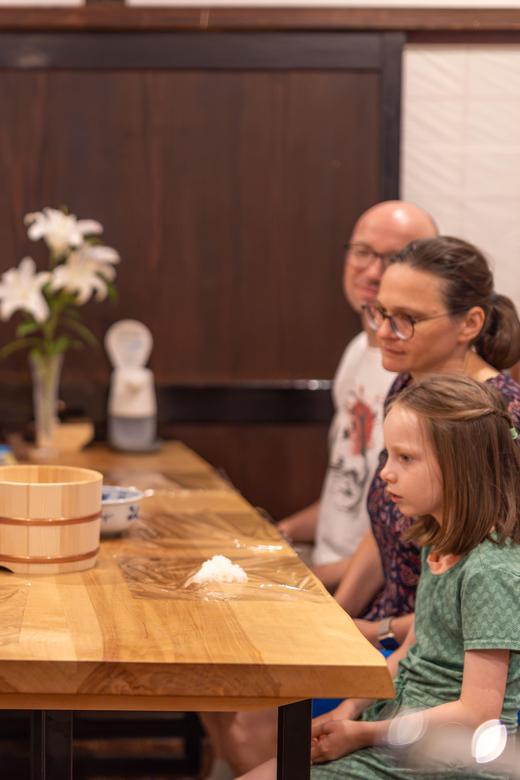
At $25 per person for about one hour, this class can be a strong value if you compare it to other paid experiences in Japan.
Here is what you get for that price:
- Onigiri and miso soup as your breakfast or lunch
- Hands-on guidance from temple staff
- Vegetarian-friendly options
- Instruction in English
- A meal tied directly to what you learn
Even without adding extras, you are paying for ingredients, coaching, and a prepared meal. That is not just tasting, it is participation. In a one-hour format, it is also easier to fit into a busy travel day in Takayama.
Where the value really lands is the combination. Many cooking classes elsewhere can feel like a demo with limited hands-on time. This one is structured for your hands to do the work, and then you eat it in the temple’s quiet space.
Also, you are paying for the setting. There are plenty of places to learn Japanese food. Fewer places let you do it in a working Buddhist temple kitchen environment.
Getting there from Takayama, meeting point and timing tips
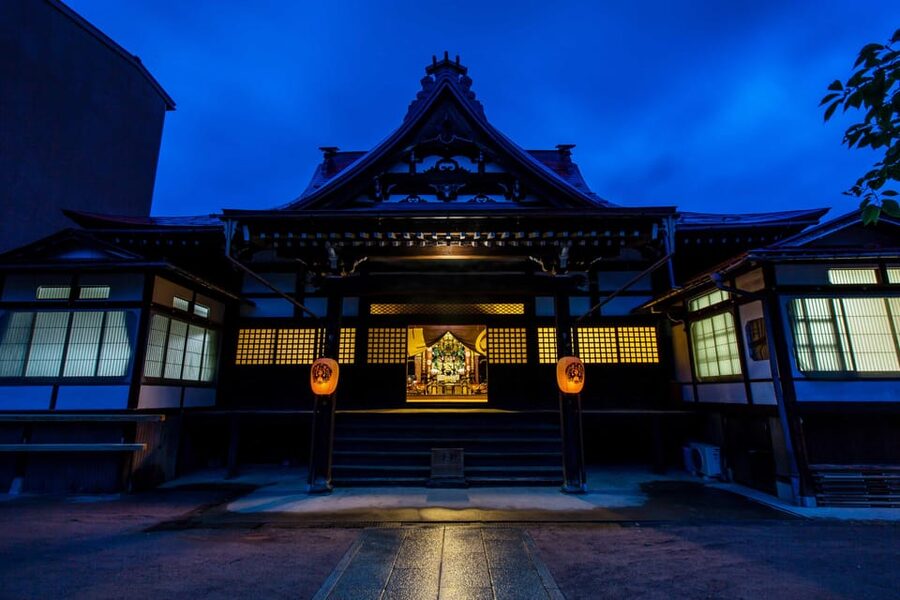
Transportation to the temple is not included, so you’ll need to plan your own way there. That is the main practical catch, because the rest of the class is straightforward once you arrive.
For the meeting point, you will look for the two gates in front of the temple. Enter the gate closer to the traffic lights, then walk straight to the entrance and follow the directions. If you are arriving with a smartphone map, still double-check the gate instructions, because temple entrances can be easy to misread.
Arrive about 10 minutes early. This is the kind of experience where being on time helps the group start smoothly, and it gives you a buffer to find the right entrance without stress.
One small thing to consider: parking may be limited. If you are driving, you may want to confirm options before you go. If you are using public transit, plan an extra bit of time so you can find the correct gate without rushing.
Who should book this class, and who should skip it
This class is ideal if you want a hands-on food experience that is not loud, commercial, or overly rushed. It is especially good for:
- People who love Japanese food and want to learn the technique
- Anyone who prefers small, guided instruction
- Visitors who want a gentle cultural experience with Buddhism woven into food respect
- You if you want breakfast or lunch handled in an interesting way
It is not suitable for:
- Children under 10
- Wheelchair users
- People with altitude sickness
The age and mobility restrictions matter. If you fall into one of those categories, you should look for other temple-friendly activities that match your needs.
Also, if you are expecting a long, detailed history lecture, this class is not built for that. It is built for making and eating two dishes within an hour, with cultural touches that come through in how you cook and eat.
Should you book this onigiri and miso soup class?
If your goal is practical learning, this is a yes. You come away with onigiri shaping technique, miso soup steps, and a meal you can taste while the lesson is still fresh in your mind. Add the temple setting and the English guidance, and it becomes one of the easier “high satisfaction” activities to choose in Takayama.
Book it if you like calm experiences and you want culture that shows up in daily life, not just sightseeing.
Skip it if you need mobility accessibility, you are traveling with kids under 10, or you want something longer and more in-depth than a one-hour format. Also, because transportation is not included, make sure you are comfortable getting to the temple on your own.
FAQ
How long is the onigiri and miso soup making class?
The class lasts 1 hour.
Is the class taught in English?
Yes, the instructor teaches in English.
What will I make and eat during the class?
You will make traditional onigiri (rice balls) and miso soup, and you’ll have them as breakfast or lunch.
Are vegetarian options available?
Yes. Vegetarian-friendly options are available.
Where do I meet the group, and when should I arrive?
Meet in front of the temple at the two gates. Enter the gate closer to the traffic lights, walk straight to the entrance, and follow the directions. Arrive 10 minutes before the activity starts.
Is transportation to the temple included?
No, transportation to the temple is not included.
Who is the class not suitable for?
It is not suitable for children under 10, wheelchair users, or people with altitude sickness.
Is free cancellation available?
Yes. You can cancel up to 24 hours in advance for a full refund.
Newly listed around Takayama
- Private-group Morning Cycling Tour in Hida-Furukawa★ 5.0 · 105 reviews
- Short Morning Cycling Tour in Hida★ 5.0 · 17 reviews
- Private Afternoon Cycling Tour in Hida-Furukawa★ 5.0 · 109 reviews
- Gifu Samurai Sword Town;Japanese Damascus Knife Making Experience★ 5.0 · 27 reviews
- Shirakawago(UNESCO world heritage)/ Onsen / Hiking / 1day tour★ 5.0 · 6 reviews
- Shirakawa-go Half day tour (UNESCO World Heritage near Takayama)★ 5.0 · 9 reviews
- Magome & Tsumago Nakasendo Trail Day Hike with Government-Licensed Guide★ 5.0 · 38 reviews
- Magome & Tsumago Nakasendo Full-Day Private Trip with Government-Licensed Guide★ 5.0 · 20 reviews
Shrine & Temple Visits, compared.
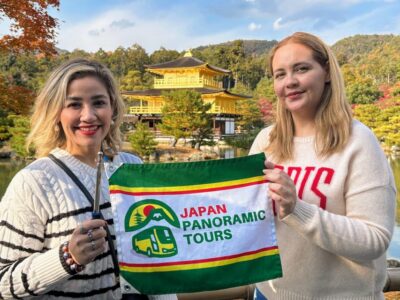
Fushimi Inari, Kinkakuji, Bamboo Grove 1 Day Bus Tour
Read our review →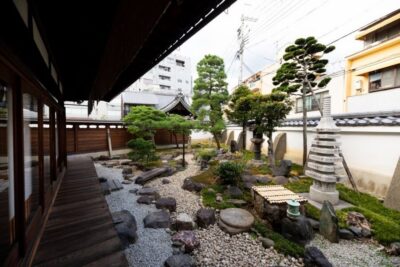
Meiji Shrine, Asakusa, Skytree Bus Tour and Cruise
Read our review →
Fushimi Inari Hidden Hiking Tour (Private Option Available)
Read our review →
Osaka/Kyoto:Kinkakuji,Arashiyama,FushimiInariShrine,NaraPark
Read our review →
Asakusa Walking Tour with Sensoji Temple Visit
Read our review →
Nikko: Kegon Falls, Lake Chuzenji & Toshogu Temple
Read our review →
Kamakura & Enoshima Day Trip including Temple Tickets
Read our review →Browse the lists this tour appears in