
Review · HIROSHIMA PEACE MEMORIAL TOURS
The Peace Memorial and Beyond: A Half-Day around Hiroshima
Hiroshima hits you in layers. In this 4-hour, English-led half-day, I like how you get guided context at the Atomic Bomb Dome and the Peace Memorial Museum, and I also like the shift into real city life via shotengai shopping streets. The one drawback to plan for is the pace, there’s enough walking that you may not get many chances to sit, especially in hot weather.
You start at the Shukkeien Garden ticket gates, then head to Hondōri, visit Hiroshima Castle, and finish with the Peace Memorial Park and Museum. With live guidance and small group or private options, it’s set up for people who want meaning, not just photos, and it’s listed as wheelchair accessible. If you need lots of breaks to decompress, build that expectation in.
In This Review
- Key highlights worth your attention
- Starting at Shukkei-en Garden, then sliding into Hondōri
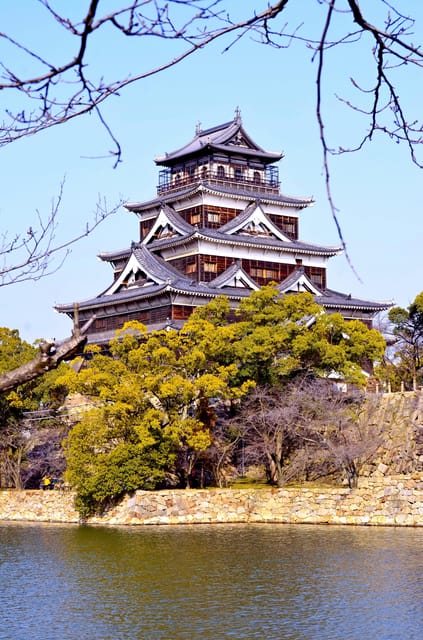
- Hiroshima Castle: rebuilt after the bombing, still grounded in park space
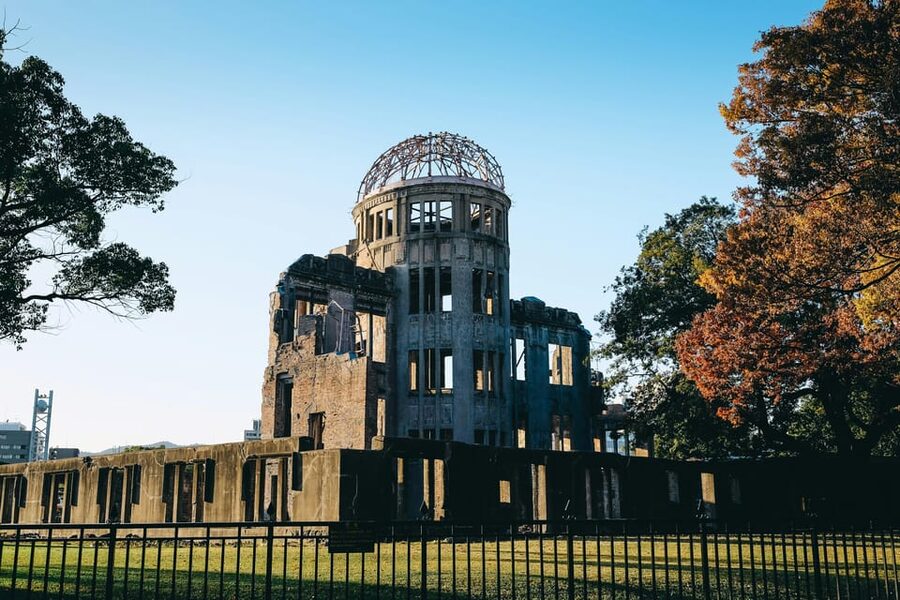
- Entering the Peace Memorial Park: the Atomic Bomb Dome area
- Peace Memorial Museum: guided meaning and a basement stop
- The shotengai stretch: Hondōri as your daily-life contrast
- Guides and pace: what 4 hours feels like
- Price and value: why $66 can actually make sense
- Should you book this Hiroshima half-day?
- FAQ
- How long is the tour?
- Where is the meeting point?
- Is the tour offered in English?
- What major stops does the tour include?
- Are entrance fees included?
- Are meals and drinks included?
- Is the tour wheelchair accessible?
- What should I wear or bring?
- What happens if I am traveling alone?
- What is the cancellation policy?
- Is transportation provided to and from the starting point?
Key highlights worth your attention
- Atomic Bomb Dome orientation so you understand what you are looking at
- Hondōri and the shotengai rhythm, a look at daily Hiroshima life
- Hiroshima Castle’s mix of ruins and reconstruction, right inside peaceful grounds
- Shukkei-en Garden as a calm reset, meticulous design before the heavier sites
- English guides such as Ken/Kensuke or Alex, praised for clear, helpful explanation
- Entrance fees included, so you can focus on the places instead of the ticket math
Starting at Shukkei-en Garden, then sliding into Hondōri
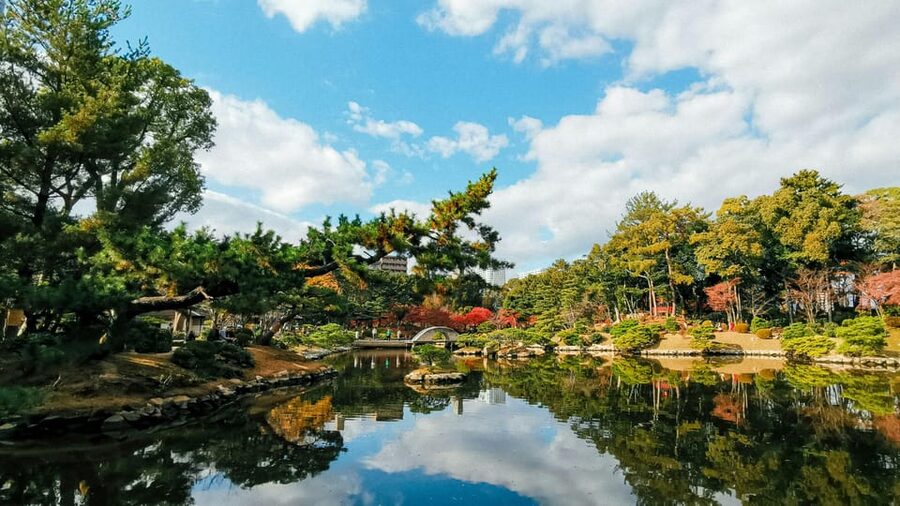
This tour begins at the ticket gates in front of Shukkei-en Garden. It is a smart first stop because the mood is gentle and you can get your bearings before the day turns serious. You’ll spend about 45 minutes walking and seeing the garden from a guided angle, not just drifting around.
Shukkei-en is the kind of place where you feel how Japanese gardens are made to be read in sequence. The paths, the water features, and the carefully arranged viewpoints encourage you to slow down, even though you’re on a schedule. For many people, this early quiet time is a breather, and it also makes the later memorial stops feel even more deliberate.
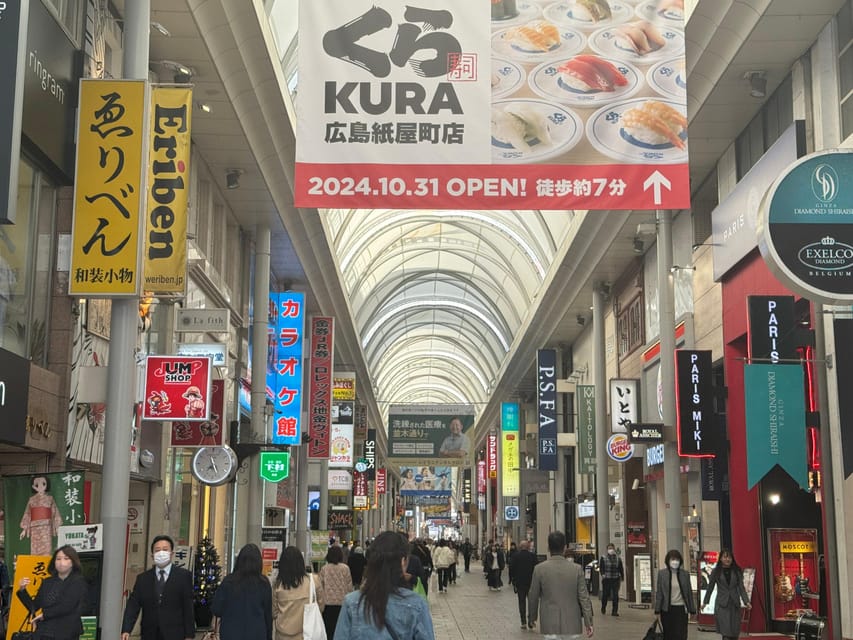
After the garden, you head to Hondōri, a lively street that helps you understand Hiroshima beyond the headlines. This is where the tour catches the city’s everyday energy, through short guided time on the shotengai shopping streets. Even if you don’t plan to shop much, the street life gives you something valuable to compare against the memorial sites later.
Practical note: because this is a half-day with multiple legs, wear comfortable shoes and accept that you will keep moving. One review flagged that four hours of walking can leave little time to sit, so come with the right expectations and a water bottle.
Other Hiroshima Peace Memorial tours worth a look in Hiroshima:
- Hiroshima: Miyajima Peace Memorial Icons of Peace and Beauty
★ 4.9 · 361 reviews - Hiroshima/Guided Virtual Tour of Peace Park/PEACE PARK TOUR VR
★ 5.0 · 157 reviews - Hiroshima: Peace Memorial Park and Atomic Bomb Dome Tour
★ 4.9 · 91 reviews
Hiroshima Castle: rebuilt after the bombing, still grounded in park space
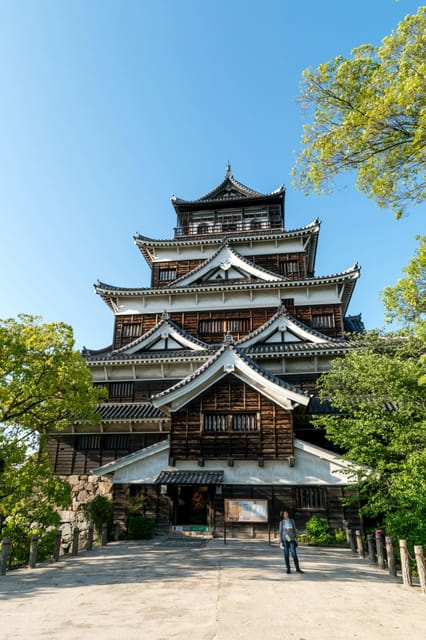
Next up is Hiroshima Castle, with a guided visit and about 45 minutes on site. What makes this stop interesting is the blend: you see historical ruins and a reconstruction effort, set within a park-like area. It’s not just a building to tick off, it’s part of how Hiroshima reassembled its public spaces after the devastation.
A guided approach helps here, because the castle setting can look deceptively calm while the story underneath is complex. Your guide’s job is to connect form to meaning, so the reconstructed elements do not feel like they appeared out of nowhere. You also get a clearer sense of how the castle grounds fit into the city’s geography and movement.
The castle visit is also a good “middle chapter” of the day. After Shukkei-en and Hondōri, the castle adds a historical anchor. After the castle, you transition into the Peace Memorial area, so the day’s arc stays coherent: life, memory, and how the city chose to rebuild.
If you are someone who hates rushing at viewpoints, keep in mind you have a set time here. The tour packs a lot in, so you’ll get solid coverage rather than long, do-nothing wandering.
Entering the Peace Memorial Park: the Atomic Bomb Dome area
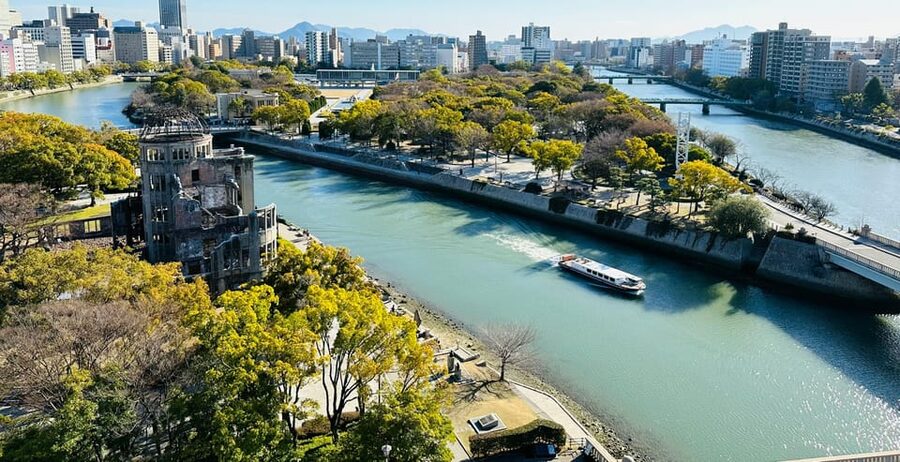
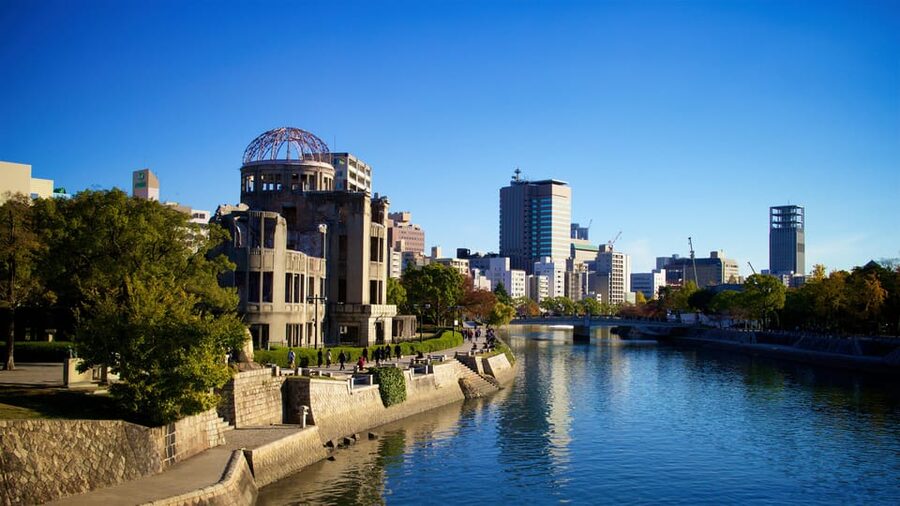
After the castle, the walking and emotional weight increase. You arrive at Hiroshima Peace Memorial Park for a guided visit. Expect about 30 minutes focused on what the area represents and how the park layout helps you understand the events and their aftermath.
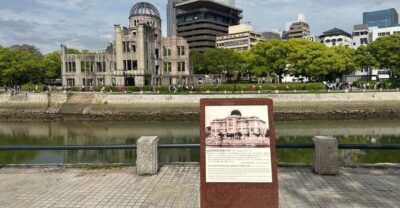
The Atomic Bomb Dome is the iconic visual centerpiece of this zone, and this tour does the useful thing of giving you orientation. When you know why the Dome looks the way it does, and what the surrounding markers point to, you stop treating it as just a photograph background. Instead, it becomes a reference point for the entire day.
The park setting also encourages quiet. The tour works best when you follow the tone: respectful behavior is expected at memorial sites, and it really matters here. If you’re the kind of visitor who likes to observe in silence for a minute at a time, you’ll find space for that, even with a guide.
One more helpful angle: your guide doesn’t just list facts. They explain what you are seeing and why it matters to Hiroshima today, which is the difference between information and understanding.
Peace Memorial Museum: guided meaning and a basement stop
Your tour finishes with the Peace Memorial Museum, where you’ll spend about 45 minutes with a guide. The museum is often where people either feel overwhelmed or feel oddly calm because the story is organized. A guided visit helps you avoid the overwhelm, because you get guided pathways through the most important areas.
A standout detail from the guides’ approach is attention to the museum’s basement area. That portion can be especially informative, and having a guide point out what to focus on makes the time feel more intentional. You also get help reading the exhibits in the context of the park outside, which makes the whole area connect.
This is the part of the half-day where you’ll likely have the strongest emotional reaction, even if you came prepared. Plan for it. Bring a little extra patience with yourself and assume you might need a minute to collect your thoughts during the walk.
Because the museum time is guided and timed, you won’t get unlimited roaming. If you want to spend hours on your own later, you can use this tour as your guided foundation.
A few more Hiroshima days to weigh up
- Peaceful Hiroshima & Miyajima UNESCO 1 Day Bus Tour
★ 5.0 · 5,309 reviews - Hiroshima: Hiroshima and Miyajima UNESCO Sites 1-Day Tour
★ 4.9 · 2,330 reviews - Hiroshima / Miyajima Full-day Private Tour with Government Licensed Guide
★ 5.0 · 1,298 reviews - Hiroshima Historical Walking Tour – Why A-Bomb was Dropped
★ 4.8 · 893 reviews
The shotengai stretch: Hondōri as your daily-life contrast
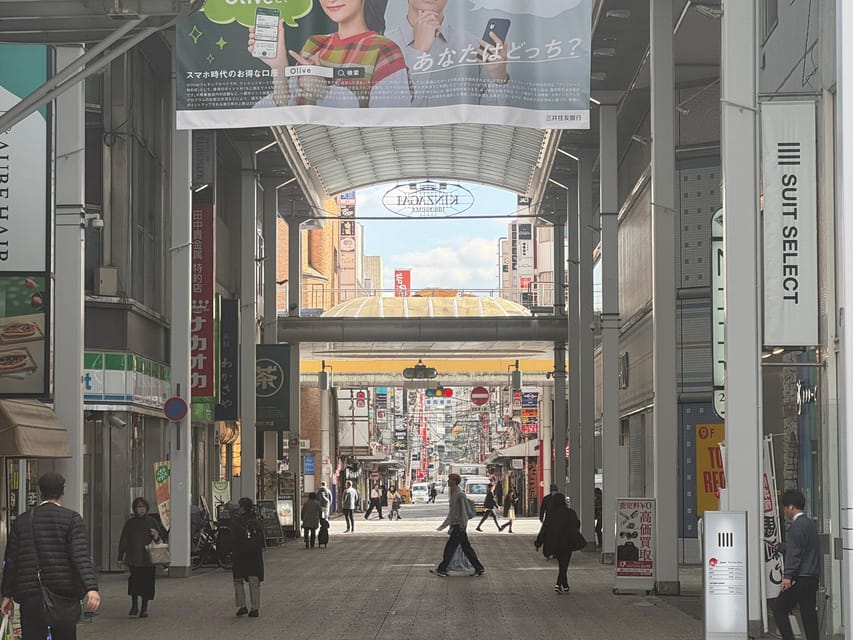
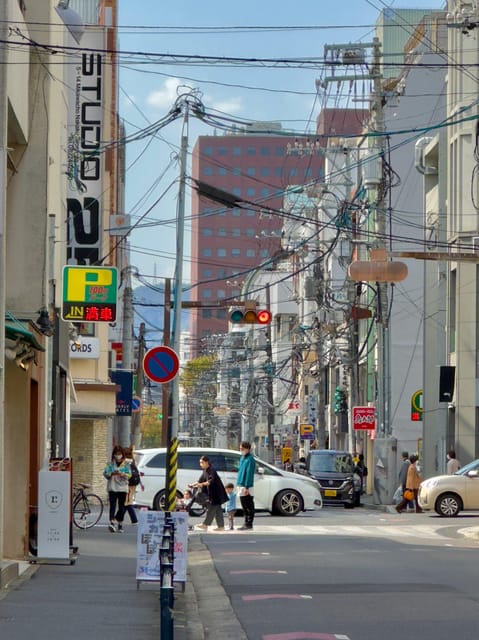
One of the clever choices in this half-day is the inclusion of Hiroshima’s shotengai shopping streets. The time in Hondōri and the shotengai zone is short, about 30 minutes guided, but it gives your brain a helpful reset. You see storefronts, street activity, and the simple rhythm of a city that kept going.
This matters because Hiroshima’s story is not only about destruction. You’re seeing how people actually move through the city now. It’s also a practical way to learn small navigation cues, since shotengai areas are where you learn what streets connect and how crowds flow.
If you’re hungry for souvenirs, treats, or small snacks, this part of the day is where you’ll most naturally spot options. Just remember meals and drinks are not included, so budget for whatever you choose to eat on your own before or after the tour.
Guides and pace: what 4 hours feels like
This tour is priced and built around a tight 4-hour window. That usually means “good coverage” rather than “slow travel.” The pace works well for people who want structure and context, but it might frustrate you if you prefer to linger with no schedule.
The good news is you have a live English-speaking guide, and English support is clearly part of the experience. Several past participants praised specific guides by name, including Ken or Kensuke and also Alex. What they seem to have in common is the ability to answer questions and explain what you are seeing in plain language, not jargon.
Group size is another practical factor. The tour can be private or small groups, which usually helps you get a bit more attention and a more conversational feel. If you’re traveling with family or prefer a quieter day, private can make a big difference.
For comfort, stick to comfortable walking shoes and bring water. Weather can vary, and in warmer conditions the walking time can feel long. If you tend to overheat easily, consider aiming for a cooler time of day.
Price and value: why $66 can actually make sense
At $66 per person, the price is not just paying for a stroll. You’re paying for guided time at two of the biggest paid attractions in the area: the Hiroshima Peace Memorial Park and Museum, plus the Hiroshima Castle visit. You also get guided time at Shukkei-en and the shotengai walking portion, and entrance fees are included.
That bundled structure can be good value if you would otherwise pay for multiple tickets and try to piece together a self-guided plan. It also saves your energy because the guide handles pacing and transitions between sites, so you spend less time figuring things out and more time absorbing what you came for.
The main value tradeoff is time. You’re committing to a half-day, and you can’t stretch each site into a long personal session. But if your goal is a strong overview with context, the cost feels more reasonable.
One more practical thing: transportation to and from the starting point is not included. You’ll want to plan how you reach the Shukkei-en Garden area before the tour begins.
Should you book this Hiroshima half-day?
Book this tour if you want a structured, respectful visit with clear English guidance, especially for the Peace Memorial sites. The strongest reason is the combination of context plus city contrast: you get Shukkei-en calm, Hondōri everyday life, Hiroshima Castle as a rebuilt landmark, and then guided meaning at the Atomic Bomb Dome and museum.
Skip it or adjust your expectations if you want lots of quiet, unhurried time at each stop. This is a 4-hour walking plan with limited downtime, and in heat it can feel like a workout.
If you’re traveling solo, there is a special note: the tour aims not to charge more for solo travelers, but if a minimum of two guests is not met, the operator offers options such as an alternate date, a 4000 yen solo supplement, or a full refund. That flexibility can help you decide confidently.
FAQ
How long is the tour?
The tour duration is 4 hours.
Where is the meeting point?
Meeting point is the ticket gates in front of Shukkeien Garden.
Is the tour offered in English?
Yes, the live tour guide is English.
What major stops does the tour include?
You’ll visit the Hiroshima Peace Memorial Park and Museum, explore Hiroshima’s shotengais including Hondōri, see Hiroshima Castle, and spend time at Shukkeien Garden.
Are entrance fees included?
Yes, entrance fees are included.
Are meals and drinks included?
No, meals and drinks are not included.
Is the tour wheelchair accessible?
The tour is listed as wheelchair accessible.
What should I wear or bring?
Wear comfortable walking shoes, and bring a water bottle. Weather can vary, so be ready for different conditions.
What happens if I am traveling alone?
If the minimum of 2 guests is not met for this tour, the operator will offer options for solo travelers: attend on an alternate date, pay a 4000 yen solo supplement, or receive a full refund.
What is the cancellation policy?
You can cancel up to 24 hours in advance for a full refund.
Is transportation provided to and from the starting point?
No. Transportation to and from the starting point is not included.
Newly listed around Hiroshima
- The Journey of Hiroshima from Tragedy to Peace★ 4.8 · 44 reviews
- The history of Hiroshima “the event that shape the history”★ 4.9 · 18 reviews
- Tea Ceremony Experience near Atomic Bomb Dome★ 4.9 · 8 reviews
- Private Hiroshima and Miyajima Tour with Licensed Guide★ 5.0 · 6 reviews
- Peace Memorial Park, Hiroshima Castle, & Garden Private Tour★ 4.8 · 7 reviews
- Hiroshima: Miyajima Half-day Historical Walking Tour★ 4.7 · 100 reviews
- Kumano Brush Factory Tour and Brush-Making Experience★ 5.0 · 7 reviews
- Hiroshima/Miyajima Private Custom Tour with Local Guide★ 5.0 · 134 reviews
Hiroshima Peace Memorial Tours, compared.
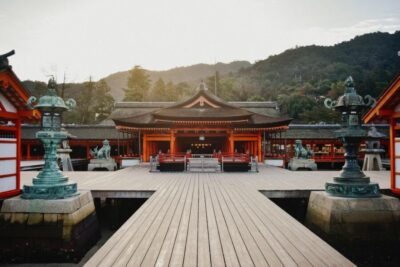
Miyajima Peace Memorial Icons of Peace and Beauty
Read our review →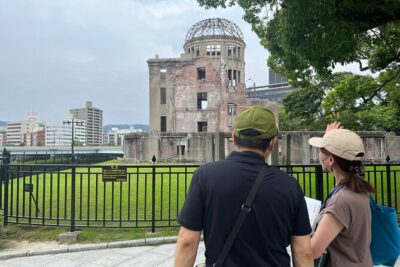
Hiroshima/Guided Virtual Tour of Peace Park/PEACE PARK TOUR VR
Read our review →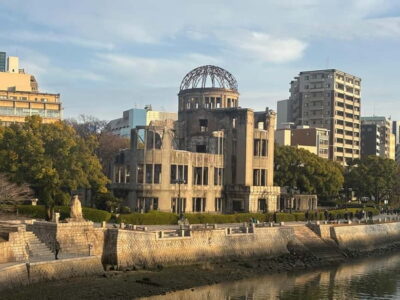
Hiroshima; Hiroshima Peace Memorial Museum and Castle Tour
Read our review →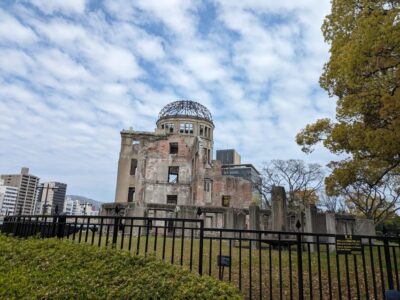
Peace Memorial and Atomic Bomb Dome Private Tour
Read our review →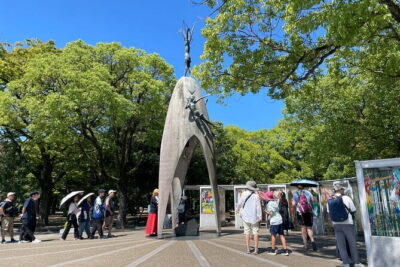
Hiroshima History Tour : A-Bomb Dome, Peace Memorial & City
Read our review →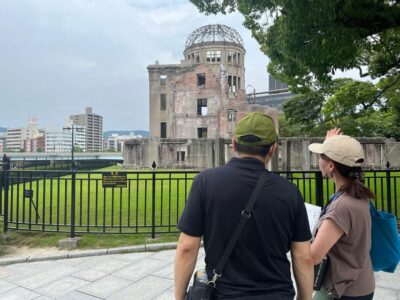
Hiroshima:Guided Virtual Tour/PEACE PARK TOUR VR
Read our review →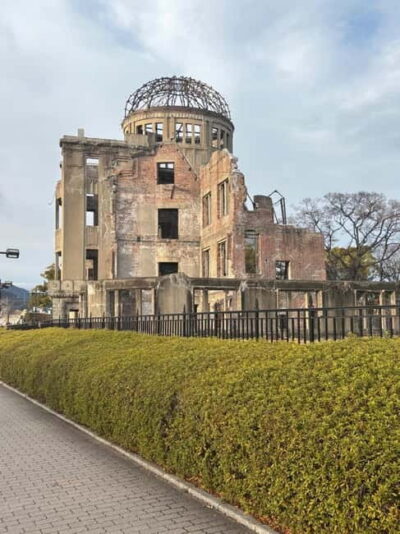
Hiroshima Peace Park & Atomic Bomb Dome Guided Walk
Read our review →Browse the lists this tour appears in