
Review · LOCAL FOOD WALKS
Tokyo: 3-Hour Food Tour of Shinbashi at Night
Night eats in Shinbashi feel like local therapy. You get a guided walk through the after-work lanes around Shinbashi Station, plus multiple food stops that show you how people actually eat when the workday ends. Two things I especially like are the small-group pace (limited to 10) and the sake tasting that goes beyond drinking and explains what you are tasting.
I also like how the guides mix practical food talk with real pub culture, with examples like Ray, Francois, Tommy, and Yappy getting standout praise for breaking down what you eat and how to act at the table. One possible drawback to plan around: this is adult-only (20 and up), and you should be comfortable with the fact that smoking is common in many areas of Shinbashi.
In This Review
- Key things to know before you go
- Shinbashi after dark, the food-culture shortcut
- Meeting point, timing rules, and what to wear
- How the 3-hour flow feels on the ground
- Savory stops: ramen warmth, smoky char, and comfort-first bites
- The sake tasting: why it is worth paying attention
- Backstreet walking: what you learn beyond the menu
- Price and value: is $170 fair for 3 hours?
- Included vs not included: plan your budget like a pro
- Who this tour is best for, and who should skip it
- Final call: should you book this Shinbashi night food tour?
Key things to know before you go
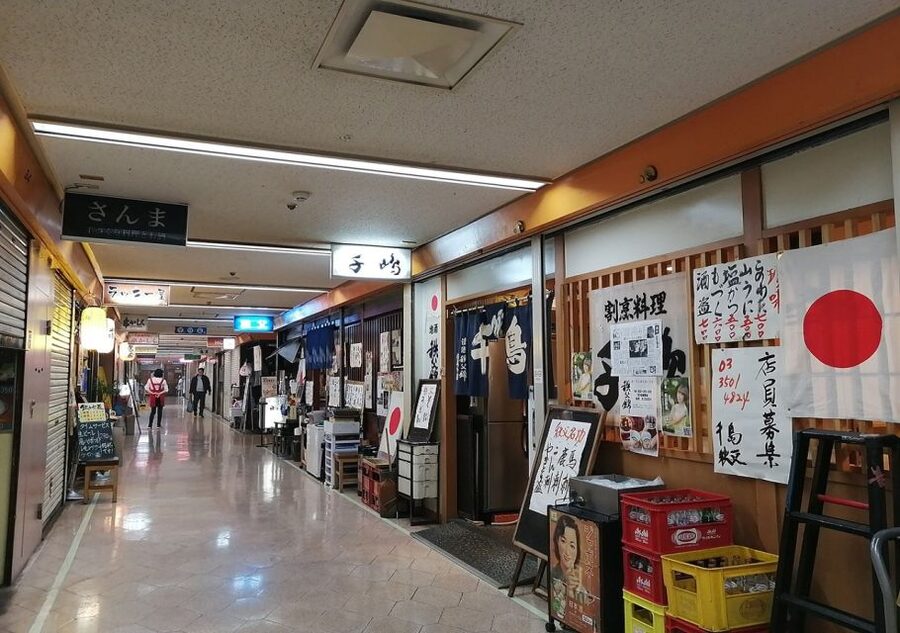
- Meeting point is specific: in front of the decommissioned steam engine at the Hibiya exit of Shinbashi Station
- 3 hours, small group: maximum 10 people, so you tend to move quickly and actually talk with your guide
- You walk real backstreets: Shinbashi lanes that most visitors never see
- Food includes both savory and sweet: expect classic comfort food and a final dessert stop
- Sake is a tasting, not a chug: you will sample regional sake and learn how flavors shift
Shinbashi after dark, the food-culture shortcut
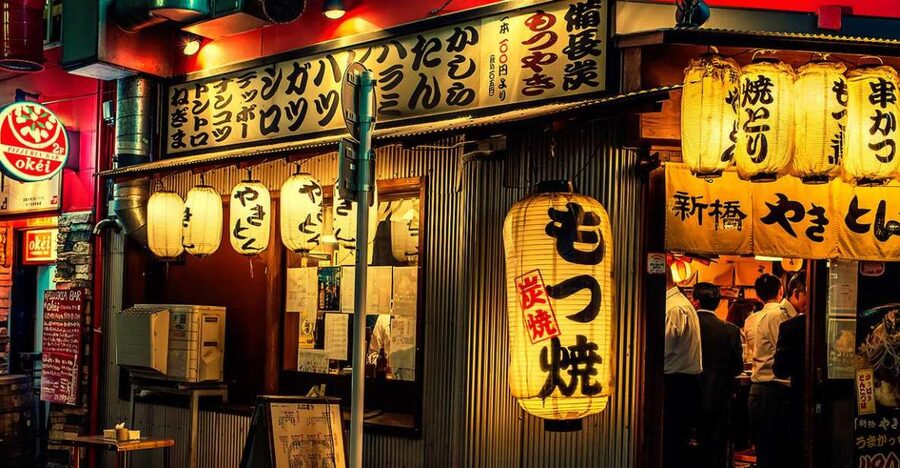
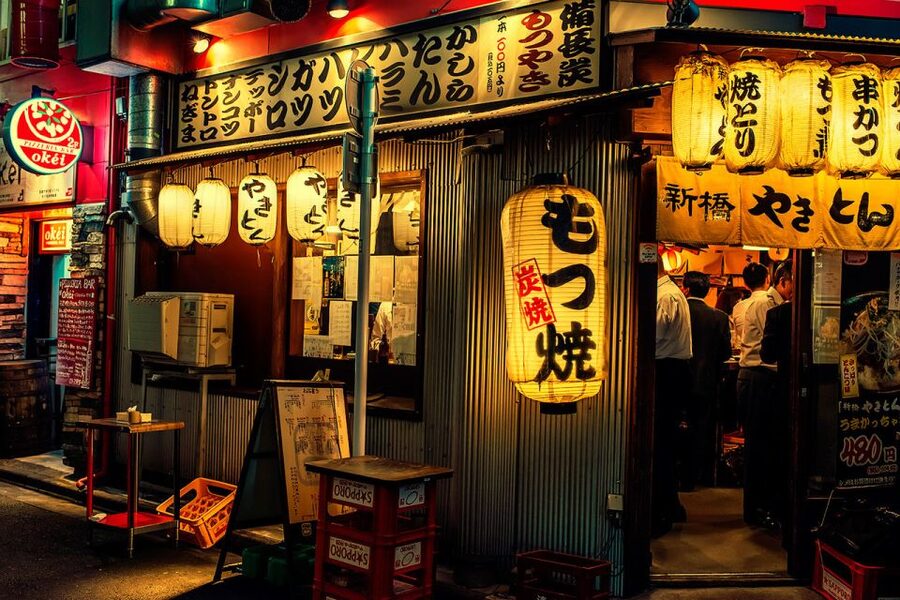
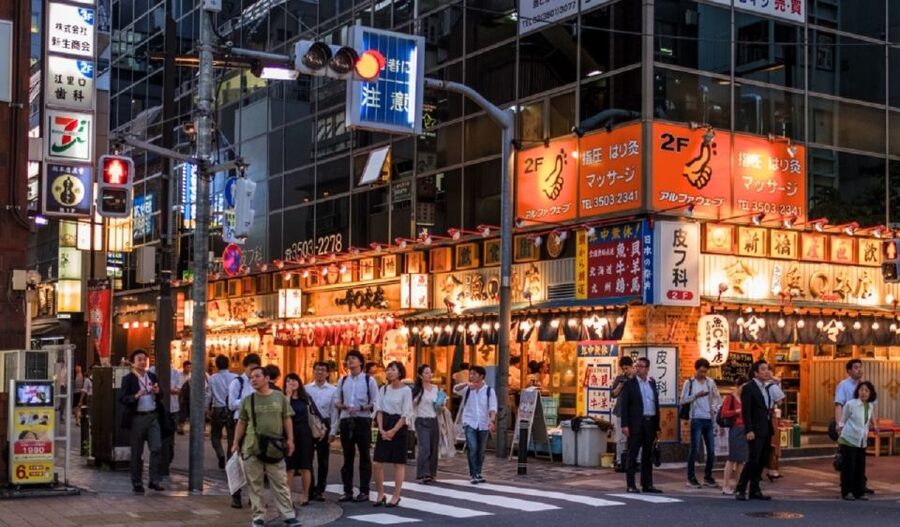
Shinbashi is one of Tokyo’s best zones for getting a working-class view of the city. At night, it turns into a patchwork of tiny eateries and bar counters where people stop in for one more bowl, one more drink, and a bit of decompression. Doing it on a guided night walk helps you find the places that do not advertise loudly to passersby.
The tour also aims for a specific kind of experience: you are not only eating, you are learning the rhythm of the area. You will be eating in spots where you can see the flow of service and the pace of after-work life. That context makes the food taste better, because you understand why the dish matters to the people ordering it.
And because the group is capped at 10, you are less likely to feel like you are trapped in a line. You can ask questions, react to what you are served, and keep up without the tour feeling like a forced sprint.
More Evening Tours in Tokyo
- Tokyo Night Foodie Tour in Shinjuku – Seasonal Sushi, Wagyu Beef
★ 5.0 · 1,161 reviews - Tokyo: Daikoku JDM Car Meet & Night Car Culture Tour
★ 4.8 · 626 reviews - Tokyo After 5: Authentic Japanese Food & Drink Night Tour
★ 4.5 · 560 reviews
Meeting point, timing rules, and what to wear
Start at Shinbashi Station, at the Hibiya exit, right in front of the decommissioned steam engine. It is a clear landmark, which matters because you have to be there on time.
Your guide can wait only 5 minutes after the starting time. After that, the tour departs, and you will miss the first part. Also, your guide cannot give directions by phone once the tour begins, so if you are running late, your best move is to hustle straight to the meeting spot.
Wear comfortable shoes. You are doing a walking food tour, and Shinbashi’s streets and stairs are not made for fancy soles. Bringing a passport or ID card is also smart, since the tour is limited to adults aged 20 and over.
One more practical note: you are free to smoke in most areas of Shinbashi. That does not mean you have to smoke, but it does mean you should be prepared for smoke where smoking is permitted. If you are sensitive to smoke, plan to take that seriously when choosing where to stand during meals.
How the 3-hour flow feels on the ground
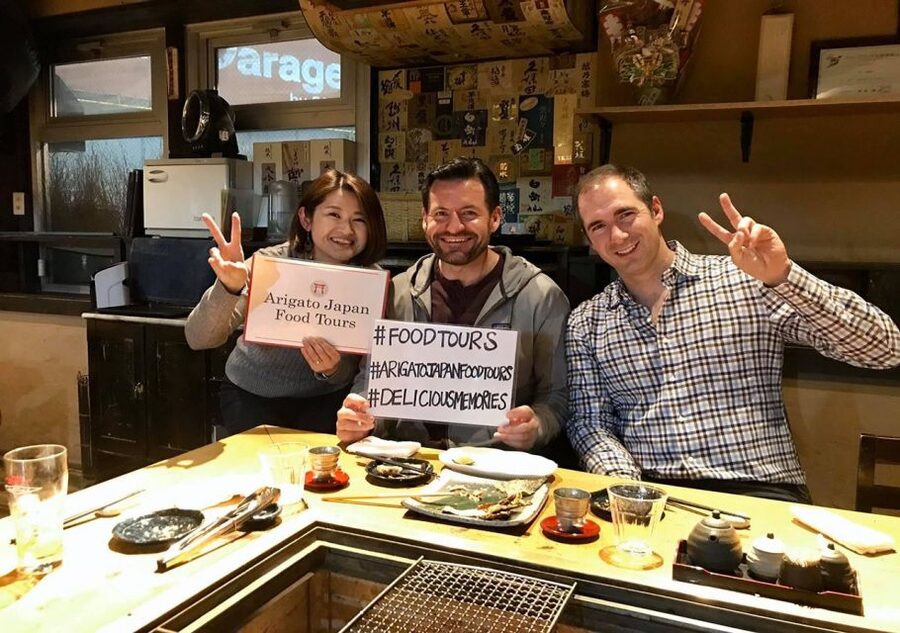
This tour is only 3 hours, so it moves in a deliberate sequence. You will start with your guide setting the tone, then you will head into Shinbashi’s backstreets for a chain of short food stops rather than a single long meal.
You should expect each stop to serve a tasting-sized portion that still feels like a real decision you can enjoy. The goal is variety, not stuffing yourself. In a tight 3-hour window, you want to stay curious and keep pace with the group.
A big part of the value here is the order of experiences. Comfort food often comes first because it helps you settle in, then the more indulgent items follow. The night ends with a sweet finish so the final bite feels like closure, not like you are being rushed out into the cold.
If you are the type who likes to learn while walking, this format is ideal. If you prefer long sit-down dinners, you might find the pacing intense. But even then, it is still a fun way to sample a lot without committing to a full night of planning.
Savory stops: ramen warmth, smoky char, and comfort-first bites
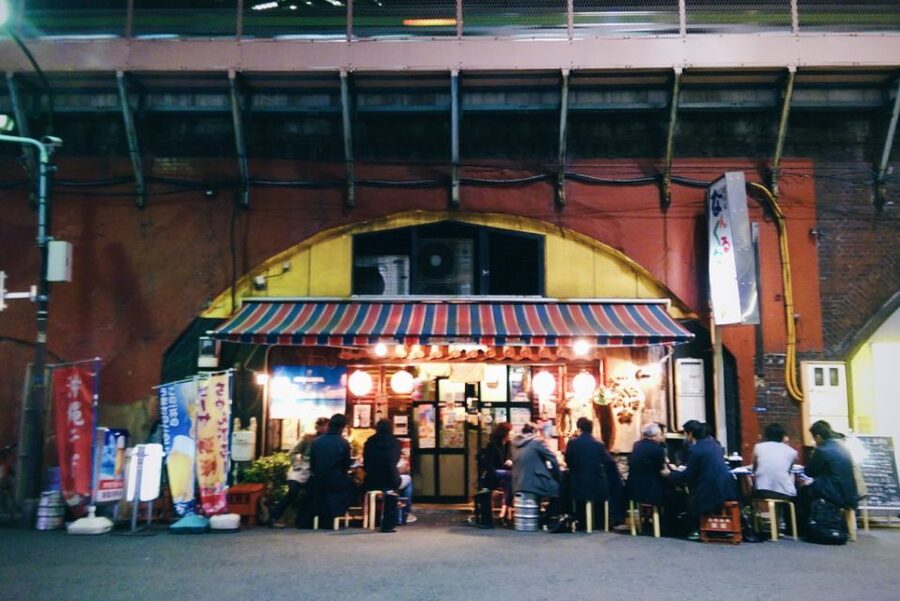
The menu concept leans into Tokyo comfort food and into flavors that make sense for a working neighborhood. You are likely to begin with something like steaming ramen, where umami hits fast and hard. In places like Shinbashi, ramen is not a treat for tourists. It is a practical, satisfying choice after work, and that gives the bowl extra emotional weight.
Next, the tour includes a stop focused on wagyu, served buttery and melt-in-your-mouth style, seared with a delicate smoky char. This is the kind of dish that is hard to recreate perfectly at home and hard to order confidently without local know-how. Here, you also get the benefit of someone guiding you on what to notice with your bite.
Between the heavier items, you should expect smaller plates or additional local choices that help you connect the dots between regional habits and what the city sells at night. The tour’s structure is built to show how menus in this area work, from quick, satisfying counters to the moments where you slow down a little and taste.
One reason this tour works well for first-timers is that the food choices are familiar enough to understand, but specific enough to feel local. You are not stuck with the same sightseeing staples. You are eating like someone who wants dinner without overthinking it.
More Food Tours in Tokyo
- Tokyo: Shinjuku Food Tour (13 Dishes at 4 Local Eateries)
★ 5.0 · 6,603 reviews - Tokyo Tsukiji Fish Market Food and Culture Walking Tour
★ 5.0 · 3,184 reviews - Tokyo: Shinjuku Food Tour (15 Dishes and 4 Eateries)
★ 4.9 · 2,033 reviews - Tokyo: Tsukiji Fish Market Food and Walking tour
★ 5.0 · 1,724 reviews
The sake tasting: why it is worth paying attention
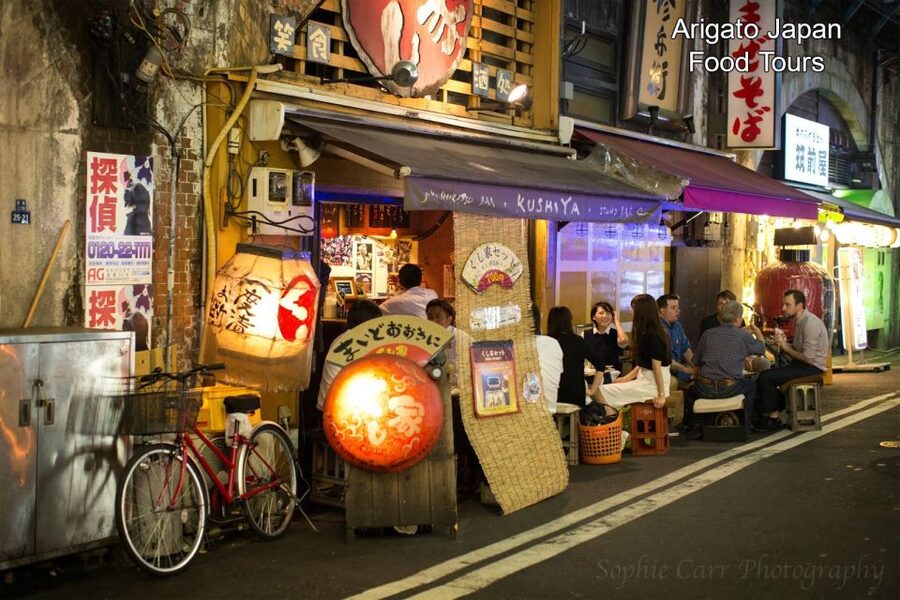
A highlight is the sake-tasting experience, where you will sample regional sake and learn how flavors shift sip by sip. This is not just about sweetness or strength. You will get cues on aromas and smoothness, and you will notice how complexity can change from one pour to the next.
In a city full of drink options, sake can feel intimidating. The tasting format removes the guesswork. You can treat it like a guided tasting flight, except it is built into the local pub culture that surrounds it.
This is also where the guide’s role matters most. When a guide explains what you are tasting, you stop thinking of sake as just alcohol and start treating it like a flavor story. That makes the whole meal feel smarter, not only more fun.
If you are worried about not liking sake, keep an open mind. One of the strongest signals from guide feedback is that people often start the night thinking they may not enjoy it, then end up enjoying it once they taste it in the right way. The tasting helps you find what you like.
Backstreet walking: what you learn beyond the menu
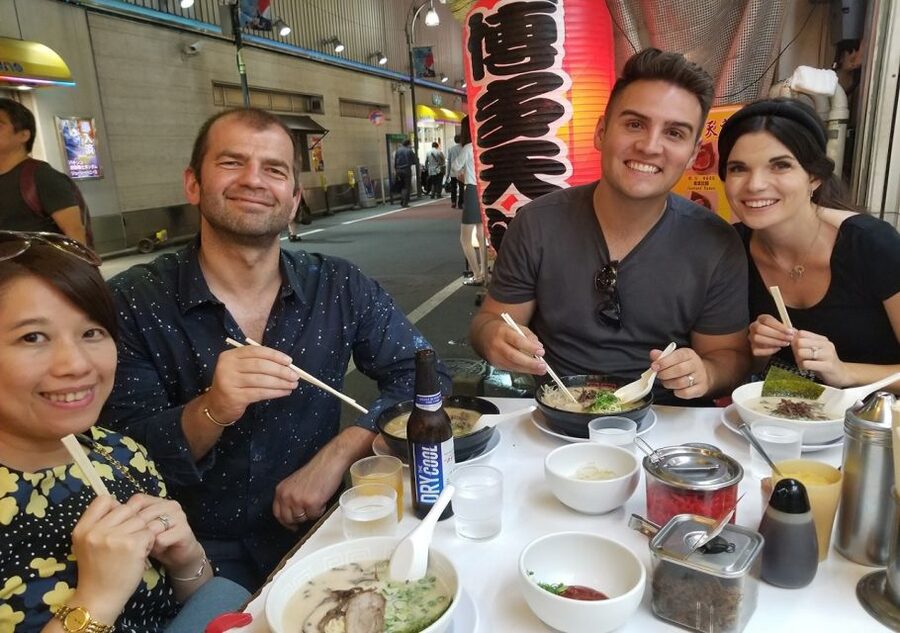
The tour spends time in Shinbashi’s less obvious lanes, the kind most visitors never stumble into. That matters because Tokyo’s best food moments often hide in plain sight. A tiny sign, a narrow doorway, a line of regulars, or a bar counter with the lights low. If you do not know where to look, you can miss the best stuff entirely.
Walking with a guide also helps you read the neighborhood without feeling awkward. You learn which places feel right for a quick stop, when to expect counter service, and how the atmosphere shifts across blocks. You also get insider tips that can help you plan the rest of your trip, not only this night.
One detail that stands out in guide praise is how they help you handle table etiquette. Some guides use visual aids to teach simple ways to acknowledge staff and learn the local rhythm of thanking when you are leaving. It sounds small, but it can change how comfortable you feel in tiny places.
And comfort matters on night tours. When you feel at ease, you taste more. You also take better photos, because you are not thinking about whether you are doing something wrong.
Price and value: is $170 fair for 3 hours?
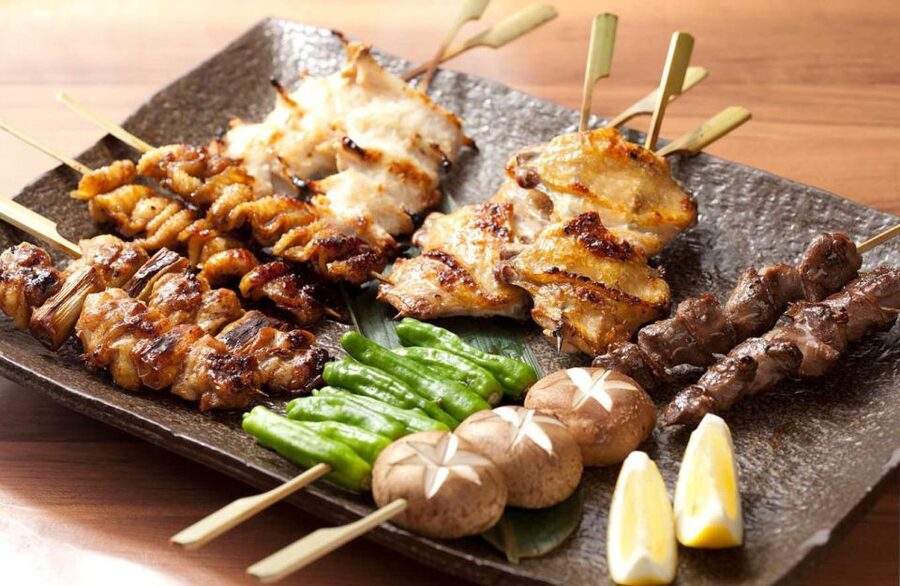
At $170 per person for a 3-hour experience, this is not a budget snack tour. But the value case is strong if you look at what you get.
First, you are paying for multiple curated food stops, not one restaurant visit. Second, you get a sake-tasting experience, which costs real money in Japan when you are doing it properly. Third, you are paying for guidance that helps you order, understand what is happening in each place, and move efficiently through Shinbashi without wasting time.
You can absolutely eat in Tokyo on your own. But if you want the local backstreet vibe plus sake plus a guide who can translate the food-and-bar culture into plain language, this price starts to make sense. The small group size also reduces the feeling of being herded, which is a big deal on a short tour.
If you are cost sensitive, you may decide to DIY dinner elsewhere. But if you care about learning how people actually unwind and you want someone handling the ordering decisions, the price is easier to justify.
Included vs not included: plan your budget like a pro
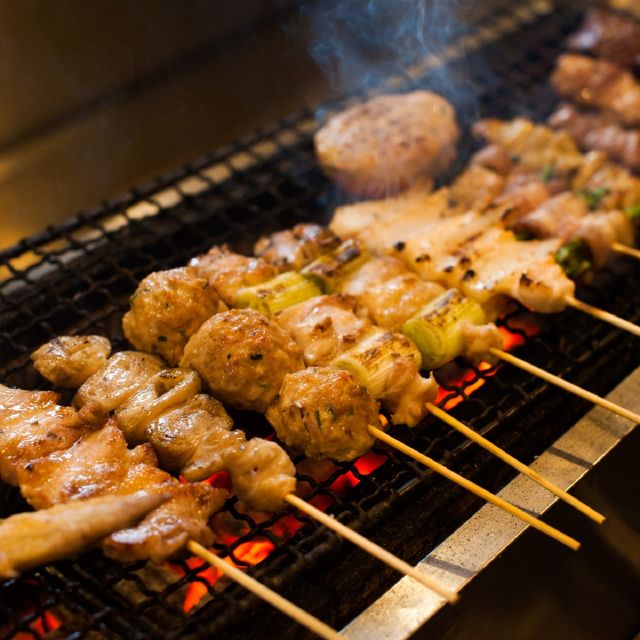
Here is what the tour includes: local dishes across several food stops, the sake tasting, and a local English-speaking guide. That is the core value, and it is clear what you are paying for.
Not included items are where you may want to plan ahead:
- Hotel pickup is not included, though it can be arranged for an additional charge
- Gratuity is not included
- Transportation costs are not included
- Additional drinks or extra food are not included, though you can purchase them on your own
This means you should expect to cover your own getting-there costs and any add-on drinks. If you like to keep a tight budget, you can stick to what is served. If you want more, this is the sort of tour where ordering extra can happen naturally once you are settled into the vibe.
Who this tour is best for, and who should skip it
This is built for adults 20 and over. If you are under 20, it is not for you.
It is also best for people who like to walk, try new foods, and learn the why behind what they are eating. If you are the type who wants to see a neighborhood after dark, chat with a guide, and try multiple dishes instead of just one big meal, this fits.
It is less ideal if you hate small spaces, do not want any chance of smoking in the vicinity, or want a leisurely sit-down dinner with long pauses. The tour moves on a schedule, and it is designed to keep the energy up for the full 3 hours.
If you are celebrating something, it can also be a fun platform. Some guide-led experiences have included surprise touches and even extra karaoke time after the tour, if you want to add it on. Just treat that as an optional extra, not a guarantee.
Final call: should you book this Shinbashi night food tour?
I think you should book it if you want a fast, high-impact night in Tokyo that mixes food, sake, and a real working-neighborhood atmosphere. The small group size helps a lot, and the guide-led etiquette guidance can make the whole evening smoother.
Skip it if you are sensitive to smoke, dislike walking, or are looking for a low-cost meal plan. Also, if your priority is fine dining only, the variety here might feel more like a tasting sequence than a single signature restaurant experience.
If you want to understand Shinbashi in one night, eat your way through it, and leave with clearer ideas for the rest of your Tokyo days, this is a solid choice.
More Food & Drink in Tokyo
- Tokyo: Tsukiji Fish Market Food and Culture Walking Tour
★ 4.7 · 757 reviews - Tsukiji Fish Market Small-Group Food Walking Tour
★ 5.0 · 621 reviews - Best of Shibuya Food Tour
★ 5.0 · 612 reviews - Shinjuku: Food Tour – 15 Dishes at 4 Eateries
★ 5.0 · 493 reviews
More Food Walks in Tokyo
- Shinjuku Izakaya Food Tour
★ 5.0 · 1,041 reviews - Eat and Drink Like a Local: Tokyo Ueno Food Tour-Taverns&Ramen
★ 5.0 · 957 reviews - Tokyo: Shibuya Food Tour (13 dishes and 4 Eateries)
★ 5.0 · 770 reviews - Tsukiji Fish Market: Street Food & Culture Walking Tour
★ 5.0 · 669 reviews
Newly listed around Tokyo
- Tokyo private transfer for Yokohama Port★ 4.5 · 63 reviews
- Luxury Kimono Photoshoot at Ginza Tokyo★ 5.0 · 7 reviews
- Tokyo Allstar Food Tour★ 4.5 · 206 reviews
- Tokyo Art Aquarium Museum E-Ticket with optional Tokyo Metro Pass★ 5.0 · 17 reviews
- Tokyo: Best Ginza Food Tour at 3 Local Eateries★ 5.0 · 83 reviews
- Private One Day Nikko Tour with Bilingual driver★ 3.5 · 11 reviews
- PRIVATE tour in 180SX to Daikoku+++++★ 5.0 · 6 reviews
- Kabuki Talk★ 5.0 · 10 reviews
Local Food Walks, compared.
Shinjuku Food Tour (13 Dishes at 4 Local Eateries)
Read our review →
Shinsekai Food Tour with 13-15 Dishes at 5 Eateries
Read our review →
Osaka Food Tour: 13 Dishes at 5 Local Eateries
Read our review →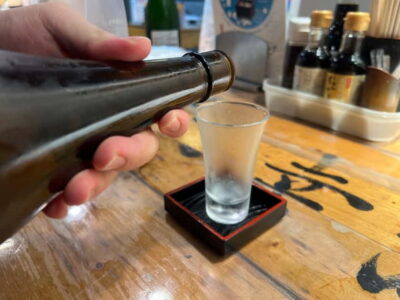
Shinjuku Food Tour (15 Dishes and 4 Eateries)
Read our review →
Kyoto Night Foodie Tour in Gion (9+ dishes + 6 Sake tastings)
Read our review →
Hungry Osaka Street Food Tour:15 Tastings & 3 Drinks with a Local
Read our review →
Tokyo Night Foodie Tour in Shinjuku – Seasonal Sushi, Wagyu Beef
Read our review →
Browse the lists this tour appears in