
Review · SUMO STABLE VISITS
Tokyo: Grand Sumo Tournament Tour
Sumo is easier when someone explains it. This small-group Tokyo tour pairs Ryogoku landmark walking with a Grand Sumo tournament viewing session, so the sport makes sense as the action builds. You get live, real-time guidance in the arena, plus an English tournament information package that helps you follow what matters.
I especially love the real-time commentary during the bouts. Guides like Jeff, Dawn, Yoko, Taka, Yosh, and Bruce are called out for strong English and for connecting what you’re seeing to the tradition and tournament flow. I also like the practical setup, including headsets so you are not stuck straining to catch every word from your seat.
One consideration: audio can be tricky at times. A couple of experiences note the headset was hard to hear, and one pointed out the tour can feel pricey compared with buying a match ticket on your own.
In This Review
- Key things to know before you go
- Ryogoku walking tour: setting the scene outside the stables
- Kokugikan arena entry: seats, meeting point, and what to do first
- Real-time commentary: how live guidance changes what you see
- Watching top-division bouts: staying oriented during the action
- Optional chanko-nabe: what the meal is, and how to plan for it
- Timing options: choosing between sumo-only and the fuller half-day walk
- Price and value: what $195 buys beyond a basic ticket
- Who this tour fits best, and who should skip it
- Should you book the Tokyo Grand Sumo Tournament Tour?
- FAQ
- What times are available for this Tokyo sumo tour?
- Is the group size small?
- Where do I meet the guide?
- What seats are used for the tournament?
- Are headsets included?
- Is chanko-nabe included?
- Do you include drinks with chanko-nabe?
- Is the tour suitable for wheelchair users?
Key things to know before you go
- Max 10 people, so the guide can keep up with questions while still moving at a good pace
- Ryogoku walk before the bouts to learn why sumo looks the way it does, then watch it in context
- Headsets included to hear English guidance even from farther seats
- Real-time, match-by-match commentary plus an English pamphlet that the guide walks through
- Optional chanko-nabe for a sumo-style meal, with the right expectations about drinks
Ryogoku walking tour: setting the scene outside the stables
The experience starts with a walk around Ryogoku, Tokyo’s sumo town. This part is designed to make the tournament feel less random. You’re not just arriving at the arena, you’re getting the names and the rhythm of sumo culture first, so the bouts land with more meaning later.
Expect to visit sumo-related historical landmarks and look at sumo stables from the outside, where wrestlers live and train. That outside look matters. It turns sumo from “big men throwing each other” into a lifestyle and a tradition with a physical routine behind it.
This segment is optional and typically runs in the 13:00 to 15:00 window, depending on which option you choose. If you like learning while you walk, this is the part that pays you back when you take your seat. If you prefer to go straight for the main event, you can skip it and just join the later viewing session.
One small practical note: you’ll be outside for the walking portion, so dress for real Tokyo weather. Wear comfy shoes you can stand in, because the point is sightseeing plus a smooth flow of explanations.
Compare these Sumo Stable visits in Tokyo:
- Tokyo: Sumo Show Experience with Chicken Hot Pot and a Photo
★ 4.8 · 6,678 reviews - Tokyo: Sumo Show and Dining Experience
★ 4.8 · 2,742 reviews - the SUMO show
★ 5.0 · 1,960 reviews
Kokugikan arena entry: seats, meeting point, and what to do first
The tournament portion begins at a clear, easy meeting point. Meet at the left side of the Kokugikan arena’s front gate, and the tour ends back at the same point.
Seating matters here, and this tour uses chair B and chair C. If you sit higher up, the matches may look smaller at first. The tour’s structure helps with that, because you don’t just sit and hope you can figure out what’s happening.
What helps immediately is the headset setup. Headsets are included to help you hear the guide clearly during the tournament, even from a distance. That single detail is why this tour is more than a ticket plus a brochure. You have a live translator for the sport, not just a one-time guidebook moment.
When you arrive, get settled early and tune out the chaos of the concourse. You want to be ready when the guide starts talking about what you’re about to see. The better your attention, the more the match becomes legible.
Real-time commentary: how live guidance changes what you see
The core promise is real-time commentary throughout the bouts, delivered by a local sumo expert guide. That means you’re not receiving general facts at random. You’re getting explanations aligned with what is happening right now in the ring.
This is also where the guide’s English style makes a difference. Multiple guide names show up in feedback for clear explanations and strong command of the language, including Dawn, Taka, Yoko, Jeff, Yosh, and Bruce. The best part is that they’re not just listing trivia. They connect the sport’s traditions and tournament structure to your viewing experience.
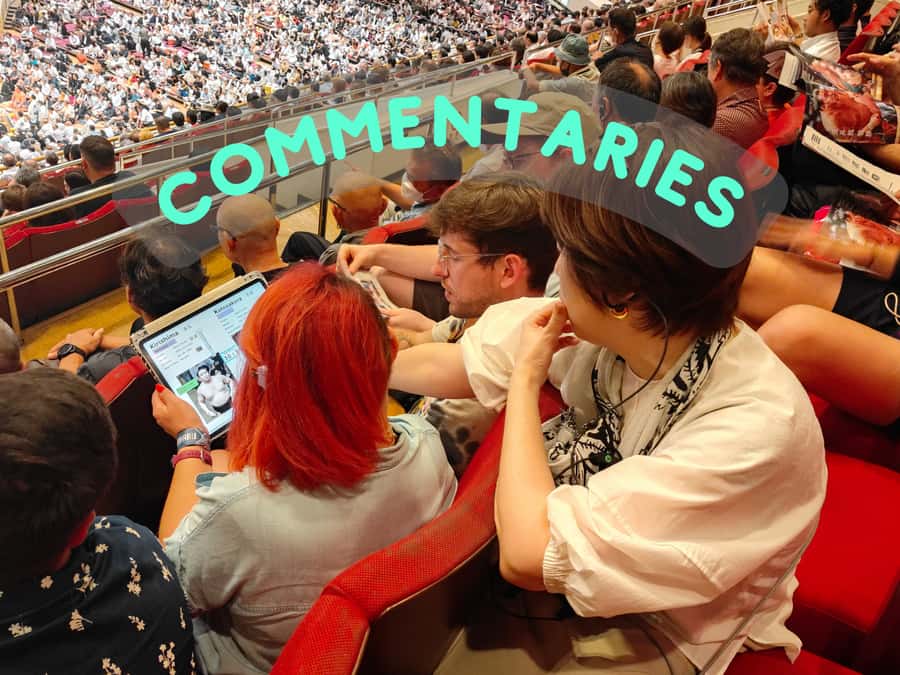
You also get a tournament information package and a special pamphlet that the guide walks through. Use it. The point is to help you keep up with matches as they progress, so you can identify what you’re watching instead of guessing.
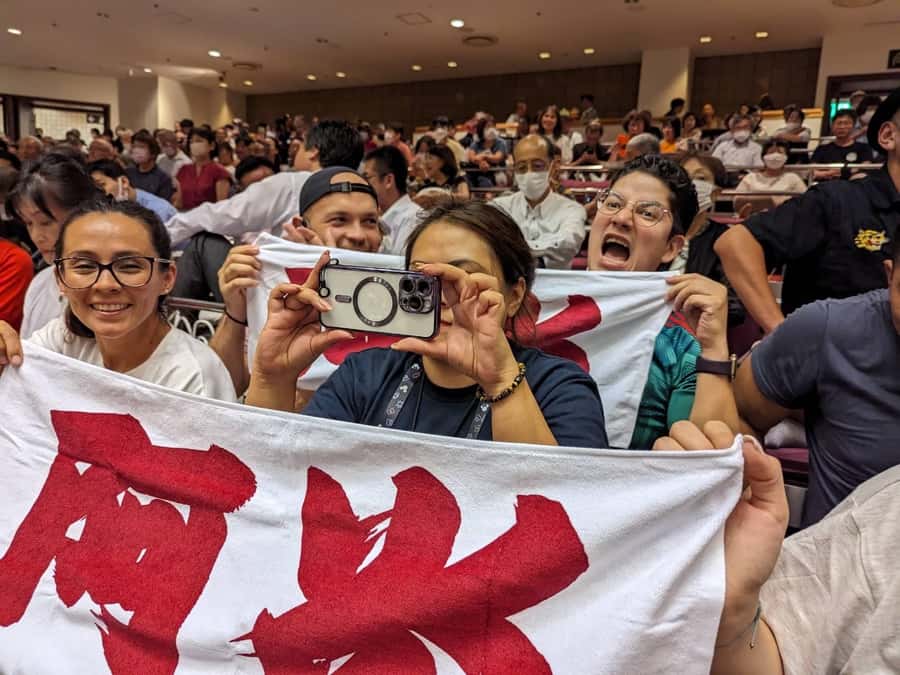
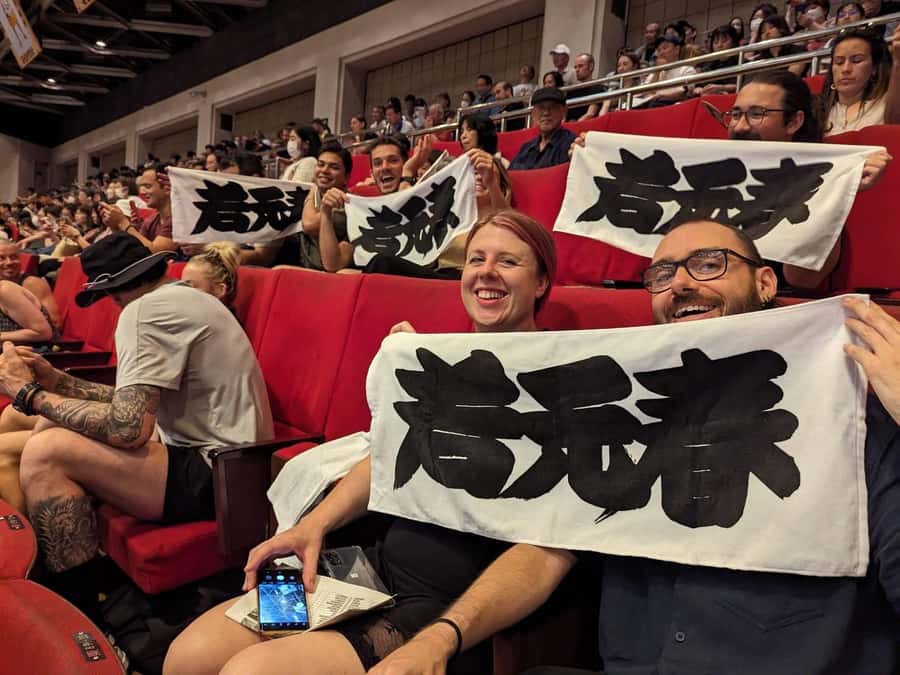
There’s another practical element: you’re encouraged to join the atmosphere by cheering a wrestler with your guide. In sumo, the crowd energy is part of the show. This tour gives you a script, so you don’t feel awkward just sitting there.
Finally, the tour’s pace is built around the action. Big moments typically come later in the day, so if you choose the 15:00 to 18:00 viewing-only option, you are still arriving for the core excitement window.
Watching top-division bouts: staying oriented during the action
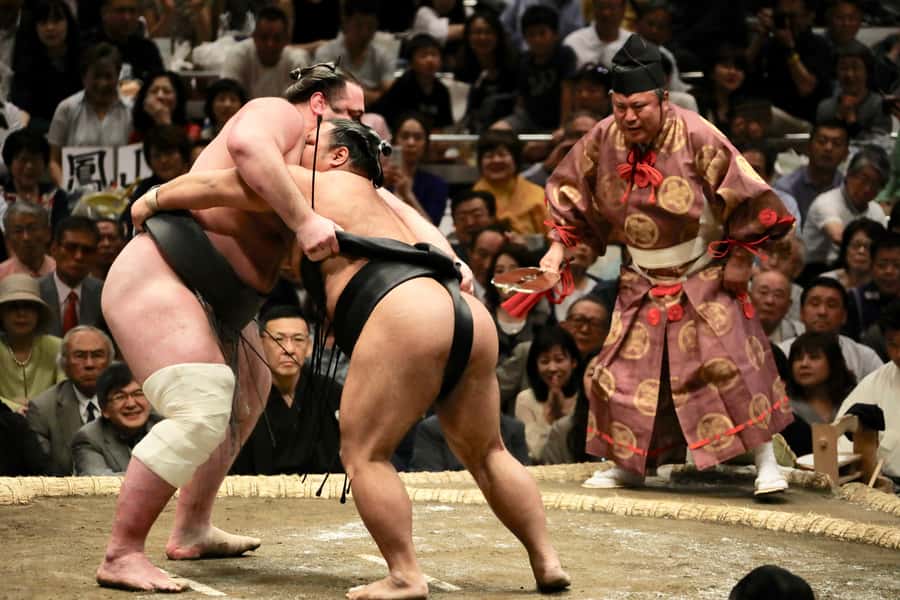
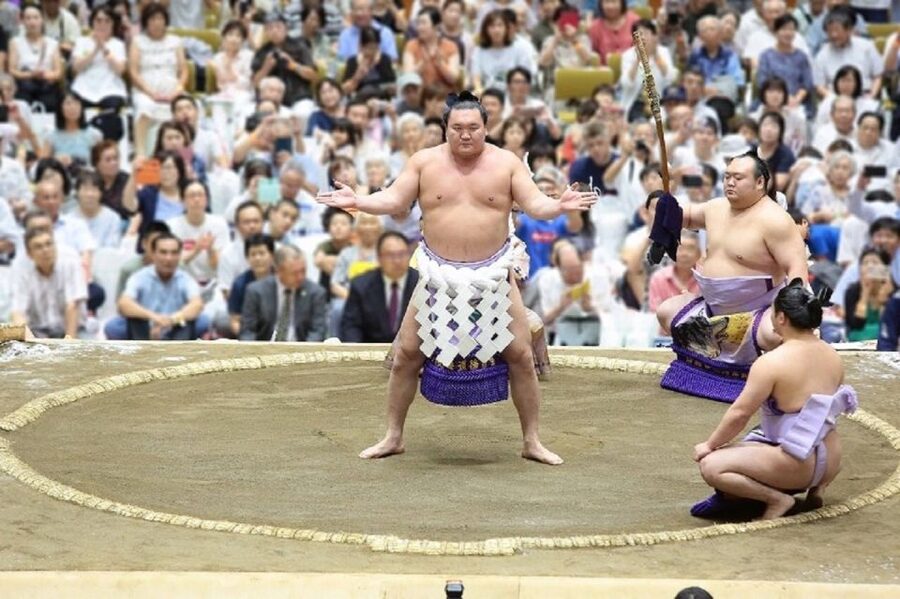
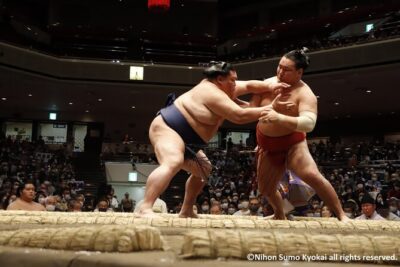
The tournament viewing portion is about watching top-division wrestlers and learning the tradition behind what you’re seeing. That sounds simple, but the challenge for first-timers is orientation. Sumo matches move quickly, and the rules and customs are not always obvious from the stands.
This is where the guided approach helps. As the day progresses, the guide’s commentary keeps your brain from going into fog. Instead of thinking, Okay, what am I looking at, you’re understanding why the movements matter and what to look for next.
Because the tour includes headsets, you can listen while you scan the ring. That combination is key. Without it, you might either watch with no audio, or listen with your eyes stuck to the guide rather than the arena.
If you’re sitting where you can see clearly, you’ll enjoy it most. If your view is a little higher or farther, the audio guidance becomes even more important. Either way, the tour design is meant to keep you synced with the match flow.
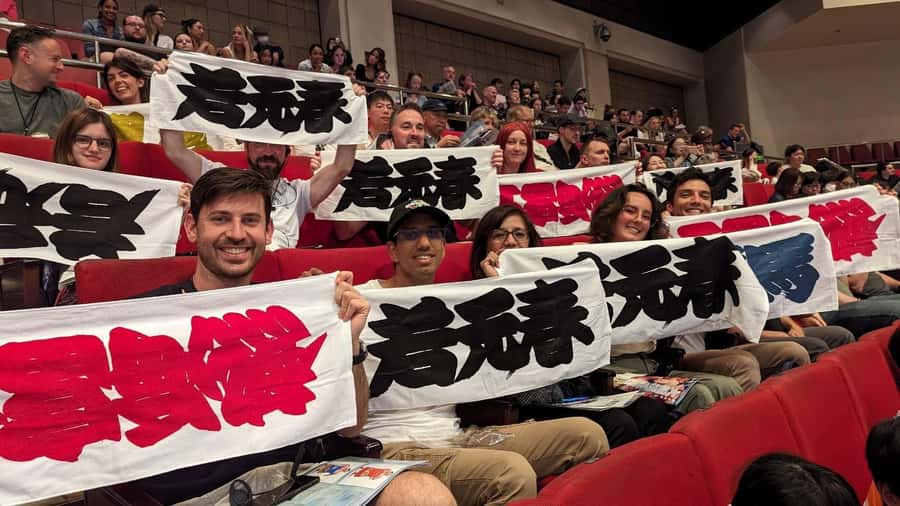
One extra perk is the cheering towel. It sounds small, but it gives you something physical to do with the group energy. It also makes it easier to follow along when the guide tells you how to participate.
A few more Tokyo days to weigh up
- Mt Fuji and Hakone 1-Day Bus Tour Return by Bullet Train
★ 5.0 · 26,383 reviews - 1-Day Tokyo Bus Tour
★ 5.0 · 14,250 reviews - Tokyo: TOKYO SKYTREE® Admission ticket
★ 4.5 · 11,192 reviews - Tokyo: teamLab Planets TOKYO Digital Art Museum Entry Ticket
★ 4.6 · 9,779 reviews
Optional chanko-nabe: what the meal is, and how to plan for it
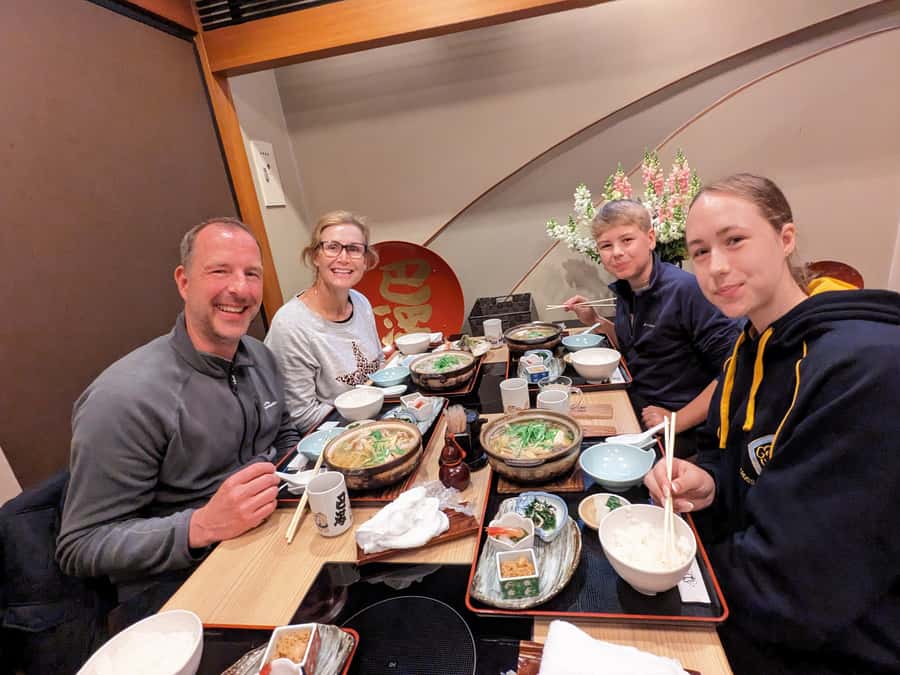
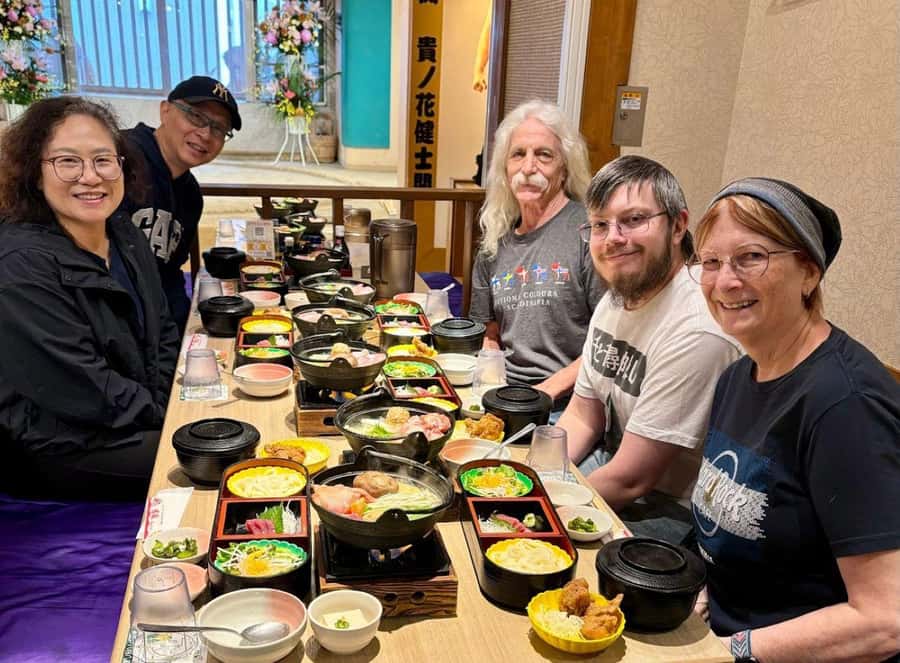
If you pick the chanko dinner option, you’ll add a sumo-style meal to the schedule. Chanko-nabe is described as the nutrient dish commonly eaten by sumo wrestlers to build their muscle and bodies, and it’s the centerpiece of their diet.
This is not just a random restaurant meal. The meal is framed as part of the sport’s culture, connecting the training lifestyle to the food. Even if you’re not trying to eat like a wrestler, it helps you understand why sumo feels like a whole system, not just a match day.
The tour includes the chanko-nabe meal, but drinks are not included. Plan to order beverages separately. If you know you’ll want something like tea or water with your meal, have a little extra cash ready so you don’t get surprised.
Timing-wise, the chanko option is tied to the overall tournament day format. If you choose the longer option, expect the day to feel structured, with the main arena segment later.
Timing options: choosing between sumo-only and the fuller half-day walk
There are multiple options, built from two main blocks:
- A 13:00 to 15:00 landmark and history walking segment (optional)
- A 15:00 to 18:00 arena viewing segment
You can also choose a viewing-only option that is just 15:00 to 18:00. This is a great choice if your schedule is tight or you want to save your energy for the arena.
I like that the tour lets you match your curiosity to your time. If you want the full context, take the Ryogoku walk. If your goal is simply to watch the tournament and absorb what you can in real time, go straight to the arena session.
One practical consideration is that the full day can feel long, especially if you’re doing the walking segment plus the arena. People have noted the day can break into multiple parts, including time between walking and the tournament. So if you’re the type who likes smooth pacing, consider the sumo-only option.
Also plan for basic comfort. You will be sitting during the tournament window, and the headset may be part of your day. Wear layers if Tokyo weather changes quickly.
Price and value: what $195 buys beyond a basic ticket
The price is $195 per person. That number will raise eyebrows, and it should. A match ticket alone can be around 8,000 JPY, based on one note from an attendee who thought they could buy cheaper on their own.
So what are you paying for? In my view, it’s mainly:
- A local sumo expert guide who provides real-time explanation
- Headsets so the guide’s narration actually reaches you in your seat
- English materials (pamphlet plus tournament info package)
- Small-group format (maximum 10 people)
- Optional culture add-ons like the Ryogoku walk and chanko-nabe
If you can read the tournament program yourself and already know sumo terms, you might feel the tour price is heavy. But if you’re new to sumo, the value shifts fast. The commentary and pamphlet guide you through the match flow, and that reduces the “I’m lost but sitting anyway” problem.
Also, group size changes the experience. With a small group, the guide is not just talking into the void. You can ask questions and get answers in the moment, which is a big deal when you’re trying to understand a tradition you don’t grow up with.
If you want the best chance of having a great time, think less about the ticket price and more about the learning and guidance you’re buying. This is a guided experience for people who want to understand what they’re watching.
Who this tour fits best, and who should skip it
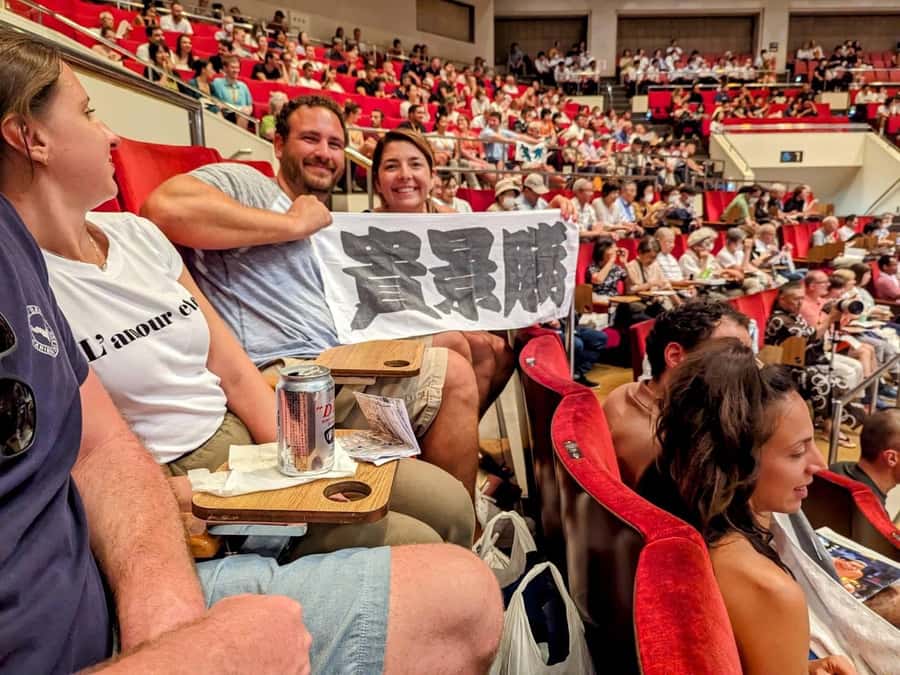
This tour is best for you if:
- You are new to sumo and want real-time context
- You want an English guide experience that connects tradition to what you see
- You like small groups and structured sightseeing
- You care about the culture side, not just watching the bouts
It may be less ideal if:
- You dislike long seat time, since the viewing window is 15:00 to 18:00
- You strongly prefer doing everything independently, since you can buy a ticket on your own
- You are sensitive to audio equipment, given that a couple of experiences found the headset harder to hear at times
One clear logistics detail: it is not suitable for wheelchair users. So if mobility access is a concern, look for another option.
Should you book the Tokyo Grand Sumo Tournament Tour?
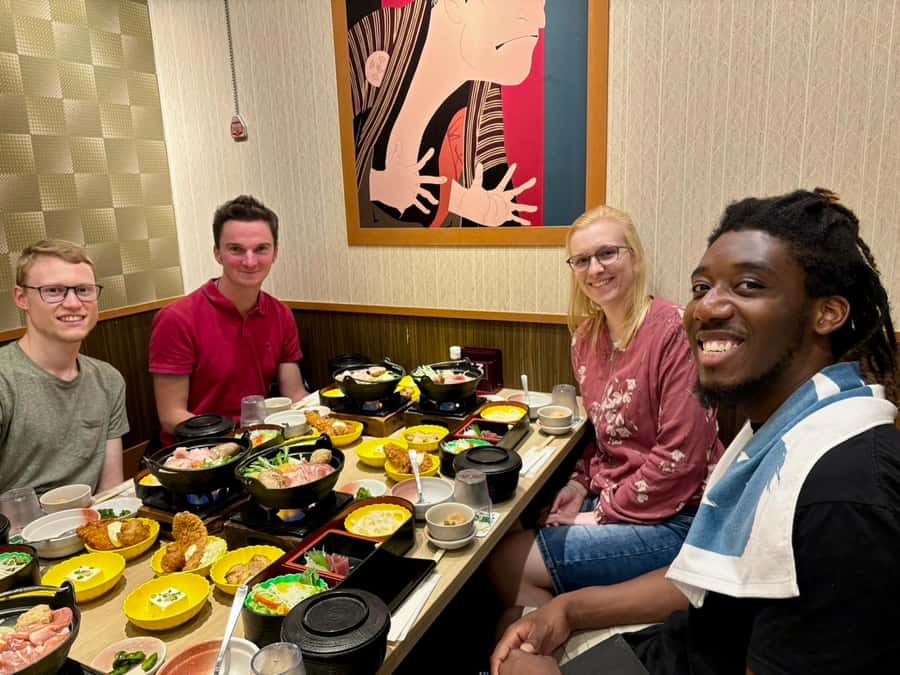
Book it if you want sumo to feel understandable and fun, not mysterious and noisy. The combo of Ryogoku history walking, a real-time English guide in the arena, headsets, and an English pamphlet is built to make first-time viewing click.
Skip it if you already know sumo well and you just want the cheapest possible entry. In that case, buying a ticket yourself might feel more efficient.
My recommendation: if this is your only chance to watch a Grand Sumo tournament in Tokyo, pay for the guide. The sport is hard to decode at first, and this tour is designed to translate the action as it happens.
FAQ
What times are available for this Tokyo sumo tour?
The landmark and history walking segment is in the 13:00 to 15:00 window, and the arena viewing segment is in the 15:00 to 18:00 window. You can also choose a 15:00 to 18:00 sumo-only option.
Is the group size small?
Yes. It is a small group tour with a maximum of 10 people.
Where do I meet the guide?
Meet at the left side of the Kokugikan arena’s front gate. The tour ends back at the same meeting point.
What seats are used for the tournament?
The tour uses chair B seats and chair C seats.
Are headsets included?
Yes. Headsets are provided so you can hear the guide clearly during the tournament, even from a distance.
Is chanko-nabe included?
Chanko-nabe is included only if you select the chanko dinner option.
Do you include drinks with chanko-nabe?
No. Drinks for the chanko-nabe option are not included, and you order them separately.
Is the tour suitable for wheelchair users?
No. The tour is not suitable for wheelchair users.
Newly listed around Tokyo
- Tokyo private transfer for Yokohama Port★ 4.5 · 63 reviews
- Luxury Kimono Photoshoot at Ginza Tokyo★ 5.0 · 7 reviews
- Tokyo Allstar Food Tour★ 4.5 · 206 reviews
- Tokyo Art Aquarium Museum E-Ticket with optional Tokyo Metro Pass★ 5.0 · 17 reviews
- Tokyo: Best Ginza Food Tour at 3 Local Eateries★ 5.0 · 83 reviews
- Private One Day Nikko Tour with Bilingual driver★ 3.5 · 11 reviews
- PRIVATE tour in 180SX to Daikoku+++++★ 5.0 · 6 reviews
- Kabuki Talk★ 5.0 · 10 reviews
Sumo Stable Visits, compared.
Sumo Show Experience with Chicken Hot Pot and a Photo
Read our review →
Tokyo Sumo Entertainment Show with Chicken Hot Pot and Photo
Read our review →
Tokyo Grand Sumo Tournament Viewing Tour with Tickets
Read our review →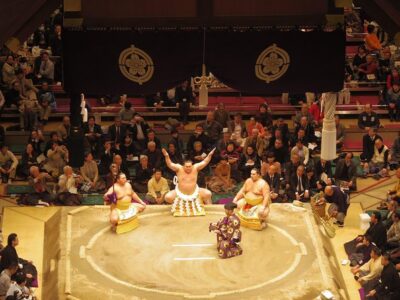
Sumo Show & Experience w/ Optional Kimono & Hot Pot
Read our review →Browse the lists this tour appears in