
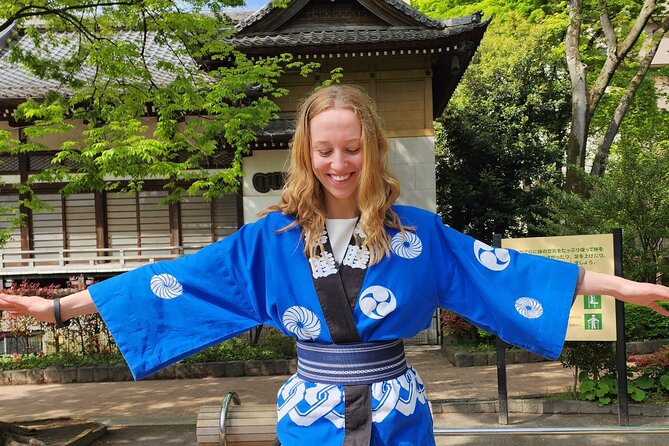
Review · SUMO STABLE VISITS
Tokyo – Grand Sumo Tournament
Sumo hits different when the whole stadium roars. This Grand Sumo Tournament ticket experience pairs Japan’s oldest sport with the kind of crowd energy you usually only see in big league games, and your prebooked spot removes the stress of last-minute ticket hunting. I like that you get a clear focus on the match itself at Ryōgoku Kokugikan, plus a chance to understand what you are seeing beyond the throws and pushes. One watch-out: this is primarily a ticket event, and transportation to the arena is not included, so you will want to plan your own route.
One practical upside is that the tour uses a paper ticket, which makes it feel straightforward and real once you have it in hand. You can also pay extra for better seats if you want a closer, easier view of grips, footwork, and the pause before the clash. The only caution is expectation management: some days and schedules can affect what extra moments you get, so double-check what your date includes and do not assume you will always see extended training access or stables time.
In This Review
- Key things I’d circle on your plan
- Ryōgoku Kokugikan and the match atmosphere you came for
- Tokyo vs Osaka: choose the tournament dates that fit your trip
- The ticket format: paper entry and what it means for your day
- What to expect at the Ryōgoku Kokugikan stop
- Optional seat upgrades: worth it if you care about the details
- No transportation included: plan your route like a local
- The value question: is $565 for sumo a good deal?
- A real expectations check: culture, sport, and what can change by day
- Who should book this experience, and who might not love it
- Should you book Tokyo’s Grand Sumo Tournament ticket experience?
- FAQ
- Where is the meeting point for the Tokyo experience?
- What time does the experience start?
- How long does the activity last?
- Is transportation included?
- What kind of ticket do I get?
- Can I upgrade my seats?
- Is this experience refundable or changeable?
- How big is the group?
Key things I’d circle on your plan
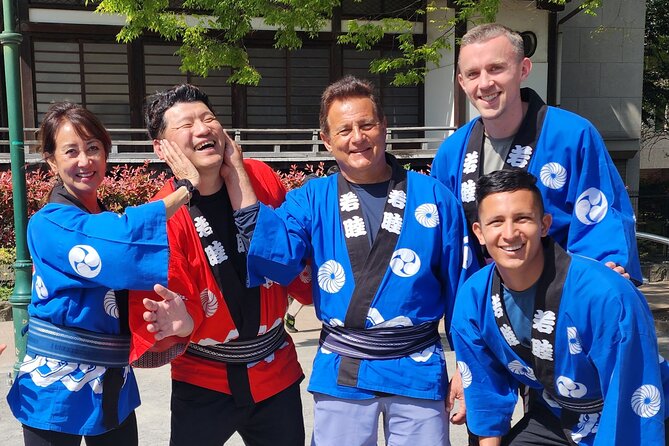
- Ryōgoku Kokugikan match energy: fans cheer hard, and the rhythm of the arena makes the sport feel immediate
- Tokyo or Osaka depending on dates: your experience location changes based on the tournament period you choose
- Paper ticket format: simple to hold onto, but keep it safe and dry
- Optional seat upgrades: better sightlines can make the difference between watching action and truly reading it
- Small group cap (max 20): less chaos when you are lining up and finding your place
Ryōgoku Kokugikan and the match atmosphere you came for
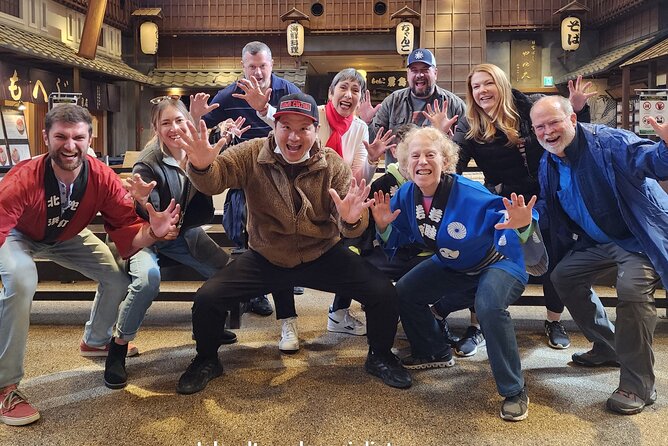
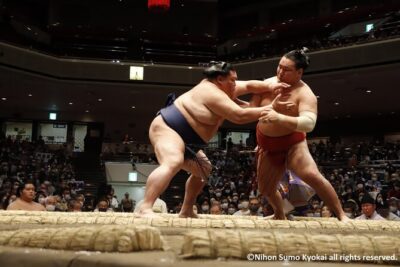
If you want sumo for the sport, this is the right kind of ticket experience. Ryōgoku Kokugikan is one of those venues where the building, the crowd, and the ceremony combine into something that feels bigger than just a sporting event.
What I love most is how the arena atmosphere carries you through the day. The cheers are not polite background noise. They come in waves, and you feel the stakes as wrestlers enter the ring. Even if you know only the basics, you will notice the details that experienced fans take in right away, like the pre-bout rituals, the tension in body language, and how quickly a match can flip from careful movement to sudden force.
This is also why watching at an official tournament matters. Sumo is ancient, but it is also a high-stakes competition with a formal flow. Your ticket is the key that gets you into that flow, at the level most casual sightseeing cannot replicate.
Compare these Sumo Stable visits in Tokyo:
- Tokyo: Sumo Show Experience with Chicken Hot Pot and a Photo
★ 4.8 · 6,678 reviews - Tokyo: Sumo Show and Dining Experience
★ 4.8 · 2,742 reviews - the SUMO show
★ 5.0 · 1,960 reviews
Tokyo vs Osaka: choose the tournament dates that fit your trip
Your booking is tied to specific tournament windows. For Japan’s Grand Sumo Tournament, the schedule in your options is:
- Jan 11 to 25, 2026 in Tokyo
- Mar 8 to 22, 2026 in Osaka
- May 10 to 24, 2026 in Tokyo
So yes, the location can change. If you are building your itinerary around Tokyo anyway, the January or May options make the most sense. If your trip already has Osaka days lined up, the March window can be a clean add-on without forcing a city transfer.
Also note the meeting point details are written for Tokyo: Ryōgoku Edo NORENJapan, 130-0015 Tokyo, Sumida City, Yokoami, 1-chōme3-20 1階 with a 10:00 am start. If you book for Osaka, assume you will need the correct local meeting point instructions for that date, since the provided address is Tokyo-specific.
The ticket format: paper entry and what it means for your day
This experience is ticket-based, and it is listed as paper ticket. Translation: you should treat your ticket like a passport. Keep it flat, keep it dry, and do not put it where it can get bent or soaked.
Because it is not a full multi-stop tour, your day will likely feel more like this: you meet at the location, you get into the venue process, you watch the tournament, and then it ends back at the meeting point. The listed duration is about 2 hours, so plan your timing with the idea that you are not signing up for a half-day wandering program.
Also, admission is included with the experience. The listing notes admission included and the event is presented as a ticket experience. That is a big part of the value equation for sumo: you are paying for access to a major event, not for a long itinerary.
What to expect at the Ryōgoku Kokugikan stop
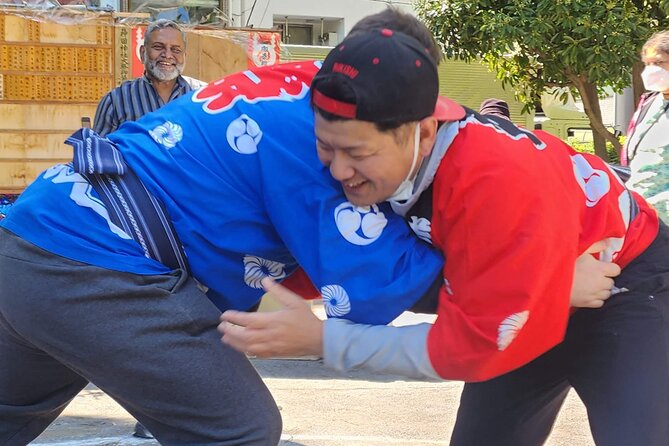
Your main stop is the arena itself, Ryōgoku Kokugikan, where you watch the tournament live. This is the heart of the experience. No matter how much you read about sumo, the live setting brings you closer to the sport’s real texture.
Here is what you should be ready for when you arrive:
- A lively crowd that cheers like it is a major league event
- The match flow, with clear moments of ritual and restart
- Lots of attention on balance, force, and timing, not just strength
One thing I find genuinely helpful: go in with the mindset that sumo is both sport and performance. You will see wrestlers test distance and timing. Then one bout becomes a controlled clash. When you watch live, it is easier to understand how small technical choices create huge outcomes.
Now the honest caveat. Some bookings and schedules can include extra moments around sumo culture, and some recent experiences have referenced staff help, cultural explanations, and even opportunities to see or participate in demonstrations. However, the core promise you can count on is the tournament ticket itself. So keep your focus on the arena match experience, and treat any extras as bonus.
A few more Tokyo days to weigh up
- Mt Fuji and Hakone 1-Day Bus Tour Return by Bullet Train
★ 5.0 · 26,383 reviews - 1-Day Tokyo Bus Tour
★ 5.0 · 14,250 reviews - Tokyo: TOKYO SKYTREE® Admission ticket
★ 4.5 · 11,192 reviews - Tokyo: teamLab Planets TOKYO Digital Art Museum Entry Ticket
★ 4.6 · 9,779 reviews
Optional seat upgrades: worth it if you care about the details
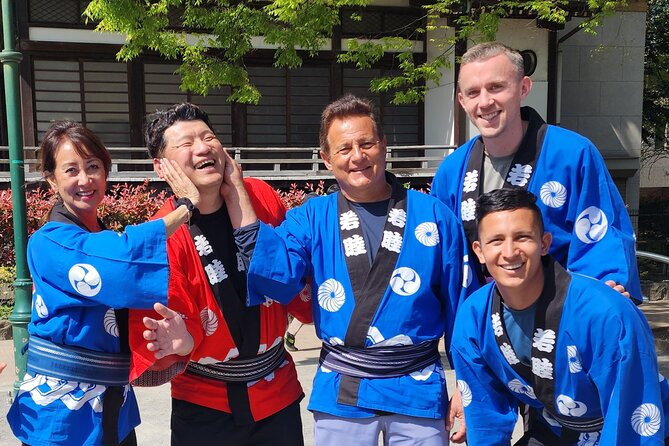
Seat upgrades are offered for an additional fee. That matters because in sumo, the action is compact and fast. If you sit too far away, you might catch the big moves but miss the fine points that make the sport feel so strategic.
If you are the type who wants to see:
- grip changes
- footwork and positioning
- the moments right before contact
Then paying for a better view can be money well spent. If you are mainly there for the crowd energy and the overall spectacle, your base seats may already feel satisfying.
Also remember that upgrades are not automatic. If you want better seating, decide early, since your view depends on what is available for your date.
No transportation included: plan your route like a local
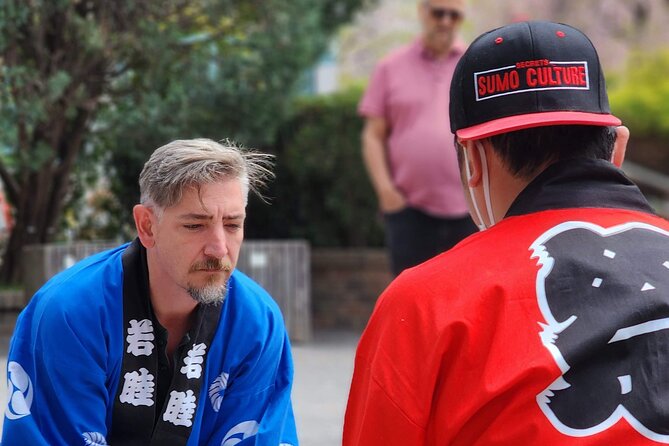
Transportation is explicitly not included. That is a practical point, and it affects how smooth your whole day feels.
Ryōgoku is well served by public transit, and the experience is listed as near public transportation. Still, you will want to:
- arrive before the match entry pressure builds
- give yourself buffer time to find the meeting spot
- keep your ticket ready to show
If you hate rushing, build in extra minutes around 10:00 am. A tournament crowd plus venue entry lines can turn a simple plan into a scramble if you schedule too tightly.
The value question: is $565 for sumo a good deal?
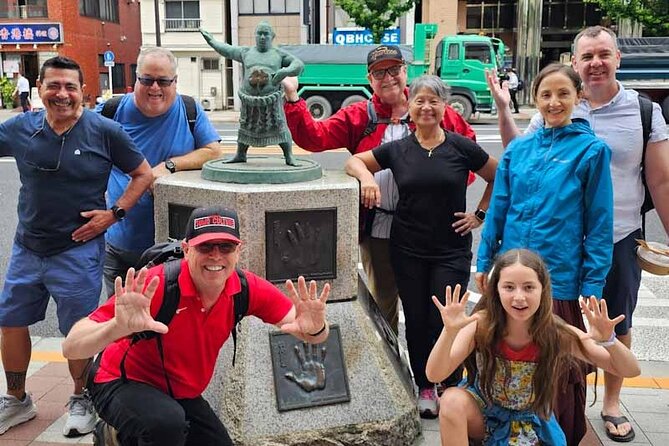
At $565 per person for about 2 hours with a paper ticket, this can look pricey at first glance. But sumo tournaments are not casual events, and tournament tickets are not easy to source last minute. You are paying for secured access to a major sports moment plus the convenience of prebooking.
Here is the value math that matters most:
- If you will spend time and effort hunting tickets on your own, prebooking can be worth real money in stress saved.
- If you care about watching live, you are effectively buying the chance to see top-level competition in an iconic venue, which is where the value lands.
Could it feel expensive if you expected a longer guided program or a big cultural side tour? Yes, and that is where expectation matching matters. The experience is best seen as a tournament ticket plan with possible cultural context, not a long-day tour.
One more factor: the group size is capped at max 20 travelers. That usually means you get a calmer experience compared to huge crowds or oversized group logistics.
A real expectations check: culture, sport, and what can change by day

Sumo tours can disappoint when people expect one exact package every time. Some experiences have focused heavily on culture, ritual, and the stadium moment. Others have included more hands-on interaction or additional sumo-related access. Your best approach is to treat the tournament match as the non-negotiable core, and then check what your specific date adds on top.
Also, sumo scheduling is not always predictable to the outside visitor. Training and access can shift based on professional schedules, and conditions can change around the arena. If you are booking with strict expectations, you will sleep better if you confirm what will happen on your exact tournament day.
I will also note this because it affects how you should read the experience: if you are only interested in watching wrestlers practice at their stables, this is not the right assumption. The event you are buying centers on the tournament in the arena.
Who should book this experience, and who might not love it
I think this tour fits best if you:
- want to watch a major sumo tournament live in Tokyo
- care about the match atmosphere and the real arena vibe
- prefer a focused experience rather than a long city-walk day
- like paying for certainty, instead of ticket hunting anxiety
You might want to look elsewhere (or at least manage expectations) if you:
- expect a long guided walking tour with lots of extra stops
- want a guaranteed, extended look at stables practice every time
- are hoping transportation, full escort, and multi-hour wandering are included
One more fit note: accessibility is listed as most travelers can participate, and service animals are allowed. That is helpful if you are traveling with an assistance animal.
Should you book Tokyo’s Grand Sumo Tournament ticket experience?
If your goal is simple, watch sumo at a top venue with a prebooked seat, then yes, this is a strong choice. The arena energy is the main event, and you are buying access to Japan’s signature sport during a real tournament window.
My practical recommendation: book it if Tokyo is your anchor city for January or May, and consider a seat upgrade if you want to actually read the sport, not just spot the wrestlers. If you are trying to combine this with other tightly scheduled plans, build buffer time around entry, because this is tournament life, not a museum visit.
If you do that, you will get exactly what you came for, the kind of live sporting ritual that makes Japan feel different in the best way.
FAQ
Where is the meeting point for the Tokyo experience?
The meeting point is at Ryōgoku Edo NORENJapan, 130-0015 Tokyo, Sumida City, Yokoami, 1-chōme3-20 1階.
What time does the experience start?
The listed start time is 10:00 am.
How long does the activity last?
The duration is approximately 2 hours.
Is transportation included?
No. Transportation is not included.
What kind of ticket do I get?
This experience uses a paper ticket.
Can I upgrade my seats?
Yes. Upgraded seats are available for an additional fee.
Is this experience refundable or changeable?
No. It is non-refundable and cannot be changed for any reason.
How big is the group?
The maximum group size is 20 travelers.
Newly listed around Tokyo
- Private Tokyo Food Tour – A Journey Through Time Through Food★ 5.0 · 36 reviews
- Private Tokyo Tour with Licensed Guide & Vehicle (Max 15 persons)★ 5.0 · 107 reviews
- Private Tokyo Custom Full-Day Tour by Chartered Vehicle★ 5.0 · 16 reviews
- Private Tokyo Custom Half-Day Tour by Chartered Vehicle★ 4.5 · 13 reviews
- Private Sightseeing to Mt Fuji and Hakone with English Driver★ 5.0 · 51 reviews
- Private Snow Monkeys park Day Trip From Tokyo or Nagano★ 4.5 · 26 reviews
- Private Outstanding Nikko Tour with English Speaking Driver★ 4.0 · 11 reviews
- 4 Day Tour – Mount. Fuji, Tokyo, Hakone, Kamakura and Yokohama★ 5.0 · 19 reviews
Sumo Stable Visits, compared.
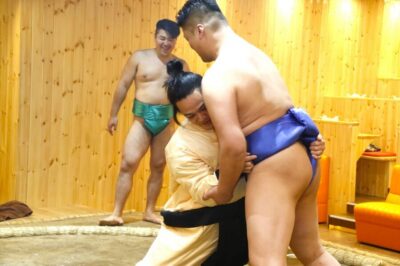
Sumo Show Experience with Chicken Hot Pot and a Photo
Read our review →
Tokyo Sumo Entertainment Show with Chicken Hot Pot and Photo
Read our review →
Tokyo Grand Sumo Tournament Viewing Tour with Tickets
Read our review →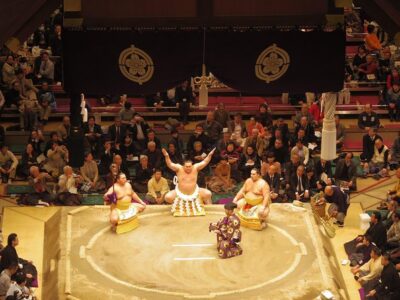
Sumo Show & Experience w/ Optional Kimono & Hot Pot
Read our review →Browse the lists this tour appears in