
Review · HALF-DAY
Tokyo: Personalized Half-day Tour
Tokyo in four hours, your way. A personalized half-day with Ian James Kerr lets you shape the mix of old and new, from Asakusa’s Senso-ji area to Shibuya Crossing and Meiji Shrine. I like how the plan stays flexible instead of marching you through the same photo stops.
I also like the private group feel, which makes it easier to ask questions and adjust pace on the fly. The guide speaks English and Japanese, which helps if you want details without language friction. One possible drawback: the route can still touch very touristy streets, and if your mobility needs change how you travel, you should confirm any extra transport costs before you book.
In This Review
- Key Highlights To Look For
- Why This Half-Day Feels Smarter Than A Checklist
- Your Private Guide: Ian James Kerr, English Support, Real-Time Adjustments
- How The Four Hours Can Play Out (And Why The Order Matters)
- Asakusa And Senso-ji: A Temple Street Morning (Without Feeling Lost)
- Shibuya Crossing: Modern Tokyo With Context, Not Just Foot Traffic
- Meiji Shrine: Your City Reset In A Calm Pocket
- Tailoring The Day: Markets, Themed Cafes, And The Right Questions To Ask
- Price and Value: Is $129 Per Person Fair For Four Hours?
- Pacing, Transit, and Mobility: The Real Test Of A Short Tour
- What You’ll Likely Feel After Four Hours
- Should You Book This Personalized Half-Day Tour?
- FAQ
- How long is the Tokyo Personalized Half-day Tour?
- How much does the tour cost?
- Is this tour private?
- What languages are the guides available in?
- What areas or landmarks does the tour include?
- Can I tailor the itinerary?
- What is the cancellation policy?
Key Highlights To Look For
- Personalized routing based on what you actually want to see, from markets to themed stops
- Local guidance with humor and context, with Ian James Kerr sharing practical city insights
- Classic Tokyo contrasts in one half-day: temple street, big-city scramble, and a quiet shrine escape
- Time-saving pacing for first-timers who want the main landmarks without losing the thread
- Plan flexibility, so you can slow down, swap topics, or steer away from shopping-heavy stretches
Why This Half-Day Feels Smarter Than A Checklist

Tokyo rewards planning, but it also punishes rigid plans. In just four hours, this tour aims to give you structure without locking you into one exact script. That matters because Tokyo can be a lot: trains, crowds, signage, and neighborhoods that feel worlds apart.
What I like most is the way the tour treats you like the driver, not a passenger. You’re not just following footsteps, you’re choosing the themes you care about. That might mean more food stops, more culture, more street scenes, or simply better timing so you avoid peak squeeze points.
The best part is also the trickiest part: you get flexibility, but you still need to steer it well. If you have strong preferences like quiet streets over shopping aisles, or slow walking over subway transfers, you’ll want to make that clear early so your guide can build a route that fits your day.
A few more Tokyo days to weigh up
- Mt Fuji and Hakone 1-Day Bus Tour Return by Bullet Train
★ 5.0 · 26,383 reviews - 1-Day Tokyo Bus Tour
★ 5.0 · 14,250 reviews - Tokyo: TOKYO SKYTREE® Admission ticket
★ 4.5 · 11,192 reviews
Your Private Guide: Ian James Kerr, English Support, Real-Time Adjustments
This is a private group experience, so it is not a crowded bus tour with forced small talk. You get a live guide who can work in English and Japanese, which is a big deal if you like explanations, not just directions.
Ian James Kerr shows up in the details. Multiple people highlight his helpfulness and how he adapts to personal preferences. One review also points out his humor, which sounds minor until you realize how much better a city story lands when the guide keeps things light and clear.
There’s also a practical angle here. In a city as complicated as Tokyo, it helps to have someone who can answer the small questions, like what you should look for at a temple, or how to think about neighborhood differences in a short visit. That is where a good guide earns their fee.
How The Four Hours Can Play Out (And Why The Order Matters)
Even though your route can be flexible, the tour’s core anchors are clear: Asakusa and Senso-ji, Shibuya Crossing, and Meiji Shrine. Those three stops work because they show Tokyo in contrast.
- Asakusa is about tradition on foot, with temple life and old-street atmosphere.
- Shibuya Crossing is about modern energy and how the city moves at scale.
- Meiji Shrine offers a reset, where you can slow down in a green, calmer space.
Timing matters because each area has its own rhythm. Temple areas tend to be most rewarding when you can linger and observe details. Shibuya Crossing is best when you see it from a smart angle, not just at the center of the mess. Meiji Shrine is a breather, so you’ll feel it more if you are not already exhausted from constant train hopping.
A heads-up from experience in any city: if you end up traveling between far-apart points more than expected, the clock can shrink fast. This tour is designed to keep things efficient, but Tokyo distances can still surprise you, so plan to travel with some patience.
Asakusa And Senso-ji: A Temple Street Morning (Without Feeling Lost)
Asakusa is the kind of neighborhood where Tokyo feels older in your bones. The big draw here is Senso-ji Temple, and the street approach that leads you there. You get the chance to walk the lanes and understand the vibe, not just see a landmark from a distance.
Here’s why Asakusa works well in a half-day format. The area is built for walking, so you can absorb it slowly even when your overall schedule is short. You also get an easy entry point for questions: temple customs, what people are doing, and how to spot the important details without needing a research rabbit hole.
The one caution I’d give: this area can lean tourist-heavy. One review flagged lots of souvenir stores and “touristy” stretches. That doesn’t mean Asakusa is bad, it just means your experience depends on how your guide steers you. If you want more than shopping rows, tell your guide that directly. Ask for the quieter streets nearby, or focus on what makes the temple area feel alive beyond browsing.
If you’re a first-time visitor, Asakusa is a great place to start because it teaches you what Tokyo looks like before you hit the high-speed modern stuff.
A different sort of day in Japan:
- Tokyo: teamLab Planets TOKYO Digital Art Museum Entry Ticket
★ 4.6 · 9,779 reviews - Mt Fuji & Hakone Cruise, Drum Show Bullet Train 1 Day from Tokyo
★ 4.0 · 7,413 reviews - Tokyo: Sumo Show Experience with Chicken Hot Pot and a Photo
★ 4.8 · 6,678 reviews - Tokyo: Shinjuku Food Tour (13 Dishes at 4 Local Eateries)
★ 5.0 · 6,603 reviews
Shibuya Crossing: Modern Tokyo With Context, Not Just Foot Traffic
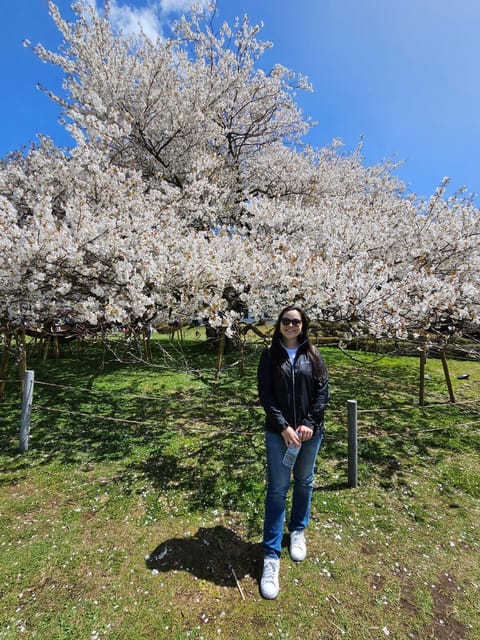
Shibuya Crossing is famous for a reason. It is a live illustration of how Tokyo handles crowds, timing, and movement. But if you only show up at the crosswalk, you can spend time stressed, not impressed.
The value of having a guide here is context. You want someone to help you understand what you are seeing, why it works, and how to get a better view without wasting precious time. A good guide can also steer you toward the best moment to observe the flow.
This tour’s pitch is exactly that: you get the contemporary energy of Shibuya Crossing while still learning how the city ticks. That makes the stop feel like more than a photo.
One practical consideration: Shibuya is busy. If you are traveling at a pace that is slower due to mobility, let your guide know. Tokyo’s crossings and station corridors can be tight and crowded. The tour can include walking through underground spaces as part of transit, so build in extra patience for those segments.
Meiji Shrine: Your City Reset In A Calm Pocket
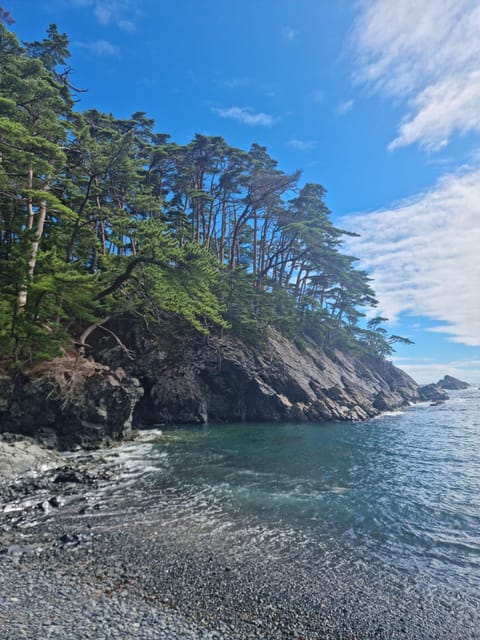
Meiji Shrine is the tonal shift Tokyo visitors love. You go from city intensity into a quieter atmosphere where trees and pathways do the talking. This stop is valuable because it gives you a mental breather, not just another landmark.
In a four-hour window, a calm place matters. It helps you digest what you just saw in Asakusa and Shibuya. You also tend to enjoy the shrine more if you are not rushing, because the atmosphere rewards slower observation.
If your itinerary includes more shopping or subway time than you expected, Meiji Shrine becomes even more important. It gives you a clear payoff for the day: a space that feels like Tokyo stepping back from the spotlight.
This is also the stop where I think personalization is most noticeable. If you tell your guide you want serenity, they can shape the timing and your walking pace to protect that feeling.
Tailoring The Day: Markets, Themed Cafes, And The Right Questions To Ask
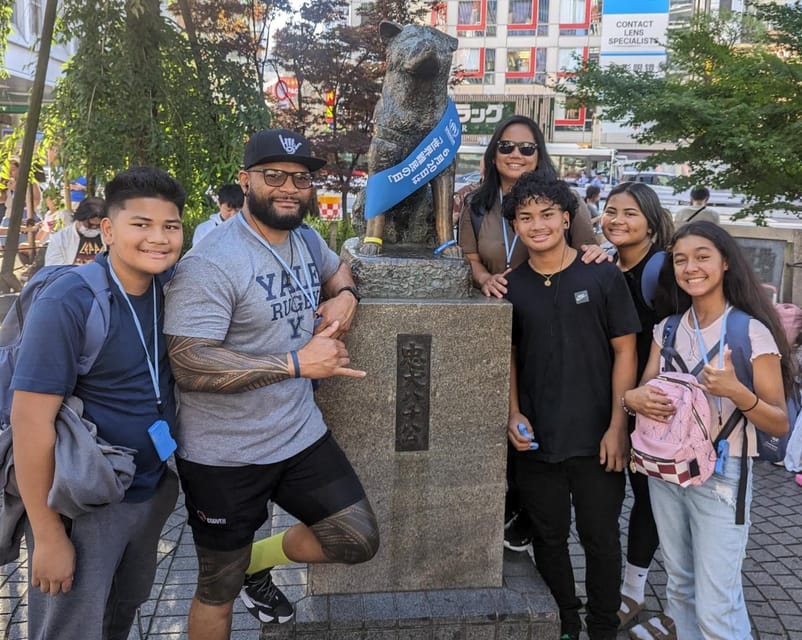
The tour is explicitly flexible. You can choose your interests, including options like traditional markets or themed cafes. That means your guide can build a thematic thread through the half-day, instead of random stops that don’t connect.
If you want the “tailored” part to actually land, ask better questions. Instead of saying you like food, tell your guide what kind of food you want to taste, like sweet snacks, local street bites, or something you can eat without sitting for long.
If you prefer culture over shopping, say that too. One review criticized too many souvenir stores, which is exactly the kind of mismatch that can happen when the route isn’t steered. Your guide can likely adjust the balance if you give clear direction early.
Also consider your comfort level with crowds. Shibuya is busy by design. If you are crowd-sensitive, ask your guide how to structure that stop. The goal is to let you enjoy the spectacle without turning your day into endurance work.
Price and Value: Is $129 Per Person Fair For Four Hours?

$129 per person for a private, four-hour experience sounds high if you compare it to the cost of walking around on your own. But the value isn’t in the sightseeing. It’s in what a guide can compress for you.
Here’s what you’re buying:
- A live guide in English or Japanese
- A plan shaped around your preferences, not just a fixed loop
- Real-time judgment calls, like pacing, route adjustments, and what to prioritize in limited time
- Access to local context, which helps you experience Tokyo with less guesswork
In Tokyo, guesswork costs time. If you have only a short stay, paying for a guide can be cheaper than spending extra hours figuring things out. That is especially true if you want the classics but also want them explained.
Still, price should match your needs. One review pointed out an issue involving a guide and separate vehicle expectations when someone walks with a cane. That situation included an unexpected rental car cost. My practical takeaway is simple: if you need special transport, confirm how the tour handles it and what expenses might be on you. A private tour can be flexible, but it should not be vague about money.
If you are comfortable walking and using public transit, this tour’s $129 price is more likely to feel like a smart investment. If you require special logistics, the value depends on how well those logistics are clarified in advance.
Pacing, Transit, and Mobility: The Real Test Of A Short Tour
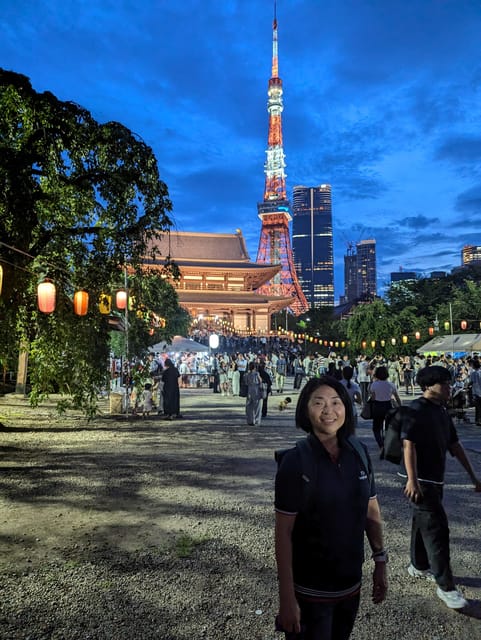
Four hours sounds like plenty until you hit real-world Tokyo timing. Stations are large, platforms are separated, and underground corridors can take longer than you expect. One review specifically mentioned time spent in underground areas because of walking trouble.
That points to a key piece of advice: treat this as a walking-and-transit tour, not a drive-through. You can absolutely tailor it, but you should plan for movement between neighborhoods and stations. If you want a slower day, ask for a route with fewer long transfer segments.
For mobility needs, bring your constraints up early. The tour can be adapted to personal preferences, and that is exactly the right mindset. But also ask questions about how you will get from point to point and whether any extra transport comes with extra charges. It is better to ask once and know, than to discover a surprise late.
If you use a cane, have limited walking, or need frequent breaks, you’ll enjoy this more if the tour is built around your stamina, not the guide’s default route.
What You’ll Likely Feel After Four Hours
When this tour works, you feel like you understand Tokyo, not just visited it. You get a story arc: old streets, big-city motion, and a quiet shrine reset. That combination is perfect for:
- First-time visitors who want the essentials
- Return visitors who want a guided route with a fresh angle
- People who like explanations alongside photos
- Travelers who want less planning and more in-the-moment decisions
When it does not work for someone, it usually comes down to mismatch. Either the route leans too touristy for their taste, or the pacing is not aligned with their mobility. Those problems are fixable if you steer early and set expectations clearly.
So think of this as a tool. The tour can shape itself around you, but you need to give your guide good instructions.
Should You Book This Personalized Half-Day Tour?
Book it if you want a private, four-hour Tokyo snapshot with flexibility. If you like having someone help you prioritize between Asakusa’s temple area, Shibuya Crossing, and Meiji Shrine, this format is strong.
I’d especially consider booking if:
- You want classic Tokyo stops but with context
- You enjoy customizing your day, including markets or themed cafes
- You want a guide who is responsive, with Ian James Kerr highlighted for helpful adaptability
I would hesitate only if:
- You strongly dislike touristy shopping streets and you have not told your guide what you want instead
- You have mobility constraints and you are unsure how transport and any extra costs will be handled
If you do book, message your preferences upfront in simple terms: what you want more of, what you want less of, and how far you realistically want to walk. Then you’ll get the best version of the promise, a Tokyo day shaped to you, not to a generic itinerary.
FAQ
How long is the Tokyo Personalized Half-day Tour?
The tour lasts 4 hours.
How much does the tour cost?
It costs $129 per person.
Is this tour private?
Yes, it is a private group experience.
What languages are the guides available in?
The live tour guide offers English and Japanese.
What areas or landmarks does the tour include?
The tour includes Asakusa (with Senso-ji Temple), Shibuya Crossing, and Meiji Shrine.
Can I tailor the itinerary?
Yes. The itinerary is flexible and you can choose options such as traditional markets or themed cafes.
What is the cancellation policy?
You can cancel up to 24 hours in advance for a full refund.
Newly listed around Tokyo
- Tokyo private transfer for Yokohama Port★ 4.5 · 63 reviews
- Luxury Kimono Photoshoot at Ginza Tokyo★ 5.0 · 7 reviews
- Tokyo Allstar Food Tour★ 4.5 · 206 reviews
- Tokyo Art Aquarium Museum E-Ticket with optional Tokyo Metro Pass★ 5.0 · 17 reviews
- Tokyo: Best Ginza Food Tour at 3 Local Eateries★ 5.0 · 83 reviews
- Private One Day Nikko Tour with Bilingual driver★ 3.5 · 11 reviews
- PRIVATE tour in 180SX to Daikoku+++++★ 5.0 · 6 reviews
- Kabuki Talk★ 5.0 · 10 reviews
Half-Day, compared.
Kyoto Arashiyama Bamboo forest & Garden Half-Day Walking Tour
Read our review →
Miyajima Half-day Trip Historical Walking Tour
Read our review →
Half-Day UNESCO Heritage & Local Culture Walking Tour
Read our review →
Himeji Half-Day Private Tour with Government-Licensed Guide
Read our review →
Miyajima Half-day Private Tour with Government Licensed Guide
Read our review →Browse the lists this tour appears in