
Review · WALKING TOURS
Tokyo: Private Custom Walking Tour with Local Guide
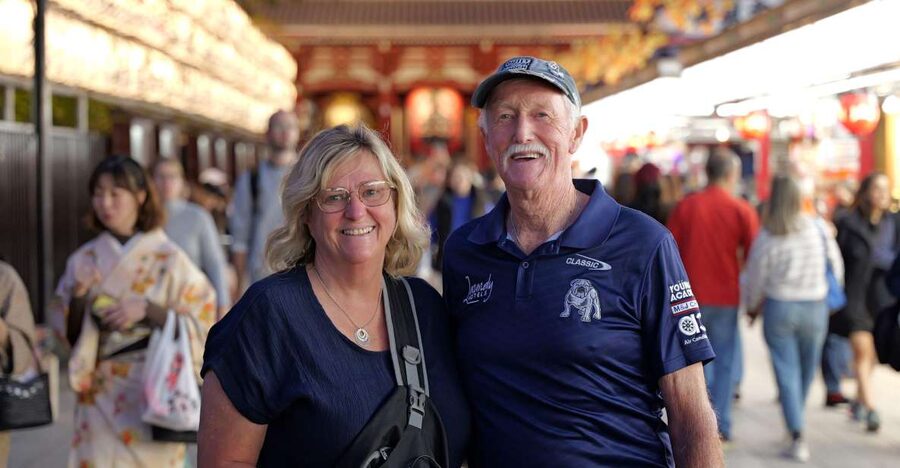
I like how this private, custom tour turns Tokyo from a blur into a plan. The magic is in the balance, you get traditional Tokyo and modern Tokyo in one smooth route, shaped around your interests. Guides like Fares and Sumire also help you read everyday local life, not just snap landmarks.
What I really love is the way your guide handles the practical side. You will spend less time guessing which train to take and more time actually seeing places like Shibuya Scramble, Takeshita Street, Meiji Shrine, Akihabara, and Asakusa. Nao’s style is a standout too, her English is clear, her pace is considerate, and she waits while you photograph.
One drawback to note, this is a walking tour and it is not suitable for people with mobility impairments or wheelchair users. If you need step-free access or lots of sitting time, you may want a different format.
In This Review
- Key reasons this tour works
- A private custom walk is how you learn Tokyo fast
- How your guide plans your route before you even walk
- Where traditional Tokyo shines in a custom day
- Shibuya, Harajuku, and Meiji: modern Tokyo you can actually navigate
- Akihabara and Ginza: pick your tech and style level
- Public transport coaching is the real superpower
- Photo help is more than holding a phone
- Food stops that feel local, not just convenient
- What you should expect from the walking pace
- Price and value: what $56 really buys you
- Who should book this tour, and who should skip it
- Final call: should you book Japan Discovery Squad’s custom walk?
- FAQ
- What languages is the tour guide available in?
- Is this tour private?
- How long is the tour?
- Where does hotel pickup happen?
- What is included in the price?
- What should I pay for separately?
Key reasons this tour works
- Truly custom itinerary built around your interests and available time, not a one-size plan
- Public transport coaching so you can ride with confidence, often with help getting a Suica card
- Traditional-meets-modern Tokyo choices, from Asakusa and shrines to Shibuya and Ginza
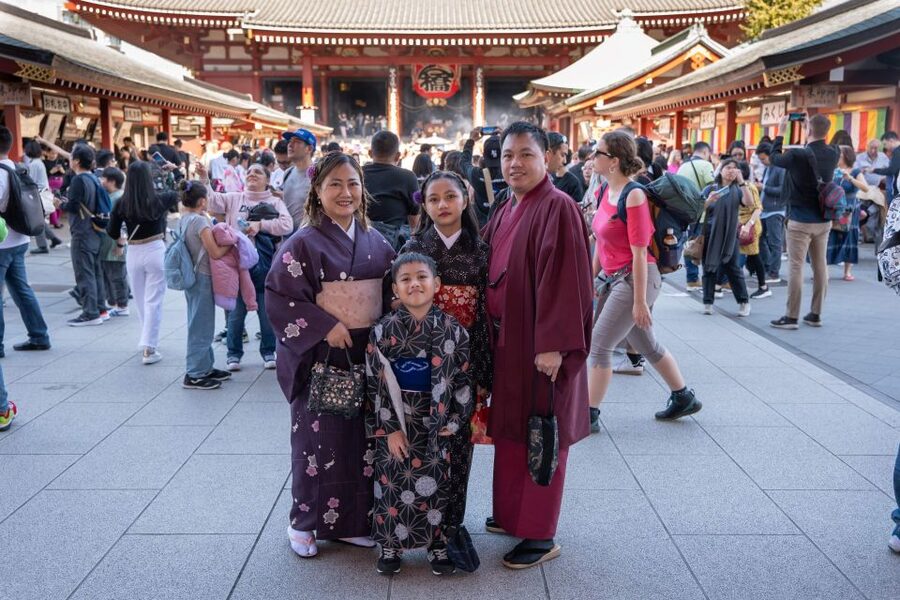
- Photo-focused stops with guides who take great group shots and professional-looking portraits
- Private group flexibility so you can move at your own rhythm, including slower photo pauses
A private custom walk is how you learn Tokyo fast

Tokyo can feel like two different cities at once. On one side, you have old streets, temples, and the calm rhythm of daily routines. On the other, you have neon streets, big-name shopping districts, and constant motion.
This tour is built for that reality. You do not get dumped into a rigid itinerary. Instead, you and your guide build a route that makes sense for your day, whether you want temple time, shopping time, food time, or a mix. I think that matters because Tokyo highlights are scattered, and hopping randomly can waste hours.
Also, the guide language is English, which sounds simple, but it is huge on day one. When Nao is explaining what you are looking at, you can ask questions and actually understand the why behind the scenes, not just collect photos.
More Walking Tours in Tokyo
- Tokyo Tsukiji Fish Market Food and Culture Walking Tour
★ 5.0 · 3,184 reviews - Tokyo: Shinjuku Local Bar and Izakaya Guided Walking Tour
★ 4.9 · 1,794 reviews - Tokyo: Tsukiji Fish Market Food and Walking tour
★ 5.0 · 1,724 reviews
How your guide plans your route before you even walk
You should expect real planning, not a last-minute handshake. After you book, your guide contacts you within about 2 weeks before the tour to discuss your interests and schedule. Use a phone number connected to WhatsApp if you want this part to be easy, because the message flow tends to be smoother there.
The tour runs anywhere from 2 to 8 hours, depending on availability. That range is your friend. If you only have half a day, you can focus on one side of the city. If you have more time, you can stitch together multiple neighborhoods without feeling like you are sprinting.
Meeting is also timed and straightforward. The guide meets you at the hotel lobby, or another pickup point you request, about 5 minutes before the start time. That little buffer helps when you are still figuring out station entrances and hotel locations.
Where traditional Tokyo shines in a custom day
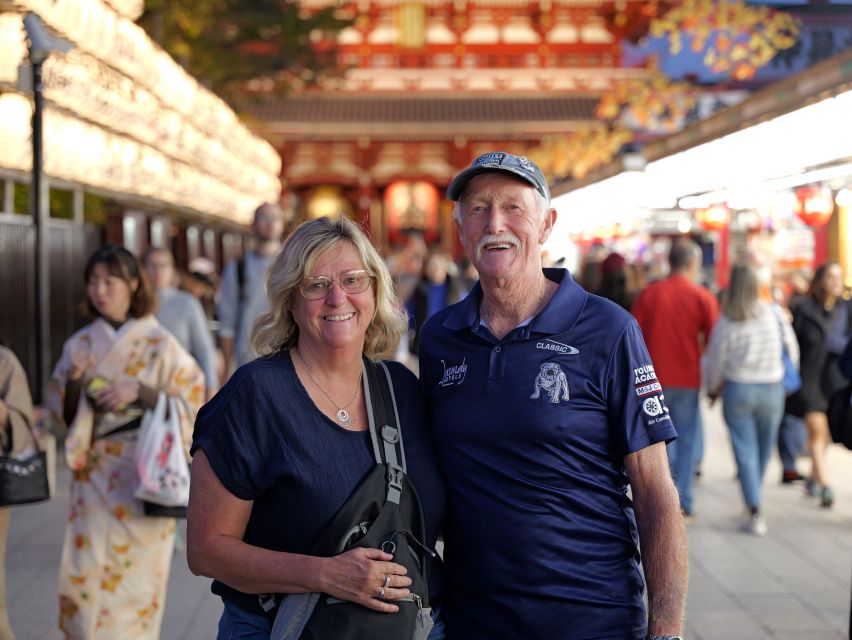
A big part of the appeal is that you can aim for the quieter, older Tokyo areas without giving up the modern stuff. In custom routes, Asakusa is a frequent anchor point, and it is a smart one. It gives you the temple atmosphere, the historic street energy, and the kind of sights that feel like Tokyo’s roots.
Guides also tend to work shrines and temples into the schedule alongside more everyday details. When Satoshi shares little stories around these spaces, it helps you notice things you would normally skip, like how certain areas are used and why people behave the way they do there.
As a practical note, these traditional spots often mean more walking and standing time. If you want photos, it is worth choosing a guide who will actually let you take them without rushing. Nao is praised for being patient during photo moments, and that is exactly what you want at temple and shrine stops.
Shibuya, Harajuku, and Meiji: modern Tokyo you can actually navigate
Modern Tokyo can be overwhelming, especially around the big name districts. The payoff is that you can see the high-energy icons and still understand what you are looking at.
Shibuya Scramble shows you Tokyo’s scale in one glance. Then Takeshita Street gives you the fun, youthful shopping atmosphere that makes Harajuku famous. If you are doing this as your first day, having a guide like Fares helps a lot because he can show you how to cross, where to stand for photos, and how to move to the next area without backtracking.
Meiji Temple is a nice counterweight. It is a place where the city noise fades for a bit, and your eyes get a rest. In the reviews, guides frequently pair these zones with efficient train hops, so you can go from neon corners to peaceful grounds without losing your momentum.
One small drawback you might feel here is that modern districts are popular for a reason. If the route includes dense areas, your guide will help you walk through them calmly, but you still may want comfortable shoes and a light layer, because you can go from indoors to outdoors quickly.
A few more Tokyo days to weigh up
- Tokyo: Asakusa Walking Tour with Sensoji Temple Visit
★ 4.8 · 1,583 reviews - Tokyo: Tsukiji Fish Market Guided Walking Tour
★ 4.9 · 1,397 reviews - Tokyo Castle & Imperial PalaceーShogun Walking Tour
★ 4.7 · 1,068 reviews - Tokyo: Imperial Palace Japanese History Walking Tour
★ 4.9 · 987 reviews
Akihabara and Ginza: pick your tech and style level
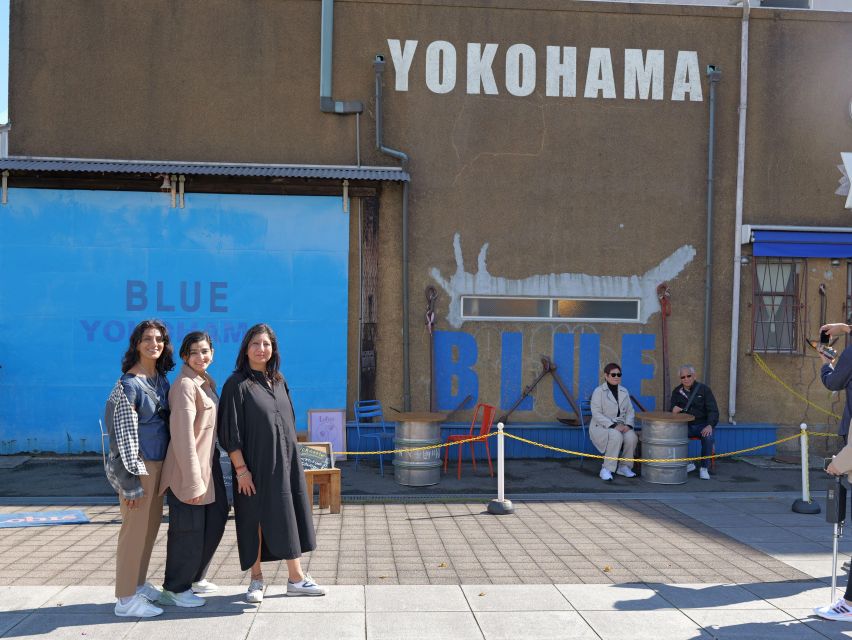
Some custom days tilt toward pop culture and tech, and Akihabara comes up again and again in real examples. If that is your interest, the value of a guide is not just the stop itself. It is the ability to point out what is worth your time and how to move around once you get there.
On the other side, Ginza shows the polished, shopping-focused Tokyo vibe. If you want contrast, pairing an electronics-heavy area like Akihabara with a style-and-shopping neighborhood like Ginza can work well in one day. You do not have to “commit” to one Tokyo. You can mix moods.
This is where the custom part matters most. Your guide should adjust the route based on what you want to spend your energy on. Reviews mention guides actively considering family interests and pacing, which is exactly what you need when the city is doing its own thing all around you.
Public transport coaching is the real superpower
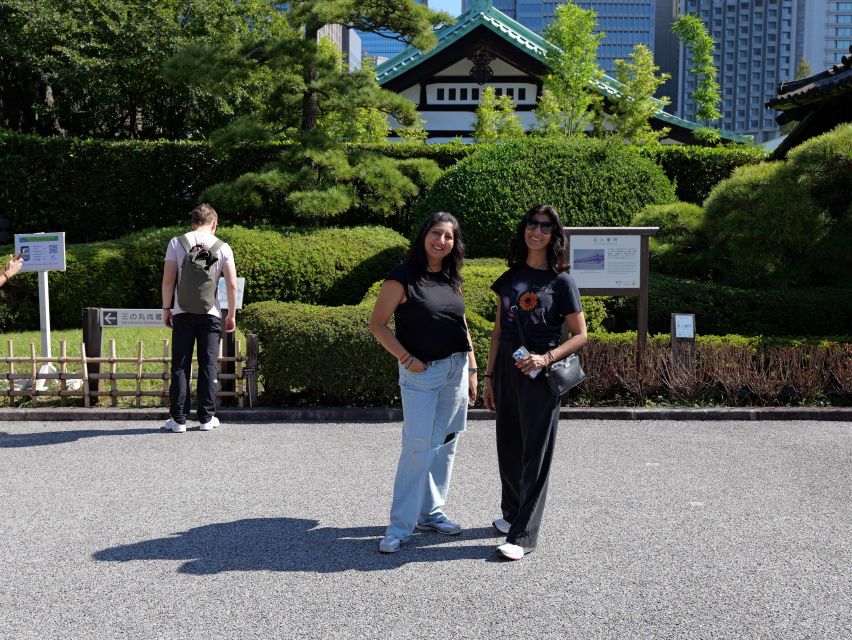
Tokyo is a transit city. If you try to figure it out alone on day one, it can feel like a puzzle with missing pieces.
The best part of this tour is that your guide helps you use public transportation as you go. Reviews specifically highlight guides showing people how to use trains and navigate systems with ease. That is not fluff. It means you learn practical habits: which line to take, how to move between platforms, and how to plan your next stop without panicking.
Getting a Suica card also comes up in guidance, and that is a simple but smart move. Once you have that, you can treat transit like a tool instead of a stress test.
One guide, Fares, is praised for helping groups learn the train system and for taking photos along the way. That pairing matters because it reduces the usual two-problem combo, getting lost and missing good photo moments.
Photo help is more than holding a phone
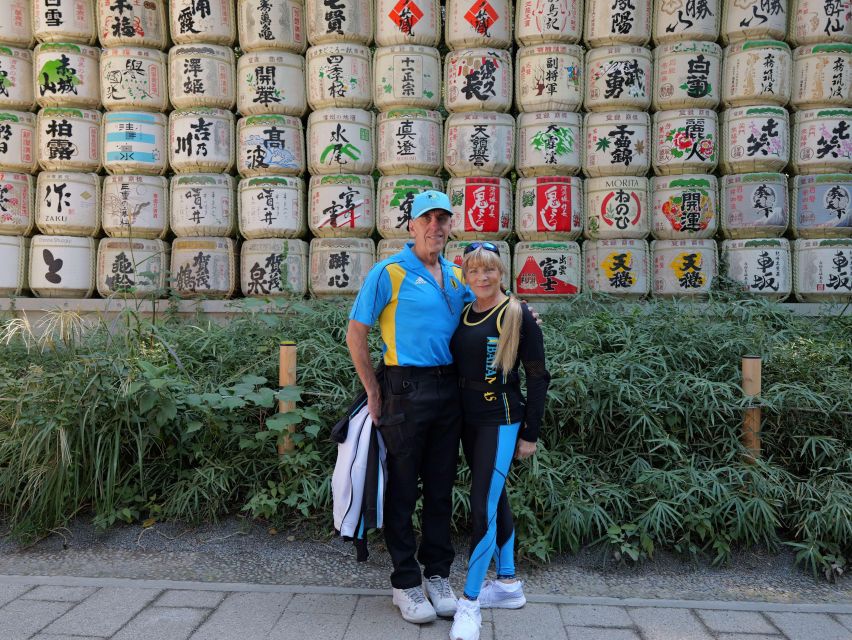
Tokyo is photogenic, but getting good shots is another skill. This tour includes photo-focused moments, and in practice that means you spend more time getting the shot than asking strangers for help.
Several guides are noted for taking great photos of groups. Fares in particular is mentioned as a photographer who captures people well, not just the background. Nao is also praised for patience during photo time, which is huge if you want clean portraits at busy spots.
Here is how you can make this work for you. If a stop includes people-heavy areas like Shibuya, tell your guide the style you want, casual street portraits or more posed group photos. Then let the guide take the lead on where to stand and when to move. You get better results with less hassle.
Also remember, entrances and ticketed areas are not included. If your route includes paid viewpoints or exhibitions, your guide can still plan timing, but you will handle entry costs yourself.
Food stops that feel local, not just convenient

Lunch is not included, but the guides often help you choose something that fits your day. In the reviews, Fares provides advice for sushi lunch that landed well. Another guide arranged a lunch recommendation after finishing early.
You also may see routes that include a park stop for a picnic, and that can be a fun way to experience Tokyo without turning every meal into an expensive stop. If cherry blossom season is in your travel window, some guides incorporate seasonal treats, like desserts tied to the blossoms.
One practical consideration: you will want to communicate dietary needs early. Since the route is customizable, your guide can steer you toward options that work. Just be sure to set expectations before the day starts, so lunch does not become a scramble.
What you should expect from the walking pace
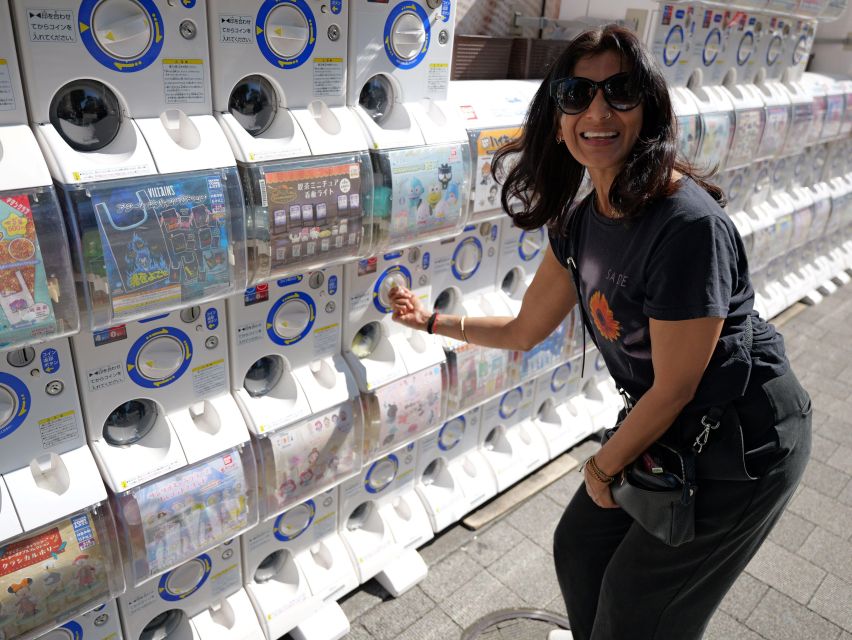
This is a walking tour. That sounds obvious, but the actual pace can range depending on your group and your guide.
Some reviews mention serious distance, including one day at about 17.6 kilometers over 6 hours. That is not typical for everyone, but it is proof that this tour can be physically active.
The good news is that guides adjust. People mention slower pacing for seniors, patience for kids, and considerate timing for anyone who needs more time for photos. Aya is praised for accommodating interests while still covering a lot, and Bagus is praised for pacing seniors comfortably.
Still, do not treat this like a sit-down sightseeing day. If you have any limits, ask directly about pacing before you lock in your plan, and choose a time window where you feel rested.
Price and value: what $56 really buys you
At $56 per person, this is positioned as a value-friendly way to get an orientation to Tokyo without paying for a private driver. The biggest value drivers are the parts that are hard to DIY:
- A guide who builds your route to match your time and interests
- Hotel pickup, so you start the day without logistics stress
- Public transport use as part of the experience, not something you figure out alone
- Photo help, which can be more useful than it sounds once you are standing at the landmark
Extra costs are your responsibility. Entrance fees for you, your transportation costs, lunch, and personal expenses are not included. Private transportation is also not included, which keeps the price down, but it means your guide will rely on walking plus public transit.
If you are the kind of traveler who wants to see a lot but also hates wandering in the wrong direction, the math usually works. You are paying for time saved and for correct routing, plus interpretation of what you see.
Who should book this tour, and who should skip it
This is ideal for a first trip to Tokyo. If you arrive with questions like Which neighborhood should we prioritize, how do we get there, and what should we actually pay attention to, this tour answers those problems while you are moving.
It also fits couples, small groups, and families because the tour is private. If you have kids, some guides adapt routes and pacing, which makes the day more enjoyable for everyone. If you are traveling solo, you get the same attention and can ask more questions without dealing with a big group schedule.
Skip it if you cannot do walking time comfortably. The tour is not suitable for mobility impairments or wheelchair users. If you fall into that category, look for an option with more vehicle time or step-free accessibility, because this one is designed around walking plus transit.
Final call: should you book Japan Discovery Squad’s custom walk?
I would book this tour if you want a confident start in Tokyo, with a route that blends old and new, and a guide who handles trains and photos so you can focus on sightseeing. The consistent praise for guides like Fares, Sumire, Nao, Taka, Satoshi, and Aya points to a pattern: strong English, flexibility, and practical help.
I would hesitate if you want a strictly seated, low-walking day or if you have mobility limitations. The tour’s strengths are movement, navigation, and on-the-spot decision-making, so it works best when you can keep up.
If you book, do one thing that helps a lot: message your guide with your must-sees and your no-go places using WhatsApp. Then trust their plan. Tokyo is too big for guesswork, and this tour is built to replace guesswork with a day that makes sense.
FAQ
What languages is the tour guide available in?
The tour guide is available in English.
Is this tour private?
Yes, it is a private group.
How long is the tour?
It runs from 2 to 8 hours, depending on availability and starting times.
Where does hotel pickup happen?
The guide meets you at your hotel lobby or another requested pickup location about 5 minutes before the tour starts.
What is included in the price?
Hotel pickup, the walking tour, and customization of the tour are included.
What should I pay for separately?
Entrance fees for you, transportation fees for you, lunch for you, personal expenses, and any private transportation are not included.
Newly listed around Tokyo
- Tokyo private transfer for Yokohama Port★ 4.5 · 63 reviews
- Luxury Kimono Photoshoot at Ginza Tokyo★ 5.0 · 7 reviews
- Tokyo Allstar Food Tour★ 4.5 · 206 reviews
- Tokyo Art Aquarium Museum E-Ticket with optional Tokyo Metro Pass★ 5.0 · 17 reviews
- Tokyo: Best Ginza Food Tour at 3 Local Eateries★ 5.0 · 83 reviews
- Private One Day Nikko Tour with Bilingual driver★ 3.5 · 11 reviews
- PRIVATE tour in 180SX to Daikoku+++++★ 5.0 · 6 reviews
- Kabuki Talk★ 5.0 · 10 reviews
Walking Tours, compared.
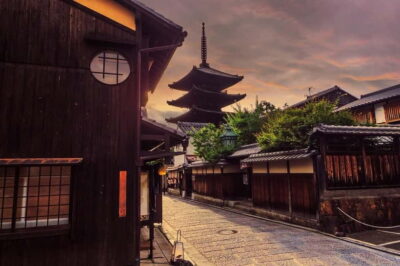
Kyoto Geisha Walking Tour: Gion District & Hidden Gems
Read our review →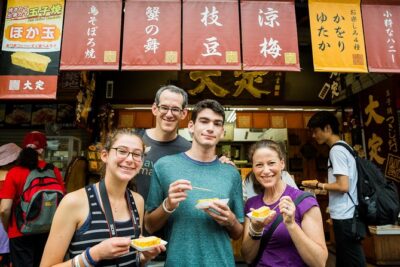
Tokyo Tsukiji Fish Market Food and Culture Walking Tour
Read our review →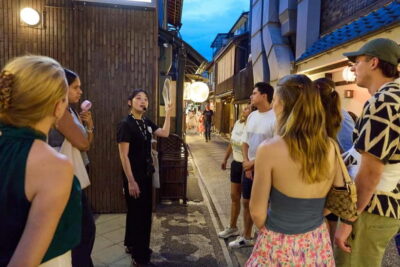
Gion Geisha District Walking Tour – Stories of Geisha
Read our review →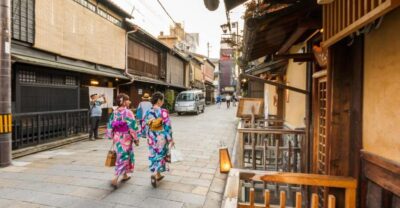
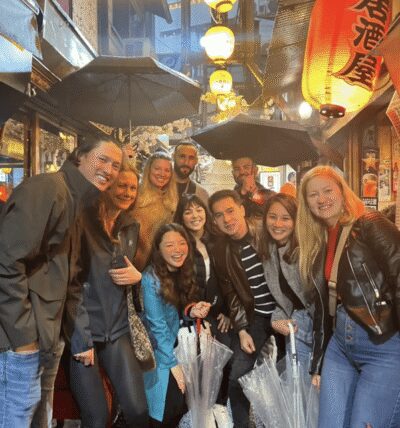
Shinjuku Local Bar and Izakaya Guided Walking Tour
Read our review →
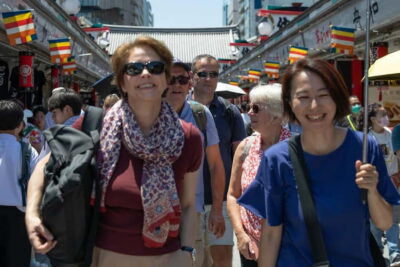
Asakusa Walking Tour with Sensoji Temple Visit
Read our review →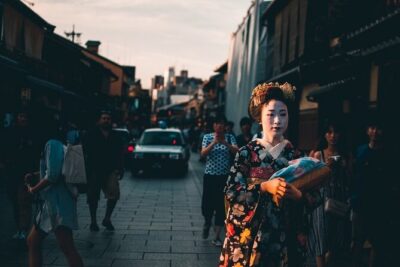
Kyoto Gion Geisha District Walking Tour – The Stories of Geisha
Read our review →Browse the lists this tour appears in