
Review · SUSHI COOKING WORKSHOPS
Tokyo Professional Sushi Chef Experience
Fresh wasabi, real hands-on training. This Tokyo professional sushi chef experience puts you at work in a real restaurant, guided by an itamae with 30 years of experience, not a demo table. I like that the coaching is practical, with step-by-step technique you can actually repeat after you get home.
Two things I really like: you practice the sushi basics like grating real wasabi and building the rice (shari), and you learn by making, not just watching. The lineup goes beyond safe classics too, with hands-on work and tastings that include uni, negitoro, hirame, kuruma-ebi, chutoro, and akami.
One thing to consider is time and budget. It is only 2 hours, and at $161 per person it is a focused class, not a long food tour where you can graze for hours.
In This Review
- Key Highlights You Will Actually Use
- Tokyo Sushi Class With an Itamae: What Makes It Authentic
- The 2-Hour Flow: From Apron to First Bites
- Sushi Rice (Shari) and Technique: The Lesson Behind the Taste
- Fresh Wasabi and Fish Prep: Where Flavor Gets Serious
- Hand-Rolled Sushi With Premium Nori and Nigiri Shaping
- What You Make and Taste: Uni, Negitoro, and More
- Vegetarian and Allergy-Friendly Options That Keep the Class Honest
- Price and Value: Why $161 for 2 Hours Can Be Worth It
- Who Should Book This Tokyo Sushi Experience
- Practical Notes So You Enjoy the Session
- Should You Book This Tokyo Professional Sushi Chef Experience?
Key Highlights You Will Actually Use
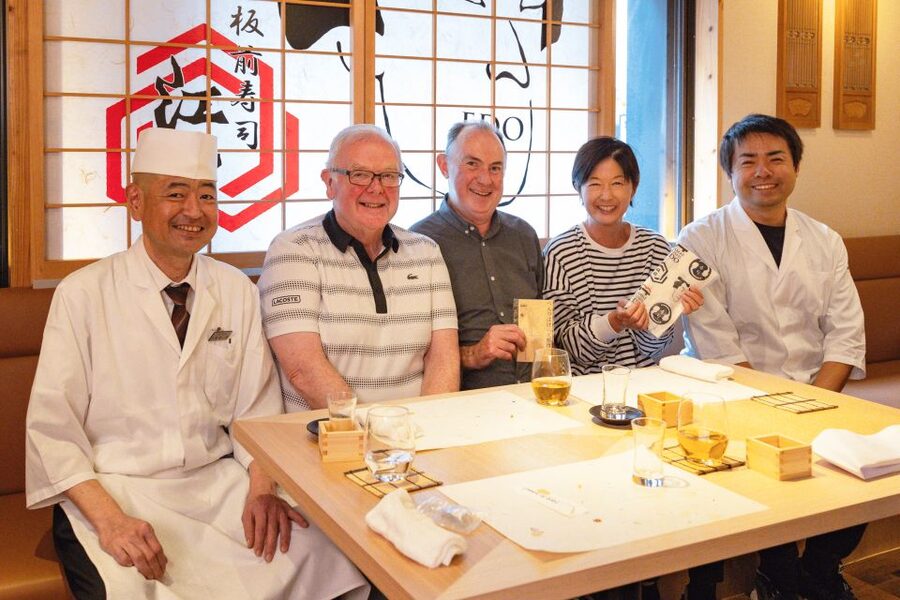
- Fresh wasabi, grated by you: Learn the flavor hit and aroma that comes from real grated wasabi.
- Shari practice: Get the essentials of sushi rice so your nigiri holds together and tastes right.
- Hand-rolled sushi with premium nori: You form rolls yourself, not just snack at the end.
- Fish technique demos: Watch professional prep and sushi technique before you try.
- A tasting menu built into the class: Uni, negitoro, hirame, kuruma-ebi, chutoro, and akami show up.
- Wakame udon plus a complimentary drink: You finish with a real meal element, not empty hands.
Tokyo Sushi Class With an Itamae: What Makes It Authentic
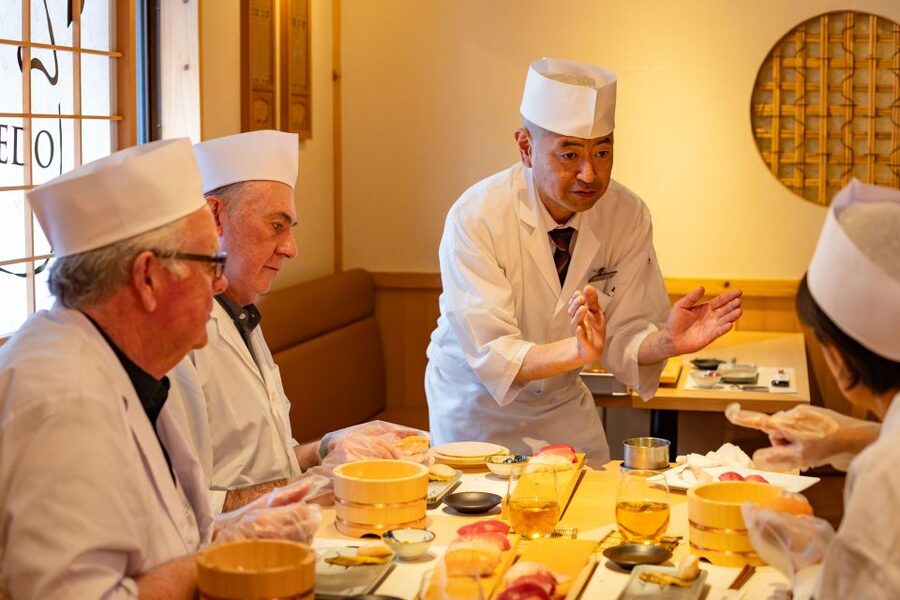
If you care about food craft, this type of class is the real deal. You are learning sushi techniques directly from an itamae, meaning the instruction is built around how sushi is actually made, not just how it is explained for tourists.
You also get the advantage of a small group, limited to 8 participants. That matters because sushi is hands-on work. With fewer people, you spend more time correcting your rice, your grip, and your motion instead of waiting your turn for the camera-ready moment.
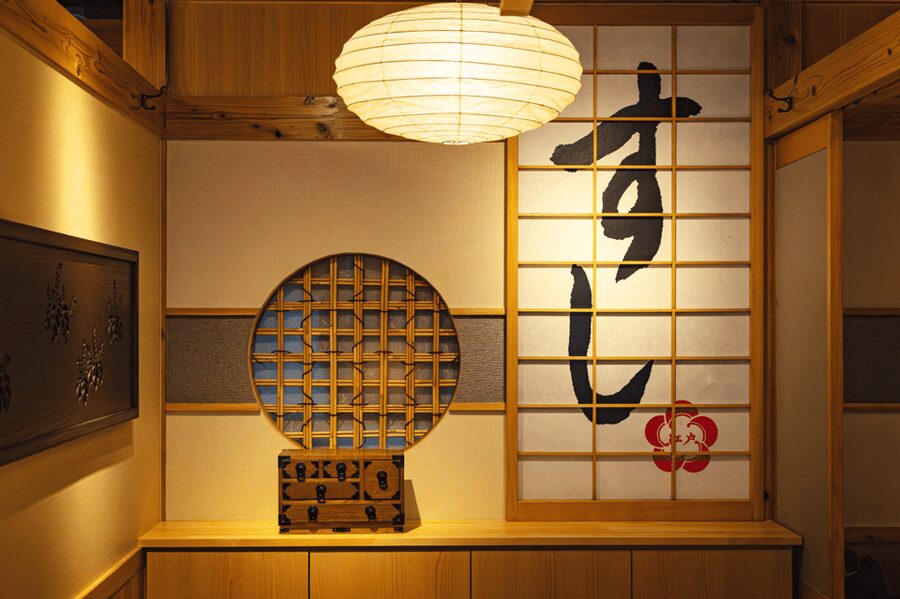
The setting is a real Tokyo sushi restaurant. That gives the training a different feeling than a generic cooking school. You work closer to the restaurant flow, with proper tools and an atmosphere that treats sushi as precision food, not a casual craft fair.
More Sushi Workshops in Tokyo
- Sushi Making Tokyo Roll and Authentic Japanese Sushi Class
★ 5.0 · 3,971 reviews - Tokyo: Roll and Authentic Sushi Making Class in Asakusa
★ 4.9 · 1,957 reviews - Tokyo: Sushi Making Class in a Happi Coat near a Famous Spot
★ 4.9 · 1,377 reviews
The 2-Hour Flow: From Apron to First Bites
Plan on a tight, well-paced session. In a class like this, you do not just observe. You move from basics into technique drills and then into making and eating your own sushi.
A typical flow includes quick orientation and coaching, then hands-on starts right away. You may even get time for the small prep moments first, like setting up properly for work before you touch ingredients. After that, the class often builds outward from the two pillars: sushi rice and wasabi.
Next comes sushi formation practice. You learn hand-rolled sushi using premium nori, and you also shape nigiri based on the technique you are shown. Between your hands-on steps, you watch professional demonstrations of fish preparation and sushi techniques, so you understand what you are copying, not just what you are doing.
Finally, you eat what you made, plus you get a special wakame udon and a complimentary drink. That last part is underrated. When the class ends with a proper warm dish and drink, the experience feels complete, not like homework you have not finished yet.
Sushi Rice (Shari) and Technique: The Lesson Behind the Taste
Shari is where most home attempts go wrong, and this class focuses on that. You learn secrets of making sushi rice, which is the base for everything else. The goal is simple: rice that has the right sushi character and a texture that supports clean shaping.
In your practice, pay attention to how the rice feels and behaves. Sushi rice is not just a flavoring problem, it is also a handling problem. If you get the handling right, your nigiri holds together better and tastes closer to what you expect in Japan.
Also, notice how the instructor corrects timing and pressure. Even if you do not memorize every motion, you will leave with a feel for what good shaping requires. That is the kind of skill that helps you impress friends and family, because you can reproduce the method even if you cannot reproduce the exact same fish you used here.
Fresh Wasabi and Fish Prep: Where Flavor Gets Serious
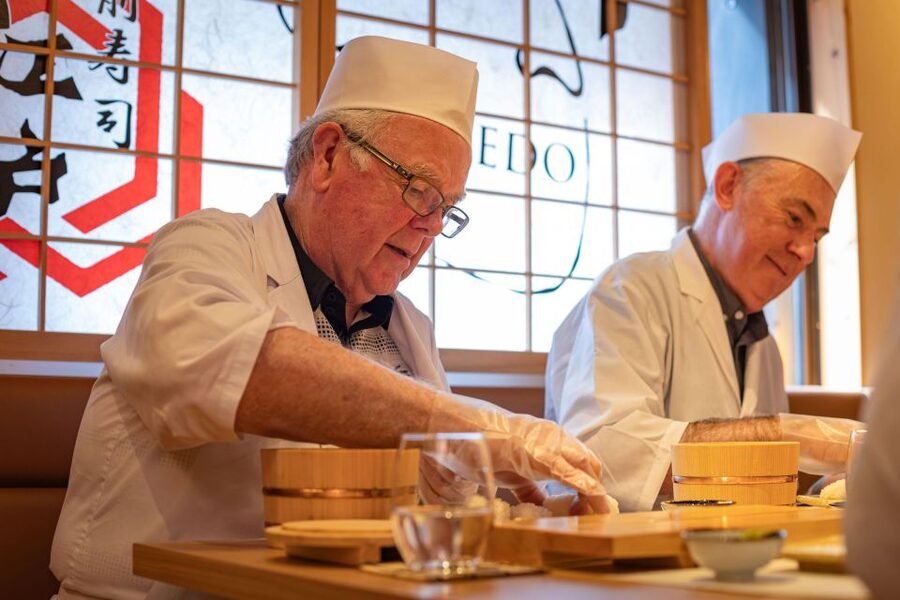
This class does something smart: it makes wasabi real. You grate real wasabi yourself and learn its unique flavor. That is important because bottled wasabi paste often tastes different. Fresh wasabi hits in a different way, and learning that difference helps your sushi judgment at home.
Then the fish work comes into focus. You watch demonstrations of fish preparation and sushi techniques, so you understand the steps behind the final slice. That is where sushi becomes more than assembly.
When it is your turn to make, you can approach the fish with respect for technique. Think clean handling, careful slicing, and a focus on how the fish and rice meet. The class also includes tastings of several cuts, which helps you connect the technique to actual flavor and texture, not just looks.
A different sort of day in Japan:
- Mt Fuji and Hakone 1-Day Bus Tour Return by Bullet Train
★ 5.0 · 26,383 reviews - 1-Day Tokyo Bus Tour
★ 5.0 · 14,250 reviews - Tokyo: TOKYO SKYTREE® Admission ticket
★ 4.5 · 11,192 reviews - Tokyo: teamLab Planets TOKYO Digital Art Museum Entry Ticket
★ 4.6 · 9,779 reviews
Hand-Rolled Sushi With Premium Nori and Nigiri Shaping
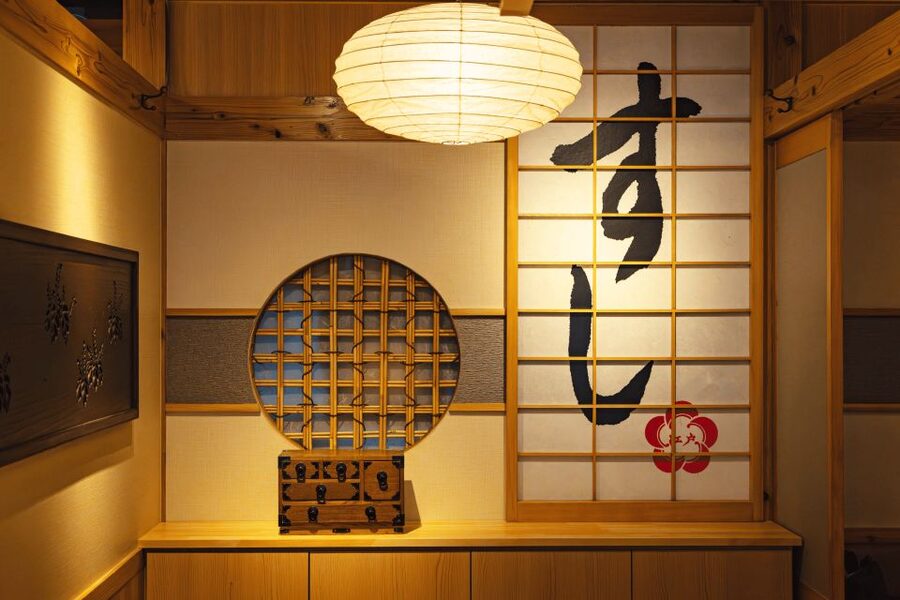
One reason sushi classes can be disappointing is that they treat forming like a side quest. This one puts formation at the center. You make hand-rolled sushi using premium nori, which means you work with an ingredient that is essential to texture.
Premium nori is not just decoration. It brings a distinct sea flavor and a satisfying bite that changes your roll. If your nori is not handled right, it gets tough or uneven. Practicing in a controlled setting helps you understand how it should feel.
You also make nigiri. The shaping step is where you learn how professionals think: firm enough to hold, gentle enough not to mash the rice, and consistent in how it sits. You will likely find that your confidence grows fast once you get a few corrections and repeat the motions.
What You Make and Taste: Uni, Negitoro, and More
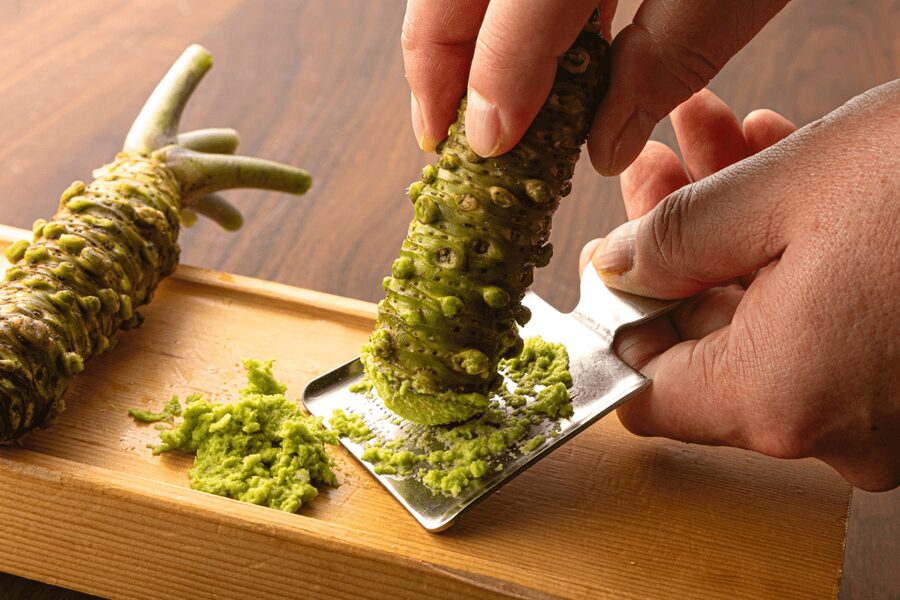
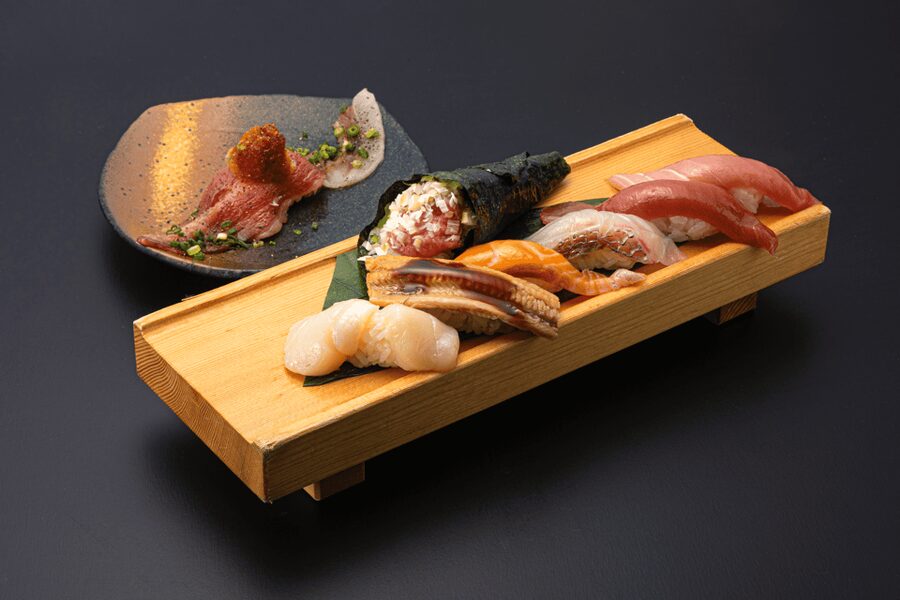
This is not a class that stops at the safe, familiar pieces. You learn and taste a set of sushi varieties such as uni, negitoro, hirame, kuruma-ebi, chutoro, and akami. That variety is a big part of the value because each topping teaches you something different.
Here is how to think about what you are tasting, so it sticks:
- Uni gives you a lesson in richness and texture, because it is softer and more nuanced than many other toppings.
- Negitoro is about balancing richness with sharp freshness, since it typically includes both fat and green onion notes.
- Hirame is often taught as a lesson in clean, bright fish flavor, showing what “not too strong” tastes like.
- Kuruma-ebi helps you focus on sweetness and springiness, especially compared to richer cuts.
- Chutoro and akami teach you how fat level changes mouthfeel and flavor intensity.
You also get fish preparation and sushi technique demonstrations before you tackle your own pieces. That sequence helps you avoid the frustrating pattern of making something without understanding why it turned out the way it did.
Vegetarian and Allergy-Friendly Options That Keep the Class Honest
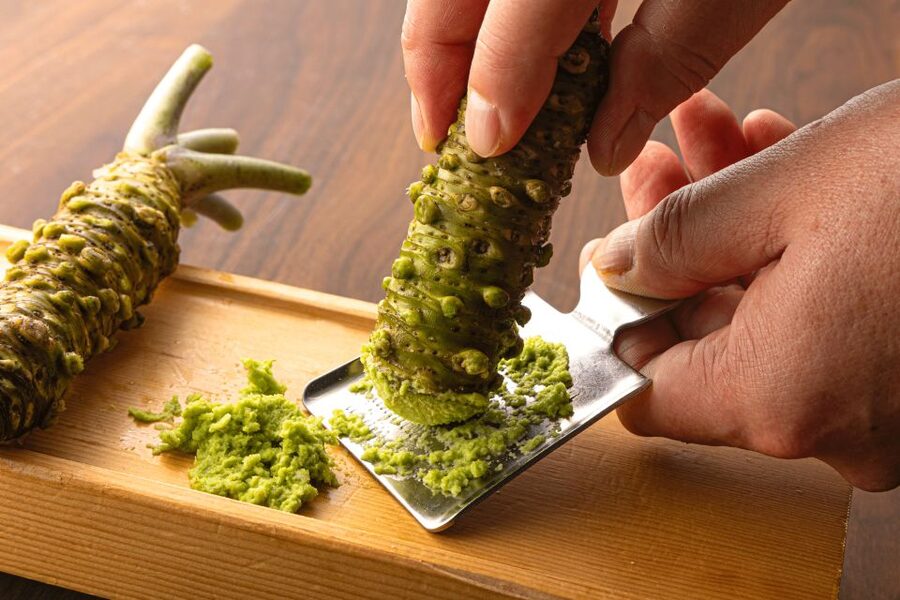
If you eat vegetarian or need allergy-friendly handling, you are not automatically pushed to the sidelines. The class offers vegetarian and allergy-friendly options, so you can participate without feeling like you are just watching others eat.
That matters, because sushi classes can fail people by turning substitutions into an afterthought. Here, the experience is designed to be accessible, which means you should be able to learn the core techniques while adjusting toppings and ingredients based on your needs.
If allergies apply to you, it is smart to plan ahead and communicate clearly when you book. The class explicitly supports allergy-friendly options, but you still want to be specific about what to avoid.
Price and Value: Why $161 for 2 Hours Can Be Worth It
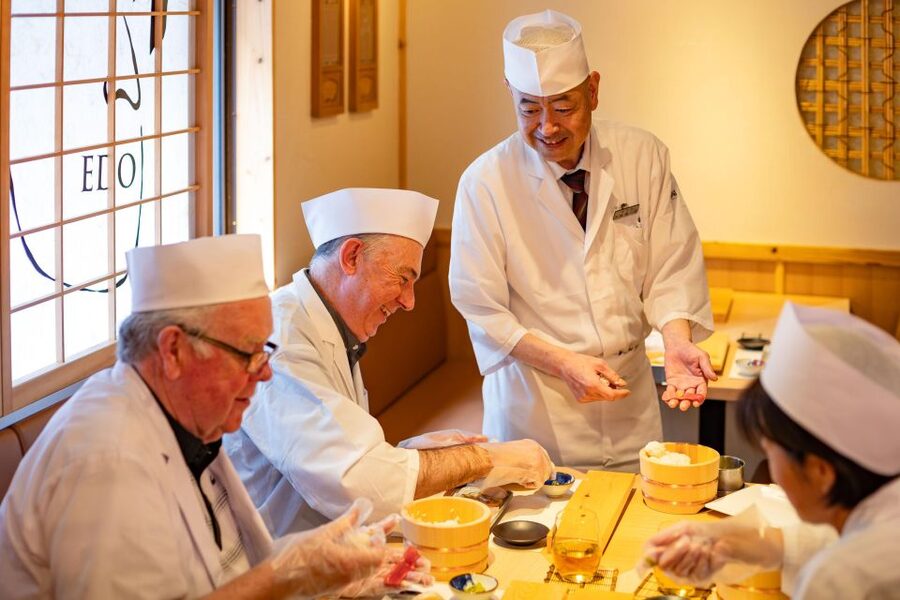
At $161 per person for 2 hours, you might wonder what makes it more than a “fun food workshop.” Here is the value logic that makes sense.
First, sushi technique training with an itamae is time intensive. Small group size matters because chef attention has a cost, and you are not competing with a crowd.
Second, you are not paying only for instruction. You are paying for ingredients, food, and the tools and equipment needed for the session. The experience includes tuition, food, and everything necessary for class work.
Third, you get tastings and a meal element at the end, including wakame udon and a complimentary drink. That means the class ends with something to eat, not just small bites that leave you hungry.
Finally, you leave with skills. The goal is not to collect photos. It is to be able to make better sushi at home, especially shari and basic shaping. If you enjoy cooking and want a real method, the price starts to look reasonable.
Who Should Book This Tokyo Sushi Experience
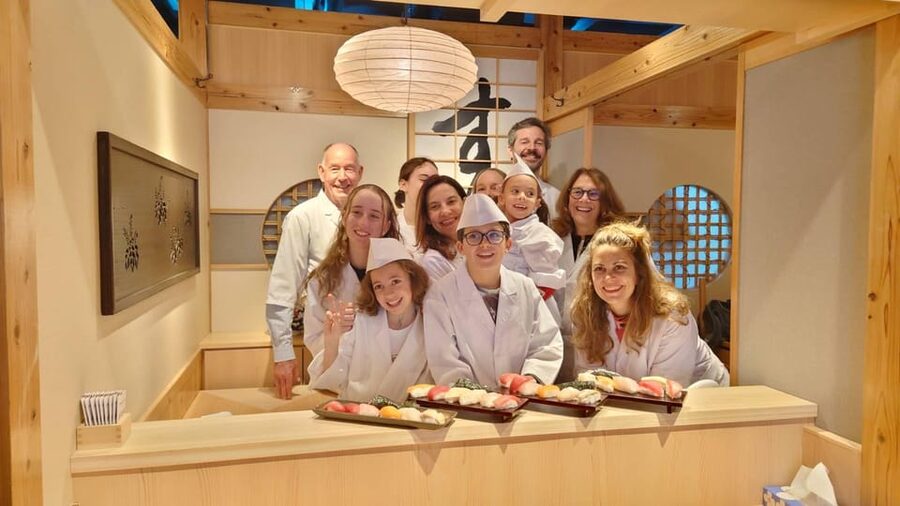
This class is a strong fit for food lovers who want hands-on technique in a real restaurant setting. It is also a good choice if you like structured learning, because the class is focused, technique-driven, and paced for small groups.
It is available for elementary school students and up, but it is not suitable for children under 10. That tells you the training expects focus and comfort in a hands-on kitchen environment.
You should consider it if you:
- Want an English-instruction class with interpretation support.
- Prefer small group experiences over big group tours.
- Love the idea of learning shari and wasabi from scratch.
If you are only looking for a casual snack, you might find this class more intense than you expected. Sushi shaping takes attention.
Practical Notes So You Enjoy the Session
A few rules keep the experience comfortable and safe. Smoking indoors is not allowed, and strong fragrances are not permitted. If you are sensitive to scent, this is a good environment for you.
The class is instructor-led in English, with interpretation support. That means you should be able to follow instructions clearly even if some technique explanations get detailed.
It is also good to know what is included and what is not. The class includes tuition, food, tools, and equipment. Beverages are a bit of a mixed picture: you get a complimentary drink, and extra drinks from the menu are separate.
Finally, the meeting point may vary depending on the option you book. When you plan your day in Tokyo, give yourself a little buffer so you arrive calm and ready to work.
Should You Book This Tokyo Professional Sushi Chef Experience?
Yes, I think you should book it if you want real skill, not just a food show. The combination of fresh wasabi, sushi rice shari practice, premium nori hand-rolling, and shaped nigiri training gives you the core tools you need to make sushi at home with more confidence.
Skip it only if you want a long, slow meal event or you are not interested in technique. Also, if you are traveling with a child under 10, this one is not suitable.
For most people who love Japanese food and want to bring something lasting back from Tokyo, this is a solid choice because you finish the class having made and eaten sushi, plus you leave with a repeatable method.
Newly listed around Tokyo
- Tokyo: Sumo Morning Practice Tour in Ryogoku and Photo Shoot★ 4.7 · 47 reviews
- Tokyo: Sumo Morning Practice with journalists. Not fake show★ 4.9 · 121 reviews
- Tokyo Sumo Morning Practice: Witness the Life of a Wrestler★ 4.8 · 56 reviews
- Tokyo Sumo Morning Practice: Viewing & Exclusive Interaction★ 4.9 · 74 reviews
- Tokyo: Morning Sumo Practice Viewing★ 4.8 · 136 reviews
- Tokyo: Sumo Morning Practice Viewing Tour at a Real Stable★ 4.9 · 32 reviews
- Tokyo: Snow Monkey Park and Zenkoji Temple Private Day Tour★ 4.7 · 127 reviews
- Tokyo: Skytree and Tokyo Tower Helicopter Tour★ 5.0 · 8 reviews
Sushi Cooking Workshops, compared.
Sushi Making Tokyo Roll and Authentic Japanese Sushi Class
Read our review →
Roll and Authentic Sushi Making Class in Asakusa
Read our review →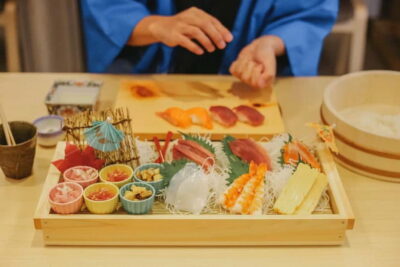
Sushi Making Class in a Happi Coat near a Famous Spot
Read our review →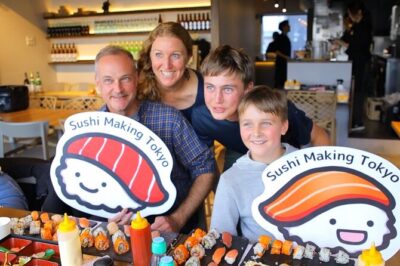
Sushi Making Tokyo! Popular Maki Sushi & Japanese Sushi(+Recipe!)
Read our review →
Tokyo Sushi Making Class in Tsukiji with Professional Chef
Read our review →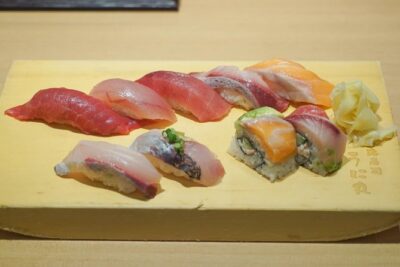
Tokyo Night Foodie Tour in Shinjuku – Seasonal Sushi, Wagyu Beef
Read our review →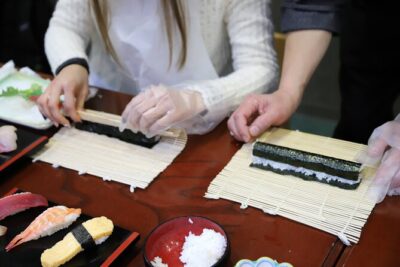
Tsukiji Fish Market Guided Tour and Sushi Making with Pro Chef
Read our review →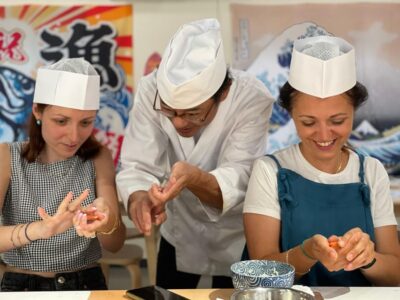
Tsukiji Fish Market Sushi Making Class with Pro Chef
Read our review →Browse the lists this tour appears in