
Review · SUMO STABLE VISITS
Tokyo Ryogoku Sumo Morning Practice + Photo Shoot with Wrestlers
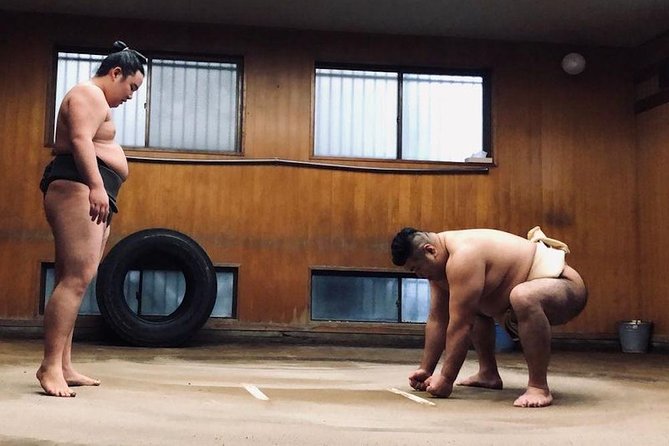
Tokyo mornings get good fast when you’re staring at a wrestler’s feet. This experience takes you into a real sumo stable setting for an unstaged practice, so you see the hard warmups, the strict routine, and the hierarchy up close.
I love the close-up access you normally cannot get on your own, and I also like that the tour is built around a guide who explains what you are watching, not just where to stand. The one drawback to plan around is that stable rules control photos and filming, and seating is on the floor, so comfort takes a bit of preparation.
In This Review
- Key highlights you should know before you go
- Finding the Right Ryogoku Exit and the Stable Walk That Sets the Tone
- How Tokyo Morning Sumo Practice Actually Works Up Close
- Tatami-First Seating, Quiet Rules, and Photo Expectations
- Ryogoku Sumo Town Stop at Kokugikan
- Value Check: Why This Costs More Than a DIY Sumo Morning
- Who Should Book This Tour, and Who Should Skip
- My Booking Verdict
- FAQ
- Where do I meet for the Tokyo Ryogoku sumo morning practice tour?
- Which Ryogoku station should I use?
- What time does the tour start?
- How long is the tour?
- Is the admission ticket included?
- What is the age requirement?
- Can I take photos during the practice?
- Are tour photos included?
- What should I do about restrooms during the tour?
- What happens if the sumo stable cancels the practice?
Key highlights you should know before you go
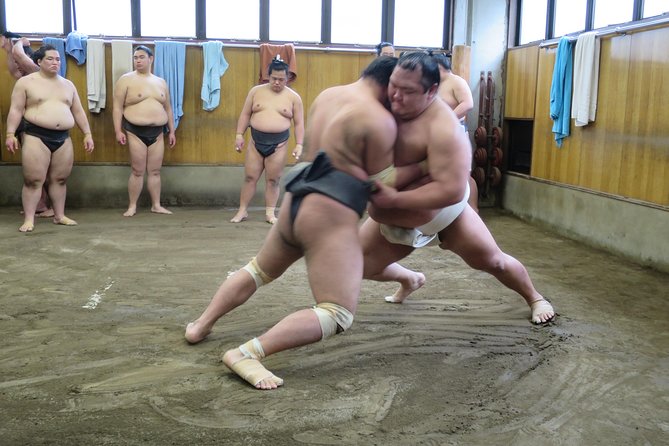
- Unstaged morning practice in a working sumo stable, not a show
- Tour photos are included, and you may also get a posed photo moment after practice
- Small group size up to 7, which makes the guide’s instructions more useful
- Guide support with context, and multiple guides like Mayu, Masao, Ayaka, and Yumiko are praised for it
- Tatami floor seating, usually with limited breaks, so arrive ready
Finding the Right Ryogoku Exit and the Stable Walk That Sets the Tone
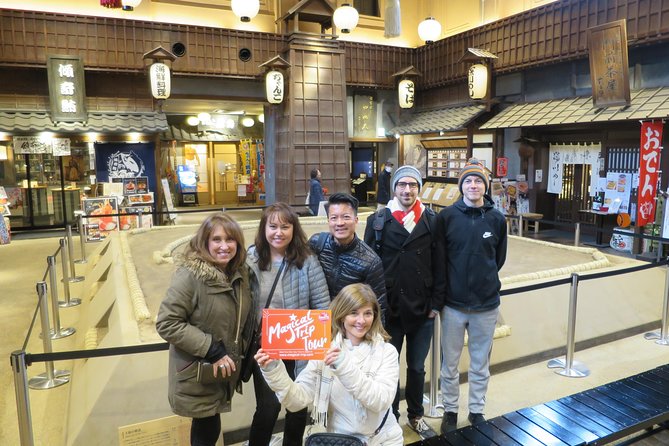
Your day starts at Ryogoku JR Station, East Exit. Look for your guide holding a red or orange MagicalTrip board. One important note that can save you a lot of stress: there are two Ryogoku stations, and you do not want Ryogoku Oedo Line Station.
Meet-up is also very close to transport, and the starting point is at Re.Ra.Ku Ryōgoku Ekimae by the station area. From there, you walk with your guide to the sumo stable that’s available that morning. Depending on which stable opens its doors for your group, that walk can be quick (about 5 minutes) or long enough (up to about 30 minutes) that you will feel it in your legs.
This first stretch matters. It’s where you can get oriented, and it’s also where the guide can set expectations for what sumo training looks like at this hour. In reviews, guides such as Masao and Yumiko are called out for getting people ready so the practice makes sense in real time.
More Photo Sessions in Tokyo
- Tokyo: Sumo Practice Tour with Ring-Side Seat and Photoshoot
★ 4.7 · 103 reviews - Tokyo Sumo Morning Practice Tour w/ Ring-Side Seat + Photo Shoot
★ 5.0 · 93 reviews - Tour with Pro Tokyo Photographer and take Edgy Unique Portraits
★ 5.0 · 80 reviews
How Tokyo Morning Sumo Practice Actually Works Up Close
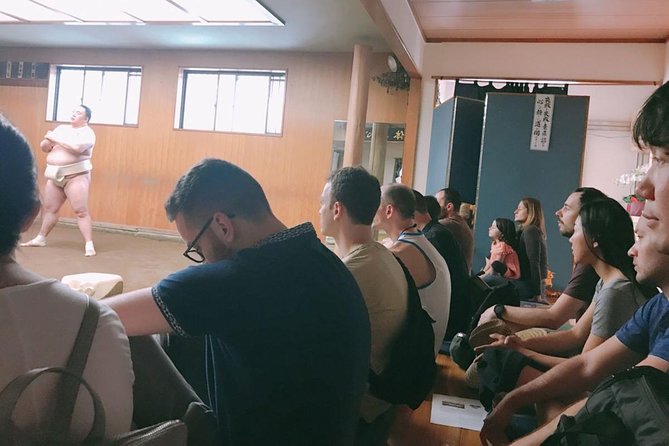
The core of this tour is watching morning training in a stable environment. That means you are not getting a staged performance. You are watching wrestlers train for upcoming tournaments, with the kinds of movements and drills that build power, timing, and rhythm.
From what you can expect on the day, the practice is typically around 1 hour 30 minutes, but it can run longer if the stable schedule stretches. And even when the tour is labeled as about 2 hours, you should plan for a little flexibility, because the stable controls the flow.
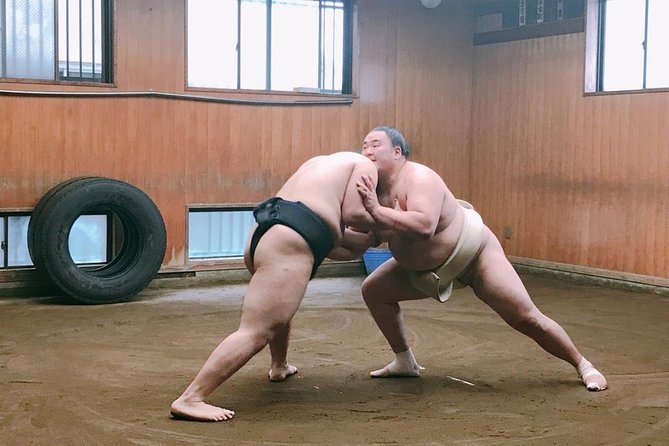
One of the most praised parts is the intensity and realism. People specifically point out that it feels like training among peers, not a public act. You may see warmups and technique work, and sometimes you may even catch sparring-like practice, including moments that show how much physicality is involved.
What makes this experience more than just watching strong guys wrestle is the context your guide brings. Several guides are repeatedly described as explaining things like:
- how sumo is organized and ranked
- the respect and hierarchy inside the stable
- what the wrestlers focus on during morning preparation
- the basic rules and how to read what you are seeing
If you come in with at least a few basics, the whole session clicks. If you do not, the best guides help you build that understanding fast, while you are sitting there.
Tatami-First Seating, Quiet Rules, and Photo Expectations
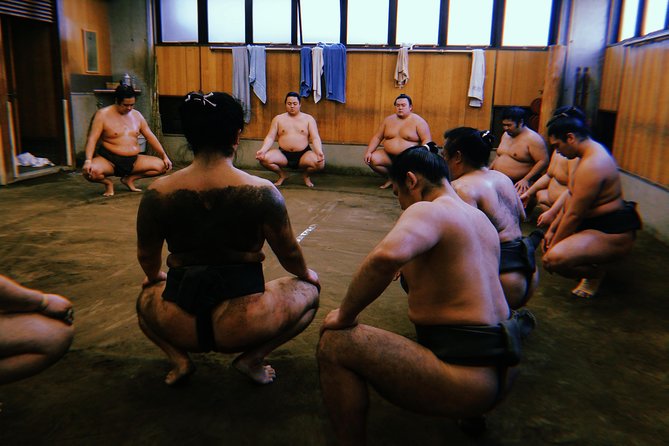
Here’s the practical part people feel in their knees: most stables do not offer chairs. You may have to sit on the floor, often on tatami, and there may be limited ability to move around during the session. One review even calls out how long the seated portion can feel, with comments about a long sit time and no talking during the practice.
So plan like this:
- arrive with your body ready for floor seating
- use the restroom before the tour starts, because you may not be allowed to go during practice
- bring water, especially in summer when Japan is hot and humid
Now for photos. The tour includes tour photos, but stable permission is still required for what you can do in the room. The stable has the right to adjust their rules last minute, including whether audiences can take photos or take photos with the wrestlers. That means you should treat your own camera as optional, not guaranteed.
That said, many visitors do report a posed photo opportunity after practice ends. Some reviews mention wrestlers being friendly and posing for pictures once the session wraps. Just remember, those moments are controlled by stable rules, so follow instructions closely.
Also, there are hard boundaries inside the stable. All areas are off-limits except for tatami (straw flooring) areas. If you’re unsure, you want to stay where your guide directs you.
Ryogoku Sumo Town Stop at Kokugikan
After the practice, your guide brings you back toward Ryogoku Station. There’s also a short stop tied to Ryogoku, the sumo town vibe, including Ryogoku Kokugikan.
This part is brief, around 10 minutes, and the ticket is listed as free for this stop. The value here is less about a full museum-style visit and more about getting your bearings in sumo country. Kokugikan is one of the place names you will hear if you follow sumo at all, and seeing the area after the stable experience can help you make connections between everyday training and the bigger tournament atmosphere.
If you are someone who likes to match what you saw with where it fits in the bigger world, this quick segment helps.
Compare these Sumo Stable visits in Tokyo:
- Tokyo: Sumo Show Experience with Chicken Hot Pot and a Photo
★ 4.8 · 6,678 reviews - Tokyo: Sumo Show and Dining Experience
★ 4.8 · 2,742 reviews - the SUMO show
★ 5.0 · 1,960 reviews - Tokyo Sumo Entertainment Show with Chicken Hot Pot and Photo
★ 5.0 · 1,205 reviews
Value Check: Why This Costs More Than a DIY Sumo Morning
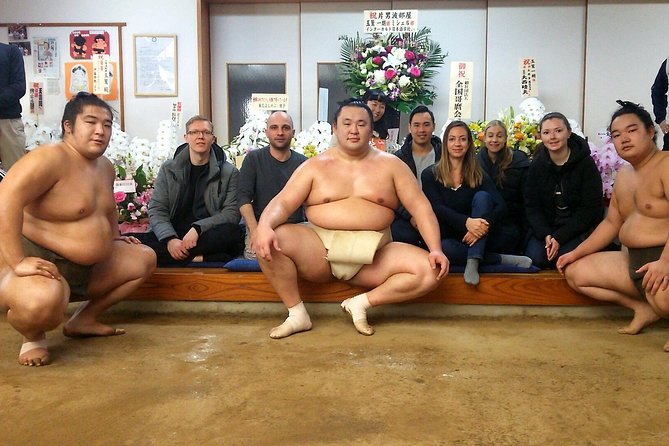
For $98.16 per person and about a 2-hour window, you might ask if this is better than trying to show up on your own. Here’s how it earns its cost.
First, access is the big reason. The tour is designed around getting inside a stable for morning training, which is hard to do without local help. Even when you are in the neighborhood, stables do not always operate like a walk-in attraction.
Second, the guide reduces guesswork. You are there during a time when the culture and routine can feel confusing at first. A guide who points out what matters makes the practice more than a silent spectacle. Multiple reviews specifically praise guides for explaining the rules, the lifestyle, and the details that casual viewers miss.
Third, the structure reduces risk. The stable can adjust schedules last minute, and there is even the possibility your practice gets canceled. The tour operator says they would fully refund shortly in that case. That kind of safety net is part of what you are paying for.
One more value factor is the tour photos. Even if stable rules affect your personal photography, the experience is set up so you get images back as part of the package. Just keep your expectations aligned with stable discretion.
The main thing to watch is value mismatch. If you expect a long history lecture or a step-by-step lesson sheet, you might feel under-served. Some people wanted more background about the practice and its origins. Others felt the guide’s explanations were a perfect match for what they needed. So, bring the mindset that this is primarily a front-row training session, with explanation layered on top.
Who Should Book This Tour, and Who Should Skip
This tour fits best if you:
- want an up-close look at real morning training
- care about sumo as a sport with rules, hierarchy, and daily discipline
- like quiet, focused experiences where the action speaks for itself
- appreciate small group settings and clear guidance at the start
It may be less ideal if you:
- hate floor seating or long stillness without breaks
- need lots of interactive talking during the practice
- arrive late, because late guests more than 15 minutes after the meeting time cannot join and will not be refunded
- expect guaranteed photos of wrestlers during the session, because stable rules can limit it
Age matters too. This experience is for 12 and over, and children under 12 are not allowed inside the sumo morning practice.
One last fit check: if you are going during a hot or humid stretch, you should take heat seriously. Bring water and a hat. That advice may sound basic, but you will thank yourself when the air turns sticky.
My Booking Verdict
If your goal is the closest possible view of sumo practice without turning it into a tourist show, this is a strong choice. The best part is simple: you get inside a working stable morning routine and watch how serious the training is. Guides like Mayu, Masao, Ayaka, and Yumiko stand out in feedback for making the session understandable, not just visible.
I would book it when:
- you are comfortable with tatami floor seating
- you can follow quiet, stable rules
- you want access and context more than a lecture
I would think twice when:
- you are very sensitive to discomfort from sitting on the floor
- you need guaranteed personal photography
- you want a long rundown or a history class as the main event
If you show up early, listen carefully, and treat the stable as a workplace, you’ll leave with a much better sense of sumo as daily life, not only tournament spectacle.
FAQ
Where do I meet for the Tokyo Ryogoku sumo morning practice tour?
You meet at Re.Ra.Ku Ryōgoku Ekimae, JR Ryogoku Station East Exit area (address: Japan, 130-0015 Tokyo, Sumida City, Yokoami, 1-chōme3-5, JR両国駅東口高架下). Your guide holds a red or orange MagicalTrip board.
Which Ryogoku station should I use?
Use Ryogoku JR Station East Exit. Do not go to Ryogoku Oedo Line Station.
What time does the tour start?
The start time is 8:00 am.
How long is the tour?
The sumo practice portion is about 1 hour 30 minutes, and the overall tour duration is about 2 hours (approx.). The practice may run longer sometimes.
Is the admission ticket included?
Yes. The admission ticket for the sumo morning practice is included, and you do not need to pay an entrance fee for that part. The Ryogoku Kokugikan stop is listed as free, with about a 10-minute visit.
What is the age requirement?
Guests must be 12 and over. Children under 12 are not allowed inside the sumo morning practice.
Can I take photos during the practice?
It depends on the stable’s rules that day. The stable decides whether audiences are allowed to take photos of the wrestlers and whether they can take photos with the wrestlers. Photos may also be limited by stable instructions.
Are tour photos included?
Yes, tour photos are included.
What should I do about restrooms during the tour?
You may not be allowed to go to the toilet during the practice. It’s recommended that you use the restroom before the tour starts.
What happens if the sumo stable cancels the practice?
The stable can adjust schedules last minute based on tournament needs and wrestlers’ condition. In case the practice is suddenly canceled, your booking is fully refunded shortly.
Newly listed around Tokyo
- Tokyo private transfer for Yokohama Port★ 4.5 · 63 reviews
- Luxury Kimono Photoshoot at Ginza Tokyo★ 5.0 · 7 reviews
- Tokyo Allstar Food Tour★ 4.5 · 206 reviews
- Private One Day Nikko Tour with Bilingual driver★ 3.5 · 11 reviews
- Tokyo Art Aquarium Museum E-Ticket with optional Tokyo Metro Pass★ 5.0 · 17 reviews
- Tokyo: Best Ginza Food Tour at 3 Local Eateries★ 5.0 · 83 reviews
- PRIVATE tour in 180SX to Daikoku+++++★ 5.0 · 6 reviews
- Kabuki Talk★ 5.0 · 10 reviews
Sumo Stable Visits, compared.
Sumo Show Experience with Chicken Hot Pot and a Photo
Read our review →
Tokyo Sumo Entertainment Show with Chicken Hot Pot and Photo
Read our review →
Tokyo Grand Sumo Tournament Viewing Tour with Tickets
Read our review →
Sumo Show & Experience w/ Optional Kimono & Hot Pot
Read our review →Browse the lists this tour appears in