
Review · SUMO STABLE VISITS
Tokyo: Sanctuary Authentic Grand Sumo Experience & Training
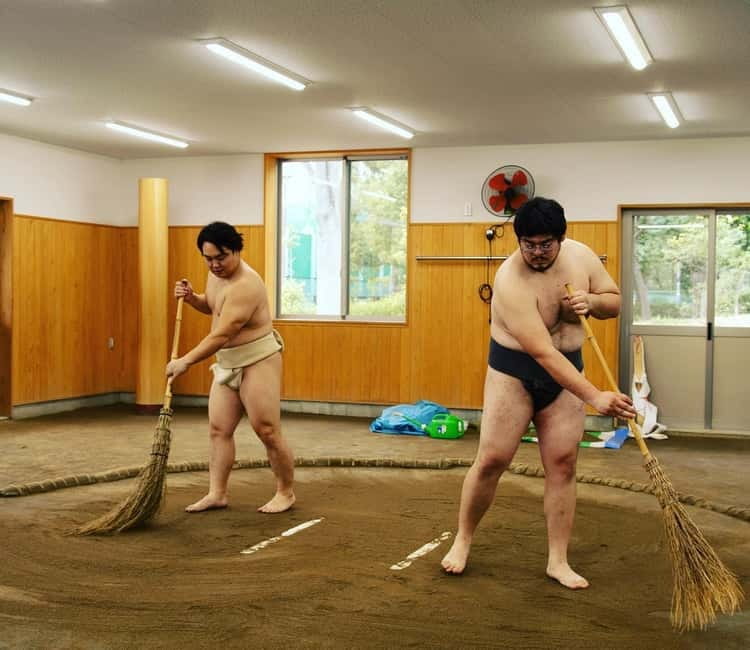
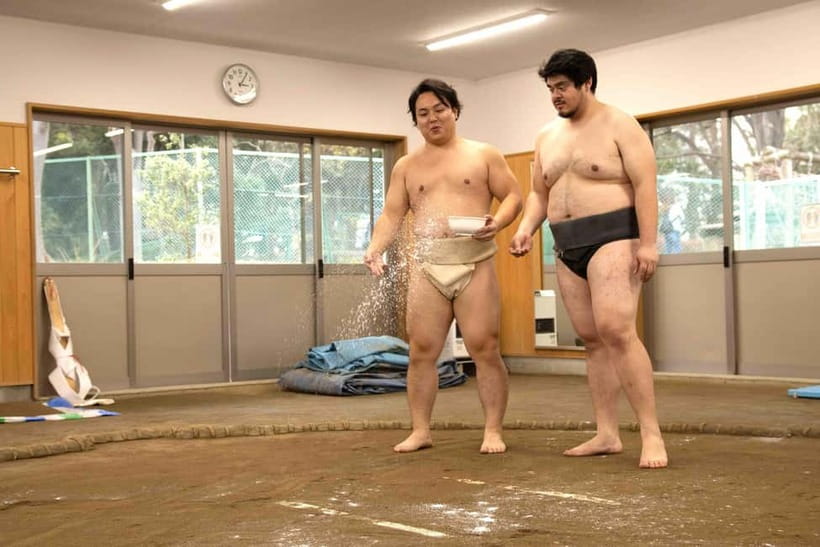
Sumo training beats sumo watching every time. At Amita Sumo Dojo near Heiwajima, you step into a real clay sumo ring, get a real mawashi belt, and learn keiko training with a coach in English and Japanese. I love the hands-on practice time in the ring and the way the class teaches the rituals behind the sport, not just the moves. The only drawback is simple, you are going to sweat hard, so plan towels, water, and a shower if you want to leave feeling human.
For $199 per person and a 2-hour session, this is one of the few Tokyo experiences that treats sumo as both martial arts training and Shinto-inspired ceremony. The structure is beginner-friendly, you do not need experience, and you can even borrow the mawashi. One practical note to keep in mind, the venue is outside the usual tourist core, so give yourself enough time to get to Heiwanomori Park Sumo-jo.
In This Review
- Key Highlights You Will Actually Feel
- Why This Tokyo Sumo Class Feels Different Than a Show
- Getting to Heiwanomori Park Sumo-jo in Ota City
- Two Hours of Training: Rituals, Rules, Then Real Matches
- Warm-ups, Stretches, and Getting Your Body Ready
- Sumo Rituals and Keiko Fundamentals
- Learning Ring Rules for the Dohyo
- The Part You Came For: Practice Bouts
- The Mawashi and Dohyo: Why the Gear Makes It Feel Real
- What Language Support Looks Like During Training
- Coaching Style, Safety, and How to Approach the Wrestling
- What to Bring, Plus the Shower and Photo Rules
- Bring the Essentials
- Shower Access
- Photos and Videos During the Session
- Children, Families, and Who Can Participate
- Price and Value: What $199 Buys You in Tokyo
- Who Should Book This Sumo Experience
- Should You Book This Tokyo Sumo Training?
- FAQ
- Where is the meeting point for the sumo training?
- How do I get there from Heiwajima Station?
- Do I need sumo experience or my own gear?
- What should I bring with me?
- Is there a shower after training?
- What languages are available during the class?
- Can kids participate?
- Are photos and videos allowed during the experience?
Key Highlights You Will Actually Feel
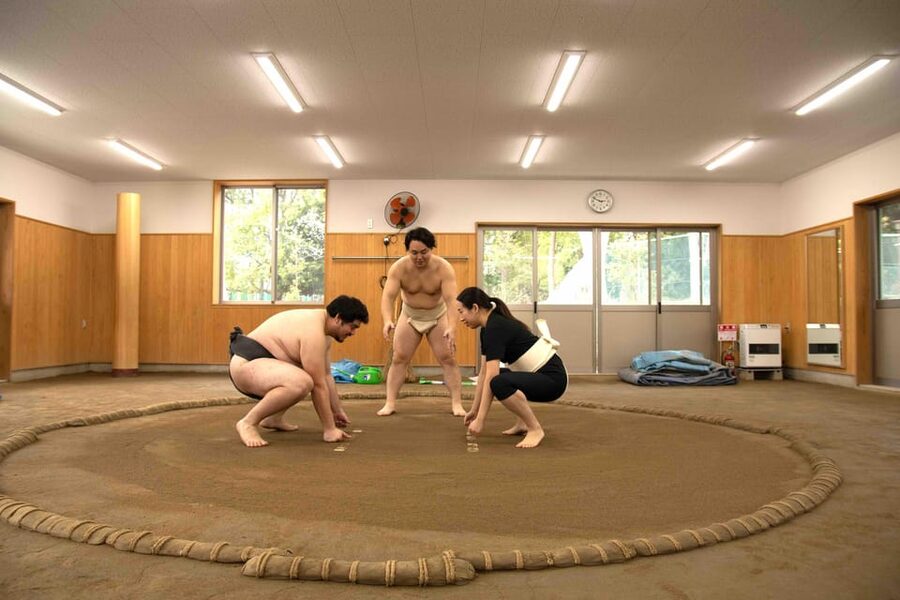
- You train on the real clay dohyo and practice the basic rules right where matches happen
- You wear a real mawashi belt, provided for you if you do not have gear
- Keiko training with a bilingual Japanese coach in English and Japanese
- Traditional ring and Shinto-style rituals are part of the lesson, not an afterthought
- You end with practice bouts with your group, and a chance to wrestle the coaches if you are game
- You leave fitter and sore, so bring towels and water from the start
Why This Tokyo Sumo Class Feels Different Than a Show
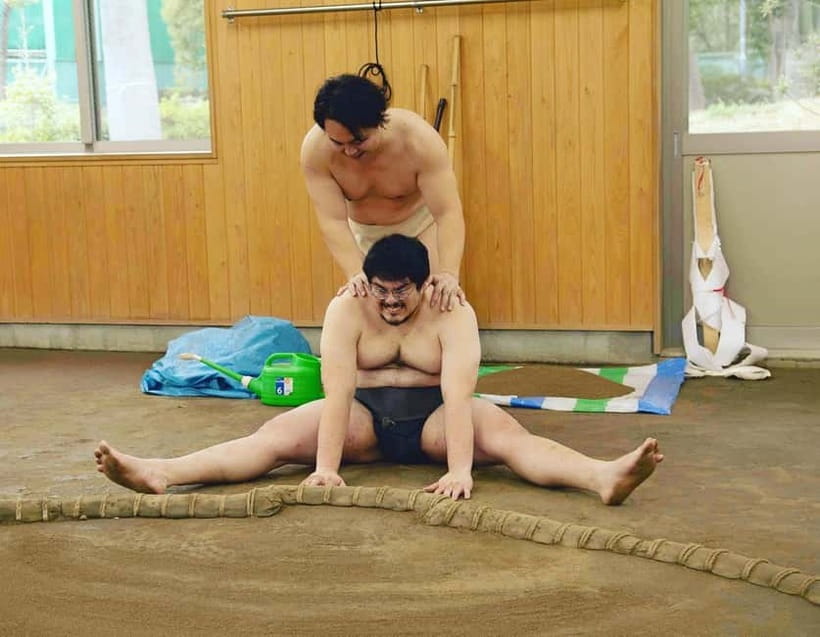
Most sumo experiences in Tokyo are about watching, snapping photos, and moving on. This one is built around doing keiko, which means actual practice, inside the ring, with the rules and rhythm you see in real sumo.
I like that you are not just learning moves, you are learning context. You pick up the stretches, warm-ups, and what the rituals mean, so the training feels tied to the culture of the sport instead of being a generic workout.
And the best part is how quickly you go from learning to trying. By the end of the session, you wrestle with friends and can work up to trying the coaches too, which is exactly the kind of payoff that makes the money feel justified.
Compare these Sumo Stable visits in Tokyo:
- Tokyo: Sumo Show Experience with Chicken Hot Pot and a Photo
★ 4.8 · 6,678 reviews - Tokyo: Sumo Show and Dining Experience
★ 4.8 · 2,742 reviews - the SUMO show
★ 5.0 · 1,960 reviews
Getting to Heiwanomori Park Sumo-jo in Ota City
Your meeting point is Heiwanomori Park Sumo-jo, 2-1 Heiwanomorikoen, Ota City, Tokyo, 143-0005, with a small office on site where you meet. The location is about a 10-minute walk from Heiwajima Station on the Keikyu Main Line.
If you are walking, follow the shortest route shown on the map link provided by the organizer. If you are taking a taxi, plan ahead, because taxis will not come to the location unless you arrange one yourself.
This matters because a sumo class has real start times, and you do not want to arrive flustered. Give yourself a little extra buffer, then the experience stays fun instead of stressful.
Two Hours of Training: Rituals, Rules, Then Real Matches
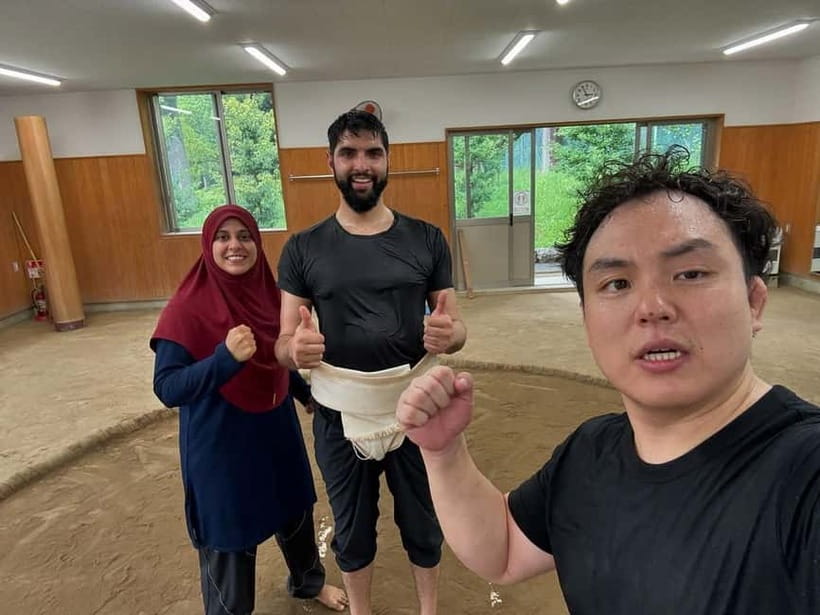
Think of this class as a guided path from warm-up to wrestling, with the ceremony woven in. The total duration is 2 hours, and the flow is designed so people with zero experience can keep up.
Warm-ups, Stretches, and Getting Your Body Ready
You start with stretches and warm-ups that fit sumo training. This is not random fitness, it is the kind of physical preparation that makes the rest of the session make sense once you are in the ring.
Expect sweat early. Bring a towel and drinks right away, because you will be sweating during practice, not just during the final bouts.
A few more Tokyo days to weigh up
- Mt Fuji and Hakone 1-Day Bus Tour Return by Bullet Train
★ 5.0 · 26,383 reviews - 1-Day Tokyo Bus Tour
★ 5.0 · 14,250 reviews - Tokyo: TOKYO SKYTREE® Admission ticket
★ 4.5 · 11,192 reviews - Tokyo: teamLab Planets TOKYO Digital Art Museum Entry Ticket
★ 4.6 · 9,779 reviews
Sumo Rituals and Keiko Fundamentals
After you get warm, the coach leads you through the rituals and the keiko mindset. You get a demonstration and traditional elements tied to the ring and Shinto-style practices.
For me, this is where the experience turns from activity to understanding. When you know what you are doing and why, even basic movements feel more meaningful.
Learning Ring Rules for the Dohyo
Next comes the wrestling basics and the rules you need to play safely and correctly on the dohyo. You learn how bouts are set up and what to focus on when you are actually grappling.
This is practical training. Instead of just “go wrestle,” you get enough structure to participate confidently.
The Part You Came For: Practice Bouts
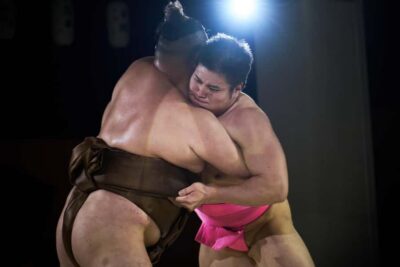
At the end, you wrestle with the people in your group. If you want to push it, you can take on your coaches too, as long as you are brave enough.
The result is simple: you do not just learn sumo, you feel what sumo timing and balance are like when another person is trying to move you off your stance.
The Mawashi and Dohyo: Why the Gear Makes It Feel Real
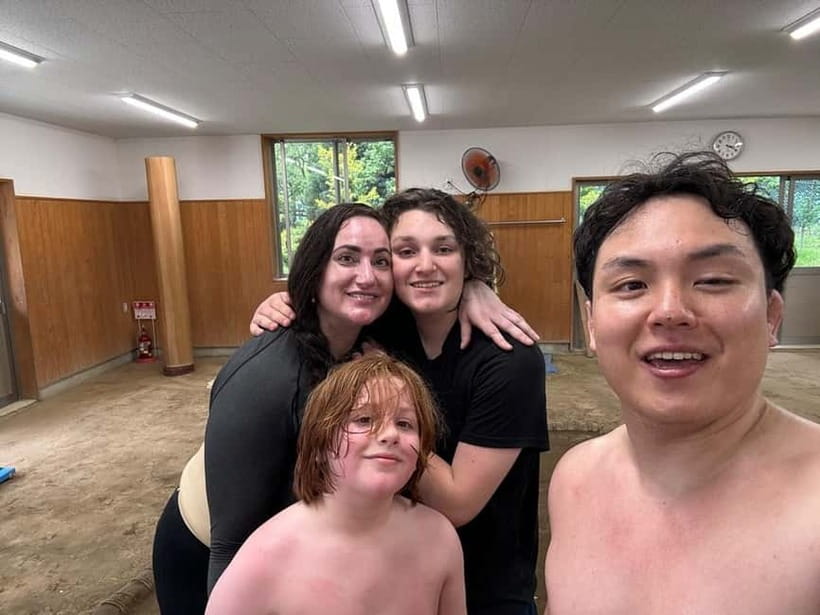
This is one of the most distinctive aspects of the class. You train at a real clay sumo ring (dohyo) and you wear a real sumo belt (mawashi).
If you do not bring gear, you get your mawashi provided at no extra cost. That removes the biggest barrier for first-timers, because you can show up, get dressed, and start training without hunting for rental equipment.
What you learn in the ring is also different from watching. The clay dohyo affects footwork and stability, and the mawashi changes how you can move and grip. It all makes the training feel like something closer to actual sumo practice than a themed experience.
What Language Support Looks Like During Training
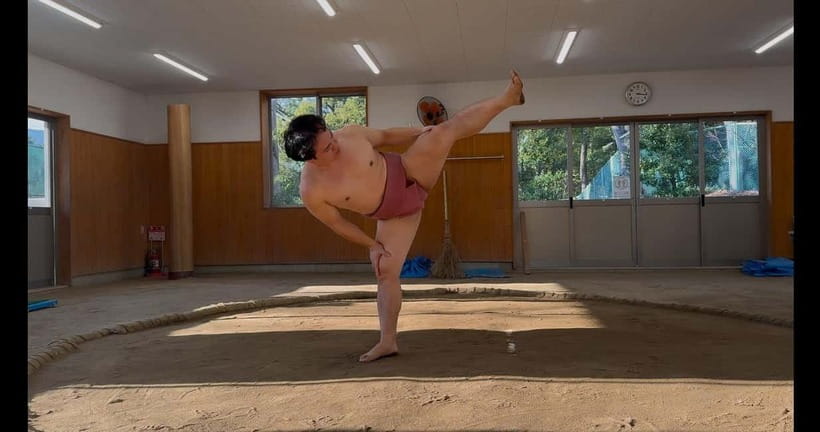
The instructor teaches in English and Japanese, and you will get guidance throughout the session. That bilingual support makes a big difference when you are trying to understand rituals and ring rules.
You also get demonstrations, so even if you miss a detail in either language, you can still follow what you see. It is a smart setup for tourists who want authenticity without feeling lost.
Coaching Style, Safety, and How to Approach the Wrestling
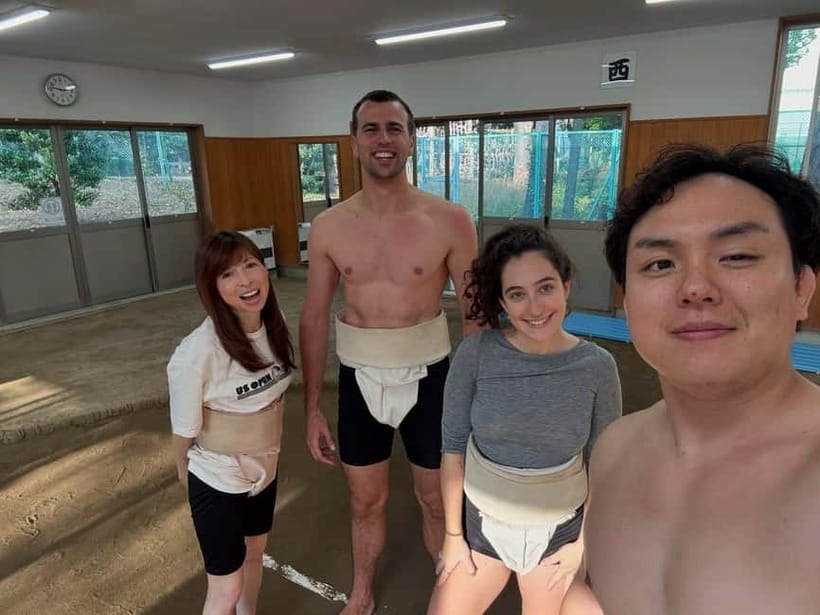
The class is led by an experienced Japanese sumo coach. The tone from the training approach is friendly and encouraging, with real explanations of both traditions and wrestling fundamentals.
That said, you should treat wrestling in a dojo as real physical activity. You are responsible for yourself, since the organizer notes they are not responsible for injuries or accidents, so use good judgment and stop if something feels wrong.
A good way to make the most of the bouts is to focus on technique goals, not winning. Keep your stance stable, listen to the coach cues, and treat each grappling round as a chance to apply what you learned earlier.
Also, if you are wrestling the coaches at the end, your best move is to stay relaxed. The more tense you are, the more likely your balance goes off.
What to Bring, Plus the Shower and Photo Rules
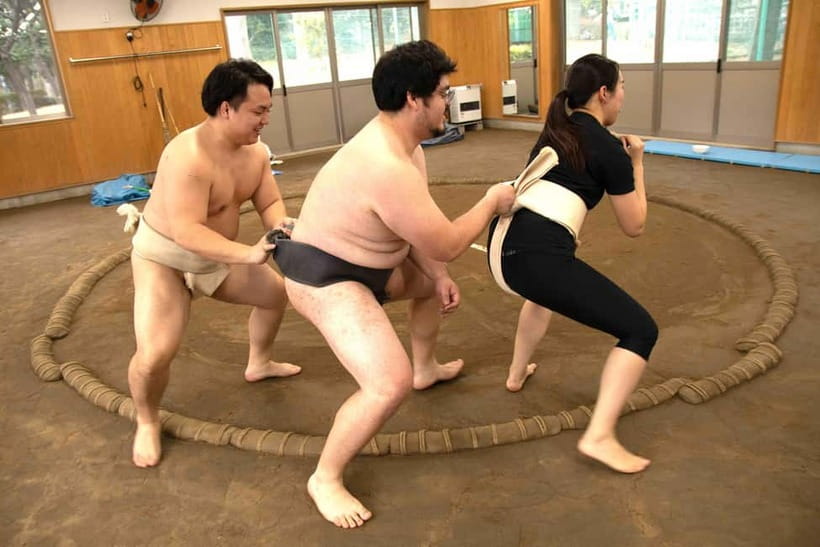
Bring the Essentials
You should bring a towel and drinks. The organizer strongly suggests bringing many bottles of water and two towels, one for sumo and one for your shower.
That advice is solid. This is not a light warm-up, it is sweat-and-sweat-and-more-sweat.
Shower Access
There is a shower room near the venue. It costs ¥100 for 5 minutes.
Plan your timing accordingly, especially if you have dinner or a show later. A 5-minute rinse is short, but it can help you feel comfortable moving on.
Photos and Videos During the Session
You are welcome to take photographs and videos during the experience as long as you follow the rules.
- Do not film in a way that interferes with other participants
- Do not film participants who have not given permission to be recorded
- Do not film people who are not allowed to be recorded
If you care about respecting the space, take a few quick clips, then put your phone away and join the practice. That will help you get a more memorable experience anyway.
Children, Families, and Who Can Participate
This class is designed with families in mind.
- Children under 4 can accompany you, but they may only observe
- For children aged 5 and older, observation is complimentary
- If a child wants to participate, you need to place an order for each participating child
This is useful because it clarifies expectations up front. If you are traveling with kids, you can plan who is joining the ring action and who is watching from the side.
If your child wants to wrestle, be ready for the same towel and water needs as adults. It is still training, just scaled for beginners.
Price and Value: What $199 Buys You in Tokyo
$199 per person for a 2-hour class is not cheap, but you are paying for something hard to fake.
You get the big-ticket items that matter in sumo training:
- Real dohyo time in a clay ring
- Real mawashi provided if you do not bring gear
- A coach-led keiko session in English and Japanese
- Rituals plus rules, then practice matches at the end
If you only want a show, a cheaper option might exist. But if your goal is to actually participate, this becomes good value quickly because the class removes friction. No experience is needed, you get the belt, and you have structured guidance for the wrestling part.
Also, it is priced as a complete experience, not a pick-your-own add-on model. For many people, that clarity is worth a lot.
Who Should Book This Sumo Experience
This is a strong fit if you want Tokyo activities that are hands-on and culturally grounded.
You will likely enjoy it if you:
- want real training on dohyo and mawashi, not just watching
- are comfortable being a beginner and learning rules and rituals
- are traveling with a friend or family group who wants a shared challenge
- like workouts where technique matters as much as effort
If you hate physical contact or you are prone to injury when you are active, you might want to think twice. Wrestling practice is the core of the experience, and it will be more than a casual photo moment.
Should You Book This Tokyo Sumo Training?
Yes, if you want an experience where you actually step into the sport. This class is built to take you from warm-ups and rituals to practical sumo basics and ended practice bouts, all inside a real training setting.
Book it with confidence if your goal is participation, not observation. Bring towels and plenty of water, plan for the short shower afterward, and arrive ready to learn.
If you are mainly chasing a relaxed sightseeing day, you may find the physical effort less appealing. But for anyone who wants a memorable, real Tokyo activity, this is a smart choice.
FAQ
Where is the meeting point for the sumo training?
You meet at Heiwanomori Park Sumo-jo, 2-1 Heiwanomorikoen, Ota City, Tokyo, 143-0005. There is a small office at the address where you meet up.
How do I get there from Heiwajima Station?
It is about 10 minutes on foot from Heiwajima Station on the Keikyu Main Line.
Do I need sumo experience or my own gear?
No experience is needed. If you do not have gear, the organizer provides your mawashi at no extra cost.
What should I bring with me?
Bring a towel and drinks. It’s also recommended to bring multiple bottles of water and two towels, one for sumo and one for showering.
Is there a shower after training?
Yes. There is a shower room near the venue, and it costs ¥100 for 5 minutes.
What languages are available during the class?
The instructor provides training in English and Japanese.
Can kids participate?
Children under 4 may accompany you but can only observe. For children aged 5 and older, observation is complimentary, and participation requires placing an order per child.
Are photos and videos allowed during the experience?
Yes, you can take photographs and videos during the session, as long as you do not interfere with others and you respect permission rules for participants who are being recorded.
Newly listed around Tokyo
- Tokyo: Sumo Morning Practice Tour in Ryogoku and Photo Shoot★ 4.7 · 47 reviews
- Tokyo Sumo Morning Practice: Witness the Life of a Wrestler★ 4.8 · 56 reviews
- Tokyo Sumo Morning Practice: Viewing & Exclusive Interaction★ 4.9 · 74 reviews
- Tokyo: Sumo Morning Practice with journalists. Not fake show★ 4.9 · 121 reviews
- Tokyo: Morning Sumo Practice Viewing★ 4.8 · 136 reviews
- Tokyo: Sumo Morning Practice Viewing Tour at a Real Stable★ 4.9 · 32 reviews
- Tokyo:Stroll in Old traditional culture towns~Yanaka & Nezu★ 4.9 · 186 reviews
- Tokyo: Snow Monkey Park and Zenkoji Temple Private Day Tour★ 4.7 · 127 reviews
Sumo Stable Visits, compared.
Sumo Show Experience with Chicken Hot Pot and a Photo
Read our review →
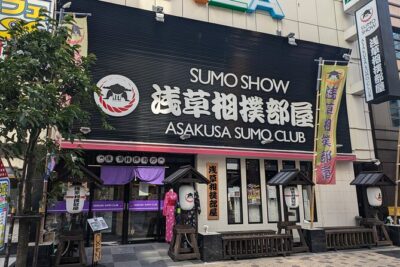
Tokyo Sumo Entertainment Show with Chicken Hot Pot and Photo
Read our review →
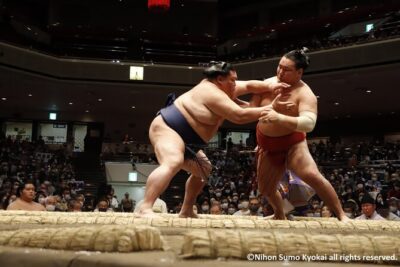
Tokyo Grand Sumo Tournament Viewing Tour with Tickets
Read our review →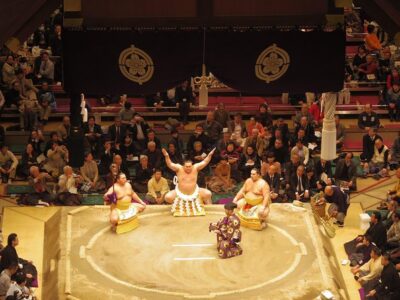
Sumo Show & Experience w/ Optional Kimono & Hot Pot
Read our review →Browse the lists this tour appears in