
Review · SUMO STABLE VISITS
Tokyo: Sumo Experience and Chanko Nabe Lunch
Sumo feels instantly human when you watch up close. In Tokyo, former professional wrestlers explain the sport in English and invite you into a playful in-ring moment, then you eat chanko nabe they make themselves. It is a national-sport experience that actually helps you understand what you are seeing.
I especially like the small-group format, capped at 6 people, which makes it easier to ask questions and get photos without waiting in a crowd. The energy stays fun and clear, with ex pros such as Audrey and Jumbo bringing both showmanship and explanation.
One heads-up: this experience runs only on Mondays in Asakusa and Thursdays in Ryogoku, so your trip dates matter.
In This Review
- Key reasons this sumo and chanko lunch works
- Sumo in Tokyo, explained the way you can actually use
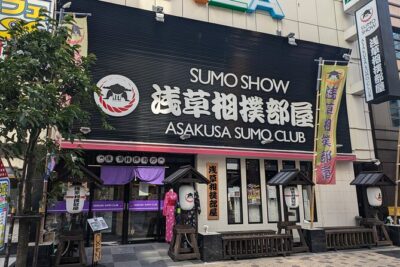
- Where it happens: Asakusa Mondays vs Ryogoku Thursdays
- The 2-hour rhythm: workshop first, then the ring, then lunch
- Former pros in English: the best part is how they explain
- The playful in-ring moment, costumes, and photos
- Chanko nabe lunch: why it feels tied to sumo, not separate
- Price and value: what $95 includes, and what that means for you
- Who this sumo and chanko lunch suits best
- Practical tips so your day stays smooth
- Should you book this Tokyo sumo and chanko nabe experience?
- FAQ
- Where is the sumo experience held in Tokyo?
- What time does the experience start, and how long is it?
- How many people are in the group?
- What is included in the $95 price?
- Can the lunch be made vegetarian or Halal?
- Is it wheelchair accessible?
- Will I be asked to wear a sumo costume?
Key reasons this sumo and chanko lunch works
- Former pro instruction in English on the history, rituals, training, and competition side of sumo
- Playful audience participation, including a chance to get in the ring for your turn
- Chanko nabe cooked by the wrestlers themselves, served as your lunch
- A very small group (up to 6), so the pace stays personal and photos do not feel rushed
- Two Tokyo locations tied to the day, Asakusa on Mondays, Ryogoku on Thursdays
- Accessible format and a smooth 2-hour flow, designed for visitors
Sumo in Tokyo, explained the way you can actually use
Tokyo does plenty of big, impressive shows. This one is different because it is built around understanding. You do not just watch sumo like it is a distant ceremony. You get the layers that make the ring make sense: the rituals, the rules, and what training and competition look like from the inside.
That matters for first-timers. Sumo can feel hard to decode if you only know the final match. Here, ex professional wrestlers translate the sport into plain language and walk you through what to notice. You leave with a better grip on what is happening, even when the match gets intense.
The second reason this works is the lunch. Chanko nabe is not an afterthought. It is served after the workshop, and it is prepared by the wrestlers themselves. That small detail changes the whole mood of the experience, because the food feels connected to the day, not tacked on for convenience.
Compare these Sumo Stable visits in Tokyo:
- Tokyo: Sumo Show Experience with Chicken Hot Pot and a Photo
★ 4.8 · 6,678 reviews - Tokyo: Sumo Show and Dining Experience
★ 4.8 · 2,742 reviews - the SUMO show
★ 5.0 · 1,960 reviews
Where it happens: Asakusa Mondays vs Ryogoku Thursdays
Tokyo scheduling is real. This activity has two different homes:
- Mondays: Asakusa
- Thursdays: Ryogoku
If your days do not line up, you might need to shift plans or choose another activity. I would check your calendar early, not the night before. The tour timing is tight, too.
You meet at the exact location shown on your voucher map, and the activity ends back at that same meeting point. Pickup and drop-off are not included, so plan your own train time and a buffer for getting there.
The 2-hour rhythm: workshop first, then the ring, then lunch
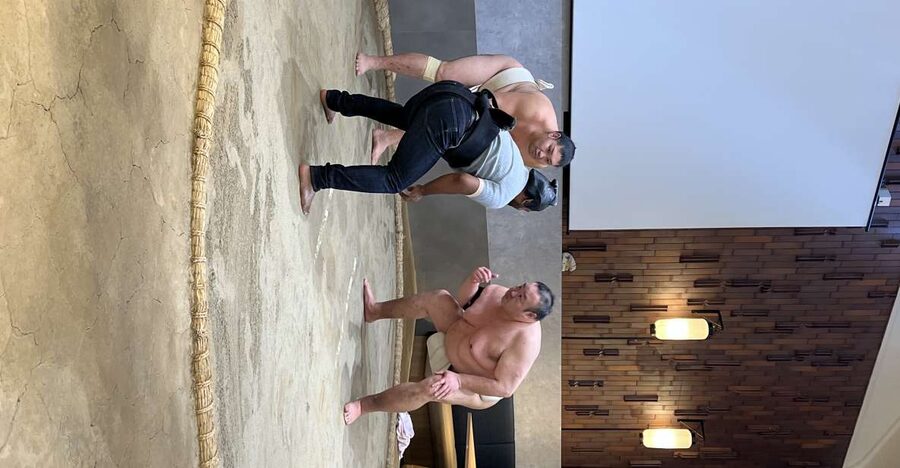
This is a 2-hour experience. It starts on time at 1:00 PM, and you need to arrive before that. The door opens at 12:40 per the details provided, so treat that as your arrival target and avoid turning it into a stress event.
In the workshop portion, former professional wrestlers guide you through what sumo is about. You get English explanations focused on:
- the long arc of the sport
- the rituals that surround matches
- the training and competition aspects
- the meaning behind what you see in the ring
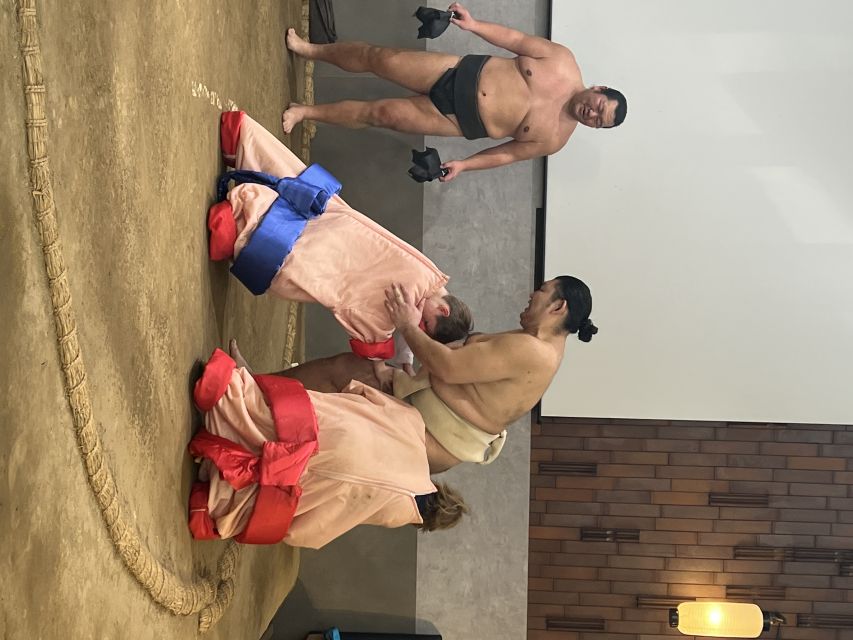
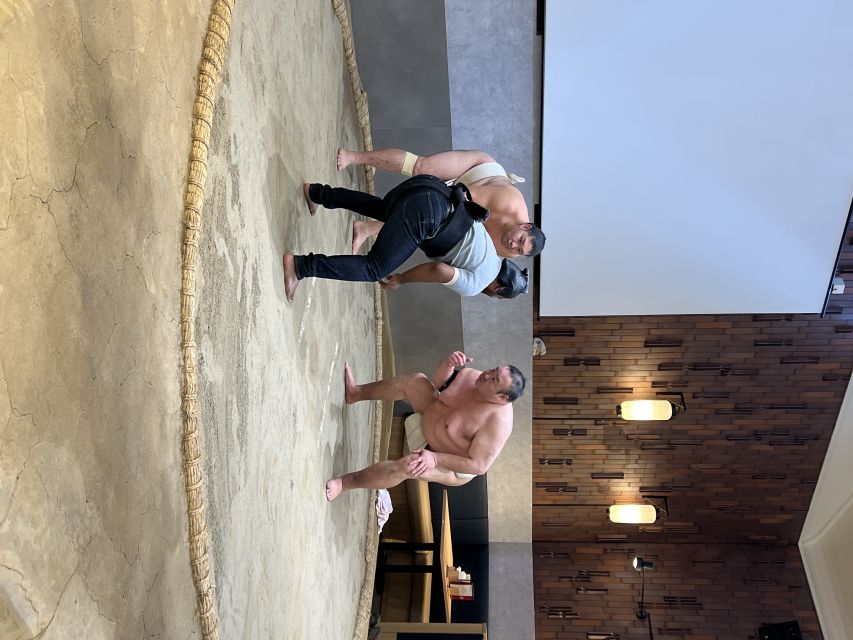
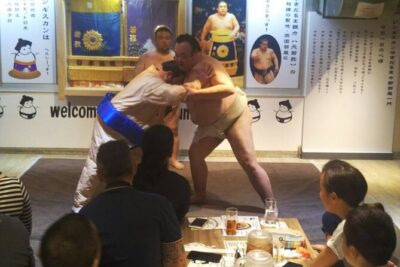
Then comes the fun part. You get a demonstration and a chance to participate in a playful duel. It is not about taking yourself too seriously. The goal is to feel the difference between watching and doing, and to see why sumo is so physical even before you understand every rule.
Finally, lunch happens. You eat chanko nabe, a hot pot served as part of the program. The wrestlers prepare it, which is a big part of why the meal feels special rather than generic.
Former pros in English: the best part is how they explain
The highest praise tends to cluster around one theme: clear English and teachers who know how to translate sumo for visitors. You are not handed a printed script and left to interpret. You hear the story in real time.
This matters because sumo has a lot going on that outsiders often miss: the rituals, the pacing, and the way tradition and athletic effort blend together. When ex pros explain those points directly, it turns the ring into a readable event.
I also like that the tone is not overly stiff. The explanations come with humor and comic timing. That sounds like a small thing, but it helps you relax into the unfamiliar parts. You catch the key ideas faster when the room is comfortable.
In the experience, names like Audrey and Jumbo show up in how people describe the showmanship and instruction. If those are the wrestlers or instructors assigned on your date, you can expect a blend of serious insight and lighthearted performance.
A few more Tokyo days to weigh up
- Mt Fuji and Hakone 1-Day Bus Tour Return by Bullet Train
★ 5.0 · 26,383 reviews - 1-Day Tokyo Bus Tour
★ 5.0 · 14,250 reviews - Tokyo: TOKYO SKYTREE® Admission ticket
★ 4.5 · 11,192 reviews - Tokyo: teamLab Planets TOKYO Digital Art Museum Entry Ticket
★ 4.6 · 9,779 reviews
The playful in-ring moment, costumes, and photos
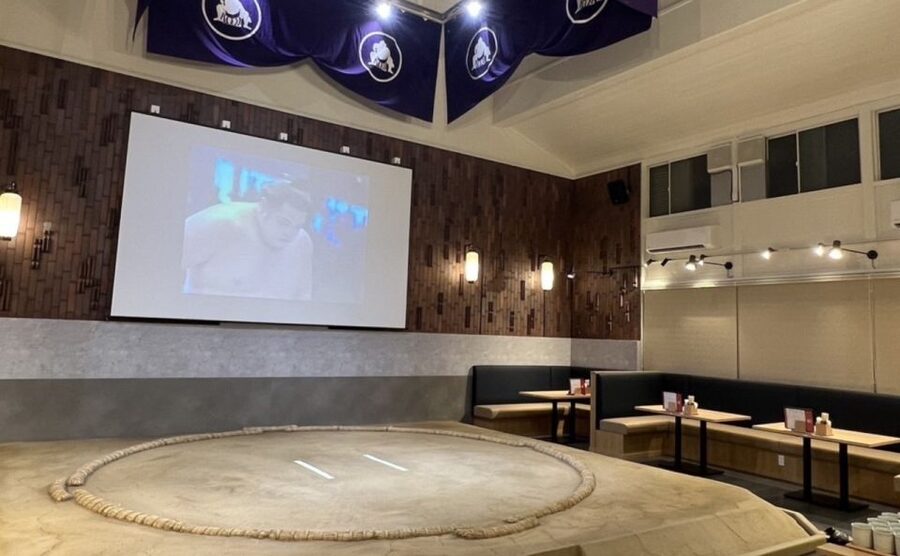
This is not a museum-style visit. You get up and close.
Here is what you should plan for:
- You watch a demonstration tied to sumo technique and ring behavior.
- You get a chance to take part in a playful duel with the wrestlers.
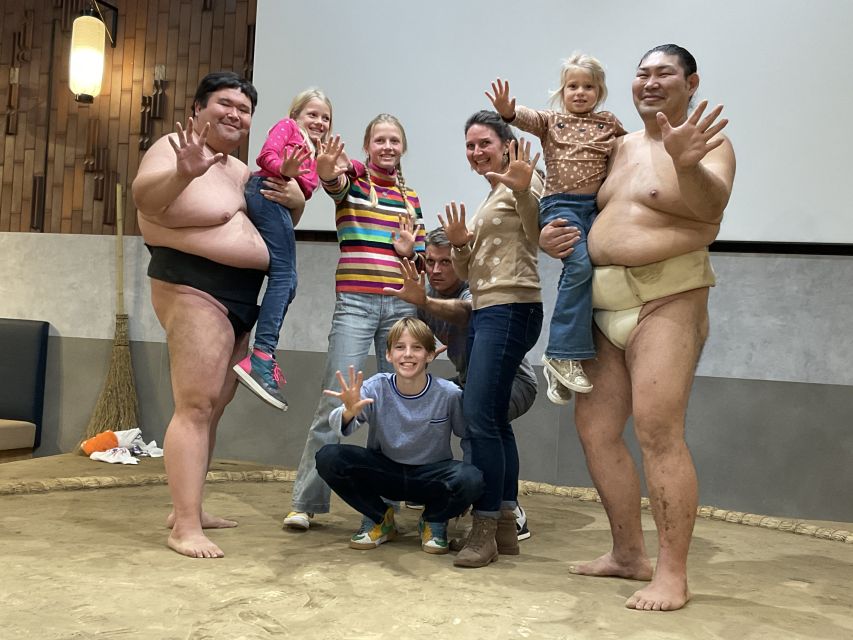
- You have time for pictures.
The costume detail is worth mentioning. Some audience members might be picked to help in the demonstration while wearing a sumo wrestler costume. Not everyone will be selected. I would go in expecting that you might be involved in some way, but also accepting that your role could be primarily as a participant in the viewing and the playful duel segment.
That attitude keeps the experience fun instead of turning it into a scoreboard.
Chanko nabe lunch: why it feels tied to sumo, not separate
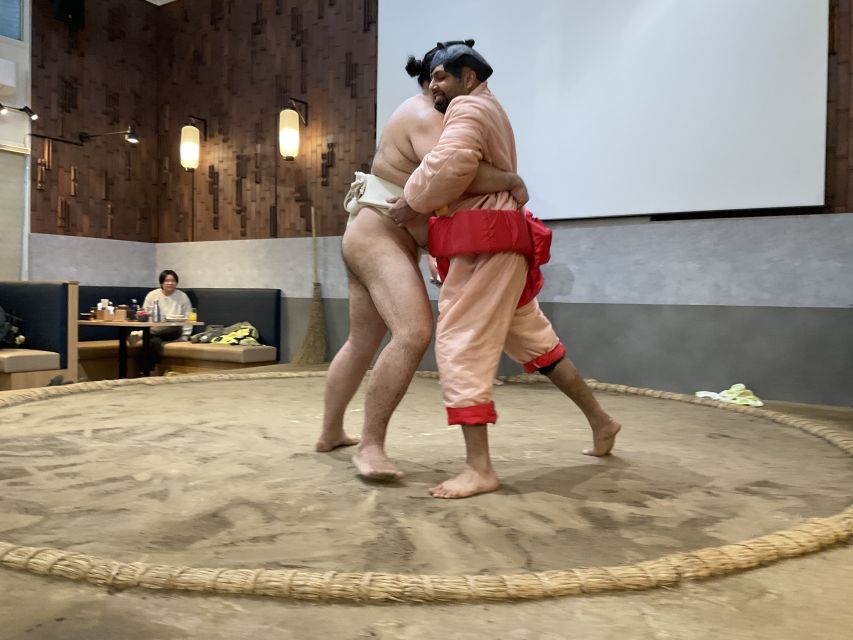
If you like eating while traveling, this lunch is a major draw. Chanko nabe is the centerpiece meal, and it is served after the workshop.
From the details provided, it is:
- made by the wrestlers themselves
- served as a Japanese-style hot pot
- described as giving a lot of stamina
Even if you do not know much about sumo food culture, the setup helps. The day is already about stamina and training, so when you sit down for the hot pot, it feels like part of the same story.
People also describe the food as hot, delicious, and plentiful. That is exactly what you want after an active 2-hour program. This is not a token snack. It is a real lunch designed to keep you energized for the rest of your Tokyo day.
Price and value: what $95 includes, and what that means for you
At $95 per person for about 2 hours, this is not a budget free-for-all. So the key question is value: what are you actually paying for?
You are paying for a package that includes:
- entrance fee
- participation fee
- lunch
You are also paying for access to former professional wrestlers, with instruction in English, plus a small-group setting capped at 6 people. That combination changes the cost equation. Many Tokyo experiences either focus on spectacle or focus on food. This one ties the two together through the wrestlers, who teach you and then cook.
For me, the best value part is the ratio of interaction to crowd size. A small room means you spend your time with the people who can explain what you are seeing. If you have ever felt lost in a tour where you watch from the back, this format is a strong fix.
Who this sumo and chanko lunch suits best
This is a good fit if:
- you are new to sumo and want explanations you can follow in English
- you want a hands-on cultural experience, not just a seated show
- you like family-friendly activities that keep energy high
- you care about eating well as part of the day
It is also a strong choice if you are curious about Japan beyond neighborhoods and vending machines. You are stepping into a sport that is woven into national identity, and you are doing it through personal storytelling from ex professionals.
It might not be the best match if:
- your schedule does not align with Monday or Thursday
- you expect a purely observational experience with no participation elements at all
- you are extremely sensitive to being included in interactive moments, like being asked to help with a demonstration while wearing a costume (only some people get picked)
Practical tips so your day stays smooth
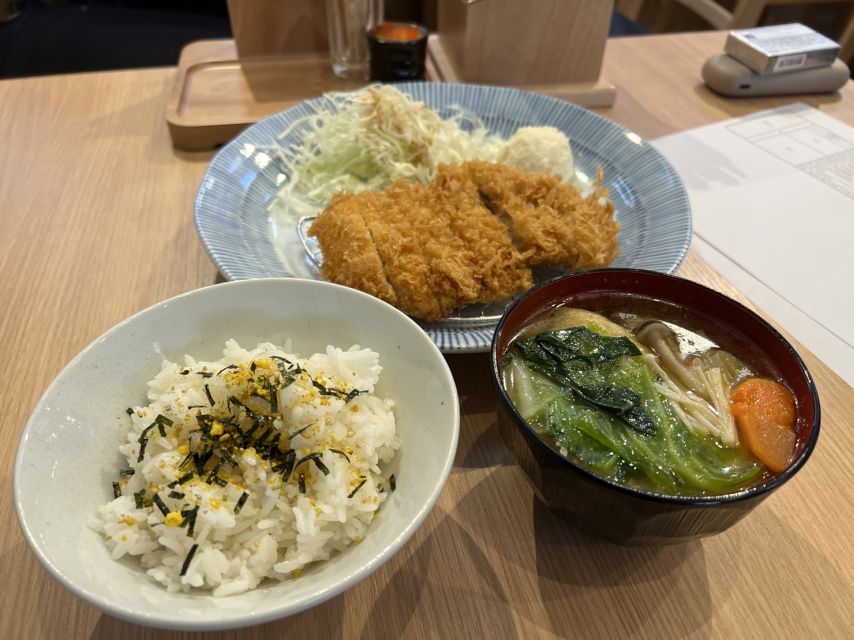
A few details make a big difference with this kind of workshop.
- Arrive early for the 1:00 PM start. The door opens at 12:40 per the tour info, so aim to be there before the start time rather than at the last second.
- Use the voucher map. Your meeting point is exact, and there is no pickup. That is how you avoid losing time before the workshop begins.
- Plan your dietary message in advance. If you need vegetarian or Halal meals, request it during reservation or contact the organizer by email at least 2 days before your date.
- Wear comfortable clothes. You will be in a lively environment with demonstration and playful interaction. You do not need special gear, but comfort makes the whole thing easier.
- Bring your photo mindset. People consistently note plenty of time for pictures. It is worth having your phone charged and ready.
Good news: the experience is listed as wheelchair accessible, which helps if you want a smooth experience without constant stairs and bottlenecks.
Should you book this Tokyo sumo and chanko nabe experience?
Yes, if your goal is to understand sumo while also having fun eating the real meal tied to the sport. The biggest reasons to book are the English explanations from former professionals, the small group setup, and the wrestler-made chanko nabe lunch that turns the day into more than a show.
I would book especially if you are visiting Tokyo for a first time and want something that feels authentic but still comfortable to follow. The format is designed for visitors. The pace is short and focused. And the playful participation element gives you a story you will remember, not just photos you took from far away.
If you tell me your travel dates, I can help you figure out whether Monday in Asakusa or Thursday in Ryogoku makes more sense for your schedule.
FAQ
Where is the sumo experience held in Tokyo?
On Mondays, it takes place in Asakusa. On Thursdays, it takes place in Ryogoku.
What time does the experience start, and how long is it?
It starts on time at 1:00 PM and lasts about 2 hours.
How many people are in the group?
It is limited to a small group of 6 participants.
What is included in the $95 price?
The price includes the entrance fee, participation fee, and lunch.
Can the lunch be made vegetarian or Halal?
Yes. You should note your needs when you reserve, or contact the organizer by email at least 2 days before the participation date.
Is it wheelchair accessible?
Yes, the activity is listed as wheelchair accessible.
Will I be asked to wear a sumo costume?
Some audience members might be picked to volunteer for a Sumo Wrestler costume and help with the demonstration, but not all participants can be picked.
Newly listed around Tokyo
- Tokyo private transfer for Yokohama Port★ 4.5 · 63 reviews
- Luxury Kimono Photoshoot at Ginza Tokyo★ 5.0 · 7 reviews
- Tokyo Allstar Food Tour★ 4.5 · 206 reviews
- Tokyo Art Aquarium Museum E-Ticket with optional Tokyo Metro Pass★ 5.0 · 17 reviews
- Tokyo: Best Ginza Food Tour at 3 Local Eateries★ 5.0 · 83 reviews
- Private One Day Nikko Tour with Bilingual driver★ 3.5 · 11 reviews
- PRIVATE tour in 180SX to Daikoku+++++★ 5.0 · 6 reviews
- Kabuki Talk★ 5.0 · 10 reviews
Sumo Stable Visits, compared.
Sumo Show Experience with Chicken Hot Pot and a Photo
Read our review →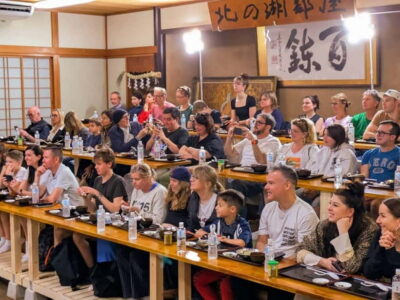
Tokyo Sumo Entertainment Show with Chicken Hot Pot and Photo
Read our review →
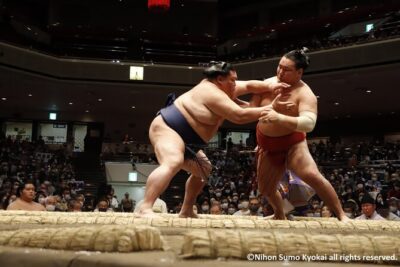
Tokyo Grand Sumo Tournament Viewing Tour with Tickets
Read our review →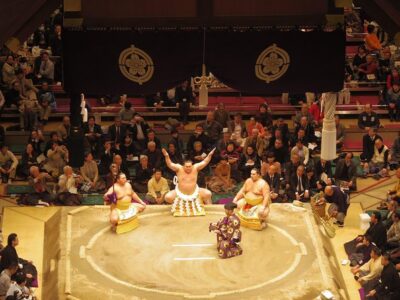
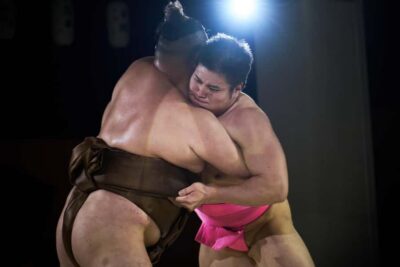
Sumo Show & Experience w/ Optional Kimono & Hot Pot
Read our review →Browse the lists this tour appears in