
Review · SUMO STABLE VISITS
Tokyo: Sumo Morning Practice -Stable Visit Tour with a Guide
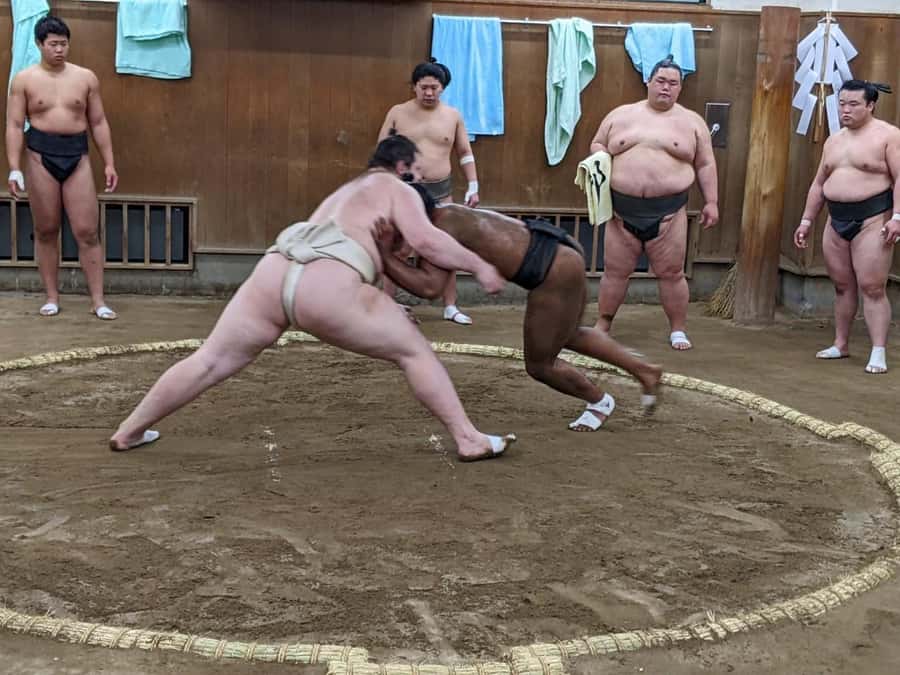
Morning sumo practice hits different. You watch rikishi and apprentices train in a real stable, right near Tokyo Skytree, with enough closeness to catch breathing, facial focus, and the impact sounds. I especially liked how the guide Ishida walks you through the basics before things start moving, so you can actually follow what you are seeing.
The other big win is access. This 2-hour guided visit feels closer and more personal than sitting at a big official venue, and you still get time for a photo shoot without turning it into chaos. One drawback to plan around is strict etiquette, including no flash, no video, and a no-noise rule inside the stable.
In This Review
- Key things that make this tour worthwhile
- Why This Morning Sumo Practice Feels Closer Than Official Arenas
- Finding The Stable Near Skytree, Meeting At Soramachi Hiroba
- What Happens During The 2-Hour Practice Session
- Before practice starts: get your bearings
- During practice: watch faces, breathing, and body contact
- Photo shoot portion: capture the moment without disrupting it
- Understanding The Stable Culture Behind Ikazuchi Sumo Stable
- Photo Shoot Rules That Still Let You Take Great Pictures
- Etiquette Rules You Have To Follow (And Why They Matter)
- Price And Value: Is $90 Worth It For Two Hours?
- Who Should Book This Sumo Morning Practice Tour
- Quick Practical Tips Before You Go
- Should You Book This Sumo Morning Practice Tour Near Skytree?
- FAQ
- How long is the sumo morning practice tour?
- Where do I meet for the tour?
- Is the tour guided in English?
- Are flash photos or video recording allowed inside the stable?
- Can I bring snacks to eat during the morning practice?
- Is this tour suitable for children?
- Is there free cancellation?
- Can I reserve now and pay later?
Key things that make this tour worthwhile
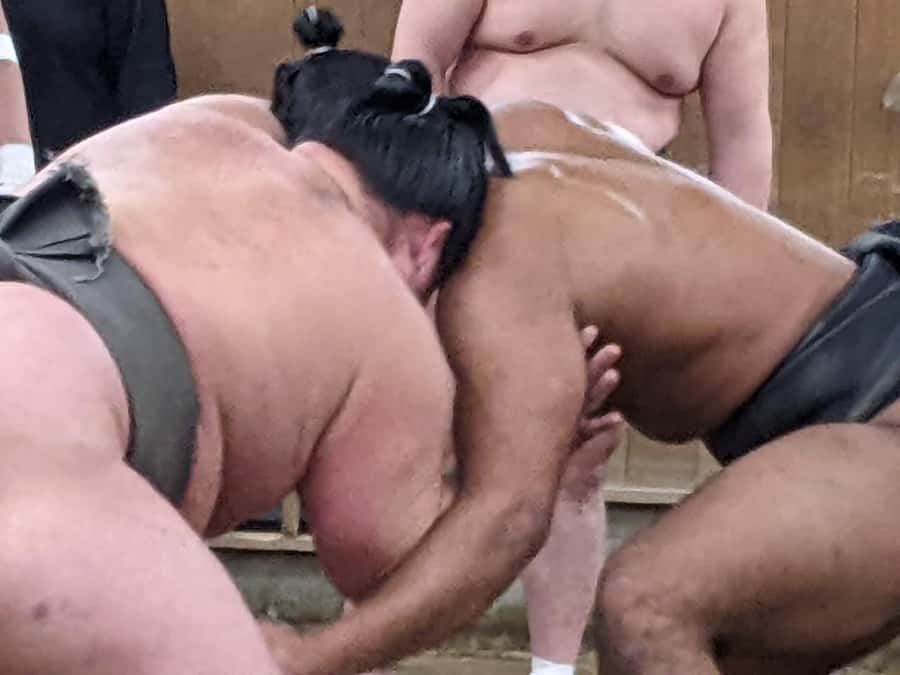
- Close-up training atmosphere where you can observe breathing and expressions from a short distance
- Pre-practice sumo basics explained by the guide Ishida, so the action makes sense
- Cushion seating that makes the close view comfortable
- Coach presence and intensity, with a strong harsh voice that comes from trust and routine
- Photo-friendly rules that let you shoot pictures (without flash) during the visit
- Clear conduct expectations like no private conversation so the wrestlers can concentrate
Why This Morning Sumo Practice Feels Closer Than Official Arenas
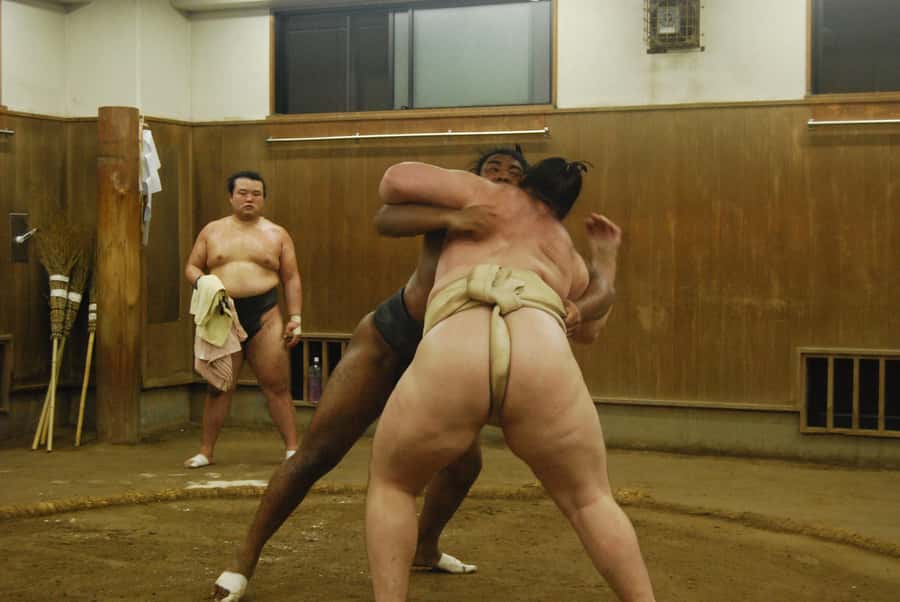
If you only know sumo from packed tournaments, this feels like the other side of the sport. At a stable, you see training as daily discipline, not just spectacle. That means you notice smaller details like how concentrated the wrestlers look, how their bodies sound when they hit, and how the whole session has a rhythm.
I like that you are not forced to guess what you are seeing. The guide reviews the basic rules before practice, so the movements and intensity register fast. Even if you are a first-timer, you come away with a clearer sense of why sumo is treated as cultural heritage.
There is also something grounding about the setting. The stable is where the sport gets protected and passed on, so the practice carries purpose beyond entertainment. You are watching tradition in motion, not just athletes performing.
Compare these Sumo Stable visits in Tokyo:
- Tokyo: Sumo Show Experience with Chicken Hot Pot and a Photo
★ 4.8 · 6,678 reviews - Tokyo: Sumo Show and Dining Experience
★ 4.8 · 2,742 reviews - the SUMO show
★ 5.0 · 1,960 reviews
Finding The Stable Near Skytree, Meeting At Soramachi Hiroba
The meeting point is simple: you meet in front of a Memorial Statue of Soramachi Hiroba. From there, you head to a sumo stable area near Tokyo Skytree, which is convenient for pairing with other Skytree-side plans later.
This is not the kind of tour where you wander around for a long time trying to find the right building. You have a guide, and the tour format is built around arriving in time for morning practice.
One practical tip: go a little early. Morning activities can be sensitive to timing, and the stable environment depends on everyone keeping things quiet and orderly. If you arrive rushed and loud, you will feel it right away.
What Happens During The 2-Hour Practice Session
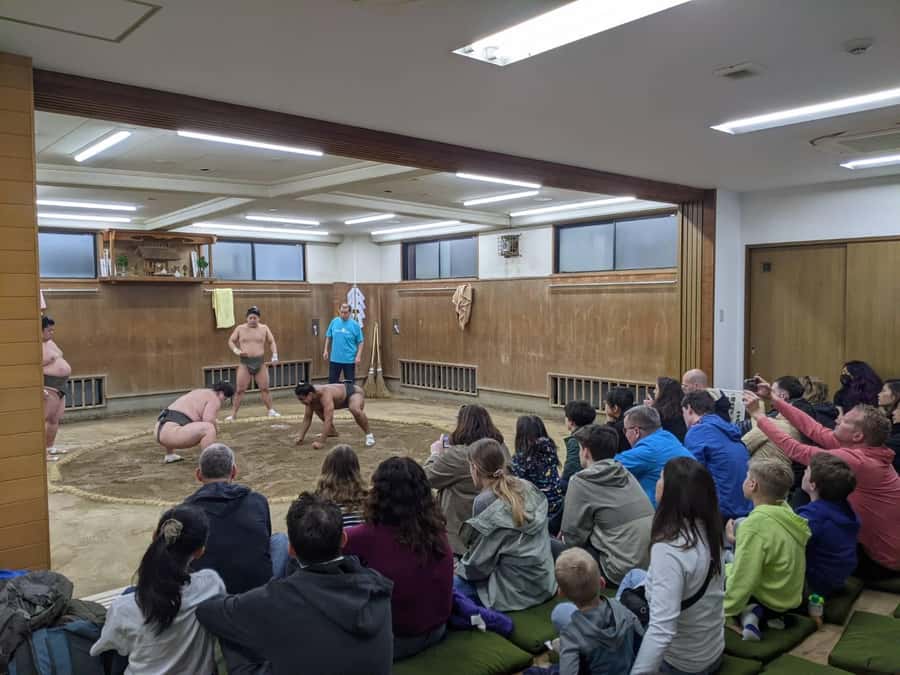
This is a tight 2 hours, built around one main event: watching sumo training at the stable. The structure matters because you get explanation first, then you settle into observation.
Before practice starts: get your bearings
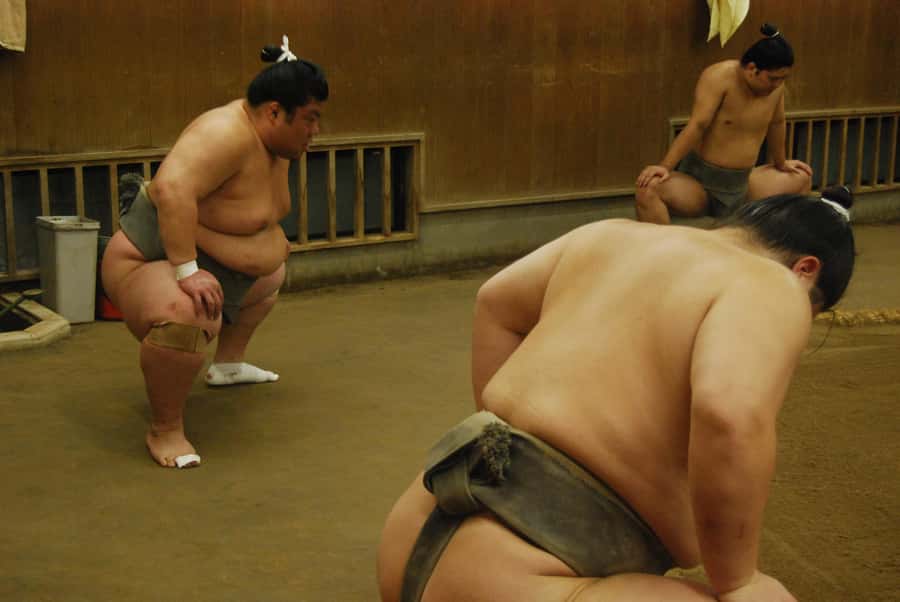
Right away, the guide covers key sumo basics so you understand what matters. In my view, this is one of the most valuable parts of the tour. When the session begins, you are not staring at motion hoping it turns into meaning.
You also get context about the life of a wrestler in the stable. The stable system is designed to shape behavior, habits, and respect toward coaches and fellow wrestlers. Once you hear that, the discipline you see on the floor feels less mysterious.
A few more Tokyo days to weigh up
- Mt Fuji and Hakone 1-Day Bus Tour Return by Bullet Train
★ 5.0 · 26,383 reviews - 1-Day Tokyo Bus Tour
★ 5.0 · 14,250 reviews - Tokyo: TOKYO SKYTREE® Admission ticket
★ 4.5 · 11,192 reviews - Tokyo: teamLab Planets TOKYO Digital Art Museum Entry Ticket
★ 4.6 · 9,779 reviews
During practice: watch faces, breathing, and body contact
Once training begins, you can observe it from a short distance. The good part is you are close enough to notice expressions and breathing. You are also able to pick up the physical sounds created when bodies collide, and that helps the whole session feel real.
The coach’s voice can sound strong and harsh at first. If you are not expecting it, it might surprise you. The important thing is that it is part of the coach-student trust system. The tone is tied to training intensity and the steady relationship built over time.
Photo shoot portion: capture the moment without disrupting it
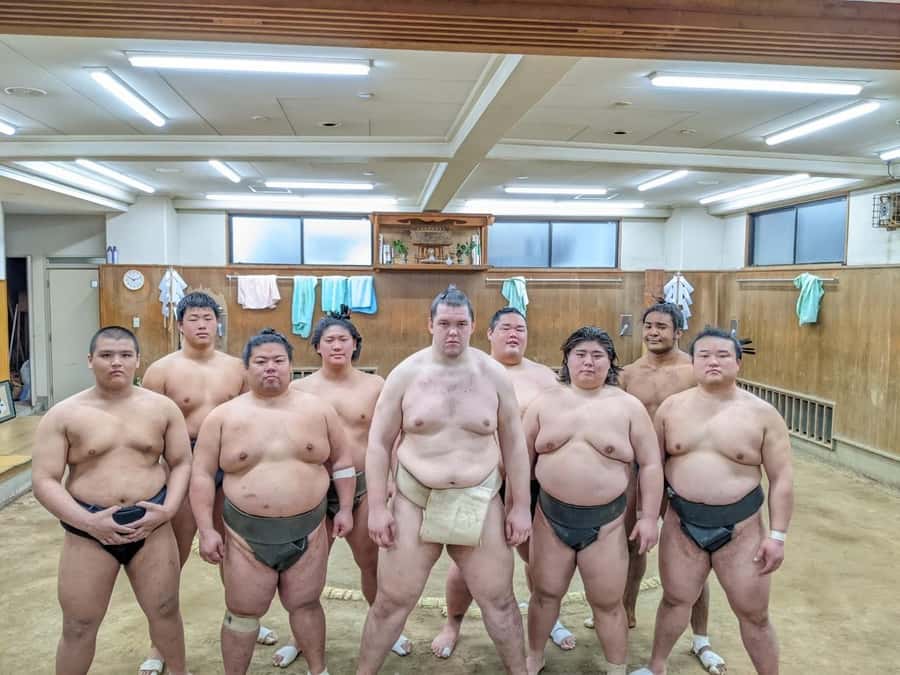
At some point, you get a photo shoot with the wrestlers. The key is that it is still controlled. You are not turning the stable into a free-for-all. This is why following the rules matters so much.
You should expect the session to feel focused and serious, even though it is friendly with a guide and a planned visit. You are there to watch and learn, not to treat it like a typical sightseeing stop.
Understanding The Stable Culture Behind Ikazuchi Sumo Stable
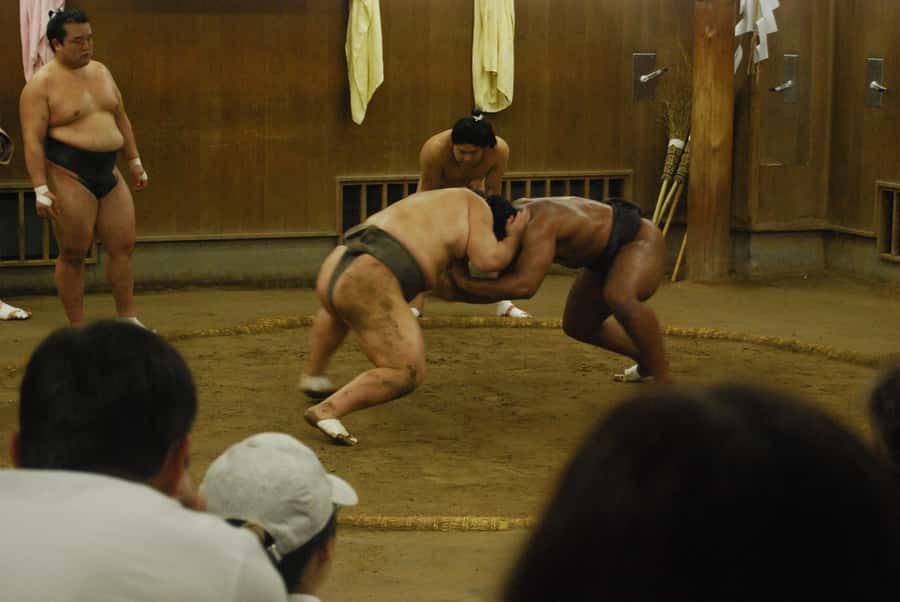
The tour does a good job explaining that sumo practice is not just physical training. It is also a protection of a national sport and a way to pass knowledge to the next generation.
The stable you visit is described as Ikazuchi Sumo Stable, and the tour emphasizes the trust that keeps it alive. That shows up in small things. You will likely notice how the wrestlers and apprentices move with purpose and how the coaching style is firm but purposeful.
Respect is a major theme. The wrestlers have respect for the coach and for each other, and that makes the atmosphere different from a typical sports training gym. It feels more ritual and routine than random workouts, even though the effort is clearly intense.
If you want the cultural angle, you will get it here. The guide’s explanation helps you connect what you are seeing to how sumo works as a system, not just as a sport on TV.
Photo Shoot Rules That Still Let You Take Great Pictures
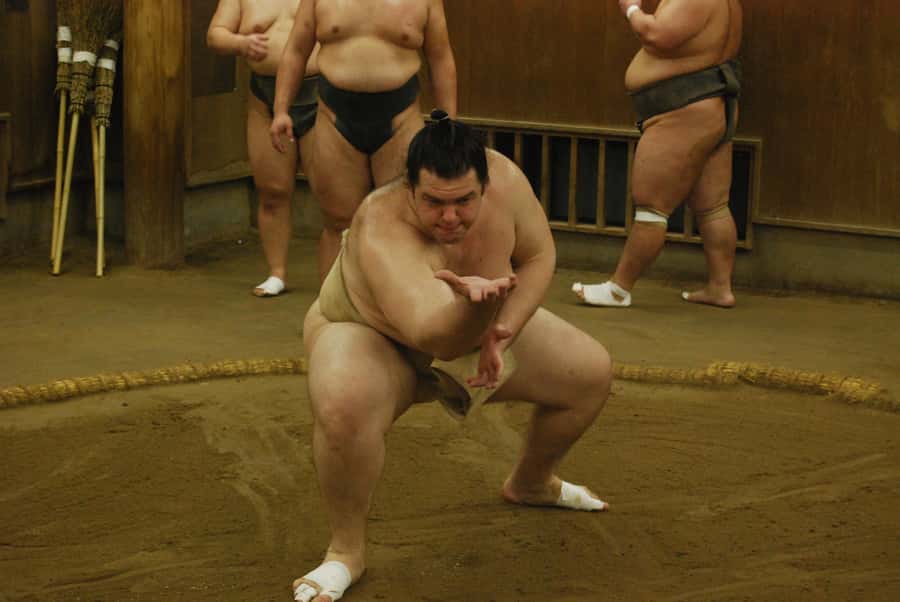
You are allowed to take photos, but with limits. Inside the stable, flash photography is not allowed, and video recording is prohibited. Photos without flash are fine, so you still can capture the moment.
This is the kind of rule set that actually benefits you. No flash means the environment stays calm and the wrestlers are not distracted. You can take your time with normal lighting and still get images that look natural.
Also, keep expectations realistic. The action is dynamic, and you are watching from a set viewing area. It helps to have your phone or camera ready before training begins, so you are not fumbling when the best moments happen.
Etiquette Rules You Have To Follow (And Why They Matter)
This tour is not hard, but it is strict. If you follow these rules, you help protect the session for everyone involved.
- No flash photography
- No video recording
- No making noise
- Refrain from private conversation during the tour so the rikishi can concentrate
- Snacks, bread, rice balls, and other food are not allowed during morning practice
- Bring your own drinks with lids
These rules are not random. They preserve focus. A stable is a working space where concentration matters, and any interruption affects the training rhythm.
If you feel inclined to support the wrestlers after practice, the tour notes that leaving a tip is appropriate. That is a nice touch, because it gives you a simple way to show appreciation for the people who open their daily routine to visitors.
Price And Value: Is $90 Worth It For Two Hours?
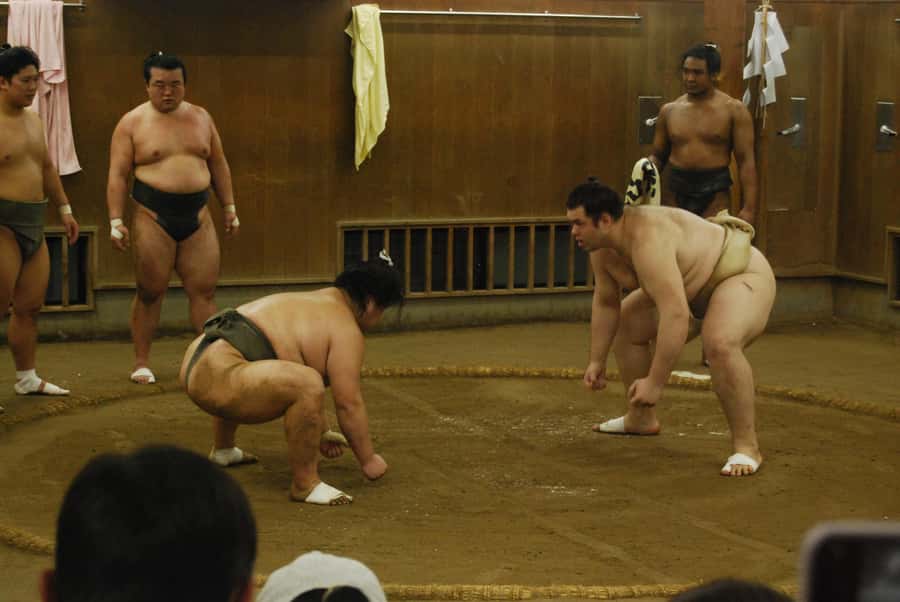
At $90 per person for about 2 hours, you are paying for something that is hard to replicate on your own. You get an English-speaking guide, a special brochure, and planned access to a working stable session near Skytree.
If you are thinking about the value, ask yourself this: would you be able to find the stable, understand what you are seeing, and follow etiquette without stress? With a guide, you get context before the training starts, plus you get to observe closely without turning the experience into a guessing game.
The photo opportunity also adds value. You are not just watching from afar. You have a chance to capture the moment within the stable’s rules, which is a rare bonus for cultural sports experiences.
Could it be cheaper? Sure, but you would likely lose the guide-led clarity and the organized access. For many people, that clarity is the difference between enjoying a show and understanding a tradition.
Who Should Book This Sumo Morning Practice Tour
This tour fits best if you want real access. I think it is a great match for people who enjoy sports history, cultural rituals, and close-up observation. If you like learning what makes a tradition tick, the stable visit format is perfect.
You should also consider it if you care about getting the basics right. The guide’s pre-practice explanation helps you follow what is happening instead of treating it like random motion.
It is not suitable for children under 10. The environment is quiet, focused, and rule-heavy, so younger kids might struggle to follow along.
Finally, if you hate restrictions, this may not be for you. The no-noise, no-flash, no-video approach is essential here. If you can respect that, you will enjoy the calm, focused atmosphere.
Quick Practical Tips Before You Go
To make your morning smooth, plan for these realities:
- Bring a drink with a lid, since food is not allowed during morning practice
- Expect the coach’s voice to be strong and harsh in tone, even though it is part of training trust
- Prepare for photography rules, with no flash and no video recording
- Keep conversation to a minimum so the rikishi and apprentices can concentrate
- Dress for a morning experience, and aim to be ready to watch quietly for the full session
If you do those things, you will get the best experience: close observation, better understanding, and photos that feel authentic instead of intrusive.
Should You Book This Sumo Morning Practice Tour Near Skytree?
Book it if you want a close, guided look at how sumo training actually works. I think the strongest reason to choose this is the combination of access and explanation, especially with the guide Ishida reviewing the basic rules and the life of a wrestler at the stable.
Skip it if you cannot handle quiet rules, or if you need lots of freedom to record or snack. This is a working stable environment, so it is not built for loud tourists or casual interruptions.
If you are visiting Tokyo and you want one morning activity that feels both practical and culturally grounded, this is a solid choice. You will leave with a clearer sense of sumo as discipline, tradition, and daily training, not just match day drama.
FAQ
How long is the sumo morning practice tour?
It lasts 2 hours.
Where do I meet for the tour?
You meet in front of a Memorial Statue of Soramachi Hiroba.
Is the tour guided in English?
Yes. The tour includes an English-speaking guide.
Are flash photos or video recording allowed inside the stable?
Flash photography is not allowed, and video recording is prohibited. Photos without flash are fine.
Can I bring snacks to eat during the morning practice?
No. Snacks, bread, rice balls, and other food are not allowed during morning practice. You can bring your own drinks with lids.
Is this tour suitable for children?
No. It is not suitable for children under 10.
Is there free cancellation?
Yes. You can cancel up to 24 hours in advance for a full refund.
Can I reserve now and pay later?
Yes. The option is reserve now and pay later, meaning you can book your spot and pay nothing today.
Newly listed around Tokyo
- Tokyo private transfer for Yokohama Port★ 4.5 · 63 reviews
- Luxury Kimono Photoshoot at Ginza Tokyo★ 5.0 · 7 reviews
- Tokyo Allstar Food Tour★ 4.5 · 206 reviews
- Tokyo Art Aquarium Museum E-Ticket with optional Tokyo Metro Pass★ 5.0 · 17 reviews
- Tokyo: Best Ginza Food Tour at 3 Local Eateries★ 5.0 · 83 reviews
- Private One Day Nikko Tour with Bilingual driver★ 3.5 · 11 reviews
- PRIVATE tour in 180SX to Daikoku+++++★ 5.0 · 6 reviews
- Kabuki Talk★ 5.0 · 10 reviews
Sumo Stable Visits, compared.
Sumo Show Experience with Chicken Hot Pot and a Photo
Read our review →
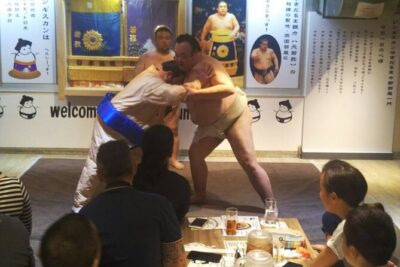

Tokyo Sumo Entertainment Show with Chicken Hot Pot and Photo
Read our review →
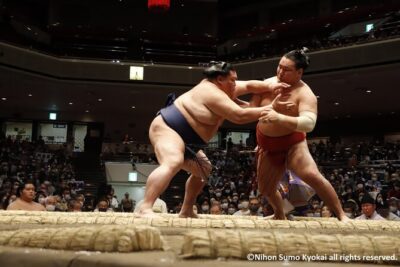
Tokyo Grand Sumo Tournament Viewing Tour with Tickets
Read our review →

Sumo Show & Experience w/ Optional Kimono & Hot Pot
Read our review →Browse the lists this tour appears in