
Review · SUMO STABLE VISITS
Tokyo: Sumo Morning Practice Tour at Sumida City
Sumo looks bigger on TV, but it feels real in person. This Tokyo morning practice tour gets you close to serious training inside a sumo stable area, with an English guide explaining the rules, rituals, and wrestler life. I really like that you also get a chance for Q&A with the stable master right after practice, so you walk away understanding more than just what you saw.
Two small details that made a big difference for me: the chance to watch wrestlers from very near the ring, and the way guides like Tadashi and Kiyomi helped people understand what mattered during the practice, not just how it looks. The main drawback to plan for is comfort and timing, because you sit on the floor for about 1.5 hours and the practice period is strict about silence and bathroom access.
In This Review
- Close-Up Sumo Training in Sumida, Why This Morning Feels Special
- What Happens Before You Even See Wrestlers: The 7:15AM Setup
- The Walk, the Orientation Stop, and Getting Into the Right Mindset
- Entering the Stable: Shoes Off, No Chairs, and Silent Watching
- The Practice Itself: What You Will See Up Close
- The Best Part for Learning: Q&A With the Stable Master
- How the Viewing Works: Seats Change, and Your View Might Be Perfect or Not
- Price and Value: Is $116 Worth Two Hours?
- Rules, Photos, and What Not to Do (So You Do Not Get Kicked Out)
- Who This Tour Suits Best, and Who Should Pass
- Should You Book This Sumo Morning Practice Tour at Sumida City?
- FAQ
- Where is the meeting point for the tour?
- How long is the walk from the station to the sumo stable?
- Can I use the restroom during the practice?
- What is included in the $116 price?
- Are photos allowed, and can I use flash?
- What items are not allowed?
- When are morning practice tours not held in Tokyo?
Close-Up Sumo Training in Sumida, Why This Morning Feels Special
If you want the sumo that feels like a ritual, not a performance, this is one of the best ways to see it in Tokyo. Morning practice is intense, repetitive in the right way, and focused on fundamentals you will not catch from highlights. You are watching athletes doing the work that builds a career, plus you get the cultural context that makes it click.
What you get is a guided, respectful peek into how a stable runs. A lot of your time is spent watching carefully while your guide explains the meaning behind moves, habits, and traditions. Then you get time with the stable master, which is where the tour often becomes memorable for the long run, not just the photos.
Price-wise, $116 per person for a 2-hour experience is not cheap, but it is also not random. You are paying for an expert English guide plus the stable entrance, and you are getting access that most visitors cannot arrange alone. Still, this tour is best when you go in with the right expectations, meaning you are here to learn and observe quietly.
What Happens Before You Even See Wrestlers: The 7:15AM Setup
The day starts early. You meet at 7:15AM at Tokyo Metro Oshiage (Skytree Mae) Station, Toei-Asakusa Line Oshiage Station A1 Exit (ground floor). The tour starts at 7:30AM, so treat 7:15AM as the time to be fully ready, not the time to still be figuring out the station exit.
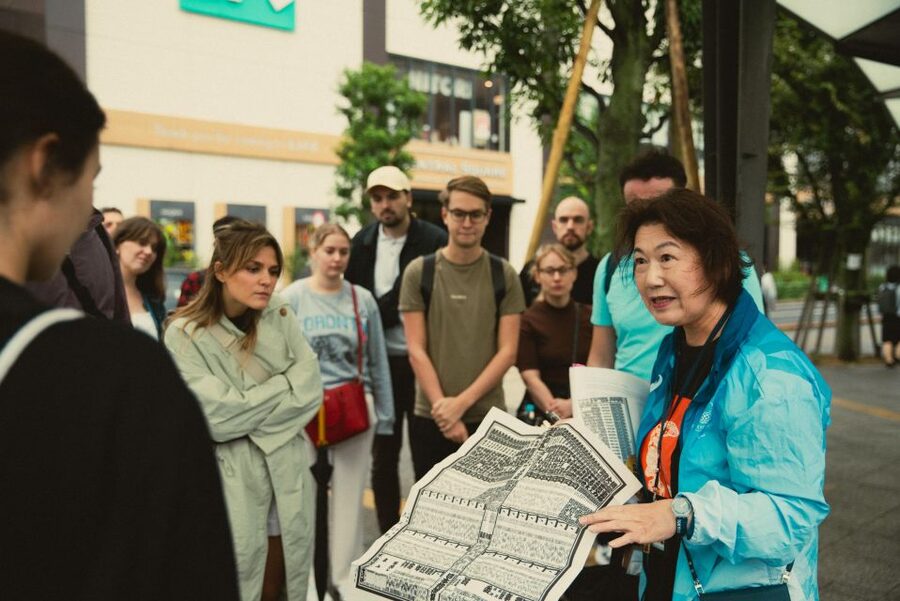
From the meeting point, you walk about 15 to 20 minutes to the stable. This is normal for the neighborhood, but it matters because you also have shoe rules once you arrive. Bring shoes that are easy to take on and off. If rain threatens, the provider recommends a towel to wipe your feet, since you will walk there without ruining your day.
One more important thing: use the restroom before joining, because you cannot go during the practice. That sounds obvious until you are squatting or sitting on the floor for a long time. If you have any doubts about comfort, handle it early.
If you are late, do not panic, just follow the instructions. Send a message to the company so they can give you the stable address. But do not enter the stable by yourself. Wait outside until your guide arrives, and do not ring any doorbell, since that can disturb practice.
Compare these Sumo Stable visits in Tokyo:
- Tokyo: Sumo Show Experience with Chicken Hot Pot and a Photo
★ 4.8 · 6,678 reviews - Tokyo: Sumo Show and Dining Experience
★ 4.8 · 2,742 reviews - the SUMO show
★ 5.0 · 1,960 reviews
The Walk, the Orientation Stop, and Getting Into the Right Mindset
The itinerary includes a short walk and a guided orientation stop before you reach the practice area. The idea is simple: you need to understand the rules for behavior and viewing before the athletes start moving seriously. You will often receive materials like leaflets so you can follow what is happening as the training unfolds.
This is one of those parts where good pacing really matters. When the tour is well run, you feel like you are stepping into a real place with real routines, not chasing an event schedule. When it goes less smoothly, you might end up spending extra energy trying to understand timing and entry, especially in a busy morning. Either way, your best move is to arrive early and keep your eyes open.
Entering the Stable: Shoes Off, No Chairs, and Silent Watching
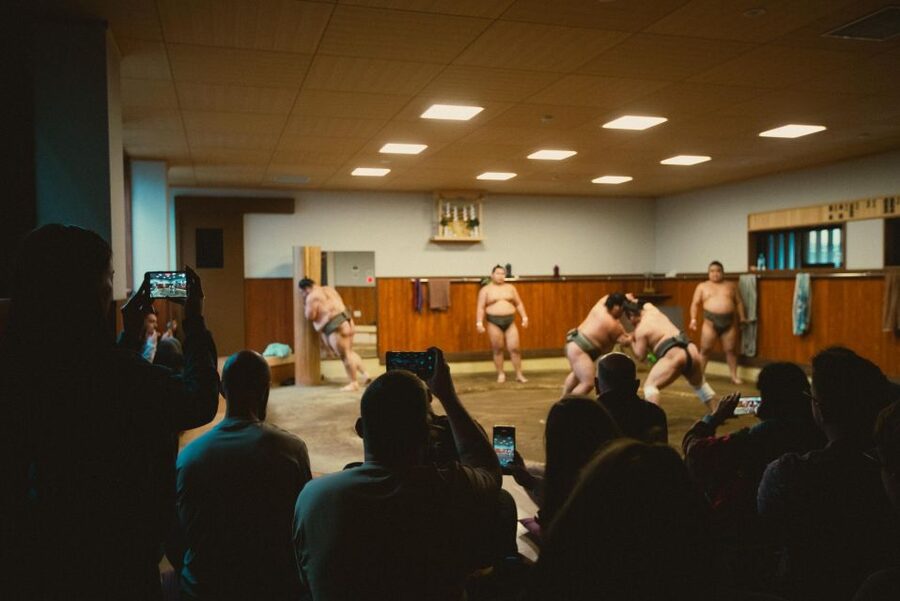
Once you reach the stable, you will see the practical side of sumo culture fast. There are no chairs. You sit on the ground for about 1.5 hours, and you should assume you will be doing a lot of stillness. The provider specifically notes that if cross-legged sitting is not doable for you, you should skip this tour.
For your feet and legs, plan like this is part of the experience, not an inconvenience. Wear clothing you can sit in comfortably. If you are bringing your own patience, you will get it back in full.
You also need to follow strict viewing etiquette. The tour requires you to watch practice silently and respectfully. Flash photography is prohibited, and you cannot upload photos or videos to social media platforms. The good news is that you can still take photos and videos without flash and without shutter sounds, so you can capture memories as long as you stay discreet.
There are also clear item restrictions. You cannot bring sunglasses, baby strollers, food, flash devices, luggage or large bags, or hats. So travel light. If you need to manage sun, you will have to do it without sunglasses and without hats, which is a little different from how people pack for Tokyo.
The Practice Itself: What You Will See Up Close
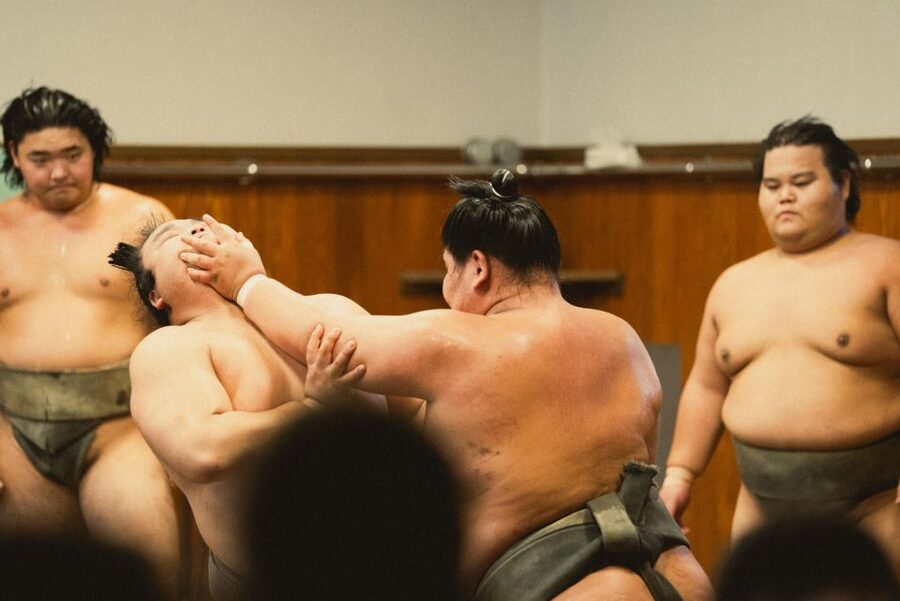
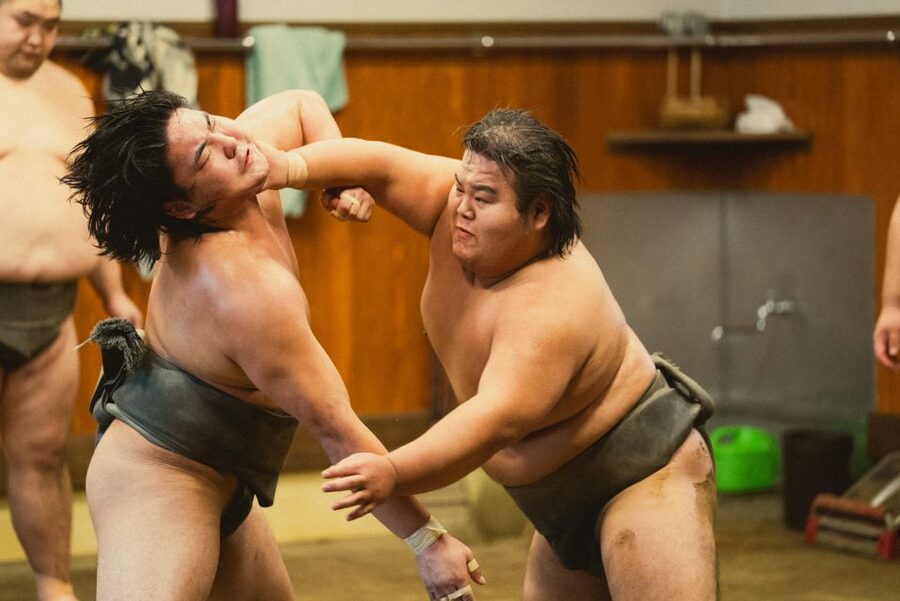
This is the heart of the tour: intense morning training, close enough that you feel how big and strong these athletes are. You are not watching from a far-away vantage point. You are right there near the ring area, which changes everything about what you notice.
Expect drills, stretches, and technique work that looks controlled, not casual. Even if you only know sumo from TV, you will start to see how much of the sport is about discipline, balance, and repetition. In reviews, many people highlight that the training gives them a much clearer picture than televised matches, especially because you see how agile the wrestlers can be while looking like walking boulders.
A useful expectation-setting note: you are likely to see trainees working hard, not necessarily the top headline stars you might recognize. One review said you are not watching elite sumo bouts, but rather trainees training, which is still fascinating if you care about real practice, not just match results.
Also, some days may feel a bit different depending on the timing of tournaments. One reviewer mentioned practice felt lighter because of a May tournament going on, with less in the way of fight-style action. So go in knowing this is a training session first.
A few more Tokyo days to weigh up
- Mt Fuji and Hakone 1-Day Bus Tour Return by Bullet Train
★ 5.0 · 26,383 reviews - 1-Day Tokyo Bus Tour
★ 5.0 · 14,250 reviews - Tokyo: TOKYO SKYTREE® Admission ticket
★ 4.5 · 11,192 reviews - Tokyo: teamLab Planets TOKYO Digital Art Museum Entry Ticket
★ 4.6 · 9,779 reviews
The Best Part for Learning: Q&A With the Stable Master
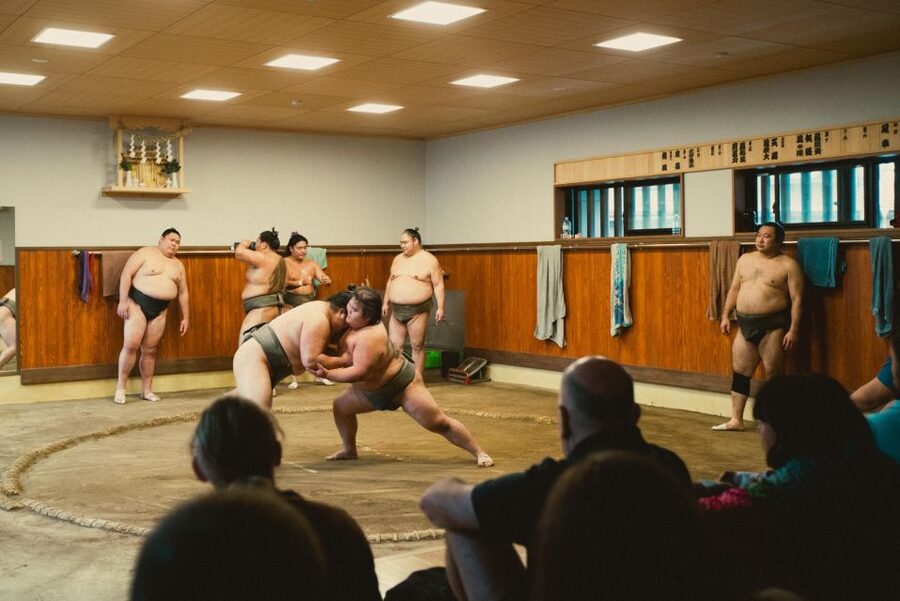
If you want your brain to stay fed after the visible action, the Q&A is where this tour often wins hearts. Multiple guides and guests noted that the stable master answers questions after practice and has time to explain how the stable works.
This is the moment you can ask things you cannot look up casually. People get answers about rituals, daily routines, and the logic behind rules that seem mysterious until someone explains them. Reviews also mention guides helping translate what is happening, then the stable master responding in a way that feels genuinely generous with his time.
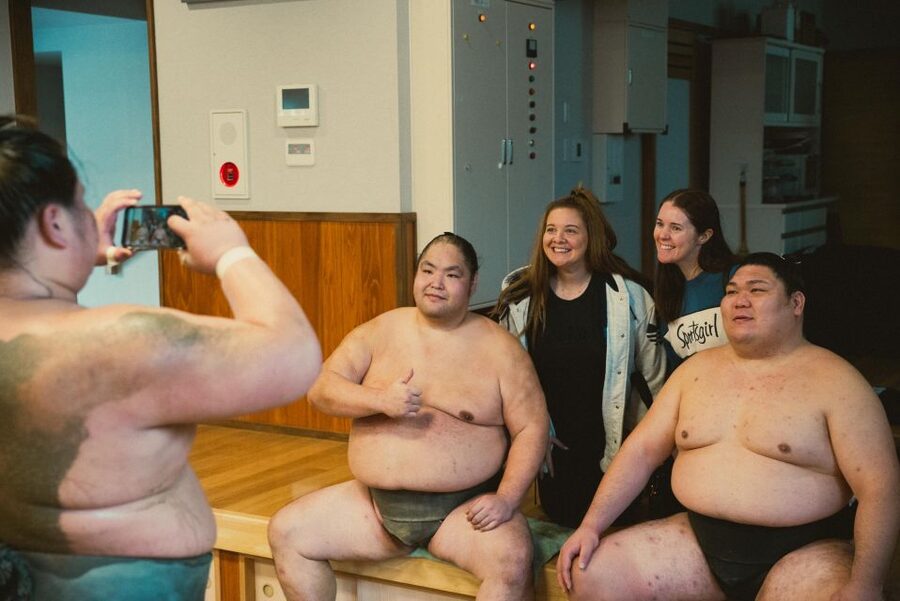
You might even get a chance for picture-taking with the wrestlers, depending on timing and group flow. The tour highlights suggest it is possible, and several reviews include getting photos after training. Just remember the behavior rules: quiet, respectful, and no flash.
Guides can make the Q&A even better. Names that came up in reviews include Tadashi, Kiyomi, Oku, Yoko, and Yuriko. The common thread is that they did more than point, they explained what you were seeing and helped you think of questions that lead to real answers.
How the Viewing Works: Seats Change, and Your View Might Be Perfect or Not
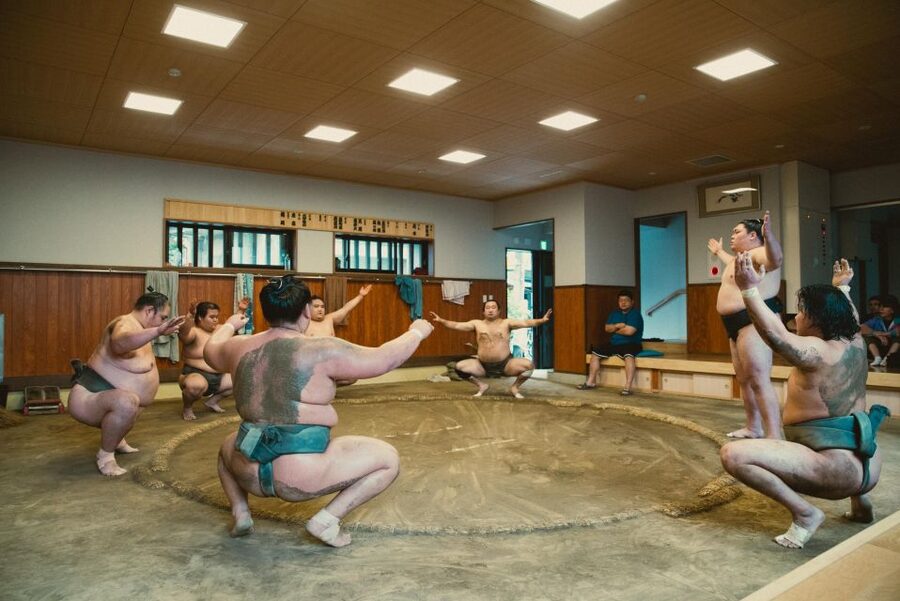
You should be ready for your view to change throughout the session. One review mentioned seats being rotated so everyone gets a good angle. Another mentioned seats were less optimal on one day due to an outside group visiting, with priority for their seating.
Translation for you: your experience is usually excellent, but it is not a guarantee of front-row action every minute. If you are especially sensitive about seeing, show up early, pay attention when your guide positions the group, and trust the rotation plan when it is offered.
Also, group size can affect how easy it is to hear the guide. One reviewer said it was hard to hear at times because of the group and the setting. If you are the kind of person who needs clear audio, choose your position carefully when the guide starts speaking.
Price and Value: Is $116 Worth Two Hours?
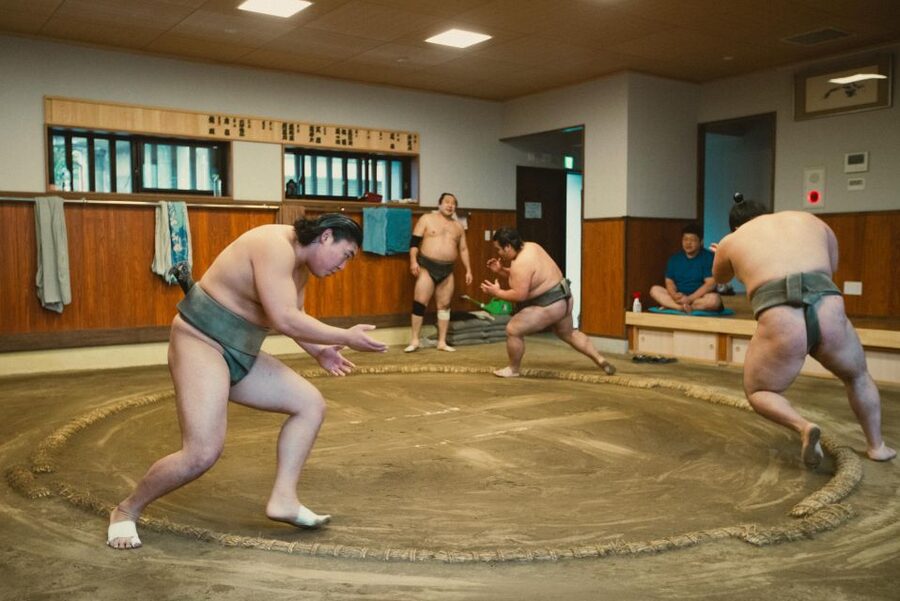
At $116 per person for a 2-hour tour, this is a serious add-on, not a cheap Tokyo morning filler. The value comes from three things you cannot easily replicate:
- Access to a sumo stable setting with an entrance fee included
- An English-speaking expert guide who explains rituals and rules
- A chance for stable master Q&A and, potentially, photos
What is not included matters too. There is no hotel pickup and no food or drinks. You need to think like a morning commuter. If you plan breakfast, do it before the meet, or accept that this is an action-first tour.
Some reviews hinted at price feeling high when the practice felt shorter or when fight-style action seemed limited. That is a fair reality check. If the day’s training is more drills than bouts, you might feel like you got less spectacle than you expected. But if you come for the sport as a discipline and for the cultural context, most people end up thinking it is worth it.
Rules, Photos, and What Not to Do (So You Do Not Get Kicked Out)
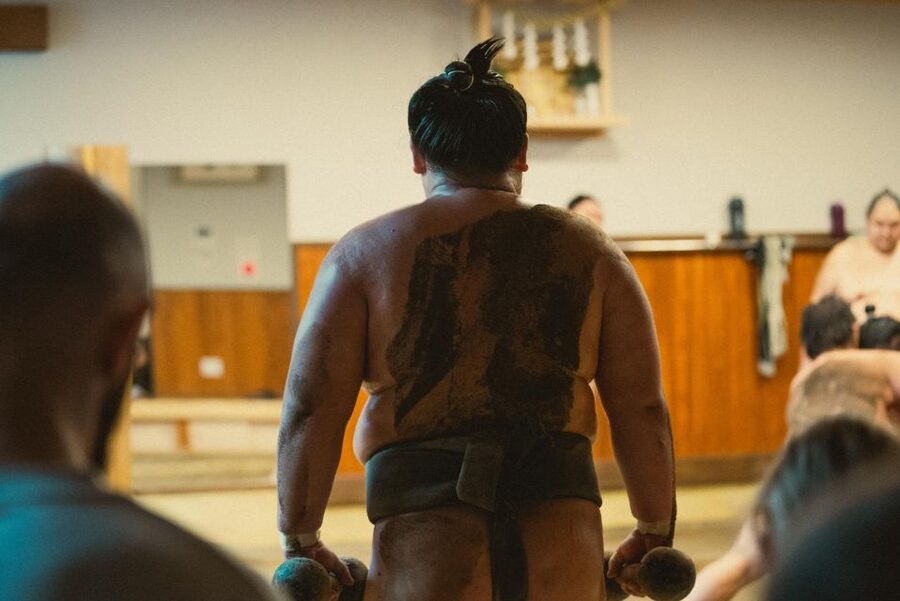
This tour is built on respect, and the rules are strict. Here are the behavior essentials that matter for your experience:
- Do not wear sunglasses
- No flash photography, and no shutter sounds if possible
- You cannot upload photos or videos on social media platforms
- Keep silence during practice
- No food in the stable
- Luggage or large bags are not allowed
- No chairs, and you should plan for floor sitting
Age and noise matter. The minimum age is 6 years old. If your child is noisy, moving around, or cannot watch quietly, you can be asked to leave the stable during the tour. That is not personal, it is just the environment.
Mobility is also a consideration. This tour is not suitable for people with mobility impairments. Since you are on the floor and cannot count on chairs, do not treat that as flexible.
Who This Tour Suits Best, and Who Should Pass
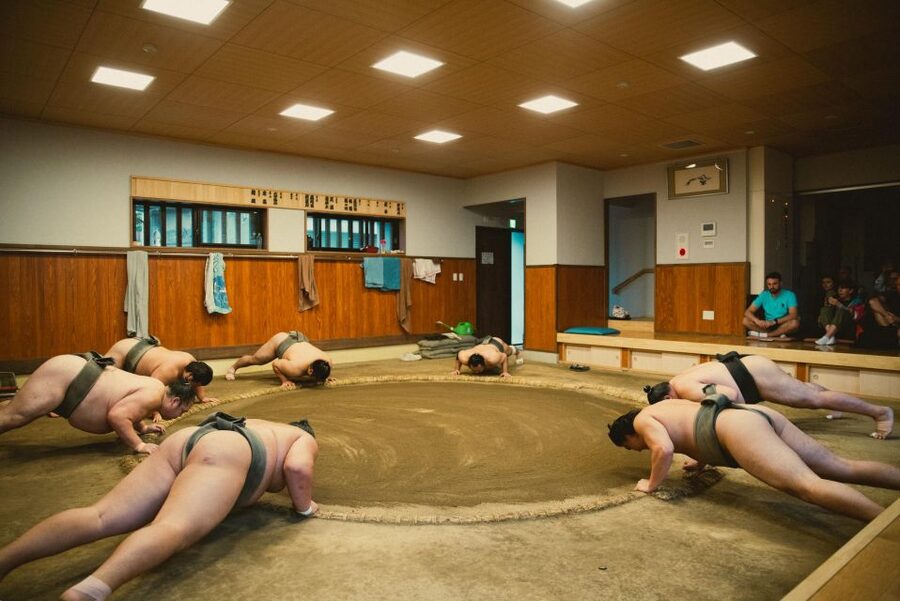
This tour fits you best if you like hands-on cultural experiences. You do not need to be a sumo superfan. Several reviews mention people who were not very interested at first ended up fascinated. What helped was watching training up close and then asking questions afterward.
You’ll also enjoy it if you value authentic sports culture. This is not a staged show. It is practice, it is discipline, and it is quiet observation. If you want action like a match, you might occasionally feel there is less spectacle than you imagined, depending on the day.
You should probably choose something else if:
- Sitting cross-legged for about 1.5 hours sounds miserable
- You cannot do restroom needs outside the practice window
- You need accessibility support that this format cannot provide
- You plan to bring items that are restricted, like large bags, food, or hats
If you come prepared and treat the stable with respect, the experience is one of those Tokyo moments you will remember for the feel of it, not just what you took a photo of.
Should You Book This Sumo Morning Practice Tour at Sumida City?
Book it if you want a real look at how sumo training works, not just a highlight reel. The included guide, the close viewing, and especially the Q&A with the stable master make this a high-learning experience for the time you spend. Even if you only understand a little about sumo going in, the tour structure helps you connect what you see to what it means.
Skip it if comfort matters more than authenticity. No chairs, silent rules, no restroom during practice, and strict item limits are not small details. Also, be aware that practice may vary by season and timing, since there are months when morning training and tours are not held due to Grand Sumo tournaments outside Tokyo.
If you are ready for an early start and a quiet, respectful morning on the floor, this is a top-value Tokyo experience that feels genuinely local.
FAQ
Where is the meeting point for the tour?
You meet at Tokyo Metro Oshiage (Skytree Mae) Station, Toei-Asakusa Line Oshiage Station A1 Exit (ground floor) at 7:15AM. The tour starts at 7:30AM.
How long is the walk from the station to the sumo stable?
It is about a 15 to 20 minute walk from the meeting point to the sumo stable.
Can I use the restroom during the practice?
No. You should use the restroom before joining the tour, because you cannot go to the toilet during the practice.
What is included in the $116 price?
The tour includes an expert English-speaking guide and an entrance fee to the sumo stable.
Are photos allowed, and can I use flash?
You may take photos and videos without flash or shutter sounds. You cannot upload them on any social media platform.
What items are not allowed?
Not allowed items include sunglasses, baby strollers, food, flash photography, and luggage or large bags. Hats are also not allowed.
When are morning practice tours not held in Tokyo?
Morning practice and tours will not be held in March, July, and November because Grand Sumo tournaments are outside of Tokyo those months.
Newly listed around Tokyo
- Tokyo private transfer for Yokohama Port★ 4.5 · 63 reviews
- Luxury Kimono Photoshoot at Ginza Tokyo★ 5.0 · 7 reviews
- Tokyo Allstar Food Tour★ 4.5 · 206 reviews
- Private One Day Nikko Tour with Bilingual driver★ 3.5 · 11 reviews
- Tokyo Art Aquarium Museum E-Ticket with optional Tokyo Metro Pass★ 5.0 · 17 reviews
- Tokyo: Best Ginza Food Tour at 3 Local Eateries★ 5.0 · 83 reviews
- PRIVATE tour in 180SX to Daikoku+++++★ 5.0 · 6 reviews
- Kabuki Talk★ 5.0 · 10 reviews
Sumo Stable Visits, compared.
Sumo Show Experience with Chicken Hot Pot and a Photo
Read our review →
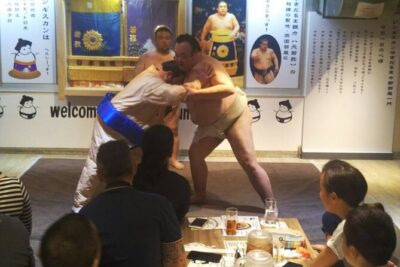

Tokyo Sumo Entertainment Show with Chicken Hot Pot and Photo
Read our review →
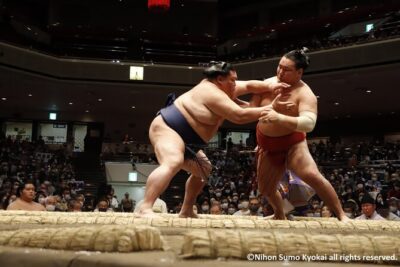
Tokyo Grand Sumo Tournament Viewing Tour with Tickets
Read our review →

Sumo Show & Experience w/ Optional Kimono & Hot Pot
Read our review →Browse the lists this tour appears in