
Review · SUMO STABLE VISITS
Tokyo Sumo Morning Practice: Viewing & Exclusive Interaction
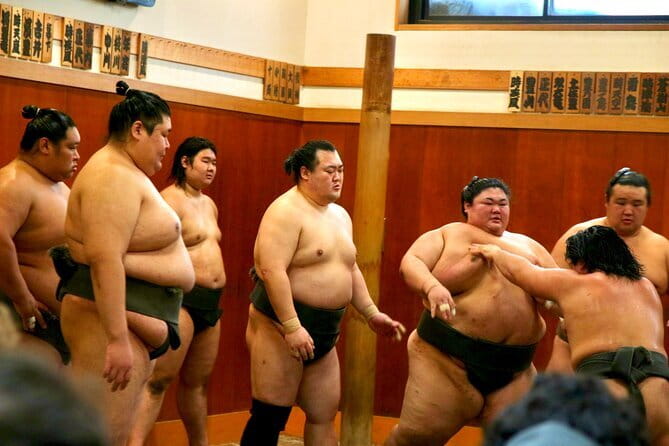
Sumo has a way of making you quiet, fast. In this Tokyo morning session near Sumida, you’ll watch real practice close up, then get rare access to ask questions and take photos with active wrestlers. I love the balance of structure and access, especially the on-floor seating options that let you actually see footwork and timing. The only real drawback is that this is strict training time, so expect rules like quiet behavior and no flash, even though it’s very tempting to capture everything.
You’ll start at Narihira Park with an English-speaking guide who sets you up with sumo etiquette and what you’re about to see. Then you’ll walk to an active stable and sit where the action is happening. After practice, the tour doesn’t end at the viewing area, it moves into an exclusive Q&A and photo moment, plus a special banzuke closing and a final question time so you can leave with clarity instead of confusion.
In This Review
- Key highlights you will feel right away
- Morning Sumo at Narihira Park: how the day starts in the right frame of mind
- The walk to the stable: turning a city morning into a training room
- Watching practice up close: seating choices and why quiet matters
- The wrestler Q&A and photos: the rare part that changes your understanding
- Banzuke souvenir closing: taking the sport home with you
- Timing in Tokyo: the 3 hour plan and what happens after you’re done
- Price and value: why $93 can actually make sense
- Who this Tokyo sumo morning practice fits best
- Should you book Tokyo Sumo Morning Practice for access and photos?
- FAQ
- Where is the meeting point for this sumo practice tour?
- How long is the tour, and what time does it usually end?
- What is included in the price?
- What should I expect I cannot do during the visit?
- What happens during the Grand Sumo Tournament period?
- Is the activity suitable for young children?
Key highlights you will feel right away
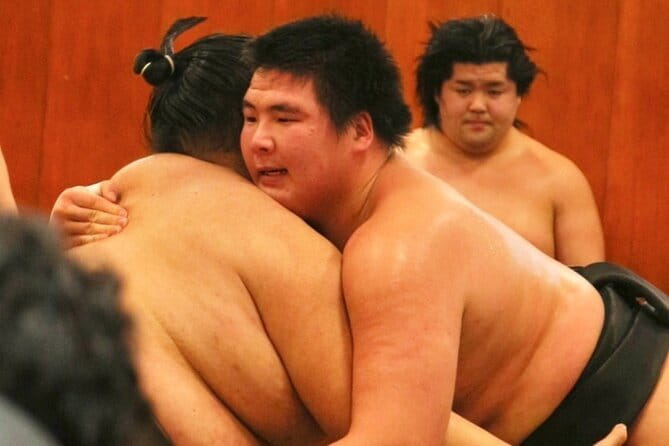
- Real morning stable practice, not a staged performance
- Flexible seating with zabuton floor cushions in front and stools in back
- Private Q&A plus photos with active wrestlers through your guide
- Official banzuke ranking sheet in a souvenir folder
- One more round of Deep Q&A at the park to satisfy your curiosity
Morning Sumo at Narihira Park: how the day starts in the right frame of mind
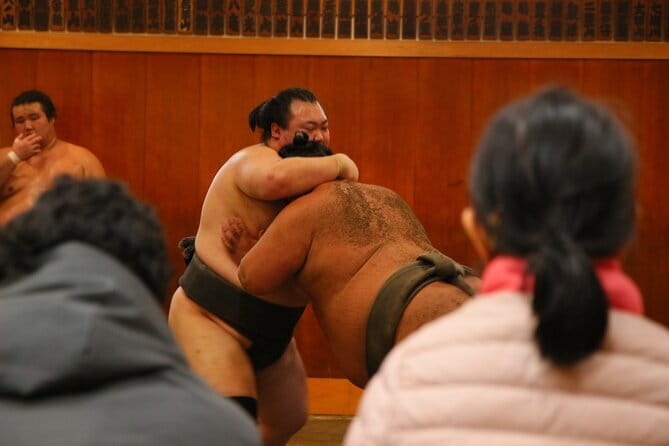
This tour begins in the quiet early hours when sumo training is all about routine and focus. Your meeting point is near the multipurpose restroom at Narihira Park. That sounds simple, but it matters because the timing is tight and the experience is built around getting you to the stable before the action gets moving at full speed.
Once you’re checked in, your guide hands you the tour materials related to sumo and explains the key manners. This is not “watch the guys fight” territory. It’s more like, here’s how to behave in a working space with real athletes, and here’s what to watch for so it makes sense.
I especially like that the guide sets you up with rules for viewing. Sumo has layers: how people enter, how they bow, how space works, and how training intensity builds. If you walk in without that context, you might only see body contact and head jerks. With the guide’s intro, you start noticing rhythm, posture, and the seriousness of what each moment means.
Compare these Sumo Stable visits in Tokyo:
- Tokyo: Sumo Show Experience with Chicken Hot Pot and a Photo
★ 4.8 · 6,678 reviews - Tokyo: Sumo Show and Dining Experience
★ 4.8 · 2,742 reviews - the SUMO show
★ 5.0 · 1,960 reviews
The walk to the stable: turning a city morning into a training room
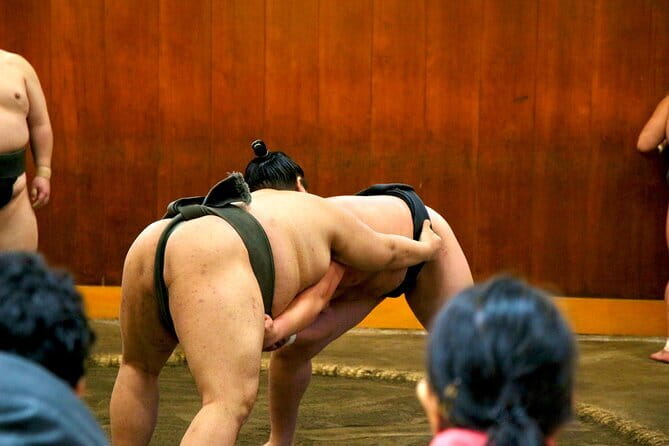
After the intro, you take a short walk to an active sumo stable. This is where the “Tokyo sightseeing” feeling fades and the training mindset takes over. Inside, you’re seeing a living routine, not an attraction built for cameras.
The setting is close and intense. You’ll be in the space where warmups happen, where wrestlers reset their focus, and where practice can look raw even when it’s controlled. One of the biggest surprises for many people is that sumo is not just size and strength. It’s also timing, foot placement, balance, and discipline.
Also, you’ll be physically close enough to sense the power of contact. That’s the main value of this style of tour. You don’t just watch from far away, you see the mechanics that make the moves work.
Watching practice up close: seating choices and why quiet matters
Inside the stable, comfort and visibility are handled with flexible seating. You can choose traditional floor cushions, zabuton, for a front-row view, or use stools if you prefer not to sit on the floor. Either way, the goal is simple: help you watch without turning the experience into a strain-fest.
From a practical standpoint, this choice affects your whole morning. Zabuton seating puts you lower and closer, which can make it easier to track footwork and the way wrestlers shift their weight. Stools can keep your legs happier, but you might rely more on what the guide points out since you’re slightly higher and farther from the action.
And then there are the rules, which are serious for a reason. You’re not allowed food, and flash photography is off the table. Video recording and audio recording are also not allowed, so plan to rely on your eyes and your notes. The stable is training space, so quiet during practice is part of respecting the moment.
One more thing you should know: this tour includes a skip-the-ticket-line style entry. That’s useful because early mornings are when you want your time to count.
The wrestler Q&A and photos: the rare part that changes your understanding
Here’s what makes this tour different from most “viewing only” experiences. After practice, you get an exclusive interaction moment. Through your guide, you can directly talk with active wrestlers and ask questions about training, daily life, or their mindset as athletes.
This is the segment where sumo stops being an unfamiliar sport and starts being a lived discipline. When you hear answers about routines, focus, or how training feels day to day, the sport becomes easier to understand. You also learn what wrestlers think newcomers are missing, which can be a fast shortcut to better viewing on your next Tokyo sumo day.
Then comes commemorative photos. Getting a photo with active wrestlers, in a respectful setting, feels personal in a way that a distant stadium snapshot never does. It’s a cultural exchange moment, guided and controlled so everyone stays within the stable’s rules.
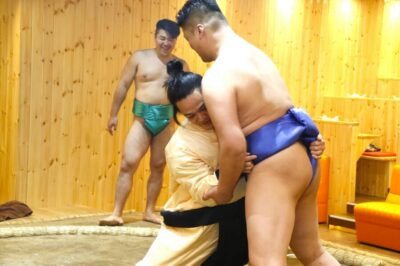
In some cases, the interaction can include a short participatory moment. Based on what people have described, you might even be invited to try something hands-on after practice, depending on how the stable manages the flow and what’s permitted that day. So keep a flexible attitude. If you came only to watch, you’ll still get plenty. If you like asking questions and stepping up, you might get extra surprises.
A few more Tokyo days to weigh up
- Mt Fuji and Hakone 1-Day Bus Tour Return by Bullet Train
★ 5.0 · 26,383 reviews - 1-Day Tokyo Bus Tour
★ 5.0 · 14,250 reviews - Tokyo: TOKYO SKYTREE® Admission ticket
★ 4.5 · 11,192 reviews - Tokyo: teamLab Planets TOKYO Digital Art Museum Entry Ticket
★ 4.6 · 9,779 reviews
Banzuke souvenir closing: taking the sport home with you
After practice, you return to the park for a special closing session. This is not just a wrap-up, it’s a souvenir moment tied directly to sumo’s ranking system.
You receive an official banzuke, the sumo ranking sheet, placed inside a specially designed souvenir folder. That’s a nice piece of value because it’s not generic merch. It’s connected to the structure of the sport, and it gives you something concrete to remember beyond photos.
The banzuke also helps you “translate” what you might see later if you visit other sumo-related sites. Even if you’re brand new, having the ranking sheet in hand makes the sport feel less abstract.
Then instead of rushing you out for brunch, you get a dedicated Deep Q&A time at the park. Your guide stays with you to answer more questions about traditions, what you noticed in practice, and how to interpret sumo customs you may not have understood at first.
Timing in Tokyo: the 3 hour plan and what happens after you’re done
The tour runs about 3 hours, and it typically wraps around 11:00 AM. That matters because you’re not stuck committing the whole day. When you’re finished, you’re positioned to continue your Tokyo morning into a nearby afternoon plan.
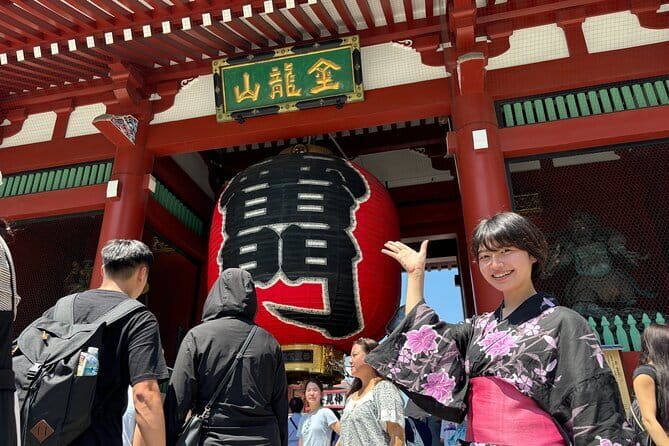
Two popular nearby options mentioned for right after the tour are Tokyo Skytree and the Asakusa area. If you want an efficient day, this tour is easy to pair with those stops because you’ll still have plenty of daylight left.
Tournament timing is the one schedule detail you should plan for. During the Grand Sumo Tournament, which happens for about two weeks in January, May, and September, practice starts about 30 minutes earlier, and viewing time is about 1 hour. If you’re booking during that season, expect the morning to feel even more compressed and time to be extra tight.
Price and value: why $93 can actually make sense
At $93 per person for roughly 3 hours, this isn’t a cheap add-on, especially in Tokyo. But the price is not just for a seat. What you’re paying for is access to an active stable environment plus guided interpretation.
Here’s what’s included:
- The sumo stable visit fee
- Guidance by an English-speaking guide
- A special souvenir (the banzuke)
What’s not included:
- Transportation to the meeting point
That’s why the “value” feels different from a general admission-style activity. You’re not only watching practice, you’re also paying for:
- A structured etiquette intro that helps your eyes work better
- Flexible seating so you can choose comfort without losing visibility
- Q&A and photos that turn observation into understanding
- A banzuke souvenir tied to sumo’s ranking structure
If you’re the type who tends to enjoy guided cultural access more than self-guided wandering, this price can be fair. If you only want casual sightseeing and don’t care about etiquette, then it might feel like you’re paying for something you didn’t fully need.
Who this Tokyo sumo morning practice fits best
This tour fits best if you want authenticity, not just a spectacle. You’ll enjoy it most if you like:
- Sports with ritual and rules
- Close-up cultural experiences where you’re guided on how to behave
- Asking questions and getting real answers instead of guessing
It’s also a strong choice if you want something early in the day that still leaves you free afterward. Ending around 11:00 AM means you can keep exploring without losing your whole day to one activity.
A couple of practical notes from the provided info:
- Food is not allowed during the visit, so plan to eat before you go.
- Video recording and audio recording are not allowed.
- Flash photography is not allowed.
- Children under 6 years are not suitable.
Should you book Tokyo Sumo Morning Practice for access and photos?
If you care about real access, this is a clear yes. The combination of close viewing, guided etiquette, and the wrestler Q&A plus photo moment is the main reason to book this instead of a more basic viewing option.
I’d skip it only if you’re likely to get frustrated by rules like quiet behavior and no flash or if you want a flexible, casual pace where you can eat on-site. This is training time, and the tour respects that.
For most people visiting Tokyo, especially first-timers to sumo, this is one of those mornings that makes the sport click fast. You’ll leave with a banzuke souvenir, answers to your questions, and a much better sense of how disciplined sumo practice really is.
FAQ
Where is the meeting point for this sumo practice tour?
You meet near the multipurpose restroom at Narihira Park. Your guide will check your name there and explain important manners and rules.
How long is the tour, and what time does it usually end?
The duration is about 3 hours, and the tour wraps up around 11:00 AM.
What is included in the price?
The price includes the sumo stable visit fee, guidance by an English-speaking guide, and a special souvenir (the banzuke).
What should I expect I cannot do during the visit?
You cannot bring or eat food, and flash photography is not allowed. Video recording and audio recording are also not allowed, and alcohol and drugs are prohibited.
What happens during the Grand Sumo Tournament period?
During the tournament (about two weeks in January, May, and September), practice starts about 30 minutes earlier and viewing time is about 1 hour.
Is the activity suitable for young children?
It is not suitable for children under 6 years.
Newly listed around Tokyo
- Modern Vegan Night Foodie Tour in Tokyo★ 3.9 · 7 reviews
- Tokyo: Asakusa Night Waling & Food Tour★ 4.9 · 16 reviews
- Tokyo Vegan Food Tour★ 5.0 · 8 reviews
- Tokyo: Tsukiji Market Walking Tour & Sushi Cooking Class★ 4.6 · 122 reviews
- Tokyo: Tsukiji walk & sushi private tour with Uni Students★ 5.0 · 17 reviews
- Tokyo: Two Types of Japanese Sweets Making and Tea Ceremony★ 4.6 · 26 reviews
- Tokyo Tsukiji Food & Culture Private Tour Licensed Guide★ 4.9 · 28 reviews
- Tokyo: Tsukiji Fish Market Culture Tour with Sashimi Tasting★ 4.6 · 54 reviews
Sumo Stable Visits, compared.
Sumo Show Experience with Chicken Hot Pot and a Photo
Read our review →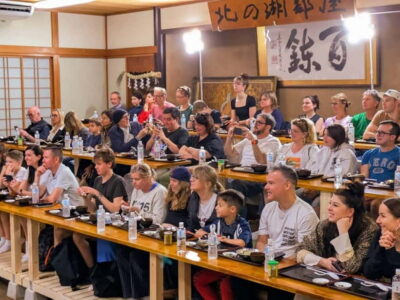
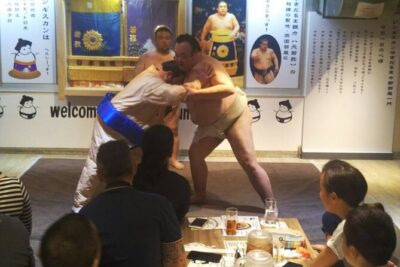
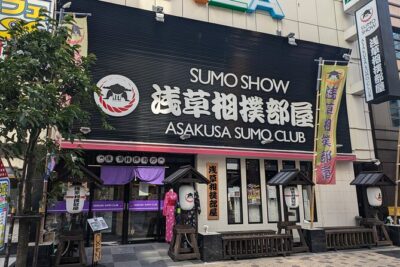
Tokyo Sumo Entertainment Show with Chicken Hot Pot and Photo
Read our review →
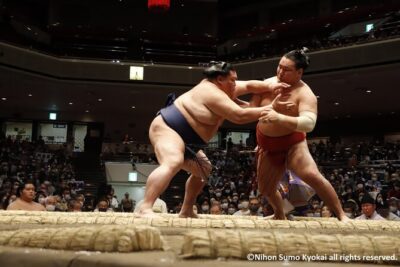
Tokyo Grand Sumo Tournament Viewing Tour with Tickets
Read our review →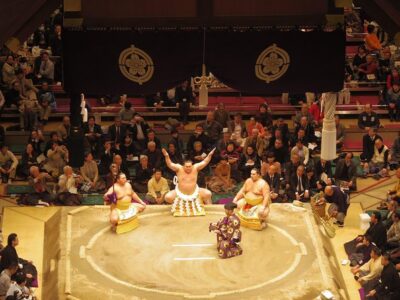
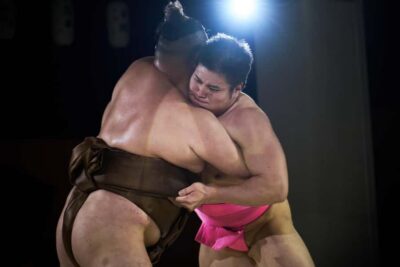
Sumo Show & Experience w/ Optional Kimono & Hot Pot
Read our review →Browse the lists this tour appears in