
Review · SUMO STABLE VISITS
Tokyo Sumo Morning Practice: Witness the Life of a Wrestler
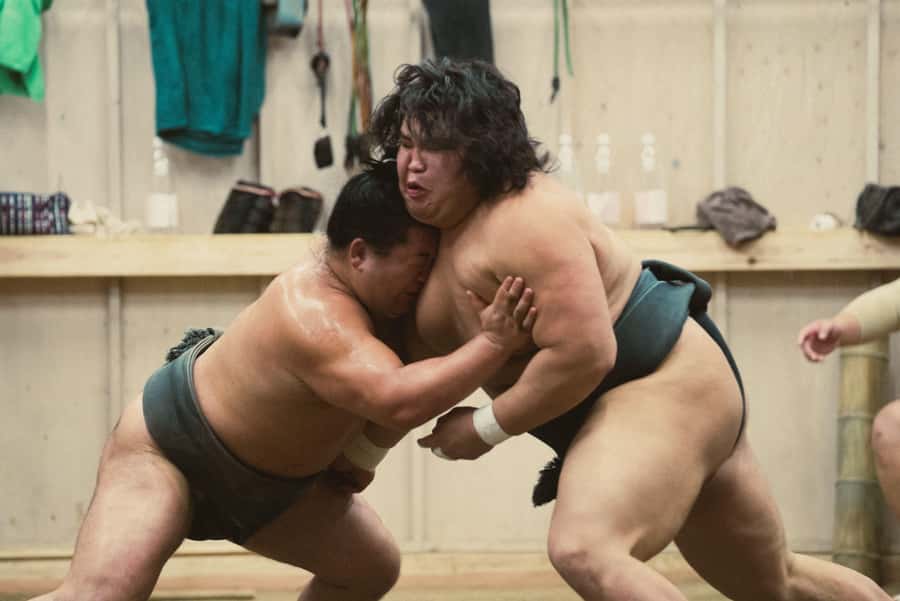
Sumo looks simple on TV. A morning stable visit is anything but. You get close enough to feel how hard these athletes train, with live English guidance so you know what you are seeing, not just what you are watching.
What I like most is the access to a real sumo beya where wrestlers live and work, not a staged show. I also like the way the guide uses earbuds for real-time explanations, which makes the rules, rituals, and ranking system click fast. The one drawback is that the format is strict: you sit on zabuton pillows on the floor, stay silent, and follow etiquette rules, so it is not the kind of event where you can casually stand up or chat.
In This Review
- Key Points You’ll Care About
- Why a Yokozuna Stable Morning Feels So Different
- What a Sumo Stable (Beya) Actually Means for Your Visit
- The Walk In and the Rules That Keep It Respectful
- Inside the Training: What You’ll See and How the Earbuds Help
- Learning the rituals while you watch
- The Yokozuna Question: What Happens if the Champion Is There
- Photo Opportunities and What the Restrictions Mean in Practice
- Price and Value: Is This Worth $121?
- Timing, Group Size, and the Reality of Floor Sitting
- Who Should Book, and Who Should Skip This One
- Should You Book This Tokyo Sumo Stable Tour?
- FAQ
- Where do I meet for the tour?
- How long is the morning practice portion?
- Is the Yokozuna guaranteed to be there?
- What are the main rules inside the stable?
- Can I take photos or record video?
- Are sunglasses, food, and other items allowed?
- Is the tour accessible for wheelchair users or people with colds?
Key Points You’ll Care About
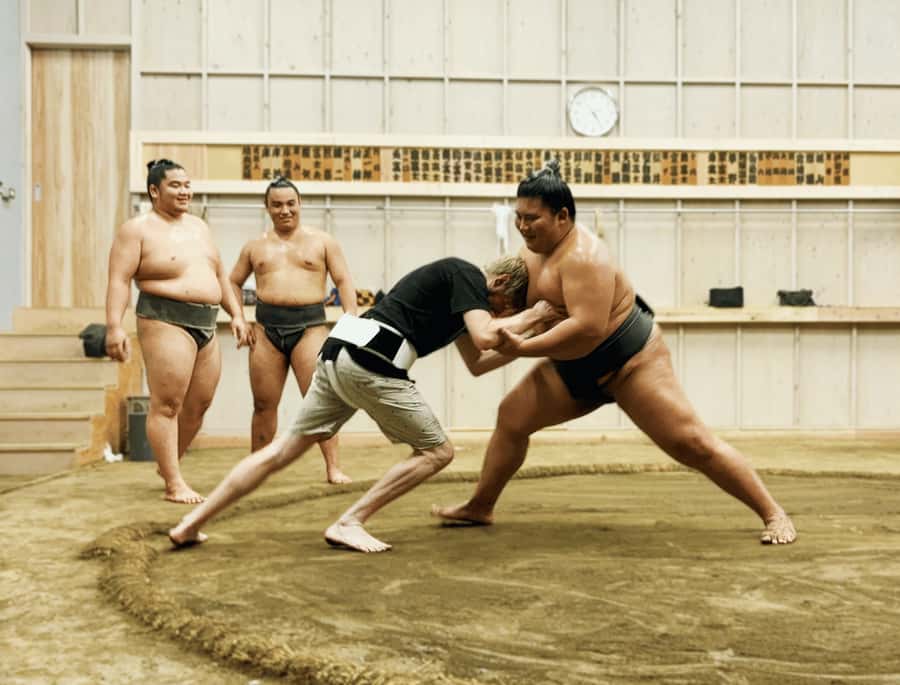
- Ring-side closeness: You watch training feet away, with sound and impact you can really notice.
- Earbud commentary in real time: Explanations happen while you are in the thick of practice.
- Real stable life, with hierarchy: You learn how roles and rank affect chores and training culture.
- Yokozuna might be there, but not guaranteed: It is one stable, yet the champion’s presence depends on that morning.
- Strict etiquette inside: Shoes off, silent watching, no sunglasses, no flash, no video recording.
- Photo ops after practice: You may meet wrestlers for group photos outside or inside depending on the day.
Why a Yokozuna Stable Morning Feels So Different
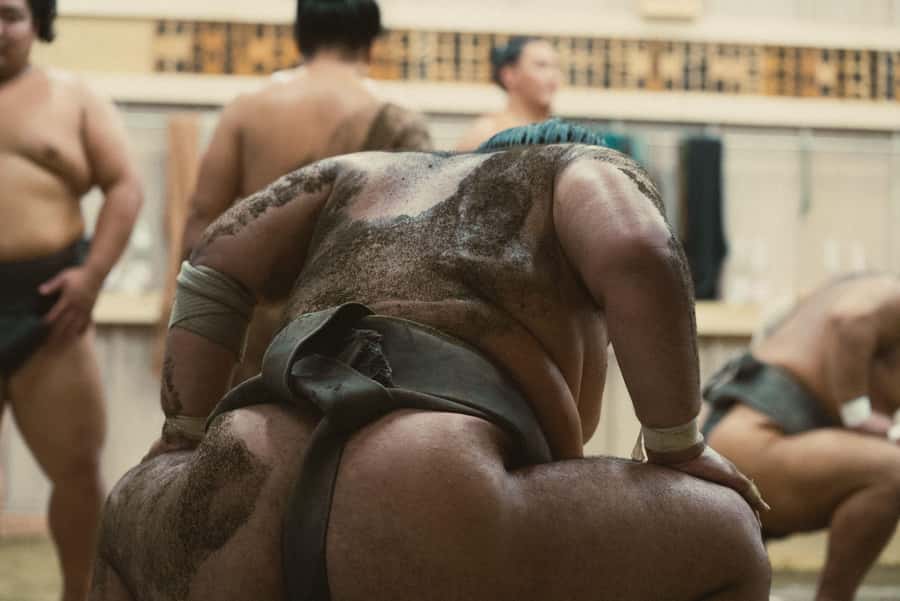
Tokyo is full of impressive performances, but sumo has a special kind of gravity. This experience is built around a morning practice at a working stable, where athletes train in the same environment they use every day. It is the difference between watching a sport and watching a routine that shapes careers.
You also get built-in context. Before the training starts, your guide explains the basics like history, rules, and rituals, plus the ranking system. Then, while the practice unfolds, the guide continues with real-time commentary through earbuds. That combination matters because sumo is full of details. If you only learn after the fact, you miss half the meaning.
Finally, the closest seating creates a very physical sense of the sport. Wrestlers do not just move, they crash, recover, reset, and repeat. You see strength, speed, and agility as working tools, not as highlights.
Compare these Sumo Stable visits in Tokyo:
- Tokyo: Sumo Show Experience with Chicken Hot Pot and a Photo
★ 4.8 · 6,678 reviews - Tokyo: Sumo Show and Dining Experience
★ 4.8 · 2,742 reviews - the SUMO show
★ 5.0 · 1,960 reviews
What a Sumo Stable (Beya) Actually Means for Your Visit
A sumo stable, or beya, is where wrestlers live and train together with their oyakata, the master of the stable. The whole place runs on strict rules. Wrestlers share meals, follow a hierarchy by division, and split housework. If you want to understand why practices feel intense and serious, this is where it starts.
The hierarchy is not just ceremonial. Lower-ranked wrestlers take on more of the daily chores and assist higher-ranked wrestlers with tasks like running errands and even scrubbing their backs. That structure shapes training culture, because rank affects responsibilities all day long. When you watch a practice up close, it makes more sense why athletes push so hard. They are part of a system that rewards discipline and endurance.
Here’s a useful piece of context: there are currently 44 sumo stables in Japan, and they are all located in the Kanto area. So when you are visiting a stable in Tokyo, you are stepping into a world that is geographically tight and tradition-heavy. It also explains why stable access is limited even for Japanese visitors.
The Walk In and the Rules That Keep It Respectful
This tour starts with a simple plan: meet in front of the stable. Your guide shows up holding a board for Japan Wonder Travel, so you can spot the group quickly.
Before you go inside, pay attention to the etiquette list. It is not there to be picky. It is how the stable protects focus and respect during training.
Expect these rules:
- You remove your shoes inside the stable.
- You must sit on zabuton pillows on the floor for the duration of the practice.
- You are required to watch silently and respectfully.
- Your phone must be on silent.
- No stretching your legs toward the ring, since showing the soles of your feet is considered impolite.
- No sunglasses, and no food inside.
- No flash photography and no video recording.
One review also highlighted a practical reality: the event can be close to two hours of floor sitting. So think about comfort before you book. If you know sitting low for 90 minutes feels tough, bring that awareness into your decision.
Also note: you cannot leave the stable in the middle of practice. Plan bathroom time before you arrive. Once training starts, it is stay-put time.
Inside the Training: What You’ll See and How the Earbuds Help
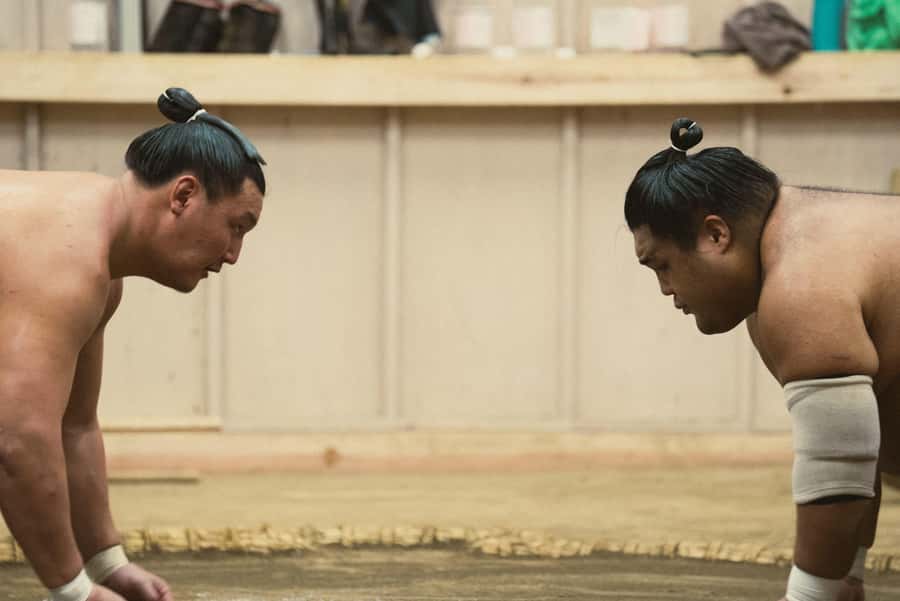
The big action happens in the morning session. Your guide leads the group into the stable area, explains what is about to happen, then gives real-time commentary through earbuds. That live narration is a big part of the value because sumo is not random movement.
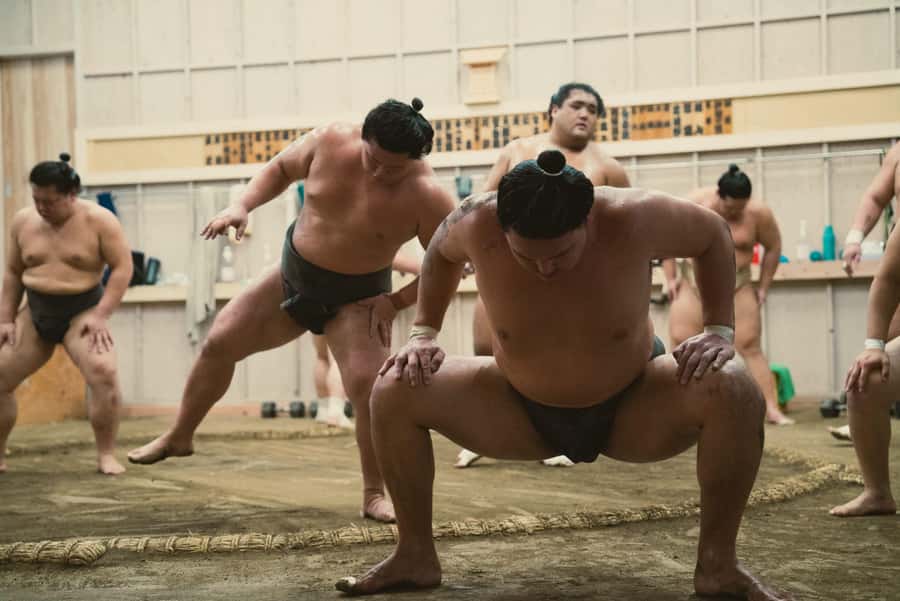
You will see wrestlers get ready, then train by honing techniques and sparring against partners. Depending on the morning, you might notice different training styles and pacing, but the core idea stays the same: repetition, balance, force, speed, and recovery.
Up close, you also understand why sumo is so physical. You can see and even hear the impact as training partners engage. It is not just athletic spectacle. It is work. The way they adjust stance, respond to pressure, and reset quickly shows why technique matters as much as size.
A few more Tokyo days to weigh up
- Mt Fuji and Hakone 1-Day Bus Tour Return by Bullet Train
★ 5.0 · 26,383 reviews - 1-Day Tokyo Bus Tour
★ 5.0 · 14,250 reviews - Tokyo: TOKYO SKYTREE® Admission ticket
★ 4.5 · 11,192 reviews - Tokyo: teamLab Planets TOKYO Digital Art Museum Entry Ticket
★ 4.6 · 9,779 reviews
Learning the rituals while you watch
Because the guide covers history, rules, and rituals before and during practice, you are not just guessing. You learn how the sport’s structure works, including the ranking system and what different stages mean. That makes everything you see feel connected instead of confusing.
If you go in expecting a quick photo moment, shift your mindset. This is a viewing experience first, with explanation built in.
The Yokozuna Question: What Happens if the Champion Is There
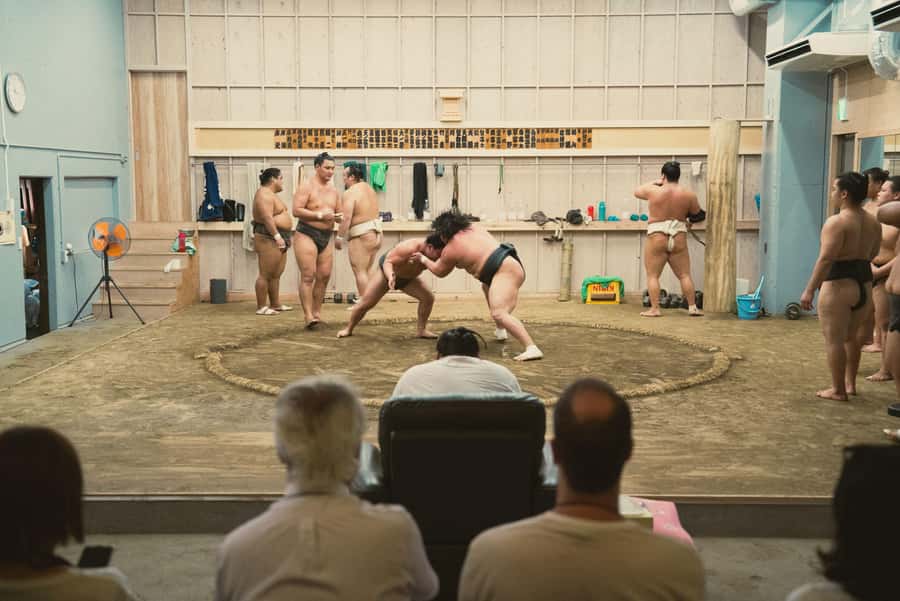
This tour is centered on a Yokozuna stable, because the champion belongs to that stable. But there is a key detail you should take seriously: it is not known in advance whether the Yokozuna will actually be there. Your tour experience depends on that morning’s schedule.
In some visits, top wrestlers have been present and even instructing. One participant reported Terunofuji being there, and another mentioned Enho being in attendance and mostly doing his own exercises rather than entering the training ring. The point is not that the champion is guaranteed, but that when they are around, you get a rare, high-value snapshot of a working environment at the top of the sport.
So if you are booking for a specific wrestler, treat that as a bonus, not a promise. You are buying access to a stable morning practice, with education and close-up viewing. Even without the champion in the ring, you still get a serious look at how the athletes train.
Photo Opportunities and What the Restrictions Mean in Practice
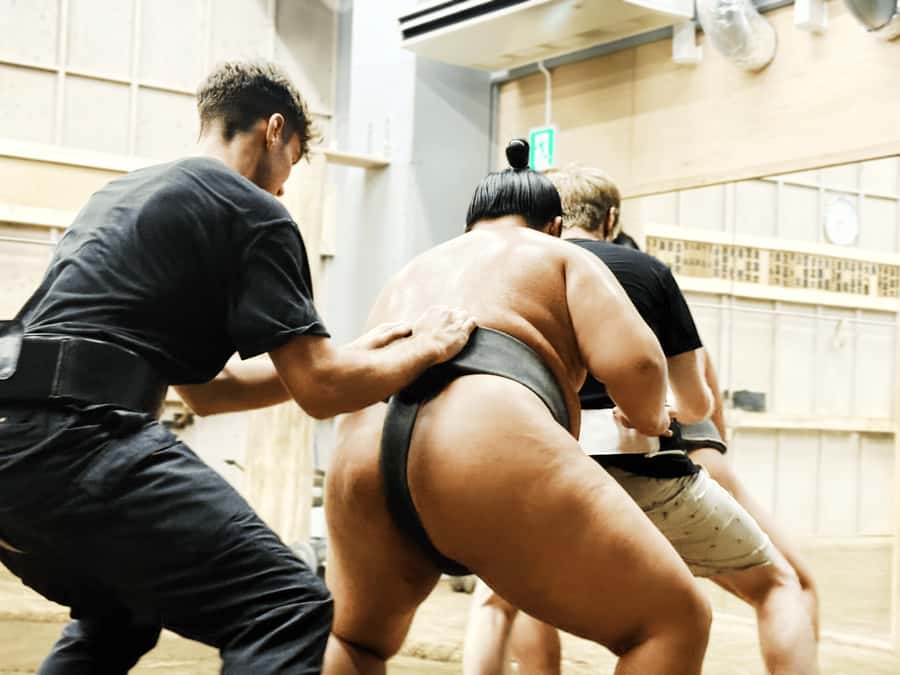
Photos are part of the experience, but they follow stable rules. Inside, you cannot use flash, and you cannot record video. That keeps things calm and respectful.
After the training, you get photo ops with the wrestlers. Depending on the tour timing and what is happening that day, group photos may happen outside the buildings or inside in front of the ring area. One review mentioned taking photos outside with multiple rikishi after an earlier tour, and also noted a later tour where photos could be taken inside with more of the wrestlers standing near the ring.
So plan to be flexible. The stable day drives the photo moment.
Also, because you are seated close to the stable area during training, you may already feel like you do not need to chase every camera angle. Let the moment play out, then use the photo time intentionally.
Price and Value: Is This Worth $121?
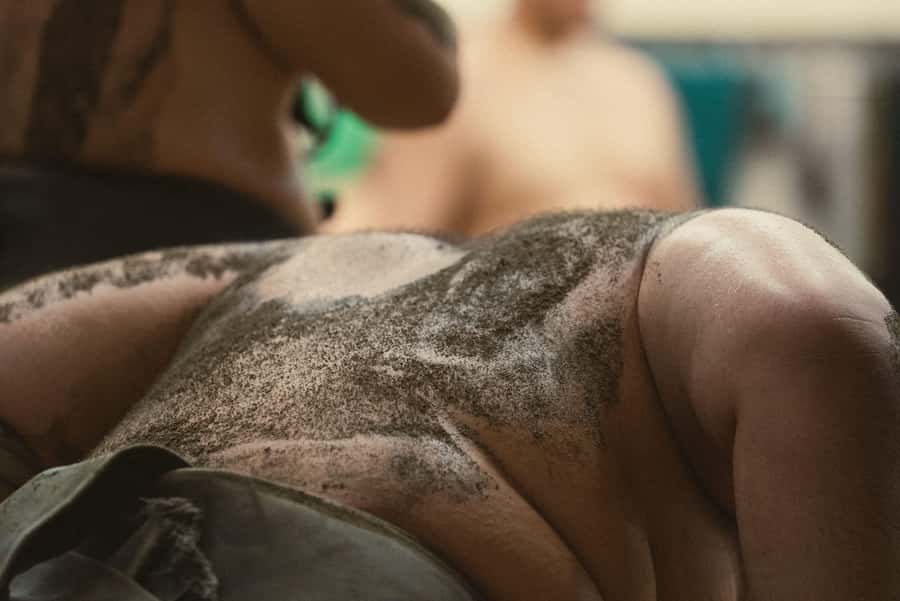
At $121 per person, you are paying for three things that are hard to replicate on your own:
- Access to a working stable where morning practice is happening.
- Guided, real-time interpretation through earbuds, so you understand rules, rituals, and what you see.
- Small-group viewing etiquette support, which matters for something that runs on silence and respect.
If you try to DIY this, you can probably find sumo information, but stable access is the hard part. Also, even if you are a fan, watching a practice without context leaves gaps. Earbud explanations help you connect the movements to the sport’s structure.
Is it cheap? No. But for sumo fans and culture-focused travelers, the value comes from getting a real morning routine at close range, not from a generic show.
One more value signal: the experience is limited even for Japanese visitors, and the setup is strict. That limitation usually means less commercial staging and more authentic training viewing.
Timing, Group Size, and the Reality of Floor Sitting
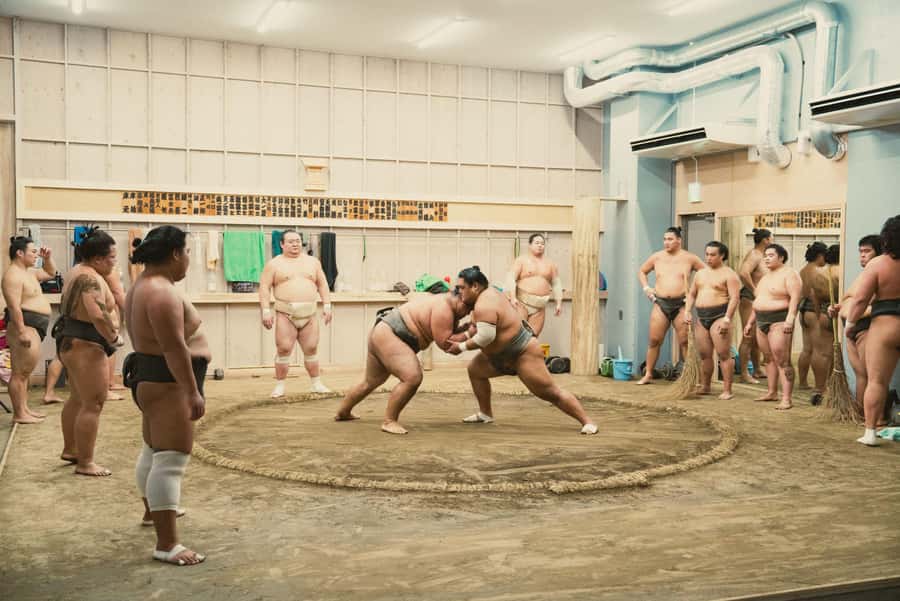
This tour happens in the morning, and the exact practice time can vary depending on the tour date. After reservation, you receive the specific meeting point and time.
A walk to the stable is typically short. One review mentioned about a seven-minute walk from the meeting location to the stable.
As for length, practice viewing is often described as around 75 to 80 minutes, and at least one person described the total experience as about 1 hour and 45 minutes inside the viewing portion. Another review described a roughly three-hour total experience, including additional time after the practice.
Group size seems small, often around 10 to 12 people. That matters because it keeps the stable environment calmer, and it helps your guide manage rules like silence and where to sit.
Who Should Book, and Who Should Skip This One
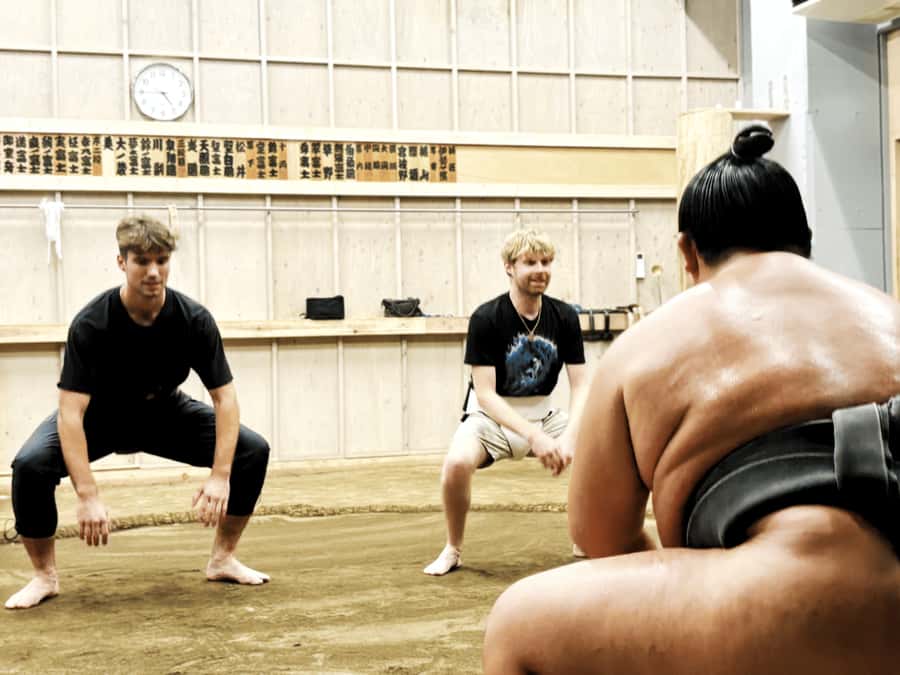
This experience is a strong match if:
- You are a sumo fan or just curious and want a serious look.
- You prefer structured explanations over wandering through a museum-like display.
- You can commit to quiet viewing and sitting on the floor.
It is not a good match if:
- You have mobility limits that make floor sitting tough. The tour is not suitable for wheelchair users.
- You have a cold, since the tour is listed as not suitable for people with a cold.
- You want casual interaction during the practice. The event requires silence, and you cannot leave mid-session.
There is also an edge-case etiquette note from one review. On one visit, a lower-ranked wrestler experienced a harsh moment that looked like punishment, and the group had to watch in silence. The guide seemed confused by it too. That does not mean it is the norm, but it is a reminder that you are observing a real stable environment, and real life can look intense.
Should You Book This Tokyo Sumo Stable Tour?
Book it if your goal is a real sumo stable morning, with education happening while you watch. For fans, it is one of the few ways to see training up close in Tokyo without turning it into a theme-park experience. The earbuds and live commentary make it easier to appreciate the sport’s rules and rituals while the action is happening.
Skip it if you hate strict rules, floor sitting, or silent events. This experience does not loosen up once training begins. It is respectful, disciplined, and very much centered on the athletes’ routine.
If you are on the fence, I’d weigh your comfort with these points: shoes off, zabuton floor sitting, phone on silent, and staying put during practice. If those are fine, you are likely to feel like you got a rare look at how sumo actually works day to day.
FAQ
Where do I meet for the tour?
You meet in front of the stable. Your guide holds a Japan Wonder Travel board to help you find the group.
How long is the morning practice portion?
The practice viewing is described as about 75 to 80 minutes, and about 1 hour and 45 minutes in another account. The overall experience can run a bit shorter or longer depending on what happens that morning.
Is the Yokozuna guaranteed to be there?
No. Even though the stable is where the Yokozuna trains, it is not known until the morning of the experience whether he will actually be present.
What are the main rules inside the stable?
You remove shoes, sit on zabuton pillows, and you must watch silently and respectfully. Cellphones must be on silent, and you should not stretch your legs toward the ring.
Can I take photos or record video?
Flash photography is not allowed, and video recording is not allowed. Photo ops with wrestlers are included as part of the experience, after the practice.
Are sunglasses, food, and other items allowed?
No sunglasses and no food are allowed. You should also avoid anything that conflicts with the stable’s restrictions around quiet and photography.
Is the tour accessible for wheelchair users or people with colds?
It is not suitable for wheelchair users. It is also listed as not suitable for people with a cold.
Newly listed around Tokyo
- Modern Vegan Night Foodie Tour in Tokyo★ 3.9 · 7 reviews
- Tokyo: Asakusa Night Waling & Food Tour★ 4.9 · 16 reviews
- Tokyo Vegan Food Tour★ 5.0 · 8 reviews
- Tokyo: Tsukiji Market Walking Tour & Sushi Cooking Class★ 4.6 · 122 reviews
- Tokyo: Tsukiji walk & sushi private tour with Uni Students★ 5.0 · 17 reviews
- Tokyo: Two Types of Japanese Sweets Making and Tea Ceremony★ 4.6 · 26 reviews
- Tokyo Tsukiji Food & Culture Private Tour Licensed Guide★ 4.9 · 28 reviews
- Tokyo: Tsukiji Fish Market Culture Tour with Sashimi Tasting★ 4.6 · 54 reviews
Sumo Stable Visits, compared.
Sumo Show Experience with Chicken Hot Pot and a Photo
Read our review →
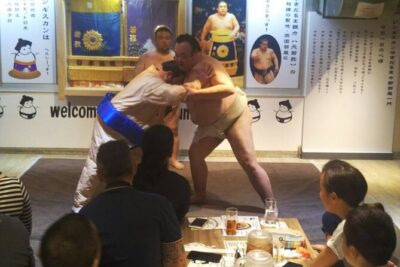

Tokyo Sumo Entertainment Show with Chicken Hot Pot and Photo
Read our review →
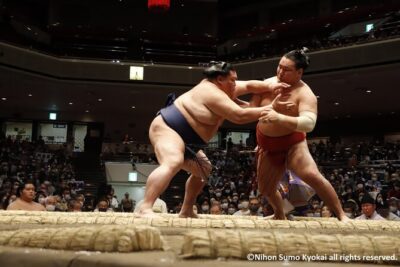
Tokyo Grand Sumo Tournament Viewing Tour with Tickets
Read our review →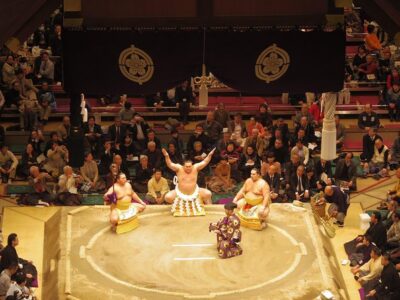

Sumo Show & Experience w/ Optional Kimono & Hot Pot
Read our review →Browse the lists this tour appears in