
Review · SUMO STABLE VISITS
Tokyo: Sumo Tournament with Guide & Assigned Reserved Seat
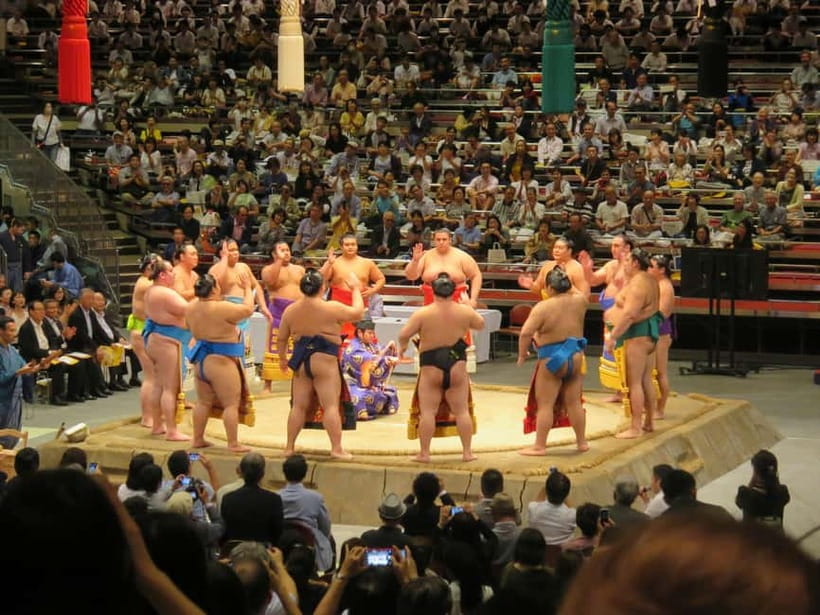
Sumo in Tokyo is fast, loud, and unforgettable. This experience centers on an official bout day at Ryogoku Kokugikan, paired with an English sumo guide who helps you understand what you are seeing, from rituals to rankings. I especially like that your ticket includes reserved seating in B or C class on the second floor, which makes it much easier to plan your afternoon instead of hunting for tickets.
One consideration: the experience is pricey, and it is basically paying a premium for the guide and guaranteed seats. That can feel steep when you compare it to what a base ticket for B or C class might cost on its own.
In This Review
- Key things to know before you go
- Why Ryogoku Kokugikan makes sumo feel bigger
- Your half-day rhythm: 30-minute orientation plus 4 hours of bouts
- Reserved seats in B or C class, second floor, and how to use them
- The guide’s job: rules, rituals, and ranking you can actually follow
- What you might see around the sumo district before you sit down
- Price and value: the markup is the real debate
- Practical tips for a smooth tournament afternoon (and what to expect inside)
- Who this tour suits best in Tokyo
- Should you book this Tokyo sumo tournament with guide?
- FAQ
- How long is the sumo tournament experience?
- Where does this experience take place?
- What seating do I get?
- Is food included?
- Do I get a guide, and what language do they speak?
- Are tickets included in the price?
- Is this experience refundable?
- Is the tour suitable for mobility impairments?
- What is the cancellation and availability guidance?
Key things to know before you go
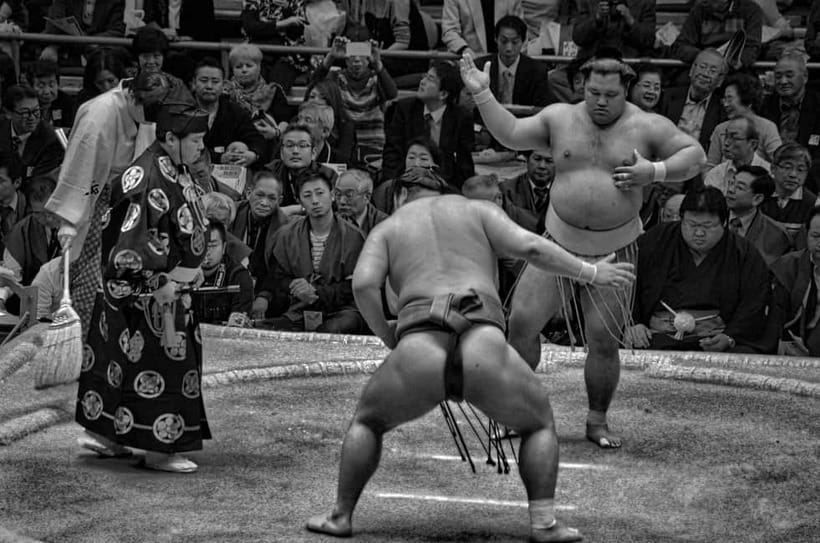
- English guidance with real context: Your guide explains the rules and why each ritual matters, so you are not stuck guessing.
- Official tournament day at Ryogoku Kokugikan: This is the famous sumo home base, built for exactly this kind of event.
- Assigned reserved seats (B or C class, second floor): You get a seat grade that is designed for viewing, not just a vague ticket.
- A 30-minute guided orientation before you settle in: It helps you get your bearings before the bouts start.
- About 4 hours inside the arena: Plenty of time to catch multiple bouts, not just a quick taste.
- Some groups may add nearby highlights: You might get extra stops around the sumo district, depending on the day and guide.
Why Ryogoku Kokugikan makes sumo feel bigger
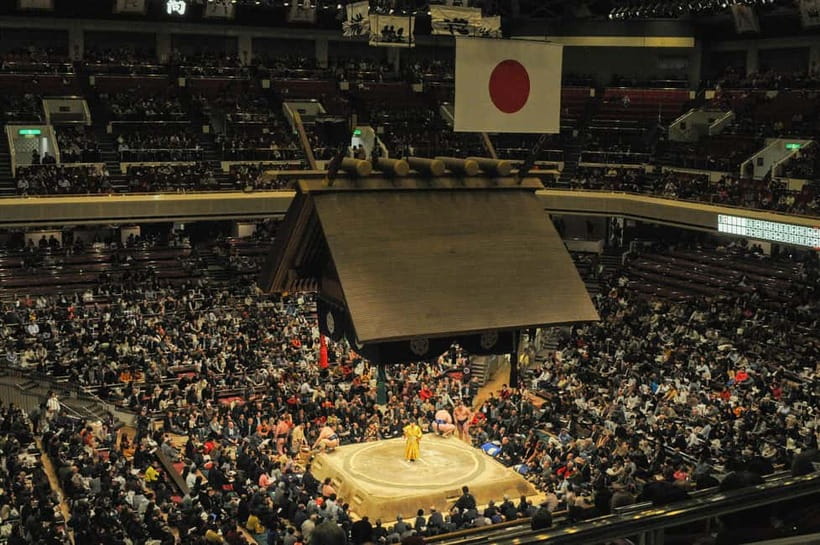
Ryogoku Kokugikan is the sort of place where the sport already has gravitas before anyone even steps onto the ring. Sumo does not rely on flash. It relies on ceremony, discipline, and big, clear rules that you can feel once you understand them.
What makes this tour format work is that you do not just show up and hope. The guide’s job is to translate the event into something you can follow, including the cultural significance and how the tournament structure works. That turns sumo from background noise into a real narrative.
Compare these Sumo Stable visits in Tokyo:
- Tokyo: Sumo Show Experience with Chicken Hot Pot and a Photo
★ 4.8 · 6,678 reviews - Tokyo: Sumo Show and Dining Experience
★ 4.8 · 2,742 reviews - the SUMO show
★ 5.0 · 1,960 reviews
Your half-day rhythm: 30-minute orientation plus 4 hours of bouts
The pacing is straightforward. You start with a guided briefing at Ryogoku Kokugikan for about 30 minutes, then you spend roughly 4 hours at the venue watching the tournament.
That timing matters. If you walk into the arena with zero context, sumo can feel random. With a short orientation first, you are more ready for the flow of bouts, the way matchups happen, and what changes as wrestlers rise and fall through the ranks.
It is also a good length for jet-lag days. You get a memorable Tokyo experience without needing a full day commitment.
Reserved seats in B or C class, second floor, and how to use them
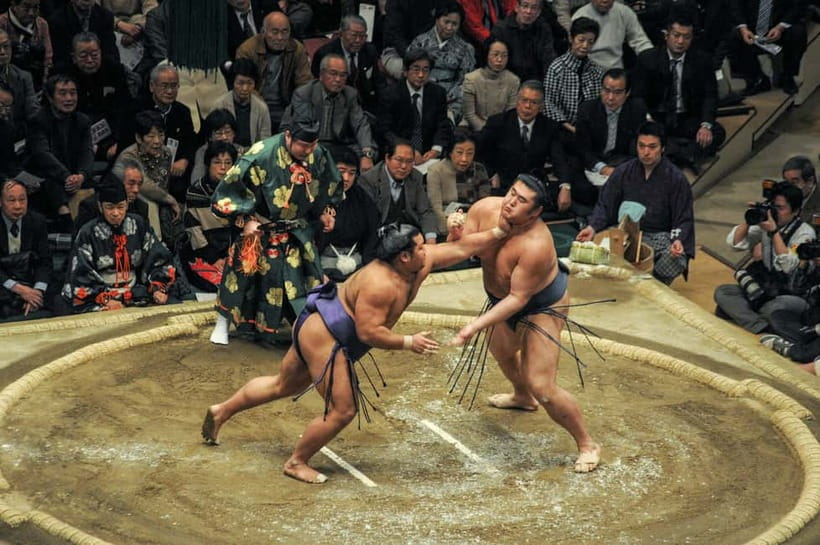
Your ticket comes with reserved seating in B or C class, located on the second floor. You may not choose the exact seat number, but you do get assigned seating, which is a big deal for sumo.
In practical terms, reserved seating helps you avoid two common headaches:
- the stress of securing tickets close to sold-out dates
- the confusion of where to sit once you reach the arena
Also, second-floor seating is often a sweet spot for keeping your eyes on the ring while still seeing the arena energy. Several experiences like this emphasize that the viewpoint is clear enough to actually catch the fights, and that is the point.
Photo-wise, the “storybook” setting is real. The arena has a strong visual vibe, and the tournament atmosphere gives you lots of natural moments to capture.
The guide’s job: rules, rituals, and ranking you can actually follow
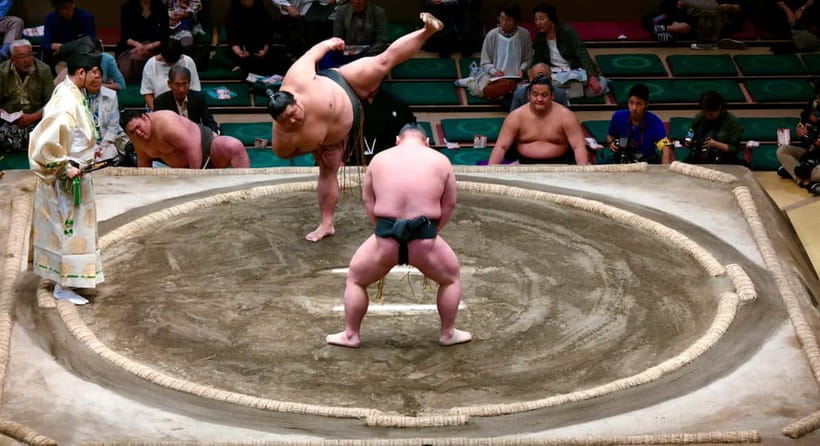
A great guide is what separates watching sumo as a show from watching it as a sport with rules.
Here is what your guide focuses on, based on the experience description:
- Explaining sumo traditions and what the rituals mean
- Breaking down the rules so the action makes sense
- Walking you through the ranking system and cultural significance
And the reviews consistently highlight the same thing: the best guides do not just lecture. They answer questions in plain English, including questions that pop up mid-bout as you notice details.
Names that have come up in real bookings include guides like Jorge, Mili/Mikki, and George, along with others such as Cesar, Lily, Erik, and Caesar. Different groups get different people, but the strong pattern is the same: guides make you feel prepared before the action and help you interpret what happens while you are watching.
If you like sports, this helps. If you do not care about sports, it still helps, because sumo is basically performance plus rules plus ritual. The guide gives you the keys to all three.
A few more Tokyo days to weigh up
- Mt Fuji and Hakone 1-Day Bus Tour Return by Bullet Train
★ 5.0 · 26,383 reviews - 1-Day Tokyo Bus Tour
★ 5.0 · 14,250 reviews - Tokyo: TOKYO SKYTREE® Admission ticket
★ 4.5 · 11,192 reviews - Tokyo: teamLab Planets TOKYO Digital Art Museum Entry Ticket
★ 4.6 · 9,779 reviews
What you might see around the sumo district before you sit down
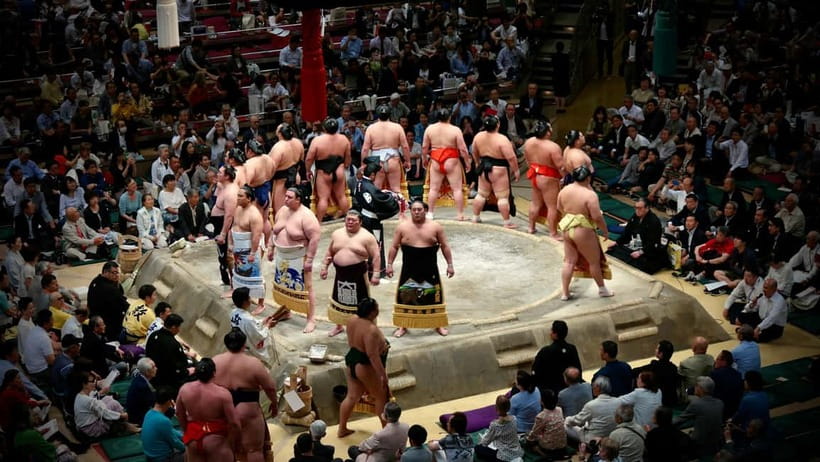
Meet-up details can vary by option. One listed starting point is the Matsuura-Bungo Mansion Site, but the key point is that you meet at the location specified for your booking, then head toward the Kokugikan area.
Some versions of the experience also include short add-ons around the sumo district. One booking notes extra time around Ekoin Temple and a nearby garden area, described as a bonus beyond the arena. Another mentions a cemetery-adjacent feel around the area.
Do not count on extras every time. But if they are available on your day, treat them as a palate cleanser between Tokyo sightseeing and a noisy, dramatic arena afternoon.
Price and value: the markup is the real debate
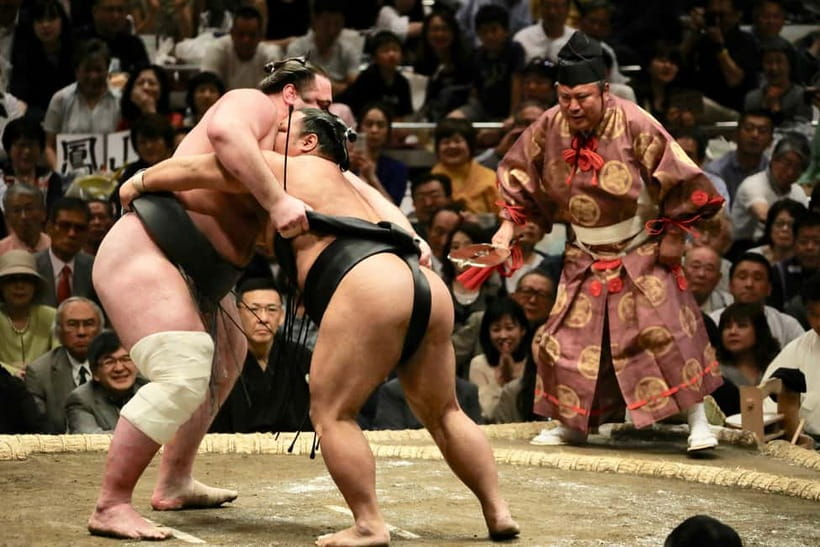
At $209 per person for a 4-5 hour experience, price is not a side note. It is the main question.
Here is how to think about value without getting angry at numbers. You are not just buying access to an official tournament. You are paying for:
- a sumo expert guide in English
- assigned reserved seating in B or C class
- a structured plan for when and where to be
Ticket scarcity is part of the equation. The reviews you shared include multiple comments that official routes can be hard, which is exactly why people pay for guaranteed seats and a timed experience.
Still, it is fair to question the economics. One booking points out that the base ticket for the seat class could be around ¥5,000 to ¥6,000, while the guided experience costs far more. So yes, you are effectively paying for interpretation and convenience, not just the paper ticket.
So who gets the most value from this?
- First-time sumo fans who want to understand the sport fast
- People who will otherwise struggle to find tickets or figure out what to do once inside
- Anyone who likes cultural detail, not only the match
If you already have a strong sumo background and you are comfortable buying tickets independently, the guide cost is harder to justify. If you are new to sumo, the guide can turn your day into something memorable instead of confusing.
Practical tips for a smooth tournament afternoon (and what to expect inside)
A few details matter for enjoying the event instead of just surviving it.
First, food and drinks are not allowed. That is a common arena rule, but it changes how you should plan. If you do eat, do it before you arrive, and keep it simple. Bring a small bottle of water only if the rules allow it for your exact venue entry, since the experience data says food and drinks are not allowed, not that liquids are banned.
Second, the experience is not suitable for people with mobility impairments. The arena layout and indoor movement can be challenging, so if mobility is a concern, you should seriously consider alternatives.
Third, you should expect a group setting. Some bookings note that the group size can make it harder to hear explanations at times. If you are sensitive to noise, arrive with the mindset that you will get the most out of the guide during the intro and question moments, not only through constant narration.
Finally, give yourself time to look. Sumo is not just the moment of impact. It is pre-bout ritual, wrestler behavior, and the rhythm of the ring. When your guide explains what is happening, you start noticing details you would otherwise miss.
Who this tour suits best in Tokyo
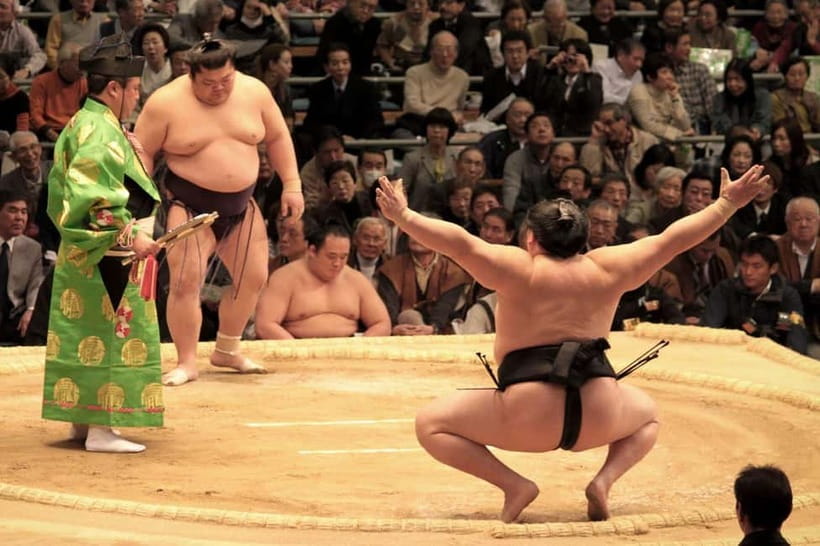
This is a strong match if you fall into one of these buckets:
- You want a cultural experience where the explanations actually help you understand the event
- You are attending Tokyo on a tight schedule and want a clean, timed plan
- You are new to sumo and would like the ranking system and traditions explained without homework
It is also good for people who enjoy asking questions. Multiple bookings praise guides for answering things on the spot, which is where you get the most value.
If you are the type who likes to wander and figure things out alone, this may feel structured and costly. But even then, sumo is one of those sports where a small amount of guidance can pay off fast.
Should you book this Tokyo sumo tournament with guide?
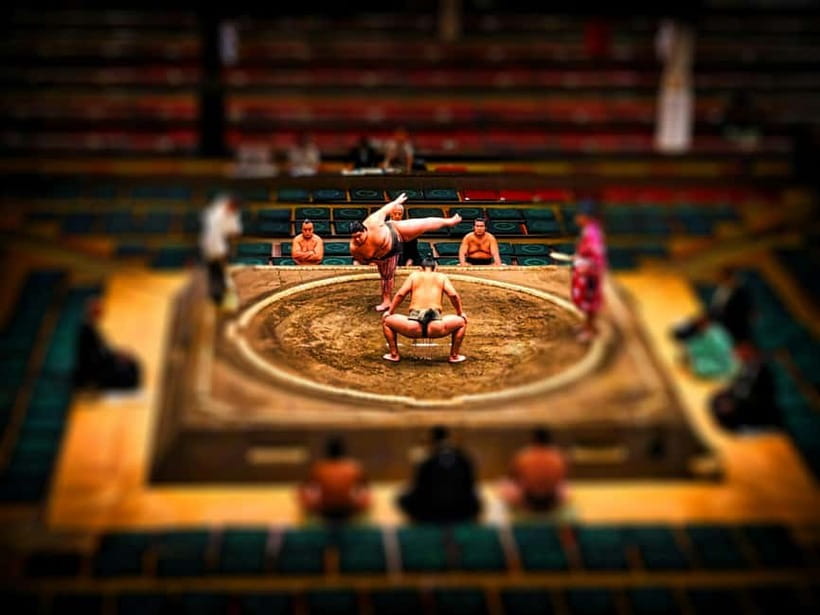
If you want the simplest path to an official sumo tournament day, with reserved seating and an English guide who explains the rules and rituals, I think this is a smart choice. The “guaranteed seats plus meaning” combo is exactly what makes this work for first-timers.
But if budget is your top priority, and you already know how sumo tournaments run and you are confident finding tickets on your own, you may decide the markup is not worth it. In that case, compare the cost of the base ticket against what you would pay for convenience and translation.
My practical advice: if this is your only realistic chance to catch sumo in Tokyo, and you care about understanding it, book it early and commit to the guide experience. The venue is built for drama, and the guide helps you catch every part of the story.
FAQ
How long is the sumo tournament experience?
The experience runs about 4 to 5 hours total, with a guided tour section of about 30 minutes and around 4 hours of tournament time at the venue.
Where does this experience take place?
It takes place at Ryogoku Kokugikan in Tokyo, Japan. One listed starting point option is the Matsuura-Bungo Mansion Site, and the meeting point can vary by the option you book.
What seating do I get?
You receive reserved seating in B or C class on the second floor, and your seat is assigned.
Is food included?
No. Food and drinks are not included, and food and drinks are not allowed during the experience.
Do I get a guide, and what language do they speak?
Yes. You get an expert guide, and the tour language is English.
Are tickets included in the price?
Yes. The package includes the sumo tournament ticket and the reserved seat, along with the guided interpretation.
Is this experience refundable?
No. The activity is listed as non-refundable.
Is the tour suitable for mobility impairments?
No. It is listed as not suitable for people with mobility impairments.
What is the cancellation and availability guidance?
Because it is non-refundable, you should confirm tournament dates and starting times for your selected slot before you book. The experience duration is listed as 4 to 5 hours depending on availability.
Newly listed around Tokyo
- Tokyo private transfer for Yokohama Port★ 4.5 · 63 reviews
- Luxury Kimono Photoshoot at Ginza Tokyo★ 5.0 · 7 reviews
- Tokyo Allstar Food Tour★ 4.5 · 206 reviews
- Private One Day Nikko Tour with Bilingual driver★ 3.5 · 11 reviews
- Tokyo Art Aquarium Museum E-Ticket with optional Tokyo Metro Pass★ 5.0 · 17 reviews
- Tokyo: Best Ginza Food Tour at 3 Local Eateries★ 5.0 · 83 reviews
- PRIVATE tour in 180SX to Daikoku+++++★ 5.0 · 6 reviews
- Kabuki Talk★ 5.0 · 10 reviews
Sumo Stable Visits, compared.
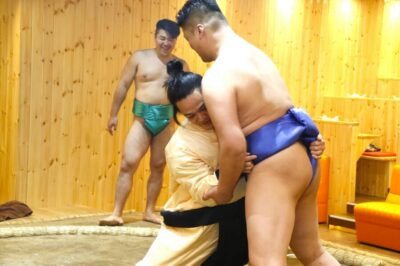
Sumo Show Experience with Chicken Hot Pot and a Photo
Read our review →
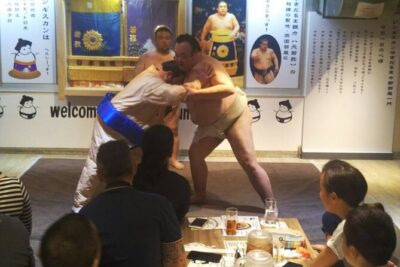
Tokyo Sumo Entertainment Show with Chicken Hot Pot and Photo
Read our review →
Tokyo Grand Sumo Tournament Viewing Tour with Tickets
Read our review →
Sumo Show & Experience w/ Optional Kimono & Hot Pot
Read our review →Browse the lists this tour appears in