
Review · SUSHI COOKING WORKSHOPS
Tokyo: Sushi Making Class
Sushi is easier than you think. In a 3-hour Tokyo class with English instruction, I like that you learn sushi-making fundamentals with a small group, so you actually get time to practice.
The hands-on focus is real, and you start with the building blocks, like sushi rice technique, miso soup basics, and the flavors behind Japanese seasonings.
One thing to consider is that the studio sits in a residential area, and finding the 2nd-floor entrance takes a bit of care with the directions.
What I also love is the variety: you make several styles, including nigiri and rolled sushi (hosomaki and California roll), plus tamagoyaki. You end up with a full meal you assembled yourself, with wasabi and pickled ginger on the side.
If you’re hoping for instruction on cutting raw fish, this isn’t that kind of class, since the fish is pre-sliced and the lesson does not include cutting.
In This Review
- Key Highlights Worth Planning For
- A 3-Hour Tokyo Reset in a Real Residential Kitchen
- What You’ll Make: Nigiri, Inari, Hosomaki, California Roll, and Tamagoyaki
- The Core Lesson: How Sushi Rice Should Taste and Feel
- Ingredient Prep That Actually Helps You Roll with Confidence
- Miso Soup, Wasabi, and Pickled Ginger: The Finishing Touches
- Meeting Point Reality Check: Finding Cooking Sun Tokyo in Shinjuku
- Price and Value: Is $67 a Good Deal for a Tokyo Class?
- Dietary Needs: How This Class Handles Allergies and Restrictions
- Who This Sushi Making Class Fits Best
- The Instructors: English-Friendly Help You Can Actually Use
- Should You Book This Tokyo Sushi Making Class?
- FAQ
- Is the sushi making class beginner-friendly and taught in English?
- How long is the Tokyo sushi making class?
- How many people are in a small group?
- What sushi styles and dishes will you learn to make?
- Does the class include instructions on cutting raw fish?
- What is included in the price?
- Is hotel pickup or transportation included?
- Where is the meeting point and how do you enter the studio?
Key Highlights Worth Planning For
- Small group setup (up to 9) helps you get guidance while you practice.
- Sushi rice technique is a core lesson, not an afterthought.
- You make multiple styles, including nigiri, inari, hosomaki, and California roll.
- Tamagoyaki (Japanese rolled egg) gives you another hands-on skill right away.
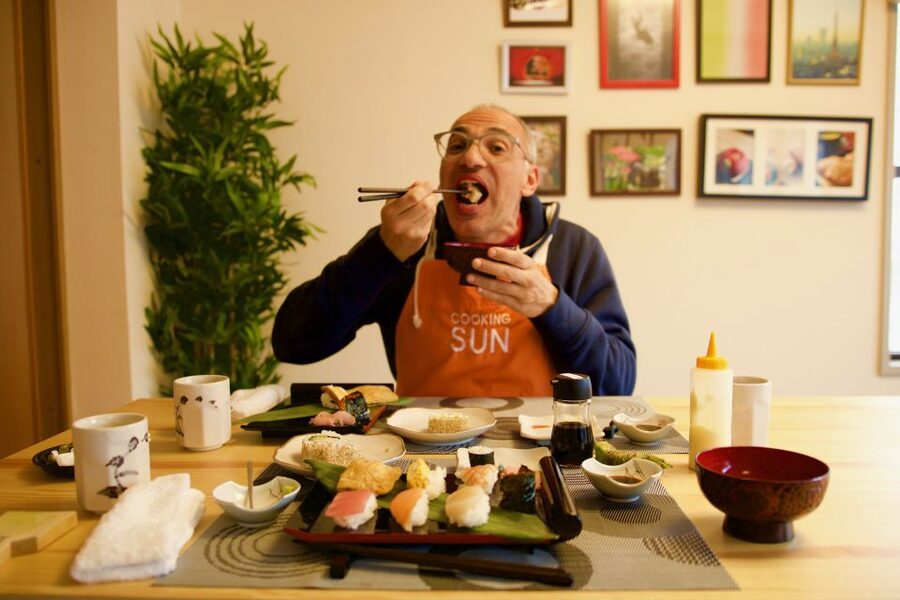
- You eat what you make, with miso soup included and wasabi plus pickled ginger served on the side.
- Fish is pre-sliced, so the class stays focused on shaping and rolling skills.
A 3-Hour Tokyo Reset in a Real Residential Kitchen
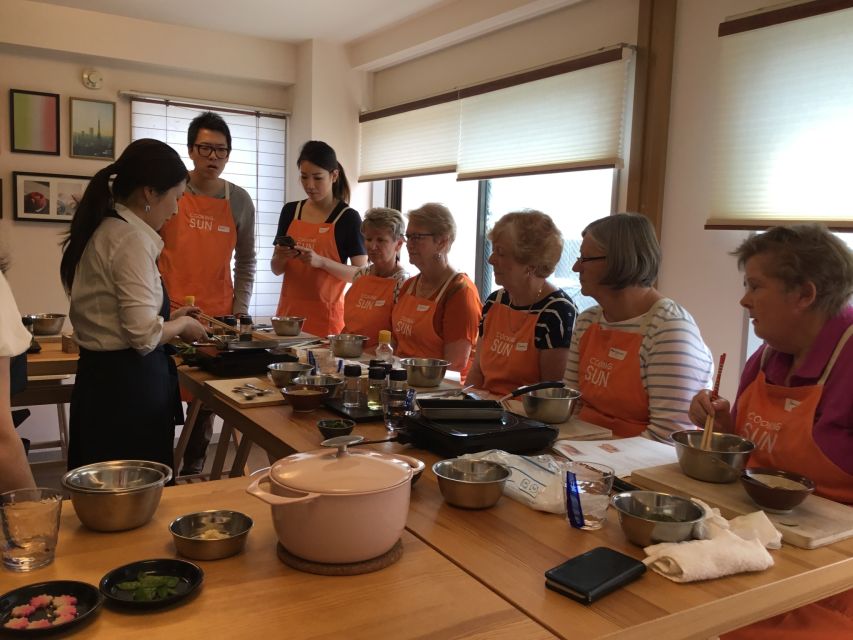
This isn’t a showy cooking demo. It’s a practical afternoon in a working-style kitchen, run by English-friendly local instructors, with a small group size capped at 9 participants. That matters because sushi technique is picky, and you learn faster when someone can correct your hand position or rice pressure.
The atmosphere is friendly and informal, and the class flow keeps moving without feeling rushed. You’ll go from ingredients and basics, to prep work, to hands-on assembly, and then you sit down to enjoy your plate at the end.
More Sushi Workshops in Tokyo
- Sushi Making Tokyo Roll and Authentic Japanese Sushi Class
★ 5.0 · 3,971 reviews - Tokyo: Roll and Authentic Sushi Making Class in Asakusa
★ 4.9 · 1,957 reviews - Tokyo: Sushi Making Class in a Happi Coat near a Famous Spot
★ 4.9 · 1,377 reviews
What You’ll Make: Nigiri, Inari, Hosomaki, California Roll, and Tamagoyaki
The menu is designed so you learn both shape and method, not just one sushi type. You’ll practice:
- Nigiri (hand-pressed sushi)
- Inari (sweet tofu pouch sushi)
- Thin roll, hosomaki
- California roll
- Tamagoyaki (Japanese rolled egg)
Nigiri is a great first challenge because it forces you to balance texture and pressure. Inari teaches you how sweet elements and tofu pair with sushi rice, which helps explain why Japanese flavor building is more than just soy sauce.
Hosomaki and California roll teach rolling mechanics, and this is where the class helps you learn the idea behind the roll, not just copy a single pattern. You’re making sushi you can remember later, which is the whole point of a cooking class.
And tamagoyaki adds variety to the cooking skills you practice. Even if you never make it again, you’ll understand how Japanese kitchens think about seasoning and texture in a different format.
The Core Lesson: How Sushi Rice Should Taste and Feel
Sushi rice is the foundation. If the rice is off, everything tastes off, even when the filling is perfect. In this class, you learn techniques for making tasty sushi rice, and you get instruction on the right approach rather than guesswork.
You also get cultural and flavor context around Japanese ingredients, including dashi (soup stock) and traditional seasonings. That matters because sushi is usually treated as a standalone dish, but in Japanese cooking the flavors connect across dishes.
You’ll also learn to build supporting elements like miso soup, which rounds out the meal and shows how sushi fits into a bigger Japanese table. It’s not just cooking, it’s how the tastes work together.
Ingredient Prep That Actually Helps You Roll with Confidence
This class doesn’t start with rolling immediately. You do prep first, so you’re not fighting the rice and the fillings at the same time.
You’ll prepare sushi rice and toppings, including items like shrimp, then move into rolling and assembling. The pacing is structured: demonstrations first, then your turn. That demo-to-practice rhythm is one of the reasons people leave feeling confident enough to try again at home.
There’s also a key clarification up front: the class uses pre-sliced fish, and it does not include instruction on how to cut raw fish. If your goal is learning knife skills for fish, you’ll need another kind of class for that.
A different sort of day in Japan:
- Mt Fuji and Hakone 1-Day Bus Tour Return by Bullet Train
★ 5.0 · 26,383 reviews - 1-Day Tokyo Bus Tour
★ 5.0 · 14,250 reviews - Tokyo: TOKYO SKYTREE® Admission ticket
★ 4.5 · 11,192 reviews - Tokyo: teamLab Planets TOKYO Digital Art Museum Entry Ticket
★ 4.6 · 9,779 reviews
Miso Soup, Wasabi, and Pickled Ginger: The Finishing Touches
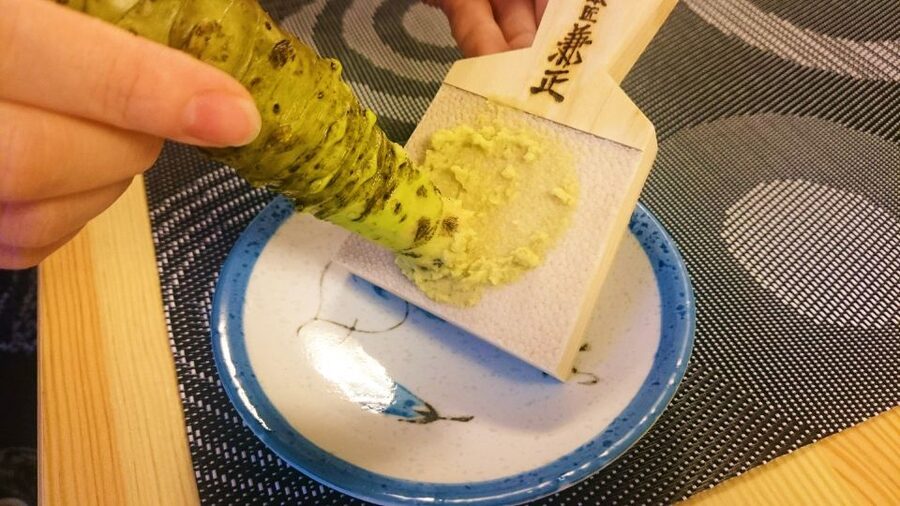
After you’ve made your sushi, you eat. Your handmade plate comes with miso soup, and fresh wasabi and pickled ginger are served on the side.
That pairing is more practical than it sounds. Pickled ginger helps reset your palate between different styles, and miso soup brings warmth and depth that keeps the meal from feeling one-note. It’s also a good reminder that sushi is often part of a fuller meal, not a lone snack.
If you’re someone who worries that cooking classes are mostly learning with tiny portions, this one is designed so you end up with a real meal.
Meeting Point Reality Check: Finding Cooking Sun Tokyo in Shinjuku
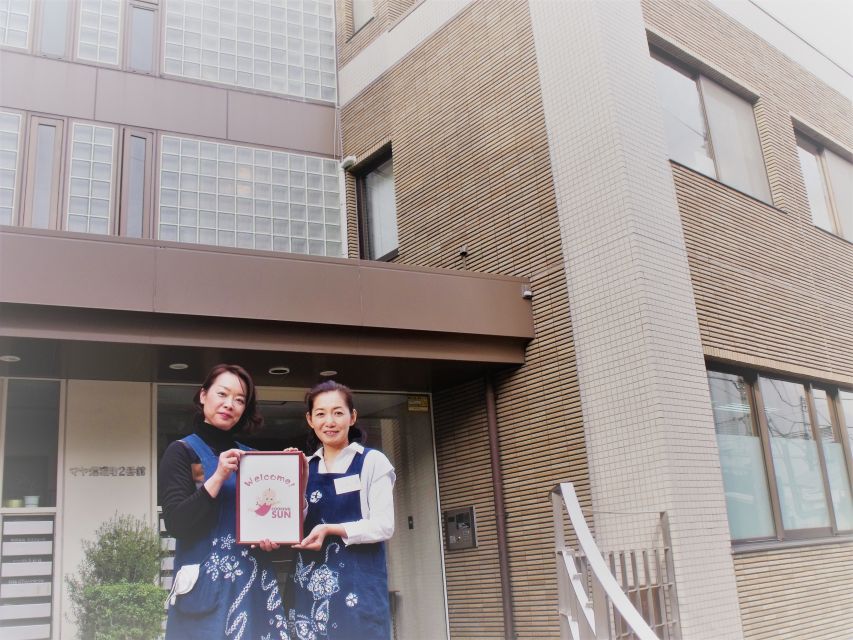
The biggest practical issue here is location. The studio sits in a residential area, and it can feel a little tricky to spot at first. The studio is on the 2nd floor of a beige residential building, and you use the right-side door to enter the studio.
To call in, you press 314 on the intercom. If you have Wi-Fi, you can use Google Maps and search for Cooking Sun Tokyo, at Shinanomachi 18-39, Shinjuku-ku, Tokyo.
If you don’t have Wi-Fi, plan ahead. Checking the detailed directions on the website before you leave is smart, because apartment buildings all start to look the same once you’re walking around in a new neighborhood.
And if you’re arriving by private vehicle, do not stop or wait in front of the building. If your driver needs to wait, use a nearby coin-operated parking lot instead. It’s a small courtesy that keeps the neighborhood calm.
Price and Value: Is $67 a Good Deal for a Tokyo Class?
At $67 per person for a 3-hour class, this sits in the midrange compared to typical cooking experiences. What pushes the value up is what’s included: all ingredients and utensils, plus towel and apron rental and recipe cards you can take home.
Also, you don’t just watch. You cook, shape, roll, and then eat the results. A class that costs the same but gives you fewer chances to practice usually feels less worth it later, because you can’t repeat it without help. Here, the structure is built around hands-on skill.
The small group size also matters for value. With a cap of 9, instruction can stay more personal, and you get corrections when you need them. That reduces the frustration tax, especially if you’re new to sushi.
Dietary Needs: How This Class Handles Allergies and Restrictions
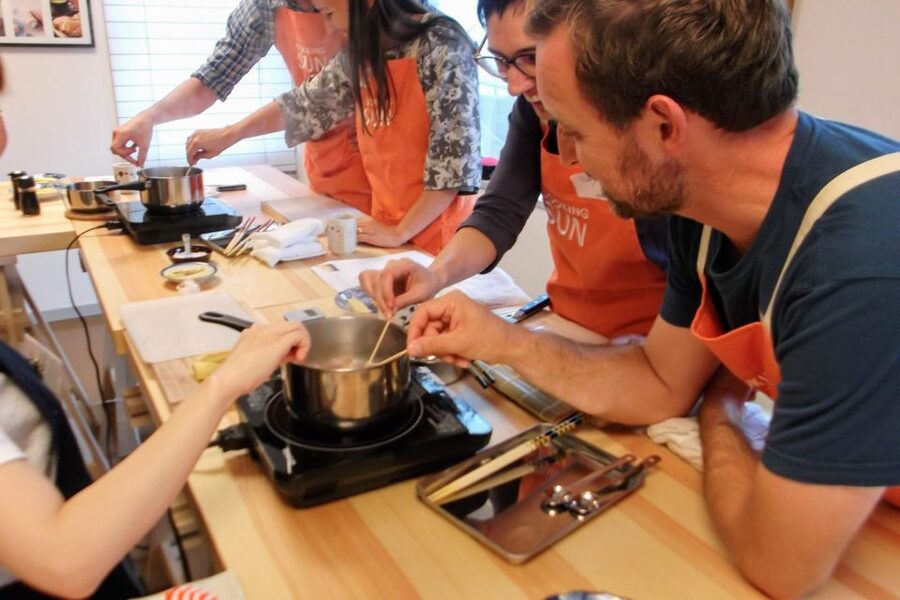
If you have dietary requirements, this is a strong option. The class states they can substitute ingredients as needed for allergies, gluten-free diets, religious restrictions, vegetarian preferences, and more. You just need to inform them during booking.
Food allergy handling is one of those things you want to trust, not hope for. The class is set up to support substitutions, and people report feeling well cared for with clear explanation of gluten-free substitutions.
One practical tip: list your restrictions clearly when you book. If you know you react to something specific, don’t just say sensitive. Tell them what you avoid, so substitutions can be accurate.
Who This Sushi Making Class Fits Best
This class works best for people who want real technique and a fun afternoon, not just a meal.
- Beginners: There’s no prior experience needed, and the class uses step-by-step guidance and support while you make sushi.
- Foodies who want context: You learn about ingredients like dashi and seasonings, and you connect sushi to miso soup and Japanese flavor logic.
- Families: The class is interactive, and the small group helps instructors stay patient while people learn at their own speed.
- People with limited time: Three hours is a manageable block, and you leave with a full plate of food you made yourself.
If you’re traveling mainly for seafood and you specifically want knife skills or cutting raw fish, this may not match your goal because fish prep is pre-handled and raw fish cutting isn’t taught.
The Instructors: English-Friendly Help You Can Actually Use
You’ll learn from English-speaking local instructors, and the style is patient, organized, and practical. In past sessions, instructors have included people like Mika, Yuko, Miki, Yuki, and Aya, along with Koyotama. The names can vary by day, but the teaching approach stays consistent.
Instructors focus on ratios, texture, and process. That means you don’t just roll something once. You learn what makes it work, so you can improve when you repeat at home.
Should You Book This Tokyo Sushi Making Class?
Yes, you should book it if you want a hands-on Tokyo food experience that’s beginner-friendly, small group, and focused on real technique. The big wins are sushi rice method, shaping and rolling practice across multiple styles, and a meal that feels like a finish, not an afterthought.
Skip it only if your priority is learning how to cut raw fish or if the idea of navigating a residential building feels like a hassle. For most people visiting Tokyo, this is a great way to spend an afternoon with locals, learn skills you can reuse, and eat well without needing a reservation at a restaurant. Also, if your schedule is tight, you can cancel up to 24 hours in advance for a full refund, and you can reserve now and pay later to keep flexibility.
FAQ
Is the sushi making class beginner-friendly and taught in English?
Yes. You do not need prior experience, and instruction is provided in English.
How long is the Tokyo sushi making class?
The class lasts 3 hours.
How many people are in a small group?
The class is limited to a small group size, with a maximum of 9 participants.
What sushi styles and dishes will you learn to make?
You will make nigiri (hand-pressed sushi), inari (sweet tofu pouch sushi), thin roll (hosomaki), California roll, and Japanese rolled egg (tamagoyaki). You also make miso soup and prepare sushi rice and toppings.
Does the class include instructions on cutting raw fish?
No. The class uses pre-sliced fish, and it does not include instruction on how to cut raw fish.
What is included in the price?
Recipes, all ingredients and utensils, plus towel and apron rental are included.
Is hotel pickup or transportation included?
No. Hotel pickup and transportation are not included.
Where is the meeting point and how do you enter the studio?
The studio is on the 2nd floor of a beige residential building. Use the right-side door at the entrance, and press 314 on the intercom. You can also find it on Google Maps by searching for Cooking Sun Tokyo (Shinanomachi 18-39, Shinjuku-ku, Tokyo).
Newly listed around Tokyo
- Tokyo private transfer for Yokohama Port★ 4.5 · 63 reviews
- Luxury Kimono Photoshoot at Ginza Tokyo★ 5.0 · 7 reviews
- Tokyo Allstar Food Tour★ 4.5 · 206 reviews
- Tokyo Art Aquarium Museum E-Ticket with optional Tokyo Metro Pass★ 5.0 · 17 reviews
- Tokyo: Best Ginza Food Tour at 3 Local Eateries★ 5.0 · 83 reviews
- Private One Day Nikko Tour with Bilingual driver★ 3.5 · 11 reviews
- PRIVATE tour in 180SX to Daikoku+++++★ 5.0 · 6 reviews
- Kabuki Talk★ 5.0 · 10 reviews
Sushi Cooking Workshops, compared.
Sushi Making Tokyo Roll and Authentic Japanese Sushi Class
Read our review →
Roll and Authentic Sushi Making Class in Asakusa
Read our review →
Sushi Making Class in a Happi Coat near a Famous Spot
Read our review →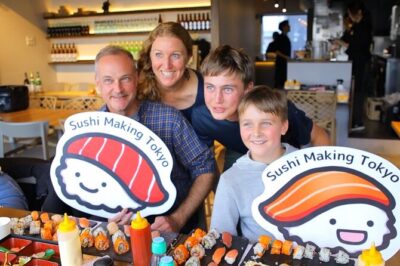
Sushi Making Tokyo! Popular Maki Sushi & Japanese Sushi(+Recipe!)
Read our review →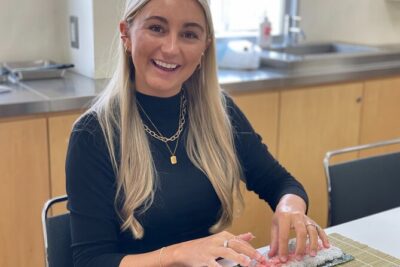
Tokyo Sushi Making Class in Tsukiji with Professional Chef
Read our review →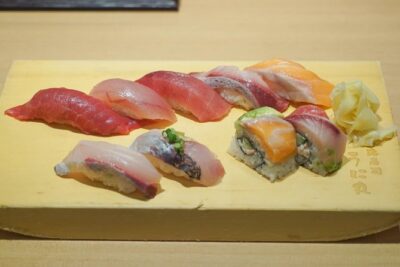
Tokyo Night Foodie Tour in Shinjuku – Seasonal Sushi, Wagyu Beef
Read our review →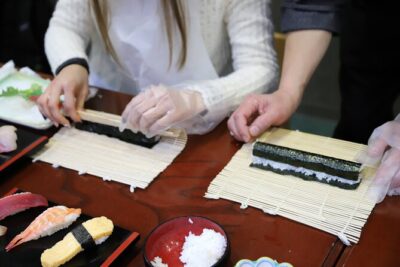
Tsukiji Fish Market Guided Tour and Sushi Making with Pro Chef
Read our review →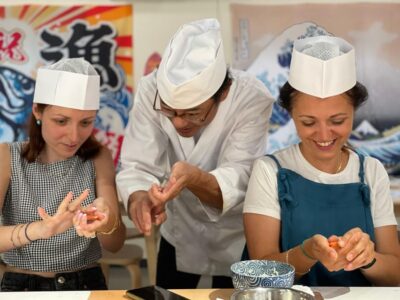
Tsukiji Fish Market Sushi Making Class with Pro Chef
Read our review →Browse the lists this tour appears in