
Review · SUMO STABLE VISITS
Tokyo: Visit Sumo Morning Practice with English Guide
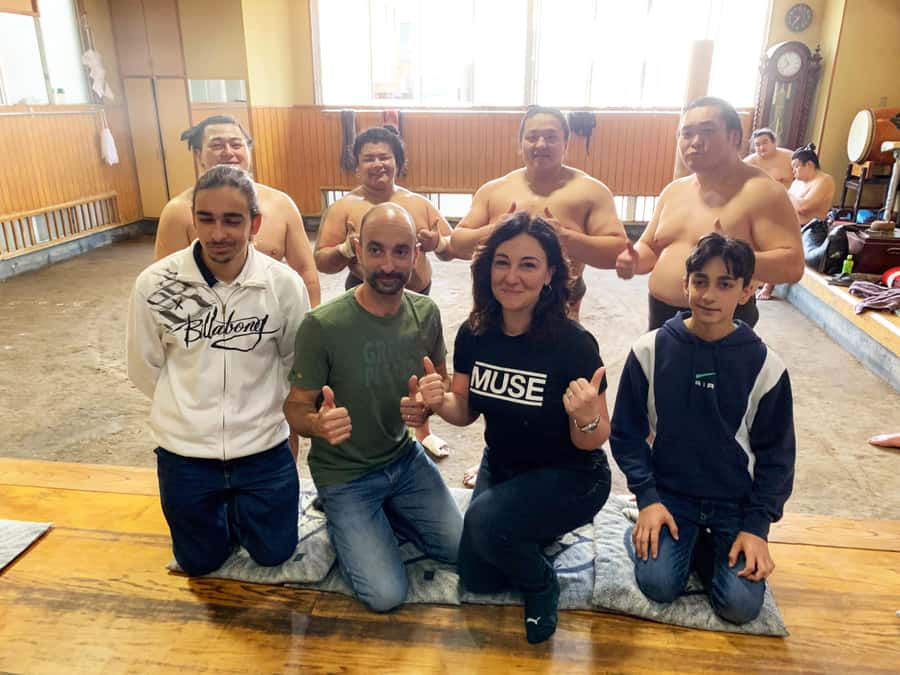
Tokyo sumo starts before breakfast. This morning practice at Takasago-beya lets you watch pro wrestlers work at their most serious, with a guide to help you spot what matters. You also get a commemorative photo with the wrestlers afterward, so it is not just a peek through a fence.
I like two things a lot here: first, the access. You are sitting close enough to feel the intensity of the routine, not watching from far away like a staged performance. Second, the people. The English-speaking guides are repeatedly praised for being warm, organized, and ready to help, including guide names like Keiko-san, Naomi, and Ma-yo showing up in participant comments.
One drawback to think about in advance: you are on the floor for a long stretch. Even with cushions or tiny stools, it can be uncomfortable for some people, especially if you do not do well sitting still.
In This Review
- Key highlights you should care about
- Why Takasago-beya morning practice feels real (and not touristy)
- Takasago-beya’s prestige: six yokozuna and eight ozeki
- Getting there: Ryogoku Station timing and the first 10 minutes
- Inside the training: what you will actually see
- The photo with rikishi: how it works and what to prepare
- Seating, heat, and quiet etiquette: the real comfort check
- Price and value: is $96 reasonable for 2 hours?
- Who should book, and who might skip this version
- Practical plan for your Tokyo day
- Should you book the Takasago sumo morning practice tour?
- FAQ
- What is the duration of the Tokyo Sumo Morning Practice tour?
- Where do I meet the tour guide?
- What time does the tour start?
- How long do I observe the sumo training?
- Is the tour in English?
- Is there a rule about cellphones?
- Can I take photos during the practice?
- Do I get a photo with the sumo wrestlers?
- Is the photo included in the tour price?
- Can children join?
- Is there free cancellation?
Key highlights you should care about
- Takasago-beya morning practice, one of sumo’s most respected stables
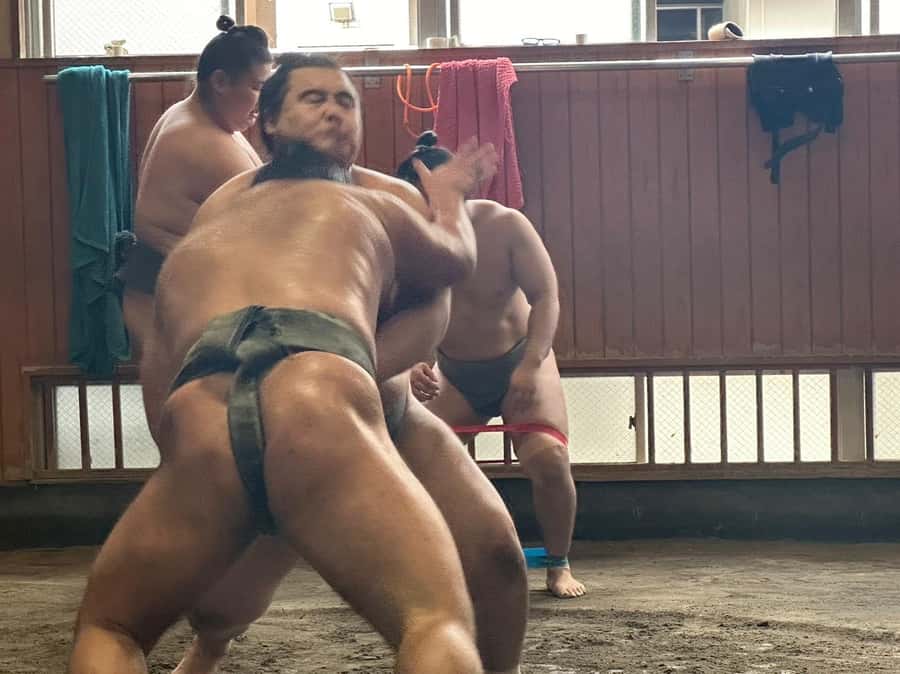
- Close-up viewing of daily training with an English guide
- Commemorative photo with rikishi at the end
- Clear on-site rules like no cellphones during practice and quiet etiquette
- Expect about 90 to 120 minutes of watching time, depending on training that morning
- A real sumo-stable feel, not a show performance
Why Takasago-beya morning practice feels real (and not touristy)
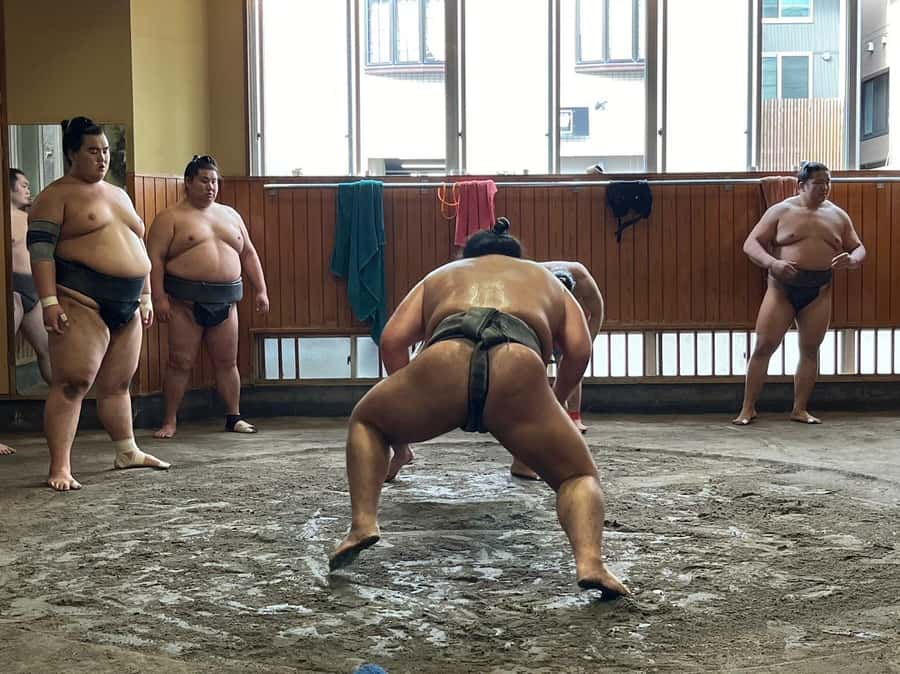
If you have ever wondered what makes sumo more than big matches, this is the answer. You are seeing wrestlers in their element, running the kinds of drills that build rhythm, balance, strength, and timing. The tone is not showtime. It is work.
The stable also has a different vibe because the culture asks for restraint. You are expected to observe quietly, and the activity has a real backstage feeling because you are there for training, not spectacle. That quiet rule matters. It keeps the focus on the wrestlers and helps you see the details that make sumo interesting, like how much time goes into repetition and form.
One practical note: cellphones are not allowed. The tour information is clear on that, and some guidance also suggests photography is fine as long as it does not interfere with practice. So plan to bring a camera if you want photos, and leave your phone in your bag during the training portion.
Compare these Sumo Stable visits in Tokyo:
- Tokyo: Sumo Show Experience with Chicken Hot Pot and a Photo
★ 4.8 · 6,678 reviews - Tokyo: Sumo Show and Dining Experience
★ 4.8 · 2,742 reviews - the SUMO show
★ 5.0 · 1,960 reviews
Takasago-beya’s prestige: six yokozuna and eight ozeki
Takasago-beya is not just any stable. It is one of the famous names in sumo history, known for producing six yokozuna (the highest rank) and eight ozeki (the second-highest rank). That matters for your experience because it gives context for what you are watching today.
In plain terms, you are not only seeing athletes. You are seeing a system with deep tradition, strict routines, and coaching that aims to turn discipline into rank. When you watch the training up close, it becomes easier to understand why sumo has such a serious structure around days, chores, practice, and technique.
Getting there: Ryogoku Station timing and the first 10 minutes
The meeting point is 07:45 at Ryogoku Station, specifically the subway Oedo line, at the A-3 Exit of the elevators. From there, you walk about 10 minutes to the Takasago stable with your guide.
This early start is part of the charm. Tokyo feels different in the morning, and you arrive before the day gets loud. It also gives you time to settle in before training begins.
Once you reach the stable, the schedule runs like this: around 08:00, after a short explanation by your guide, you watch the morning training. The observation time is listed as 90 to 120 minutes, and it can run a bit longer or shorter depending on what happens that morning.
Inside the training: what you will actually see
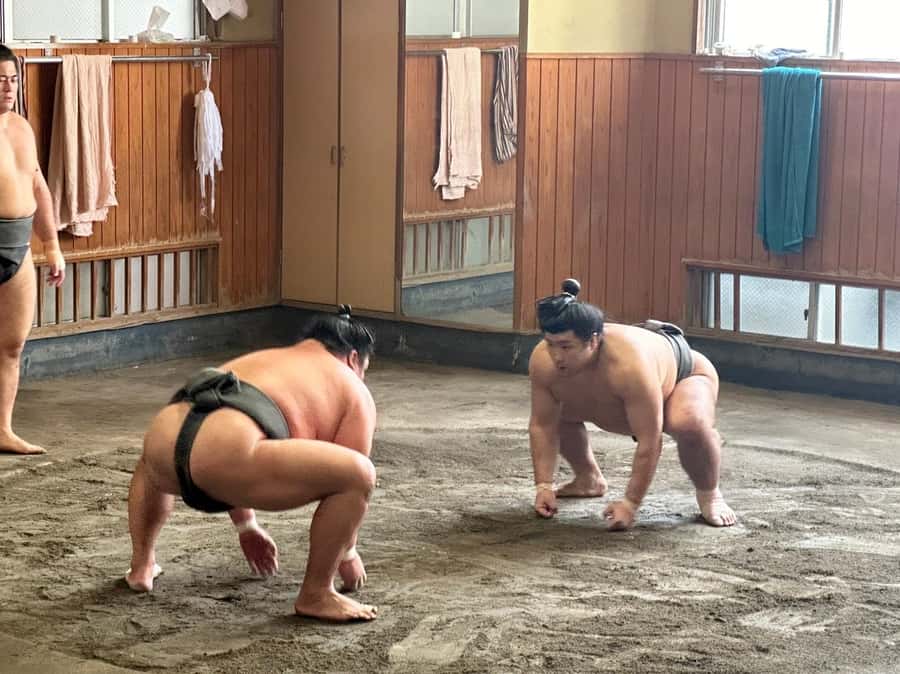
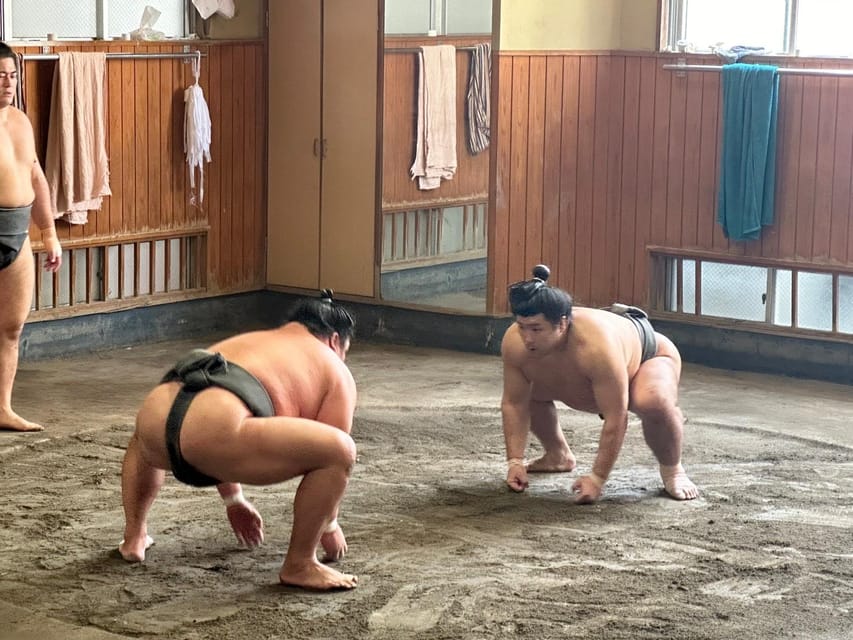
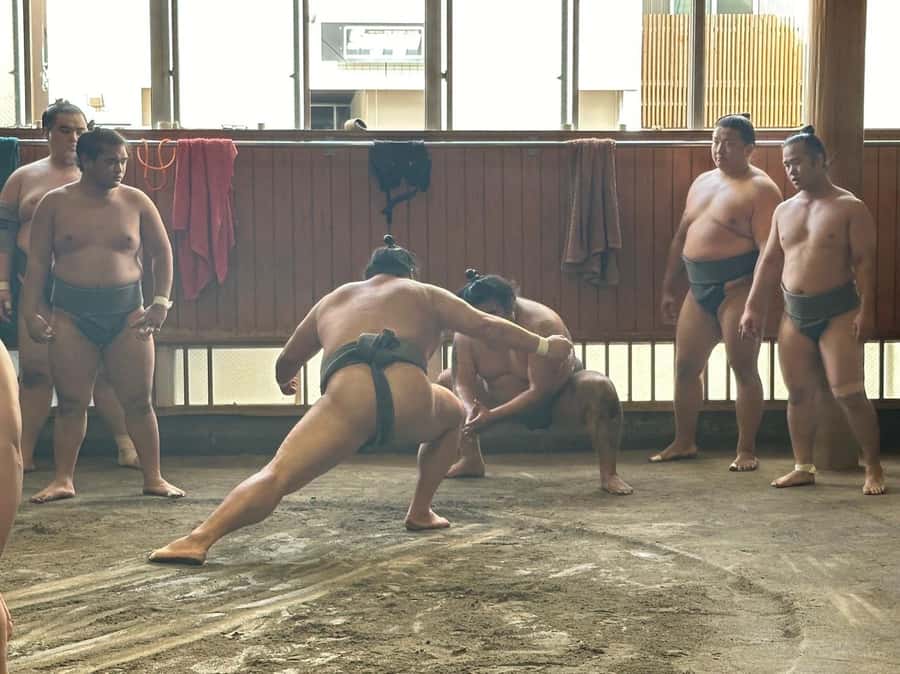
This is a training visit, so the main event is the practice itself. You will be watching sumo wrestlers hone their skills up close, with your guide helping you understand what is going on.
Here is what makes the viewing valuable:
- You see the work behind the sport. Matches are dramatic, but training is where technique becomes muscle memory.
- You get to notice discipline. Even if you do not know sumo terminology, you can still read the focus. Wrestlers repeat movements with intent and keep structure during the session.
- You learn by watching transitions. In sumo practice, it is not only about impact. It is also about footwork, distance, grip moments, and how wrestlers reset.
If you love getting context, this tour also gives you a guide-led explanation before the observation starts. Some people note that there is also a helpful written handout, which can be great if spoken explanations move fast in a small space.
One expectation adjustment: you are not attending a tournament. This is morning training at the stable, and that means the “action” you see is the process, not the match drama.
A few more Tokyo days to weigh up
- Mt Fuji and Hakone 1-Day Bus Tour Return by Bullet Train
★ 5.0 · 26,383 reviews - 1-Day Tokyo Bus Tour
★ 5.0 · 14,250 reviews - Tokyo: TOKYO SKYTREE® Admission ticket
★ 4.5 · 11,192 reviews - Tokyo: teamLab Planets TOKYO Digital Art Museum Entry Ticket
★ 4.6 · 9,779 reviews
The photo with rikishi: how it works and what to prepare
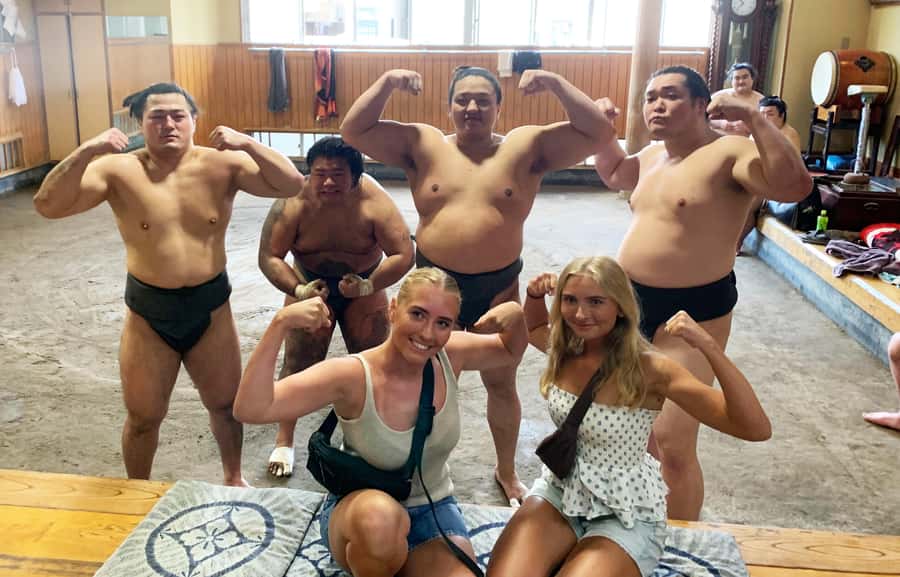
After the training, you get a commemorative photo with the sumo wrestlers. This is one of the best parts for most people because it changes the whole feeling from watching to meeting.
A key practical point shows up in real-world feedback: bring cash around 1,000 yen, since one requested tip for the photos is mentioned by participants. The ticket price covers the tour, guide, and visit, but the photo add-on can still involve an on-the-spot payment. Having cash ready helps you avoid awkward last-minute scrambling.
Also remember the cellphone rule during practice. If you want photos inside the training area, plan to use whatever the tour permits (the information says photos are allowed as long as they do not get in the way). For the commemorative photo, follow your guide’s lead on what to bring and how to behave.
Seating, heat, and quiet etiquette: the real comfort check
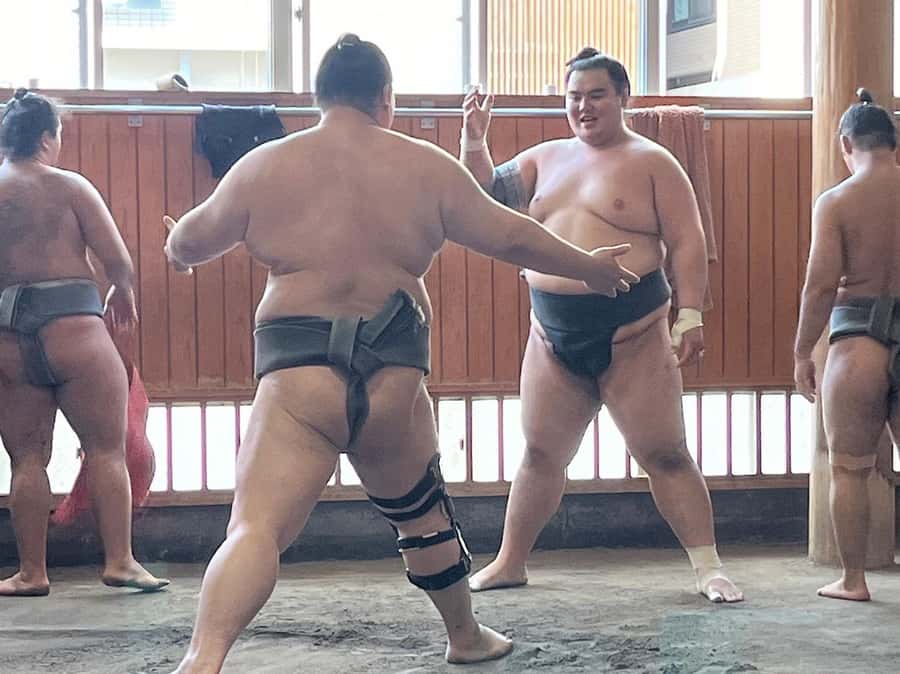
The stable setting is intimate, and that comes with a trade-off. You sit on floor cushions or small seating options for the viewing time. Some participants describe sitting for two hours as challenging, but they also say it is worth it.
Here is how I would plan around it:
- Bring a plan for your legs. If you have knee or back issues, expect some discomfort unless you can use the small seat option that guides sometimes provide.
- Keep still and quiet. The rules are part of the atmosphere. The training is serious, and you help by not talking or making noise during key moments.
- Expect warmth. One consistent theme in feedback is that it can get hot inside, and at least some groups report chilled water being offered. Either way, it is smart to dress for comfort and be ready for morning humidity.
The tour is also clear that children can observe if they can be quiet. The fee is the same as adults, which is worth considering if you are traveling with kids who get restless.
Price and value: is $96 reasonable for 2 hours?
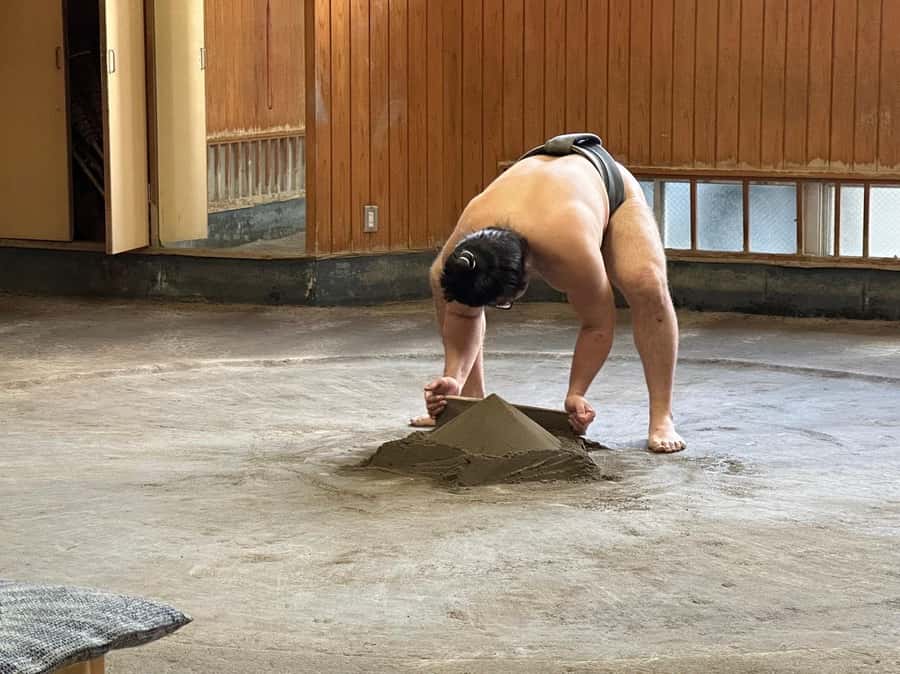
At $96 per person for about 2 hours, you are paying for access to a prestigious stable, close viewing, an English-speaking guide, and the photo at the end. This is not a museum-style ticket where you can stroll at your own pace.
So is it value? For most first-timers, I think it can be. You are getting something that is hard to replicate on your own, especially the context from the guide and the structured visit at Takasago-beya. A number of participants also connect this visit with understanding sumo better, including pairing it with tournament tickets later.
That said, there is one honest consideration. Some people feel the “tour” portion is lighter than they expected. The guide may explain before training, but the practice itself stays quiet and focused, which means you do not get a running commentary all the way through. If you want lots of narration and history during the sitting time, you might find it more observational than conversational.
My take on value: this price makes more sense if you truly want the stable atmosphere and the close view. If you mainly want a story-rich presentation, you might feel the cost is high for the amount of speaking.
Who should book, and who might skip this version
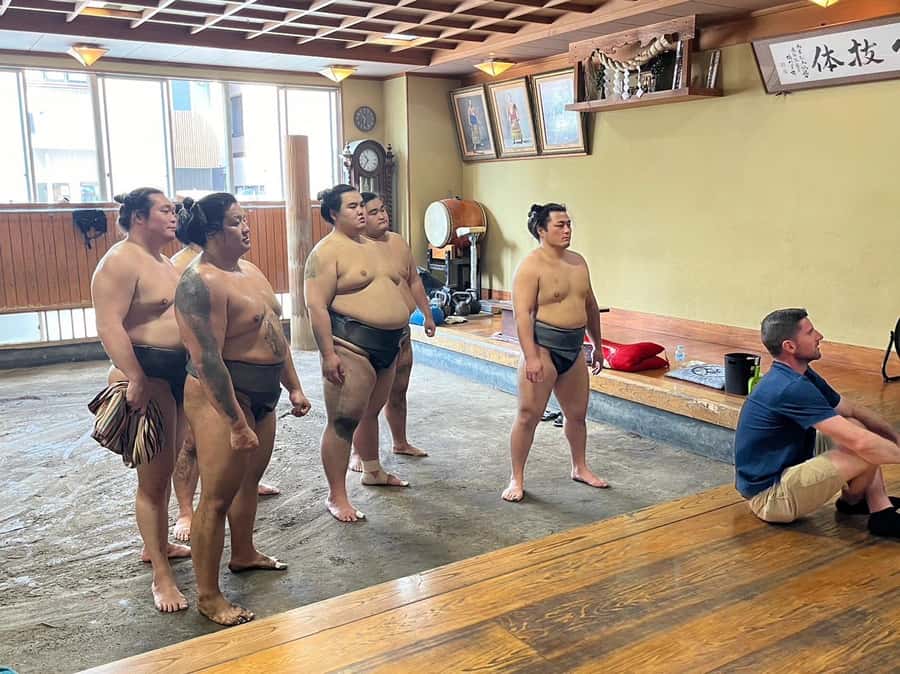
This experience is a great match if you:
- want a hands-on, close-up look at how pro sumo training actually works
- are visiting Tokyo and want a morning activity that feels culturally grounded
- like guided help for understanding what you are seeing, especially first time
It is also a strong fit for families with quiet children, since the tour information says kids can observe as long as they can stay calm.
You might reconsider if:
- you cannot sit comfortably on the floor for extended periods
- you want a lot of spoken commentary during the practice rather than quiet observation
- you are hoping for a more flexible, roaming experience, because the setting is structured and you follow the guide’s timing
Practical plan for your Tokyo day
This tour starts early, so make your day around it.
- Get to Ryogoku Station a bit ahead of 07:45 so you do not rush the elevator exit meeting point.
- Wear comfortable shoes for the short walk to the stable.
- Keep your expectations focused: you are there to watch training and follow etiquette, not to chat with wrestlers during practice.
- Bring a camera if you want photos, and be ready for the no cellphones rule during training.
- Have a small amount of cash ready for the commemorative photo tip request that has been mentioned.
Also, plan your next activity with buffer. The practice session is 90 to 120 minutes, and timing can shift depending on training that morning.
Should you book the Takasago sumo morning practice tour?
If you care about authentic Tokyo experiences, I say yes, book it. The biggest reason is simple: you are not watching sumo as a theatrical performance. You are watching professional wrestlers train at Takasago-beya, with an English guide to help you make sense of what you see. The close-up viewing plus the photo with rikishi gives you both understanding and a memorable memento.
I would only hesitate if floor sitting is a deal-breaker for you, or if you need nonstop narration. If you can handle quiet observation and a little physical discomfort, this is one of those Tokyo mornings that stays vivid long after your photos fade.
FAQ
What is the duration of the Tokyo Sumo Morning Practice tour?
The tour lasts about 2 hours.
Where do I meet the tour guide?
You meet at Ryogoku Station, subway Oedo line, at the A-3 Exit of the elevators.
What time does the tour start?
The meeting time is 07:45.
How long do I observe the sumo training?
After a guide explanation, you observe the morning training for about 90 to 120 minutes, depending on the training situation.
Is the tour in English?
Yes, the tour includes a live guide in English (and also Japanese).
Is there a rule about cellphones?
Yes, cellphones are not allowed during the activity.
Can I take photos during the practice?
You can take photos as long as they do not get in the way of the wrestlers’ practice.
Do I get a photo with the sumo wrestlers?
Yes. After the observation, you take a commemorative photo with the sumo wrestlers.
Is the photo included in the tour price?
The tour includes taking photos with the sumo wrestlers, and it is also noted that a 1,000 yen tip may be requested for the photos.
Can children join?
Children can observe if they can observe quietly, and the fee is the same as for adults.
Is there free cancellation?
Yes, you can cancel up to 24 hours in advance for a full refund.
Newly listed around Tokyo
- Tokyo private transfer for Yokohama Port★ 4.5 · 63 reviews
- Luxury Kimono Photoshoot at Ginza Tokyo★ 5.0 · 7 reviews
- Tokyo Allstar Food Tour★ 4.5 · 206 reviews
- Tokyo Art Aquarium Museum E-Ticket with optional Tokyo Metro Pass★ 5.0 · 17 reviews
- Tokyo: Best Ginza Food Tour at 3 Local Eateries★ 5.0 · 83 reviews
- Private One Day Nikko Tour with Bilingual driver★ 3.5 · 11 reviews
- PRIVATE tour in 180SX to Daikoku+++++★ 5.0 · 6 reviews
- Kabuki Talk★ 5.0 · 10 reviews
Sumo Stable Visits, compared.
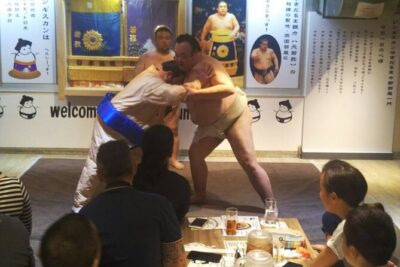
Sumo Show Experience with Chicken Hot Pot and a Photo
Read our review →
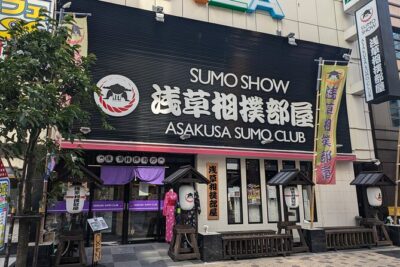
Tokyo Sumo Entertainment Show with Chicken Hot Pot and Photo
Read our review →
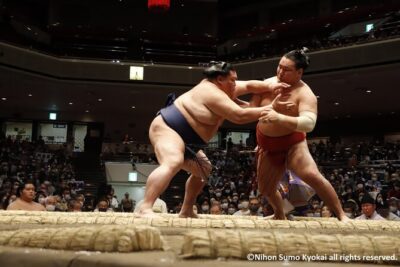
Tokyo Grand Sumo Tournament Viewing Tour with Tickets
Read our review →
Sumo Show & Experience w/ Optional Kimono & Hot Pot
Read our review →Browse the lists this tour appears in