
Review · SUMO STABLE VISITS
Ultimate Sumo Tournament: Tokyo, Osaka, Nagoya, Fukuoka
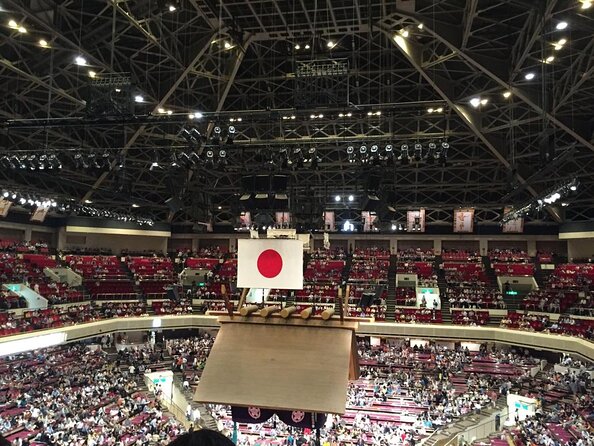
Sumo feels confusing until someone explains it. This tour turns that chaos into a clear, fun 4-hour game plan at the official arenas. You get reserved seating plus an English-speaking local sumo expert, so you are not just watching motion, you understand what matters.
My favorite part is the reserved seats arrangement, because sumo tickets are famously hard for outsiders to get on their own. I also love the audio headset setup, which makes the explanations actually audible even when the arena is loud. One thing to consider is that you might still wait a bit before seating, since the tour must enter after matches end.
In This Review
- Key points to know before you go
- Why this sumo basho tour feels like the real Japan
- Price and value: what $184.38 buys you
- Seats and ticket setup: B/C versus A/S (and why it matters)
- Match-day rhythm at 2:00 pm and why the 4 hours fly
- Tokyo at Ryogoku Kokugikan: the sumo arena feeling most people imagine
- Osaka, Nagoya, Fukuoka: same sport, different city energy
- The banzuke-hyo chart and your headset: how the tour keeps up
- Chanko nabe dinner: the food ritual you can actually taste
- Off-season option: morning sumo stable practice near Warabi Station
- Logistics that actually affect your comfort
- Should you book this Ultimate Sumo Tournament tour?
- FAQ
- What time does the tour start?
- How long is the tour?
- Does the tour include admission tickets?
- What seat section do I get on the standard option?
- What seats are included with the private option?
- Is there an audio headset?
- Can I add dinner, and is it vegetarian-friendly?
- What is chanko nabe?
- Can I bring outside food or drinks into the arena?
- What months and cities are available for tournaments?
- Is this tour refundable or changeable?
Key points to know before you go
- Reserved seats by seat class (standard B/C on the 2nd floor, private A/S closer to the ring)
- Expert play-by-play with English explanations plus a banzuke-hyo ranking chart
- Audio headset for clarity during the noise and quick action
- City options with fixed tournament months (Tokyo, Osaka, Nagoya, Fukuoka)
- Optional chanko nabe dinner with a vegetarian option if requested
- Off-season stable practice option near Warabi Station (no tournament ticket)
Why this sumo basho tour feels like the real Japan
Japan has plenty of cultural shows, but sumo is different. It is not a performance you can fake your way through. It is tradition with rules you feel in your bones once you know what you are looking for. That is where this tour earns its place.
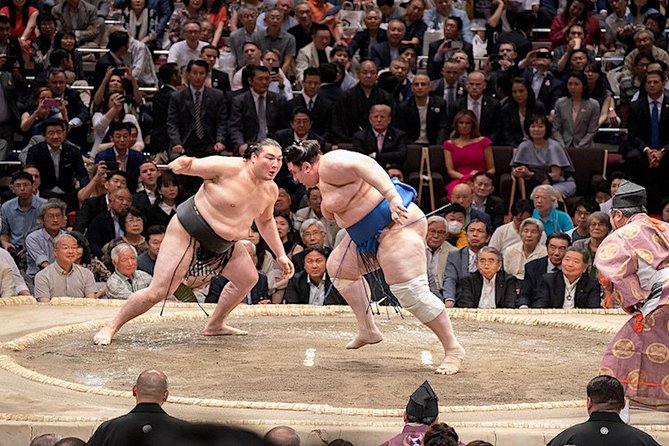
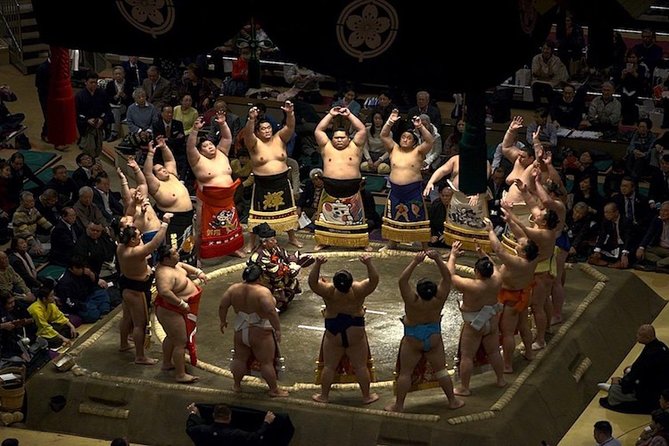
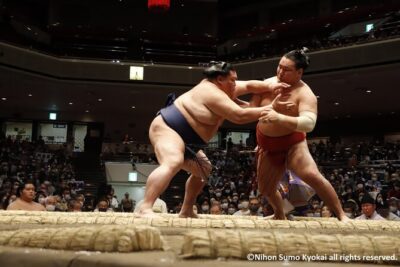
If you have ever watched a match and thought, wait, what just happened, you are the target audience. Sumo has rituals before the first push, wrestling styles that change the whole pacing, and rankings that tell you who is expected to win. The tour guide helps you decode the noise, the hand slaps, the ring salt, and the moment-by-moment strategy.
You also get something practical: reserved seating. Without that, you can spend hours hunting tickets that may be gone. With this tour, you are planning around what makes sense, then enjoying the event once you arrive.
Compare these Sumo Stable visits in Tokyo:
- Tokyo: Sumo Show Experience with Chicken Hot Pot and a Photo
★ 4.8 · 6,678 reviews - Tokyo: Sumo Show and Dining Experience
★ 4.8 · 2,742 reviews - the SUMO show
★ 5.0 · 1,960 reviews
Price and value: what $184.38 buys you
At about $184.38 per person, you are paying for three big things.
First, you are buying access to reserved seats in an arena that fills fast. Second, you are paying for an English-speaking sumo expert to guide you through the structure and rituals, not just point at the ring. Third, you are paying for coordination that reduces your stress on match day.
Are the seats the very best? That depends on the option you choose. Standard seats are B-class or C-class on the 2nd floor. Private options move you closer with S-class or A-class seating. If you really care about visual proximity to the ring, private is worth considering. If you just want the full sumo experience with smart explanations, standard is still a solid deal.
Seats and ticket setup: B/C versus A/S (and why it matters)
Your tour seat class changes where you sit and what you notice.
For the standard group option, your seats are B chair seats or C chair seats on the 2nd floor, with the tour guide positioned for the group to learn while you watch. Your view is usually good enough for the action and the big picture, especially once the guide tells you what to watch for. The group size in the same seat area is capped at 20 for the standard option.
For the private option, the tour can use S-class or A-class seats, meaning you sit closer to the ring. That is a real advantage for details, like footwork, grip choices, and the small moments in the setup. It also helps if you want to feel more inside the event rather than watching it from a distance.
A quick practical note: there may be a wait before seating. Matches must end before the tour enters, so plan on a bit of standing around. It is normal, not a problem.
Match-day rhythm at 2:00 pm and why the 4 hours fly
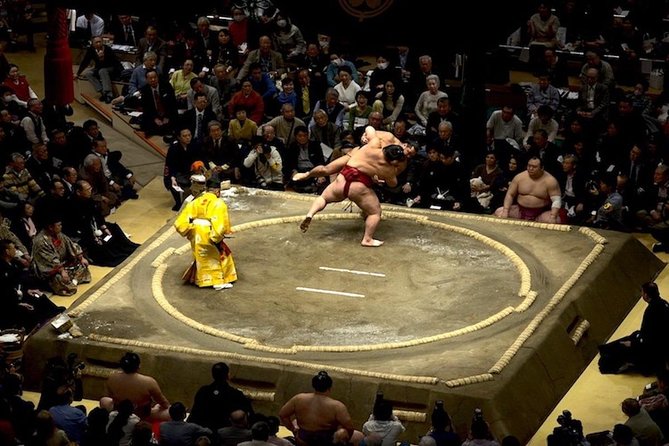
Most departures start at 2:00 pm, and the guided tournament portion runs about 4 hours.
Expect a flow like this: you meet the guide near public transportation, then you get directed into the arena area and helped with what comes next. The tour includes an orientation piece so you know where you are and what to notice during bouts. Then you settle into your seats while the guide uses a banzuke-hyo ranking chart and headset commentary to track what is happening.
Once the matches start, the guide often does something you will appreciate: they help you keep up with who is who, where they sit in the rankings, and which fighting style is in play. Sumo bouts can be quick, and if you do not know the context, it is easy to miss the meaning of a fast win.
You will also have time between bouts to breathe, grab a drink, or shop. No outside food or drinks are allowed in the arena, but vendors inside make it easy to stay fed.
A few more Tokyo days to weigh up
- Mt Fuji and Hakone 1-Day Bus Tour Return by Bullet Train
★ 5.0 · 26,383 reviews - 1-Day Tokyo Bus Tour
★ 5.0 · 14,250 reviews - Tokyo: TOKYO SKYTREE® Admission ticket
★ 4.5 · 11,192 reviews - Tokyo: teamLab Planets TOKYO Digital Art Museum Entry Ticket
★ 4.6 · 9,779 reviews
Tokyo at Ryogoku Kokugikan: the sumo arena feeling most people imagine
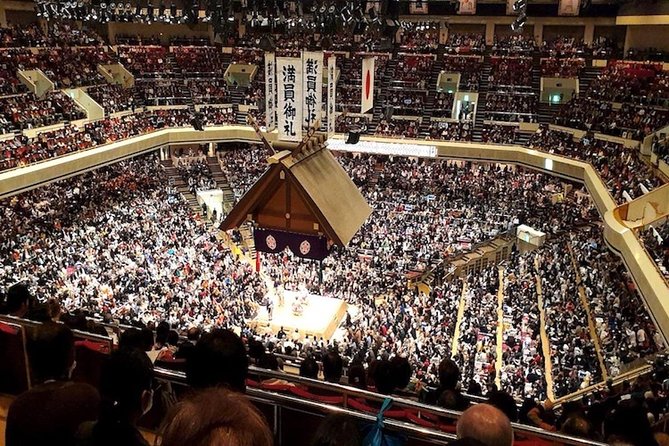
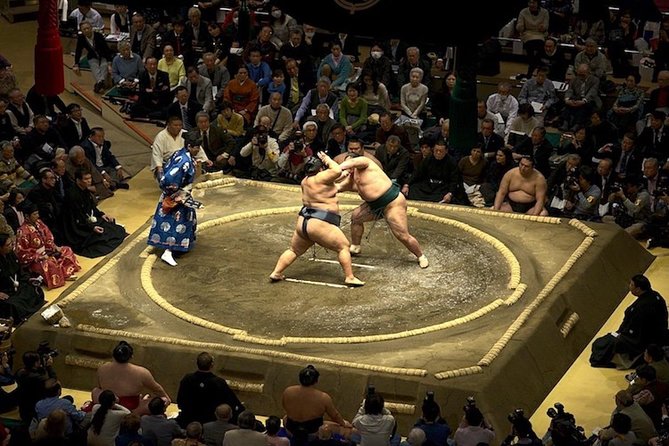
If Tokyo is on your list, this is the classic stop. The tour focuses on the official sumo tournament venue, Ryogoku Kokugikan, with reserved seating and guided commentary.
This arena is where sumo feels most ceremonial. The tour style matches that vibe: you get context first, then you watch with purpose. Instead of treating the day like random wrestling chaos, you learn what the rituals are signaling and how rankings shape expectations.
One perk that comes up in the guide feedback: the headset delivery and the instruction around what you are seeing. Names like Miyko, Hiro, and Izumi show up in past guide experiences for making the action understandable, including explanations of key techniques and play-by-play for each bout. That kind of explanation is exactly what turns your seat into a learning experience rather than just a ticket.
Also, be aware of the arena heat. People note the Tokyo tournament venue runs warm. Dress lightly.
Osaka, Nagoya, Fukuoka: same sport, different city energy
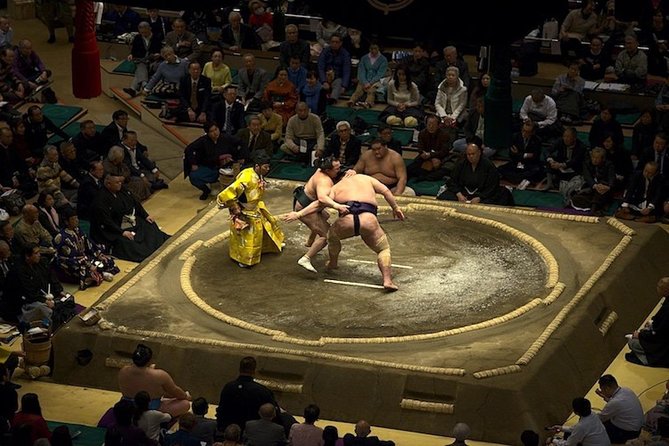
Sumo travels well. The tour offers tournament experiences in Osaka, Nagoya, and Fukuoka, each tied to the official basho months.
In Osaka, the tour centers on EDION Arena Osaka during the March tournament. In Nagoya, it is IG Arena in July. In Fukuoka, it is Fukuoka Kokusai Center for the November tournament. In each case, you get a guided visit timed to the official event, with reserved seating included as part of the tour setup.
Here is the useful way to think about the city choice:
- Tokyo feels like the spiritual home for sumo tourists, with the Ryogoku Kokugikan classic match-day atmosphere.
- Osaka and Nagoya can feel less intimidating if you want a big event without the biggest-city pressure.
- Fukuoka is a strong option if you are already traveling in western Japan.
In terms of what stays consistent, the core value does not change: reserved seats, English-speaking commentary, audio headsets, and guidance using the banzuke ranking chart.
The banzuke-hyo chart and your headset: how the tour keeps up
This is the secret sauce. Sumo is fast, ritual-heavy, and ranking-driven. If you only watch the pushes and throw, you might enjoy the spectacle while missing why a match feels big.
That is why the tour includes a sumo info pamphlet and the banzuke-hyo ranking chart. With the guide explaining the tournament structure and context, you can understand why certain wrestlers are treated differently. Then the headset helps you catch those explanations while the arena noise would normally drown them out.
One practical tip from guide experiences: even when you turn the headset volume down, it can still be loud. If you are sensitive to sound, bring earplugs. You will still hear the guide, but you will also protect your ears for the full event.
And yes, the guide’s names matter because the best experiences often come from the same pattern: enthusiastic explanation plus clear identification of wrestlers and tactics. Past guide examples that stand out include Duke, Yumi, Junka, and Taku for doing that kind of guided match commentary that keeps you from feeling lost.
Chanko nabe dinner: the food ritual you can actually taste
If you add the optional dinner, you go to a local chanko hot pot restaurant for a classic sumo meal. Chanko nabe, often called sumo stew, is built around a hearty broth, usually based on chicken stock, with lots of vegetables and other ingredients.
A fun and useful detail: chanko originated from the Ryogoku area. That ties the meal to the sumo world, not just to the flavor. Wrestlers are known for eating a lot of it because it cooks in large quantities and feeds many people at once, which makes sense for a training lifestyle.
What to expect with the dinner option:
- The tour notes that the default dinner includes no drinks unless you choose otherwise.
- There is a vegetarian option available if you request it on checkout.
- Traditional chanko broth is typically made with pork or chicken, but the restaurant may substitute the broth if you request vegetarian.
If dinner matters to you, go for it. Food after the tournament gives you a clean ending point, plus it reinforces what sumo means as everyday life, not only as sport.
Off-season option: morning sumo stable practice near Warabi Station
If you travel in a month when there is no tournament, you might still want the sumo connection. The off-season add-on is a sumo stable morning practice visit.
This option runs in the morning, near Warabi Station, about 30 minutes from Tokyo Station. The session is scheduled 8:00 am to 12:00 pm, and you get a guided stable visit with audio headsets. You also enjoy chanko lunch after the session.
Important reality check: this off-season experience does not include a tournament seat ticket. It is practice-focused, not basho match-day focused. If you want to see wrestlers training up close, this is a great way to still feel the discipline. If you want the tournament atmosphere, you need a basho date.
Logistics that actually affect your comfort
A few practical points can make the difference between a smooth day and an annoying one.
First, meeting details arrive in an email at least one week before the date. That keeps you from scrambling on match day.
Second, there can be congestion around the Sumo Museum area, and the guide may ask you to visit on your own if walking with a large group is difficult. If you care about museum time, consider building in some extra personal time nearby.
Third, you cannot bring outside food or drinks into the arena. You can buy from vendors inside, so plan to grab what you need there.
Finally, remember this tour is about guidance, not a private museum stroll. You will move in a structured way, with time to watch and time to listen, but it is still an event with crowds.
Should you book this Ultimate Sumo Tournament tour?
Book it if you want a sumo day that makes sense. If you care about understanding the rituals, rankings, and what to watch for in the ring, reserved seating plus headset commentary is a huge advantage. The tour also fits well if you are short on time in Japan and want a top cultural experience without the ticket headache.
Consider skipping or switching to a different approach if you are the kind of person who prefers to learn on your own. This tour does the explaining for you, so if you would rather explore independently with no structure, you might not get as much from the guide portion. Also, if you are very sensitive to sound, plan for headset volume and bring ear protection.
My bottom line: if you are going to choose one sumo-related activity, this is one of the strongest ways to do it. Reserved seats, expert commentary, and an optional chanko dinner give you the full package, not just a ticket stub.
FAQ
What time does the tour start?
The tour start time is 2:00 pm.
How long is the tour?
The guided tournament visit is listed as 4 hours, and the overall experience is described as 1 day (approx.).
Does the tour include admission tickets?
For the tournament portion, reserved seat tickets are included. The seat type depends on the option you select, and the itinerary notes admission ticket included or admission ticket free depending on the city/date.
What seat section do I get on the standard option?
The standard tour uses B-class or C-class seats on the 2nd floor (rows 7 to 11 for the B chair seats, or C chair seats). The group area is capped at a maximum of 20 people in the same location.
What seats are included with the private option?
For private tours, the ticket can be S-class or A-class seats, which are closer to the ring.
Is there an audio headset?
Yes. Audio headsets are included so you can hear the English-speaking guide clearly.
Can I add dinner, and is it vegetarian-friendly?
Yes, an optional dinner at a local chanko hot pot restaurant is available. A vegetarian option is available if you request it at checkout.
What is chanko nabe?
Chanko nabe is a Japanese hot pot also called sumo stew. It is described as using chicken stock as the soup base with vegetables, and it is connected to the Ryokoku area.
Can I bring outside food or drinks into the arena?
No. Outside food or drinks are not allowed, but food is available for purchase from vendors inside the arena.
What months and cities are available for tournaments?
January is Tokyo, March is Osaka, July is Nagoya, and November is Fukuoka.
Is this tour refundable or changeable?
This experience is non-refundable and cannot be changed for any reason, according to the cancellation policy details.
Newly listed around Tokyo
- Tokyo private transfer for Yokohama Port★ 4.5 · 63 reviews
- Luxury Kimono Photoshoot at Ginza Tokyo★ 5.0 · 7 reviews
- Tokyo Allstar Food Tour★ 4.5 · 206 reviews
- Tokyo Art Aquarium Museum E-Ticket with optional Tokyo Metro Pass★ 5.0 · 17 reviews
- Tokyo: Best Ginza Food Tour at 3 Local Eateries★ 5.0 · 83 reviews
- Private One Day Nikko Tour with Bilingual driver★ 3.5 · 11 reviews
- PRIVATE tour in 180SX to Daikoku+++++★ 5.0 · 6 reviews
- Kabuki Talk★ 5.0 · 10 reviews
Sumo Stable Visits, compared.
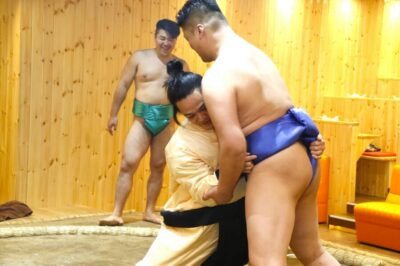
Sumo Show Experience with Chicken Hot Pot and a Photo
Read our review →
Tokyo Sumo Entertainment Show with Chicken Hot Pot and Photo
Read our review →
Tokyo Grand Sumo Tournament Viewing Tour with Tickets
Read our review →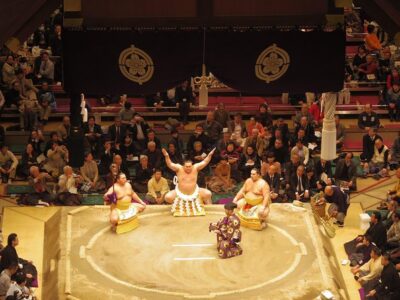
Sumo Show & Experience w/ Optional Kimono & Hot Pot
Read our review →Browse the lists this tour appears in