
Review · SUSHI COOKING WORKSHOPS
3-Hour Small-Group Sushi Making Class in Tokyo
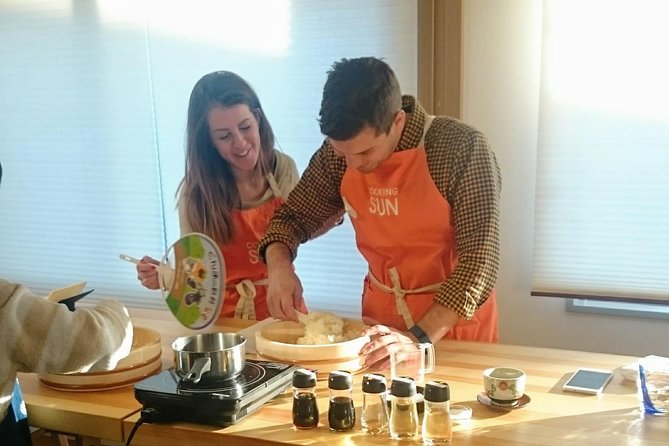
Sushi making in Tokyo beats takeout, every time. This hands-on class at Cooking Sun Tokyo has you learn classic sushi basics and then sit down to eat what you make, in about 3 hours. You get an English-friendly cooking experience with the right amount of instruction so it feels doable, even if you’ve never rolled anything before.
I like two things a lot. First, the class is taught by English-speaking instructors, with close help for a small group of up to 9 people. Second, you do not just watch, you make multiple sushi types and finish with miso soup, wasabi, and pickled ginger.
One consideration: the class uses pre-sliced fish, so you get assembly and rolling practice, not training on raw fish cutting.
In This Review
- Quick Hits: What Makes This Sushi Class Work
- Why This Tokyo Sushi Class Feels Like a Skill Workshop
- Cooking Sun Tokyo in Shinjuku: Finding the Studio and Settling In
- Small Group Size (Up to 9) and Why It Matters for Your Hands
- What You Learn First: Dashi, Miso, and Sushi Rice That Actually Makes Sense
- Tamagoyaki Basics: The Rolled Omelet Skill That Powers Multiple Sushi Types
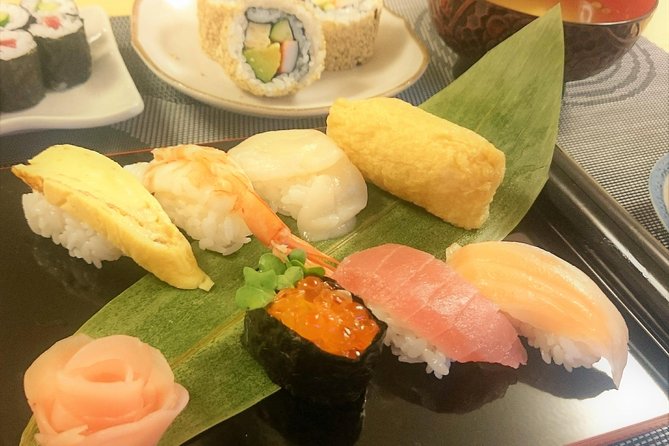
- Nigiri and Inari: Hand-Pressed Shaping Plus Sweet Tofu Pouch
- Hosomaki and California Roll: Rolling Practice With Real-World Payoff
- The Meal Endgame: Miso Soup, Wasabi, and What to Eat First
- Price and Value: Is $72.67 a Fair Deal in Tokyo?
- Best for Who: Families, Couples, and Sushi Lovers With Beginner Goals
- Things to Watch For: Fish Prep Limits and What to Expect From the Setup
- My Booking Advice: Should You Book This Sushi Class?
- FAQ
- What’s the duration of the sushi making class?
- Where does the class meet?
- Is hotel pickup included?
- Do I need experience to take this class?
- Does the class include cutting raw fish?
- Is a vegetarian option available?
- Can I cancel and get a refund?
Quick Hits: What Makes This Sushi Class Work
- Small-group format (max 9) means you actually get hands-on coaching as you shape and roll.
- Ingredients and recipes included, plus apron and towel rental, so you can show up light.
- You learn several styles, including nigiri and hosomaki, not just one type of roll.
- Step-by-step sushi rice and miso soup building blocks help you understand what matters.
- California Roll and Inari-style sweet tofu pouch make for a satisfying mix of familiar and uniquely Japanese.
- Beginner-friendly pace, with guidance on rolling and shaping so you leave with skills you can repeat at home.
Why This Tokyo Sushi Class Feels Like a Skill Workshop
Tokyo has no shortage of sushi options, but this class is different because it teaches the method, not just the menu. You start with foundational flavors like dashi and miso, then move into the core technique everyone notices later, sushi rice.
The best part is that your brain gets a clear sequence. You prep, season, shape, and assemble, and the class keeps tying each step back to a result you can see and taste. By the end, you are not guessing why sushi rice behaves the way it does, or why certain shapes hold together better.
And yes, you get a meal. Not a tiny snack, a real sitting-down finish with the toppings and sides that belong with sushi.
More Sushi Workshops in Tokyo
- Sushi Making Tokyo Roll and Authentic Japanese Sushi Class
★ 5.0 · 3,971 reviews - Tokyo: Roll and Authentic Sushi Making Class in Asakusa
★ 4.9 · 1,957 reviews - Tokyo: Sushi Making Class in a Happi Coat near a Famous Spot
★ 4.9 · 1,377 reviews
Cooking Sun Tokyo in Shinjuku: Finding the Studio and Settling In
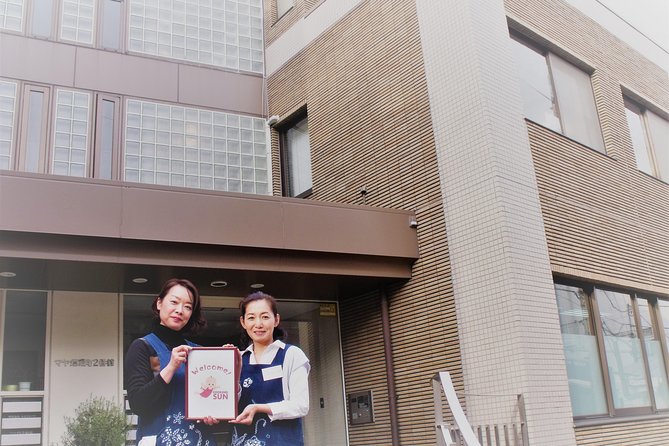
The class meets at Cooking Sun Tokyo, located at 18-39 Shinanomachi, Shinjuku City, Tokyo 160-0016. It’s described as being in a quiet residential area, set back from the main roads, which is exactly what you want before you start working with hot rice and sharp focus.
You start at 1:30 pm, and the experience runs about 3 hours. There is no hotel pickup or drop-off, so you’ll use public transportation and then walk to the studio.
Good to know: you’ll get a mobile ticket, which simplifies check-in when you’re bouncing around Tokyo. If you like stress-free logistics, this is the kind of setup that helps.
Small Group Size (Up to 9) and Why It Matters for Your Hands
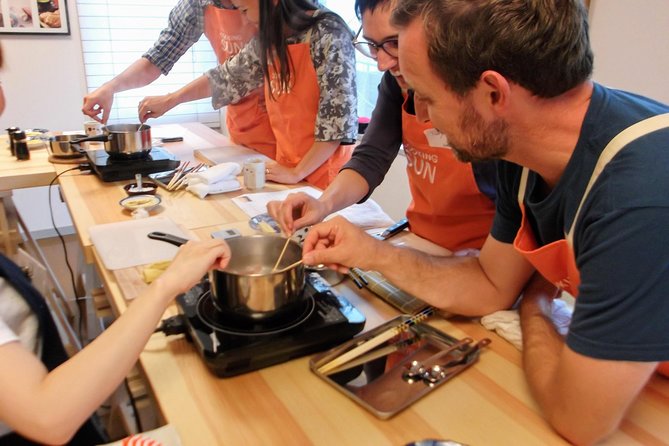
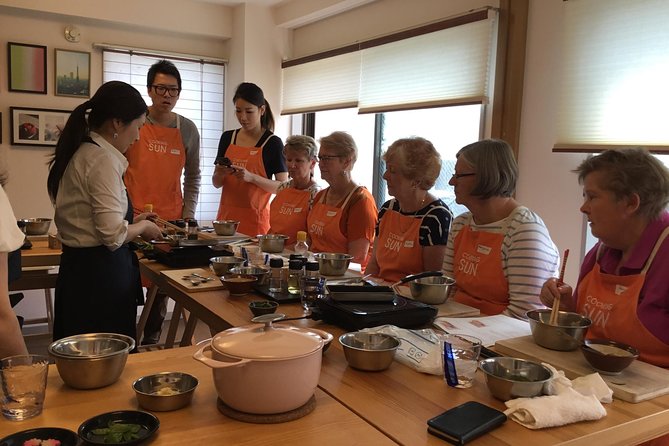
This is capped at 9 travelers, and that is not just a nice detail. It changes the whole class experience. With fewer people, the instructor can watch what you are doing, correct your grip, and guide you when sushi rice starts acting like sushi rice (sticky and opinionated).
In a bigger class, you can end up waiting your turn. Here, the small group format supports constant practice: rice handling, tamagoyaki preparation, and then rolling and shaping.
You also get more practical attention for the moments that feel hardest at first. For many people, that’s getting sushi rice seasoned correctly and learning how to press or shape without turning everything into a rice ball.
What You Learn First: Dashi, Miso, and Sushi Rice That Actually Makes Sense
The session begins with a short introduction to essential Japanese ingredients like dashi and miso, plus traditional seasonings. That matters because sushi is not only about fish. It’s about seasoning, texture, and balance.
Then you move into sushi prep, starting with sushi rice. When rice is done right, it helps every later step. It holds together for nigiri, behaves when you spread fillings on rolls, and tastes good on its own even before the toppings go on.
This is also where the class earns its reputation for being straightforward. The instruction is built to help you understand what you are doing, not just copy a motion.
You also prepare miso soup to go with the meal portion. If you have only had miso soup from instant packets at home, this will likely feel like a different world.
A different sort of day in Japan:
- Mt Fuji and Hakone 1-Day Bus Tour Return by Bullet Train
★ 5.0 · 26,383 reviews - 1-Day Tokyo Bus Tour
★ 5.0 · 14,250 reviews - Tokyo: TOKYO SKYTREE® Admission ticket
★ 4.5 · 11,192 reviews - Tokyo: teamLab Planets TOKYO Digital Art Museum Entry Ticket
★ 4.6 · 9,779 reviews
Tamagoyaki Basics: The Rolled Omelet Skill That Powers Multiple Sushi Types
One of the most useful teachable moments is tamagoyaki, the Japanese rolled omelet. The class has you make it, and it gets used as a filling in your sushi rolls.
That detail matters for value. You’re not just making an item that sits on the side. You’re learning a technique that directly supports sushi assembly.
Tamagoyaki can look intimidating because it’s made in layers, but the class format keeps it manageable. Expect guidance on how to roll and shape the omelet so it cuts cleanly and works as a filling.
Once you’ve done that once, you’ll understand why it shows up in sushi and bento. It’s structured, flavorful, and it adds that soft, comforting texture that balances the bite of pickled ginger and the snap of wasabi.
Nigiri and Inari: Hand-Pressed Shaping Plus Sweet Tofu Pouch
The class teaches nigiri, the hand-pressed style, along with Inari, a sweet tofu pouch sushi. Those two are great choices because they train different instincts.
Nigiri is all about rice shape and topping placement. You learn how to press and position so it feels stable rather than slumped. With nigiri, precision is less about perfect looks and more about getting a consistent feel with your hands.
Inari is different. It’s less about pressing and more about working with a filling style that’s sweet and fragrant. Inari teaches you how sushi can be built around ingredients beyond fish, which makes your at-home menu far more flexible.
Also note how the class handles fish. It uses pre-sliced fish, so you get practice assembling and building, not training on raw fish cutting. If you were hoping for knife skills, this is not that class. If you want sushi competence you can reproduce, this still delivers.
Hosomaki and California Roll: Rolling Practice With Real-World Payoff
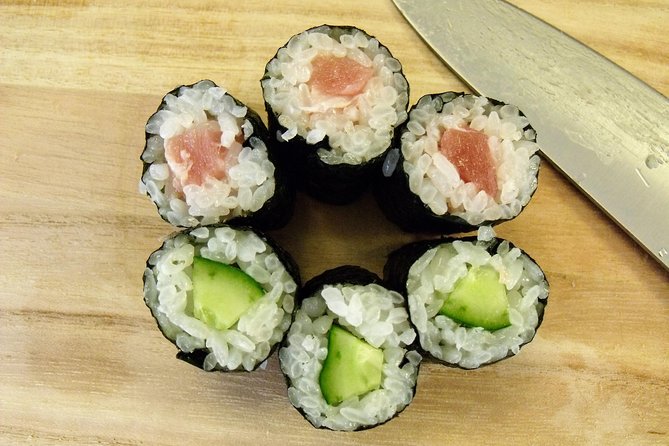
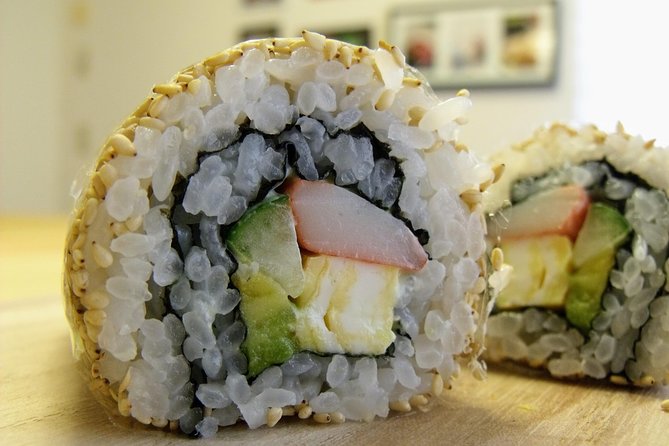
You’ll make hosomaki, thin rolled sushi, and you also do a California Roll. That combination is smart because hosomaki shows you the fundamentals of rolling tightly, while California Roll is the most approachable bridge for sushi beginners who still want the real technique behind it.
Rolling is where small-group help pays off the most. You need feedback on how hard to press, how to keep the roll tight without squeezing everything out, and how to finish the seam so it stays together.
The class provides instruction for rolling and shaping throughout, so you are not stuck learning by trial and error alone. You’re also not just rolling one style. You get practice enough to understand what changes between thin rolls and more familiar roll formats.
For toppings, shrimp is mentioned as part of the mix, and you’ll have other ingredients depending on the day’s setup. You should come prepared to handle and season things with confidence, because the class is truly hands-on.
The Meal Endgame: Miso Soup, Wasabi, and What to Eat First
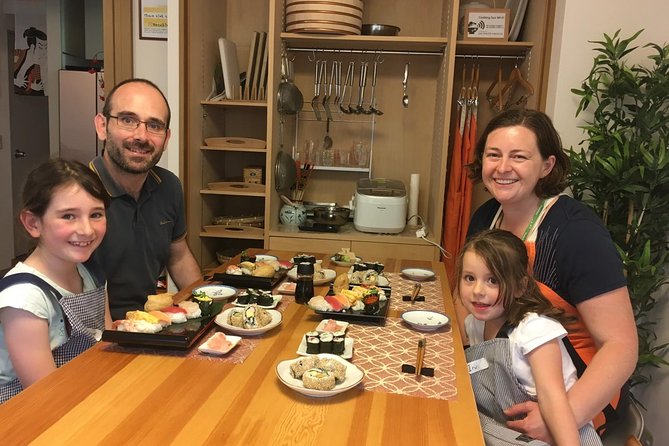
After your sushi is made, you sit down and eat your creations with support from the instructors. The meal includes miso soup, fresh wasabi, and pickled ginger.
Here’s a practical way to enjoy it. Start with plain bites where you can taste how your sushi rice holds up. Then move to rolls so you can notice the difference between hosomaki and California Roll texture. Finish with the toppings and any sweet notes, like Inari, so the last tastes are still balanced instead of clashing early.
A lot of classes end with a small sample. This one is built so you actually get full value from the time you spent cooking. You end up with enough to make the effort feel worth it, not just like a class demo where you go home hungry.
Price and Value: Is $72.67 a Fair Deal in Tokyo?
The price is $72.67 per person for about 3 hours, and it includes a local English-speaking instructor, recipes and ingredients, plus apron and towel rental. There’s no hotel pickup.
For Tokyo, cooking classes can range widely, and the real question is what’s included in the work. Here, you are paying for three things you can’t easily replicate without coaching: ingredient prep guidance, hands-on rolling and shaping practice, and a full meal that uses what you made.
You also get a small-group limit of 9, which directly affects instruction quality. That matters for value because you’re not just buying access, you are buying time with the technique.
If you are the type of traveler who wants souvenirs you can eat and remember, this price is easier to justify. If you only want to sample sushi without learning steps, you’d probably get more bites by skipping the class. But if you want a skill you can repeat, this is in the sweet spot.
Best for Who: Families, Couples, and Sushi Lovers With Beginner Goals
This class works well for more than one type of traveler. Minimum age is 6, and the format is beginner-friendly with no experience required, which makes it a solid choice for families who want a hands-on activity that’s not just watching.
It also fits couples and solo travelers who want a structured afternoon. A kitchen class in Tokyo is a great reset between temple stops and neighborhood wandering. You’ll get a different side of the city, and you will learn a skill you can bring home.
If you have dietary needs, you should advise them at booking. Vegetarian option is available, so you can plan your experience around your preferences rather than hoping the class can guess right.
Things to Watch For: Fish Prep Limits and What to Expect From the Setup
The class uses pre-sliced fish, and it does not include raw fish cutting instruction. That’s a clear boundary. Don’t book with the expectation of learning advanced knife work.
On the plus side, pre-sliced fish keeps the focus on sushi assembly and rice and rolling technique, which is what most people want to learn for home cooking. You also get guidance from instructors during the entire prep and assembly.
One more practical point: sushi rice prep and rolling can get sticky and messy, even when you follow directions. Bring the right mindset. You’re making food, not producing a museum model.
My Booking Advice: Should You Book This Sushi Class?
Yes, I think you should book it if you meet any of these criteria:
- You want real sushi skills, especially nigiri, hosomaki, California Roll, and Inari.
- You like classes where the group is small enough to get help while you’re working.
- You care about learning ingredients like dashi and miso, not only assembling rolls.
- You want a hands-on Tokyo activity that ends with a proper meal.
Skip it if you’re primarily hunting for luxury ingredients or advanced knife training. This is a technique-first class, and it stays focused on what most home cooks can repeat.
If you book, show up hungry and ready to work with your hands. Then take the recipes home and use them on a day when you want something more satisfying than ordering in.
FAQ
What’s the duration of the sushi making class?
The class runs for about 3 hours.
Where does the class meet?
It meets at Cooking Sun Tokyo, 18-39 Shinanomachi, Shinjuku City, Tokyo 160-0016, Japan. The start time is 1:30 pm.
Is hotel pickup included?
No, hotel pickup and drop-off are not included.
Do I need experience to take this class?
No experience is necessary. The class is designed as an English-friendly sushi making experience.
Does the class include cutting raw fish?
No. The class uses pre-sliced fish and does not include raw fish cutting instruction.
Is a vegetarian option available?
Yes. A vegetarian option is available, and you should advise them at booking.
Can I cancel and get a refund?
You can cancel for free up to 24 hours in advance for a full refund. If you cancel less than 24 hours before the start time, the payment is not refunded.
Newly listed around Tokyo
- Private Tokyo Food Tour – A Journey Through Time Through Food★ 5.0 · 36 reviews
- Private Tokyo Tour with Licensed Guide & Vehicle (Max 15 persons)★ 5.0 · 107 reviews
- Private Tokyo Custom Full-Day Tour by Chartered Vehicle★ 5.0 · 16 reviews
- Private Tokyo Custom Half-Day Tour by Chartered Vehicle★ 4.5 · 13 reviews
- Private Outstanding Nikko Tour with English Speaking Driver★ 4.0 · 11 reviews
- Private Sightseeing to Mt Fuji and Hakone with English Driver★ 5.0 · 51 reviews
- Private Snow Monkeys park Day Trip From Tokyo or Nagano★ 4.5 · 26 reviews
- 4 Day Tour – Mount. Fuji, Tokyo, Hakone, Kamakura and Yokohama★ 5.0 · 19 reviews
Sushi Cooking Workshops, compared.
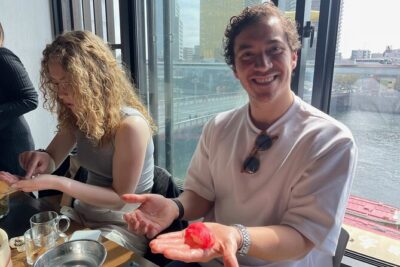
Sushi Making Tokyo Roll and Authentic Japanese Sushi Class
Read our review →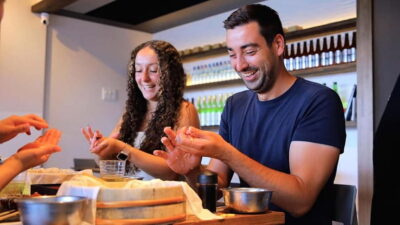
Roll and Authentic Sushi Making Class in Asakusa
Read our review →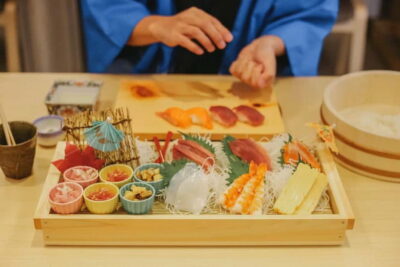
Sushi Making Class in a Happi Coat near a Famous Spot
Read our review →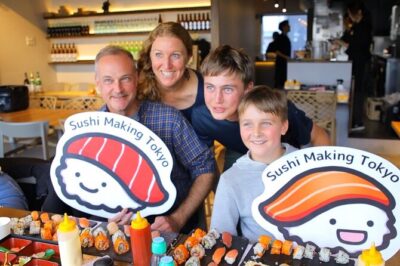
Sushi Making Tokyo! Popular Maki Sushi & Japanese Sushi(+Recipe!)
Read our review →
Tokyo Sushi Making Class in Tsukiji with Professional Chef
Read our review →
Tokyo Night Foodie Tour in Shinjuku – Seasonal Sushi, Wagyu Beef
Read our review →
Tsukiji Fish Market Guided Tour and Sushi Making with Pro Chef
Read our review →
Tsukiji Fish Market Sushi Making Class with Pro Chef
Read our review →Browse the lists this tour appears in