
Review · SHOPPING TOURS
Asakusa: Japanese kitchen knife store visits after history tour
Knives and temples in one smart morning. This Asakusa experience pairs Senso-ji area sights with a visit to Kappabashi kitchen-knife stores, so shopping feels grounded in place, not random browsing.
I like the small-group feel, especially with a guide who can steer the conversation toward what you actually want. I also like the history walk structure, because you pass the landmarks first, then head into the knife street with better context for what chefs are buying and why the district exists.
One possible drawback: if your only goal is buying knives, the temple and shrine stops may feel like extra time. If you want pure knife time, you might prefer a direct trip to the shops.
In This Review
- Key things to know before you go
- Why Asakusa temples pair so well with Kappabashi knife shopping
- The route timing and where you start and end
- Sumida Park sets the theme, then you head into Asakusa’s core sights
- Thunder Gate, Nakamise Street, and Hozomon: where you learn the flow of the precinct
- Senso-ji Temple and Asakusa Shrine: two religions in one walking lesson
- Denboin Garden and the Rokku area: a quieter beat after the big sights
- Kappabashi Street: where the knife shopping feels intentional
- Price and value: what you’re paying for besides walking
- Who this tour suits best, and who should rethink it
- What to expect on the ground (and how to make it easier)
- Should you book this Asakusa history and knife tour?
- FAQ
- How much does the Asakusa kitchen knife store visit cost?
- What is the duration of the tour?
- What time does the tour start?
- Where is the meeting point?
- Where does the tour end?
- What is the maximum group size?
- Are headsets provided?
- What’s included and what’s not included?
- Are there admission fees for the sights?
- What is the cancellation policy?
Key things to know before you go
- Headsets for clearer guide audio when the group is bigger (3+ travelers)
- A tight 3 hours 30 minutes window that blends sights and shopping
- Most major stops are free, with Sumida Park noted as ticket not included
- You shop in the same Asakusa zone where kitchen-knife stores serve working restaurant needs
- Guides adjust to your interests, and some groups shorten the history if knives are the priority
- Max 8 travelers, which keeps the experience from turning into a hurry-up stampede
Why Asakusa temples pair so well with Kappabashi knife shopping
Asakusa is one of Tokyo’s most visual neighborhoods, and that matters for this tour. You start in the temple complex orbit around Senso-ji, then transition into the knife district right after. The effect is practical. You get stories about the area first, then you shop with your brain already switched on.
I like that the experience does not treat knives as a separate, unrelated activity. Kitchen tools connect to everyday life and work, and that’s exactly the vibe you get on Kappabashi Street, where the shops are set up for people who need to buy equipment, not just souvenirs.
It also helps that your guide is not only reciting dates. In past sessions, guides such as Akiko, Kay, Sue, and Amy have been praised for tailoring their pace and explanations. That can make a real difference if you care more about tool selection than temple architecture.
More History Tours in Tokyo
- Tokyo: Imperial Palace Japanese History Walking Tour
★ 4.9 · 987 reviews - Tokyo: Shinjuku Historical Walking Tour & Secret Backstreets
★ 5.0 · 530 reviews - Yanaka Walking Tour: Historic and Traditional District of Tokyo
★ 5.0 · 530 reviews
The route timing and where you start and end
This runs about 3 hours 30 minutes, and it’s designed as a morning walk. The start time is 9:30 am, and there is no hotel pickup or dropoff, so you’ll want to plan your own train or walking route.
You begin at 2-chōme-20-6 Kaminarimon, Taito City near the Kaminarimon gate area. The tour ends at Kappabashi Dougugai Kitchen Town, 3-chōme-18-2 Matsugaya, Taito City. Ending right by the kitchen-shopping zone is a smart choice, because you’re not forced to squeeze shopping into the middle of the temple walk.
Also pay attention to group size. The maximum is 8 travelers, which is small enough that your guide can keep the conversation moving and help you at the shops without constantly losing people.
Sumida Park sets the theme, then you head into Asakusa’s core sights
Your morning opens around Sumida Park, near a bridge that links into the history of Senso-ji. You’ll hear the story connection to the Sumida River, including how Senso-ji’s origins are tied to that area from long ago. It’s a quick start, around 15 minutes, but it works because it gives the neighborhood a frame before you hit the busiest streets.
From there, you move to the Asakusa Culture Tourist Information Center for about 30 minutes. The key value here is the top-floor observation deck. It’s a fast way to get orientation over the area, which can help you understand what you’re walking through next, especially if you’re visiting Asakusa for the first time.
A practical note: Sumida Park is listed with an admission ticket not included. Most of the other major stops are listed as free, so overall you should not expect heavy ticket costs. Still, it’s wise to have a little cash or a card ready for any small entry fees that pop up.
Thunder Gate, Nakamise Street, and Hozomon: where you learn the flow of the precinct
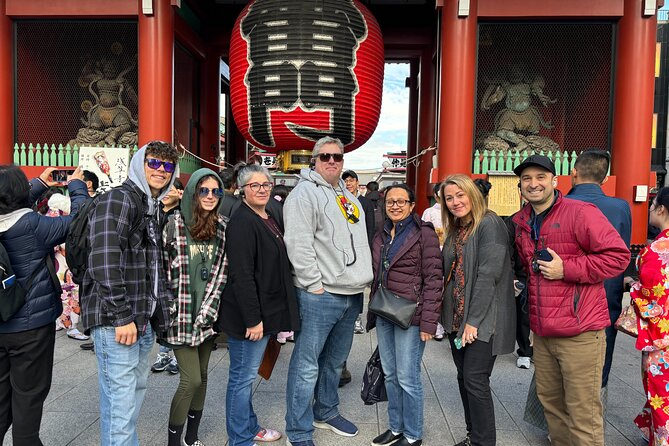
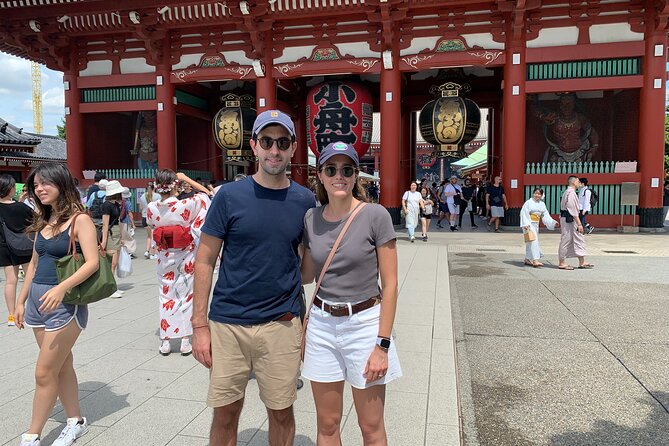
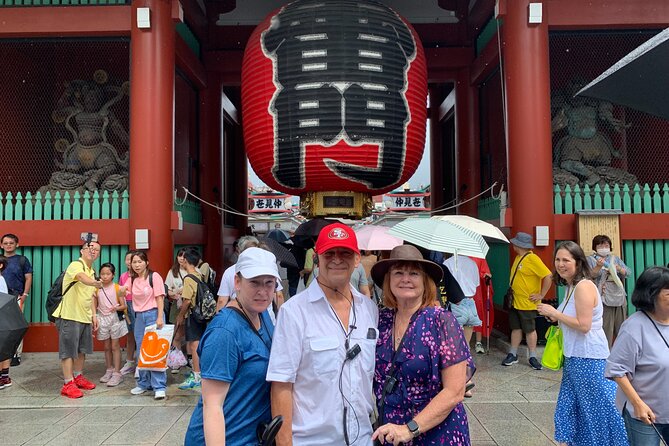
Next you step into the classic Asakusa approach. The tour goes to Kaminarimon (Thunder Gate), where you’ll see the famous giant red lantern hanging under the gate. It’s one of those landmarks that looks like a postcard, but the tour’s advantage is that you get context for why this gate is such a gateway between sacred spaces.
From there, you walk along Nakamise Shopping Street, the lane that leads toward Senso-ji. The surprising part is the tone. You may expect solemn temple grounds all the way through, but Nakamise has a friendly, everyday energy. This stretch is also where you’ll likely spot the kinds of shop-lined textures that make Asakusa feel old-world without being static.
Then you pass through Hozomon, the inner gate. It’s a two-story gate, and this is where the pace tends to feel like it slows just enough for photos and understanding. The value of these stops is not that you get one more gate picture, it’s that you understand how the precinct is layered, outer gate to deeper entry.
If you’re traveling with someone who gets impatient in lines, the short stop times (mostly about 15 minutes at each major gate or site) help the whole plan stay efficient.
More Shopping Tours in Tokyo
- Tokyo Tsukiji Fish Market Food and Culture Walking Tour
★ 5.0 · 3,184 reviews - Tokyo: Tsukiji Fish Market Food and Walking tour
★ 5.0 · 1,724 reviews - Tokyo: Tsukiji Fish Market Guided Walking Tour
★ 4.9 · 1,397 reviews - Tsukiji Fish Market Guided Tour and Sushi Making with Pro Chef
★ 5.0 · 775 reviews
Senso-ji Temple and Asakusa Shrine: two religions in one walking lesson
The next anchor is Senso-ji Temple, described as Tokyo’s oldest temple and one of its most significant. You’ll also get a look at the adjacent five-story pagoda, which is part of the same overall complex and contributes to the skyline look you’ll remember.
Right beside the temple grounds is Asakusa Shrine, tied to Shinto. One of the interesting things you learn here is how this space brings two distinct religious traditions side by side. It can feel unusual at first glance, and that contrast is exactly what makes the explanation worthwhile rather than just another stop on a checklist.
This part of the walk is usually about 15 minutes, which is short enough to keep you from zoning out. The best moment is when the guide connects what you’re seeing with what it means in daily life around the temple district.
Denboin Garden and the Rokku area: a quieter beat after the big sights
After Senso-ji’s intensity, you get a breather at Sensō-ji Denboin Garden for about 30 minutes. The garden stop matters because it changes the mood. Instead of dense crowds and big landmark photo angles, you get a more contained experience, and you get a sense of how Asakusa also functions as a cultural neighborhood beyond the main approach streets.
You also move through the Rokku area, described as a traditional entertainment district. It’s not presented as a party scene here. It’s more about timing and atmosphere, the way the neighborhood shifts between activity and calmer pockets as you walk.
This is a good moment for anyone who likes a bit of variety. If you only wanted gates and temples, you might question the need for a garden. If you want your morning to feel more complete, this garden stop gives your eyes and brain a reset.
Kappabashi Street: where the knife shopping feels intentional
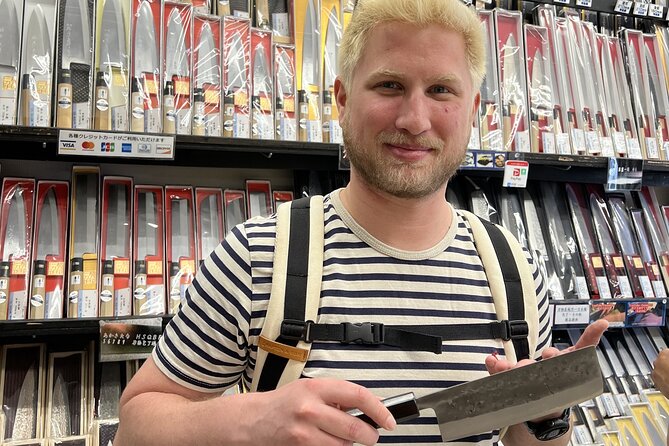
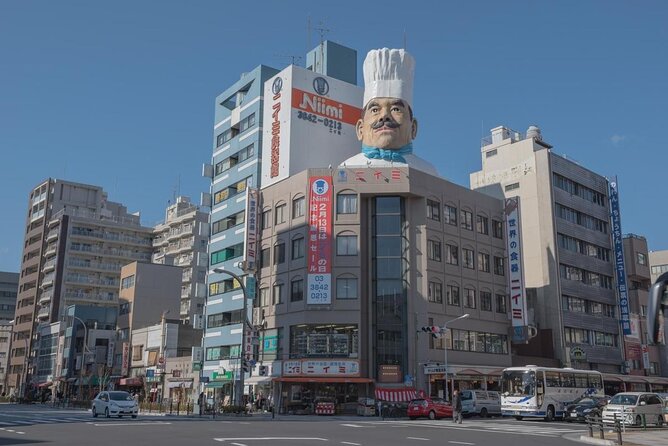
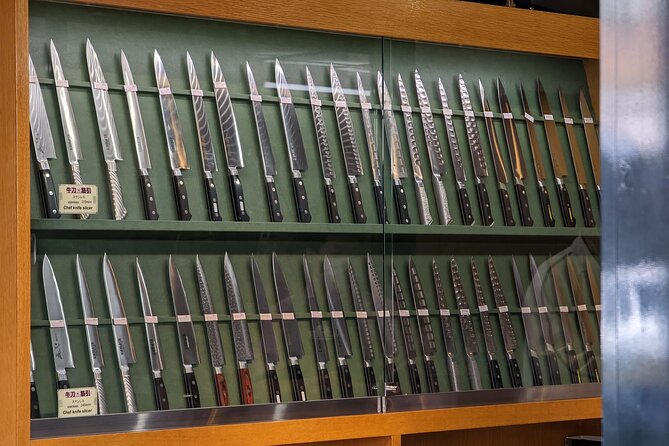
Now you get the shopping part at Kappabashi Street (Kappabashi Dogugai). This is where the whole experience turns practical. You’re with a guide who can help you shop intelligently in a street packed with knife and kitchen supply stores.
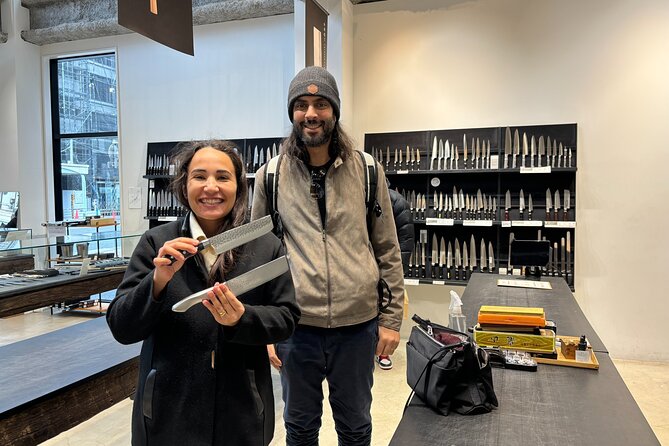
The key promise is that you’re shopping in the area where kitchen knives are sold for restaurant operators. That means the stores are set up for real tools, not just tourist-facing trinkets. You also have time here, about 1 hour, which is long enough to browse and compare without feeling rushed.
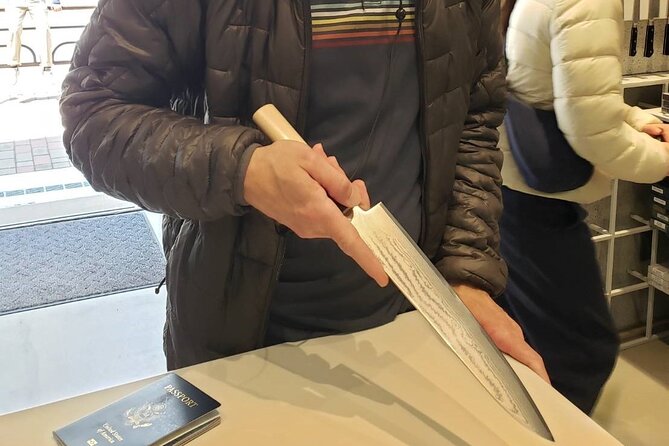
This is where small-group size becomes more valuable. If you’re buying gifts for chef friends, as some people do, you’ll want time to think about what to pick and how to communicate your needs. Guides such as Kay and Amy have been specifically praised for helping with knife choices.
One more detail to keep in mind: one review also suggested that if you’re only here for knives, you might skip the history walk and go straight to the shops. That’s not a knock on the experience, it’s a real timing consideration. For many people, the temple context makes the shopping more satisfying. For others, the Kappabashi hour is what they care about most.
Price and value: what you’re paying for besides walking
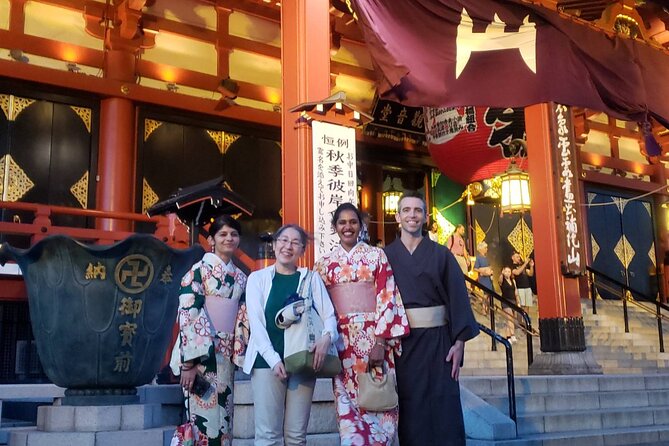
At $78.18 per person, you’re paying for a guided, structured morning that blends sights and a shopping stop. You’re not paying just for entry fees, because most stops are free. You’re also not paying for transportation, since hotel pickup and dropoff are not included.
So the value comes from three places:
- Guide expertise that connects place to shopping. You’re walking the Asakusa precinct before you shop, and that context changes how you understand what you’re buying.
- Time efficiency. You hit a sequence of major sights plus the knife street without needing to plan links between neighborhoods.
- Small-group support. With a max of 8 travelers, you can ask questions while you browse instead of waiting for the group to regroup.
If you’re traveling as a couple, this can be especially good. In one case, the guide adjusted the pace based on what a shopper wanted, shortening the history portion when knives were the focus. Flexibility is a big part of why the experience gets strong ratings.
Who this tour suits best, and who should rethink it
This tour is best if you like a morning that has two gears: first, sights around Senso-ji and the Asakusa precinct, then hands-on shopping support at Kappabashi.
You should also like this if:
- You want a guide to explain what you’re seeing, not just point at things.
- You plan to buy kitchen knives or at least want to understand what makes one choice different from another.
- You value a small group and clear communication.
You might skip it if:
- You only care about buying knives quickly, with no interest in the temple area stops.
- You dislike walking through busy commercial streets like Nakamise, since the tour moves through the shopping approach toward the temple.
What to expect on the ground (and how to make it easier)
You’re walking from temple gates toward a shopping street zone. That means comfortable shoes are not optional. Plan for a steady pace, because the stops are short and the schedule is designed to move.
You’ll also want to decide early how you want to spend the knife hour. Some people use it as a serious buying window, while others treat it as research for later. If you’re buying gifts, it helps to have a clear idea of who the gift is for and what they likely use at home or work.
If you’re a bigger group, headsets are provided when there are 3 or more travelers. That’s useful in narrow streets and busy temple areas, where it’s easy to lose the guide.
Should you book this Asakusa history and knife tour?
Book it if you want your Asakusa morning to be more than sightseeing. The blend of Senso-ji area context and a dedicated Kappabashi shopping hour is a smart combo, and the small group format makes the knife shopping part actually useful.
Skip it if your priority is purely knife shopping, with minimal walking and minimal temple time. In that case, you could go straight to Kappabashi and spend the time you save on more browsing.
FAQ
How much does the Asakusa kitchen knife store visit cost?
It costs $78.18 per person.
What is the duration of the tour?
The tour is approximately 3 hours 30 minutes.
What time does the tour start?
The start time is 9:30 am.
Where is the meeting point?
You meet at 2-chōme-20-6 Kaminarimon, Taito City, Tokyo 111-0034, Japan.
Where does the tour end?
The tour ends at Kappabashi Dougugai Kitchen Town 3-chōme-18-2 Matsugaya, Taito City, Tokyo 110-0036, Japan.
What is the maximum group size?
The tour has a maximum of 8 travelers.
Are headsets provided?
Headsets are included for groups of 3 or more travelers to help you hear the guide clearly.
What’s included and what’s not included?
Included: headsets (for groups of 3+), and you receive a mobile ticket. Not included: hotel pickup and dropoff.
Are there admission fees for the sights?
Most stops are listed as free. Sumida Park lists an admission ticket as not included.
What is the cancellation policy?
You can cancel for free up to 24 hours in advance for a full refund. If you cancel less than 24 hours before the start time, the amount paid will not be refunded.
More Historical Tours in Tokyo
- Mt. Fuji Heritage Tour: Traditional Villages, Lakes & Shrine
★ 4.5 · 509 reviews - From Tokyo: Nikko World Heritage Site Private Full-Day Trip
★ 4.9 · 243 reviews - Tokyo: The Best of Izakaya in Shinjuku Food & Cultural Tour
★ 4.9 · 221 reviews - Asakusa: 1400-year history exploration
★ 5.0 · 155 reviews
Newly listed around Tokyo
- Private Tokyo Food Tour – A Journey Through Time Through Food★ 5.0 · 36 reviews
- Private Tokyo Tour with Licensed Guide & Vehicle (Max 15 persons)★ 5.0 · 107 reviews
- Private Tokyo Custom Full-Day Tour by Chartered Vehicle★ 5.0 · 16 reviews
- Private Tokyo Custom Half-Day Tour by Chartered Vehicle★ 4.5 · 13 reviews
- Private Outstanding Nikko Tour with English Speaking Driver★ 4.0 · 11 reviews
- Private Sightseeing to Mt Fuji and Hakone with English Driver★ 5.0 · 51 reviews
- Private Snow Monkeys park Day Trip From Tokyo or Nagano★ 4.5 · 26 reviews
- 4 Day Tour – Mount. Fuji, Tokyo, Hakone, Kamakura and Yokohama★ 5.0 · 19 reviews
Shopping Tours, compared.
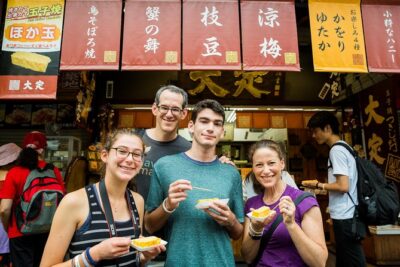
Tokyo Tsukiji Fish Market Food and Culture Walking Tour
Read our review →
Nishiki Market Brunch Walking Tour (7 Tastings + Brunch)
Read our review →
Tsukiji Fish Market Guided Tour and Sushi Making with Pro Chef
Read our review →Tsukiji Fish Market Food and Culture Walking Tour
Read our review →
Tsukiji Fish Market: Street Food & Culture Walking Tour
Read our review →
Tsukiji Fish Market Small-Group Food Walking Tour
Read our review →Browse the lists this tour appears in