
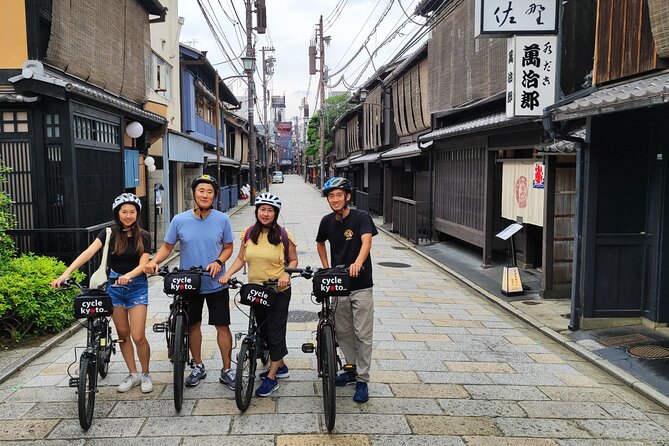
Review · BIKE TOURS IN KYOTO
Early Bird E-biking through East Kyoto
Kyoto by e-bike feels like getting a shortcut. I love how this early start lets you hit big sights like Fushimi Inari before the city gets loud. I also like the small group cap of eight and the fact that lunch is included, so you are not hunting down food mid-ride.
You cruise East Kyoto on provided e-bikes with a guide, then hop on foot when the temples ask for it. The route strings together classics and calmer backstreets, so you keep moving without the constant train, bus, and walking. One thing to consider: this is not a couch-tour, you need moderate physical fitness and comfort riding in crowds, with a few uphills.
In This Review
- Key things I’d circle in the fine print
- What you actually get from an Early Bird East Kyoto e-bike
- Meeting point and the setup that makes or breaks the day
- Stop 1 and 2: Fushimi Inari by bike, then on foot
- Kamogawa River time: where the ride feels like a real vacation
- Ginkakuji and the lunch break you will appreciate
- Riding the Philosopher’s Path without getting lost in the crowd
- Nanzen-ji: the stop that often feels bigger than the photos
- Heian Shrine and the shift toward quieter Kyoto
- Into Gion by bike: backstreets, and maybe a glimpse
- Higashi Hongan-ji and the cafe stop for a final recharge
- Pace, safety, and the real fitness check
- Guides, English, humor, and why small groups help
- Price and value: what $138.74 covers on this route
- Who should book this Early Bird e-bike tour
- Should you book it?
- FAQ
- What is the duration of the Early Bird e-biking tour?
- What does the tour include?
- Do I need to purchase temple tickets?
- Which stops will I visit?
- What fitness level do I need?
- Are there age or height requirements?
- Where is the meeting point and when does it start?
- Does the tour run in all weather?
- Can I cancel and get a full refund?
Key things I’d circle in the fine print
- Small group, up to 8 people means less waiting and an easier pace to follow
- E-bike and helmet provided, so you do not need to figure out equipment
- Lunch and a cafe stop keep the day from turning into snack-only survival
- Early 8:00 am start helps you beat the worst of the crowds at famous spots
- Several major sights are on the route, including Tofuku-ji, Ginkakuji, Nanzen-ji, and Gion
What you actually get from an Early Bird East Kyoto e-bike
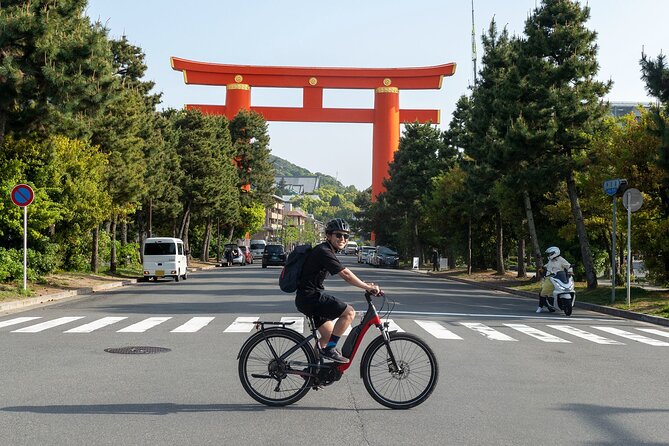
The best part of this tour is how efficiently it connects Kyoto’s East side. You are not just checking boxes. You are moving between temple precincts, riverside streets, and old neighborhoods in a way that feels natural, not rushed.
Starting at 8:00 am is a big deal. Places like Fushimi Inari and Gion can feel like an amusement park later in the day. Early, you still get the buzz, but you can actually see what you are looking at and not just queue.
And because it is an e-bike tour, you can keep the day focused on Kyoto instead of your effort level. The ride does the work, but you still get the real experience where it counts: walking temple grounds, smelling the air near the river, and weaving through backstreets that would be annoying to reach by transit and a slog on foot.
More Bike Tours in Kyoto
- Hidden Kyoto E-Biking tour
★ 5.0 · 1,843 reviews - Bike Tour Exploring North Kyoto plus Lunch
★ 5.0 · 1,087 reviews - Arashiyama Bamboo Forest & Hidden Gems Bike Tour (Early Bird)
★ 5.0 · 613 reviews
Meeting point and the setup that makes or breaks the day
You meet at Cycle Kyoto7, Higashikujō Nishisannōchō, Minami Ward, Kyoto (near public transportation). The tour starts at 8:00 am and ends back at the meeting point.
You do not need to show up with a bike plan. The tour provides an e-bike and helmet, so your main prep is mental and practical: wear comfortable shoes, bring weather-appropriate clothes, and be ready for mixed conditions (riverside paths, busier streets, and some uneven areas).
One practical note from the reviews: bike fit matters. A low-rated review mentioned bike sizing that felt too small for two teenagers, which created stress during a long, multi-hour ride. My advice is simple: when you book, double-check your height and any fit notes the operator asks for, and speak up immediately on arrival if anything feels off.
Stop 1 and 2: Fushimi Inari by bike, then on foot
You start with a ride that takes about 25 minutes along the river to reach Fushimi Inari-taisha Shrine. Then you step off the bike for around 30 minutes to explore the shrine.
Fushimi Inari is world-famous for a reason. The shrine complex is famous for its torii gates, and arriving early is where the magic happens. The walk segment matters because those gates are not just scenery, they are the atmosphere. You get time to slow down and look, not only pass through.
After that comes Tofuku-ji. From Fushimi Inari, it takes about 15 minutes to get there, plus a brief stop on a picturesque bridge. Then you spend about 30 minutes at the temple.
Tofuku-ji is a Zen Buddhist temple, and what you will notice is the feeling of space compared to the crowded, photo-heavy vibe people associate with Fushimi Inari. If you like Kyoto that feels contemplative instead of chaotic, this is a strong early pivot.
Kamogawa River time: where the ride feels like a real vacation
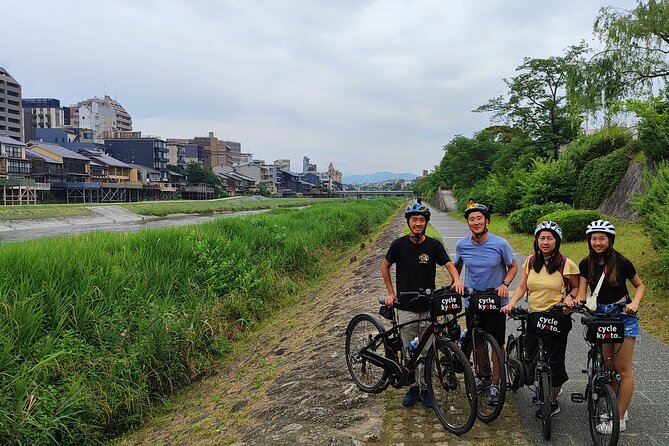
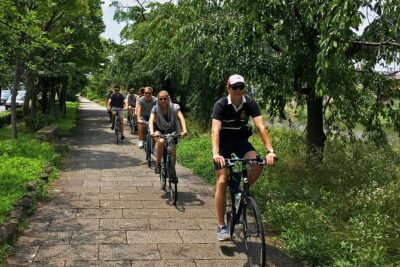
Next you get an extended riverside ride along the Kamogawa River for about 30 minutes. This is not a throwaway segment. It is a breather between temple visits, and it helps you shift from “tour mode” to “Kyoto mode.”
Riverside riding also helps you get comfortable on the e-bike before the day’s denser temple and neighborhood areas. If you are new to cycling, this part is where you can settle into the rhythm: hands relaxed, speed controlled, and attention on your surroundings.
There is no admission fee here, and the time is dedicated. That matters, because it signals the tour is not only about squeezing in monuments. It wants you to enjoy how Kyoto connects its places, not just stand at the entrance signs.
A few more Kyoto days to weigh up
- 5 Top Highlights of Kyoto Full Day Bike Tour (E-bike option)
★ 5.0 · 511 reviews - Full Day Biking Tour Exploring the Best of Kyoto
★ 5.0 · 498 reviews - Kyoto: Memory Kyoto E-Bike Tour
★ 4.8 · 297 reviews - E-Bike Tours of the highlights of Kyoto!!!
★ 5.0 · 291 reviews
Ginkakuji and the lunch break you will appreciate
Ginkakuji is next, with about 45 minutes total. The schedule includes a lunch stop in a nearby restaurant, and the Ginkakuji admission is included.
Ginkakuji, the Silver Pavilion, is one of those stops that people talk about even if they are not sure why. The setting and the garden layout make it feel like Kyoto’s seasons are part of the architecture. Because the tour includes time for food, you are not stuck eating in a rush while your energy drops.
A review specifically called out the lunch as a highlight when the guide picked a place you might miss on your own. That said, be realistic: on busier days, lunch spots can be in more crowded areas. One critical review mentioned lunch on a busy street and said it was not especially memorable. My takeaway for you is to treat lunch as included convenience, but also know that the exact restaurant experience depends on timing and crowd levels.
Riding the Philosopher’s Path without getting lost in the crowd
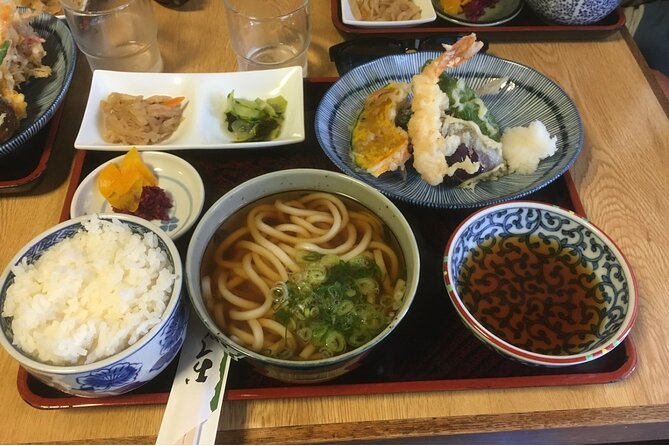
After Ginkakuji, you bike to Philosopher’s Path (Tetsugaku no Michi) for about 45 minutes.
This is where e-bikes help in a very practical way. Philosopher’s Path is famous, and famous means busy. Cycling lets you follow the flow without turning your day into a stop-and-go crawl. You still get the experience of the path’s vibe, but you also keep moving.
Also, this is a stretch where groups can get pulled into photo mode. A low-rated review mentioned insisting on extra time for cherry blossom photos when blossoms were in full bloom. You should expect that this kind of moment can happen on peak seasonal dates. If you care about photos, tell your guide early so the group can coordinate time without slowing the whole ride later.
Nanzen-ji: the stop that often feels bigger than the photos
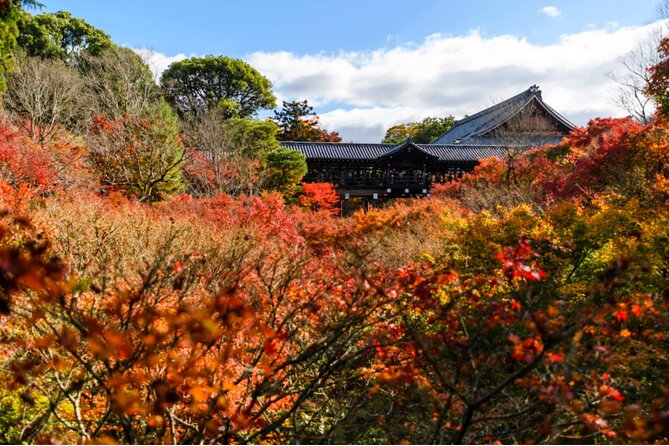
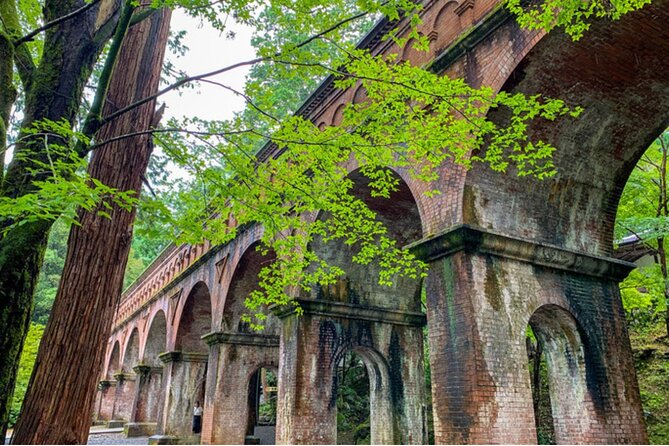
Then you head to Nanzen-ji for about 45 minutes, walking the temple grounds.
Nanzen-ji is one of those places where you understand why Kyoto built entire reputations around temples. It is not only about the main halls. It is also about walking through the complex and noticing details at your pace, which is exactly why this segment is mostly on foot.
This stop also works well in the itinerary because it sits after Ginkakuji and Philosopher’s Path. By now, your legs are warmed up from the e-bike riding, and you have a reason to slow down. It is a smart rhythm: ride to connect, walk to appreciate.
Keep an eye on timing here. A longer temple walk can steal time from later neighborhoods if the group moves slowly. With a cap of eight, the pace tends to stay consistent, but the day still has a schedule.
Heian Shrine and the shift toward quieter Kyoto
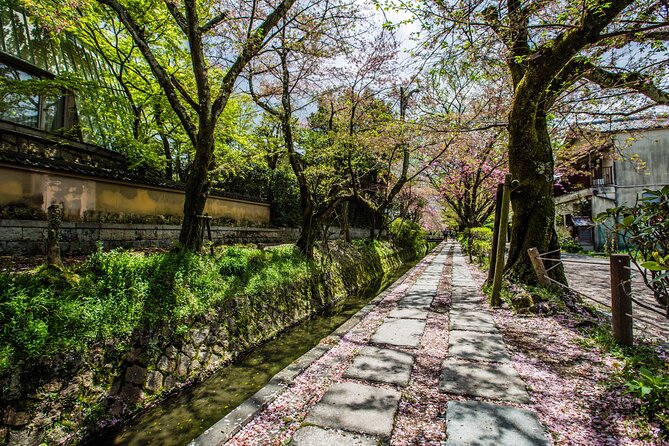
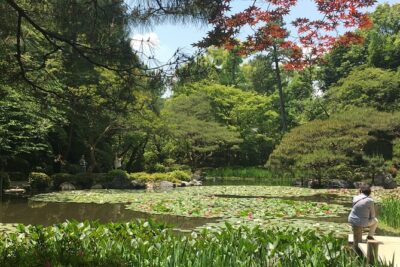
Next is Heian Shrine with about 35 minutes, a stroll through the courtyard.
Heian Jingu is not just another temple stop. It acts like a mood change. By the time you arrive, you have already seen several major sites. This courtyard walk gives you a more open-feeling break from narrower lanes and high-traffic temple approaches.
If you are the type of traveler who likes to see how different parts of Kyoto feel, this stop helps you map the city in your head. You begin to understand the city’s layout, where each neighborhood’s character changes, and how temples and shrines serve as anchors.
Into Gion by bike: backstreets, and maybe a glimpse
Gion is next, with around 45 minutes. You ride through the backstreets of Kyoto’s entertainment district, with the possibility of seeing Maiko or Geiko along the way.
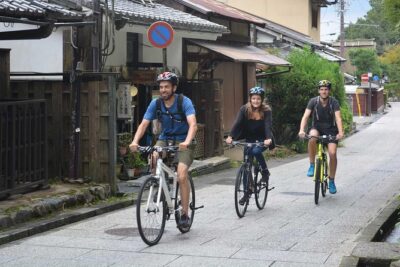
Gion is famous, but the ride through backstreets matters more than the postcard front. E-biking is a practical way to see streets you would be hesitant to tackle on foot when crowds build. You get motion, which makes the neighborhood feel lived-in rather than like a museum corridor.
That “possibly” in the schedule is fair. You cannot time a glimpse of geiko culture like a bus schedule. But even if you do not see anyone, the street atmosphere and scale of the area still delivers.
From a value standpoint, Gion by bike is efficient. You get time in the right place without paying for taxis or burning hours on transit connections.
Higashi Hongan-ji and the cafe stop for a final recharge
Finally, you stroll through Higashi Hongan-ji for about 15 minutes. This time includes a stop at a favorite cafe in Kyoto.
Fifteen minutes may sound short, but it is a good closing act after a long day of riding and multiple temple complexes. A final temple walk keeps the day grounded. Then the cafe stop gives you a chance to sit, hydrate, and cool off.
Even if you are not a big cafe person, this is useful. You have been on the bike, you have walked multiple sites, and you likely want to let your brain stop sprinting. This segment gives you a soft landing before the tour ends back at the meeting point.
Pace, safety, and the real fitness check
This tour is described as requiring moderate physical fitness. Minimum age is 13, and minimum height is 145 cm.
In real terms, you should be ready for a full half-day to full-day rhythm: several riding segments, a few longer walks, and some roads or crowded paths where you need to stay alert. One review said there are a few uphills and that busy areas can require careful awareness of your surroundings while keeping up with the group.
So here is my practical advice: if you are comfortable biking a bit, you will likely be fine. If you hate the feeling of riding near crowds or you are unsure about hills, you might feel stressed for part of the day. The e-bike helps with effort, but it does not remove the need to steer, balance, and watch where you are going.
Guides, English, humor, and why small groups help
The guide experience seems to be one of the biggest reasons people rate this tour so highly. Reviews mention guides like Indra, Juan, Paul, Jay, Julian, Jaime, and Mayco, often highlighting that the guides were friendly, kept a good pace, and mixed history with humor.
English communication also shows up in the reviews. That matters more than you might think. When you can understand the story and ask questions, the day feels like it clicks into place instead of being a checklist.
With a maximum of eight people, you get a better chance of asking things that pop up as you walk temple grounds. You also get fewer “where is the group?” moments compared to larger tours.
One fair warning from the lower rating: they felt there was not enough storytelling and that the guide was using a phone to find info. You are relying on the guide’s communication style. You can improve your odds by arriving early, asking at the start what you want to learn, and letting the guide know if you want deeper explanations at specific stops.
Price and value: what $138.74 covers on this route
At $138.74 per person, you are paying for more than transportation. You are paying for an e-bike and helmet, a guided route that links many well-known East Kyoto sights, and included meals.
You also benefit from reduced friction. Without a bike tour, you would likely spend extra time figuring out connections, backtracking, and carrying your own energy between distant points. Here, the route is laid out so you can focus on the sights themselves.
Admission is mostly free on the schedule, with Ginkakuji admission included. Lunch is included, and there is also time built in for a cafe stop.
If you are the type who likes to experience Kyoto with structure, this price tends to make sense. If you are strictly “DIY only,” you might feel you could piece together a similar loop on your own. But the whole point here is that biking plus guiding turns a messy day of logistics into a smooth flow.
Who should book this Early Bird e-bike tour
This tour is a strong match if you want to:
- See major East Kyoto highlights without spending your day on trains
- Enjoy both riding and walking, with time to stop and look around
- Prefer a small group pace, up to eight people
- Like the idea of an included lunch rather than constantly deciding where to eat
It is especially good for first-time Kyoto visitors, because the route builds a mental map fast. It is also a great fit for couples or friends who want shared sightseeing without the stress of navigating bike logistics.
And it is worth noting who might not love it. If you want quiet, slow temple contemplation with zero crowds and no riding segments, you may prefer a purely walking tour. If you are uneasy around hills or busy roads, you should think hard before booking and consider asking about bike sizing and route comfort ahead of time.
Should you book it?
I think you should book this tour if you want a guided, efficient, feel-good way to see East Kyoto, especially on your first few days. The early 8:00 am start, the small group limit, and the mix of Fushimi Inari, Tofuku-ji, Ginkakuji, Nanzen-ji, Philosopher’s Path, and Gion is a lot of Kyoto packed into one day without needing to micromanage transportation.
You might skip it if:
- You dislike riding in crowds or have low comfort on a bike
- You care more about temple depth than about seeing many highlights in one run
- You have concerns about bike fit and do not feel comfortable addressing that quickly with the operator
If you do book, do two things: bring comfortable shoes, and be proactive about bike sizing when you arrive. Then you get to spend the day doing what Kyoto does best, walking into history and rolling through neighborhoods that still feel like Kyoto.
FAQ
What is the duration of the Early Bird e-biking tour?
The tour runs about 6 to 7 hours.
What does the tour include?
You get an e-bike and helmet, a guided route, lunch (included), and additional time for a cafe stop.
Do I need to purchase temple tickets?
Most stops have free admission tickets listed for the scheduled time. Ginkakuji has admission listed as included.
Which stops will I visit?
You will go to Fushimi Inari-taisha, Tofuku-ji, Kamogawa River, Ginkakuji, Philosopher’s Path, Nanzen-ji, Heian Shrine, Gion, and Higashi Hongan-ji.
What fitness level do I need?
You should have a moderate physical fitness level. There can be some uphills and you will be cycling as well as walking at stops.
Are there age or height requirements?
Yes. Minimum age is 13 years old and minimum height is 145 cm.
Where is the meeting point and when does it start?
You meet at Cycle Kyoto7, Higashikujō Nishisannōchō, Minami Ward, Kyoto 601-8003. The start time is 8:00 am, and the tour ends back at the meeting point.
Does the tour run in all weather?
It requires good weather. If it is canceled due to poor weather, you will be offered a different date or a full refund.
Can I cancel and get a full refund?
Yes, you can cancel for a full refund up to 24 hours in advance of the start time. If you cancel less than 24 hours before, the amount paid will not be refunded.
More E-Bikes in Kyoto
- Kyoto: City Secrets eBike Tour
★ 4.9 · 196 reviews - Historical Kyoto E-Bike Tour
★ 5.0 · 181 reviews - Best of Kyoto: Ginkakuji & Path of Philosophy E-Bike Tour
★ 4.9 · 79 reviews - Kyoto: Hidden Gems E-Bike Tour with Local Guide
★ 4.9 · 75 reviews
Newly listed around Kyoto
- Kyoto Full Course Tour: Explore 10 Must-See Sights & Hidden Gems★ 4.5 · 25 reviews
- Kyoto night walk tour (Gion district)★ 5.0 · 91 reviews
- 2 Hour Night Walking Tour Throughout Gion with snack★ 4.0 · 13 reviews
- Takashi’s local food adventure through Gion Kyoto tips of Ramen★ 4.5 · 8 reviews
- Guided Gion Tour: Explore Kyoto’s Historic Geisha District★ 4.5 · 16 reviews
- Kyoto Evening Gion Food Tour Including Kaiseki Dinner★ 5.0 · 62 reviews
- Gion and Fushimi Inari Shrine Kyoto Highlights with Government-Licensed Guide★ 4.5 · 21 reviews
- Treasures of Kyoto: Geishas & Traditions Private Tour★ 5.0 · 36 reviews
Bike Tours in Kyoto, compared.
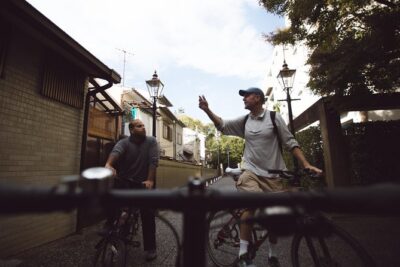
Arashiyama Bamboo Forest & Hidden Gems Bike Tour (Early Bird)
Read our review →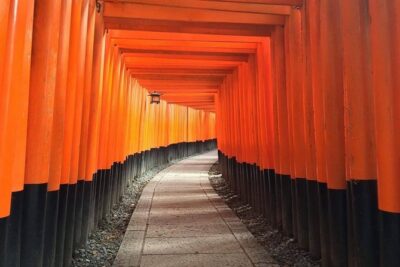
5 Top Highlights of Kyoto Full Day Bike Tour (E-bike option)
Read our review →
Full Day Biking Tour Exploring the Best of Kyoto
Read our review →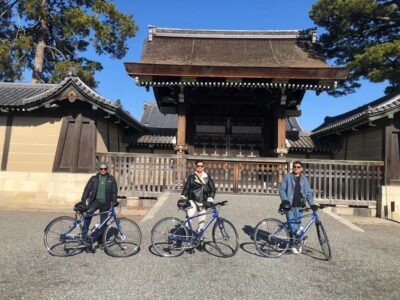
Afternoon Kyoto Bike Tour: Bamboo Forest, Monkeys & Hidden Spots
Read our review →Browse the lists this tour appears in