Review · GEISHA DISTRICT WALKS
Kyoto Evening Gion Food Tour Including Kaiseki Dinner
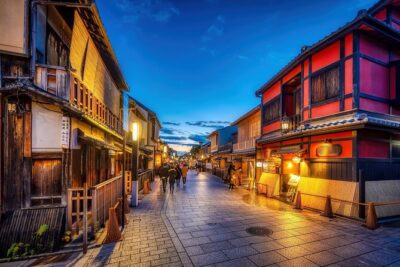
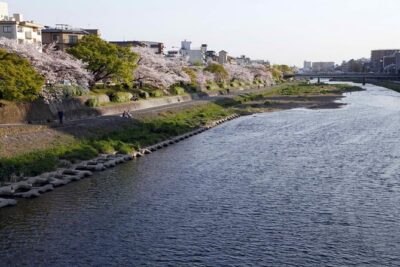
Kyoto at dusk hits different. This 3-hour Gion food walk pairs Kamogawa River views with a guided evening and a 10-course kaiseki dinner in Pontocho. You’ll cross the Kamogawa bridge, stroll the river terraces, and then wind your way through main roads and back alleys in the geisha heart of Kyoto.
I especially like two things. First, the guide factor. Many groups report guides like Thomas, Sae, Yoshiko, Zae, and Bernard bringing clear English and real care for the details, including how to read what you’re seeing around Gion. Second, the food is built in from the start, not tacked on at the end, so you get context for what you’re eating while you’re still in the neighborhood.
The main consideration is value. At $276, you should be happy paying for both a guided cultural walk and a full kaiseki dinner, not just a quick taste. Also, the tour involves a fair amount of walking, and the provider asks for strong physical fitness.
In This Review
- Key things to know before you go
- Why an evening stroll through Kamogawa and Gion is a smart move
- Meeting at the Japan Kanji Museum and Library, then setting your Gion context
- Gion’s main roads, back alleys, and the quiet clues to notice
- Shirakawa walking: shrines, statues, bridges, and Hanamikoji Street
- Pontocho at night, then a 10-course kaiseki dinner
- What 10 courses really feels like, and how to pace the night
- Price and value: $276 for guidance plus a full kaiseki evening
- Walk comfort, rain reality, and practical tips for a smooth evening
- Who should book this Kyoto Gion and Kaiseki tour
- Should you book this evening Gion food tour?
- FAQ
- How long is the Kyoto Evening Gion Food Tour with Kaiseki dinner?
- What time does the tour start?
- Where do I meet the guide?
- Where does the tour end?
- What is included in the Kaiseki dinner?
- Is the tour limited to a small group?
- Are vegetarian or gluten-free options available?
- What is the minimum drinking age?
- What happens if the weather is poor?
- Can I cancel for a full refund?
Key things to know before you go
- Small group size (max 10) helps the stroll feel relaxed and question-friendly.
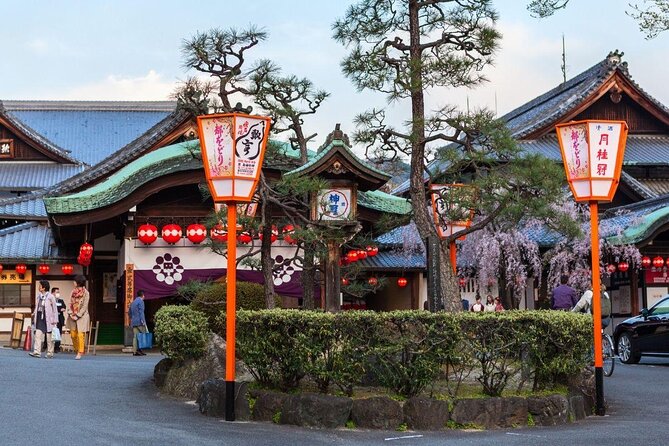
- Kamogawa River terraces are the warm-up act before you hit Gion’s historic lanes.
- Gion and Shirakawa stops focus on what the streets look like, not just trivia.
- Pontocho at night sets the mood for the meal, with a long geisha-era legacy.
- 10-course kaiseki comes with green tea and dessert, plus one included drink.
- Dietary friendly (vegetarian, pescatarian, and gluten-free friendly) can work well if you tell them your needs.
Why an evening stroll through Kamogawa and Gion is a smart move
Timing matters in Kyoto. Starting around 5:00 pm puts you on the river when people are out and about, including locals lingering on the terraces along the Kamo River. You get that calm, pre-dinner feeling, not the peak crowds you see later at the biggest sights.
Then the tour shifts gears. After crossing the Kamogawa bridge, you’re moving into Gion, Kyoto’s entertainment district known for traditional arts and tea houses. The best part is that you aren’t just looking from the sidewalk. You walk with a guide who helps you notice what’s easy to miss, like the contrast between broad main roads and narrower back alleys.
And you end in a food setting that actually matches the vibe of the neighborhood. Dinner in Pontocho feels like the story’s final chapter, not an abrupt stop on a day plan.
More Dining Experiences in Kyoto
- Kyoto Gion Cultural Walk & Geisha Show with Dining Options
★ 5.0 · 483 reviews - Dinner with Maiko in a Traditional Kyoto Style Restaurant Tour
★ 5.0 · 175 reviews - Mesmerizing Dinner with Maiko & Geisha
★ 5.0 · 131 reviews
Meeting at the Japan Kanji Museum and Library, then setting your Gion context
You start at Japan Kanji Museum & Library at 551 Gionmachi Minamigawa in Higashiyama. The museum stop is listed as quick, and that’s fine. The real job here is orientation: you meet your guide and group, then begin your Gion focus while everything is still fresh.
From this starting point, you get a short pass through the idea of Gion as Kyoto’s geisha district. Even if you only remember a few things, those points help you connect what you’re walking past later, like traditional wooden buildings and the idea that many venues are invitation-based.
One practical note. Since the tour is around 3 hours, you’ll want to arrive a few minutes early and be ready to walk immediately. Comfortable shoes are not optional here, because the experience is designed as a steady strolling loop.
Gion’s main roads, back alleys, and the quiet clues to notice
Once you’re in Gion, you’ll cover an area that feels like a maze of older structures, teahouses, and traditional streets. The tour time in Gion is about 30 minutes, but the pacing usually makes it feel like more because you’re not just passing through. You’re stopping, looking, and learning how the district works.
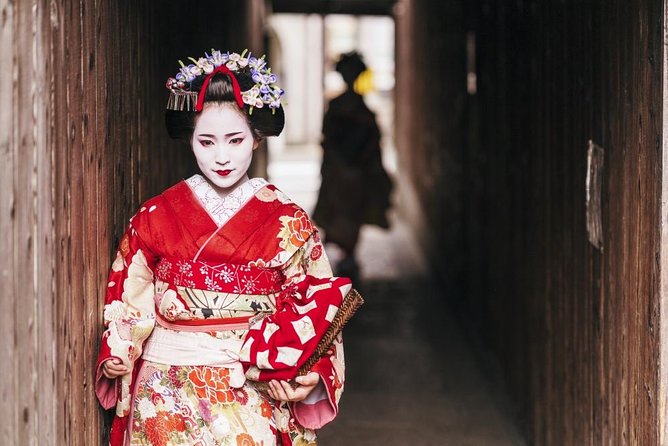
A big focus is how Gion is tied to traditional arts. You may spot what makes the neighborhood famous: the possibility of geisha walking between teahouses in their kimonos as they move to engagements. It’s not guaranteed, and you shouldn’t treat it like a photo safari, but your guide’s local framing increases what you’re able to understand while you’re there.
You’ll also pass through named lanes and meeting-style stops such as Gionmachi, Gion Shirakawa, and Gion Corner. Those stop names matter less than what they accomplish for you. They help segment the walk so you can keep your bearings, especially if you’re new to Kyoto.
One other thing I like about this style. It doesn’t push you into big, loud tourist checkpoints. You’re guided through the real texture of the area, and that makes it easier to appreciate why Gion feels different from many other neighborhoods in Japan.
Shirakawa walking: shrines, statues, bridges, and Hanamikoji Street
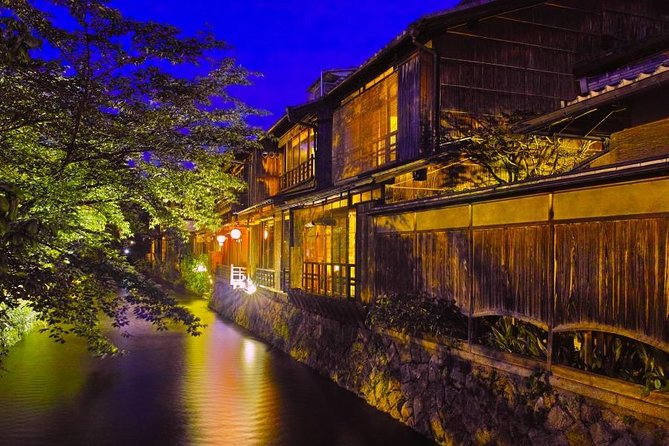
After Gion, the tour moves into the Gion Shirakawa area for about 15 minutes. Shirakawa is a good match for an evening walk because the streets tend to feel more intimate, and you’re already warmed up from the Kamogawa stroll.
Along the way, you’ll see a set of landmarks listed on the route, including:
- Tatsumi Daimyojin Shrine
- Statue of Izumo-no-Okuni
- Kyomizu Temple
- Hōkanji Temple and Yasaka Pagoda
- Tatsumi Bridge
- Hanamikoji Street
Even if you know nothing about any of these places, the guide role is to help you read them in context. You’re learning what the district contains and why it has stayed so visually consistent. That matters because Kyoto can be overwhelming when you only look at the big-name highlights.
If you’re visiting for the first time, this part gives you a practical way to experience “Kyoto atmosphere” without spending the whole evening in one sightseeing line. If you’re already a repeat Kyoto visitor, you’ll still get value because the route is shaped around the geisha-area feel, not just top monuments.
More Evening Tours in Kyoto
- Night Walk in Gion: Kyoto’s Geisha District
★ 4.5 · 2,003 reviews - Kyoto Night Foodie Tour in Gion (9+ dishes + 6 Sake tastings)
★ 5.0 · 1,762 reviews - Kyoto: Gion Magical Night Walking Tour with Geisha Insights
★ 4.9 · 1,286 reviews - Kyoto Gion Night Walk & Geisha District Guided Tour
★ 5.0 · 786 reviews
Pontocho at night, then a 10-course kaiseki dinner
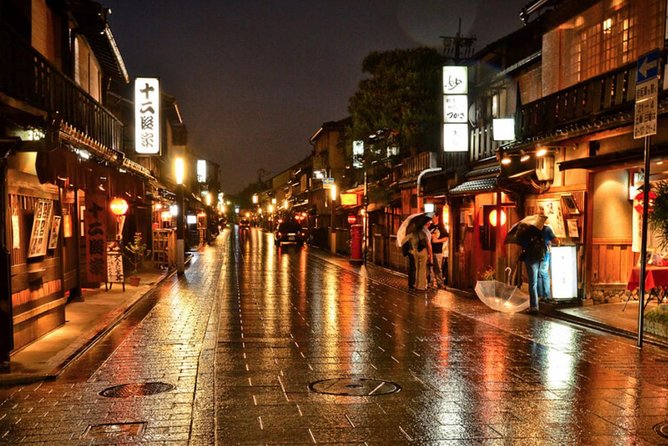
The dinner is the centerpiece. Your endpoint is in the Pontocho area, at Pontocho Idumoya (173-2 Kashiwayachō, Nakagyo Ward). Pontocho is traditionally known as a geisha home going back to the 16th century, so it fits the tour theme perfectly.
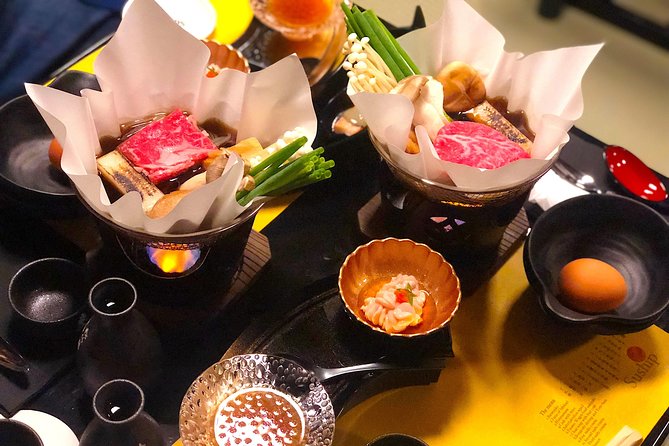
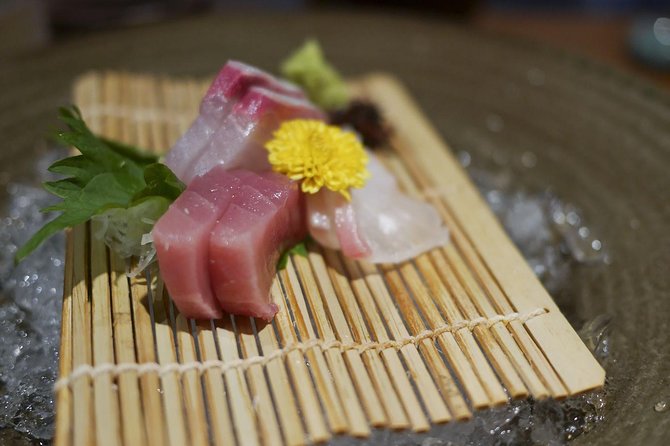
Your meal is a 10-course kaiseki dinner, with green tea and dessert included, plus one drink included. Kaiseki is built around seasonal ingredients and harmony between dishes, and the tour gives you guidance during the meal so you’re not eating blind.
Here’s what I think is most valuable for you: the food explanation lands at the right moment. You’re already walking through the places where traditional culture is part of daily life. Then you sit down and learn how kaiseki works, course by course.
Also, Pontocho is one of those Kyoto streets that feels made for evening. Even if you stay only long enough for dinner, it helps you understand why people treat the riverside and alleyways as part of the city’s charm, not scenery.
What 10 courses really feels like, and how to pace the night
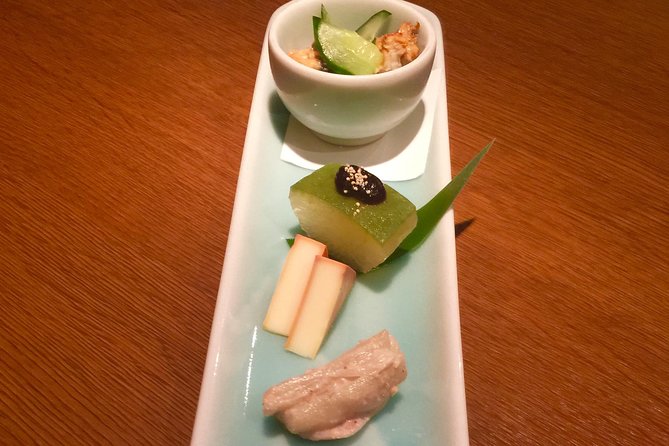
Kaiseki is not usually a “snack tour” meal. It’s a sequence, so pace matters. One review-style sentiment you’ll likely feel too is that the meal can be filling. Another part is that different diners expect different things. If you’re used to casual Japanese meals, the format may feel lighter on volume but heavier on technique and presentation.
So plan your night accordingly. Go into dinner hungry, but not so hungry that you need to rush. If you get restless easily, focus on the guide-led explanation and the rhythm between courses. That’s when the tour feels most worth it.
Dietary options are listed as vegetarian, pescatarian, and gluten-free friendly. That’s a good sign for flexibility. If you have allergies, make sure you communicate them clearly when booking, not after you arrive, because kaiseki is course-based.
One more detail that affects pacing: you’ll have one included drink and the minimum drinking age is 21. If you’re traveling as a group and one person wants alcohol and another doesn’t, it’s still set up so the core meal experience is the same.
Price and value: $276 for guidance plus a full kaiseki evening
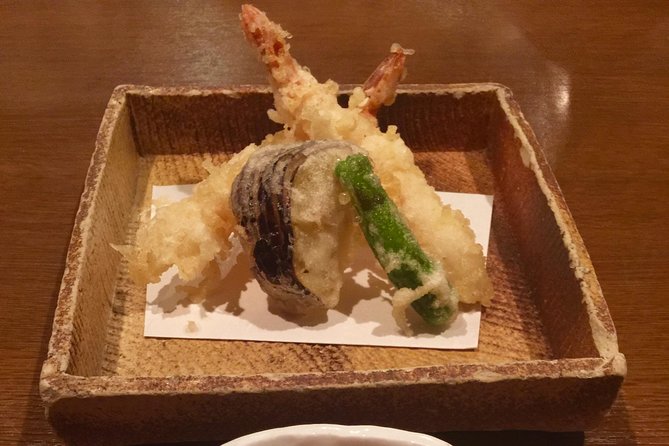
Let’s talk money like adults. $276 per person is not cheap. You’re paying for three things at once:
1) a guided walking experience through Gion and Shirakawa,
2) a sit-down 10-course meal,
3) included beverage components like green tea, dessert, and one drink.
If you only care about the walking sights, you might feel like you’re paying extra for a restaurant portion. If you truly want kaiseki, this is often the cleaner path because the menu is already part of the plan, and the guide helps you understand what you’re seeing and tasting.
I’d also weigh the group size. With a maximum of 10 travelers, it’s easier to get questions answered and to keep the experience from feeling like a factory tour. For many people, that alone helps justify the cost.
Still, there are valid “value risk” cases. If you’ve had kaiseki in other Japanese cities and expect a top-tier wow factor every single course, you may judge the experience more harshly. That’s not a flaw in the concept, it’s just how taste expectations work.
Walk comfort, rain reality, and practical tips for a smooth evening
This tour is on foot and the provider specifically mentions strong physical fitness. You’ll be walking enough that you should wear shoes you can trust on Kyoto sidewalks. I’d also bring a light rain layer, because the experience requires good weather and changes can happen if conditions shift.
The good news is you’re walking in neighborhoods where a little rain can feel atmospheric rather than miserable. The bad news is you may need to keep your footing.
A few practical choices that make a difference:
- Wear comfortable shoes and dress for evening temperatures.
- Keep a little flexibility in your schedule since the tour may adjust stops based on restaurant schedules, public holidays, weather, or unforeseen situations.
- If you’re traveling with kids, they must be accompanied by an adult, and a passport information copy is required for children 10 and above.
Because it’s a mobile ticket tour, make sure your phone battery is healthy before you head out.
Who should book this Kyoto Gion and Kaiseki tour
This is a strong fit if you match a few profiles:
- You’re a first-time Kyoto visitor who wants a guided, coherent evening in Gion and Pontocho.
- You care about food culture, not just eating. The meal comes with explanation, so you’ll get more meaning out of each course.
- You like history and etiquette as part of everyday street scenes, including how geisha culture ties to the district’s pace.
- You want a small group experience with time for questions.
It may be less ideal if:
- You hate walking or struggle with uneven pavement.
- You want a casual, no-explanations food stop.
- You’re extremely picky about dinner quality and already have very high kaiseki expectations from previous trips.
If you’re celebrating something, the evening format can feel special too, because the walk and the dining setting match each other.
Should you book this evening Gion food tour?
Book it if you want a Kyoto evening that connects three things: the streets of Gion, the river mood by Kamo and Kamogawa, and a full 10-course kaiseki meal that’s explained as you eat. The best version of this tour is when you see it as a single experience, not two separate parts.
Skip or shop around if you’re mainly chasing photos of geisha and don’t want to pay for a guided cultural dinner package. Also, if $276 feels like a stretch, decide based on whether kaiseki is truly on your must-do list.
If you do book, go in hungry, wear good shoes, and come ready to ask questions. That’s when the evening tends to click.
FAQ
How long is the Kyoto Evening Gion Food Tour with Kaiseki dinner?
The tour lasts about 3 hours.
What time does the tour start?
Start time is listed as 5:00 pm.
Where do I meet the guide?
You meet at Japan Kanji Museum & Library, 551 Gionmachi Minamigawa, Higashiyama Ward, Kyoto, 605-0074, Japan.
Where does the tour end?
The tour ends in the Pontocho area at Pontocho Idumoya, 173-2 Kashiwayachō, Nakagyo Ward, Kyoto, 604-8014, Japan.
What is included in the Kaiseki dinner?
You get a 10-course dinner plus green tea and dessert, along with one included drink.
Is the tour limited to a small group?
Yes. The maximum group size is 10 travelers.
Are vegetarian or gluten-free options available?
The tour is listed as vegetarian, pescatarian, and gluten-free friendly.
What is the minimum drinking age?
The minimum drinking age is 21 years.
What happens if the weather is poor?
The experience requires good weather. If canceled due to poor weather, you will be offered a different date or a full refund.
Can I cancel for a full refund?
Free cancellation is available up to 24 hours in advance of the experience start time for a full refund.
More Food Walks in Kyoto
- Kyoto Foodie Night Tour
★ 5.0 · 376 reviews - Kyoto: Gion & Pontocho Food Tour with 13 Dishes
★ 4.9 · 235 reviews - The Award-Winning PRIVATE Food Tour of Kyoto: The 10 Tastings
★ 4.5 · 100 reviews - Kyoto: Nishiki Market and Depachika Food Tour with a Local
★ 4.7 · 76 reviews
More Food Tours in Kyoto
- 3-Hour Kyoto Insider Sake Brewery Tour with Tastings & Pairings
★ 5.0 · 917 reviews - Arashiyama Bamboo, Temple, Monkeys, or Secret Sake Brewery
★ 4.8 · 886 reviews - Kyoto: Insider Sake Brewery Tour with Sake and Food Pairing
★ 5.0 · 704 reviews - Kyoto Sake Brewery & Tasting Walking Tour
★ 5.0 · 623 reviews
Newly listed around Kyoto
- Kyoto Full Course Tour: Explore 10 Must-See Sights & Hidden Gems★ 4.5 · 25 reviews
- Takashi’s local food adventure through Gion Kyoto tips of Ramen★ 4.5 · 8 reviews
- Kyoto night walk tour (Gion district)★ 5.0 · 91 reviews
- 2 Hour Night Walking Tour Throughout Gion with snack★ 4.0 · 13 reviews
- Guided Gion Tour: Explore Kyoto’s Historic Geisha District★ 4.5 · 16 reviews
- Gion and Fushimi Inari Shrine Kyoto Highlights with Government-Licensed Guide★ 4.5 · 21 reviews
- Kyoto 5-Star Geisha Night Walk: Small-Group Authentic Experience★ 5.0 · 162 reviews
- Treasures of Kyoto: Geishas & Traditions Private Tour★ 5.0 · 36 reviews
Geisha District Walks, compared.
Kyoto Geisha Walking Tour: Gion District & Hidden Gems
Read our review →
Gion Geisha District Walking Tour – Stories of Geisha
Read our review →
Best of Kyoto: Gion, Geisha, Pagodas & Cobblestones
Read our review →
Kyoto Night Foodie Tour in Gion (9+ dishes + 6 Sake tastings)
Read our review →
Kyoto Gion Geisha District Walking Tour – The Stories of Geisha
Read our review →
Gion Magical Night Walking Tour with Geisha Insights
Read our review →