
Review · LOCAL FOOD WALKS
Flavours of Tokyo: A Journey Through Time – Small Group Food Tour
Tokyo eats its way through time. This small-group food tour strings together the Edo-era roots of Japanese flavor with today’s commuter snacks and Akihabara sweetness. You cover three districts, and you do it on foot with a history-minded guide who connects what you taste to how Tokyo changed.
I love the small group size (maximum 9). It keeps the energy friendly, with room to ask questions, especially when your guide explains why ingredients like dashi matter so much. I also like how the tour doesn’t stop at one slice of Tokyo, you get Nihonbashi, Ginza and Yurakucho, then Tokyo Station area, and finally Akihabara.
One thing to plan for: you’ll walk about 6.5 km and deal with lots of subway stairs. If you dislike uphill walking or long station transfers, you may feel it more than you expect.
In This Review
- Key Things I’d Highlight Before You Book
- Past, Present, and Future Tokyo Food, Why It Works
- Walking Route Basics, Two Subway Rides, and Timing
- Nihonbashi Bridge to Dashi Lessons, Edo-Era Ingredients First
- Fukutoku Shrine Stop, Shrines vs. Temples and a Quick Ritual
- Ginza and Yurakucho After the War, Salarymen and Gado Shita
- Tokyo International Forum, Kitte Marunouchi, and Two Station-Close Stops
- Akihabara, When Desserts Mix Tradition and Pop Culture
- What You Eat and Drink, From Dashi Snacks to Lunch
- Price and Value, Is $176 Worth It?
- Should You Book This Flavours of Tokyo Food Tour?
- FAQ
- Is transport included in the tour price?
- How long is the tour, and when does it start?
- What size is the group?
- What food and drinks are included?
- What if the weather is bad?
- Can I get a refund if I cancel?
Key Things I’d Highlight Before You Book
- A history to match the food, not just a list of bites
- 14 dish tastes plus lunch, so you are not leaving hungry by default
- Three distinct districts in one smooth loop, Nihonbashi to Akihabara
- Dashi-centered start, with kombu and katsuobushi explained early
- Akihabara desserts that mix traditional sweets with pop-culture themes
- Lemon Sour included, a fun but easy-to-handle alcohol add-on
Past, Present, and Future Tokyo Food, Why It Works
The theme is simple and it matters: Tokyo food changes as the city changes. Start with Edo-era foundations, then watch the industrial and commuter eras shape what people eat on a workday, and end with Akihabara where novelty and sweetness get extra playful.
What makes this tour feel smart is the pacing of ideas. Early on, you learn the building blocks of Japanese flavor like dashi, then later you meet modern Tokyo through places connected to commuting and neighborhood life. By the time you hit Akihabara, the future angle makes sense, because you’ve already seen how taste trends respond to Tokyo’s needs and technologies.
There’s also a human benefit. In a group of up to 9, the guide can keep conversations moving. Names you may hear tied to the experience include Yasu, Keiko, Miko, and Paiva, and they are repeatedly praised for weaving historical context into what you’re eating.
More Food Tours in Tokyo
- Tokyo: Shinjuku Food Tour (13 Dishes at 4 Local Eateries)
★ 5.0 · 6,603 reviews - Tokyo Tsukiji Fish Market Food and Culture Walking Tour
★ 5.0 · 3,184 reviews - Tokyo: Shinjuku Food Tour (15 Dishes and 4 Eateries)
★ 4.9 · 2,033 reviews
Walking Route Basics, Two Subway Rides, and Timing
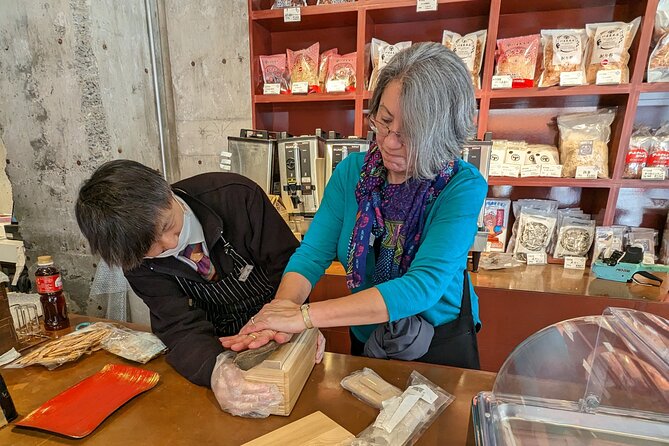
This runs about 5 hours 30 minutes, starting at 11:30 am. You end at Akihabara Station (1-chome, Sotokanda). You’ll take two short subway rides, which are not included in the price.
Comfort tip: wear shoes you trust. The tour expects you to walk about 6.5 km total and handle stairs in stations. That is the main logistical consideration, more than the food stops themselves. Also, the experience requires good weather, so keep an eye on forecasts close to departure.
Nihonbashi Bridge to Dashi Lessons, Edo-Era Ingredients First
You begin in Nihonbashi, a great choice for a food-and-history start. The vibe here is “the foundations,” and the guide focuses on key ingredients that underpin Japanese cuisine. The centerpiece is dashi, the stock that forms the base for many dishes.
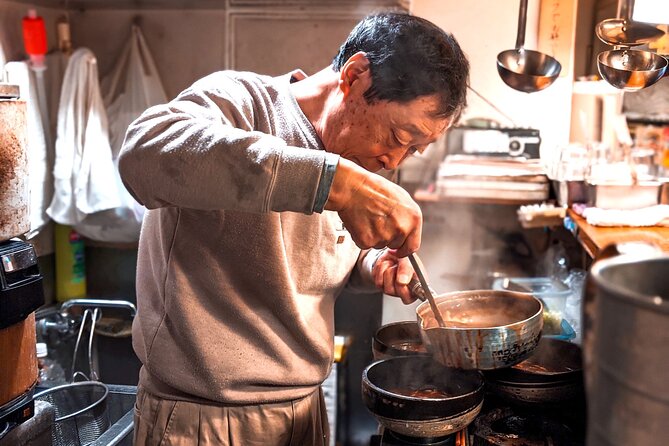
This is where the tour earns its keep, because dashi is one of those flavors you either love or never quite understand. You’ll be introduced to how it connects to ingredients like kombu and katsuobushi (dried bonito). Even if you’ve had miso soup or ramen before, learning what’s actually building the taste changes how you read Japanese menus afterward.
You also start with Nihonbashi Bridge nearby, and the area’s old-school role helps set the Edo period context before you move toward newer parts of town. Early learning like this makes later tastings feel connected instead of random.
Fukutoku Shrine Stop, Shrines vs. Temples and a Quick Ritual
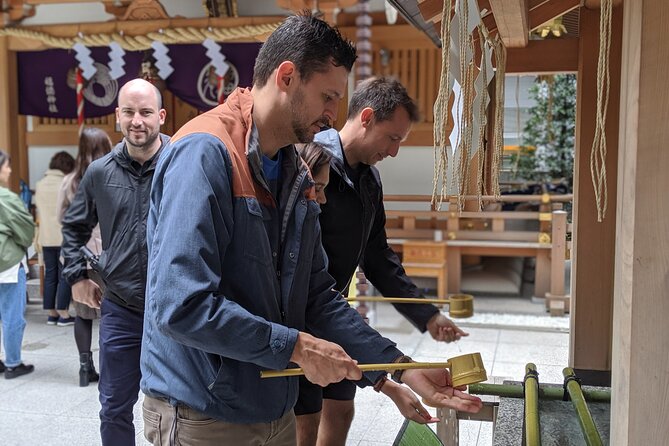
Before you head deeper into the city’s food neighborhoods, you make a short cultural stop at Fukutoku Shrine. This is brief, but it’s not filler.
You learn the difference between shrines and temples, plus what it means to cleanse your spirit and pray at a shrine. That matters because Japanese food culture is tied to daily life, seasonal rhythms, and belief traditions. Even a quick moment like this gives you a better backdrop for why certain ingredients and celebrations show up again and again in Japanese eating.
The practical benefit is also simple: you get a mental reset between food stops, and the walking rhythm stays comfortable since the stop is short.
More Food Walks in Tokyo
- Tokyo Night Foodie Tour in Shinjuku – Seasonal Sushi, Wagyu Beef
★ 5.0 · 1,161 reviews - Shinjuku Izakaya Food Tour
★ 5.0 · 1,041 reviews - Eat and Drink Like a Local: Tokyo Ueno Food Tour-Taverns&Ramen
★ 5.0 · 957 reviews - Tokyo: Shibuya Food Tour (13 dishes and 4 Eateries)
★ 5.0 · 770 reviews
Ginza and Yurakucho After the War, Salarymen and Gado Shita
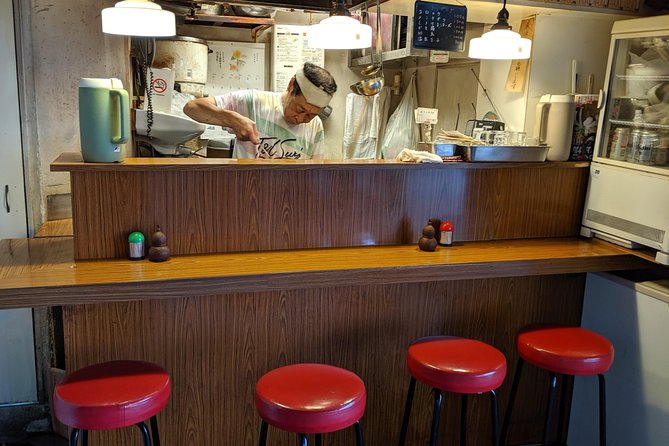
Then you move into Ginza and Yurakucho, and the story shifts. This part is about how Japan industrialized after World War II, and how daily work life shaped food habits.
A key idea your guide brings up is the world of salarymen. With that came the popularity of gado shita (small bars and restaurants built under the railway), where people could eat and drink near where they spent their working hours. It’s an excellent way to understand why Japanese cities have such strong “neighborhood food” patterns, not just destination dining.
You also pass areas near railway tracks and you connect this story to where Tokyo’s food culture lives now. It’s one of those sections where the food stops feel less like snacks on a schedule and more like evidence of how the city functions.
Tokyo International Forum, Kitte Marunouchi, and Two Station-Close Stops
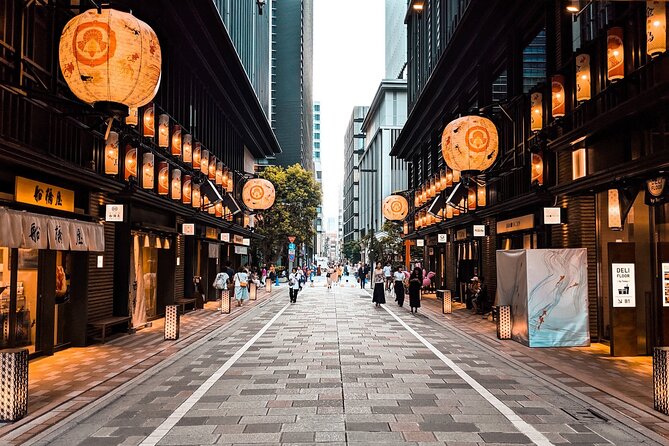
A smart move in the tour design is how it uses landmarks as transitions. You stroll from the Ginza and Yurakucho track area toward Tokyo International Forum, then continue to Kitte Marunouchi and the Tokyo Station zone.
Tokyo Station is the commuter heartbeat, and you’ll taste foods that are popularly eaten on the way home. Expect two highlighted items here: tamagoyaki (Japanese omelette) and a fruits sando made with Japanese milk bread plus fresh fruit and whipped cream.
You try these in the station-adjacent areas including Tokyo Station Marunouchi Ekimae Hiroba and also at Daimaru Tokyo. The practical value is huge, because these are the kind of foods that are easy to crave later when you’re living a travel day the way locals do: quick bites, sweet perks, and no wasted steps.
One note for expectations: station-area food is often about convenience as much as tradition. That’s not a drawback, it just helps you enjoy it for what it is, a modern ritual tied to commuting.
Akihabara, When Desserts Mix Tradition and Pop Culture
Ending in Akihabara is playful and purposeful. The neighborhood is known for electronics, anime culture, and maid cafes, but on this tour it’s specifically about food that looks to the future.
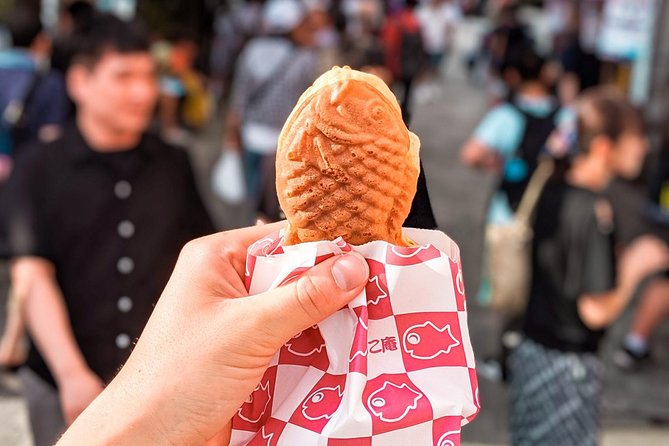
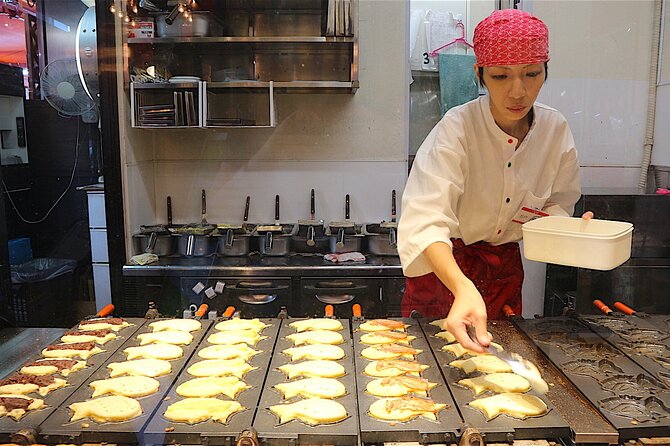
You’ll try desserts that combine traditional Japanese sweets with modern twists. Examples included on the tour lineup include Pokemon taiyaki and choices like matcha (green tea) bubble tea or ice cream. The “future of food” idea lands best here because the sweets are whimsical without abandoning familiar flavors.
Akihabara is also an easy landing point for your evening plans. Once you finish near Akihabara Station, you’re already in a zone with lots of options if you want more snacks, dinner, or just a change of pace after the walking loop.
What You Eat and Drink, From Dashi Snacks to Lunch
This tour is built around volume and variety. You’ll sample 14 dishes, including traditional Edo-style flavors and modern fusion-style tastes.
Included items cover both savory and sweet, with early snacks tied to Japanese pantry staples such as dashi, katsuobushi, and kombu. You may also see fried or fermented favorites like satsuma-age, plus sweet drinks and desserts like amazake. There are also classic Japanese sweets options listed such as daifuku or dorayaki.
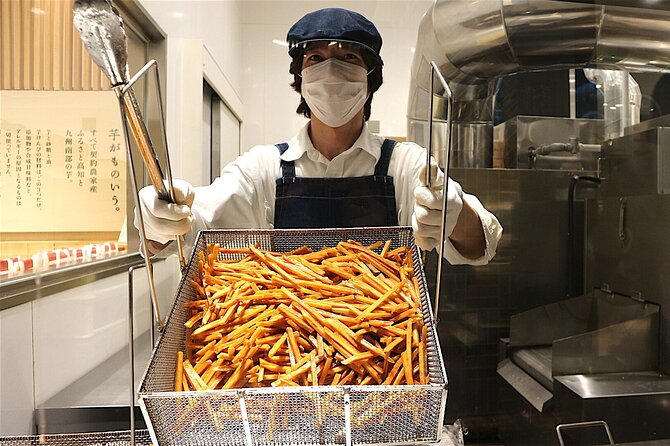
The tour lineup also includes more niche snacks like imo kenpi (a candied potato snack), which is a great example of how Japanese sweets can still feel snackable and travel friendly.
Lunch is included and it’s not just dessert. You’ll try yakitori and tempura soba, plus the commuter staples already mentioned like tamagoyaki and fruits sando. A highlight for many people is the included drink: Lemon Sour, a Japanese alcoholic drink that pairs well with both savory snacks and sweet treats.
If you care about taste balance, this tour has it. There’s enough variety that you should get at least a few bites you love on first try.
Price and Value, Is $176 Worth It?
At $176 per person, this isn’t a budget food crawl. But it isn’t priced like a single-street tasting either.
Here’s the value case: you’re getting a 5.5 hour guided route across three districts, two subway rides handled by timing and route planning (your fares are not included), and 14 dish tastings plus a full included lunch. On top of that, you get a featured alcohol drink, Lemon Sour.
For Tokyo, that mix usually costs more when you try to assemble it yourself. The biggest “you’re paying for” item is the guide’s ability to connect food to place and time, from dashi foundations in Nihonbashi to commuter food near Tokyo Station and pop-culture desserts in Akihabara.
So I’d frame it like this: you’re buying convenience and context. If you want only food, you may find cheaper options. If you want food with Tokyo’s story attached, the price starts to feel fair.
Should You Book This Flavours of Tokyo Food Tour?
Book it if you want a small-group Tokyo experience that teaches you how the city’s history shows up in everyday eating. It’s a great fit if you love tasting a range of foods, from savory snacks like dashi-based bites and yakitori to sweet hits like taiyaki and matcha desserts, all while walking between neighborhoods that feel different from each other.
Skip it or consider a different style of food tour if you hate stair-heavy subway transfers or you know you’ll struggle with about 6.5 km of walking. Also, if you expect one big sit-down meal, plan for a format that is more about sampling across multiple stops, then enjoying lunch as a centerpiece.
FAQ
Is transport included in the tour price?
No. The tour includes two short subway rides planned into the route, but the subway costs are payable by you.
How long is the tour, and when does it start?
The tour lasts about 5 hours 30 minutes and starts at 11:30 am.
What size is the group?
The group is small, with a maximum of 9 travelers.
What food and drinks are included?
You get snacks and tastings, lunch, and a drink. The tour includes items such as dashi-related bites, tamagoyaki, fruits sando, yakitori, tempura soba, plus sweets like daifuku or dorayaki and Pokemon taiyaki, with Lemon Sour also included.
What if the weather is bad?
The experience requires good weather. If it is canceled due to poor weather, you are offered a different date or a full refund.
Can I get a refund if I cancel?
The experience is listed as non-refundable and cannot be changed. If canceled due to poor weather, you get either a different date or a full refund, and if canceled due to not meeting the minimum number of travelers, you get either another experience date or a full refund.
More Food & Drink in Tokyo
- Tokyo: Tsukiji Fish Market Food and Walking tour
★ 5.0 · 1,724 reviews - Tokyo: Tsukiji Fish Market Food and Culture Walking Tour
★ 4.7 · 757 reviews - Tsukiji Fish Market: Street Food & Culture Walking Tour
★ 5.0 · 669 reviews - Tsukiji Fish Market Small-Group Food Walking Tour
★ 5.0 · 621 reviews
Newly listed around Tokyo
- Sumo Wrestlers Morning Practice Tour – Tokyo Sumida District★ 5.0 · 54 reviews
- Sumi-e Ink Painting Suiboku-Ga Workshop in a Japanese Teahouse★ 5.0 · 20 reviews
- 【Contemporary Culture】Bar Hopping I Always Visit in Shinjuku!★ 5.0 · 29 reviews
- Sumo Wrestling Tournament A-Class Seats & ExpertGuide | Tokyo MAY★ 5.0 · 14 reviews
- Snow Experience at Mt.Fuji, Hakone Pirate Ship & Gotemba Premium Outlet★ 4.0 · 32 reviews
- Tokyo Sumo Morning Practice: Viewing & Exclusive Interaction★ 4.5 · 59 reviews
- Small-Group Wagyu Beef and 7 Japanese Dishes Tokyo Cooking Class★ 5.0 · 190 reviews
- Asakusa’s Historic Treasures★ 5.0 · 30 reviews
Local Food Walks, compared.
Shinjuku Food Tour (13 Dishes at 4 Local Eateries)
Read our review →
Shinsekai Food Tour with 13-15 Dishes at 5 Eateries
Read our review →
Osaka Food Tour: 13 Dishes at 5 Local Eateries
Read our review →
Shinjuku Food Tour (15 Dishes and 4 Eateries)
Read our review →
Kyoto Night Foodie Tour in Gion (9+ dishes + 6 Sake tastings)
Read our review →
Hungry Osaka Street Food Tour:15 Tastings & 3 Drinks with a Local
Read our review →
Tokyo Night Foodie Tour in Shinjuku – Seasonal Sushi, Wagyu Beef
Read our review →
Browse the lists this tour appears in