
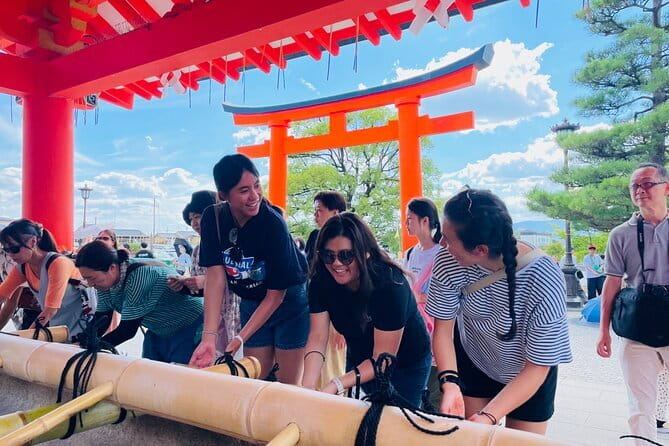
Review · CYCLING & E-BIKE RIDES
Pedal Adventure Kyoto’s iconic landmarks on an e-bike tour
Kyoto without a bus ride.
This e-bike loop brings you from classic streets in Gion to the iconic torii gates at Fushimi Inari-taisha, with temples and back streets stitched together in about four hours. It is a practical way to see major sights while still getting real explanations about Shintoism, Buddhism, and even samurai-era culture.
I especially love how the tour keeps moving, with short riding segments and easy e-assist support so you are not wiped out by Kyoto traffic and crowds. I also like the small-group feel, plus the guide’s personal stories and humor that make the shrines and neighborhoods feel human, not like a checklist.
One thing to consider: this experience depends on the day’s weather. If conditions are rough, you may be offered a different date or a refund, so plan your Kyoto schedule with a little wiggle room.
In This Review
- Key points worth knowing before you go
- Why an e-bike is the smart way to do Kyoto
- Gion first: Geisha streets and a quick taste of tradition
- Higashiyama Ward temples: back streets, secrets, and a snack break
- Fushimi Inari-taisha: torii gates with a rhythm you can feel
- Tofuku-ji and the Kamogawa River ride back
- The guide experience: stories that connect Shinto, Buddhism, and daily life
- E-bikes, safety, and what you should bring
- Timing, pacing, and how long four hours really is
- Price and value: what you get for $86.22
- Who this tour is best for
- Should you book Pedal Adventure Kyoto?
- FAQ
- How long is the e-bike tour?
- How much does the tour cost?
- What stops are included?
- Is admission included?
- What is included in the price?
- Is lunch included?
- How many people are in a group?
- Where do you meet and end?
- Is cancellation free?
Key points worth knowing before you go
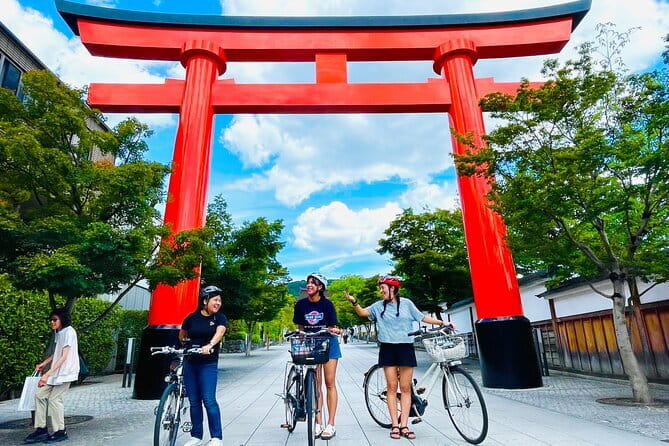
- E-bike comfort: helmets, bottled water, snacks, and an assist motor for city riding
- Small group size: capped at 8 travelers for a calmer pace
- Icon + back streets: Gion, Higashiyama, Fushimi Inari, then Tofuku-ji and the Kamogawa River
- Culture talk that clicks: Shinto, Buddhism, and stories tied to what you are actually seeing
- Easy logistics: near public transportation, meet-and-return at the same point
- Most admission is free: you are not paying fees just to enjoy the route
Why an e-bike is the smart way to do Kyoto
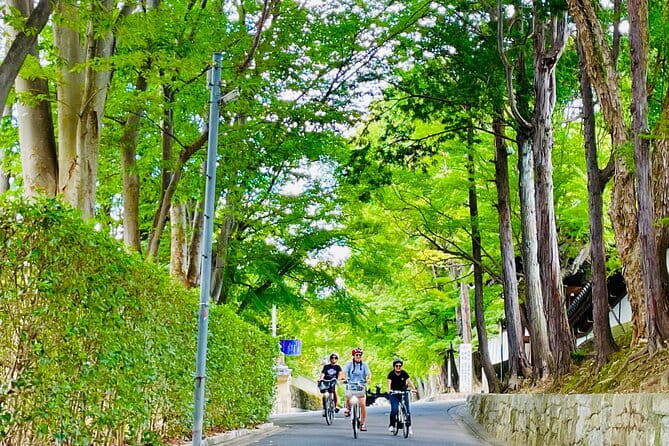
Kyoto rewards slow walking, but it punishes slow energy. This tour is built for the middle ground: you get classic landmarks and major photo spots, with enough e-bike support that your legs stay mostly loyal.
The route leans into short rides between areas, then a proper chunk of time at each stop. That matters because Kyoto sightseeing is not just about arriving. It is about time inside the streets, time noticing details, and time to ask questions without feeling rushed.
You also get a helmet, bottled water, and snacks. That is not just convenience, it helps you keep pace when Kyoto gets hot or sticky. And because the group is capped at 8, you get more of the guide’s attention than you would on a bigger bus tour.
More Bike Rides in Kyoto
- Bike Tour Exploring North Kyoto plus Lunch
★ 5.0 · 1,087 reviews - Arashiyama Bamboo Forest & Hidden Gems Bike Tour (Early Bird)
★ 5.0 · 613 reviews - 5 Top Highlights of Kyoto Full Day Bike Tour (E-bike option)
★ 5.0 · 511 reviews
Gion first: Geisha streets and a quick taste of tradition
You start with a short setup ride, then you land in Gion, one of Kyoto’s most famous historic districts. The pace here is friendly, and the time is short by design. You are not trying to conquer everything. You are getting your bearings fast and setting the mood.
What you will appreciate most is the way Gion is explained beyond the postcard version. You learn about geisha culture, including what you might notice in the neighborhood and how traditional entertainment culture fits into modern Kyoto life.
A drawback to be aware of is that Gion time is brief. If you want hours of deep wandering in tea-shop lanes, this is not that kind of tour. Think of Gion as the opening chapter, not the whole book.
Higashiyama Ward temples: back streets, secrets, and a snack break
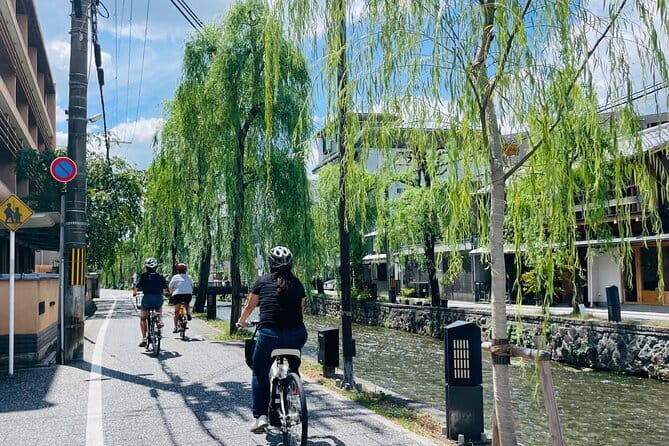
After Gion, you ride about 15 minutes into the Higashiyama area. This is where the tour starts to feel more personal. The guide takes you to a temple spot and adds context so you understand why people care, instead of just snapping a photo and moving on.
This stop includes time for a quick snack. That sounds small, but it is a big deal in Kyoto. You will be walking, looking, and listening. A planned break keeps your energy up and your questions flowing.
The other practical win: Higashiyama often draws crowds on foot. By mixing short bike segments with calmer lanes, you spend more time where you can actually see and hear. You will still be in popular areas, but the route does not feel like a straight line through the loudest crowd.
Fushimi Inari-taisha: torii gates with a rhythm you can feel
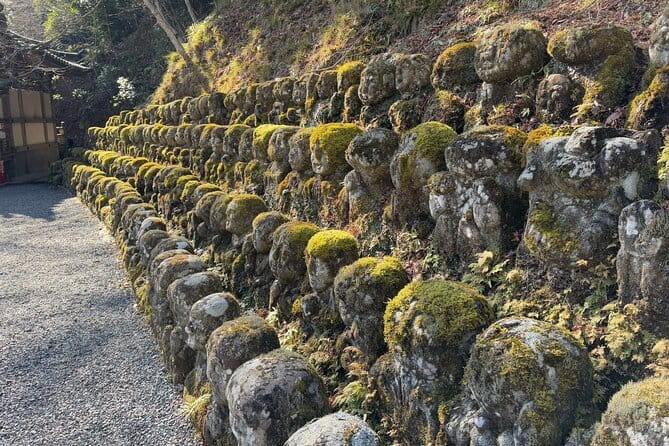
Then comes Fushimi Inari-taisha, the one Kyoto stop everyone recognizes. The tour gives you about 40 minutes here, which is enough for the atmosphere, the key views, and the meaning behind what you are seeing.
The torii gates are visually striking, but the real value is the explanation of what they represent and how Shinto practices show up in the details. You are not just walking through a photo wall. You are learning how devotees and visitors interact with the shrine space.
One consideration: if you are easily overwhelmed by crowds, arrive with a calm mindset. This is an iconic site, so density is part of the deal. The advantage of having a guide is that you are not left figuring out where to go and what to ignore.
More Bike Tours in Kyoto
- Hidden Kyoto E-Biking tour
★ 5.0 · 1,843 reviews - Full Day Biking Tour Exploring the Best of Kyoto
★ 5.0 · 498 reviews - Kyoto: Memory Kyoto E-Bike Tour
★ 4.8 · 297 reviews - E-Bike Tours of the highlights of Kyoto!!!
★ 5.0 · 291 reviews
Tofuku-ji and the Kamogawa River ride back
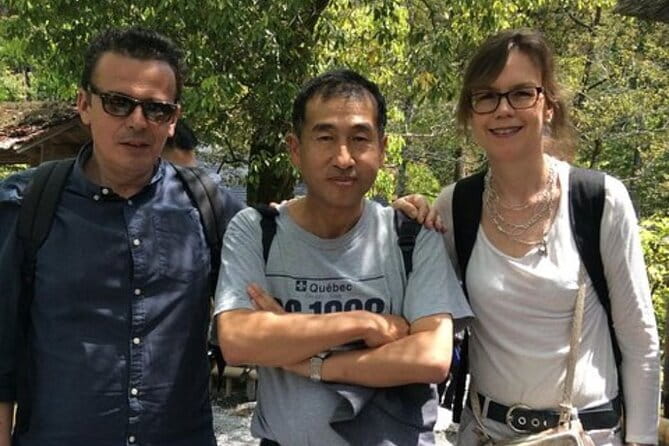
After Fushimi Inari, you cycle about 10 minutes to the Tōfuku-ji Temple complex. You get around 20 minutes here, which is a good match for a half-day rhythm. You get the temple setting without spending the whole day in one place.
Then the tour follows the Kamogawa River for the ride back. This is a big mood shift. It is quieter, flatter, and a nice reset after shrine walking. It also gives you a chance to relax and enjoy Kyoto moving by, not just standing still for landmarks.
If you like your sightseeing to end with a scenic, low-stress finish, this river segment does the job.
The guide experience: stories that connect Shinto, Buddhism, and daily life
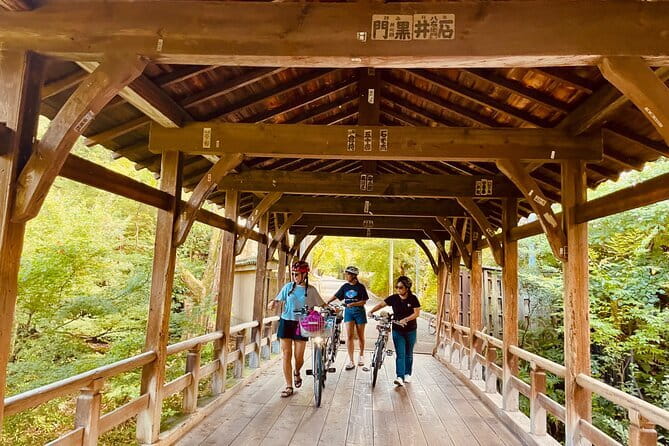
What makes this tour different is not only the route. It is the guide’s way of linking culture to everyday objects and customs. In the feedback, the guide is often described as funny, kind, and very tuned into pacing, and you feel that in how the tour flows.
Expect explanations about Shintoism and Buddhism that tie into what you see at shrines and temples. You may also hear samurai-related context and stories that help you understand why certain traditions persist.
Several memorable details pop up in the tour style. You might learn about etiquette that feels odd until someone explains the why, like chopstick taboos between people. You could also hear surprising side stories that make Japanese culture feel more playful and less formal than you expected.
On top of that, safety and comfort get real attention. Some guides use hand signals while riding, and the tour is designed for easy group control. If you worry about navigating a bike route in a dense city, having that structure matters.
E-bikes, safety, and what you should bring
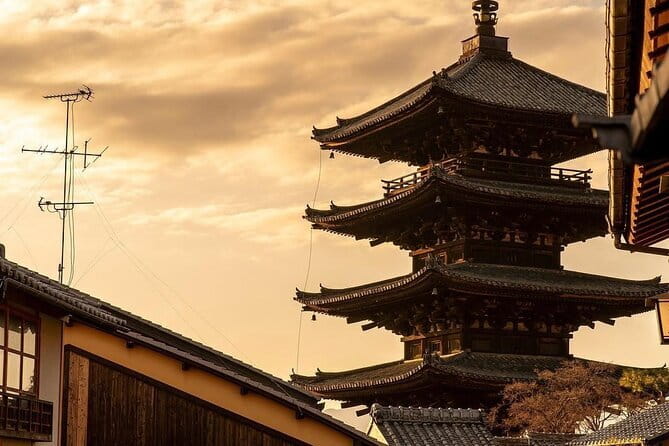
You are using the e-bike, and that changes everything. Kyoto has plenty of flat routes, but the motor support means you can focus on sights instead of constantly managing your effort. Many visitors also mention the bikes are comfortable and well maintained, and that baskets are handy for bags or jackets.
You get a helmet and bottled water. There are also snacks included, and the tour can include extra help in tough conditions. For example, in very hot weather, you may get cooling items, and the guide may suggest electrolytes.
What I recommend you bring:
- A small refillable water bottle, even though bottled water is provided
- A light rain layer if skies look uncertain
- Sunscreen and a hat in summer heat
- Comfortable shoes for the walking parts at shrines and temples
Also remember the tour is weather dependent. If it looks like storms, build your day so you are not stuck choosing between this tour and another must-see.
Timing, pacing, and how long four hours really is
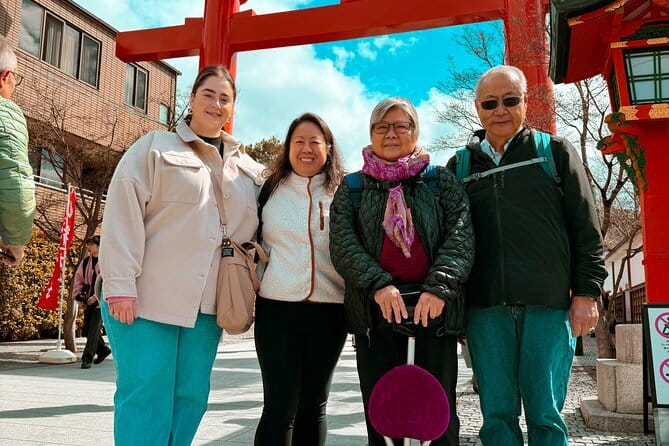
This is an about 4-hour tour, and the timing is built around short bike hops with concentrated stop time. That pacing helps you absorb each place instead of treating everything like a quick drive-by.
You will likely spend the most time at the Higashiyama temple stop and at Fushimi Inari. Gion is shorter, and the river ride gives you a lighter end to the day.
Because it is not trying to cram in ten stops, it feels more like a guided route with breathing room. That makes it easier to ask questions, and it also makes the whole thing less exhausting than you might fear at first.
Price and value: what you get for $86.22
At about $86.22 per person, this tour sits in the mid-range of Kyoto sightseeing. The key is what is included. You are paying for the e-bike, helmet, bottled water, snacks, and an English-speaking route coordinator.
Lunch is not included, so plan a meal before or after. That is the main place you will spend extra money.
Admissions are listed as free for the main stops in the schedule, so you are not dealing with a stack of ticket fees just to participate. The value comes from context and logistics, not from buying access.
If you are trying to cover Kyoto efficiently without turning your day into a sprint, an e-bike tour like this often wins. You get movement plus meaning, instead of either one alone.
Who this tour is best for
This tour works for most travelers, including people who want a guided path through Kyoto without learning complicated transit or bike routes.
It is a great fit if you:
- Want iconic Kyoto sights, but also want calmer side streets
- Prefer active sightseeing that still feels manageable
- Like cultural explanations tied to what you are seeing
- Travel with someone who is not interested in long walking marathons
If you are the type who wants to linger for hours at one temple, you might find the stop times feel short. This tour is designed for variety, not deep solitude.
Should you book Pedal Adventure Kyoto?
If your goal is a high-impact Kyoto morning or afternoon with major landmarks plus back-street atmosphere, this is an easy yes. The included water, snacks, and helmet reduce friction, and the e-bike support keeps the ride from turning into a workout you did not plan.
I would book it if you like learning the why behind traditions, not just the where. The guide style described in the experience centers on stories, humor, and pacing, and that is exactly what makes a cultural tour feel worth your time.
Skip it only if weather is a major risk for you or if you cannot do any riding at all. Also, if you are craving long, unstructured wandering, treat this as your guided sampler, then follow it up with independent exploring afterward.
FAQ
How long is the e-bike tour?
The tour is about 4 hours.
How much does the tour cost?
The price is $86.22 per person.
What stops are included?
The tour includes stops in Gion, the Higashiyama area, Fushimi Inari-taisha Shrine, and Tōfuku-ji Temple, with a ride that follows the Kamogawa River back toward the start.
Is admission included?
The schedule shows admission tickets as free for the listed stops.
What is included in the price?
The tour includes use of a bicycle, a helmet, bottled water, snacks, and an English-speaking route coordinator.
Is lunch included?
No, lunch is not included.
How many people are in a group?
The tour has a maximum of 8 travelers.
Where do you meet and end?
You start at 19 Shōgoin Higashimachi, Sakyo Ward, Kyoto, 606-8325, Japan, and the tour ends back at the meeting point.
Is cancellation free?
Yes. You can cancel up to 24 hours in advance for a full refund. If the tour is canceled due to poor weather, you will be offered a different date or a full refund.
More E-Bikes in Kyoto
- Historical Kyoto E-Bike Tour
★ 5.0 · 181 reviews - Early Bird E-biking through East Kyoto
★ 5.0 · 114 reviews - Best of Kyoto: Ginkakuji & Path of Philosophy E-Bike Tour
★ 4.9 · 79 reviews - Kyoto: Hidden Gems E-Bike Tour with Local Guide
★ 4.9 · 75 reviews
More Cycling Tours in Kyoto
- Afternoon Kyoto Bike Tour: Bamboo Forest, Monkeys & Hidden Spots
★ 5.0 · 283 reviews - South Kyoto in a Nutshell: Gentle Backstreet Bike Tour!
★ 5.0 · 225 reviews - Kyoto: City Secrets eBike Tour
★ 4.9 · 196 reviews - Arashiyama Bamboo Forest E-Biking Tour
★ 5.0 · 183 reviews
Newly listed around Kyoto
- SHIRAKAWA Japanese Culture Experiences with private English staff★ 5.0 · 16 reviews
- Roketsu dyeing experience: M course Roketsu Dyeing Experience★ 5.0 · 163 reviews
- Scenic Green Tea Fields of Hidden Kyoto & Local Tea Exp (Private)★ 5.0 · 32 reviews
- A Privately Guided Photoshoot in Beautiful Kyoto by a Pro★ 5.0 · 18 reviews
- Kyoto: Geisha Dinner & Gion Cultural Walk★ 5.0 · 14 reviews
- Private departure transfer from Kyoto city to Osaka Itami International airport★ 4.5 · 33 reviews
- Kyoto tour with English Speaking Chauffeur★ 5.0 · 29 reviews
- Kyoto&Nara Private Highlights Tour with English driver Pickup★ 4.0 · 6 reviews
Cycling & E-Bike Rides, compared.


3h Tokyo E-Bike Tour: Hidden Gems, and Local Life with guide
Read our review →
Arashiyama Bamboo Forest & Hidden Gems Bike Tour (Early Bird)
Read our review →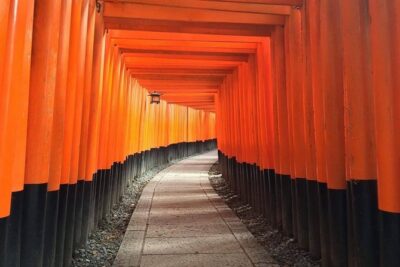
5 Top Highlights of Kyoto Full Day Bike Tour (E-bike option)
Read our review →

Hiroshima 2hr Peace Cycling Tour with Local Guide
Read our review →Browse the lists this tour appears in