
Review · CYCLING & E-BIKE RIDES
Hiroshima: Best of Hiroshima Guided Bike Tour
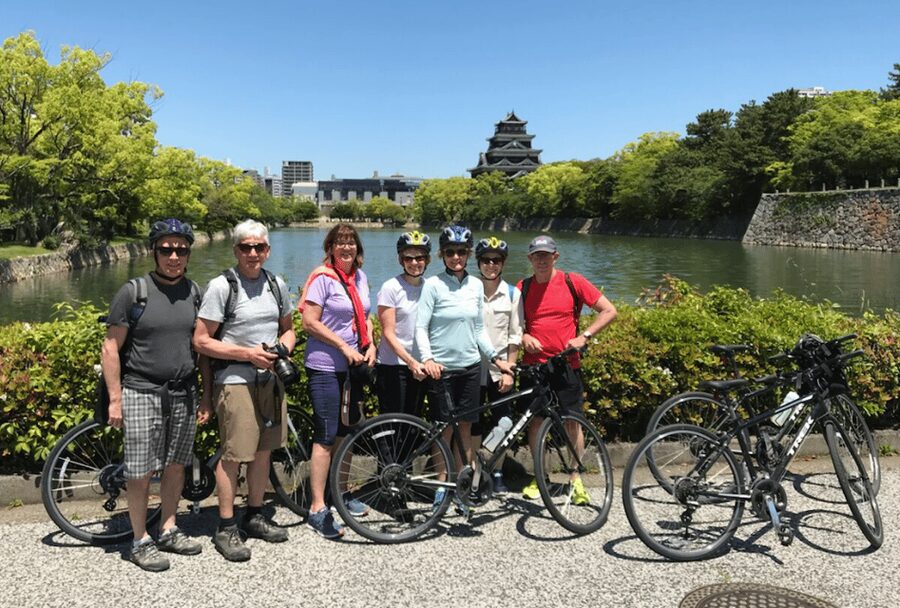
Pedal through Hiroshima’s hardest lessons. I love how this small-group bike tour stacks Hiroshima’s top sights into one smooth 3.5-hour loop, so you spend more time seeing and less time figuring out transit. I also like that the route is flat and easy, which makes the ride feel calm and steady even if you are not an experienced cyclist.
One thing to keep in mind: this tour depends on good weather, so if conditions are poor you will need to switch dates or get a full refund. The upside is that with a maximum of 8 people and a real English-speaking guide, the pace stays human and the stops actually matter.
In This Review
- Key reasons this guided bike tour works so well
- Getting started at Cycle Hiroshima HQ and feeling set up right
- The riverside ride into Peace Memorial Park, where the pace stays relaxed
- Atomic Bomb Dome and the Peace Memorial Park monuments that need your attention
- Gokoku Jinja and Hiroshima Castle grounds, adding layers beyond the memorials
- Shukkei-en Garden: an Edo-period reset at the end
- Pace and comfort: flat route, small group, and real bike variety
- Value check: why $70 feels fair for what you actually get
- Who this Hiroshima bike tour suits best, and who should pass
- Tips to get more out of the ride without extra stress
- Should you book this Hiroshima Best of Hiroshima Guided Bike Tour?
- FAQ
- Where does the tour meet?
- How long is the Hiroshima bike tour?
- Is the ride flat and suitable for beginners?
- What’s included in the price?
- What should I wear or bring?
- Can I cancel if plans change?
Key reasons this guided bike tour works so well
- Small group, big pacing control: only up to 8 participants means you are not stuck watching everyone else in a long line.
- Flat route, accessible feel: the entire ride is designed to be rideable for anyone who can bike.
- Peace Memorial Park focused, not rushed: you get time for questions and reflection as you move between key monuments.
- Atomic Bomb Dome stop gets the full moment: it is treated with care, and you hear context that helps you understand what you are seeing.
- Shukkei-en Garden is the calm counterweight: an Edo-period garden entry is included, so your ending feels restful rather than frantic.
Getting started at Cycle Hiroshima HQ and feeling set up right
The tour begins at Cycle Hiroshima HQ, and it is easy to spot, with a big Cycle Hiroshima sign on the front. Plan to arrive a little early so you can get your bike fitting done properly. That step is not just formality. It sets you up for a ride that feels controlled, not awkward.
You start with a short orientation and then get the bike adjusted to your height. You will ride Trek bikes with a helmet included, and the fleet is set up for different needs: standard bikes in multiple sizes, step-throughs, e-bikes, and child-sized options. The flat route helps a lot, but comfort still depends on fit, and this part of the tour takes care of that.
This is also where the small-group advantage shows up. With fewer riders, your guide can check how you are handling the bike before you start moving through the city. In practical terms, it means less stress on the first stretch and fewer moments where people get separated because they are still figuring out gears or posture.
More Bike Rides in Hiroshima
- Hiroshima 2hr Peace Cycling Tour with Local Guide
★ 5.0 · 321 reviews - Hiroshima: Peace Cycling Tour with Local Guide
★ 4.8 · 286 reviews - Hiroshima 3hr Peace Cycling Tour with Local Guide
★ 5.0 · 131 reviews
The riverside ride into Peace Memorial Park, where the pace stays relaxed
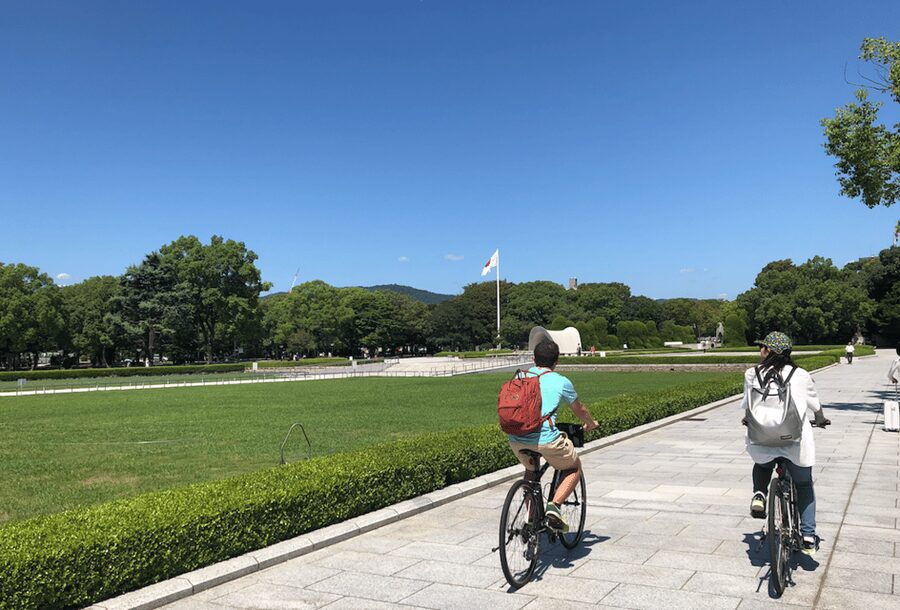
Once you roll out, the first biking section is a relaxing ride along the river area toward Hiroshima’s Peace Memorial Park. This is a smart choice. You start with something gentle, so your legs settle in before you face the emotional weight of what comes next.
Your guide keeps the ride smooth and paced for the group. You also get the chance to ask questions along the way, not just at the stops. That matters because Hiroshima is not the kind of place where the details always land in the first sentence. Hearing context while you are moving, then slowing down when you arrive, helps everything connect.
The tour style here is not about speed. It is about flow. You are cycling, so you are covering distance efficiently, but you are not being hustled. That balance is why so many people end up calling this an easy way to see a lot without feeling like you are sprinting from one photo spot to the next.
Atomic Bomb Dome and the Peace Memorial Park monuments that need your attention
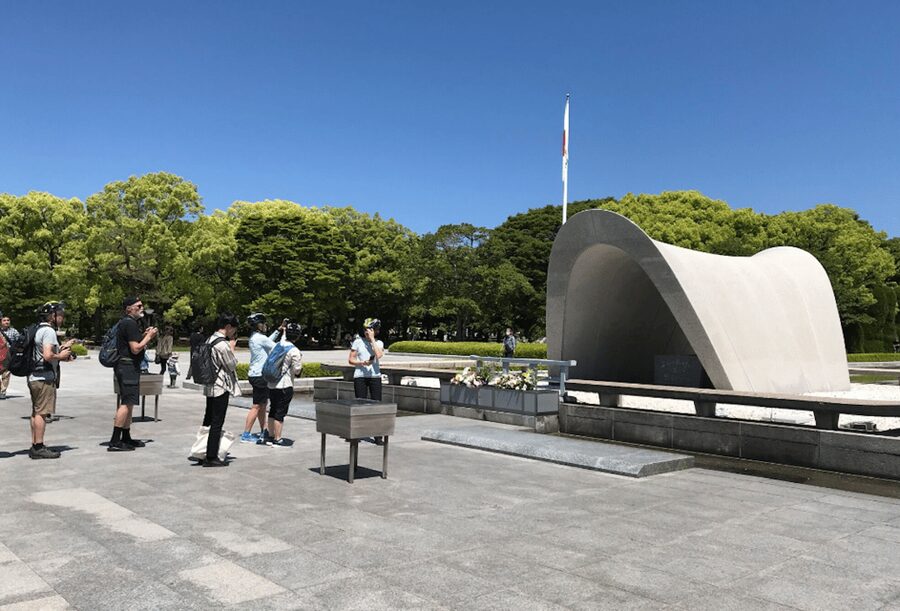
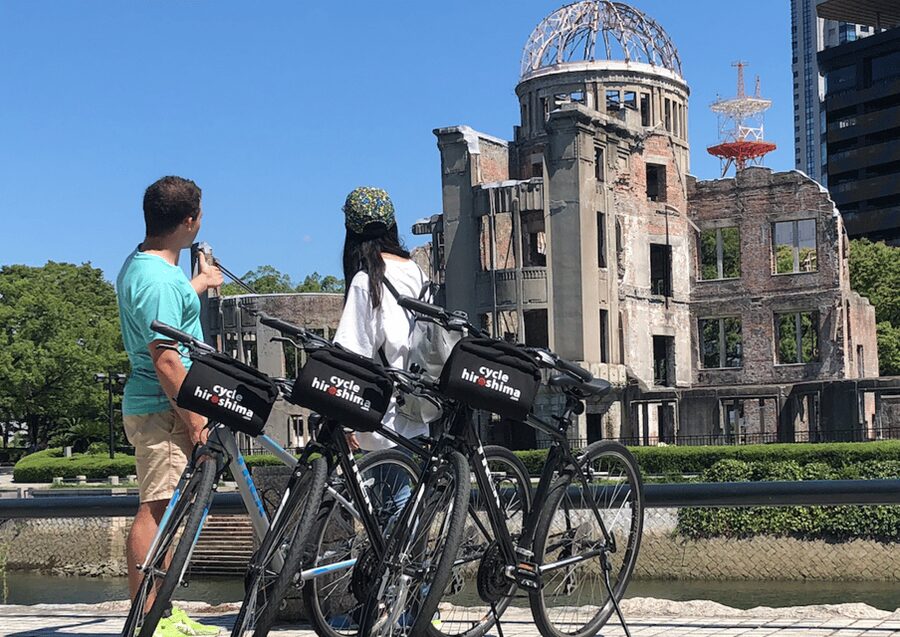
The core of the tour is the Peace Memorial Park and its surrounding monuments tied to the atomic bombing on August 6, 1945. You do not just pass by plaques and buildings. Your guide talks through what happened in 1945 and what the city has done since then, including the transformation into the City of Peace.
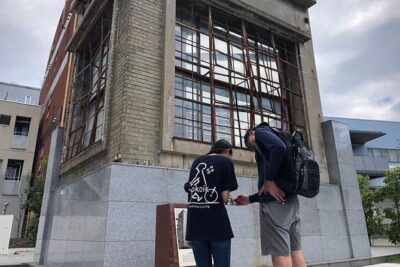
One landmark anchors this part of the visit: the Atomic Bomb Dome, which is recognized as a UNESCO World Heritage Site. It is the kind of site where your eyes catch details instantly, but your understanding deepens when someone explains the story behind the remains. The dome is visually powerful, and the guide’s storytelling gives it meaning beyond the obvious.
This is also where the tour earns trust through tone. Several guides are praised for being respectful and careful, and people specifically mention guides like Miyu and James for thoughtful explanations, clear answers, and a calm approach at a sensitive location. You are given time at the monuments, and you can pause for questions and photos without feeling like you are interrupting the schedule.
A possible drawback, if you are the type who wants to go ultra-in-depth at museums for hours, is that the tour gives you focused time at the key outdoor sites rather than a long, standalone museum experience. Still, that is also the point: in about three and a half hours, you leave with the main sights connected by real context instead of scattered facts.
Gokoku Jinja and Hiroshima Castle grounds, adding layers beyond the memorials
After the Peace Memorial Park, the ride continues north to Gokoku Jinja, described as Hiroshima’s most popular Shinto shrine. This stop is valuable because it widens the picture. Hiroshima is not only remembered for 1945. It is also a living city with traditions and religious life that existed before and continued after the bombing.
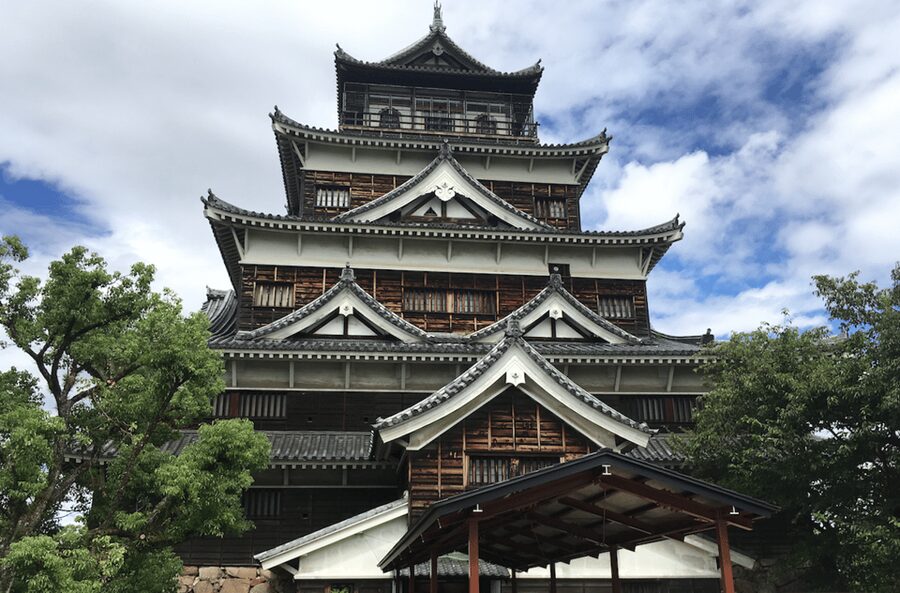
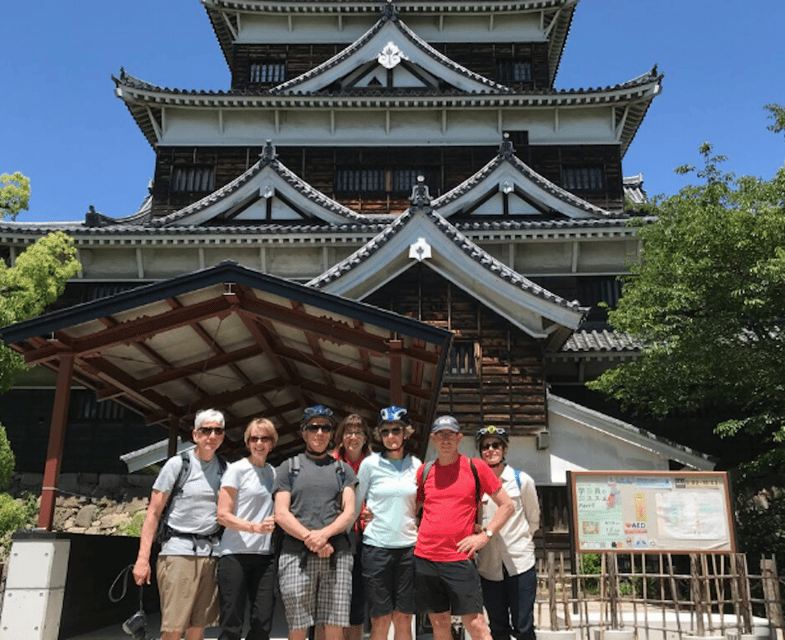
Then you pass through the grounds of Hiroshima Castle, giving you a glimpse into the days of the samurai era. Even if you only get part of the castle grounds during the tour, seeing it from the cycling route changes your perspective. You are moving through the city’s spaces, not just looking at them from one corner of a screen.
Cycling is the secret advantage here. Some places feel like they are designed for slow sightseeing, but you still want to connect them with other stops. The ride-and-stop rhythm lets you reach areas that can be harder to access in a quick window by car or bus, especially when you want the city in context rather than as a set of unrelated stops.
The one thing to watch is that shrine and castle visits can involve standing around for a few moments while the guide shares context. If you are someone who dislikes pausing often, you might feel that as a slowdown. On the other hand, if you like to actually hear why a place matters, this section is one of the best “add-on layers” of the whole tour.
More Bike Tours in Hiroshima
- Hiroshima in a Nutshell: Morning Bike Adventure
★ 5.0 · 524 reviews - Hiroshima: City and Miyajima Bike and Boat Tour
★ 5.0 · 20 reviews - Hiroshima Scenic Cycling Guided Tour
★ 5.0 · 19 reviews - Hiroshima: Peace Park, Castle, and Mitaki Temple E-Bike Tour
★ 4.8 · 11 reviews
Shukkei-en Garden: an Edo-period reset at the end
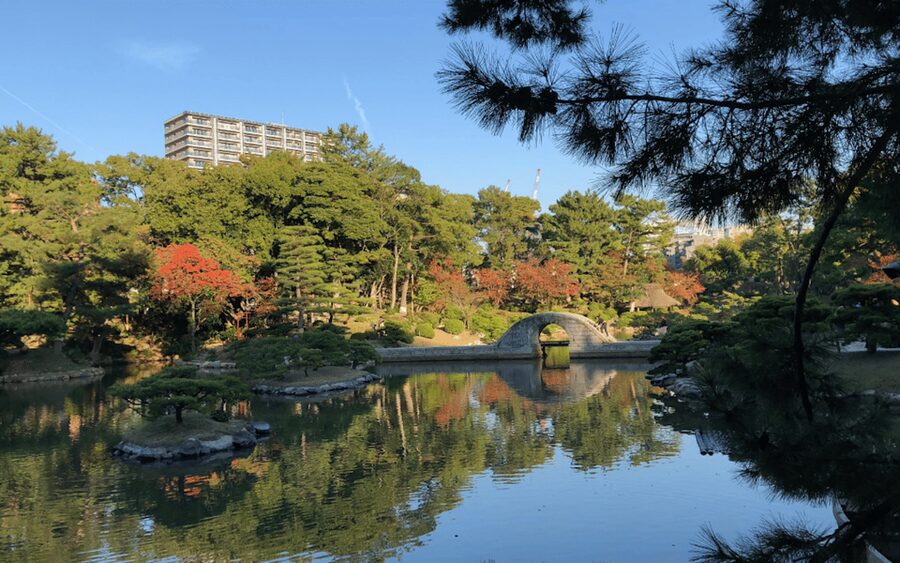
Your ride finishes with Shukkei-en Garden, built in the Edo Period and regarded as the most beautiful traditional garden in Western Japan. The timing is smart. After Peace Memorial Park and the city’s historical layers, the garden gives you a quieter visual rhythm to process everything.
Entry to Shukkei-en Garden is included, so you do not need to stop for tickets or figure out an extra cost at the end. This is the kind of inclusion that improves value without adding hassle. You can simply transition from the city into a calmer setting and let your brain breathe for a bit.
This garden stop is also a great payoff for the biking part. Cycling gets you there efficiently, but gardens work best when you are not rushing. You get a sense of how Hiroshima can be peaceful, planned, and beautiful in a way that complements the memorial sites rather than competing with them.
If you are a photography person, gardens usually deliver. If you are not, they still deliver because of how they slow you down. Your eyes learn to look for details instead of landmarks, and the tour ends on a softer emotional note.
Pace and comfort: flat route, small group, and real bike variety
The route is completely flat, and that is not a throwaway line. Flat cycling is what turns this into a “doable” outing for a wide range of people. It helps you keep your energy for the meaningful stops rather than burning it all on hills or complicated cycling logistics.
It is also set up to feel safe. In practice, the ride often avoids heavy road stress, with sections that feel more like paths than fast traffic corridors. You are still in a real city, so you do need to pay attention, but the overall design is meant to reduce fatigue and anxiety.
The tour runs for 210 minutes, about 3.5 hours. That is long enough to feel like you had a real outing, but short enough that you are not stuck on the bike all day. With a small group limited to 8, guides can manage pace and make sure everyone is comfortable.
Bike choice is another comfort factor you should take seriously. If you know you prefer less physical effort, the e-bike option can be a big relief, especially if you are traveling with lots of walking already in your day. If you want easy mounting, step-through bikes are included. There are also child-sized bikes, but the tour does have a minimum age requirement.
Finally, bring comfortable shoes and comfortable clothes. The tour includes bottled water, but you still need the right outfit for being outside and cycling calmly at your own pace.
Value check: why $70 feels fair for what you actually get
At $70 per person, the main question is whether you are buying convenience plus guidance, or just paying for a bike rental with a few stops. In this case, you are getting a mix that makes the price feel reasonable.
Here is what you are paying for, in practical terms:
- An English-speaking guide guiding you between the key areas you came to Hiroshima to see
- A high-quality bike and helmet rental, including bike fitting
- Bottled water
- Entry to Shukkei-en Garden
Then add what you gain by riding instead of walking. You get to cover a lot of ground in a set window, and you also get places that are not as straightforward to reach by bus or car in that same timeframe. You are essentially buying a structured route that links the city’s emotional and historical highlights in one go.
If you were to DIY this with transit and multiple tickets, you would spend time coordinating and you might miss the narrative connection. Guides like Aimee and Ehsan are repeatedly praised for explaining with clarity and care, and that is exactly what turns “a set of stops” into an experience with meaning. For many people, that story delivery is the difference between ticking boxes and really understanding what you are seeing.
Who this Hiroshima bike tour suits best, and who should pass
This tour is designed for people who can ride a bike. Since the route is flat, it can be a great option if you want an active sightseeing day without hills or technical cycling.
That said, it is not for everyone. The tour is not suitable for:
- Children under 12
- Pregnant women
- People with back problems
- People with heart problems
- People under 4 ft 6 in (140 cm)
- People with pre-existing medical conditions
So if you have any medical concerns, do not treat this as casual. Use your judgment and err on the safe side.
You also need to consider weather. The tour requires good weather, and if it gets canceled due to poor conditions, you will be offered another date or a full refund. That makes it ideal for planning into a day when Hiroshima’s skies look cooperative.
If you match those basics, this is a strong choice for:
- Short-stay visitors who want major highlights efficiently
- People who prefer cycling over constant walking
- Anyone who wants both the memorial perspective and the city’s living culture in one outing
Tips to get more out of the ride without extra stress
I recommend treating this as a structured sightseeing day, not a casual ride. Listen for the guide’s connections between 1945, the Peace Memorial sites, and the city’s longer story. The stops feel more powerful when the guide’s explanations are fresh in your head as you arrive.
Arrive with ready-to-ride basics. You already know you will be asked for comfortable shoes and comfortable clothes, and your bike fitting happens right up front. If you want photos, plan to use the natural pauses at monuments and at the garden, rather than trying to stop suddenly on the ride.
Also, if you have questions, ask them. Many guides are praised for leaving room for queries and for answering carefully at the sites. That is where the tour becomes more than motion and sightseeing.
Should you book this Hiroshima Best of Hiroshima Guided Bike Tour?
Book it if you want a high-value 3.5-hour introduction to Hiroshima that connects the most important outdoor sites in a way that feels respectful and clear. The flat route plus small group size makes it genuinely easier than trying to piece together the same highlights on your own.
Skip it if you need long, museum-style deep time or if cycling is not a comfortable activity for your body right now. Also, be honest about weather planning, since the tour runs outdoors and depends on good conditions.
If you want an easy day that hits Hiroshima’s big emotional and historical markers, this is one of the most practical ways to do it.
FAQ
Where does the tour meet?
The meeting point is Cycle Hiroshima HQ. Look for the big Cycle Hiroshima sign on the front.
How long is the Hiroshima bike tour?
The duration is 210 minutes, about 3.5 hours.
Is the ride flat and suitable for beginners?
Yes. The route is completely flat and suitable for anyone who can ride a bike.
What’s included in the price?
Included are an English-speaking guide, high quality bike and helmet rental, bottled water, and entry to Shukkei-en Garden.
What should I wear or bring?
Wear comfortable shoes and comfortable clothes. The tour also provides bottled water.
Can I cancel if plans change?
Yes. You can cancel up to 24 hours in advance for a full refund. If poor weather causes cancellation, you will be offered a different date or a full refund.
More Cycling Tours in Hiroshima
- Hiroshima Country Cycling: Explore Rural Life 1 HR from City
★ 5.0 · 8 reviews - Hidden Kyoto E-Biking tour
★ 5.0 · 1,843 reviews - Tokyo Guided Small-Group Biking Tour
★ 5.0 · 1,250 reviews - Bike Tour Exploring North Kyoto plus Lunch
★ 5.0 · 1,087 reviews
Newly listed around Hiroshima
- Hiroshima and Miyajima 1 Day Walking Tour★ 5.0 · 43 reviews
- Hiroshima and Miyajima 1 Day Cruise Tour★ 5.0 · 24 reviews
- Hiroshima & Miyajima: UNESCO A-Bomb Dome & Itsukushima with Local★ 5.0 · 25 reviews
- Hiroshima & Miyajima: Private Full-Day Tour with a Local Guide★ 5.0 · 39 reviews
- Hiroshima 5k Running Tour of Hijiyama Park★ 5.0 · 7 reviews
- Hiroshima and Miyajima Bus Tour with Indian Lunch★ 5.0 · 10 reviews
- Hiroshima and Miyajima 1 Day Bus Tour★ 4.5 · 145 reviews
- Hiroshima History Tour : A-Bomb Dome, Peace Memorial & City★ 5.0 · 26 reviews
Cycling & E-Bike Rides, compared.
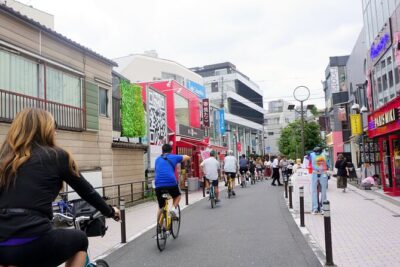
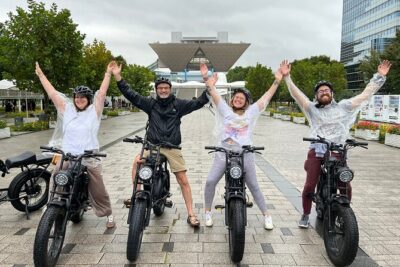

3h Tokyo E-Bike Tour: Hidden Gems, and Local Life with guide
Read our review →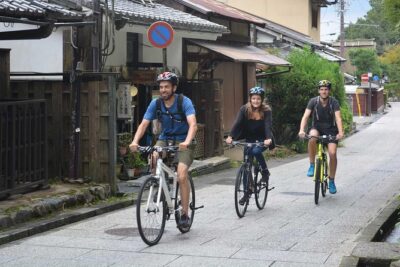
Arashiyama Bamboo Forest & Hidden Gems Bike Tour (Early Bird)
Read our review →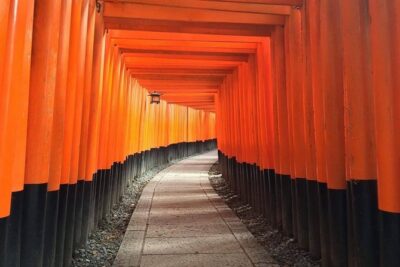
5 Top Highlights of Kyoto Full Day Bike Tour (E-bike option)
Read our review →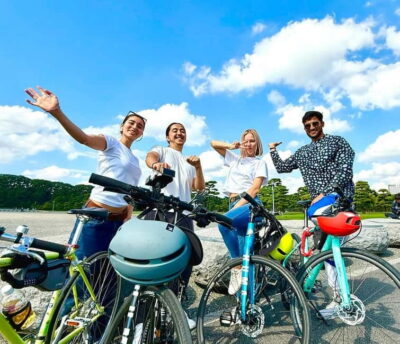
Hiroshima 2hr Peace Cycling Tour with Local Guide
Read our review →Browse the lists this tour appears in