
Review · JAPANESE COOKING WORKSHOPS
Hiroshima: Okonomiyaki Cooking Class with a Local Chef
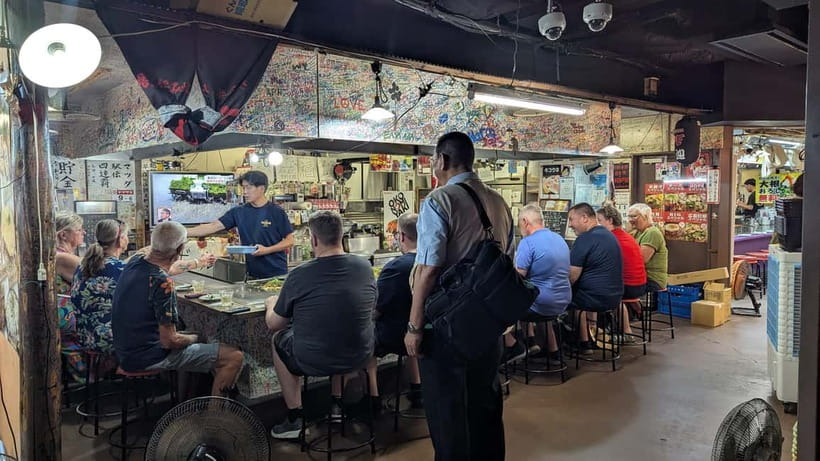
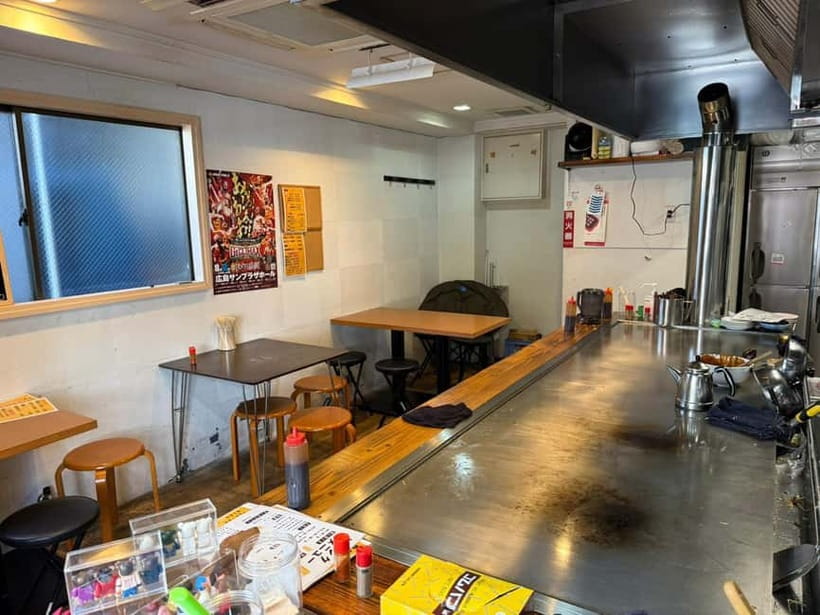
Flip a pancake at the edge of history. I really like the hands-on cooking at a real local grill, and the way guide Ken turns Hiroshima food into an easy story you can follow while you work. One possible drawback is that, because it is a working local restaurant, cleanliness may not match every visitor’s expectations.
You start near the Atomic Bomb Dome, take a short tram ride, then get to choose your okonomiyaki style, from meat to seafood to vegetarian, with gluten-free available by request. If you want to relax, you can watch too, but the best part is cooking your own layered Hiroshima-style version with step-by-step help.
In This Review
- Key things to love about this Hiroshima okonomiyaki class
- Getting started by the Atomic Bomb Dome, then hopping on the tram
- Hiroshima-style okonomiyaki, and why it is built differently
- The hands-on part: what you do at the griddle
- Choosing your filling: meat, seafood, vegetarian, and gluten-free
- Why you learn history, not just food (and how the name makes sense)
- Timing, the included drink, and what you can do before or after
- Price and value: does $56 deliver what you want?
- Who should book this Hiroshima okonomiyaki cooking class
- Final call: should you book it?
- FAQ
- How long is the Hiroshima okonomiyaki cooking class?
- How much does the experience cost?
- Where do we meet?
- Is this a hands-on cooking class or just a demonstration?
- What dietary options are available?
- What is included in the price?
- Is the tour wheelchair accessible?
Key things to love about this Hiroshima okonomiyaki class
- Grill-side, hands-on instruction so you are cooking, not just watching
- Hiroshima-style layering instead of the more mix-and-match approach you might see elsewhere
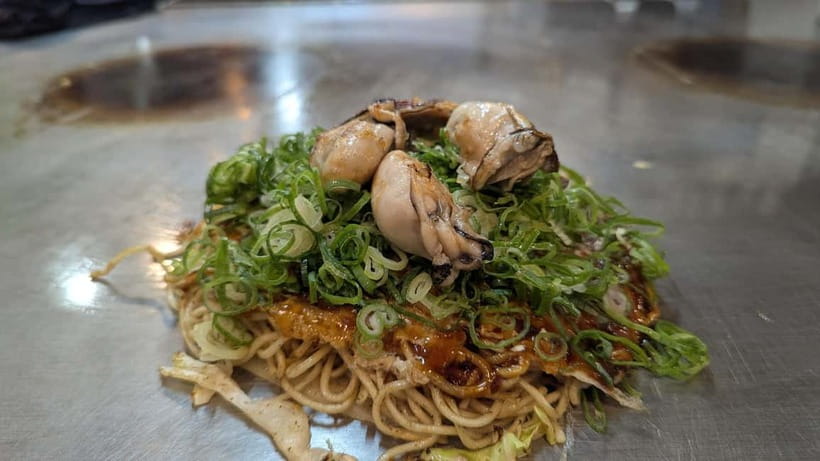
- Multiple menu choices, including meat, seafood, vegetarian, and gluten-free by request
- Real local restaurant setting with a small group pace
- A guided start with Ken and a short tram ride around the city
- One drink included (alcoholic or non-alcoholic) with your meal
Getting started by the Atomic Bomb Dome, then hopping on the tram
The meeting point is easy to find: the fountain near the Atomic Bomb Dome in the Peace Memorial Park area. It is a strong first moment, because you are not just arriving for dinner. You are starting in the part of Hiroshima that carries so much meaning, then moving on to a very everyday local activity: cooking and eating okonomiyaki.
From there, you take a short ride on Hiroshima’s historic tram system to the okonomiyaki restaurant. I like this because the transportation feels like part of the experience, not a chore. It also gives you a quick, practical way to get oriented in Hiroshima, and you will likely appreciate that when you head back on your own afterward.
The tour is planned as a small group format. That matters in a cooking class. You get attention from the bilingual guide and the chef, instead of being stuck waiting for translations while the rest of the group moves ahead.
After the cooking and meal, you can often do an unhurried return toward the Peace Memorial Park area along the river, or you can ask your guide for directions to the nearest tram station. Either way, the timing tends to work nicely if you want to keep exploring Hiroshima the same day.
More Cooking workshops in Hiroshima:
- Private Japanese Cooking Class in Hiroshima with Machiko’s Family
★ 5.0 · 35 reviews - Home Made Onigiri and Matcha Cooking Class in Hiroshima
★ 5.0 · 11 reviews - Ramen Cooking Class at Ramen Factory in Kyoto
★ 5.0 · 1,937 reviews
Hiroshima-style okonomiyaki, and why it is built differently
Okonomiyaki is often explained as a Japanese savory pancake, but Hiroshima’s version feels like something more structured and layered. The guide will explain the background, including the meaning of the name, grill it how you like, and why that flexibility helped it become popular after World War II, when ingredients had to stretch.
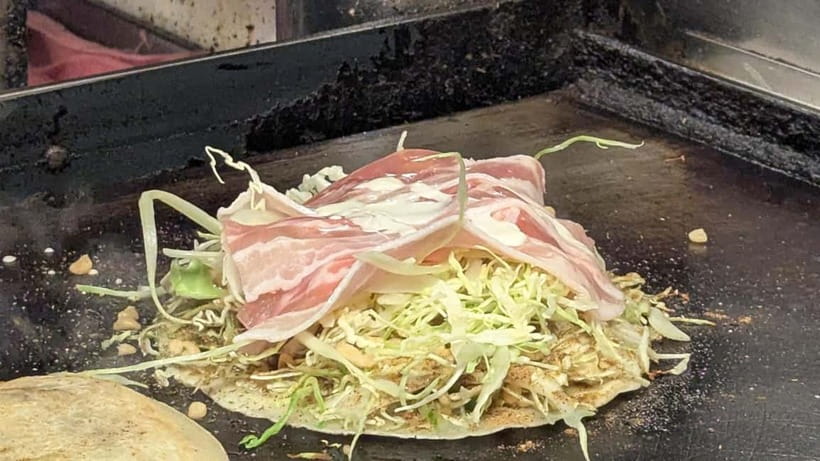
What you learn here is the difference in technique. Hiroshima-style okonomiyaki typically uses layering rather than tossing everything together. You will see batter, cabbage, bean sprouts, and often noodles, then the fillings, followed by a fried egg. Each piece gets cooked carefully, and the chef’s process is part of the show.
I like this approach because it turns what could be a messy street-food concept into a recipe you can actually understand. You are not just eating. You are learning how the method creates the final texture: sturdy enough to hold layers, but still tender and satisfying.
Also, be ready for the friendly local debate. The Hiroshima vs Osaka comparison comes up naturally during the explanation, because both cities claim the best version. In a way, the argument is part of why okonomiyaki is such a social food, especially when you are standing at a griddle with other people.
The hands-on part: what you do at the griddle
This class is built around one big idea: you will cook your own okonomiyaki. You sit close to the grill, and the chef guides you step by step. If you want to do the most work, you can. If you would rather watch and join in when needed, that is possible too.
Here is what the experience feels like in practice:
First, you choose your version and confirm any dietary needs. Then the chef starts with the core base, and the guide helps translate the process clearly into English. You are watching for cooking cues, not memorizing a complicated recipe.
As you build, you are layering the ingredients in the order the chef teaches. You likely handle cabbage and bean sprouts, add noodles if your version includes them, and incorporate the chosen filling, whether that is meat or seafood. The fried egg step is also part of Hiroshima-style identity, and you will see how it finishes the top.
Then comes the real moment: cooking each stage until it is properly set. This is where you learn that timing matters. Too little cooking and the layers feel loose. Too much and it turns heavy. The chef shows you what you should look for, and you adapt your pace accordingly.
I also appreciate that you are not stuck alone. Ken and the chef work like a team: he translates, the chef demonstrates, and you get a chance to try. That is exactly what you want in a small class, because it prevents the classic problem of cooking classes where only the chef is really cooking.
Choosing your filling: meat, seafood, vegetarian, and gluten-free
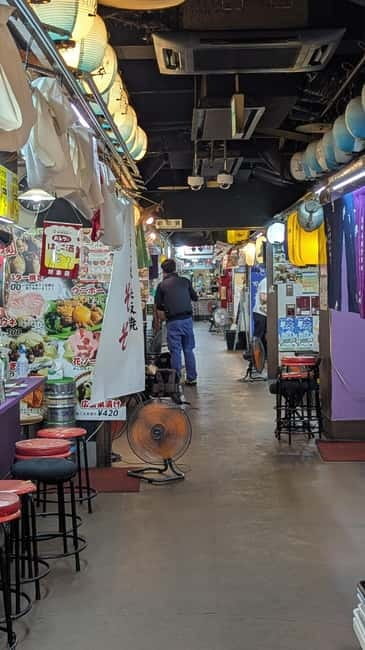
The menu choices are a big part of the value. You can pick meat, seafood, or vegetarian. There is also a gluten-free option available by request. That last part is important, because it is not just a vague allergy warning. You are told gluten-free is available by request, which means the chef can plan for it ahead.
In my view, this is one of the reasons the class works for groups with different tastes. You can keep everyone together at the table while still ordering something that fits your dietary preferences. It also means you are not paying to learn one fixed recipe. You are learning the Hiroshima method across variations.
A practical tip: if you need gluten-free, make sure you request it clearly when booking. The more specific you are, the easier it is for the restaurant to plan your version correctly.
Whether you choose meat or seafood, the layering method remains the same. The difference is what goes in the middle, and that is how you still end up with that Hiroshima shape and texture.
A few more Hiroshima days to weigh up
- Ramen & Gyoza Cooking Class in Tokyo with Local Supermarket Visit
★ 5.0 · 823 reviews - Kyoto: Ramen Cooking Class at a Ramen Factory with Souvenir
★ 4.9 · 532 reviews - Kyoto: Ramen, Gyoza, and Onigiri Cooking Class
★ 5.0 · 445 reviews - Kyoto: Japanese Washoku Bento Small Group Cooking Class
★ 5.0 · 380 reviews
Why you learn history, not just food (and how the name makes sense)
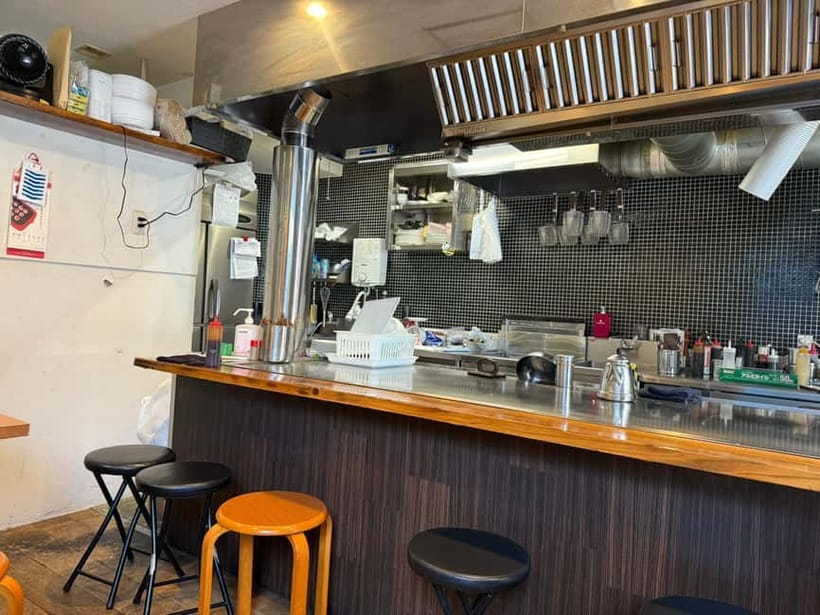
Okonomiyaki might look simple, but the explanation gives it context that you can actually use while you cook. The guide explains that okonomiyaki took shape after World War II when simple ingredients had to stretch. That story matters, because it frames the dish as practical and adaptable, not fancy.
You also learn the meaning behind the name: grill it how you like. That idea of customization is not a marketing line. It is built into how the dish is assembled, where you can choose ingredients and still end up with something cohesive.
Then Hiroshima’s pride comes in. The city has its own method, and the layering technique becomes part of the local identity. The class highlights how Hiroshima is more detailed in construction, with batter, vegetables, noodles, and egg treated as distinct steps rather than one combined mixture.
From the reviews, Ken stands out for how he shares this cultural context in a way that feels natural. He does not just list facts. He talks about Hiroshima and the food in a friendly, paced way, which makes it easier to follow while your hands are busy at the grill.
Timing, the included drink, and what you can do before or after
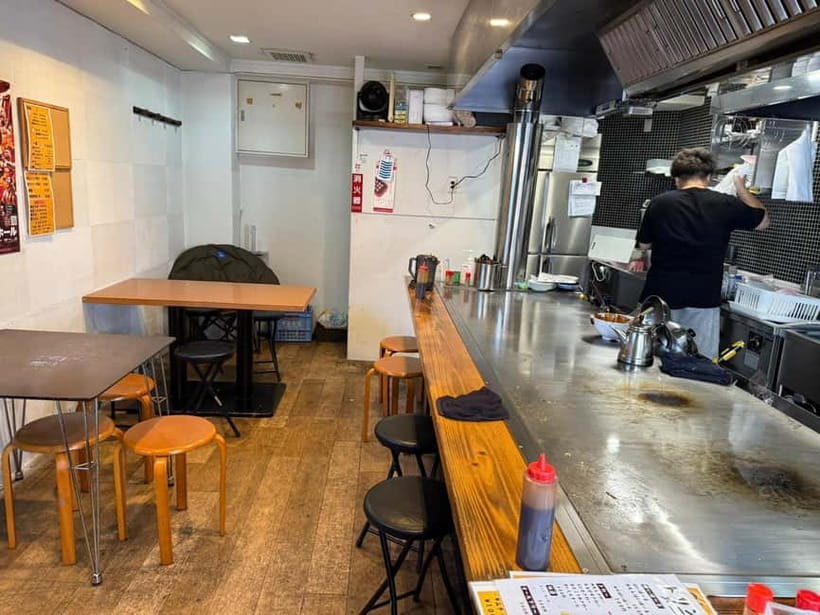
The experience runs about 2 to 6 hours, depending on the starting time and how your group moves through the activity. That wide window usually reflects how classes are scheduled and how long it takes to cook and eat for your specific group.
One included drink is part of the plan, either alcoholic or non-alcoholic. In many food experiences, you end up paying extra just to make the meal feel complete. Here, you at least get one drink included, which helps the math.
If you are planning your day, consider building in time for the short tram ride both ways. Also, after the meal, your guide can help you map out a route back toward Peace Memorial Park or point you to the nearest tram station.
If you like walking and you have the energy, the river area is a nice option. Hiroshima can feel like two stories at once: the weight of the past and the comfort of daily life. Okonomiyaki sits very much in the second story. Doing them on the same day gives you a more rounded memory.
Price and value: does $56 deliver what you want?
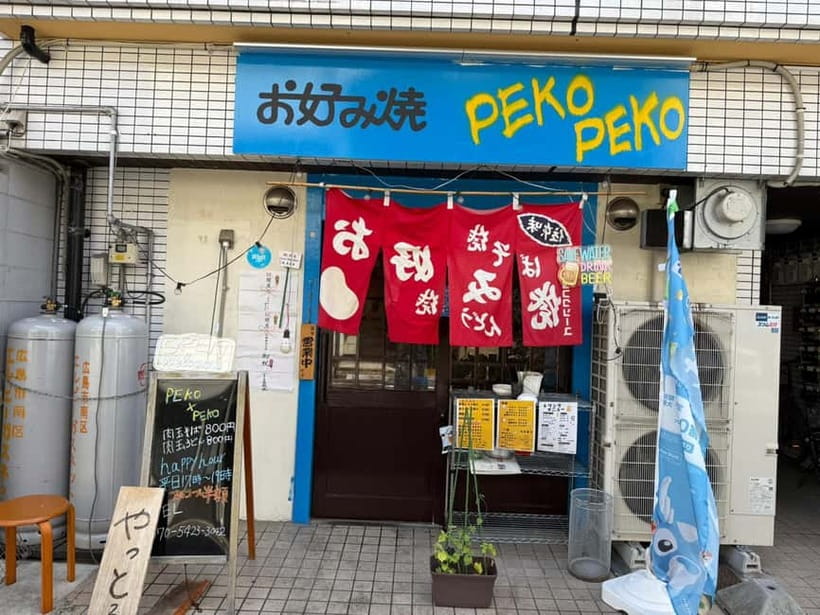
At $56 per person, you are paying for more than a plate of food. You are paying for a bilingual guide, a professional okonomiyaki chef, the hands-on cooking experience, one included drink, and a local tram ride within Hiroshima.
So what are you really getting?
- Chef-led instruction: This is the biggest value driver. You are not just eating okonomiyaki, you are learning how Hiroshima builds it.
- Small group format: You get attention and translation without the chaos of a big tour.
- In-city experience: The tram ride ties the class to Hiroshima, not a far-away workshop location.
- Inclusivity of choices: Meat, seafood, vegetarian, and gluten-free by request help you tailor your meal.
Could you get okonomiyaki for less money in Hiroshima? Probably. But the cheaper option usually means you are either eating off a menu with no coaching or taking a class that is more demo than practice.
In this one, the point is that you cook. If you like interactive food experiences and want something genuinely Hiroshima, this price tends to feel fair.
Who should book this Hiroshima okonomiyaki cooking class
I think this class is a strong fit if you fall into one of these categories:
- You want an authentic local meal that you actively make, not just order.
- You care about regional differences, especially Hiroshima’s layering style.
- Your group includes different dietary needs, since gluten-free is available by request.
- You like small groups and clear step-by-step guidance.
It is also a good option if you are a solo traveler. The small group setup plus the grill-side cooking typically makes it easier to talk with others without feeling stuck in a crowd.
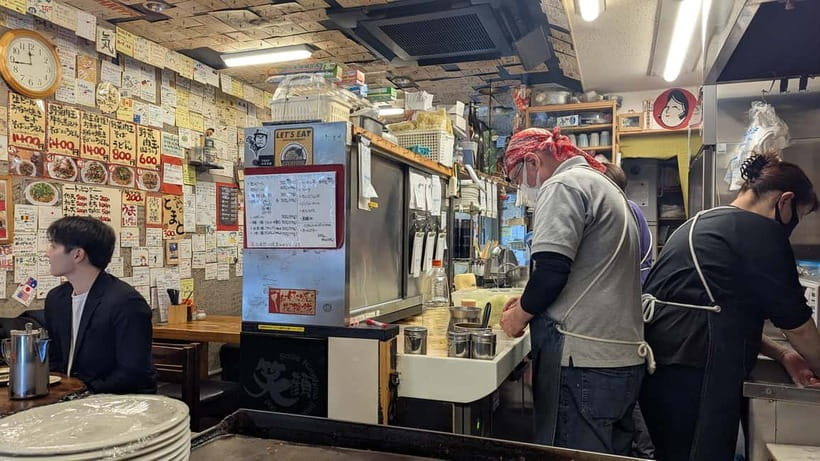
If you are very sensitive about cleanliness in dining spaces, it is worth keeping that in mind. Because this is a real local restaurant, not a staged performance venue, experiences can vary. I would treat it as a working eatery first, not a polished studio.
Final call: should you book it?
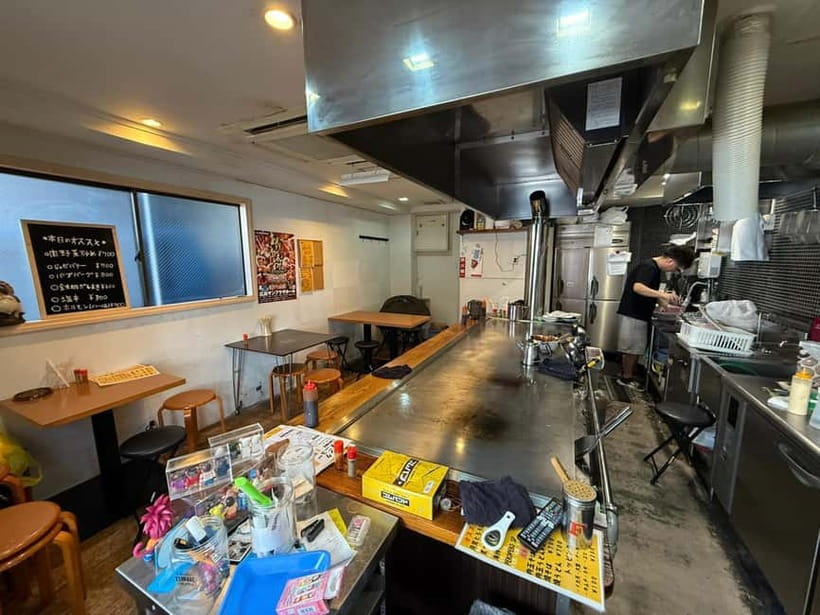
Yes, I would book this if your goal is a hands-on Hiroshima food experience. The combination of the grill-side cooking, the Hiroshima-specific layering method, and Ken’s clear English support makes it feel like more than a meal.
I would reconsider only if you strongly dislike the idea of a local restaurant setting, or if you prefer food lessons with a more controlled, uniform environment. Also, if gluten-free matters for you, plan ahead by requesting it early.
If you want a memorable way to connect Hiroshima’s history with everyday life, cooking okonomiyaki is a smart pick, and you will leave full, satisfied, and with a skill you can use again.
FAQ
How long is the Hiroshima okonomiyaki cooking class?
The duration is listed as 2 to 6 hours, and the exact time can depend on the available starting times.
How much does the experience cost?
The price is $56 per person.
Where do we meet?
You meet in front of the fountain next to the Atomic Bomb Dome in the Peace Memorial Park area.
Is this a hands-on cooking class or just a demonstration?
It is hands-on. You can cook your own okonomiyaki with guidance, though the class notes you can also relax and eat if you prefer.
What dietary options are available?
You can choose meat, seafood, or vegetarian versions. A gluten-free option is available by request.
What is included in the price?
Included items are a bilingual guide, a professional okonomiyaki chef, the cooking experience, hands-on cooking your own okonomiyaki, one drink (alcoholic or non-alcoholic), and a local train ride within Hiroshima.
Is the tour wheelchair accessible?
Yes, the experience is listed as wheelchair accessible.
Newly listed around Hiroshima
- Hiroshima and Miyajima 1 Day Walking Tour★ 5.0 · 43 reviews
- Hiroshima and Miyajima 1 Day Cruise Tour★ 5.0 · 24 reviews
- Hiroshima & Miyajima: Private Full-Day Tour with a Local Guide★ 5.0 · 39 reviews
- Hiroshima & Miyajima: UNESCO A-Bomb Dome & Itsukushima with Local★ 5.0 · 25 reviews
- Hiroshima 5k Running Tour of Hijiyama Park★ 5.0 · 7 reviews
- Hiroshima and Miyajima Bus Tour with Indian Lunch★ 5.0 · 10 reviews
- Hiroshima and Miyajima 1 Day Bus Tour★ 4.5 · 145 reviews
- Hiroshima Peace Memorial and Atomic Bomb Dome Private Tour★ 5.0 · 37 reviews
Japanese Cooking Workshops, compared.
Ramen Cooking Class at Ramen Factory in Kyoto
Read our review →
Ramen & Gyoza Cooking Class in Tokyo with Local Supermarket Visit
Read our review →
Ramen Cooking Class at a Ramen Factory with Souvenir
Read our review →
Japanese Washoku Bento Small Group Cooking Class
Read our review →
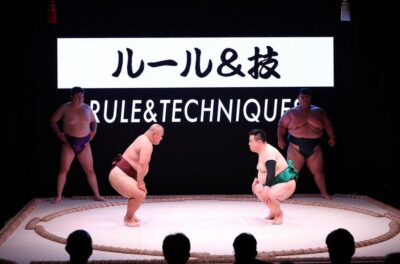
Sumo Stage Show with Bento or Snack + Fight & Photo
Read our review →
Ramen and Sushi Cooking Class with Sake Pairing Set in Tokyo
Read our review →Browse the lists this tour appears in