
Review · MATCHA & TEA CEREMONY SESSIONS
Home Made Onigiri and Matcha Cooking Class in Hiroshima
Rice balls, tea, and Hiroshima peace in one morning.
This is a hands-on onigiri and matcha cooking class near Peace Memorial Park, where you shape warm rice, chat with English-speaking hosts, and finish with lunch before you head into sightseeing. It’s small, friendly, and designed to feel like a day in a local kitchen rather than a show.
I like the practical focus: you learn two onigiri flavors and how to pair them with miso soup. I also love that lunch and dessert are included, including matcha tea and wagashi, so you’re not scrambling for food after the class.
One consideration: the whole experience is about 1 hour 30 minutes, so it moves at a lively pace. If you want extra practice time or slow, long tea ceremony pacing, you may find the schedule a bit tight.
In This Review
- Quick Hits Before Your Hiroshima Onigiri Class
- Peace Park Area, Easy Morning Rhythm
- Meet Midori and Weiko, and Get a Real Home-Kitchen Feel
- Onigiri: Warm Rice, Shaping Technique, and Two Classic Fillings
- Optional upgrade: fresh egg yolk
- Allergy and dietary planning
- What you’ll actually walk away with
- Miso Soup in a Chawan Bowl, With a Lunch You Can Repeat
- Matcha, Wagashi, and Sadō Manners Without the Ceremony Pressure
- Logistics That Matter: Time, Group Size, Pickup, and Location
- Price and Value: What You’re Paying For at $81.65
- Who Should Book This, and Who Might Find It a Stretch?
- Should You Book This Hiroshima Onigiri and Matcha Class?
- FAQ
- How long is the onigiri and matcha cooking class?
- What time does it start, and where does it end?
- Is pickup offered?
- How many people are in the group?
- What onigiri flavors are included?
- Can you handle allergies and vegetarian or vegan needs?
- Is alcohol served during the class?
Quick Hits Before Your Hiroshima Onigiri Class
- Peace Park location: close enough to combine with the Peace Museum and the Atomic Bomb Dome area afterward
- Small group (max 6): more time to ask questions and get hands-on help
- Two onigiri styles plus miso soup: lunch is part of the lesson, not an extra stop
- Matcha and wagashi with tea manners (sadō): you learn etiquette, not just a recipe
- Kids welcome with toys: easier for families than most food tours
- Dietary flexibility if you plan ahead: tell them allergies, and vegetarian or vegan menus are being prepared
Peace Park Area, Easy Morning Rhythm
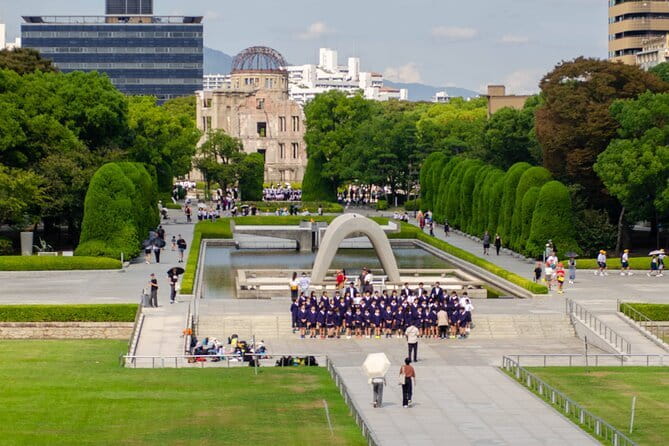
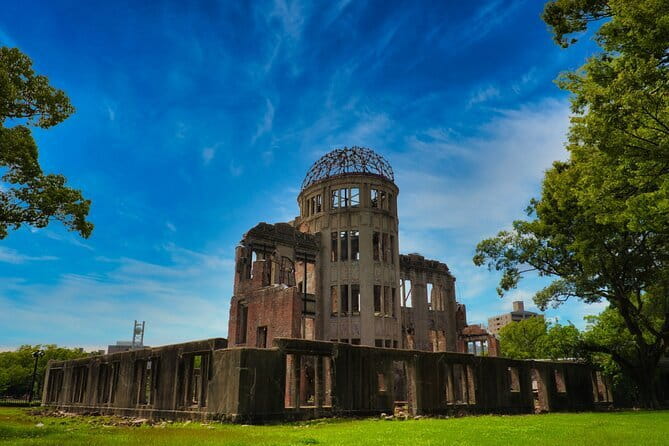
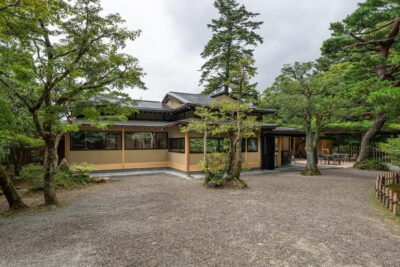
This class is set up for a great Hiroshima morning. The meeting point is Guitar Top, and the start time is 10:30 am. From there, you’ll be guided to the cooking space, which is near Peace Memorial Park and about a 5-minute walk from the Atomic Bomb Dome.
What that means for you is simple: you can do something local and hands-on early, then walk off the meal and see the Peace Park area while your brain is still in “I’m learning today” mode. A lot of Hiroshima sightseeing is most meaningful when you’re not rushing between stops, and this helps you keep a calm pace.
Also, pickup is offered. If you’re staying in a hotel, that reduces friction. If you’re sightseeing nearby, the location is close enough that you won’t waste your morning fighting transit.
More Tea Ceremonies in Hiroshima
- Hiroshima Local guided Hiking Tour&Open-air Tea Ceremony
★ 5.0 · 213 reviews - Kimono and Tea Ceremony in Miyajima
★ 5.0 · 73 reviews - An Amazing set of Cultural experience: Kimono, Tea Ceremony and Calligraphy
★ 5.0 · 69 reviews
Meet Midori and Weiko, and Get a Real Home-Kitchen Feel
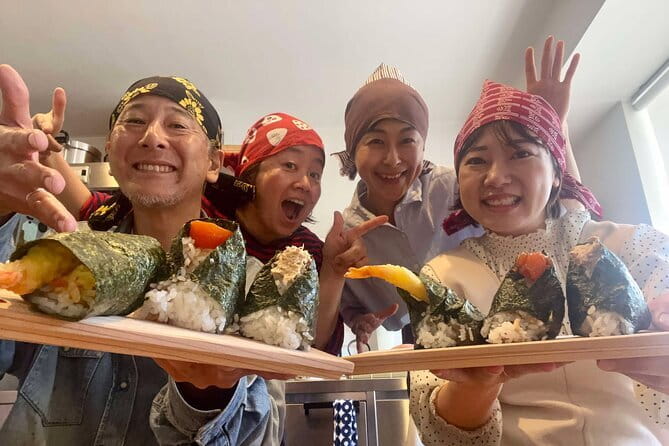
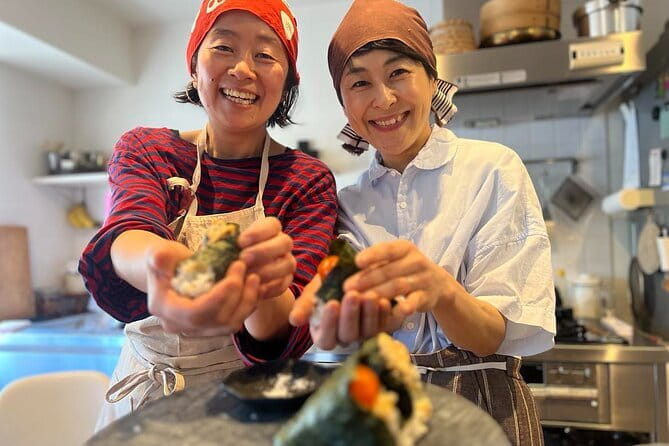
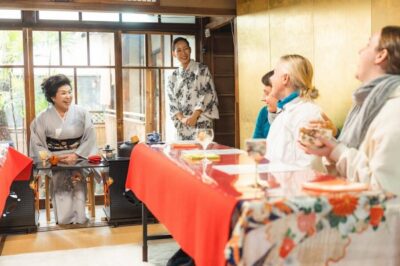
What makes this class feel human is the host style. The instructors are described as English-capable, and the vibe is warm and welcoming. In the flow of the day, the hosts speak with you while you cook, so you’re not just following steps in silence.
Names that come up are Midori and Weiko. Sometimes classes are held in a home setting, not just a standardized classroom. That matters because home kitchens are where you see the little habits that actually make the cooking work, like how to handle warm rice without it turning into a sticky mess.
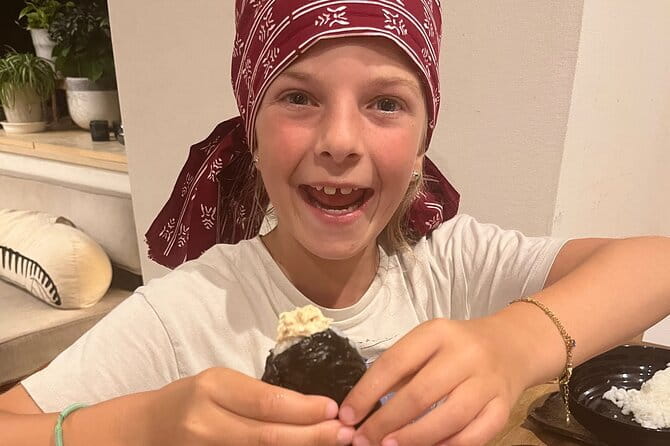
They also set up a kids area with toys. If you’re traveling with children, that’s a big deal. Instead of trying to keep everyone quiet while you learn, kids have something to do while adults focus on shaping onigiri and making miso soup.
One more nice detail: conversation is part of the experience. It’s not only about food technique. You’re also getting real cultural context, and the hosts are comfortable chatting about everyday life in Hiroshima.
Onigiri: Warm Rice, Shaping Technique, and Two Classic Fillings
Onigiri is more than a snack in Japan. It’s an icon, showing up in anime and movies, and it has a long presence in everyday eating. Here, the lesson starts with the idea of freshly prepared rice and the pleasure of shaping it while it’s still warm.
The class includes two different onigiri flavors:
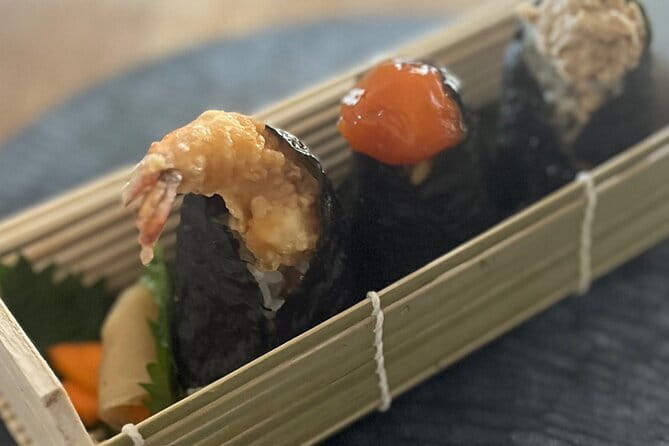
- Tuna mayonnaise
- Shrimp tempura
That’s a good pairing choice. Tuna mayo is creamy and familiar, while shrimp tempura gives you a different texture and a more playful crunch. If you only do one flavor anywhere else in Japan, you often miss how different onigiri can feel. This class gives you variety without overwhelming you.
Optional upgrade: fresh egg yolk
There’s also an optional fresh egg yolk element, made possible with a special method. If you want to try it, you need to ask when you reserve. That’s worth doing early if egg yolk is your thing, since you’re working against the class timing.
A different sort of day in Japan:
- Peaceful Hiroshima & Miyajima UNESCO 1 Day Bus Tour
★ 5.0 · 5,309 reviews - Hiroshima: Hiroshima and Miyajima UNESCO Sites 1-Day Tour
★ 4.9 · 2,330 reviews - Hiroshima / Miyajima Full-day Private Tour with Government Licensed Guide
★ 5.0 · 1,298 reviews - Hiroshima Historical Walking Tour – Why A-Bomb was Dropped
★ 4.8 · 893 reviews
Allergy and dietary planning
Allergies should be shared in advance. The class also notes that vegetarian and vegan menus are being prepared, so if that matters for you, ask ahead rather than hoping on the day.
A practical point: because the class includes lunch and dessert, your dietary restrictions affect more than just what you fill inside the rice. It’s not just a swapping of ingredients, it’s the whole meal.
What you’ll actually walk away with
You’re learning how to handle rice and how the filling choices change the final feel. Even if your rice-ball shaping is clumsy at first, the structure is designed to be easy enough for all ages. You won’t just leave with a memory, you’ll leave with the basic habits to make onigiri again at home.
And for me, that’s the real value. Anyone can eat onigiri. Fewer people learn how to make it without stress.
Miso Soup in a Chawan Bowl, With a Lunch You Can Repeat
Lunch is part of the class package. You get two types of onigiri plus miso soup. The miso soup is served in a chawan bowl, which is a nice detail if you’ve seen those bowls used for tea ceremony settings.
You’ll also learn the timing and pacing of a simple Japanese meal: rice first, soup alongside, and then you move toward dessert. It’s a meal structure that keeps things balanced. It’s also a helpful template for recreating the experience later.
One helpful note from the overall setup is that they share recipes for you to keep using after you return home. That matters because onigiri and miso soup are simple, but the “simple” version can still go wrong if you don’t have the basics. Having recipes makes the difference between I tried once and now I can do it again.
Matcha, Wagashi, and Sadō Manners Without the Ceremony Pressure
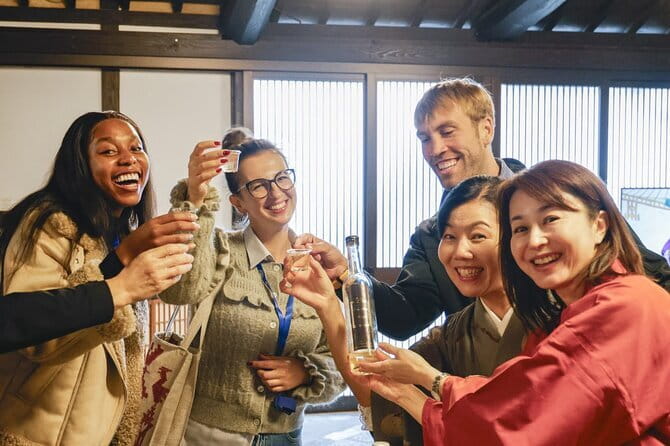
Dessert is not an afterthought here. You make matcha tea and enjoy it with Japanese sweets, wagashi. The class also includes manners of the tea ceremony, known as sadō.
This is one of those touches that makes the day feel more cultural rather than purely culinary. Even if you’re not trying to become a tea expert, learning the basic manners gives you something to carry home. It turns matcha from a drink into a small ritual.
There’s also a practical angle. If you have a cafe au lait bowl at home, they share recipes that help you recreate something similar later. That’s a small detail, but it’s how you get value beyond a single meal.
And because no alcohol is served, it stays focused on food and tea. That also means the class fits well into a normal itinerary day, even if you have plans later.
Logistics That Matter: Time, Group Size, Pickup, and Location
The class runs about 1 hour 30 minutes. That duration is perfect for people who want a genuine cultural activity without losing half a day. It’s also long enough to do rice shaping, learn the flavor differences, make miso soup, and still finish with matcha and wagashi.
The group size is limited to a maximum of 6 travelers. In practice, that usually means better attention when you need help with the rice. It also tends to mean the hosts can keep the tone relaxed and conversational.
Pickup is offered, but you also have a clear meeting point at Guitar Top. If you prefer to move independently, you can use the walkable Peace Park area as your anchor. If you want ease, use pickup and let someone else handle the short transfers.
One more useful clue: this experience is often booked ahead, averaging about 19 days in advance. If you’re traveling during a busy season or on a tight schedule, booking early gives you more day options.
Weather matters too. The class requires good weather, and if it’s canceled for weather reasons, you’ll be offered another date or a full refund. So keep a little flexibility in your Hiroshima morning plans.
Price and Value: What You’re Paying For at $81.65
At $81.65 per person, you’re not buying a cheap snack lesson. You are paying for a full, guided meal experience: instruction, ingredients, and lunch and dessert.
Here’s what drives the value:
- Everything is included: two onigiri types, miso soup, matcha, and wagashi
- Small-group attention: max 6 means more coaching and less waiting
- Local hosts with English: conversation and explanation are part of the package
- A meaningful cultural add-on: sadō manners, not just cooking steps
- Pickup offered: less time and stress moving around Hiroshima
In other words, you’re paying for a complete morning experience, not just time in a kitchen. For many people, that’s a fair trade, especially when you consider that the class ends early enough for you to enjoy the Peace Park area afterward.
If you’re the type of traveler who likes practical skills you can repeat later, this price starts to look even more reasonable. If you only want photos and no hands-on work, you might feel like it’s more structured than you expected. But for most food-and-culture travelers, it lands in the sweet spot.
Who Should Book This, and Who Might Find It a Stretch?
This class is a great fit if you:
- Want a hands-on food experience you can repeat at home
- Are traveling with kids and want a setting that includes toys and patience
- Prefer smaller groups over large tour chaos
- Plan to visit Peace Memorial Park and want a meaningful morning activity nearby
- Like matcha and want to learn more than the basics
It might be less ideal if you:
- Need a very quiet, slow-paced experience with lots of sitting time
- Have complex dietary needs and don’t plan to message them ahead
- Want an all-day activity, because it ends after about 1 hour 30 minutes
Should You Book This Hiroshima Onigiri and Matcha Class?
If you want a Hiroshima morning that’s both practical and culturally grounded, I’d book it. The closest-to-local part is that it’s not only cooking. You’re learning manners, meal rhythm, and how everyday people explain what they make.
My recommendation comes down to this: you’ll leave with food in your stomach, skills in your head, and a calm path into the Peace Park sights afterward. Add in the small group size, included lunch, and hosts like Midori and Weiko, and it becomes one of those activities that feels worth doing even if you’re not a big cooking enthusiast.
If your schedule is tight, book early and aim for the 10:30 am start. Then plan to walk off lunch and keep your afternoon open for Hiroshima’s most important sites.
FAQ
How long is the onigiri and matcha cooking class?
The class runs for about 1 hour 30 minutes.
What time does it start, and where does it end?
It starts at 10:30 am and ends back at the meeting point.
Is pickup offered?
Yes, pickup is offered.
How many people are in the group?
The experience has a maximum of 6 travelers.
What onigiri flavors are included?
You’ll make two flavors: tuna mayonnaise and shrimp tempura.
Can you handle allergies and vegetarian or vegan needs?
Allergies should be shared in advance. Vegetarian and vegan menus are being prepared, and you should ask if you’d like to order one.
Is alcohol served during the class?
No alcohol is served.
More Cooking Classes in Hiroshima
- Kyoto: Ramen Cooking Class at a Ramen Factory with Souvenir
★ 4.9 · 532 reviews - Kyoto: Ramen, Gyoza, and Onigiri Cooking Class
★ 5.0 · 445 reviews - Kyoto: Japanese Washoku Bento Small Group Cooking Class
★ 5.0 · 380 reviews - Osaka: Ramen and Gyoza Cooking Class in Dotonbori
★ 5.0 · 378 reviews
More Cooking Workshops in Hiroshima
- Private Japanese Cooking Class in Hiroshima with Machiko’s Family
★ 5.0 · 35 reviews - Hiroshima: Okonomiyaki Cooking Class with a Local Chef
★ 4.8 · 11 reviews - Ramen Cooking Class at Ramen Factory in Kyoto
★ 5.0 · 1,937 reviews - Ramen & Gyoza Cooking Class in Tokyo with Local Supermarket Visit
★ 5.0 · 823 reviews
Newly listed around Hiroshima
- Hiroshima Local Life Walking Tour (Private)★ 5.0 · 11 reviews
- Sake Town Tour in Saijo Hiroshima★ 5.0 · 9 reviews
- The Peace Memorial to Miyajima : Icons of Peace and Beauty★ 4.5 · 31 reviews
- Okunoshima Rabbit Island Cycling Tour with Local Guide★ 4.5 · 17 reviews
- Hiroshima & Miyajima All-Inclusive Tour w/Licensed guide Pancho★ 5.0 · 54 reviews
- Private Full Day Hiroshima Tour★ 4.5 · 29 reviews
- Miyajima Island Tour with Certified Local Guide★ 5.0 · 9 reviews
- Hiroshima Country Cycling: Explore Rural Life 1 HR from City★ 5.0 · 22 reviews
Matcha & Tea Ceremony Sessions, compared.
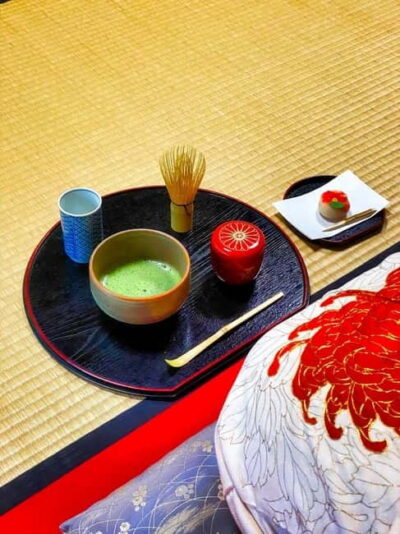
Tea Ceremony in a Traditional Tea House in Kiyomizu
Read our review →

World Heritage Kyoto & Nara Uji Authentic Matcha Experience
Read our review →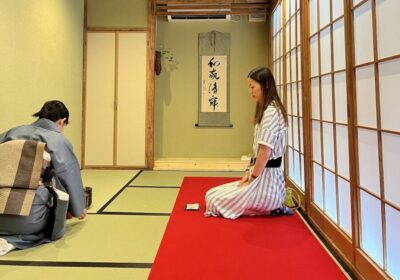
Browse the lists this tour appears in