
Review · SHRINE & TEMPLE VISITS
Inside of Fushimi Inari – exploring and lunch with locals
Fushimi Inari’s red gates are famous, but the real magic is how you approach them. This half-day hike focuses on small-group walking and an off-the-beaten-track route through bamboo and cedar forests, so you get the meaning behind the torii world, not just the photo.
I especially like two things: first, you get a guided look at the main shrine and thousands of red gates with cultural context, then you’re routed through quieter spots like a waterfall, worship stones, and a gate factory area. Second, the tour includes a satisfying soba noodle lunch plus a Japanese tea and boiled egg break, which makes the whole outing feel like a Kyoto day, not a hurried sightseeing grab.
One thing to consider: the route includes forest stairs and a climb toward the summit shrine. Even if you’re generally active, the steep sections can feel tougher than the postcard version of Fushimi Inari.
In This Review
- Key things you’ll notice on this Fushimi Inari hike
- Fushimi Inari on a human scale, not a crowd
- Meeting at Great Torii Japan and getting your pace set
- Torii gate meaning at the main shrine entrance
- Bamboo and cedar paths with stops that feel local
- The summit shrine climb at 233 meters
- Lunch that actually refuels you: soba, tea, and a boiled egg
- Small-group pace with guides like Ko and Satsuki
- Price and value: what $72.26 includes (and why it’s not just a “walk”)
- Footing and stamina: moderate fitness, steep stairs, and smart shoe choice
- Who should book this Fushimi Inari hiking tour
- Should you book this tour?
- FAQ
- How long is the Fushimi Inari hiking tour?
- Where does the tour meet and where does it end?
- Is the torii gate sightseeing included?
- What food is included?
- Is the tour suitable for vegetarians or specific diets?
- Do I need to be in good shape?
- How long is the summit climb?
- Is an admission ticket included?
- What group size should I expect?
- Is the tour weather-dependent?
Key things you’ll notice on this Fushimi Inari hike
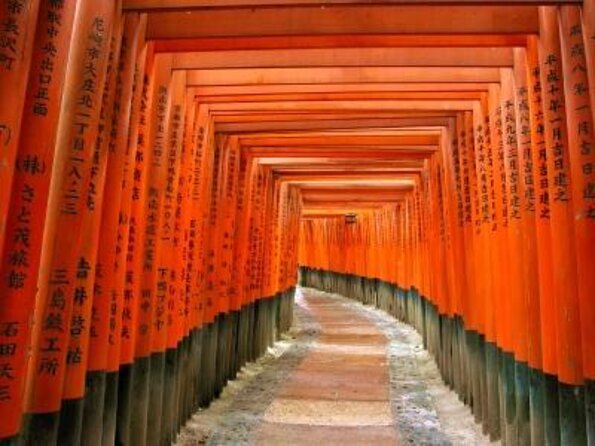
- A quieter approach to the torii gates so you can slow down and actually learn what you’re seeing
- Forest walking through bamboo and cedar, plus stops at worship spots and a waterfall
- A summit visit at 233 meters, with about a 20-minute climb that’s short but steep
- Lunch that’s part of the plan, not an afterthought, with soba and tea
- Very small group size, aimed at a personalized pace (the activity is listed up to 6)
- Guides who steer your energy, with standouts like Ko and Satsuki noted for pace and explanations
Fushimi Inari on a human scale, not a crowd
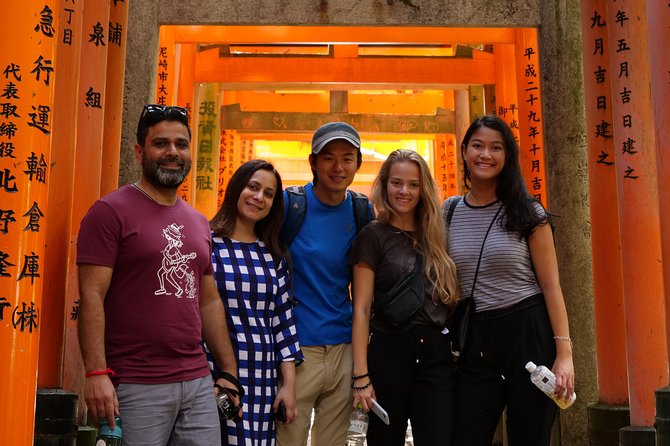
Fushimi Inari-taisha is one of Kyoto’s headline sights, and that also means it can feel like a conveyor belt. What makes this tour appealing is its focus on the walking experience before you hit the busiest photo angles. You start with the shrine area, then shift into calmer paths, where the forest does what forests do. It slows your eyes down.
You also get a lot more than the basic torii story. The tour is built around explanations of the shrine’s background and the significance of the gates, so when you’re surrounded by red, you understand why it matters. That turns the gates from a background image into something you can actually connect with.
More Shrine & Temple Visits in Kyoto
- Kyoto: Fushimi Inari, Kinkakuji, Bamboo Grove 1 Day Bus Tour
★ 4.8 · 4,316 reviews - Kyoto: Tea Ceremony Ju-An at Jotokuji Temple
★ 4.9 · 3,207 reviews - Fushimi Inari Hidden Hiking Tour (Private Option Available)
★ 5.0 · 1,750 reviews
Meeting at Great Torii Japan and getting your pace set
The meeting point is Great Torii Japan, in Fushimi Ward (深草薮之内町68番地). The tour returns to the same spot at the end, so you avoid the “now what” scramble that sometimes follows temple hikes.
This matters because a short half-day tour lives and dies by timing. You need to start promptly, wear shoes that can handle stairs, and show up ready to walk. In the rare case of a missed meetup, communication is the whole issue. One past problem was handled by trying to locate guests for quite a while, so I’d make it a point to arrive early and look for your guide. If you see a distinctive cap described for the guide, that’s your fastest anchor.
Torii gate meaning at the main shrine entrance
Your first big chunk is sightseeing at Fushimi Inari-taisha, including the main shrine area and the famous thousands of red gates. The guide doesn’t treat this like a stop you power-walk through. You get history and cultural background tied to what you’re seeing.
This is where the tour earns its keep, because Fushimi Inari is easy to misunderstand if you only focus on the red color and the gate wall effect. Torii gates are not just decoration, they’re religious markers. With the context you get here, the whole route becomes coherent. You’re not just wandering from gate to gate, you’re moving through a sacred landscape in a structured way.
A practical note: the main shrine area can be busy, so you benefit from having someone steer you through the “what to notice” spots first.
Bamboo and cedar paths with stops that feel local
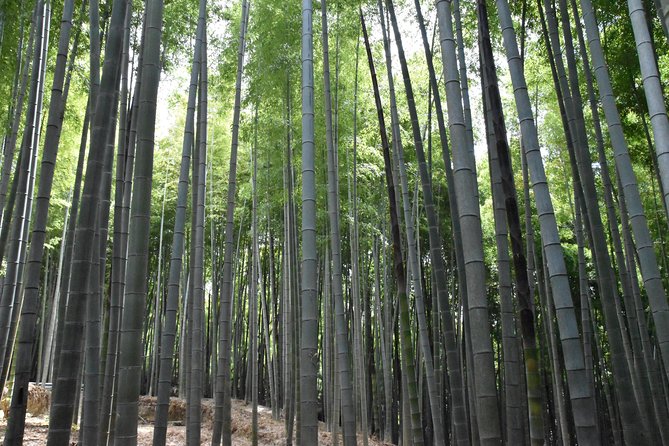
After the main shrine viewing, the route shifts into quieter walking. You’ll take an easy walking portion through peaceful bamboo and cedar tree forest paths. This is one of the best parts of the day, because it’s where Fushimi Inari stops feeling like a checklist and starts feeling like a hike with meaning.
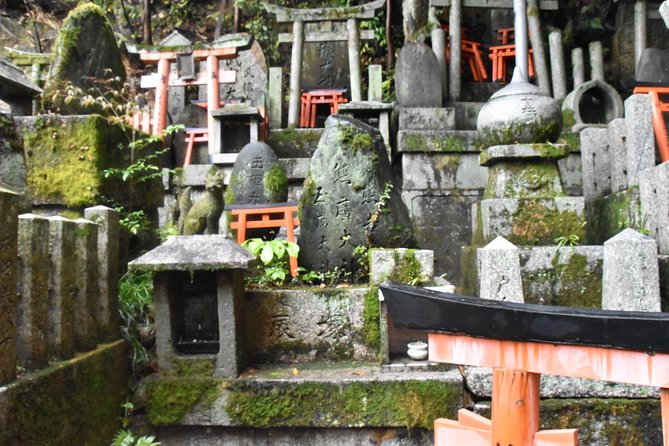
Along the way, you visit authentic holy spots, including worship stones and a waterfall. You also get a gate factory stop, which is a wonderfully odd, very practical detail. You learn that these gates are not just there, they’re part of a living tradition tied to how the shrine world functions.
This kind of stop is what makes the tour feel like an insider perspective. It’s not only about where tourists stand, it’s about how the shrine’s culture keeps going. Even if you only catch a glimpse, you leave with a sense of continuity.
More Shrine and Temple visits in Kyoto:
- Osaka/Kyoto:Kinkakuji,Arashiyama,FushimiInariShrine,NaraPark
★ 4.1 · 1,596 reviews - Kyoto/Osaka: Nara, Fushimi Inari Taisha, Arashiyama Bus Tour
★ 4.7 · 1,275 reviews - Arashiyama Bamboo, Temple, Monkeys, or Secret Sake Brewery
★ 4.8 · 886 reviews - Osaka/Kyoto: Arashiyama, Nara & Fushimi Inari Shrine w/Lunch
★ 4.4 · 754 reviews
The summit shrine climb at 233 meters
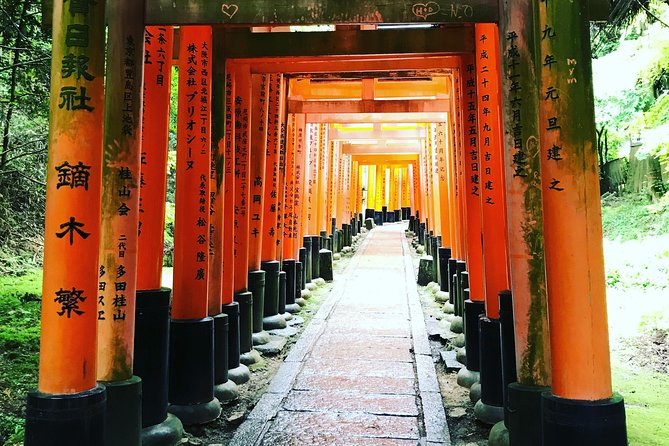
The uphill part is the heart of the hike, and it’s also where you should calibrate expectations. The climb is listed at about 20 minutes toward the summit shrine, and the summit is 233 meters. That’s not a long ascent, but it’s a real one, with stairs and a forest route that can be steep.
If you have moderate physical fitness, you’re likely fine. But if you don’t like stairs, or if steep steps tire your knees, don’t treat this as a leisurely stroll. One key tip: go slow. The guide adjusts pacing to match the group, and you’ll enjoy the route more if you let your breathing set the rhythm.
Once you reach the summit, you get time around the summit shrine. If you want to pray, the tour includes the opportunity. Even if you don’t, the payoff is the change in viewpoint and the feeling of reaching the “why people hike here” moment.
Lunch that actually refuels you: soba, tea, and a boiled egg
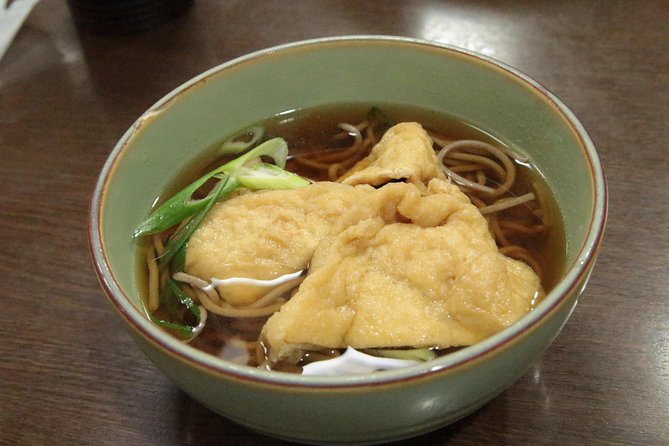
Half-day hikes can fall into a trap: you’re walking so much that your lunch feels like fuel you scarf down. Here, the meal is built in. You get a soba noodle lunch, plus a Japanese tea and boiled egg break.
That combination is smart for this kind of route. Soba is filling without being heavy, and the tea break helps you reset before the next walking segment. The boiled egg is also a small, no-fuss energy stop, especially if the hike takes longer than you expect.
Diet needs are handled with options stated for the tour: vegetarian is available, Halal-friendly is possible, and gluten-free food is available. If you have a specific requirement, you’ll want to confirm it at booking, since “available” usually means it’s arranged with notice.
Small-group pace with guides like Ko and Satsuki
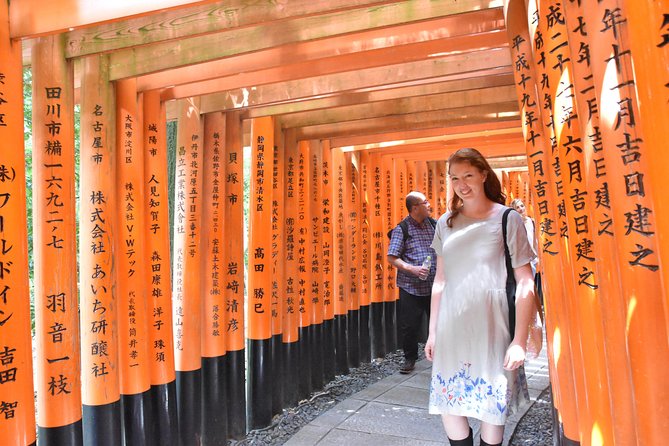
One of the strongest signals from guide feedback is pacing. Both Ko and Satsuki are praised for adjusting to the group and steering you away from the densest masses, so you spend more time in quiet forests and smaller shrines.
That matters more than it sounds. When you’re hiking in stair-heavy terrain, pacing decides whether you’re enjoying the views or just managing fatigue. A good guide also keeps you oriented, explains what you’re about to see, and makes the route feel less chaotic.
The activity is listed as a small group with a maximum of 6 travelers, even though the tour concept is described as limited to only 12 in some materials. Either way, the real takeaway for you is that this is not a big bus tour. You’ll have space to think, stop for photos without being herded, and ask questions.
Price and value: what $72.26 includes (and why it’s not just a “walk”)
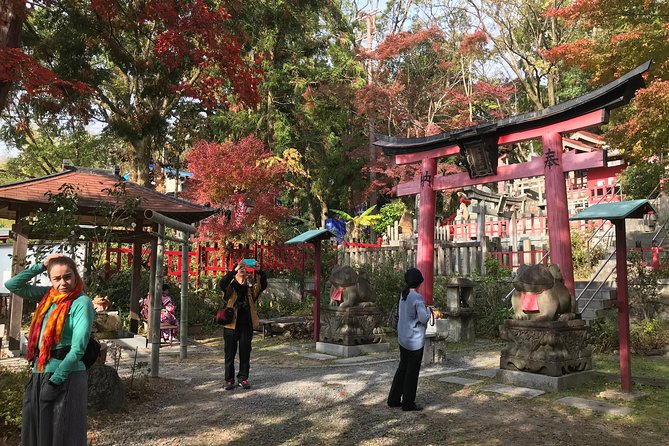
At $72.26 per person, this isn’t the cheapest way to see Fushimi Inari. But you’re paying for a few things that add up quickly if you tried to piece them together yourself.
You get:
- A guided hike on a planned route, including time at the main shrine and the summit area
- Included admission ticket (stated with the tour time)
- Lunch with soba noodles
- A tea and boiled egg break
- A small-group format designed for a smoother pace
If you’re already planning to eat around Kyoto, the included meal reduces your guesswork. If you’ve ever tried to navigate temple routes on your own, you know how quickly time disappears in wrong turns or “is this the correct path” moments. A guided route helps you spend your energy on the places you actually want to be.
Also, half-day tours often feel like a bargain when they prevent you from wasting hours coordinating transport and figuring out the best sequence. That’s the hidden value here.
Footing and stamina: moderate fitness, steep stairs, and smart shoe choice
This tour asks for moderate physical fitness. The route includes forest stairs, and that’s the part people underestimate when they picture Fushimi Inari’s iconic gates.
Here’s how to prepare practically:
- Wear shoes with grip, ideally something you can trust on stone steps
- Bring a layer, even in mild weather, because forest shade changes how you feel
- Take breaks when offered, don’t push to prove you can power through
If you’re the type who likes a fast pace, you might feel okay. If you’re the type who needs steady breaks to stay comfortable, you’ll still be fine, but you should mentally treat it as a hike, not a stroll.
Who should book this Fushimi Inari hiking tour
This is a strong match if you:
- Want the best of Fushimi Inari without spending your day only in the busiest lanes
- Like learning why places look the way they do, not only snapping photos
- Appreciate a planned lunch and snack so you can focus on walking and enjoying
- Prefer small-group attention and a guide who adjusts pace
It might not be your best fit if you:
- Want a totally gentle, flat walk
- Know you struggle with steep stair sections
- Are traveling with mobility limitations and need step-free access, since the route includes climbing and stairs
Should you book this tour?
I’d book it if your ideal Kyoto day includes real walking, quiet forest time, and a guided explanation that connects the torii gates to the shrine’s meaning. The included soba lunch and tea break also make it feel like a complete half-day plan rather than a rushed sightseeing sprint.
I’d think twice if you have knee issues or you’re uncomfortable with steep steps. Also, do yourself a favor and arrive a bit early at Great Torii Japan, since punctual meeting is key to avoid the kind of mix-up where a guide has to track you down.
If you’re looking for value, this tour has it because the admission, lunch, and guided route are bundled together in a way that saves time and reduces stress.
FAQ
How long is the Fushimi Inari hiking tour?
It runs about 4 hours (approximately).
Where does the tour meet and where does it end?
It starts at Great Torii Japan in Fushimi Ward (深草薮之内町68番地) and ends back at the meeting point.
Is the torii gate sightseeing included?
Yes. The tour includes sightseeing of the main shrine and the thousands of red gates with explanations.
What food is included?
You get a soba noodle lunch, plus a Japanese tea and boiled egg break.
Is the tour suitable for vegetarians or specific diets?
Yes. Vegetarian options are available, it is Halal friendly, and gluten-free food is available.
Do I need to be in good shape?
The tour asks for moderate physical fitness. The route includes climbing and forest stairs.
How long is the summit climb?
The climb to the summit shrine is about 20 minutes, and the summit is 233 meters.
Is an admission ticket included?
Yes, an admission ticket is included.
What group size should I expect?
The tour is described as small-group. The activity is listed with a maximum of 6 travelers, while the tour overview also mentions a group limit of only 12 participants.
Is the tour weather-dependent?
Yes. It requires good weather. If it is canceled due to poor weather, you’ll be offered another date or a full refund.
Newly listed around Kyoto
- Zen Meditation for Life in Kyoto★ 5.0 · 10 reviews
- Kyoto: Zen Meditation at a Private Temple with a Monk★ 5.0 · 25 reviews
- Kyoto Private Customizable Day Tour with Guide and Vehicle★ 5.0 · 52 reviews
- Private Wagyu Beef Tour with a Local Guide★ 5.0 · 6 reviews
- Kyoto: Gion Geisha District & Sake-in-Hand Walking Tour★ 5.0 · 37 reviews
- Your Private Vacation Photography Session In Kyoto★ 5.0 · 110 reviews
- Private Guided Traditional Buddhist Cooking in Japan★ 5.0 · 16 reviews
- Private Pewter Sake Cup Experience with a Kyoto Artisan★ 5.0 · 31 reviews
Shrine & Temple Visits, compared.

Fushimi Inari, Kinkakuji, Bamboo Grove 1 Day Bus Tour
Read our review →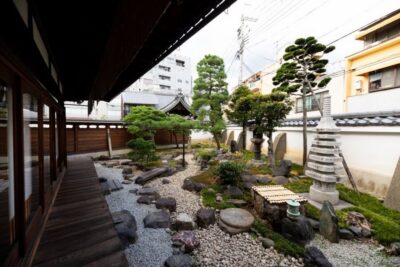

Meiji Shrine, Asakusa, Skytree Bus Tour and Cruise
Read our review →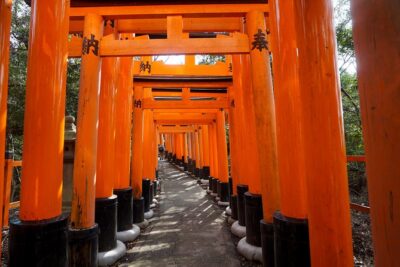
Fushimi Inari Hidden Hiking Tour (Private Option Available)
Read our review →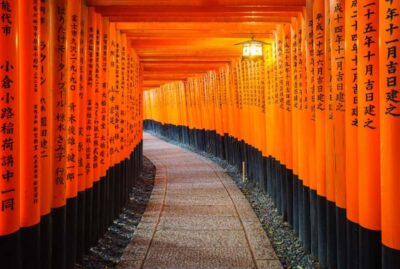
Osaka/Kyoto:Kinkakuji,Arashiyama,FushimiInariShrine,NaraPark
Read our review →
Asakusa Walking Tour with Sensoji Temple Visit
Read our review →
Nikko: Kegon Falls, Lake Chuzenji & Toshogu Temple
Read our review →
Kamakura & Enoshima Day Trip including Temple Tickets
Read our review →Browse the lists this tour appears in