
Review · SHRINE & TEMPLE VISITS
Inside of Fushimi Inari – exploring and lunch with locals
Fushimi Inari is more than a red-gate line. This 4-hour walk takes you inside the shrine world, past holy spots and a gate-making factory, with time to catch the views and photos without living in the crowd. I also really like the meal side of the tour, especially the included soba lunch at a traditional restaurant, plus tea and a boiled egg break on the mountain. The main consideration is that this is still a hike, with stairs and ups and downs, so comfy shoes matter.
Small groups keep the experience human. You’re capped at 10 people, you walk at a pace that still gives you structure, and you get English guidance to explain what you’re seeing, not just where to stand for pictures. It’s a great fit if you want Kyoto beyond the big postcard shots, but it may feel like a lot if you want only flat temple strolling.
In This Review
- Key things that make this tour worth your time
- Fushimi Inari from the inside out, not just the photo line
- Meeting at the Great Torii Gate, then getting a smooth start
- Red gates, Shinto meaning, and holy stops you might miss alone
- Bamboo and cedar forest time, plus a factory gate-making visit
- Going up to the summit shrine: 233m, 20 minutes, and real payoff
- Snacks and tea in a scenic mountain hut
- Soba lunch at a traditional restaurant, plus vegan planning
- Photo time without the crowd crush
- Pacing, group size, and what to wear so you feel comfortable
- Price and value: what $67 buys you in real terms
- Who should book this, and who might want a simpler plan
- Should you book this inside-the-shrine Fushimi Inari tour?
- FAQ
- How long is the Fushimi Inari inside tour?
- Where do I meet for the tour?
- Is lunch included, and what is it?
- Are vegan options available?
- What snack and drinks are included during the tour?
- Is there hiking involved?
- What’s included besides food?
- How big is the group?
Key things that make this tour worth your time
- Inside Fushimi Inari routes, including quieter paths and photo stops off the main flow
- Summit shrine hike on a forest route with a 20-minute climb to the 233m point
- Factory visit and gate-making moment, where you can connect the shrine to the people who build it
- Mountain hut tea break, with hot tea plus a boiled egg with salt
- Traditional soba lunch, with vegan options if you tell the guide in advance
Fushimi Inari from the inside out, not just the photo line
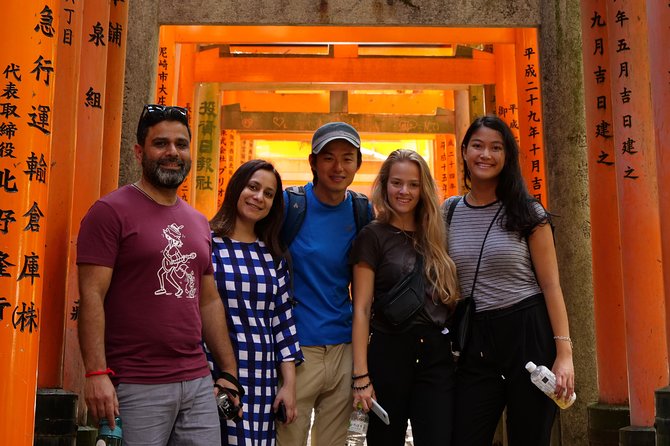
Yes, the red gates are famous for a reason. But the real payoff comes when you stop thinking of Fushimi Inari as a single viewpoint and start seeing it as a living network of worship spots, paths, and people.
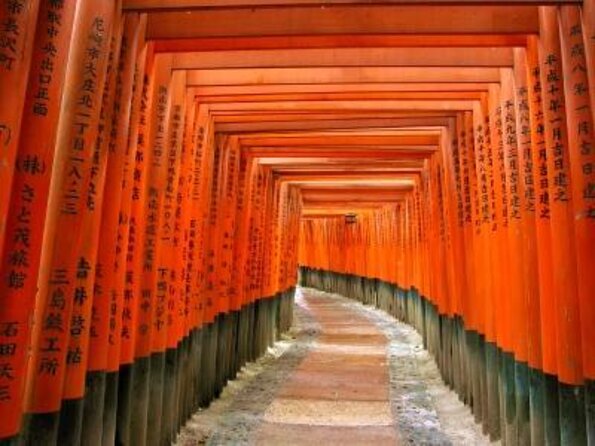
This tour focuses on going deeper than the most crowded sections. You’ll start at the Great Torii Gate area and work your way through the shrine complex with context on what the gates mean and why so many of them exist in the first place. That explanation matters, because once you understand the shrine’s cultural background, the route feels like a story you’re walking through.
I also like that the experience isn’t only about walking. You get built-in breaks, a snack in a scenic mountain setting, and then a proper lunch that actually reflects the local food culture. If your Kyoto plan is heavy on temples, this one balances intensity with comfort.
More Shrine & Temple Visits in Kyoto
- Kyoto: Fushimi Inari, Kinkakuji, Bamboo Grove 1 Day Bus Tour
★ 4.8 · 4,316 reviews - Kyoto: Tea Ceremony Ju-An at Jotokuji Temple
★ 4.9 · 3,207 reviews - Fushimi Inari Hidden Hiking Tour (Private Option Available)
★ 5.0 · 1,750 reviews
Meeting at the Great Torii Gate, then getting a smooth start
You meet at the stone pillar at the first gate across from JR Inari Station exit, by the Great Torii Gate area. The tour runs from the same finishing point, so you’re not juggling transfers or a complicated end route.
From Fushimi-Inari Station on the Keihan line, plan on a short walk, about 10 minutes. In practice, this makes it easier than tours that start at a far-side entrance, where you spend the first half hour figuring out where everyone is gathering.
Because the group is small, the start feels organized. You also have a clear plan for the next 4 hours, so you’re not guessing when to move on, when to pause for photos, or where the quiet pockets are.
Red gates, Shinto meaning, and holy stops you might miss alone
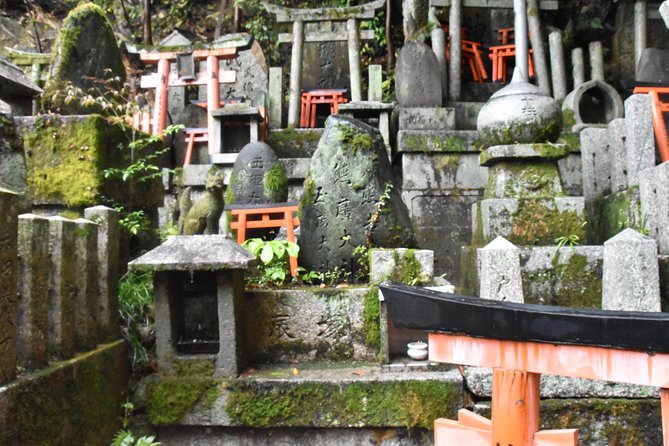
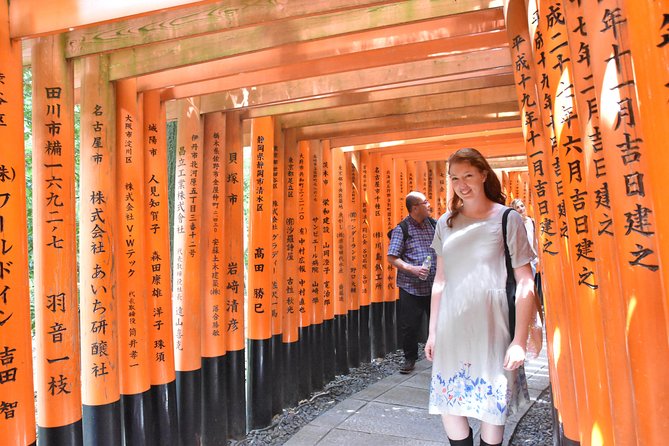
The route includes the main shrine area, the famous atmosphere of thousands of torii gates, and an explanation of their history and cultural background. Even if you’ve seen photos, having someone put the shrine’s meaning into plain language changes how you experience the walk.
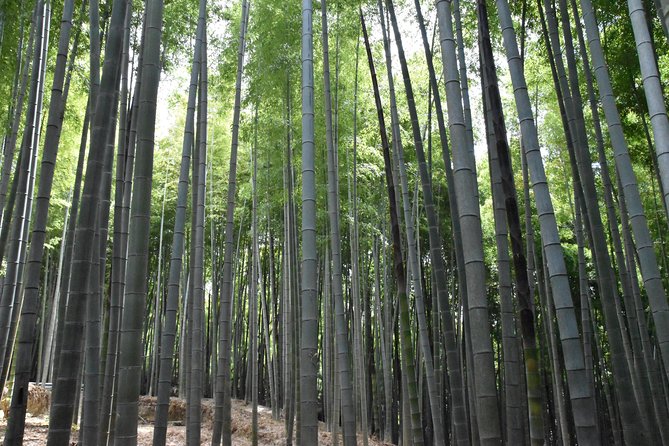
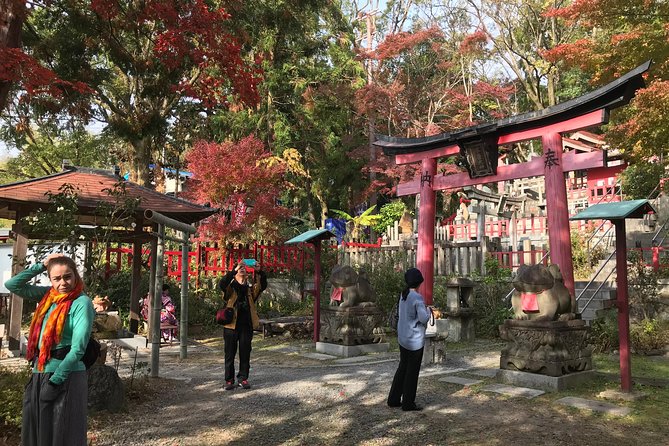
You also get side stops that are easy to overlook when you’re self-guiding. As you move through the peaceful path bordered by bamboo and cedar trees, you’ll visit authentic holy spots such as worship stones and a waterfall. These are the kinds of details that don’t always come through in social media clips, because they’re not always the “perfect gate” shot.
One practical upside here is that the tour helps you read the place. You’re not just looking around at structures, you’re learning what the objects and stops represent. That makes your photos more meaningful too, because you’re capturing something with purpose, not just color.
Bamboo and cedar forest time, plus a factory gate-making visit
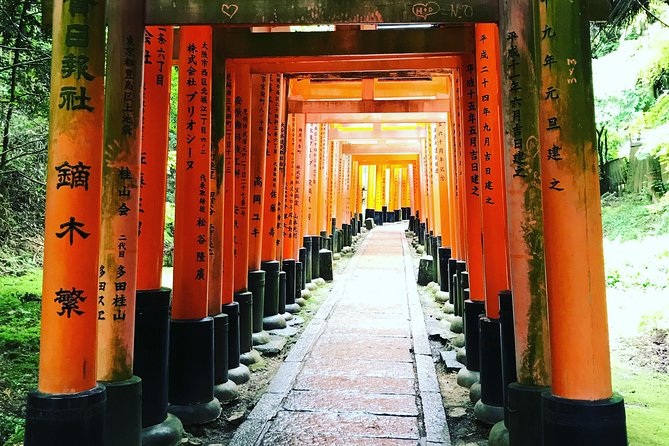
After the main shrine portion, the tour shifts into a calmer walking rhythm through the tree forest path. This is where you get that slower Kyoto feeling, shaded sections, and the sense that the shrine complex extends beyond the busiest entry paths.
A standout element is the factory visit, where you can see how the torii gates are made. One of the best parts of gate culture is that it’s not only symbolic. It’s also craft and work, and you get to connect the shrine to the people and processes behind it. A review favorite I kept seeing was the torii-making experience, with one person even highlighting the chance to watch a master carve the columns.
If you like food and craft culture, this is a smart pairing. Temple visits can sometimes feel “watch only.” This gives you a hands-on angle through watching a gate maker’s work and understanding the shrine as part of local production.
More Shrine and Temple visits in Kyoto:
- Osaka/Kyoto:Kinkakuji,Arashiyama,FushimiInariShrine,NaraPark
★ 4.1 · 1,596 reviews - Kyoto/Osaka: Nara, Fushimi Inari Taisha, Arashiyama Bus Tour
★ 4.7 · 1,275 reviews - Arashiyama Bamboo, Temple, Monkeys, or Secret Sake Brewery
★ 4.8 · 886 reviews - Osaka/Kyoto: Arashiyama, Nara & Fushimi Inari Shrine w/Lunch
★ 4.4 · 754 reviews
Going up to the summit shrine: 233m, 20 minutes, and real payoff
The tour includes a forest route uphill to the summit shrine. The climb is about 20 minutes, and the summit reaches 233m. That’s not a multi-hour mountain trek, but it’s enough elevation that you feel like you’re earning the view.
Your guide brings you around the summit shrine area and keeps the experience moving at a comfortable pace. You also get photo time on the way up and again during the descent, especially in spots that are usually less crowded.
A key consideration: this is where stairs come in. The paths are well organized, but you should expect some steps and ups and downs. If stairs bother you, you’ll want to wear shoes with solid grip and plan to use the guide’s pacing, since the tour schedule may adjust depending on walking speed.
The best part of the summit section is the viewpoint payoff. You reach a panorama view over Kyoto city from the viewpoint near the route, so you get a “Kyoto from above” moment without turning the whole day into a marathon.
Snacks and tea in a scenic mountain hut
Between hiking sections, you’ll take a snack and drink break. You get hot Japanese tea and a boiled egg with salt at a mountain hut setting. This is the kind of pause that makes the rest of the walk feel manageable, especially if you’re combining Fushimi Inari with other Kyoto stops later in the day.
I like that the snack is simple and local. It’s not a tourist buffet, it’s a small reset that fits the rhythm of temple hiking in Japan. And if you want a moment to cool down and refuel before the final walk and lunch, this is timed well.
The tour also notes vegan options for this break, so dietary needs can be handled. Just make sure you tell the guide ahead of time, since the tour explicitly asks for that in advance for vegan meals.
Soba lunch at a traditional restaurant, plus vegan planning
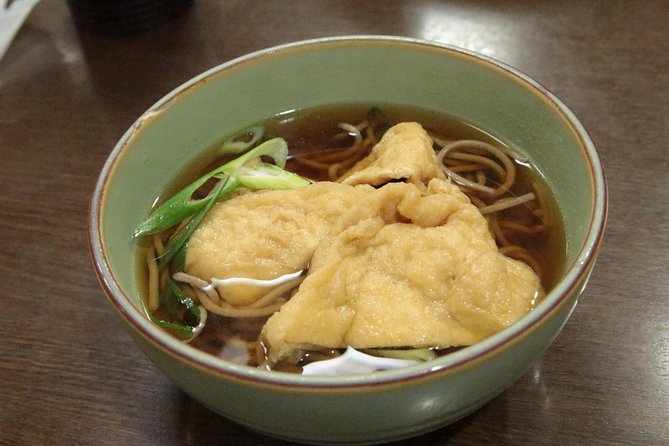
Lunch is included and it’s a real highlight: Japanese soba noodles and fried sweet inari sushi (inari sushi). This isn’t “snack sized” lunch. You’re getting a proper Japanese meal as part of the tour, which is part of why the price can feel reasonable.
Dietary support is available, including vegan options, as long as you notify them in advance. That matters because you don’t want to arrive hungry with dietary needs and then hope the kitchen can improvise. If you’re vegan, send the message during booking so the restaurant can plan.
One more note that helps your expectations: drinks at the lunch restaurant are not included. So if you like tea, soda, or beer with your noodles, factor that into your day budget.
If you’re worried about whether soba will be good, don’t overthink it. The tour is designed around a solid restaurant stop, and that’s usually the difference between a nice walk and a memorable half-day meal.
Photo time without the crowd crush
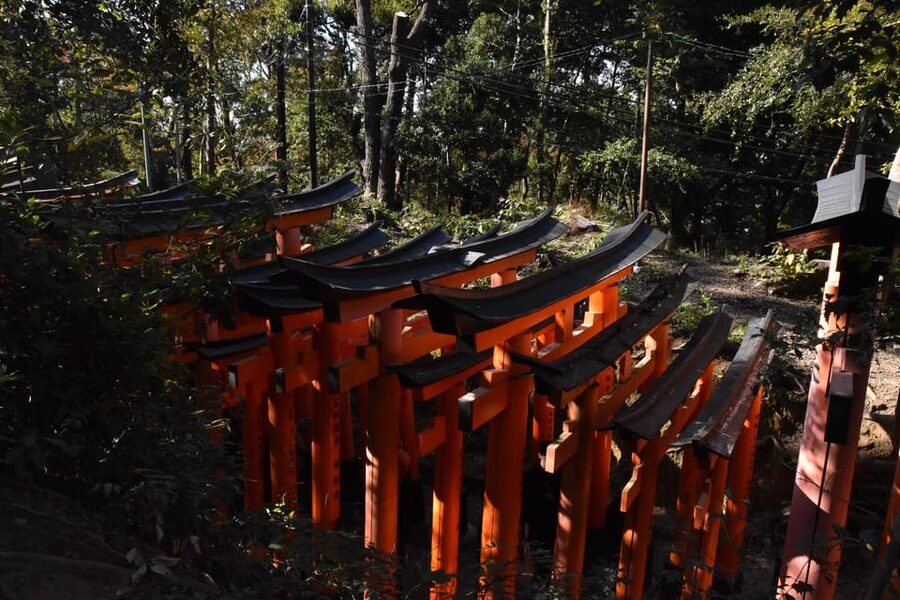
A lot of people come to Fushimi Inari for photos, then feel stuck in congestion. This tour builds in a photo-shooting segment and, more importantly, it routes you toward photogenic spots that are usually less crowded during the descent.
That’s a big deal for realistic travel. You’re not standing in one bottleneck waiting for “the perfect moment.” You get movement, perspective changes, and different angles, which makes your photos look more like a journey and less like a single location.
If you like taking pictures but you also want to keep walking and learning, this format works well. You get structured photo time, then you can focus on the scenery and shrine stops instead of racing the clock.
Pacing, group size, and what to wear so you feel comfortable
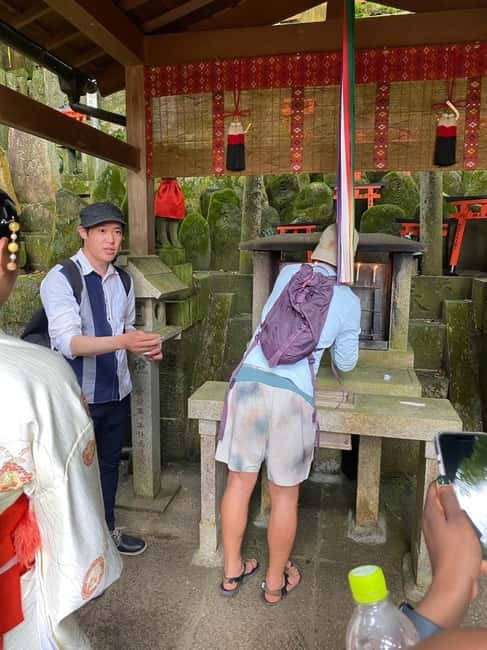
This is a small group tour, limited to 10 people, with an English-speaking guide. A small group helps you stay oriented, ask questions, and still move through a temple complex without the chaos of large bus groups.
The walking is easy to moderate. You’ll cover a hiking route, and you’ll climb and descend stairs, but the tour is designed with breaks and a casual pace. If you can handle short uphill stretches and some steps, you should be fine.
For clothing and gear, keep it practical:
- wear comfortable clothes and shoes
- bring a hands-free backpack for the hiking sections
Also, remember that the schedule can shift a little based on walking speed. That’s not a red flag. It’s often how you end up with less stress and more enjoyment.
Price and value: what $67 buys you in real terms
At $67 per person for a 4-hour, small-group experience, you’re paying for more than entry into a shrine area. You’re paying for a guide who helps you understand:
- the meaning behind the torii gates
- what you’re seeing in the shrine route and holy spots
- the rationale for visiting places like the factory and summit viewpoint
Then you get included food and breaks:
- lunch with soba noodles and inari sushi
- tea plus a boiled egg with salt in a mountain hut
- offering-related support from staff
Drinks at the lunch restaurant are not included, so that’s the main extra cost to plan for.
Here’s the simple value test I’d use: if you were doing this on your own, you’d still be paying for lunch, and you’d still need to figure out which side routes are quieter and what the objects mean. This tour packages those “time tax” parts into one guided half-day.
So if you want Fushimi Inari to feel like Kyoto culture, not just a stop with a pile of photos, the price is easier to justify.
Who should book this, and who might want a simpler plan
This tour fits best if you:
- want to see more than the main gates
- like learning the context of what you’re visiting, not only following a route
- want a quality included lunch, especially if you’re into soba
- care about dietary options, and you can tell the guide in advance for vegan meals
You might skip it if you:
- strongly prefer flat walking with minimal stairs
- want to spend most of your time solely in the most famous crowded areas (this tour aims for calmer, less crowded spots)
- don’t want any structured hiking segments
If you’re combining Kyoto highlights, this is also a smart half-day option. It’s long enough to feel substantial, but short enough that you can still enjoy the rest of your day.
Should you book this inside-the-shrine Fushimi Inari tour?
I’d book it if your goal is to experience Fushimi Inari as a full cultural route, not only a backdrop for photos. The included tea break, the summit viewpoint, and the soba lunch make the day feel complete, and the small group format keeps it from feeling rushed.
If you’re the type who cares about details, especially the meaning behind the torii gates and the craft behind them, this is exactly the kind of tour that turns a famous place into a personal experience. Just come with comfortable shoes, expect some stairs, and if you’re vegan, tell the guide ahead of time.
FAQ
How long is the Fushimi Inari inside tour?
The experience lasts about 4 hours.
Where do I meet for the tour?
You meet at the stone pillar at the first gate of the Great Torii Gate area, across from the JR Inari Station exit. It finishes at the same location.
Is lunch included, and what is it?
Yes. Lunch is included and includes Japanese soba noodles and fried sweet inari sushi.
Are vegan options available?
Yes. Vegan options are available, but you need to tell the organizers in advance.
What snack and drinks are included during the tour?
You get Japanese hot tea and a boiled egg with salt during a tea break in a mountain hut. Drinks at the lunch restaurant are not included.
Is there hiking involved?
Yes. You’ll walk through shrine paths, and there is a forest route uphill to the summit shrine, about 20 minutes. The paths include stairs.
What’s included besides food?
The tour includes offering staff support during the experience. You also get guide-led sightseeing and explanations in English.
How big is the group?
The tour is a small group capped at 10 participants.
Newly listed around Kyoto
- Japanese Traditional Sweets ”Nerikiri” making★ 4.3 · 17 reviews
- Japanese Sake Breweries Tour in Kyoto Fushimi★ 4.3 · 13 reviews
- Itajime Shibori Scarf Class at Kyoto Shibori Museum★ 4.9 · 24 reviews
- Insider Kyoto Ramen Tour★ 5.0 · 7 reviews
- Gyoza Cooking Class in Kyoto: Traditional Japanese Dumplings★ 5.0 · 12 reviews
- Full-Day Kyoto Walking Tour: Most Iconic Landmarks & Monkeys★ 5.0 · 6 reviews
- From Osaka/Kyoto: Private Kyoto & Nara Day Trip with Pickup★ 4.7 · 122 reviews
- Kyoto UNESCO World Heritage Sites 1d Tour from Osaka/Kyoto★ 4.6 · 6 reviews
Shrine & Temple Visits, compared.

Fushimi Inari, Kinkakuji, Bamboo Grove 1 Day Bus Tour
Read our review →

Meiji Shrine, Asakusa, Skytree Bus Tour and Cruise
Read our review →
Fushimi Inari Hidden Hiking Tour (Private Option Available)
Read our review →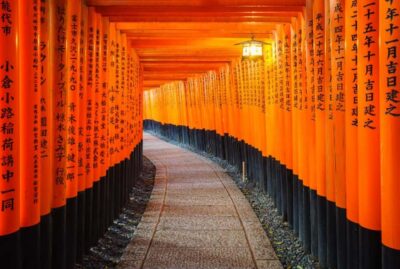
Osaka/Kyoto:Kinkakuji,Arashiyama,FushimiInariShrine,NaraPark
Read our review →
Asakusa Walking Tour with Sensoji Temple Visit
Read our review →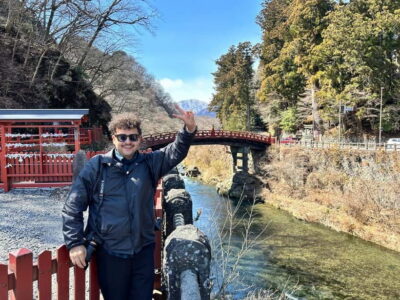
Nikko: Kegon Falls, Lake Chuzenji & Toshogu Temple
Read our review →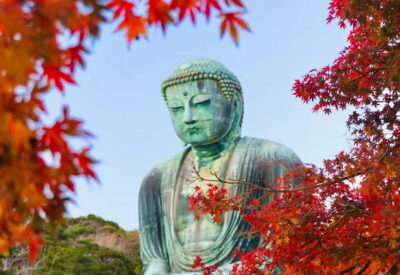
Kamakura & Enoshima Day Trip including Temple Tickets
Read our review →Browse the lists this tour appears in