
Review · COOKING CLASSES
Japanese food Cooking at Home
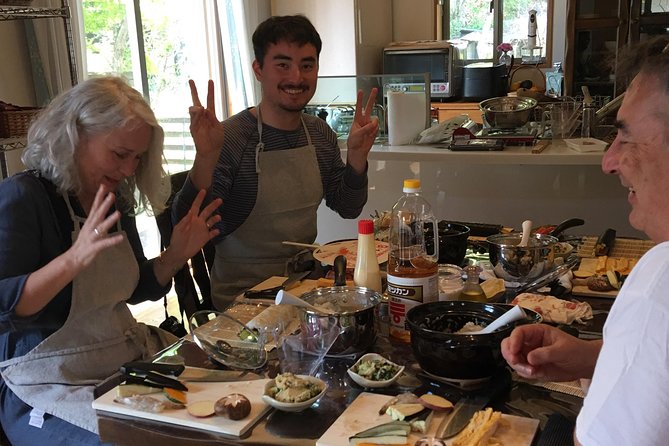
Cooking Japanese food at home in Miyazaki feels both normal and special. You get a private half-day experience that starts with pickup and a neighborhood walk, then moves into cooking and a quiet visit to a local shrine in a forest setting. One thing to consider first, there’s a cat at the house, so if you’re allergic, think carefully before booking.
I love that you can choose a course that matches how you want to eat Japanese food: a Sushi and Tempura course or a Bento Lunch Box course. Either way, you’ll include a matcha green tea experience, and a vegan menu is also available. Because the menu is flexible, you’ll likely get guidance that fits your group and the time you have.
In This Review
- Key Highlights You’ll Actually Remember
- A Home-Cooked Miyazaki Day Starts at Miyazaki Station
- Private Class Comfort, One Group, Real Questions
- Choosing Your Menu: Sushi and Tempura Course vs Bento Lunch Box
- Sushi and Tempura Course
- Bento Lunch Box Course
- Menu flexibility, and why it helps you
- Vegan menu option
- The Forest Shrine Stop: Atmosphere Before the Apron
- Cooking at Home: Practical Skills, Not Just a Meal
- Matcha Green Tea: The Included Experience Everyone Can Use
- Vegan in Practice, Plus One House Detail to Plan Around
- Price and Timing: Is $163 Worth a 4-Hour Private Class?
- Weather and Scheduling Reality for the Shrine Part
- Who This Japanese Cooking Class Suits Best
- Should You Book Japanese Food Cooking at Home in Miyazaki?
- FAQ
- Where does the Japanese food cooking class start?
- What time does the class begin?
- How long does the experience last?
- What are the menu options?
- Is matcha green tea included?
- Is there a vegan menu option?
- Is this a private activity?
- Is pickup offered?
- Can service animals join the experience?
- What if the weather is bad?
Key Highlights You’ll Actually Remember
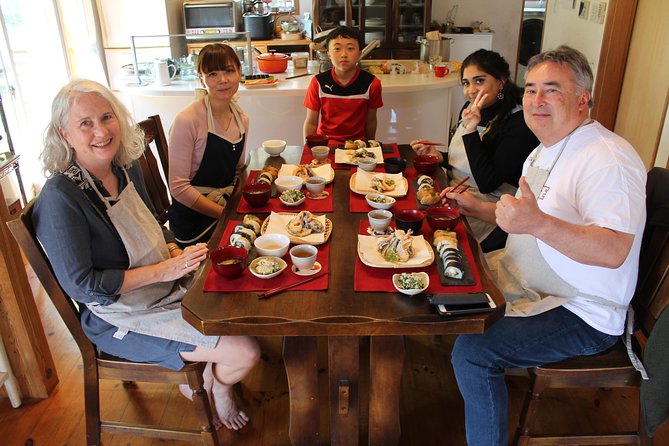
- Private group only, so you can ask questions and move at your pace
- Pickup from Miyazaki Station and return to the same meeting point
- Shrine visit in a solemn forest for atmosphere beyond the kitchen
- Choose your format, either Sushi and Tempura or a Bento Lunch Box
- Matcha green tea included in any course, not an add-on
- Vegan menu available, so you’re not forced into a compromise
A Home-Cooked Miyazaki Day Starts at Miyazaki Station
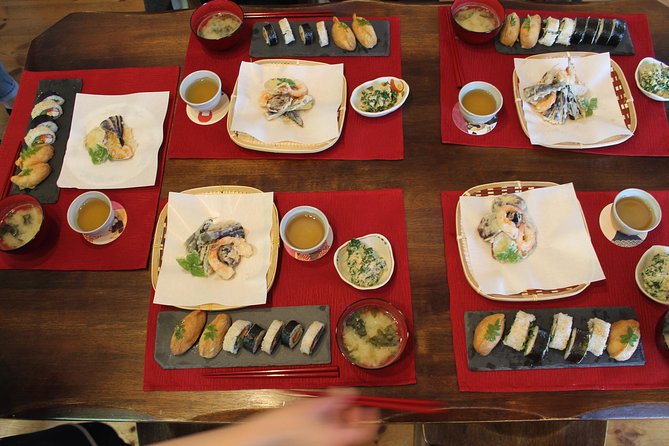
This experience is built for a comfortable start. It begins at Miyazaki Station 1 (Nishikimachi, Miyazaki, 880-0811), with a 10:00 am start, and it ends back at the same meeting point. If you’re not excited to solve local transit logistics first thing, pickup being offered takes a lot of stress off your day.
In my favorite moments of the day, the host also takes you on a short walk around the neighborhood and gives context for what you’re seeing. One guide, Makoto, is specifically mentioned for historical explanations and for helping people identify local plants and herbs. That matters because it turns a cooking class into a lived-in look at everyday life in the area, not just a list of dishes.
You also get a mobile ticket, which is convenient if you hate printing stuff and you travel light. And because it’s a private activity, you won’t be squeezed into a large crowd where your questions bounce off the air.
A few more Japan days to weigh up
- Tokyo: Shinjuku Food Tour (13 Dishes at 4 Local Eateries)
★ 5.0 · 6,603 reviews - Tokyo Tsukiji Fish Market Food and Culture Walking Tour
★ 5.0 · 3,184 reviews - Osaka: Shinsekai Food Tour with 13-15 Dishes at 5 Eateries
★ 4.8 · 2,204 reviews
Private Class Comfort, One Group, Real Questions
A big part of the value here is the format: it’s explicitly private activity, meaning only your group participates. That changes how the class feels. You can ask about technique, ingredient choices, timing, and plating, without watching the clock for the next group rotation.
This also makes it a better fit for couples, families, and small groups who want a calmer pace. If one person in your group learns faster, you don’t have to worry about slowing down the whole room. And if you want the session to lean more toward practical skills, you can generally shape that with the menu choice and questions.
One more practical note: service animals are allowed, which can help some travelers feel more confident about planning.
Choosing Your Menu: Sushi and Tempura Course vs Bento Lunch Box
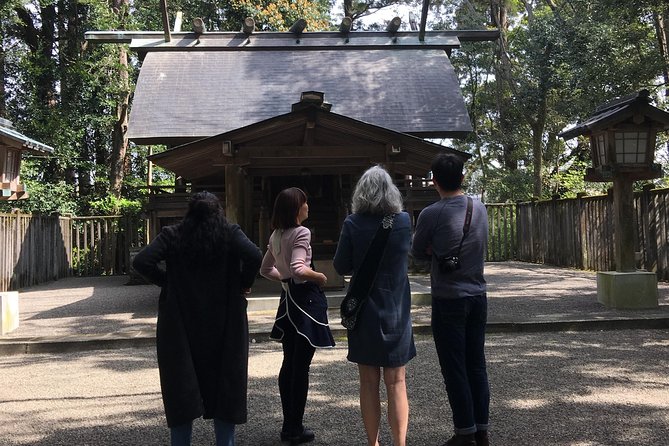
You have two main menu directions. I like that you can select based on what you want to learn and what you’re craving.
Sushi and Tempura Course
If you pick this option, expect a hands-on focus on Japanese favorites that are popular for a reason. Sushi is precise and technique-heavy, while tempura brings a different skill set, mainly around batter and frying consistency. Even if you’ve made home versions before, you’ll probably pick up a few details that help your results look more like what you actually want to eat.
A different sort of day in Japan:
- Mt Fuji and Hakone 1-Day Bus Tour Return by Bullet Train
★ 5.0 · 26,383 reviews - 1-Day Tokyo Bus Tour
★ 5.0 · 14,250 reviews - PERFECT KYOTO 1-Day Bus Tour
★ 5.0 · 13,518 reviews - Tokyo: TOKYO SKYTREE® Admission ticket
★ 4.5 · 11,192 reviews
Bento Lunch Box Course
If you want something that feels more like a complete, packable meal, the Bento Lunch Box course is a strong choice. Bento style is all about balance and thoughtful arrangement. The cooking process tends to feel like assembling a meal with purpose, which is great if your goal is not only to eat well but also to understand why Japanese home meals are often so structured.
Menu flexibility, and why it helps you
The experience notes that the menu can be flexible. That’s a good thing, because you’re not locked into a single rigid path. You’ll also still get the included matcha green tea experience, no matter which course you choose.
Vegan menu option
There’s also a vegan menu available. That’s important for value, because it means you can book without hoping for a last-minute substitute. If plant-based is part of your diet, you’ll want to make sure you choose the vegan menu when you book so the cooking plan fits.
The Forest Shrine Stop: Atmosphere Before the Apron
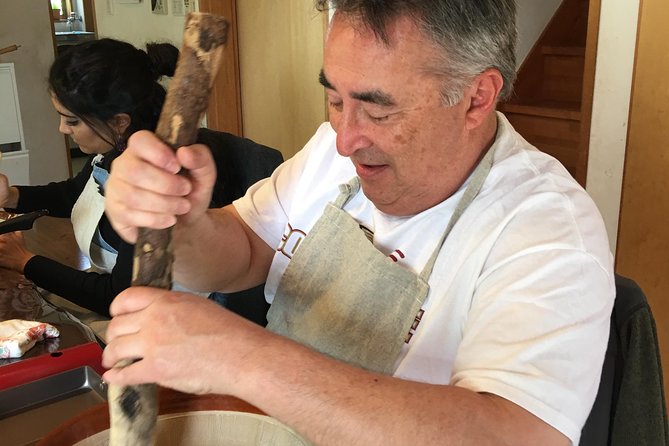
Before you do any serious cutting and cooking, the day includes a visit to a local shrine in a solemn forest. This isn’t random sightseeing. It sets a different tone for the class, more quiet and respectful than a typical tourist stop.
Why this matters for a cooking class: it helps you shift gears. You go from moving around like a visitor to moving through the day like a person in the area. And because the shrine is in a forest setting, it tends to feel cooler, calmer, and more grounded than urban activity.
If you’re someone who likes meaning and place, this part can be one of the best pieces of the half-day. If you prefer only food-focused time, consider that the class is designed to be more than cooking. It’s also about traditional atmosphere and local rhythms.
Cooking at Home: Practical Skills, Not Just a Meal
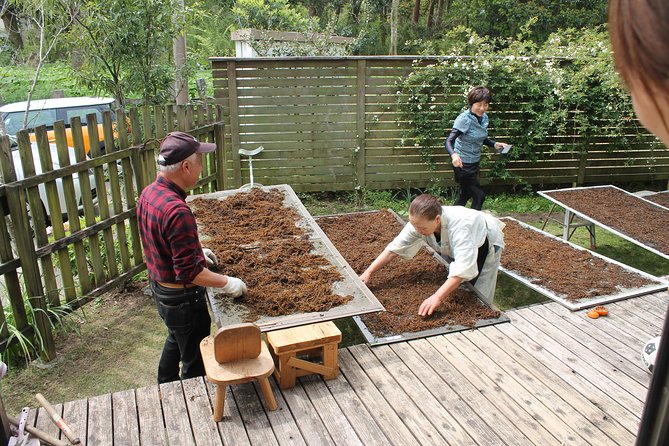
The core of this experience is hands-on cooking of typical Japanese food, with a focus on whatever course you choose. Expect you’ll do the cooking work, not just watch someone else do it. That’s where the value really lives. A cooking class that stays mostly observational is hard to justify, but this one is framed around you cooking the main menu and then learning tea.
What you’ll likely learn goes beyond recipe names:
- how to approach sushi-style preparation with care
- how tempura depends on technique and attention
- how bento-style structure turns several elements into one coherent meal
- how matcha connects to Japanese taste and timing
The best kind of cooking class gives you take-home confidence. Not just the satisfaction of eating something good that day, but the sense that you could recreate parts of it later. Even if you can’t copy every Japanese ingredient at home, the method and the logic behind it are what help.
Matcha Green Tea: The Included Experience Everyone Can Use
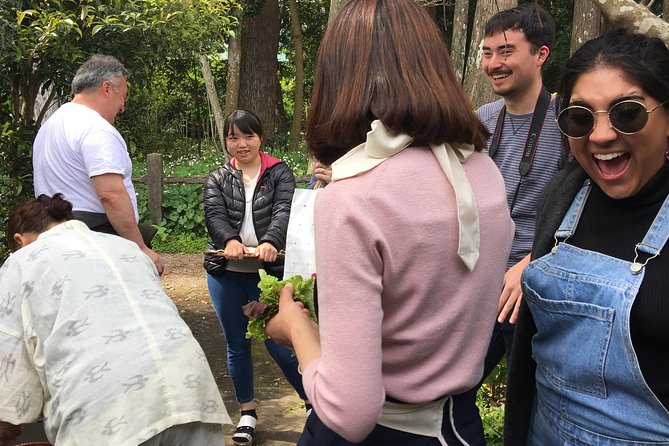
No matter which menu you choose, you’ll also do a matcha green tea experience. This is a nice balance to the day because it’s different from cooking, but it still fits the Japanese home-food theme.
Matcha is also one of those experiences that can be either rushed or done well. Here it’s built into the program as a defined part of the class, which usually means you’re not just grabbing a drink at the end. You’ll get time to learn how to prepare and enjoy it.
I think this inclusion is one reason the price can feel fair. In many food experiences, tea is an afterthought. Here it’s treated like a real part of the culture you’re learning.
Vegan in Practice, Plus One House Detail to Plan Around
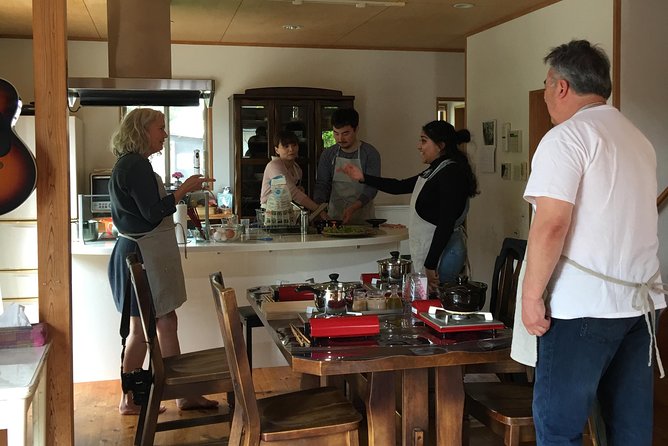
If you need a vegan menu, that option is explicitly available. That’s a big win because it signals the host plans the cooking route around dietary needs, rather than treating vegan as an emergency change.
One detail you cannot ignore is the cat in the house. The experience notes that there’s a cat at the home, and if you have a cat allergy you need to think about attending carefully. This is the only major “gotcha” detail listed that can truly change whether the experience works for you.
If you’re unsure, here’s what I’d do: check how severe your allergy is, and be honest about whether you’ll be able to stay in the home environment for the full session. A short exposure might be fine for some people, but cooking classes usually involve time in the same indoor space.
Price and Timing: Is $163 Worth a 4-Hour Private Class?
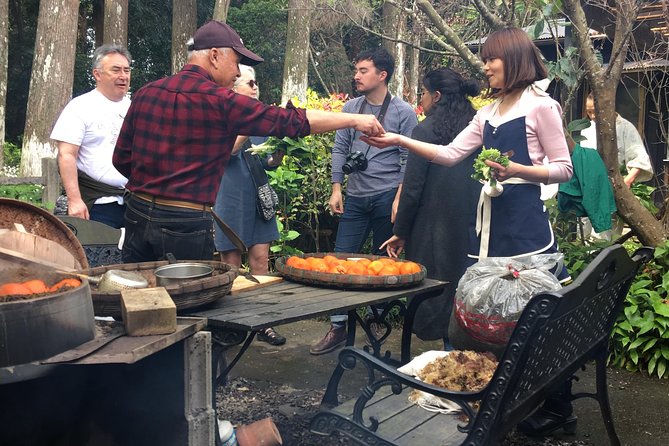
The price is listed as $163 for an experience that runs about 4 hours. On its face, it’s not a budget activity. But when you look at what’s included, the value story gets clearer.
You’re paying for a private setup, which means attention is focused on your group. You also get:
- pickup being offered (helpful if you want zero transit stress)
- the full cooking class centered on sushi and tempura or bento lunch
- a shrine visit in a forest setting
- matcha green tea included in any course
- a vegan menu option (so the experience can match your needs)
For many people, the best value here is the combination of food plus place plus tea in one half-day block. If you can’t do multiple separate activities, bundling matters. Also, because it’s private, it’s a better fit for groups who would otherwise have to pay extra for extra seats.
Weather and Scheduling Reality for the Shrine Part
This experience requires good weather. That’s directly relevant because one part of your day includes visiting a shrine in a forest. If poor weather cancels the activity, you’ll be offered a different date or a full refund. That’s the right kind of safety net, since you’re not stuck paying for a day that can’t happen.
The start time is 10:00 am, so if you’re booking around other plans, try to keep your morning schedule flexible.
Who This Japanese Cooking Class Suits Best
This is a strong match if you want:
- a private Japanese food experience in Miyazaki
- hands-on cooking, with sushi and tempura or bento lunch as your anchor
- a cultural stop that goes beyond eating, like the shrine in the forest
- a built-in matcha green tea experience
- the option of a vegan menu
It might be less ideal if:
- you have a cat allergy and can’t comfortably spend time in a home setting
- you want a purely food-only itinerary with zero cultural stops
Should You Book Japanese Food Cooking at Home in Miyazaki?
I’d book it if you like learning Japanese food through real home-style teaching, and you enjoy the idea of combining cooking with a quiet shrine visit. The private format and the included matcha experience make it feel more like a tailored half-day than a basic group workshop. And if vegan eating is part of your needs, the vegan menu availability is a serious plus.
Just be honest about your cat allergy risk, and plan for weather. If those two points work for you, this is the kind of experience that leaves you with both a full stomach and a clearer sense of everyday Japanese life.
FAQ
Where does the Japanese food cooking class start?
It starts at Miyazaki Station 1, Nishikimachi, Miyazaki, 880-0811, Japan.
What time does the class begin?
The start time is 10:00 am.
How long does the experience last?
The duration is approximately 4 hours.
What are the menu options?
You can choose either a Sushi and Tempura course or a Bento Lunch Box course. The menu can be flexible.
Is matcha green tea included?
Yes. Matcha green tea experience is included in any course.
Is there a vegan menu option?
Yes, a vegan menu is available.
Is this a private activity?
Yes. It’s exclusively private, so only your group will participate.
Is pickup offered?
Pickup is offered, and the activity returns you back to the meeting point.
Can service animals join the experience?
Yes, service animals are allowed.
What if the weather is bad?
The experience requires good weather. If it’s canceled due to poor weather, you’ll be offered a different date or a full refund.
Newly listed around Japan
- Private Tokyo Food Tour – A Journey Through Time Through Food★ 5.0 · 36 reviews
- Private Tokyo Tour with Licensed Guide & Vehicle (Max 15 persons)★ 5.0 · 107 reviews
- Private Tokyo Custom Full-Day Tour by Chartered Vehicle★ 5.0 · 16 reviews
- Private Tokyo Custom Half-Day Tour by Chartered Vehicle★ 4.5 · 13 reviews
- Private Outstanding Nikko Tour with English Speaking Driver★ 4.0 · 11 reviews
- Private Sightseeing to Mt Fuji and Hakone with English Driver★ 5.0 · 51 reviews
- Private Snow Monkeys park Day Trip From Tokyo or Nagano★ 4.5 · 26 reviews
- 4 Day Tour – Mount. Fuji, Tokyo, Hakone, Kamakura and Yokohama★ 5.0 · 19 reviews
Cooking Classes, compared.
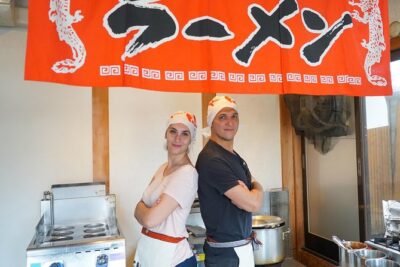
Ramen Cooking Class at Ramen Factory in Kyoto
Read our review →
Ramen & Gyoza Cooking Class in Tokyo with Local Supermarket Visit
Read our review →
Ramen Cooking Class at a Ramen Factory with Souvenir
Read our review →
Japanese Washoku Bento Small Group Cooking Class
Read our review →

Easy Ramen Cooking Experience in Kabukicho, Shinjuku
Read our review →
Ramen and Sushi Cooking Class with Sake Pairing Set in Tokyo
Read our review →Browse the lists this tour appears in