
Review · DESSERT TOURS
Japanese Traditional Sweets making
Sweet art starts in under an hour. I loved how this class has you making Nerikiri with Kyoto bean paste, then shaping two seasonal sweets you can actually taste. It is hands-on Japanese traditional sweets, not a quick demo you watch from your seat.
I also like the way the session mixes instruction with creativity, so even if your Japanese is basic you still end up with something you can plate and feel proud of. And for solo visitors, it is a friendly group format that makes it easier to chat without forcing it.
One watch-out: the pace can feel fast, and if you end up far from the action you may struggle to see each step clearly.
In This Review
- Key highlights worth planning for
- How a 65-minute Nerikiri class works at AN TOKYO
- Kyoto bean paste: the ingredient detail that really matters
- Flower-shaped Nerikiri and Kinton Nerikiri, season by season
- Flower-shaped Nerikiri: build the shape
- Kinton Nerikiri: a second style with different visual impact
- Timing, pace, and where to sit so you can actually see
- Eating what you made: the taste payoff
- Price and value: what you get for about $11
- Who this class is best for, and who should skip it
- Should you book this Japanese sweets workshop?
- FAQ
- What sweets will I make?
- How long is the experience?
- What is included in the price?
- What is not included?
- Is the class offered in English?
- Are there any rules for children?
Key highlights worth planning for
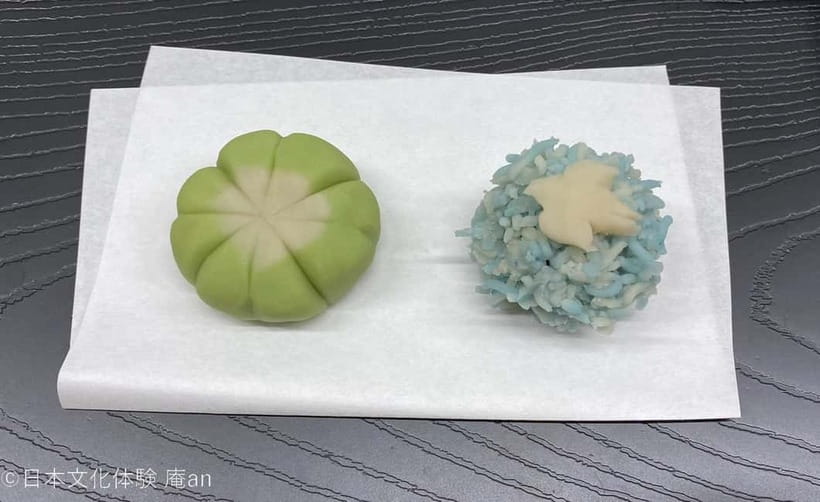
- Kyoto-produced white and red bean paste used for your sweets
- Two seasonal Nerikiri you make yourself, not just one
- Flower-shaped Nerikiri plus Kinton Nerikiri, so you get variety
- Eat on the spot, so you taste your work right away
- English support as much as possible, helpful for non-Japanese speakers
- Time moves quickly, so come ready and sit where you can see
How a 65-minute Nerikiri class works at AN TOKYO
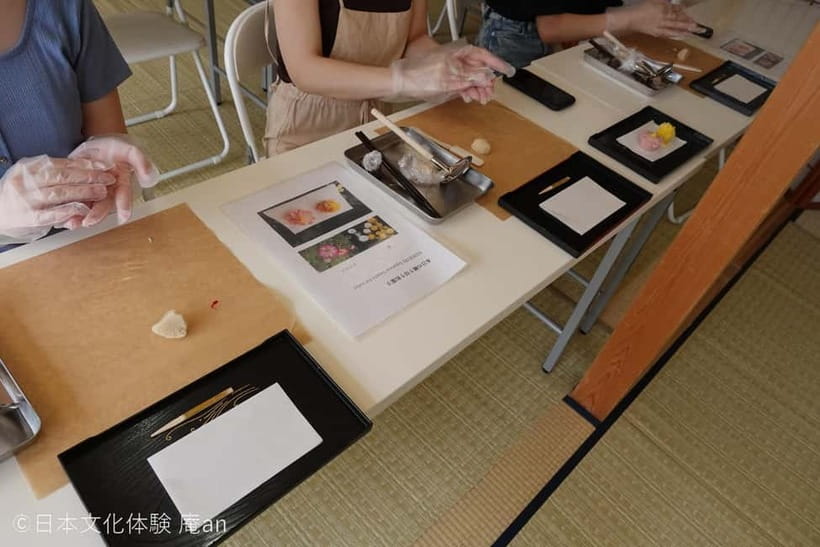
This workshop is set up like a focused little sprint: you arrive, get an explanation of the basics of Japanese traditional sweets, then you start shaping. The full experience is 65 minutes, and the timing matters. You are not expected to take your time like you might at a casual craft stall, you are expected to follow along, shape, and finish.
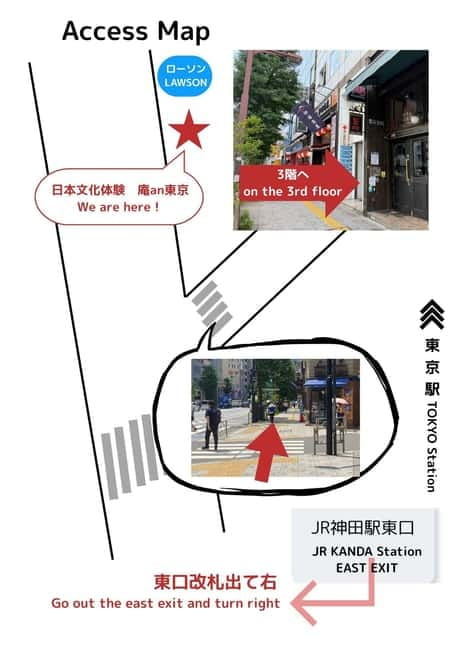
At AN TOKYO Japanese Culture Experience in Tokyo (the meeting point is listed at coordinates 35.6916541, 139.7715022), you will start with a quick introduction that sets you up with the key ideas: what Nerikiri is, why seasonality matters, and what kinds of textures and colors you are aiming for. From there, the hands-on part kicks in right away.
You make two sweets that are designed to match the season. The class then builds in short transitions between steps, including time for photos and then a chance to eat what you made. That structure is part of the value. You get the full arc of making something Japanese by hand, instead of leaving with only a theory lesson.
A few more Tokyo days to weigh up
- Matcha Making Class in Tokyo with Authentic Japanese Sweets Set
★ 5.0 · 744 reviews - Tokyo: Matcha Making Experience with Mochi Sweets in Asakusa
★ 4.9 · 388 reviews - Japanese Traditional Sweets making and Tea Ceremony
★ 4.7 · 50 reviews
Kyoto bean paste: the ingredient detail that really matters
The most practical thing I like here is ingredient quality. You work with white and red bean paste that comes from Kyoto’s long-established shops. That matters because Nerikiri lives and dies on texture and flavor. If the paste is too dry, too firm, or inconsistent, shaping becomes harder and the finish can look less smooth.
Using a Kyoto source also means the sweet has a more classic baseline. Even if you are not a wagashi nerd, you can taste the difference between basic sweetness and a paste that actually holds structure while you mold it. When you press, roll, and shape, you feel the paste respond. That feedback is a big part of enjoying the class.
And because you are making two different sweets, the paste needs to behave well across multiple styles. The workshop is basically giving you the right starting materials so your effort turns into something that looks like Nerikiri and tastes like Nerikiri, not just sugar you assembled.
Flower-shaped Nerikiri and Kinton Nerikiri, season by season
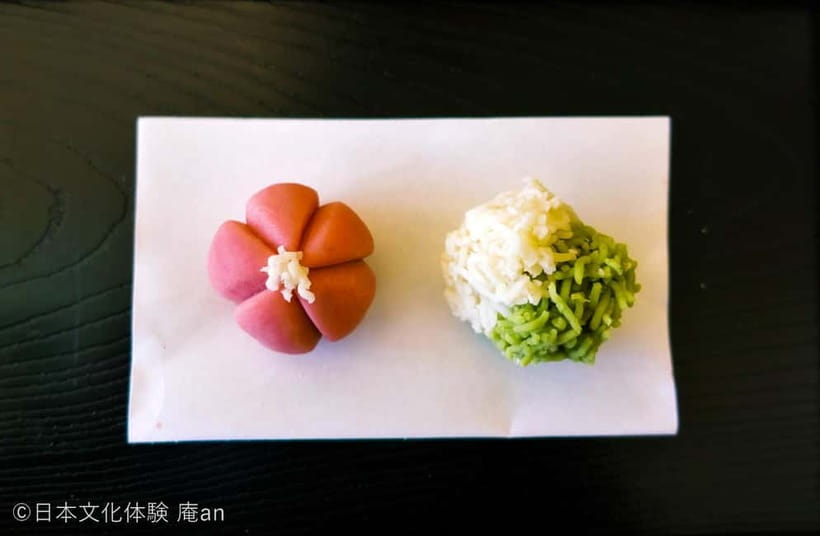
Your hands-on time is built around two specific creations, each with its own look and feel.
Flower-shaped Nerikiri: build the shape
The first sweet is a flower-shaped Nerikiri. This is a great starter because you get practice with the fundamentals: handling the paste, forming a clean outline, and paying attention to details that make a simple design look intentional. You will get guidance during the session, and the goal is that when you finish, your plate looks like Japanese seasonal sweets, not a rough craft project.
This stage is where you learn that Nerikiri is as much about composition as it is about sweetness. The way petals fold or the way you compress sections affects the final look.
A different sort of day in Japan:
- Mt Fuji and Hakone 1-Day Bus Tour Return by Bullet Train
★ 5.0 · 26,383 reviews - 1-Day Tokyo Bus Tour
★ 5.0 · 14,250 reviews - Tokyo: TOKYO SKYTREE® Admission ticket
★ 4.5 · 11,192 reviews - Tokyo: teamLab Planets TOKYO Digital Art Museum Entry Ticket
★ 4.6 · 9,779 reviews
Kinton Nerikiri: a second style with different visual impact
Then you move to Kinton Nerikiri. This gives you a second reference point for what you can do with the same basic ingredient world. Kinton styles usually lean toward a distinct, recognizable aesthetic, so you can compare your results and feel the difference in your own technique.
When you finish both, you also get an important payoff: you can plate your handmade sweets and basically treat it like artwork. The class does not just aim for edible. It also aims for visual satisfaction.
Timing, pace, and where to sit so you can actually see
This is the one area where you should go in with your expectations set correctly. The class is designed to fit into 65 minutes, which means you will likely move quickly between steps. If you prefer super-slow craft sessions where you can linger over each detail, this one may feel tight.
One thing to plan: sit where you can clearly see the teacher’s hands. The experience is in Japanese, with English translation provided as much as possible, but the real learning happens visually. If you sit too far back, it becomes harder to pick up the exact motion for shaping and finishing.
Also, keep your coats and bags situation in mind. Space can be limited, and you will want your hands free when you start working. If you show up carrying a big bag, it can become annoying fast once the session gets practical.
My practical advice is simple: come ready to follow along, and treat the pace as part of the challenge. The upside is that you are not stuck for hours, and you still end up with two sweets you made yourself.
Eating what you made: the taste payoff
The best part of this kind of workshop is the closing moment when your sweets stop being “project” and become “treat.” After your making time, you get picture time and then an eating window. Since the workshop allows you to eat the sweets on the spot, you get instant feedback.
That is useful because Nerikiri is not only about looks. It is also about how the paste feels, how it melts, and how the sweetness balances with the bean paste base. If your shape turned out a little uneven, you still get to taste your version and compare it in real time to the goal.
This is also where the cost makes sense. You are not paying just for instruction, you are paying for the process and the finished product you can eat immediately.
Price and value: what you get for about $11
The price listed is $11 per person for about 65 minutes, and the included portion is a set of Nerikiri making. That means you are paying for guided instruction plus materials and the work itself, not just watching.
When you compare that to typical food experiences, the value is that you leave with real output. You make two seasonal Nerikiri, then eat them. You also get the kind of small cultural experience that teaches you how Japanese sweets work in practice, not just in photos.
Two notes that help you budget:
- A sweets take-out box costs 100 JPY if you want to bring something away.
- An experience completion certificate costs 300 JPY, and if you want nominative names you need to share them in advance so they can leave space for your name.
If you want the full souvenir effect, consider the take-out box. If you just want the experience, you can keep it simple and enjoy the tasting on site.
Who this class is best for, and who should skip it
This is a strong fit if you want a hands-on Japanese traditional sweets activity that is short, structured, and rewarding. It is especially good for:
- Solo travelers who want an easy social setting without needing to plan anything complicated
- People who enjoy tactile workshops, where you shape, press, and refine
- Anyone curious about seasonal wagashi and how seasonality shows up in design
It may not be ideal if:
- You get frustrated when a class moves fast
- You need a lot of time to translate and re-check instructions before acting
- You prefer a quieter workshop where you can linger for extra polishing
If you do decide to go, go with a plan: arrive a bit early, sit where you can see, and expect the session to be active. That mindset turns the pace into momentum rather than stress.
Should you book this Japanese sweets workshop?
I would book it if your goal is to make and eat two seasonal Nerikiri in a short time, using Kyoto bean paste, with real guidance and a clear end product. The price-to-output ratio feels solid for what you get, and the experience is designed to be practical, not just performative.
I would hesitate only if you strongly dislike rushed settings or you know you will need lots of back-and-forth time to follow along. In that case, you might prefer a longer workshop where you can slow down with more instruction per step.
If you are on the fence, here is the deciding question: do you want a hands-on craft you can taste within about an hour? If yes, this class is a very reasonable bet.
FAQ
What sweets will I make?
You will make two seasonal Japanese traditional sweets called Nerikiri. The class includes flower-shaped Nerikiri and Kinton Nerikiri.
How long is the experience?
The duration is 65 minutes, including time to make the sweets, picture time, and an eating window.
What is included in the price?
The price includes the Nerikiri making experience. You can also eat the sweets on the spot.
What is not included?
A sweets take-out box is not included and costs 100 JPY. An experience completion certificate is not included and costs 300 JPY.
Is the class offered in English?
The experience language is Japanese, and English translation will be provided as much as possible.
Are there any rules for children?
Children who sit on their parents’ laps are free of charge, but this applies only to children under 2 years old.
Newly listed around Tokyo
- Kamakura Temples Private Guided Tour from Tokyo★ 4.8 · 21 reviews
- Kamakura Private & Customizable Tour – All-in-One Experience★ 5.0 · 49 reviews
- Kabukicho, Shinjuku: experiencing Japanese Host Club★ 4.3 · 9 reviews
- Tokyo: KABUKI Show at Kabukiza Theatre Admission Ticket★ 4.8 · 152 reviews
- Kabukicho Macabre Tour – the Real Tokyo Vice★ 5.0 · 48 reviews
- Japanese Traditional Sweets making and Tea Ceremony★ 4.7 · 50 reviews
- Japanese Traditional Music Show in Tokyo★ 5.0 · 72 reviews
- Japan: eSIM with Unlimited Local 4G/5G Data★ 4.5 · 163 reviews
Dessert Tours, compared.
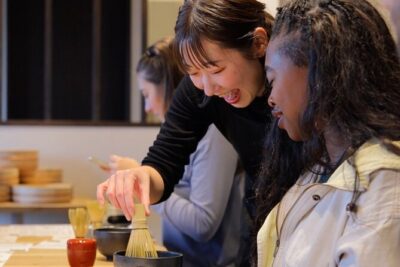
Matcha Making Class in Tokyo with Authentic Japanese Sweets Set
Read our review →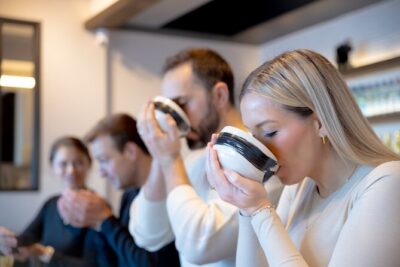
Matcha Making Class in Osaka with Authentic Japanese Sweets Set
Read our review →
Matcha Making Experience with Mochi Sweets in Asakusa
Read our review →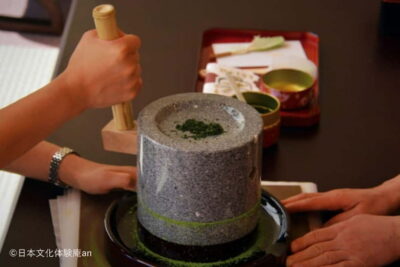
Japanese Traditional Sweets Making and Tea Ceremony
Read our review →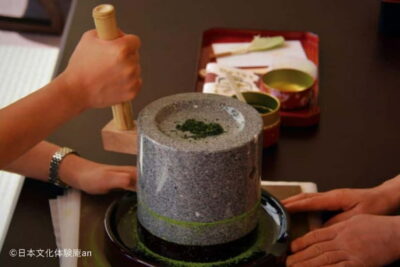
Japanese Traditional Sweets making and Tea Ceremony
Read our review →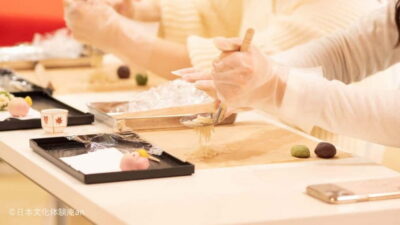
2 Types of Japanese Sweets making and Tea Ceremony
Read our review →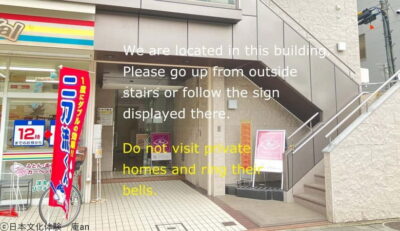
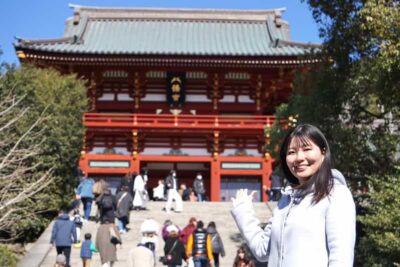
Kamakura: Half day Walking tour & Japanese sweets
Read our review →Browse the lists this tour appears in