
Review · BAMBOO GROVE WALKS
Kamkura: Private Zazen, Matcha at Bamboo Temple & Mindful Cuisine
Zen in Kamakura hits different.
You get a structured, quiet day built around zazen meditation, bamboo-temple tea, and a satisfying shojin ryori lunch, all paced for a calmer brain than Tokyo street life.
I especially like the way the morning temples do the work for you: you start with Hokoku-ji’s bamboo grove and end up sitting with a Buddhist priest at Hokaiji. I also appreciate the practical touch that your guide turns what the priest explains into clear English, so you do not need to already know Zen to get something out of the experience.
One thing to consider: the zazen segment is not meant to be a long, spiritual marathon. It is described as about an hour, and temples can be cold in winter, so dress for discomfort so you can focus.
In This Review
- Key highlights to look for
- Why Kamakura feels calmer than Tokyo for a Zen-style day
- Morning calm at Hokoku-ji bamboo grove and matcha
- The zazen session at Hokaiji Temple, what you actually do
- Minemoto and shojin ryori lunch, vegan food with a mindful pace
- A guided stroll through Kamakura streets and hidden spots
- Timing, transport, and how to avoid a stressed ending
- Price and value: is $170 a fair deal for this kind of day?
- Who should book, and who might want to adjust expectations
- Final verdict: should you book Kamakura private zazen, matcha, and mindful cuisine?
- FAQ
- FAQ
- How long is the Kamakura Zen and mindful cuisine experience?
- What time does the tour start, and what time should I expect to finish?
- What is included in the $170 price?
- Can vegetarians or vegans join this tour?
- What should I wear for the zazen meditation?
- Is this experience refundable if I cancel?
Key highlights to look for
- Bamboo grove matcha at Hokoku-ji, served with a slow temple mindset
- Guided zazen with a Buddhist priest, plus English interpretation by your guide
- Shojin ryori lunch based on Zen Buddhist vegan principles, with a long, unhurried eating break
- A local expert walk through Kamakura streets, with hidden spots and context
- Small-group feel with a maximum of 10 travelers for easier questions and a quieter pace
- A thoughtful day length (about 8 hours 45 minutes), with built-in temple time rather than rushing sights
Why Kamakura feels calmer than Tokyo for a Zen-style day
Kamakura is not just a convenient day trip. It has a slower rhythm built into the place itself, and that matters when your goal is meditation and mindful eating, not photo stops. This experience leans into that. The day is designed around specific temple moments, not a checklist.
You are starting in the morning and moving through a sequence that keeps your attention in one direction. Bamboo grove tea sets a tone right away. Then you sit down for zazen, which asks you to be present with your breath and posture. After that, the shojin ryori lunch gives you a chance to keep that calm going with a meal that is meant to feel light, seasonal, and intentional.
This is also a good fit for solo travelers. A small group of up to 10 means you are not swallowed by a crowd, and you still get the benefit of a guide who can explain what you are seeing and doing. That is usually the difference between just attending meditation and actually understanding what you are doing.
More Shrine & Temple Visits in Tokyo
- Tokyo: Meiji Shrine, Asakusa, Skytree Bus Tour and Cruise
★ 4.7 · 1,986 reviews - Tokyo: Asakusa Walking Tour with Sensoji Temple Visit
★ 4.8 · 1,583 reviews - Nikko: Kegon Falls, Lake Chuzenji & Toshogu Temple
★ 4.6 · 1,577 reviews
Morning calm at Hokoku-ji bamboo grove and matcha
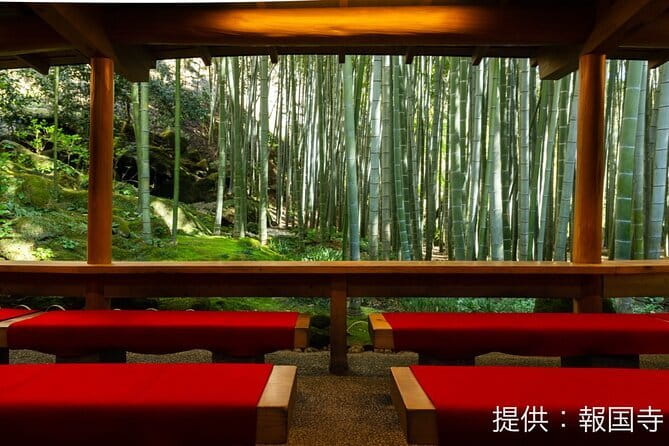
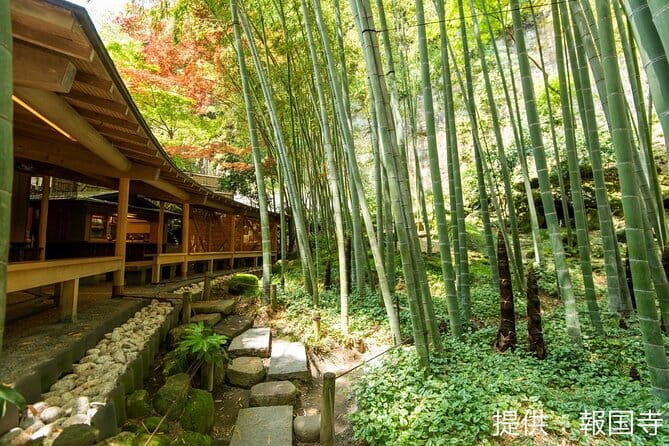
Your day starts with Hokoku-ji, the temple most people associate with Kamakura’s bamboo scenery. Expect a focused block of time here, about 50 minutes, with admission included. This is the part of the day that helps you slow down before meditation even begins.
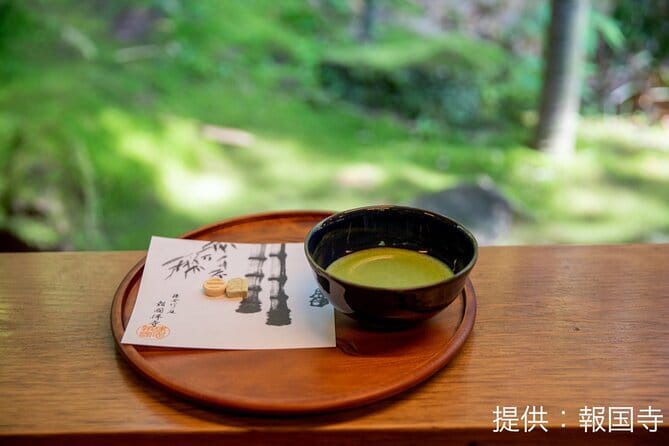
The bamboo grove is famous for a reason. Even when you are not chasing the perfect shot, the sound and light change once you step into that space. You will also get matcha served as part of this stop. The tour description ties matcha to the bamboo temple experience, and that is exactly the kind of simple ritual that makes the day feel grounded, not staged.
Practical tip: treat the matcha like a warm-up. Sip it slowly, notice the bowl, and take a few minutes to just sit or stand quietly. If you jump straight into sightseeing mode, you will miss the point of why this stop is first.
Potential drawback to plan for: bamboo groves can still attract crowds, and matcha service is described as non-reservation based. If the venue gets too crowded, matcha service may be suspended. That does not ruin the temple visit, but it is worth mentally accepting that tea is not always guaranteed on the spot.
The zazen session at Hokaiji Temple, what you actually do
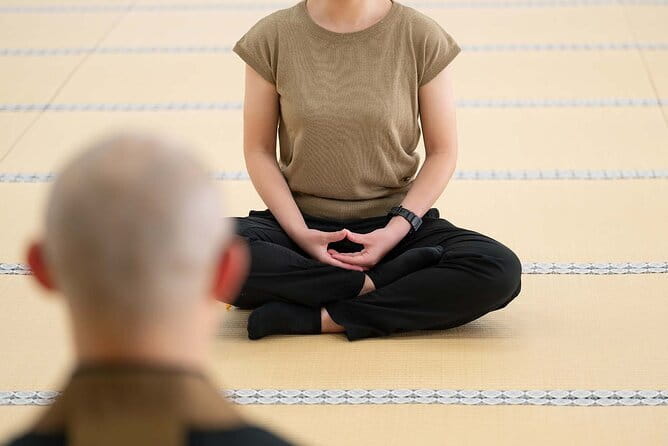
The centerpiece is zazen at Hokaiji Temple. This is the time you sit with a Buddhist priest and learn the practice through explanation and guidance. The schedule gives you about 1 hour here, with admission included.
Zazen is seated meditation with a simple structure: posture, breath, and attention. The tour description frames it as focusing on your breath while sitting cross-legged. The goal is mindfulness and awareness, not forcing your mind to go blank. If your brain wanders, that is part of the training. Think of zazen as practice, not performance.
What I like about this setup is the language support. Your guide interprets what the priest explains into English, which means you can follow what is happening instead of guessing. That makes it easier to adjust your posture, understand what you are being asked to focus on, and come away with a real takeaway.
A key practical note is clothing. Loose-fitting clothes are best for Zen meditation, and short skirts are not recommended. If you show up in stiff clothes or something restrictive, it becomes harder to settle. You do not want to spend a meditation session thinking about comfort.
Another real-world consideration: temples can be chilly in winter. If you are going in cooler months, bring layers you can handle in a sacred setting. Comfortable socks and a light outer layer can make a huge difference between a calm sit and an uncomfortable one.
Minemoto and shojin ryori lunch, vegan food with a mindful pace
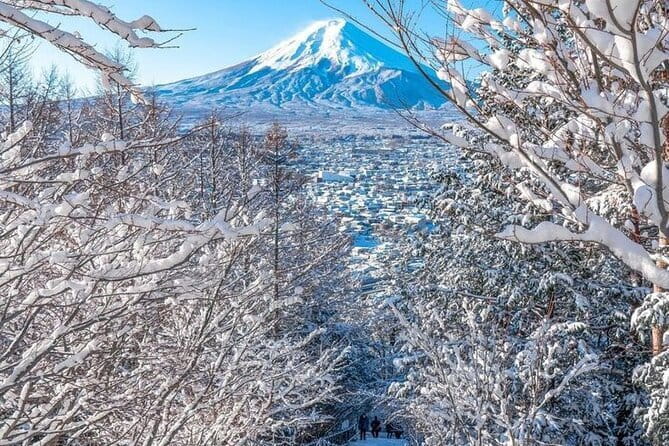
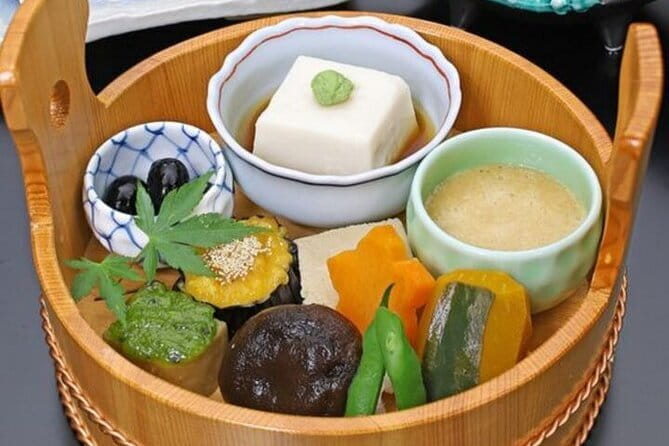
After meditation, you shift from inward focus to mindful eating. Lunch is shojin ryori, a Zen Buddhist vegan cuisine built around seasonal vegetables, tofu, and other vegetarian ingredients. You get about 1 hour 30 minutes for the meal, with admission included.
This is one of the most praised parts of the experience. People often describe shojin ryori as delicious and satisfying, not like some watered-down wellness food. The longer meal time is also important. It gives you a chance to slow down after sitting meditation, rather than sprinting to the next stop.
There is also a note that the lunch restaurant has changed starting in April 2025. That does not change the concept. You are still meant to have shojin ryori. It just means the exact venue details may differ depending on when you go.
How to get more value out of the meal: eat like you are continuing zazen. Take your time with the first few bites. Notice textures. If you are used to eating fast, this break is a useful reset. And if you are choosing shojin ryori for dietary reasons, it is reassuring that the tour explicitly states it can accommodate vegetarian and vegan guests.
If you care about local dining, remember that shojin ryori is a culture of rules and simplicity, not just a menu. That is why it pairs so well with the Zen half of the day.
More Tea Ceremonies in Tokyo
- Matcha Making Class in Tokyo with Authentic Japanese Sweets Set
★ 5.0 · 744 reviews - Kimono Tea Ceremony at Tokyo, Asakusa Maikoya
★ 5.0 · 638 reviews - Tokyo: Traditional Tea Ceremony with a Tea Master
★ 5.0 · 528 reviews - Tokyo: Matcha Making Experience with Mochi Sweets in Asakusa
★ 4.9 · 388 reviews
A guided stroll through Kamakura streets and hidden spots
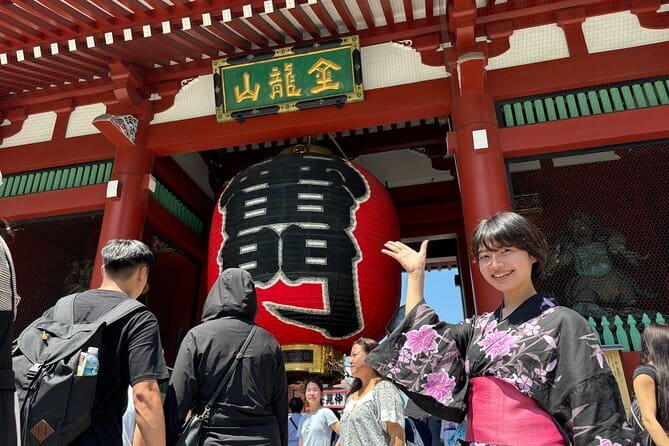
Once lunch ends, the day moves into Kamakura exploration with a local expert. You get about 1 hour 20 minutes for this portion, and train fare later back to Shinjuku is not included. This walk is where the day becomes less silent and more social.
The tour description frames this as exploring the charming streets of Kamakura, with your guide sharing rich context and favorite hidden spots. In practice, this is the section that helps you connect what you saw in the temples to the lived-in city around them.
I like that this part is guided, because Kamakura can be easy to do as a quick, crowded loop. A local guide changes it from sightseeing to understanding. You also get a chance to ask practical questions about what to see next, how neighborhoods feel, and how to move efficiently later.
Since the walk time is fixed, you may not cover everything in Kamakura. That is okay. The value here is depth over sprawl. You are not trying to do every famous temple. You are trying to spend time in the calmer corners and get the meanings behind what you visited in the morning.
Timing, transport, and how to avoid a stressed ending

The tour starts at 8:30 am and runs for about 8 hours 45 minutes. The schedule is built around returning you to the meeting point at the end. Your guide will also accompany you back to Shinjuku Station.
One important detail: train fares from Kamakura to Shinjuku are not included. The description notes the train is scheduled to arrive at Shinjuku Station at 5:15 PM. You should treat that as a target, not a guarantee. The tour also warns that end time may be delayed due to traffic or other unforeseen circumstances.
If you have a dinner reservation or a theater ticket that depends on being on time, give yourself buffer. This is a temple day. It includes meditation, lunch, and walking, and those always take the time they take.
On logistics, transportation fees from Kamakura Station are included, and private transportation is not. That is a nice middle ground. You still get help getting around, but you are not paying a premium for a private vehicle.
Small-group tip: with a maximum of 10 travelers, the group tends to move together smoothly. Still, temples and narrow paths mean you should expect occasional slow moments.
Price and value: is $170 a fair deal for this kind of day?
At $170 per person, you are paying for more than a tour guide with a map. You are paying for access, structure, and time in places that do not feel like checkboxes.
Here is what you get that supports the price:
- Admissions and activity fees are included
- All transportation fees from Kamakura Station are included
- Matcha is served at the bamboo temple stop
- Lunch is included, in the form of shojin ryori
- Zazen guidance happens with a Buddhist priest, and your guide interprets in English
What you do not get:
- Private transportation
- Train fare to Shinjuku
For me, the value comes from two things. First, you get a real zazen experience, not a quick stop for a photo. Second, you get a full lunch experience with time to slow down.
If you were to try to build this yourself, you would quickly spend time coordinating temple entry, finding the right practice context, and piecing together a mindful meal that fits Zen customs. This day gives you that whole flow in one ticket.
Who should book, and who might want to adjust expectations
This tour makes the most sense if you want a calm, guided day rather than nonstop attractions. You should book it if you:
- want to try zazen with a priest and understand what you are doing
- enjoy tea and temple atmosphere more than ticking off famous landmarks
- like slow, structured breaks like matcha and shojin ryori
- prefer smaller groups, up to 10 travelers
It might not be the best fit if you want a long, flexible itinerary with tons of free time. The day is planned. You will be on a timetable, with fixed durations at each stop.
Also, consider your comfort with meditation. Zazen is described as brief enough to disconnect from city noise. That is a plus for many people. But if you want hours and hours of practice, you may find this session shorter than your ideal.
Final verdict: should you book Kamakura private zazen, matcha, and mindful cuisine?
If you want a Kamakura day that feels quiet inside your day plan, I would book this. The combination of Hokoku-ji bamboo matcha, zazen at Hokaiji with a priest, and shojin ryori lunch is a rare trio that actually supports the theme from start to finish.
Do it if you are the type of traveler who likes meaning with your sightseeing. You get English interpretation, thoughtful pacing, and enough time at each moment to let it land. Just plan for possible cold temple conditions, and keep your evening plans flexible given the scheduled return timing and potential delays.
FAQ
FAQ
How long is the Kamakura Zen and mindful cuisine experience?
It runs for about 8 hours 45 minutes (approx.).
What time does the tour start, and what time should I expect to finish?
The experience starts at 8:30 am. The tour description notes the train schedule aims for arrival at Shinjuku Station at 5:15 PM, but the end time can be delayed due to traffic or other unforeseen circumstances.
What is included in the $170 price?
The price includes shojin ryori lunch, matcha at the bamboo temple stop, coffee and/or tea as described, transportation fees from Kamakura Station, and all admission and activity fees.
Can vegetarians or vegans join this tour?
Yes. The tour states it can accommodate vegetarian and vegan guests.
What should I wear for the zazen meditation?
Loose-fitting clothes are best for Zen meditation. Short skirts are not recommended.
Is this experience refundable if I cancel?
No. The experience is non-refundable and cannot be changed for any reason.
More Bamboo Grove Walks Around Tokyo
- Kyoto: Fushimi Inari, Kinkakuji, Bamboo Grove 1 Day Bus Tour
★ 4.8 · 4,316 reviews - Osaka/Kyoto:Kinkakuji,Arashiyama,FushimiInariShrine,NaraPark
★ 4.1 · 1,596 reviews - Kyoto/Osaka: Nara, Fushimi Inari Taisha, Arashiyama Bus Tour
★ 4.7 · 1,275 reviews - Kyoto Arashiyama Walking Tour: Bamboo, Monkeys, Gardens & Secrets
★ 5.0 · 1,216 reviews
Newly listed around Tokyo
- Private Tokyo Food Tour – A Journey Through Time Through Food★ 5.0 · 36 reviews
- Private Tokyo Tour with Licensed Guide & Vehicle (Max 15 persons)★ 5.0 · 107 reviews
- Private Tokyo Custom Full-Day Tour by Chartered Vehicle★ 5.0 · 16 reviews
- Private Tokyo Custom Half-Day Tour by Chartered Vehicle★ 4.5 · 13 reviews
- Private Outstanding Nikko Tour with English Speaking Driver★ 4.0 · 11 reviews
- Private Sightseeing to Mt Fuji and Hakone with English Driver★ 5.0 · 51 reviews
- Private Snow Monkeys park Day Trip From Tokyo or Nagano★ 4.5 · 26 reviews
- 4 Day Tour – Mount. Fuji, Tokyo, Hakone, Kamakura and Yokohama★ 5.0 · 19 reviews
Bamboo Grove Walks, compared.
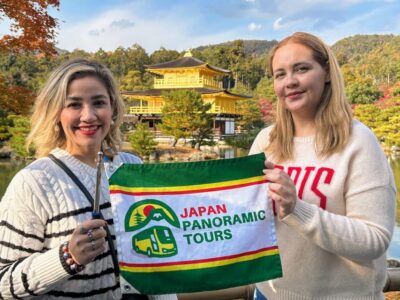
Fushimi Inari, Kinkakuji, Bamboo Grove 1 Day Bus Tour
Read our review →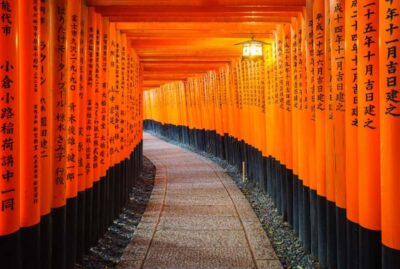
Osaka/Kyoto:Kinkakuji,Arashiyama,FushimiInariShrine,NaraPark
Read our review →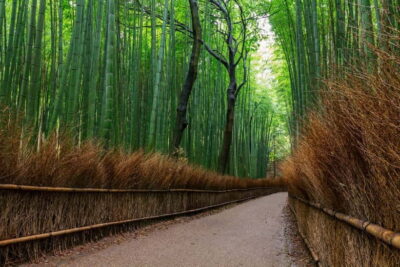
Kyoto/Osaka: Nara, Fushimi Inari Taisha, Arashiyama Bus Tour
Read our review →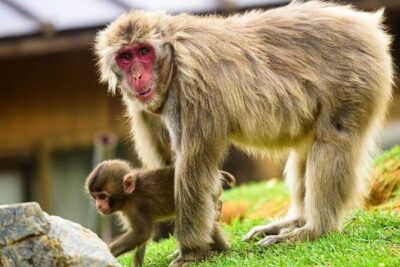
Kyoto Arashiyama Walking Tour: Bamboo, Monkeys, Gardens & Secrets
Read our review →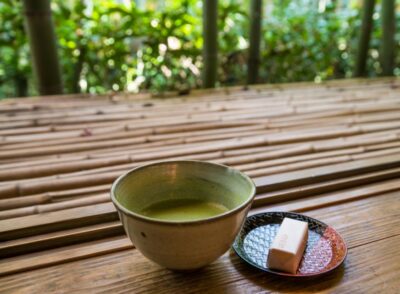
Arashiyama Bamboo, Temple, Monkeys, or Secret Sake Brewery
Read our review →
Osaka/Kyoto: Arashiyama, Nara & Fushimi Inari Shrine w/Lunch
Read our review →
Nijo, Kinkaku-ji, Arashiyama, Kiyomizu & Fushimi Inari
Read our review →
Kyoto Ghost Tour: Dark Tales, Urban Legends, Bamboo Forest Night
Read our review →Browse the lists this tour appears in