
Review · AQUARIUMS
Kyoto Aquarium Admission Ticket
A quick aquarium stop in Kyoto turns into a whole morning. Kyoto Aquarium, in calm Umekoji Park, mixes top animal shows with exhibits that feel grounded in nature. I especially like the dolphin performances for the speed and teamwork you see up close. If you plan to pop out and then return, the main drawback is simple: no re-entry once you’re inside.
You also get a strong sense of personality here, not just animals on display. The penguins come across as individual characters, and the giant salamanders are the kind of creatures that make you forget your phone exists. There’s even a recreated traditional rural setting called satoyama, giving the visit a quieter, thoughtful side. Just be aware that it is non-refundable, so match the ticket to a day you’re confident about.
Location-wise, you’re in Honshu, Kyoto, at Umekoji Park, surrounded by greenery and open lawns. That makes the aquarium feel less like an indoor chore and more like an easy day plan. The building is wheelchair accessible, and assistance dogs are allowed, which helps a lot for mixed travel needs.
In This Review
- Key things that make Kyoto Aquarium worth your time
- Umekoji Park sets the tone before you even enter
- Dolphin performances: speed, coordination, and real showmanship
- Penguins: less like a zoo stop, more like meeting characters
- Giant salamanders: the rare, ancient exhibit that steals the show
- The satoyama recreation: a quieter theme of coexistence
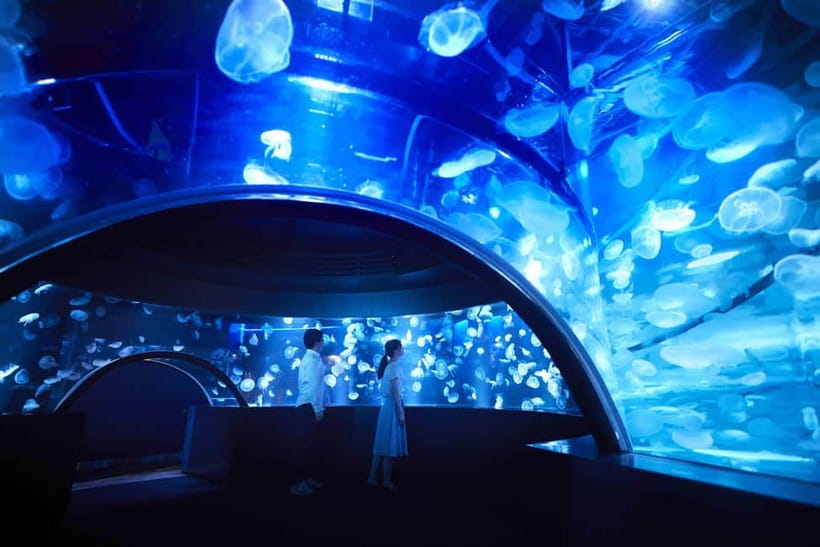
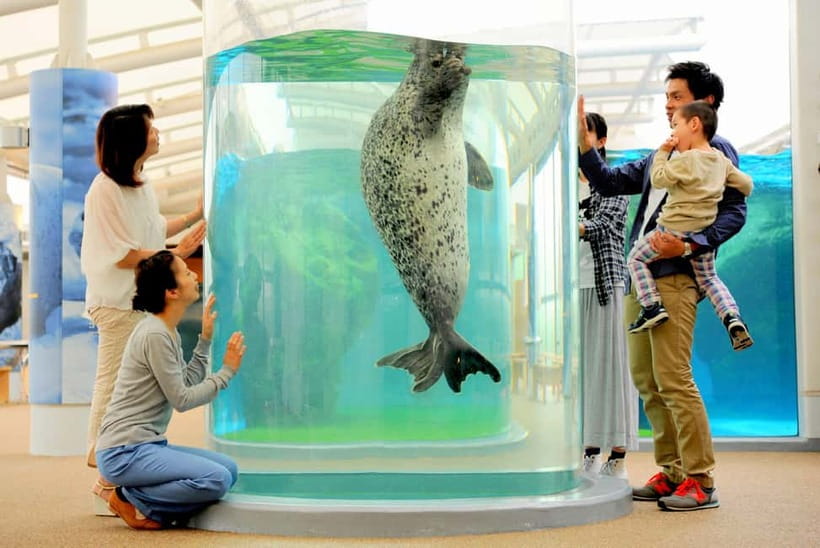
- Jellyfish aquariums and seals: the slower, atmospheric highlights
- Visiting in real time: timing, entry flow, and pacing
- Ticket value: what $16 buys you in Kyoto
- Rules that actually affect your day
- Who should book this ticket
- FAQ
- FAQ
- How much does the Kyoto Aquarium admission ticket cost?
- Where is Kyoto Aquarium located?
- How long is the ticket valid?
- Can I re-enter the aquarium after I leave?
- Are pets allowed inside Kyoto Aquarium?
- Is flash photography allowed?
- Is Kyoto Aquarium wheelchair accessible?
- Is the ticket refundable?
- Should you book this Kyoto Aquarium admission ticket?
Key things that make Kyoto Aquarium worth your time
- Dolphin shows that highlight agility and intelligent behavior rather than just big tricks
- Penguins with standout personality, so even short stops feel rewarding
- Giant salamanders in a dedicated exhibit, including rare, ancient-feeling animals
- Satoyama recreation, a traditional rural scene tied to coexistence and Kyoto’s water blessings
- Jellyfish aquariums and seals that give you a slower, atmospheric change of pace
- The visit often runs longer than you expect, because the exhibits are well paced
Umekoji Park sets the tone before you even enter

Kyoto Aquarium sits in Umekoji Park, an area that feels open and green, with forests around and plenty of lawn space. That matters, because it helps the day breathe. You’re not trapped in a tight corridor from start to finish.
A one-day ticket is usually the easiest way to handle this kind of venue, especially if you’re in Kyoto for a few days and want a reliable plan. You’ll get a full, rounded visit as long as you give yourself time between animal exhibits.
Also, because re-entry isn’t possible, I recommend treating it like a straight-through outing. Plan any rest, snack runs, or photo breaks before you commit to your entry time.
A few more Kyoto days to weigh up
- Naha: North Okinawa Sightseeing Tour & Churaumi Aquarium
★ 4.4 · 472 reviews - Tokyo: Art Aquarium Museum GINZA Entry Ticket
★ 4.5 · 278 reviews - Okinawa: Churaumi Aquarium, Ryukyu Village & Manza Bus Tour
★ 4.5 · 118 reviews
Dolphin performances: speed, coordination, and real showmanship
If you only care about one thing, the dolphin segment is your anchor. The big appeal is the combination of agility and what feels like intelligence in the way the animals move and respond. You see them as active partners, not just performing items.
These shows tend to work well for all ages because they’re easy to follow even if you don’t know the exact species details. What you’ll notice is timing, patterns, and that moment when the performance shifts from routine to something more dynamic.
Practical tip: when a show is scheduled, build your day around it. It’s tempting to rush to every exhibit first, then end up scrambling for show times. If you like photos, remember that you can film and shoot video, but in the building you should avoid flash photography for animal protection.
Penguins: less like a zoo stop, more like meeting characters
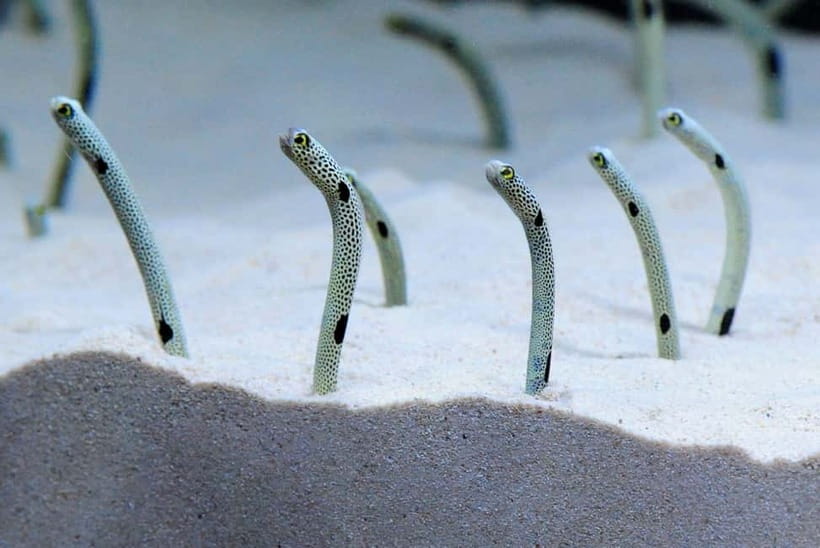
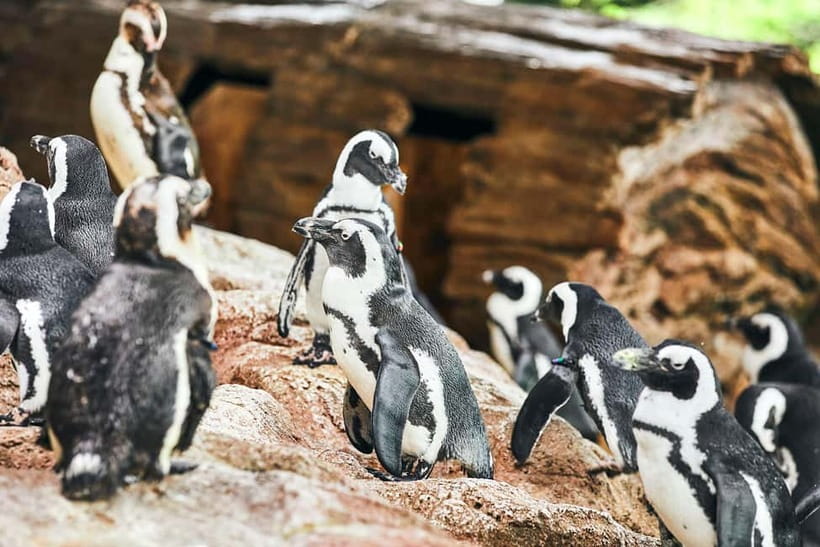
Kyoto Aquarium does a nice job with its penguins by letting you watch the daily feel of the species. They aren’t presented like a one-note attraction. Instead, each penguin seems to show its own attitude, so your attention stays engaged longer than you expect.
This is one of those exhibits where you benefit from slowing down. Stand still for a few minutes and you’ll start noticing behaviors that look like personality: how they approach water, how they move around others, and what they do when paths open up.
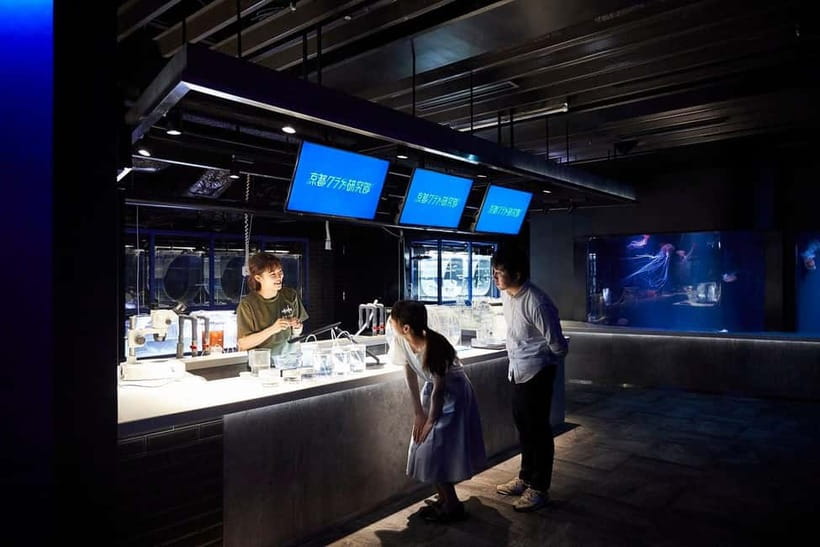
If you really care about how something works, don’t be shy about speaking with the breeding staff. They are described as passionate and willing to share insights, and those small bits can turn a quick viewing into a more meaningful animal experience. You’re not just looking, you’re learning how the animals are cared for and why certain routines exist.
Giant salamanders: the rare, ancient exhibit that steals the show
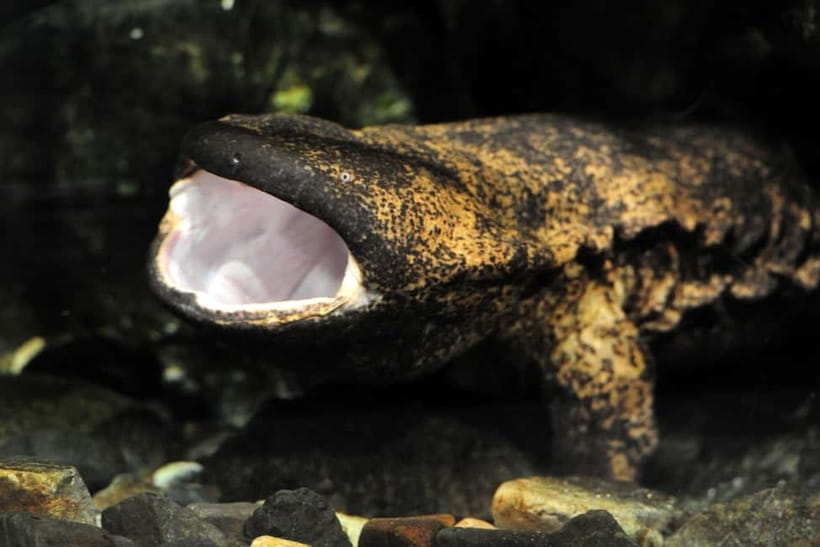
One of the strongest draws here is the dedicated exhibit for giant salamanders, including rare animals that give you an ancient-feeling perspective. These are not the cute-and-fast type of animals that win you over instantly. Instead, they win you by being unusual, calm, and built like living relics.
This exhibit is a great change from the high-energy show format. You can stand, watch, and let the exhibit do its work. It’s a reminder that not all animal intelligence looks like speed and tricks. Sometimes it looks like stillness, patience, and survival traits.
A practical note for your visit: if you love “specialty” exhibits, put salamanders on your must-see list early. Once you’re warmed up from shows, you may find it harder to adjust your pace for slower, observation-based spaces.
A different sort of day in Japan:
- PERFECT KYOTO 1-Day Bus Tour
★ 5.0 · 13,518 reviews - Kyoto: Fushimi Inari, Kinkakuji, Bamboo Grove 1 Day Bus Tour
★ 4.8 · 4,316 reviews - Kyoto: Tea Ceremony in a Traditional Tea House in Kiyomizu
★ 4.9 · 3,519 reviews - Kyoto Geisha Walking Tour: Gion District & Hidden Gems
★ 4.7 · 3,273 reviews
The satoyama recreation: a quieter theme of coexistence
Kyoto Aquarium isn’t just about animals. It also includes a recreated traditional Japanese rural scene known as satoyama. That matters because it adds context, not just decoration.
Satoyama is tied to living patterns shaped by water and the landscape. In this aquarium, the theme is coexistence, supported by Kyoto’s water blessings. Put simply, you get a story about how humans and nature can share space and time, instead of treating wildlife as something separate from daily life.
For you, this is where the aquarium may start to feel therapeutic. It’s the part that helps the visit balance out. After the kinetic dolphin moments, the satoyama area gives your brain a softer landing.
If you’re the type who likes meaningful design, notice how the aquarium uses setting as a teaching tool. You don’t have to be a Japan history expert to appreciate the intention.
Jellyfish aquariums and seals: the slower, atmospheric highlights
Two animals show up again and again as personal favorites: jellyfish and seals. That’s a useful clue for how to structure your day. When you get tired from active exhibits and show schedules, these kinds of spaces are perfect for resetting.
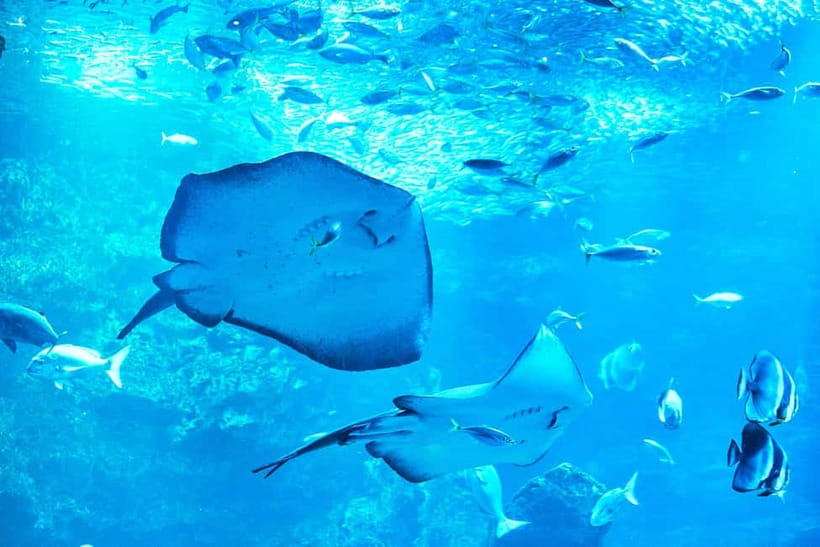
Jellyfish aquariums tend to create a different mood than dolphin tanks. The movement is gentler, the lighting is usually different, and you naturally spend more time watching changes in the water. Even if you’re not a hardcore marine-life fan, they’re usually easy to enjoy.
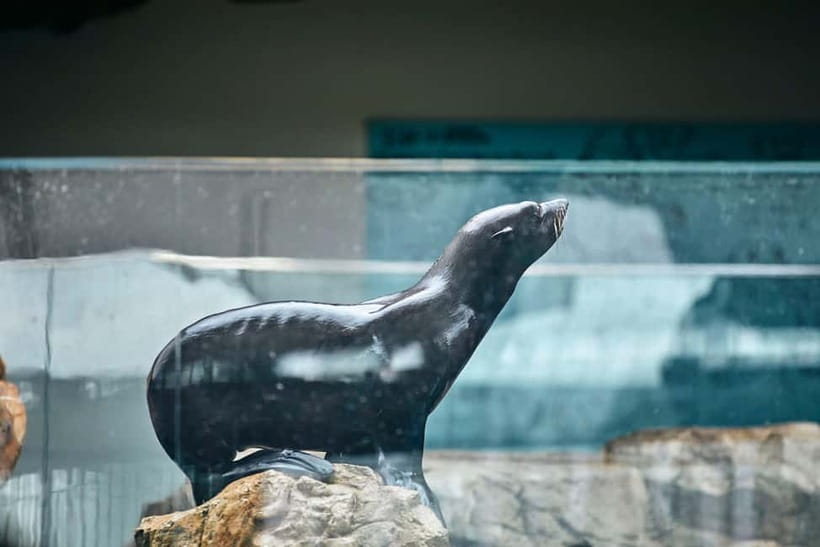
Seals offer a different kind of entertainment than dolphins. The pacing can feel different, and it’s another way to compare behavior between species. If dolphins are about agility, seals give you a different flavor of curiosity and motion.
Practical photo tip: you can shoot video and photos, but skip flash inside. If you want good pictures anyway, focus on steady shooting and use normal lighting. Flash ruins more than just your photos, since animal protection comes first here.
Visiting in real time: timing, entry flow, and pacing
This ticket is valid for 1 day, and entry depends on available starting times. That means your best strategy is to plan a day when you can arrive with enough slack. Don’t schedule a tight train connection immediately before or after.
Also remember: no re-entry. If you go out for a quick cigarette, call, or photo spot nearby, you can’t come back with the same ticket. Treat the aquarium like a single-use block of time.
A small but real consideration: the experience is popular enough that the start of your visit may feel like a short queue moment, especially right after you purchase tickets. If you like calm starts, arrive a little early so you’re not mentally rushing through your first exhibits.
How long should you expect? Many visitors find that a quick visit stretches into more time, because the aquarium is “paced” in a way that keeps you moving but not overwhelmed. If you only allocate a couple of hours, you might feel like you’re speed-walking past your favorites.
Ticket value: what $16 buys you in Kyoto
At around $16 per person, Kyoto Aquarium is priced in a way that makes sense for a focused day. You’re not paying for one show and a single hall of tanks. You’re paying for multiple animal experiences, plus themed areas like satoyama and a specialty giant salamander exhibit.
Value here comes from variety plus presentation. The exhibits are well presented, and the different pacing styles, shows versus observation spaces, are a big part of why the ticket feels fair. If you enjoy both lively performances and slower, “stand-and-watch” viewing, you’ll likely feel like you got your money’s worth.
If you’re traveling with kids, this kind of mix is especially helpful. Your day won’t hinge on one animal preference. Even if someone gets tired of dolphins, penguins or jellyfish can reset attention quickly.
And there’s the souvenir shop too, which adds a small final touch for travel memory. It’s not the main reason to go, but it’s a nice bonus.
Rules that actually affect your day
A few clear rules can help you avoid small travel annoyances.
Pets aren’t allowed in the building. Assistance dogs, such as guide dogs, can accompany you. If you’re traveling with a pet, plan a different activity for the day, because the aquarium itself is a no-pets zone.
Flash photography should be avoided in the building. Shooting and video recording are allowed, so bring your camera plans, just leave flash off.
Finally, because the activity is non-refundable, make sure your Kyoto schedule is solid. Aquariums are an easy choice, but Kyoto weather and transit changes happen, so commit only when you’re confident.
Who should book this ticket
You should book Kyoto Aquarium if you want a clean, well-organized Kyoto day that mixes big animal moments and calmer exhibits. It’s also a smart stop if you like marine life but don’t want only saltwater tanks. The giant salamander exhibit and satoyama theme add a different angle that feels more than a standard aquarium loop.
It’s especially good for:
- Families who want shows plus variety
- Travelers who like animal care details and staff conversations
- People who enjoy a mix of fast pacing and slow, atmospheric viewing
It might be less ideal if:
- You need a plan that includes leaving the building and returning later
- You are hoping for a pet-friendly visit
FAQ
FAQ
How much does the Kyoto Aquarium admission ticket cost?
The ticket price is listed as $16 per person.
Where is Kyoto Aquarium located?
Kyoto Aquarium is located in Umekoji Park in Kyoto, on Honshu, Japan.
How long is the ticket valid?
The ticket is valid for 1 day.
Can I re-enter the aquarium after I leave?
No. Re-entry is not possible.
Are pets allowed inside Kyoto Aquarium?
Pets cannot be brought into the building. Assistance dogs such as guide dogs can be accompanied.
Is flash photography allowed?
Shooting and video shooting are possible, but you should refrain from flash photography inside the building for biological protection.
Is Kyoto Aquarium wheelchair accessible?
Yes. The aquarium is wheelchair accessible.
Is the ticket refundable?
The activity is non-refundable.
Should you book this Kyoto Aquarium admission ticket?
If you’re looking for a Kyoto activity that mixes high-energy animal shows with slower, thoughtful exhibits, I think it’s an easy yes. For $16, you get a lot of variety in one place: dolphin performances, penguins with real personality, giant salamanders in a dedicated exhibit, and a satoyama recreation that adds meaning beyond tanks.
Book it if you like spending time inside and you can commit to a straight-through visit, since no re-entry affects planning. Skip it only if you know you might need to leave and return later, or if pet travel is part of your setup.
Newly listed around Kyoto
- One Day Private Customized Self-Guided Tour in Kyoto★ 4.2 · 11 reviews
- Kyoto: Mindful Tea Ceremony in 100-Year-Old Teahouse★ 4.8 · 160 reviews
- Nishiki Market Food Tour with Cooking Class★ 4.9 · 42 reviews
- Nara Optional:Kyoto Private Car Tour with Japanese Navigator★ 4.8 · 17 reviews
- Half Day Matcha Tour in Uji, home of culture, with a local★ 4.8 · 14 reviews
- Making Fresh To-fu from soybeans in Kyoto★ 5.0 · 8 reviews
- Let’s make only one original onigawara in the world!!★ 4.9 · 21 reviews
- Kyoto:Private Tour/Luxury Vehicle with Guide & photographer★ 4.8 · 35 reviews
Aquariums, compared.

Naha: North Okinawa Sightseeing Tour & Churaumi Aquarium
Read our review →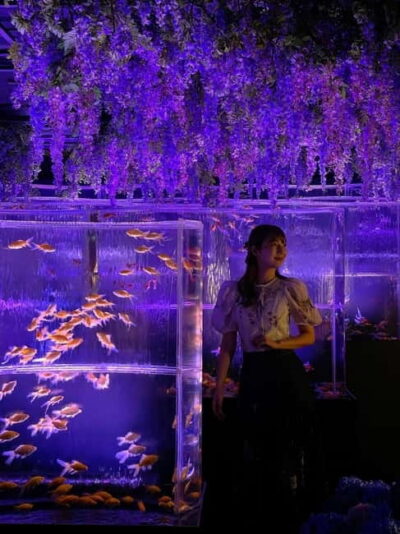
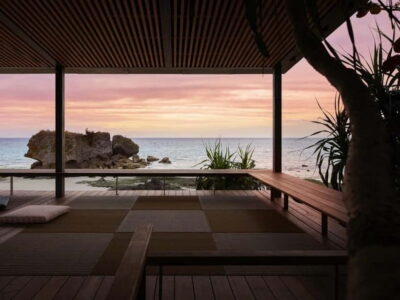
Okinawa: Churaumi Aquarium, Ryukyu Village & Manza Bus Tour
Read our review →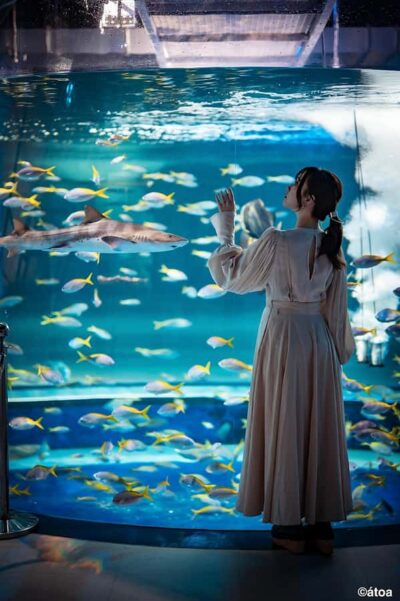
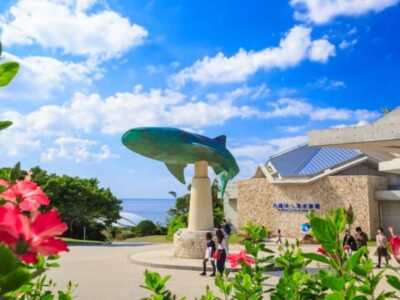
Okinawa: Bus Tour to Churaumi Aquarium with Sightseeing
Read our review →
Browse the lists this tour appears in