
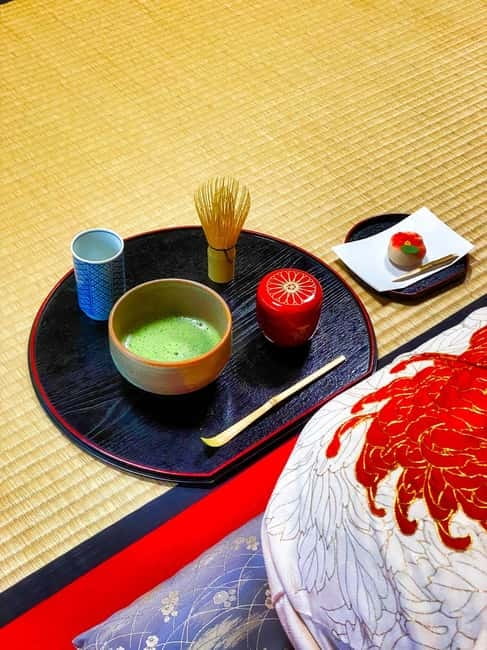
Review · MATCHA & TEA CEREMONY SESSIONS
Kyoto: Tea Ceremony in a Traditional Tea House in Kiyomizu
Matcha tastes better when the garden is quiet. This Kyoto tea ceremony at Sakaguchian turns a busy area into a calm room, and the Japanese garden view is the kind that makes you slow down. I also love that you do not just watch, you learn the steps and brew your own matcha. The one downside to flag up front: at $49 per person, it is a bit of a splurge, so I’d treat it as a true highlight, not a filler activity.
You start in the Sannenzaka area near Kiyomizu-Dera, then step into a tea house setting tied to the 500-year history of the ceremony. I like the pace here, short and focused, and the fact that the instructor teaches in English so you get the meaning, not just the motions. Rain or shine, the format stays the same, which is great when Kyoto weather is doing its own thing.
One practical consideration: there is no room for luggage or large bags, so travel light. Also, it is not suitable for kids under 7, since the experience asks for quiet attention.
In This Review
- Key Things That Make This Kyoto Tea Ceremony Worth It
- Finding Sakaguchian in Sannenzaka Without Losing Time
- The Tea House Setting: Ogawa Jihei VII Garden and a 500-Year Tradition
- What the Tea Master Actually Does (and Why Watching Matters)
- Brewing Your Own Matcha: The Hands-On Part That Changes Your Perspective
- The Sweet, the Photo, and the Way the Ceremony Wraps Up
- Price and Value: What $49 Gets You in Kyoto
- Who This Experience Fits Best (and Who Might Skip It)
- Should You Book This Kyoto Matcha Tea Ceremony?
- FAQ
- How long is the Kyoto tea ceremony experience?
- Where do I meet for the tea ceremony in Kyoto?
- How much does it cost?
- What is included in the price?
- Is kimono rental included?
- Is the ceremony held rain or shine?
- What language is the instruction provided in?
- Are luggage or large bags allowed?
- Is this experience suitable for children?
- Can I cancel or pay later?
Key Things That Make This Kyoto Tea Ceremony Worth It
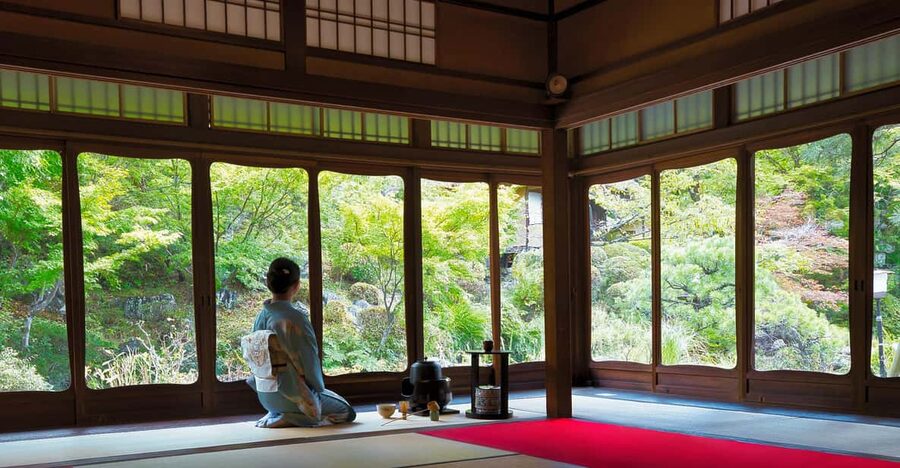
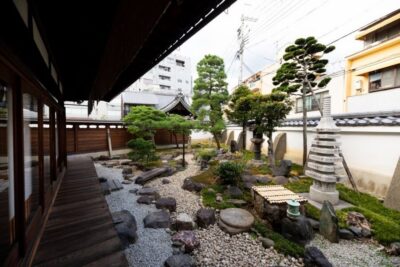
- A peaceful garden experience near Kiyomizu-Dera you would not expect from the surrounding streets
- Tea master demonstration you can actually learn from, not just a performance to watch
- Hands-on matcha brewing, so you taste your own work twice through the included cups
- Traditional sweet included, a normal part of balancing the flavor and ritual
- Photo time with the group in front of the garden backdrop
- English instruction in a 45-minute format, designed for first-timers
Finding Sakaguchian in Sannenzaka Without Losing Time
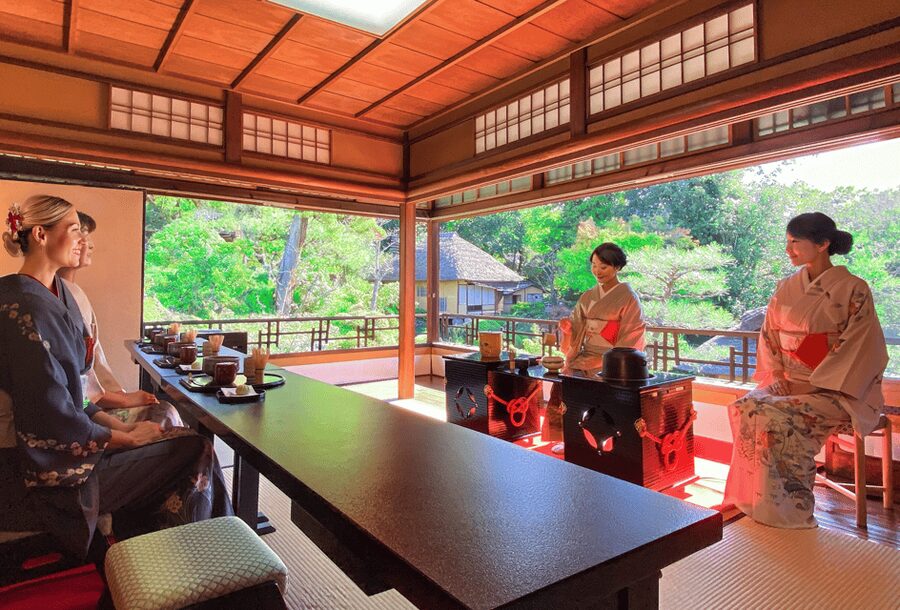
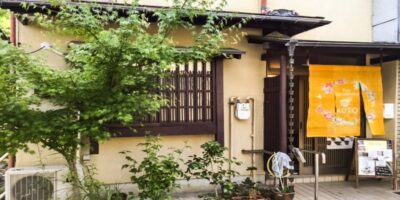
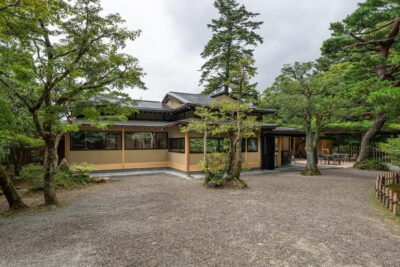
This experience starts in a very walkable Kyoto zone, Sannenzaka near Kiyomizu-Dera Temple. You go down Sanneizaka, walk about 50 meters, and look for a large gate on the right. From there, the Japanese garden is visible right away, then you pass through the gate and head straight for about 10 meters to enter via the white gate on the left to reach Sakaguchian.
If you are arriving by taxi, ask the driver to go toward Kodaiji Temple, and get off at the intersection of Sanneizaka and Ishin-no-michi. That drop-off puts you in the right neighborhood for an easy final walk.
My practical tip: start a little early and plan to arrive calmer than you feel. Sannenzaka can be crowded, and the key to enjoying this is mentally switching from street pace to tea-room pace the moment you enter.
More Tea Ceremonies in Kyoto
- Kyoto: Tea Ceremony Ju-An at Jotokuji Temple
★ 4.9 · 3,207 reviews - Kyoto: 45-Minute Tea Ceremony Lesson Experience
★ 4.3 · 2,378 reviews - Kyoto: Table-Style Tea Ceremony at a Kyo-Machiya
★ 4.9 · 1,211 reviews
The Tea House Setting: Ogawa Jihei VII Garden and a 500-Year Tradition
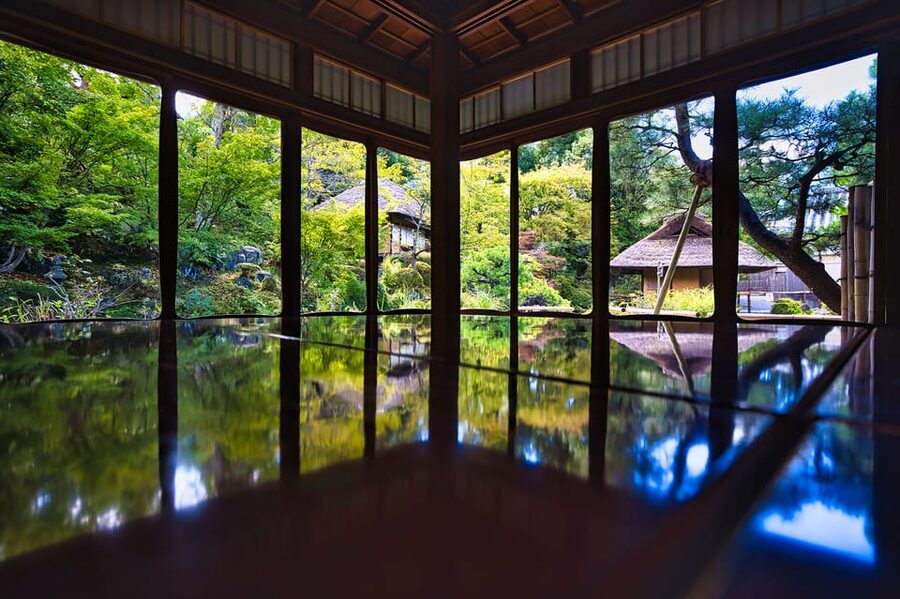
What makes this tea ceremony special is that it is not performed in a generic room. You are welcomed into a tea house environment with a garden created by Ogawa Jihei VII, a famous garden designer. This matters because the ceremony is built for attention, and the setting supports that.
You also get an introduction that connects the practice to a long tradition, including mention of the 500-year history behind the ceremony. Even if you are new to Japanese culture, that short context helps you understand why every step is slow and deliberate, not dramatic for show.
One thing I like about this format is that the philosophy gets explained in a way that supports what you are about to do. You are not just learning matcha, you are learning what the ceremony is trying to protect: respect, patience, and focus.
What the Tea Master Actually Does (and Why Watching Matters)
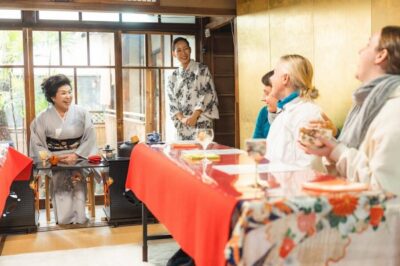
The heart of the session is the tea master demonstration. You sit and watch as the tea master performs the ritual steps of preparing tea, then you learn how those movements connect to taste and etiquette.
This is the moment where first-timers usually realize that the ceremony is more than flavored water. The tea master’s technique signals what the ceremony values: correct tools, correct heat, correct whisking, and the idea that the host gives care through each action.
A detail worth noting from the experience description: there is an instructor who guides the session in English, and the ceremony is structured so you can follow along. In past similar sessions, people often mention very strong English support, and one host named May was praised for warm explanations and clear English. If you meet someone like that, you will likely find it easier to grasp the meaning behind the steps.
Also, the location can feel surprising: some people notice that even though it sits near a main sightseeing street, once you enter, it is quiet inside. That contrast is part of the “reset” effect of doing a tea ceremony here.
Brewing Your Own Matcha: The Hands-On Part That Changes Your Perspective
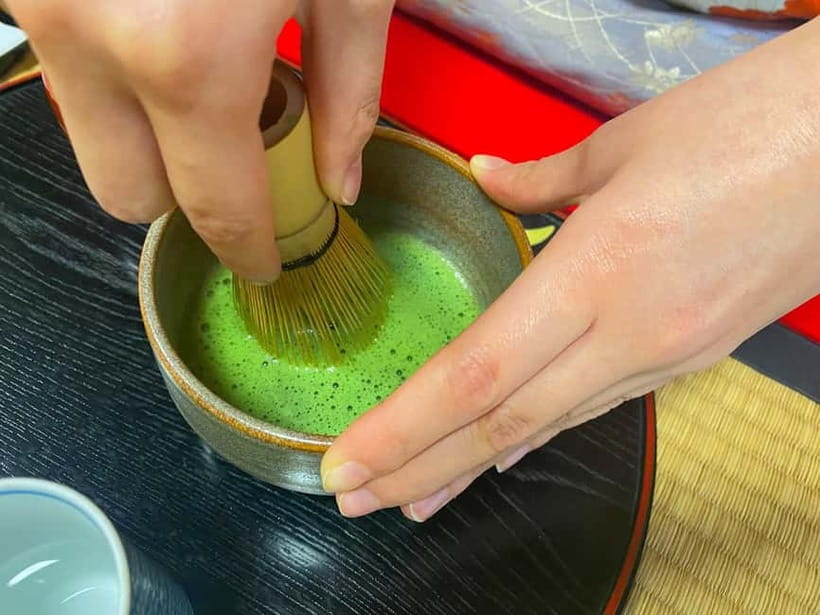
After watching the tea master, you get to brew your own matcha. This is the part that makes the experience stick, because you feel the process in your hands instead of just hearing about it.
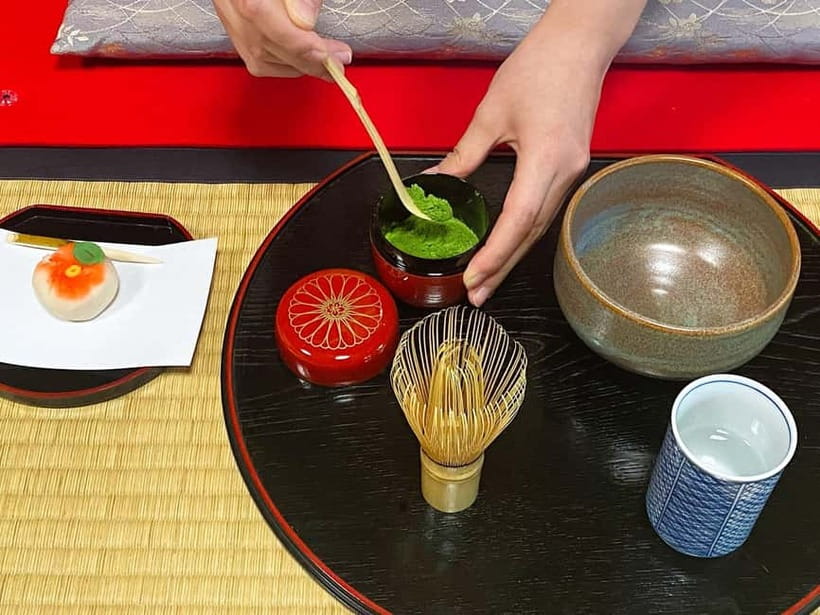
You learn how to prepare the tea and then make your own bowl. The description also says you enjoy sipping on your freshly brewed matcha, and the included package provides two cups of matcha. That setup is smart. You get a chance to taste the tea as served, then taste again from your own effort, which makes it easier to notice differences in texture and flavor.
If you are not a matcha fan right now, do not assume you will dislike it forever. Several people have said they became interested in matcha after a ceremony like this, because proper whisking and the style of preparation affects bitterness and balance. Your best move is to approach your bowl like a learning experience, not a test.
Practical etiquette tip: keep movements slow and avoid chatting over the demonstration. It is a small room moment, and the ceremony depends on quiet attention.
A different sort of day in Japan:
- PERFECT KYOTO 1-Day Bus Tour
★ 5.0 · 13,518 reviews - Kyoto: Fushimi Inari, Kinkakuji, Bamboo Grove 1 Day Bus Tour
★ 4.8 · 4,316 reviews - Kyoto Geisha Walking Tour: Gion District & Hidden Gems
★ 4.7 · 3,273 reviews - Kyoto: Gion Geisha District Walking Tour – Stories of Geisha
★ 4.7 · 2,187 reviews
The Sweet, the Photo, and the Way the Ceremony Wraps Up
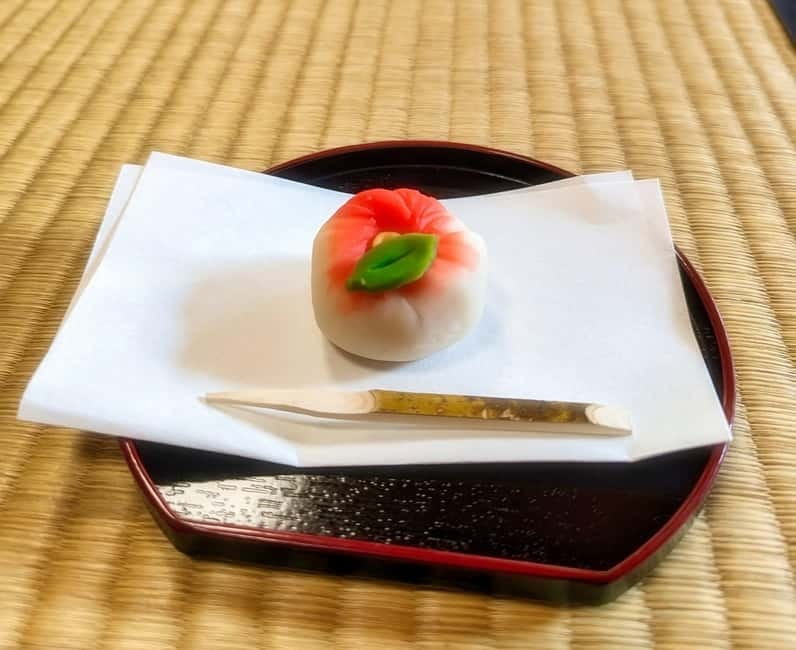
Right after matcha, you savor a customary Japanese sweet. The included sweet is not just a snack, it is part of how the flavors are meant to work together. Tea and sweetness are paired so the matcha stays balanced, and the overall experience feels complete rather than rushed.
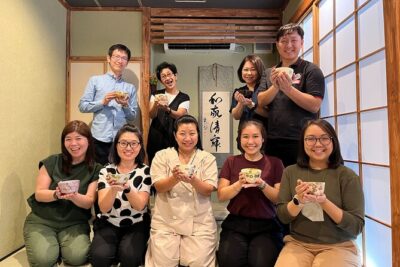
Then you get a photo taken with your group using the garden as a backdrop. This is a nice touch if you want something better than a blurry street selfie. It also gives you a clear end point to the experience, so you can move back out into Kyoto feeling grounded.
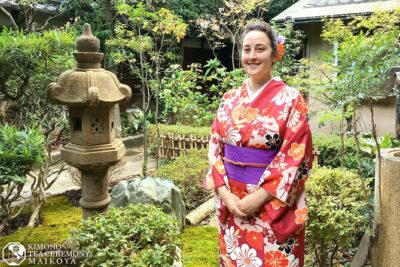
One more practical note: if you are hoping for a full traditional look, kimono rental is not included. You can still enjoy the authentic tea ritual without dressing up, but if you love the look, you will need to plan that separately.
Price and Value: What $49 Gets You in Kyoto
At $49 per person for about 45 minutes, this is not an impulse price, so you want to be sure it fits what you value on a Kyoto trip.
Here is what you get that supports the cost:
- Tea ceremony with a tea master demonstration
- Two cups of matcha
- Traditional Japanese sweets
- Photo taken during the experience
I think the value is strongest if you are aiming for a high quality, guided cultural moment in a short window. Kyoto is packed with choices, and this is a focused one. You walk away knowing more than you started with, and you get a taste experience you can repeat later with better technique and more context.
If you are already comfortable with matcha and you only want a quick bite, this might feel pricey. But if you like guided cultural activities with real instruction, this price starts to make sense quickly.
Who This Experience Fits Best (and Who Might Skip It)
This tea ceremony is a great fit for:
- First-time visitors who want a meaningful Kyoto culture moment
- People who enjoy calm, structured experiences rather than long walking tours
- Anyone who wants to learn how to brew matcha, not only watch
It may not be the best choice if:
- You are traveling with kids under 7, since it is not suitable for them
- You cannot travel light, because luggage or large bags are not allowed
- You are looking for a hands-on food adventure with big variety, since this is centered on tea and a single sweet
One more practical bonus: the session is in English, so you are not stuck guessing what is happening. And because it happens rain or shine, it works as a dependable indoor plan when the weather turns.
Should You Book This Kyoto Matcha Tea Ceremony?
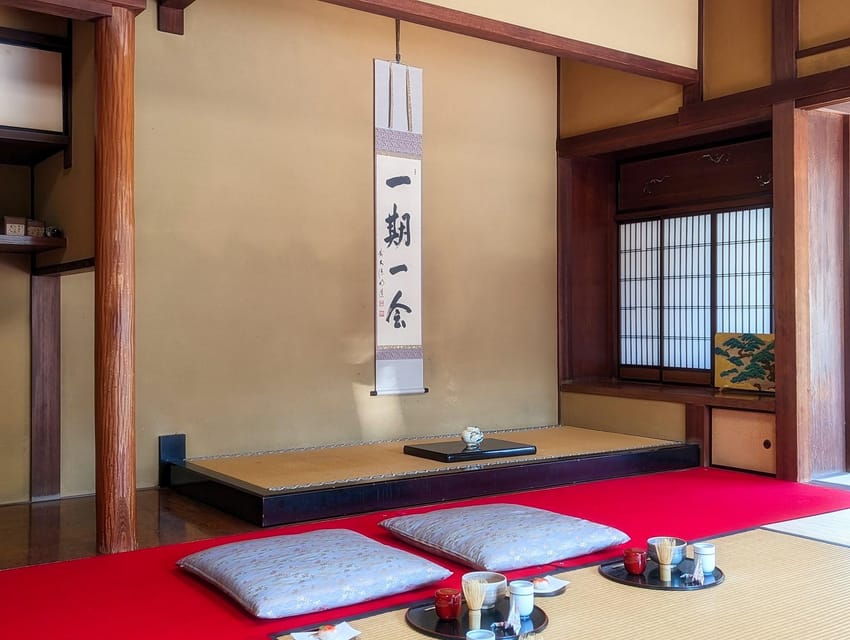
I’d book it if you want one truly calming, guided experience in Kyoto that combines setting, technique, and meaning in under an hour. The garden backdrop, the tea master performance, and the fact that you brew your own matcha are exactly the combination that makes this feel worth the splurge.
Skip it if you need a cheaper activity, if you cannot manage the no-luggage rule, or if your group wants something more active and less ritual-focused.
If you do book, give yourself time to find the gates easily. Arrive ready to slow down, follow the steps, and treat your bowl of matcha like the main event.
FAQ
How long is the Kyoto tea ceremony experience?
It lasts 45 minutes.
Where do I meet for the tea ceremony in Kyoto?
Go down Sanneizaka near Kiyomizu-Dera Temple, walk about 50 meters, and enter a large gate on the right. Then pass through the gate, go straight for about 10 meters, and enter through the white gate on your left to find Sakaguchian.
How much does it cost?
The price is $49 per person.
What is included in the price?
Included are the tea ceremony, two cups of matcha, traditional Japanese sweets, and a photo.
Is kimono rental included?
No, kimono rental is not included.
Is the ceremony held rain or shine?
Yes, it takes place rain or shine.
What language is the instruction provided in?
The instructor provides the experience in English.
Are luggage or large bags allowed?
No. Luggage or large bags are not allowed.
Is this experience suitable for children?
It is not suitable for children under 7.
Can I cancel or pay later?
Yes. You can cancel up to 24 hours in advance for a full refund. It also offers reserve now & pay later so you can book your spot without paying today.
Newly listed around Kyoto
- Taste of Nishiki Market Walking Food Tour with Local guide★ 5.0 · 17 reviews
- Kyoto: Sushi Making Class with Sushi Chef★ 4.8 · 64 reviews
- Simple Plan with Maiko★ 4.4 · 10 reviews
- Shibori Furoshiki Course at Kyoto Shibori Museum★ 5.0 · 21 reviews
- Kyoto: City Secrets eBike Tour★ 4.9 · 196 reviews
- Sacred Pathways: Discover the Philosopher’s Path of Kyoto★ 4.9 · 20 reviews
- Private Tour to Monkey Park and Arashiyama Highlights★ 5.0 · 22 reviews
- Private Nara Tour from Osaka – Meet at Your Hotel★ 5.0 · 22 reviews
Matcha & Tea Ceremony Sessions, compared.
World Heritage Kyoto & Nara Uji Authentic Matcha Experience
Read our review →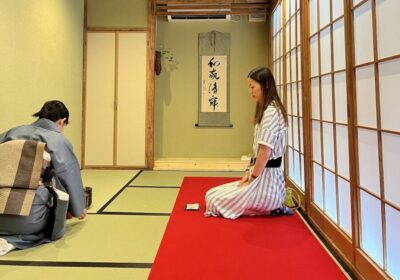
Browse the lists this tour appears in