Review · SAKE BREWERY VISITS
Kyoto: Beyond the Insider Sake Tasting Experience
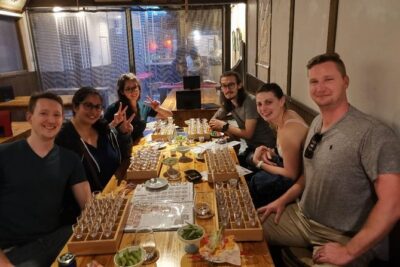
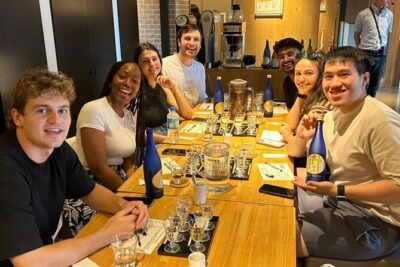
Kyoto can turn you into a sake nerd fast. This experience has you tasting 10 rare varieties in a private tasting room while a certified sommelier walks you through what is actually going on in the bottle. I especially liked how the explanations stayed practical, not academic, and how the selection includes styles that rarely show up outside Japan.
A heads-up though. Some people go in hoping for lots of alcohol time, but the rules are strict, including age limits and a no late-arrivals policy, so you will want to plan your timing and your ride.
In This Review
- Key reasons I’d pick this Kyoto sake experience
- A Kyoto sake lesson you can actually taste
- The big payoff: 10 varieties, chosen for real learning
- Ancient methods, microbes, and local wood: how the flavor plot changes
- 1) Sake brewed using ancient methods
- 2) A newer type of sake using characteristics of microorganisms
- 3) Sake brewed using local wood
- What you learn about ingredients and sake categories
- The guide experience: certified sommelier energy, not showboating
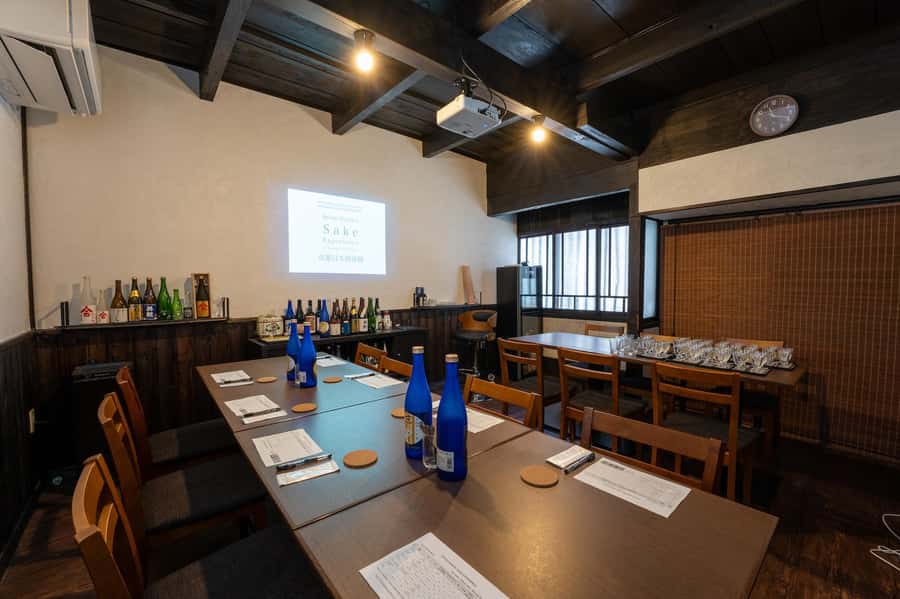
- How the private tasting room changes the experience
- Price and value: is $66 a fair deal?
- Who should book this Kyoto sake tasting
- Before you go: the practical rules that affect your evening
- Should you book this Kyoto Beyond the Insider sake tasting?
- FAQ
- How many sake varieties are included in the tasting?
- Do I need prior sake experience?
- Is food pairing included?
- Where does the tour start and end?
- What language is the experience offered in?
- Is alcohol always served?
- What happens if I arrive late?
Key reasons I’d pick this Kyoto sake experience
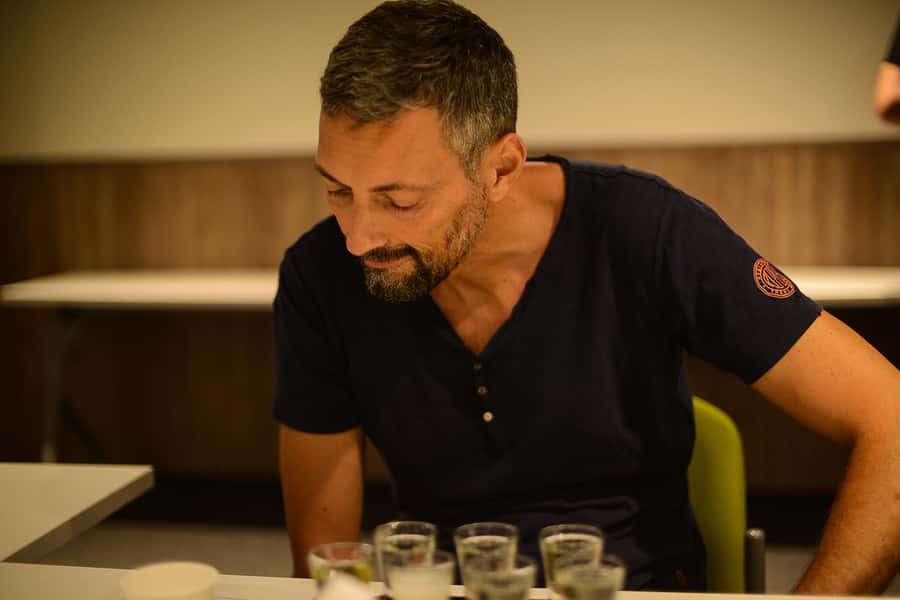
- 10 sake varieties picked by a sake sommelier, not random pours
- Certified sake sommelier guides guiding both beginners and experienced drinkers
- A dedicated private tasting room so you can hear the details without chaos
- Ancient methods, microbe-driven styles, and local wood brewing that change the flavor story
- Tasting notes included, so your memories do not vanish after the train ride
A Kyoto sake lesson you can actually taste

Kyoto does a lot right, but sake is where the city really shows off its detail. In this experience, you do not just drink. You learn the “why” behind the taste, then you immediately taste it. That cause-and-effect approach is the whole point, and it is why the session feels far more rewarding than a generic tasting.
You start with the basics of sake production and the common categories, so the door is open even if you have never held a sake cup before. Then the tour shifts into rarer territory. You sample styles brewed with different concepts than the ones most people hear about during standard tastings.
I like that the teaching does not talk down to you. One part is beginner-friendly, but it still gives experienced drinkers new angles to notice, like how ingredient choices and brewing methods can steer aroma, texture, and finish.
The setting also helps. You do not bounce between venues. You settle in at a dedicated private tasting room and focus. That means your guide’s descriptions land better, and you can take your time moving from one bottle to the next.
More Drinking Tours in Kyoto
- Kyoto Night Foodie Tour in Gion (9+ dishes + 6 Sake tastings)
★ 5.0 · 1,762 reviews - 3-Hour Kyoto Insider Sake Brewery Tour with Tastings & Pairings
★ 5.0 · 917 reviews - Arashiyama Bamboo, Temple, Monkeys, or Secret Sake Brewery
★ 4.8 · 886 reviews
The big payoff: 10 varieties, chosen for real learning
The experience is built around tasting 10 unique kinds of sake, selected by a sake sommelier to explore the deep world of sake. That matters because “10 sips” can mean anything in travel-speak. Here, the set is tied to specific concepts of production, so each pour has a job.
You will also get tasting notes. Use them. Even if you are not a serious notebook person, jotting down what you notice helps you connect the guide’s talk to the actual flavors in the glass. I find it makes the differences feel obvious later, when you are trying to remember what you liked and why.
This is also a good option if you have done other tastings before. One review comparison stuck with me: people who liked a beginner course often come back for the more advanced style. That tells me the format can meet you where you are, then stretch you a bit.
You should expect a guided cadence. You taste, you listen, you compare. If you like structured learning, this is a nice match. If you mostly just want to wander and sample casually, it may feel a bit more “classroom” than you expect, but the upside is you leave with real takeaways.
Ancient methods, microbes, and local wood: how the flavor plot changes
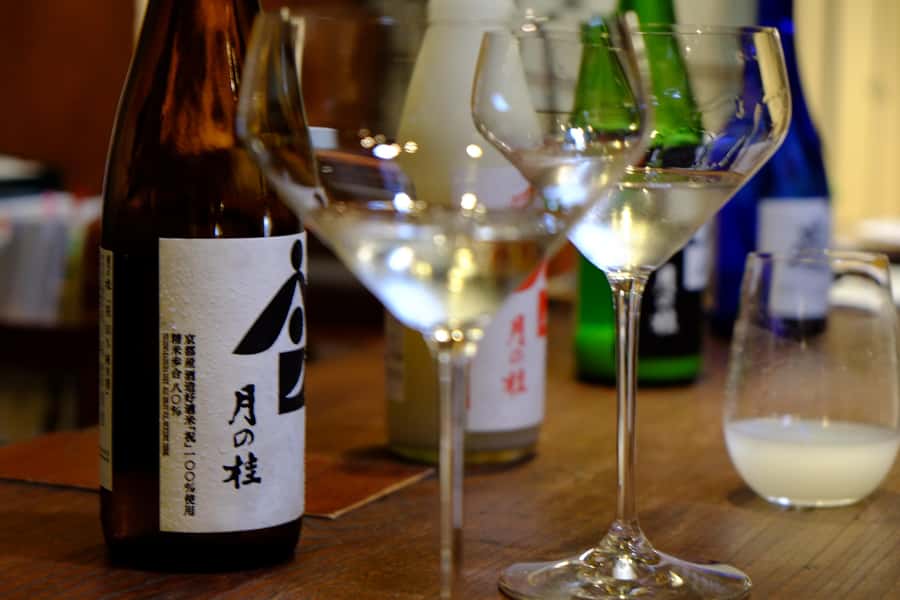
What makes this tasting different is the concept behind what you drink. You are tasting sake made with ideas that do not align with the more common modern explanations you might have heard elsewhere.
Here are the three standout themes you will encounter:
1) Sake brewed using ancient methods
Ancient methods are not just marketing poetry. When the process changes, the resulting profile can change too, including how the sake feels on the palate and how the aroma develops. The guide’s job is to connect the brewing approach to what you can detect while tasting.
I like this approach because it turns a “cool story” into a sensory experiment. You taste, then you learn what part of the process likely drove that difference.
More Food Tours in Kyoto
- Kyoto: Insider Sake Brewery Tour with Sake and Food Pairing
★ 5.0 · 704 reviews - Kyoto Sake Brewery & Tasting Walking Tour
★ 5.0 · 623 reviews - Kyoto Nishiki Market Food and Culture Walking Tour
★ 5.0 · 412 reviews - 1.5-Hour Kyoto Insider Sake Experience with 7 Tastings & Pairings
★ 5.0 · 297 reviews
2) A newer type of sake using characteristics of microorganisms
Microorganisms are part of sake making by default, but this experience highlights a conceptier angle: sake that leans on microorganism characteristics in a way you may not have studied in basic tastings. The guide helps you understand what that means in practice, then you taste the result.
This is where the session gets interesting for experienced drinkers. If you already know the categories, this gives you another knob to turn, and you can start thinking like a producer.
3) Sake brewed using local wood
Local wood is not the first thing most people associate with sake, so it is a great attention-grabber. Wood can influence taste perceptions depending on how it is used in production or handling, and the guide connects that to what you will notice in your glass.
In a city full of beautiful surfaces, this part feels like you get a behind-the-scenes taste of place, not just place as scenery.
What you learn about ingredients and sake categories
Even though you are called Beyond, you still get a real foundation. The experience covers the basics of sake production and the main sake categories. That means you will not be completely lost if you show up with zero background.
But the real value comes from how the lessons connect to your tasting. Instead of memorizing terms, you learn what categories tend to imply, then you compare them against the special concepts in the bottles you drink.
You also focus on important ingredients in sake making. The guide helps you understand why those ingredients matter. Once you know what they are, you start tasting with intention. You can pick out whether something seems lighter, rounder, more aromatic, or more complex, instead of just thinking, this one is good.
This is also why the experience works across skill levels. A beginner leaves with a framework. Someone more experienced leaves with new prompts for tasting and comparing.
The guide experience: certified sommelier energy, not showboating
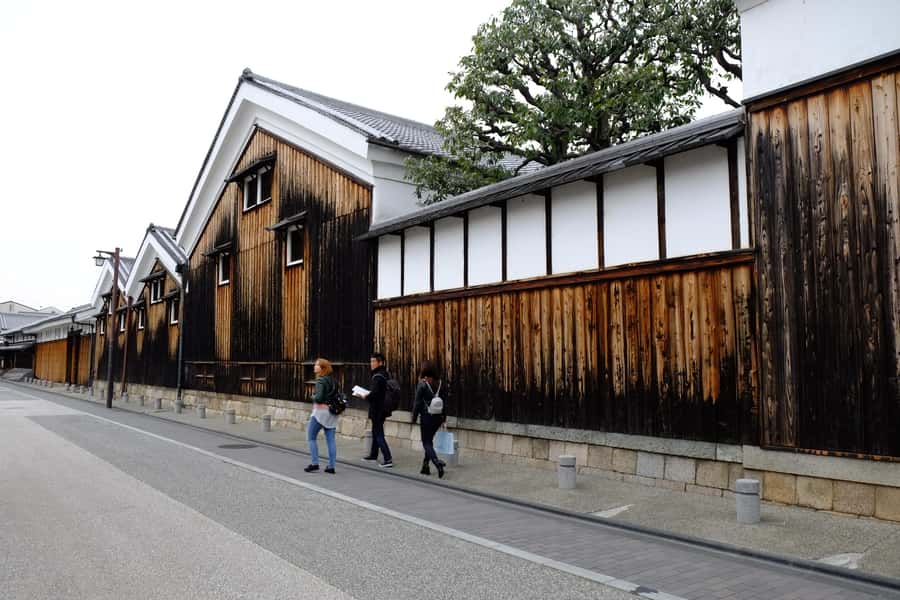
All guides are certified sake sommeliers. That is not just a badge. It shows up in the way the explanation lands. You get clear structure, you get definitions when needed, and you get comparisons that make sense.
I noticed a theme from the feedback people shared after: the presentation and descriptions of the types and their production process. That lines up with what the experience is aiming for. You are not left guessing what you just tasted.
Also, the guides are described as friendly and knowledgeable, with a wide range of sake offered. That wide range is key here, because the tasting is meant to show how many ways sake can be made, not just how many labels you can sample in an hour.
If you are the type who likes asking questions, a private room format tends to help. You get more chance to clarify points like ingredients, categories, and why a given bottle tastes the way it does.
How the private tasting room changes the experience

A dedicated private sake tasting room sounds like a luxury detail, but it is actually a learning tool.
In a shared setting, you can end up competing with background noise. Here, you can hear the guide’s explanations clearly. That means you absorb the production concepts tied to each bottle, instead of catching only the headline.
It also makes the pacing calmer. You can take a beat between pours. You can adjust how fast you move through the tasting without feeling like you are holding up a crowd.
This format is especially helpful for beginners. You can focus on the basics, then slowly build up your confidence as you taste more unusual styles.
Price and value: is $66 a fair deal?
At $66 per person, the price can feel like a lot or a bargain depending on what else you do in Kyoto.
Here’s why I think the value holds up. You are paying for:
- 10 sake tastings chosen by a sommelier
- tasting note support
- an expert-led session with certification behind the guide
- a dedicated private tasting room
- coverage of production basics and sake categories, so you do not need prior knowledge
If you compare that to the usual “pour a few things, hope you like them” tastings, this has a clearer learning payoff. You are not just trying bottles, you are learning the mechanics behind them, using the bottles as examples.
Also, the sake selection includes concepts like ancient methods, microorganism-driven styles, and local wood brewing. Those are exactly the kinds of details that tend to cost more in Japan, because they are harder to source and explain well.
So yes, the price is real money. But it reads like a fair exchange for guided expertise and an intentional set of bottles.
Who should book this Kyoto sake tasting
This is a good fit if you fall into any of these buckets:
- You want to learn more than just which bottle tastes best
- You are a beginner and want the basics taught clearly
- You are an experienced drinker and want styles that are harder to find overseas
- You like guided comparisons and tasting notes
- You prefer a quieter, private room over a public tasting hall
It is not the best match if you are looking for a casual bar crawl vibe. This is more structured. The upside is you will leave with better understanding, not just a good buzz.
It also has some limits you should take seriously. It is not suitable for children under 3 years, and it is not suitable for pregnant women. People under 19 years are not suitable, and alcohol service has legal and safety rules.
If you are coming with a group and half the group is not planning to drink, check the rules ahead of time. For safety and legal reasons, alcohol will not be served to guests who arrive by car or bicycle, but non-alcoholic drinks are available.
Before you go: the practical rules that affect your evening
A lot of tasting experiences fail for one boring reason, timing. This one has a firm rule: if you are more than 10 minutes late, your booking will be canceled.
Another rule is tied to alcohol service and age. Legal drinking age in Japan is 20. Guests under 20 only get non-alcoholic drinks. Alcohol will not be served to guests who arrive by car or bicycle, though non-alcoholic options are available.
One more practical point: you need a reservation. Guests without a reservation are not allowed, including children and non-drinkers. Also, if you cannot participate due to those rules, there are no refunds.
None of this is unusual in Japan, but it matters more in a guided tasting, because the schedule depends on everyone being present and eligible.
Also plan on handling your own transport. Transportation to and from attractions, and hotel pickup or drop-off, are not included. So pick a meeting point plan that does not rely on last-minute taxi luck.
Should you book this Kyoto Beyond the Insider sake tasting?
If your goal is to understand sake, not just sample it, I think this is a strong booking. The biggest reason is the design: 10 tastings, tied to specific production concepts, led by certified sake sommeliers in a private room, with tasting notes to help you remember what you actually learned.
Book it if you want a guided path from basics to more unusual styles like ancient methods, microorganism-related approaches, and local wood brewing. Also book it if you have already done a first-round sake tasting in Kyoto and want a more advanced follow-up. One of the best signals from the experience feedback is that people often recommend starting with the beginners course and then returning for this style later.
Skip or reconsider if you need a highly flexible, no-rules alcohol hangout, or if your timing is unpredictable. The experience runs on structure, and that structure is what makes the learning work.
If you show up on time, bring curiosity, and plan your transport, you will likely walk away with a much sharper sense of why sake tastes the way it does, bottle by bottle.
FAQ
How many sake varieties are included in the tasting?
You will taste 10 kinds of sake selected for the experience.
Do I need prior sake experience?
No. The experience includes the basics of sake production and sake categories, so you can enjoy it even as a beginner.
Is food pairing included?
Food pairing is not included.
Where does the tour start and end?
It starts at the Kyoto Insider Sake Experience meeting point and ends back at the same meeting point.
What language is the experience offered in?
The experience is offered in English.
Is alcohol always served?
Alcohol is not served to guests who arrive by car or bicycle, and non-alcoholic drinks are available. Also, for legal reasons, guests under 20 years old are only served non-alcoholic drinks.
What happens if I arrive late?
If you are more than 10 minutes late, your booking will be canceled.
More Food & Drink in Kyoto
- Kyoto: Gion & Pontocho Food Tour with 13 Dishes
★ 4.9 · 235 reviews - The Award-Winning PRIVATE Food Tour of Kyoto: The 10 Tastings
★ 4.5 · 100 reviews - Kyoto: Casual Pontocho Evening Food Tour
★ 4.8 · 31 reviews - Kyoto: Nishiki Market Food Tour
★ 4.9 · 21 reviews
More Sake Tastings in Kyoto
- Kyoto: Insider Sake Experience with 7 Tastings and Snacks
★ 5.0 · 266 reviews - Japanese Sake Breweries Tour in Kyoto Fushimi
★ 4.3 · 13 reviews
Newly listed around Kyoto
- Kyoto: Enjoy Sushi & Market Tour! Best for Family & Couple!★ 4.8 · 20 reviews
- Kyoto: Early Bird E-Bike Tour with Lunch★ 5.0 · 14 reviews
- Kyoto Early Bird English Tour: Fushimi-Inari and Arashiyama★ 4.8 · 40 reviews
- Kyoto: Discover Every Bit of Kyoto Imperial Palace★ 4.4 · 21 reviews
- Kyoto: Nishiki Market Food Tour★ 4.9 · 21 reviews
- Kyoto: Guided Tour in UNESCO Site, Kiyomizu-dera – 90 Min.★ 5.0 · 7 reviews
- Kyoto: Lunch or Dinner with Maiko★ 4.2 · 52 reviews
- Kyoto: Customizable Full-Day Tour with Privarte Transfers★ 3.5 · 13 reviews
Sake Brewery Visits, compared.
Kyoto Night Foodie Tour in Gion (9+ dishes + 6 Sake tastings)
Read our review →
1-Day Snow Monkeys, Zenko-ji Temple & Sake in Nagano
Read our review →
3-Hour Kyoto Insider Sake Brewery Tour with Tastings & Pairings
Read our review →
Arashiyama Bamboo, Temple, Monkeys, or Secret Sake Brewery
Read our review →
Nagano: Snow Monkeys, Zenkoji Temple & Sake Day Trip
Read our review →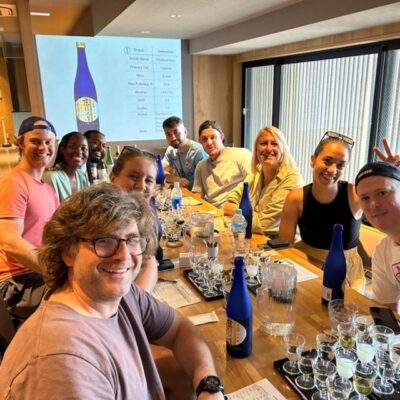
Insider Sake Brewery Tour with Sake and Food Pairing
Read our review →