
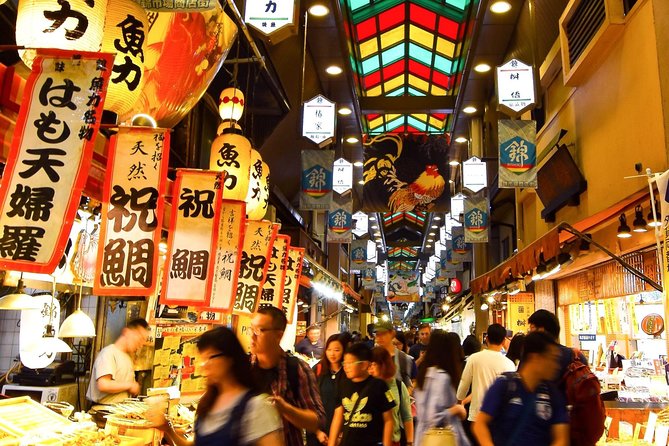
Review · FISH MARKET WALKS
Kyoto Nishiki Market Food and Culture Walking Tour
Snacks plus shrines, in one Kyoto walk. I love the small group (max 6) and the way the tour gives food samples enough to replace a meal. If you want to hop from stall to stall nonstop for hours, the fixed number of tastings may feel like less than you hoped.
I also like the structure: you start in Nishiki Market, then the route expands into nearby shopping streets and two short religious stops. Guides such as Keiko, Takuma, Miku, Toshi, and Chizuko are frequently praised for clear English and a pace that does not feel rushed.
In This Review
- Nishiki Market: Kyoto’s 400-year-old food street in real time
- Why a max of 6 people changes everything
- What you actually eat: samples designed to leave you satisfied
- The cultural stops that make the food make sense
- Nishiki Tenmangu Shrine: 15 minutes with Shinto basics
- Takoyakushido Eifukuji Temple: a Buddhist corner stop
- The shopping streets after Nishiki: Shinkyogoku and Teramachi-dori
- Shinkyogoku Shopping District: pedestrian lanes, real momentum
- Teramachi-dori Street: long-running shops alongside newer favorites
- Price and value: why $80.92 can be great, or frustrating
- Who this tour fits best
- Booking tips that can save your day
- Final verdict: should you book the Kyoto Nishiki Market Food and Culture Walking Tour?
- FAQ
- How long is the Kyoto Nishiki Market Food and Culture Walking Tour?
- How many people are on the tour?
- Where does the tour take place?
- Is the tour price just for the guide, or does it include food?
- Does the tour stop at Nishiki Tenmangu and temples?
- Does the tour run in bad weather?
- Can the tour accommodate dietary restrictions or allergies?
- Is drinking included, and what is the legal age in Japan?
- Final verdict
Nishiki Market: Kyoto’s 400-year-old food street in real time
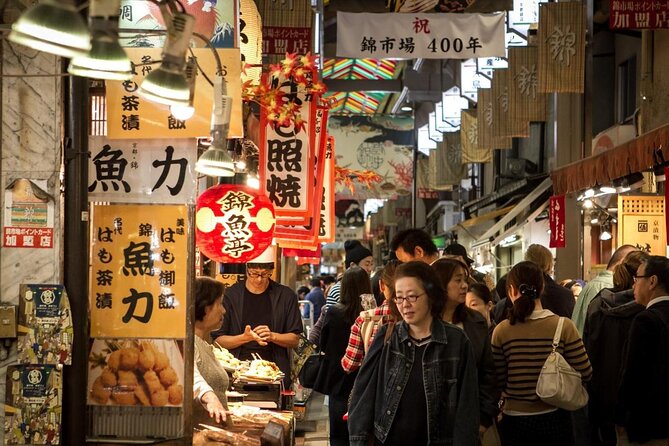
Nishiki Market is one of those places that instantly makes sense, even if you do not speak Japanese. It’s a narrow, five-block stretch with around 130 shops and stalls, where you can smell the food before you see it. The tour starts here because it is the fastest way to understand Kyoto’s eating culture without needing a reservation or a complicated plan.
You get to walk the lanes at human speed, which matters because this is a crowded market. With a guide, you are not just wandering, you are getting nudged toward what to look for, what to buy, and what to skip. It also helps that the market is still operating as a working marketplace, not just a show for tourists.
What I like for you: this is ideal if Kyoto feels overwhelming. One well-led route turns chaos into something you can actually enjoy.
Why a max of 6 people changes everything
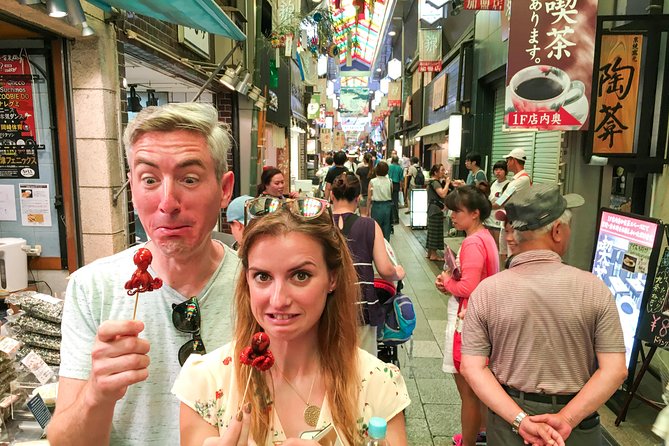
This tour caps at six travelers, which is a sweet spot for a walking food experience. You are close enough to ask questions, but the group is small enough that you are not being dragged through bottlenecks.
That shows up in how the day feels. Multiple guides on this route, including Naoko, Annie, Atsu, and Saeko, are praised for teaching with context while still keeping the pace comfortable. People also note they did not feel rushed, and that the walk includes a mix of moving and short stops.
One practical plus: when the group is tiny, it is easier for the guide to adjust. Some guides are noted for tailoring the route to the group’s curiosity and even making time for shopping.
The one thing to consider: with only a few hours and a small list of planned stops, you will not get the same experience as spending an entire afternoon sampling every stall yourself.
More Food Tours in Kyoto
- Kyoto Night Foodie Tour in Gion (9+ dishes + 6 Sake tastings)
★ 5.0 · 1,762 reviews - 3-Hour Kyoto Insider Sake Brewery Tour with Tastings & Pairings
★ 5.0 · 917 reviews - Arashiyama Bamboo, Temple, Monkeys, or Secret Sake Brewery
★ 4.8 · 886 reviews
What you actually eat: samples designed to leave you satisfied
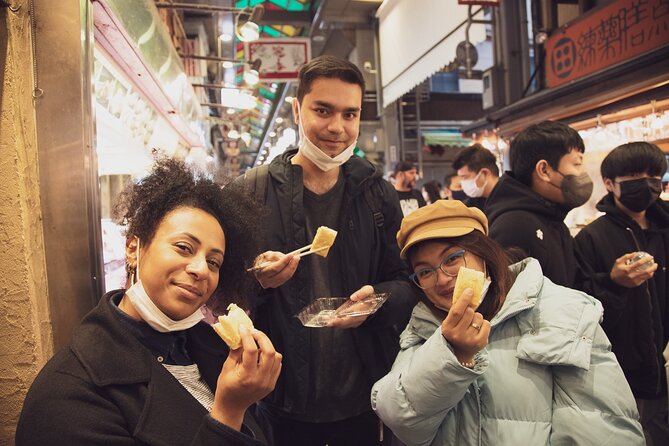
The tour is built around eating as you go. The key promise is that the food is enough to fill you up in place of a meal, not just a few bites for show. That tracks with the way many people describe the experience: getting full, leaving with Kyoto snacks and seasonings, and enjoying tastings they likely would have passed over alone.
You can expect a mix of market foods and Kyoto-style specialties. Based on examples people share from this tour, the tastings may include things like yuba, soy-based items, pickles, gyoza, wheat starch, honey yuzu lemonade, and seafood preparations. Some people also mention stops leading to items such as wagyu or minced-meat filled snacks.
Also look for the details that make these tastings useful. Guides often explain how ingredients and cooking styles connect back to Kyoto, not just what something tastes like. That is the difference between a random food hit and a food-and-culture experience you remember.
Pro tip: come hungry, but do not plan to eat a big dinner right after. Many people finish the tour full, and Nishiki Market shopping will tempt you even when you are trying to behave.
The cultural stops that make the food make sense
The route is not only about bites. It adds two religious stops, plus a couple of local shopping streets, so you get a fuller picture of day-to-day Kyoto.
Nishiki Tenmangu Shrine: 15 minutes with Shinto basics
You stop at Nishiki Tenmangu, a Shinto shrine where the guide explains common elements you often see at shrines and the basics of how people pray. It is a short stop, but it changes how you experience the area because you understand the rhythms and the symbols you would otherwise treat as background scenery.
Even if you are not a religion-history person, learning how to act respectfully at a shrine is useful. It also gives you a mental reset after the sensory overload of the market.
More Market Tours in Kyoto
- Nishiki Market Brunch Walking Tour (7 Tastings + Brunch)
★ 5.0 · 1,355 reviews - Kyoto: Nishiki Market Tea Ceremony with Koto Performance
★ 4.8 · 294 reviews - Kyoto: Nishiki Market Brunch Walking Tour-7 Tastings+Brunch
★ 4.8 · 197 reviews - Kyoto: Local Food Tasting Tour at the Nishiki Market
★ 4.7 · 135 reviews
Takoyakushido Eifukuji Temple: a Buddhist corner stop
Then you visit Takoyakushido Eifukuji Temple. Kyoto has temples all over, so the point here is not a long lecture. It is a quick, nearby feel for how everyday Kyoto includes Buddhist spaces in the flow of shopping streets.
This is a good stop for taking photos if you are respectful, and for understanding that the city’s food culture lives inside a city with very normal religious landmarks.
Why this matters: when you understand where you are walking, your food memories stick better.
The shopping streets after Nishiki: Shinkyogoku and Teramachi-dori
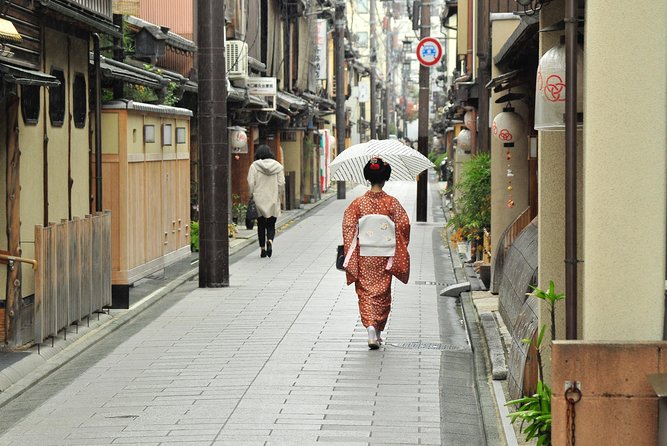
Nishiki Market is only the starting point. The tour then moves through surrounding neighborhoods where you see a more local mix of old and new.
Shinkyogoku Shopping District: pedestrian lanes, real momentum
You walk through Shinkyogoku Shopping District, a pedestrian-only arcade street. This is where the tour shifts from market intensity to a steadier rhythm of everyday commerce. It is also where you feel that Kyoto is not frozen in time, even with all the traditional flavor nearby.
Teramachi-dori Street: long-running shops alongside newer favorites
Teramachi-dori Street is another local street stop, where long-established shops line up next to newer ones. People like this part because it stretches the experience beyond just food stalls and gives you more context for what a day in the area actually looks like.
In practice, these street segments also help with pacing. You get time to regroup, ask questions, and shop without feeling like you are getting swept away by the market crowd.
Price and value: why $80.92 can be great, or frustrating
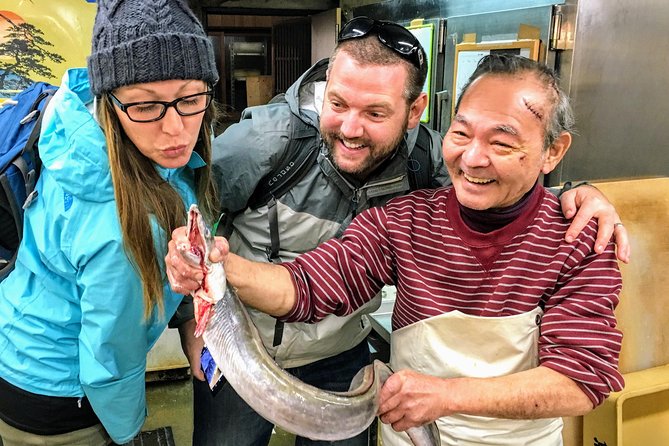
The tour costs about $80.92 per person and runs around three hours. That price needs to buy three things: a guide, food, and time. The value case is strong when you want a guided route that includes enough food to feel satisfied.
The tour also has built-in value drivers that you can feel immediately:
- Max 6 people means more attention and a smoother pace.
- The day includes both market bites and cultural stops, not just eating.
- Many people leave full and with edible souvenirs like seasonings and drink concentrates.
The caution case is also real: if you measure value by the number of separate tastings, this is not designed to be a stall-hopping marathon. It is a curated walk with a set structure. If you expect nonstop snack stops at a dozen places, you may decide you would rather spend more time self-guided in Nishiki.
My advice: if you want guidance and context, this price can make sense. If you want to maximize quantity of bites above all else, compare it with the cost of sampling items on your own.
Who this tour fits best
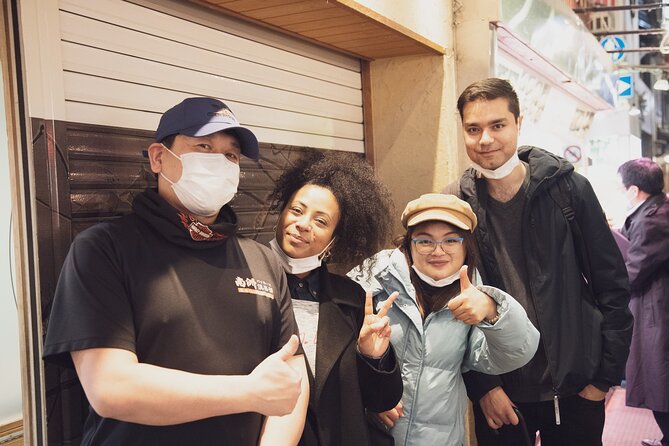
This is a strong match if you want:
- A small-group way to experience Nishiki Market without getting lost in crowds
- A food walk paired with Shinto and Buddhist context
- A route that balances walking with short stops, so the day does not feel like constant movement
Guides on this route, including Toshi, Eric, and Yasuko, are often credited for combining culture, language tips, and food explanations. People also mention shopping time along the way, plus recommendations for what to buy.
It may not fit as well if:
- You need dietary accommodations. The tour states it cannot accommodate dietary restrictions including vegetarian, halal, kosher, gluten-free, or allergy-related requests.
- You travel with a stroller and you are not able to handle crowds. Nishiki Market can be very crowded at times, so you should let the operator know in advance.
Booking tips that can save your day
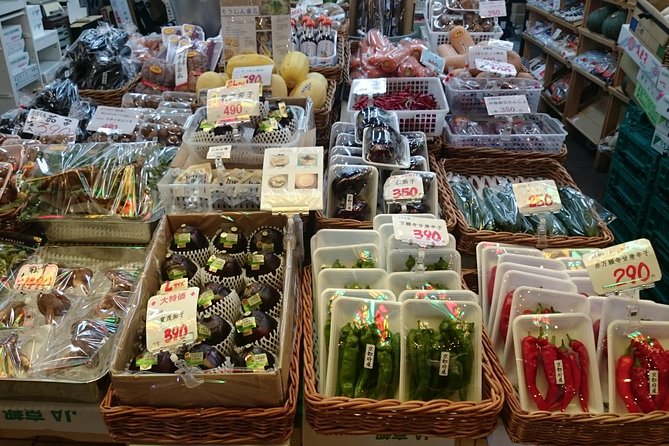
A few practical things make a difference:
- This tour runs rain or shine, so pack for wet weather if you are visiting in a rainy season.
- Legal drinking age in Japan is 20, so plan accordingly if alcohol appears in any market shopping.
- It is near public transportation, but the day still involves walking. Wear shoes that can handle uneven pavement and crowds.
- Bring cash for extra purchases. The tour includes food samples, but any additional shopping is on you.
Also, if you have severe dietary restrictions, the tour notes that arranging food may not be possible. If that is your situation, you will want a different plan.
Final verdict: should you book the Kyoto Nishiki Market Food and Culture Walking Tour?
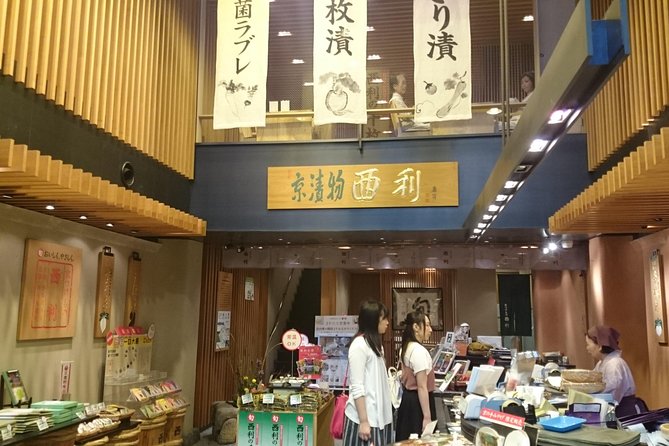
If you want a guided way to see Nishiki Market, understand what you are tasting, and get quick cultural stops nearby, I would book this tour. The small group size and the “full-meal” sampling idea are the big reasons.
Skip it only if your top priority is maximum tasting count at the most stalls possible, or if you need dietary accommodations. If you fall into either of those buckets, Nishiki Market self-guided can give you more control over your own food pace.
FAQ
How long is the Kyoto Nishiki Market Food and Culture Walking Tour?
It runs for about 3 hours.
How many people are on the tour?
The tour has a maximum of 6 travelers.
Where does the tour take place?
It is in Kyoto, starting at Nishiki Market and then moving through nearby areas including Shinkyogoku Shopping District and Teramachi-dori Street, plus two short religious stops.
Is the tour price just for the guide, or does it include food?
The tour includes food samples, enough to fill you up in place of a meal.
Does the tour stop at Nishiki Tenmangu and temples?
Yes. The itinerary includes Nishiki Tenmangu Shrine and Takoyakushido Eifukuji Temple.
Does the tour run in bad weather?
Yes, the tour takes place rain or shine.
Can the tour accommodate dietary restrictions or allergies?
No. The tour notes it is unable to accommodate dietary restrictions, including vegetarian, halal, kosher, gluten-free, or allergy-related requests. For severe restrictions, food arrangement may not be possible.
Is drinking included, and what is the legal age in Japan?
Legal drinking age in Japan is 20. Any alcohol would follow that rule, and the tour includes food samples rather than guaranteeing alcohol.
Final verdict
If your goal is a guided Kyoto food-and-culture walk that leaves you satisfied, this one is a strong pick. If you need dietary accommodations or want an all-out, stall-hopping sampling spree, you may be better off building your own Nishiki Market route.
More Shopping Tours in Kyoto
- Golden Pavilion, Nijo Castle, & Nishiki Market Half day tour
★ 5.0 · 29 reviews - Kyoto: Nishiki Market Food Tour
★ 4.9 · 21 reviews - Kyoto: Enjoy Sushi & Market Tour! Best for Family & Couple!
★ 4.8 · 20 reviews - Taste of Nishiki Market Walking Food Tour with Local guide
★ 5.0 · 17 reviews
More Market Walks in Kyoto
- Kimono Tea Ceremony at Kyoto Maikoya, NISHIKI
★ 5.0 · 911 reviews - Kyoto: Nishiki Market and Depachika Food Tour with a Local
★ 4.7 · 76 reviews - Kyoto: Nishiki Market Tour with a Local Foodie & 3 Tastings
★ 4.6 · 47 reviews - Nishiki Market Food Tour with Cooking Class
★ 4.9 · 42 reviews
Newly listed around Kyoto
- Taste of Nishiki Market Walking Food Tour with Local guide★ 5.0 · 17 reviews
- Kyoto: Sushi Making Class with Sushi Chef★ 4.8 · 64 reviews
- Simple Plan with Maiko★ 4.4 · 10 reviews
- Shibori Furoshiki Course at Kyoto Shibori Museum★ 5.0 · 21 reviews
- Kyoto: City Secrets eBike Tour★ 4.9 · 196 reviews
- Sacred Pathways: Discover the Philosopher’s Path of Kyoto★ 4.9 · 20 reviews
- Private Tour to Monkey Park and Arashiyama Highlights★ 5.0 · 22 reviews
- Private Nara Tour from Osaka – Meet at Your Hotel★ 5.0 · 22 reviews
Fish Market Walks, compared.
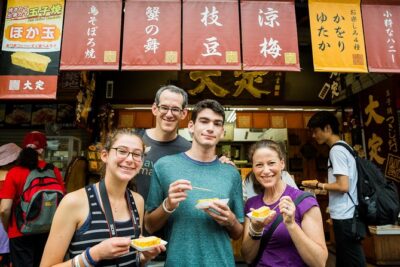
Tokyo Tsukiji Fish Market Food and Culture Walking Tour
Read our review →
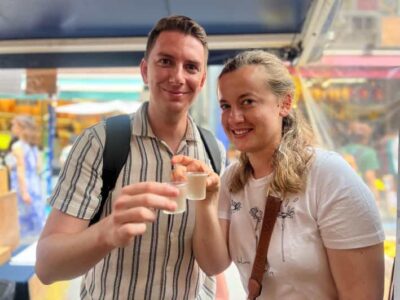
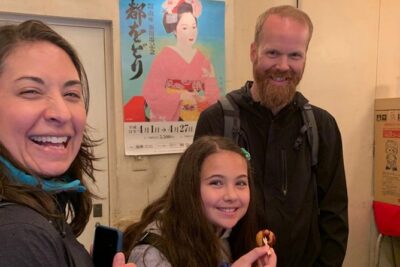
Nishiki Market Brunch Walking Tour (7 Tastings + Brunch)
Read our review →
Tokyo Sushi Making Class in Tsukiji with Professional Chef
Read our review →
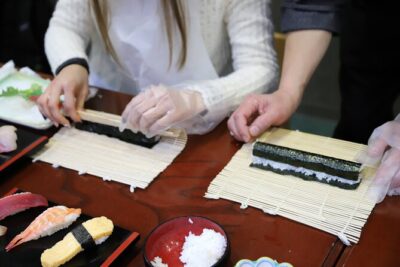
Tsukiji Fish Market Guided Tour and Sushi Making with Pro Chef
Read our review →