
Review · SHRINE & TEMPLE VISITS
Kyoto: Ninnaji Temple Entry Ticket
Quiet Kyoto, big temple feels. Ninna-ji is a peaceful stop in Kyoto, built way back in 888, famous for its late-blooming Omuro sakura and a striking five-story pagoda. I like how the grounds reward patience, with nature-led seasonal changes that feel different every time you look. I also like the Omuro Pilgrimage route, a shorter Shikoku-style walk that turns temple sight-seeing into an easy, two-hour experience outdoors.
One thing to watch: in cherry blossom season, viewing the Omuro sakura from the area after the Chumon inner gate can require an extra admission fee, and that fee timing can shift depending on bloom.
In This Review
- Key Things to Notice Before You Go
- Price and Value: Why This Ticket Is Such a Bargain
- Entering Ninna-ji: Gates, Hours, and How Not to Lose Time
- The Temple Complex in Motion: What the Grounds Give You
- Omuro Sakura: Late-Blooming Cherry Trees and the Chumon Fee
- Omuro Pilgrimage Course: A Short Shikoku-Style Walk
- Reiho-kan Museum: When You Want Treasures Without the Museum Fatigue
- Goten Palace and Gardens: Where the Day Can Feel Like a Different World
- Changing Seasons at Ninna-ji: What Each Time of Year Really Means
- What to Do With a One-Day Ticket: A Smart, Low-Stress Route
- Should You Book the Ninna-ji Entry Ticket?
- FAQ
- How long is the Ninnaji Temple entry ticket valid?
- What are the temple opening hours?
- When do the ticket booths close?
- Do I need an extra fee to see the Omuro sakura cherry blossoms?
- What is included with the ticket?
- Is this experience wheelchair accessible?
Key Things to Notice Before You Go
- Ticket booth timing matters: the booths close 30 minutes before the temple closes.
- Omuro sakura is season-specific: you may need an extra fee after the Chumon inner gate during cherry blossom season.
- Two-hour walking route: the Omuro Pilgrimage course is designed to be shorter than the Shikoku Pilgrimage.
- Optional cultural add-ons: Reiho-kan Museum and festival entries may depend on the option you select.
- Winter can be special: you can catch snowy scenes at the Goten Palace and gardens.
Price and Value: Why This Ticket Is Such a Bargain
At about $5 per person, this is one of those Kyoto tickets that feels almost too reasonable for what you get. The reason it holds up is simple: you are paying for access to a serious temple complex, not just a single hall or photo spot. You also get time to slow down and experience the place in your own rhythm, which is where Ninna-ji really shines.
That said, value depends on season. The ticket covers core entry, including the Goten Palace and gardens admission (with special entrances handled separately). But during the cherry blossom season, there can be an additional admission fee for the area after the Chumon inner gate to view the Omuro sakura. If you’re visiting in peak sakura time, you should budget for that extra cost and plan your route so you do not run out of daylight.
Bottom line: if you go at a time when you can enjoy multiple areas without extra fees dominating the day, this is excellent value. If you’re specifically traveling for Omuro sakura, do a quick planning pass so the optional costs do not surprise you.
More Shrine & Temple Visits in Kyoto
- Kyoto: Fushimi Inari, Kinkakuji, Bamboo Grove 1 Day Bus Tour
★ 4.8 · 4,316 reviews - Kyoto: Tea Ceremony Ju-An at Jotokuji Temple
★ 4.9 · 3,207 reviews - Fushimi Inari Hidden Hiking Tour (Private Option Available)
★ 5.0 · 1,750 reviews
Entering Ninna-ji: Gates, Hours, and How Not to Lose Time
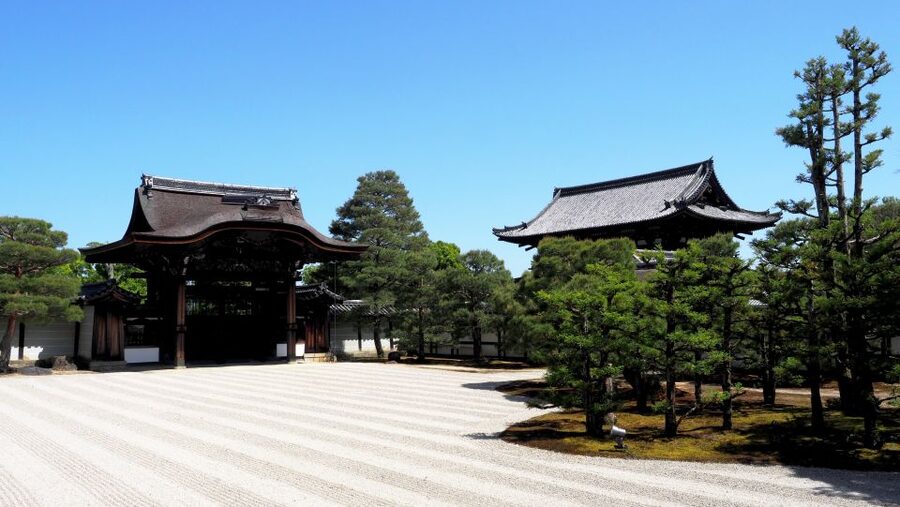
Think of this ticket like a door pass into a living temple schedule. The temple is open from 9:00 AM to 5:00 PM from March to November, and from 9:00 AM to 4:30 PM from December to February. That difference matters in winter, when daylight runs out quickly and you want enough time to move between buildings and gardens.
Here’s the practical key: the ticket booths close 30 minutes before the temple closes. This is not the time to show up late. Even if you have your ticket reserved, you still want time for entry flow and a relaxed walk. I’d treat the last safe entry window as about 30 to 45 minutes before closing, depending on how calmly you want to go.
If you like a stress-free day, arrive earlier rather than later. Ninna-ji rewards quiet movement, and mornings tend to feel calmer for exploring the buildings and garden paths at a comfortable pace.
The Temple Complex in Motion: What the Grounds Give You
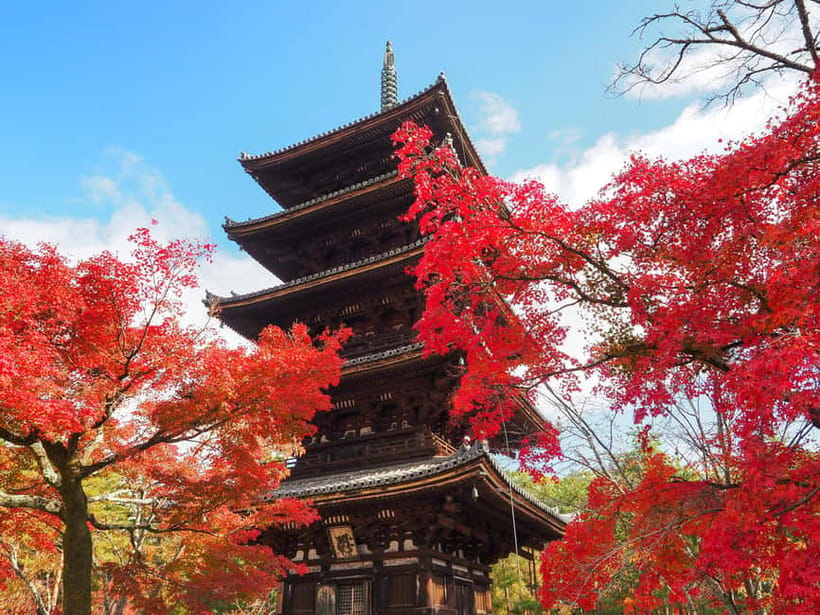
Ninna-ji is known for its long Buddhist roots, founded in 888, and it is the main temple of the Omuro school of the Shingon sect. You feel that importance in the layout and in the way the temple grounds frame nature. Instead of a single centerpiece, you get a series of viewpoints and courtyards that gradually change how the place feels.
Two highlights you should plan around:
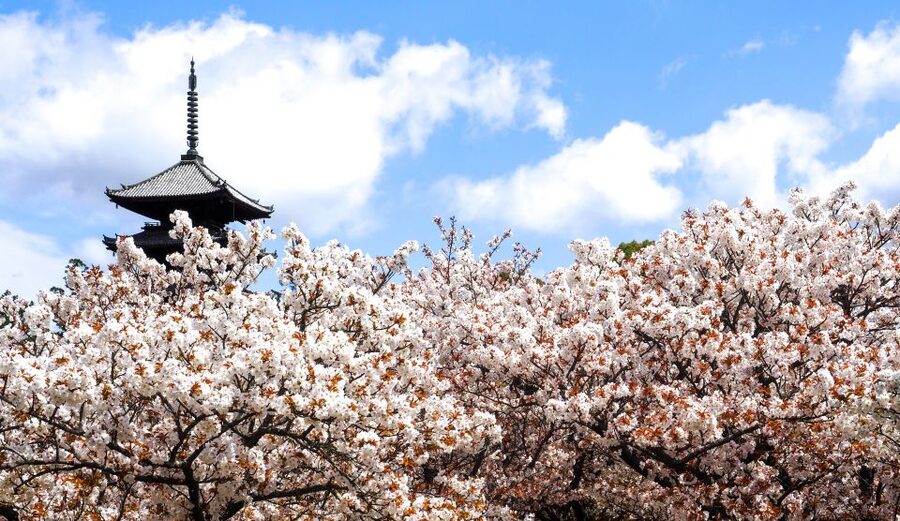
- The five-story pagoda, which is part of what makes Ninna-ji instantly recognizable.
- The Kannon-do area, where you may be able to catch a guide explanation.
I especially like temples where a guide can turn stone and symbolism into something you can actually understand while you’re standing there. One review mentions a special guide inside the Kannon-do who was wonderful and informative, and that matches how these halls often come alive when someone explains what you’re looking at, instead of just pointing.
If you like a day that mixes gentle walking with cultural context, Ninna-ji delivers. If you are chasing only one “perfect shot,” you may feel like you are paying for time you will not fully use. Still, even for quick visitors, the pagoda and the main grounds are worth building a short route around.
Omuro Sakura: Late-Blooming Cherry Trees and the Chumon Fee
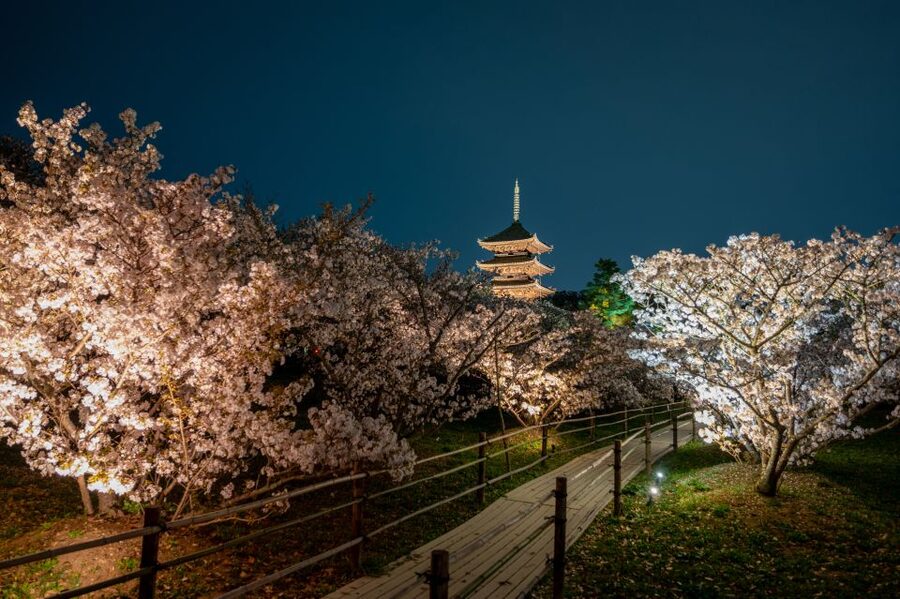
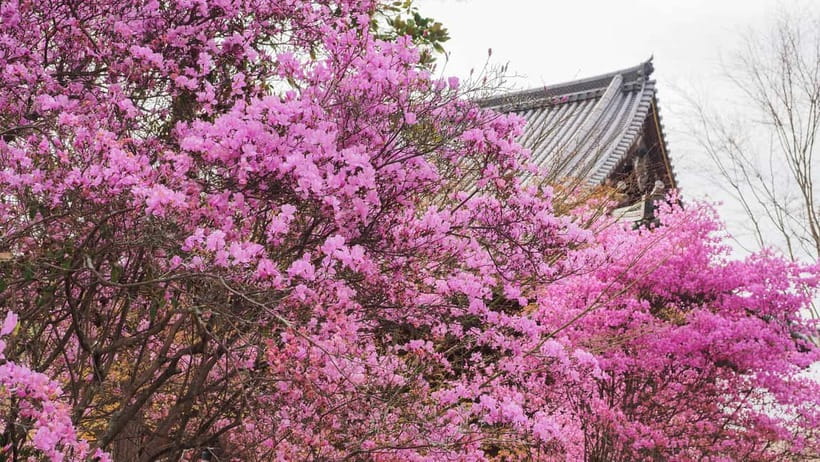
Spring at Ninna-ji is all about the Omuro sakura, the late-blooming cherry trees that make this temple different from the usual Kyoto cherry blossom circuit. These trees tend to bloom later than many other cherry spots, which is great if you travel in the shoulder of peak sakura and want something that still feels seasonal without fighting peak crowds at every corner.
The tricky part is cost and access. During cherry blossom season, there is an admission fee required to enter the area after the Chumon inner gate to view the Omuro sakura. The period when this fee is required can vary depending on when the blossoms are in full bloom. That means you should not assume the fee situation is identical day to day.
Practical advice: if Omuro sakura is your main reason for visiting, plan your timing so you reach the gate zone while you still have energy to explore afterward. Also, keep in mind that paying the extra fee supports preservation of the Omuro sakura, which is one of those “this matters” details that makes the extra cost feel more meaningful.
If you are visiting outside cherry season, you can focus on pagoda views, garden paths, and the pilgrimage course without worrying about that extra gate area.
More Shrine and Temple visits in Kyoto:
- Osaka/Kyoto:Kinkakuji,Arashiyama,FushimiInariShrine,NaraPark
★ 4.1 · 1,596 reviews - Kyoto/Osaka: Nara, Fushimi Inari Taisha, Arashiyama Bus Tour
★ 4.7 · 1,275 reviews - Arashiyama Bamboo, Temple, Monkeys, or Secret Sake Brewery
★ 4.8 · 886 reviews - Osaka/Kyoto: Arashiyama, Nara & Fushimi Inari Shrine w/Lunch
★ 4.4 · 754 reviews
Omuro Pilgrimage Course: A Short Shikoku-Style Walk
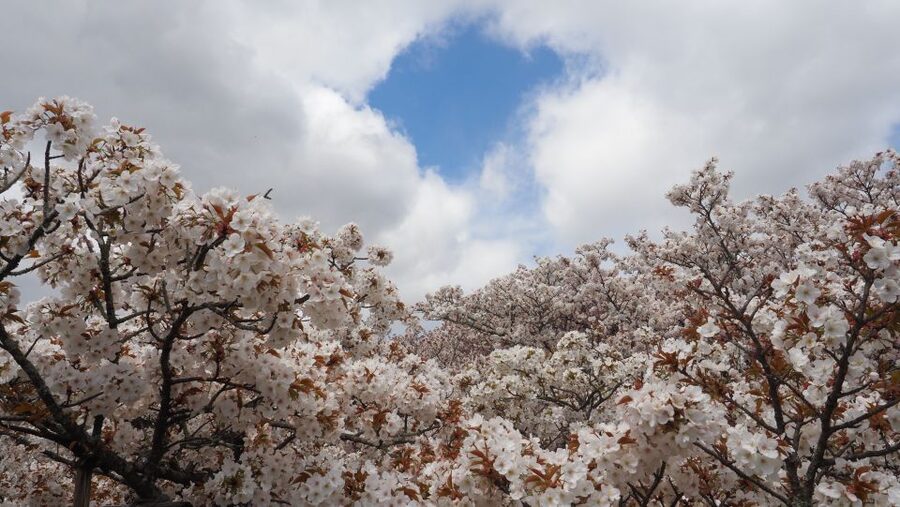
One of my favorite ways to experience large temples is by walking a loop or course, not just hopping between points. The Omuro Pilgrimage course does exactly that. It’s a shorter version of the Shikoku Pilgrimage concept, and it’s designed as a two-hour walk through the sounds and textures of nature around the temple.
What makes this route worth your time is pacing. Instead of feeling like a checklist, you get a rhythm. You move through temple scenery at a human speed, and you can let the seasonal details do the work. This is especially good if you do not have the energy for a full-day multi-temple cram.
During different seasons, the course changes in tone:
- In spring, you’re more likely to catch the late-blooming cherry mood.
- In summer, the temple’s ceremonies can bring a sense of living devotion, not just sightseeing.
- In fall, the buildings can look wrapped in red and yellow shades.
- In winter, you’re looking for a quiet garden calm, often after snow.
If you want an easy win for a single day, this is it. You get a structured route, a manageable time commitment, and nature-led scenery that doesn’t require extra planning beyond arriving with enough time.
Reiho-kan Museum: When You Want Treasures Without the Museum Fatigue
Ninna-ji is not just about outdoor beauty. If you choose the option for the Reiho-kan Museum entrance, you can see important cultural items that belong to Ninna-ji. This is where the temple’s importance becomes more tangible, because you shift from gardens and architecture to artifacts and objects with clear cultural weight.
I like museum add-ons at places like Ninna-ji because they balance the day. You get a break from walking, and you come back outside with a better sense of what you’re seeing. The temple becomes more than scenery.
Potential drawback: museums take time. If you only have a limited interest in artifacts, you might find the day too packed. But if you enjoy cultural context, the Reiho-kan option is a solid use of your ticket value, especially on days when the light outdoors feels flat or when you want a calmer indoor hour.
Goten Palace and Gardens: Where the Day Can Feel Like a Different World
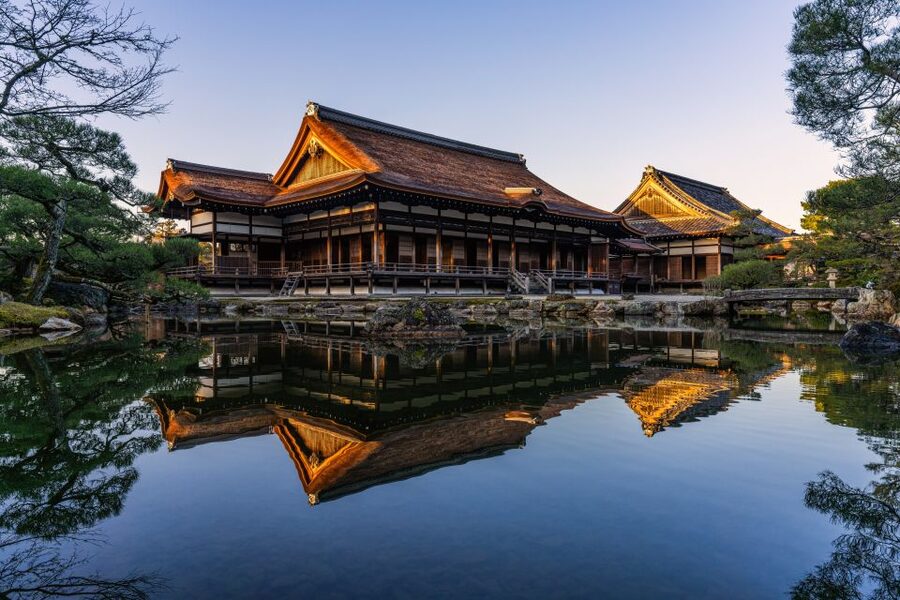
This ticket includes entry to the Goten Palace and gardens (excluding special entrances). That matters because palaces and gardens in Kyoto are not just “nice to see.” They give you a different scale of experience, more refined and more designed for atmosphere.
The gardens can be a highlight year-round, but winter is where this area turns into a specific kind of memory. The provided info notes that you can enjoy snowy scenery of the Goten Palace. If you travel in winter, this is worth prioritizing early, because snow and light can shift quickly and you want the mood when it’s at its best.
Even when there is no snow, the palace and gardens give you that Kyoto feeling of distance from the modern world. It’s not loud, and it does not rush you. For a one-day ticket, that calm is a big part of why Ninna-ji works.
Changing Seasons at Ninna-ji: What Each Time of Year Really Means
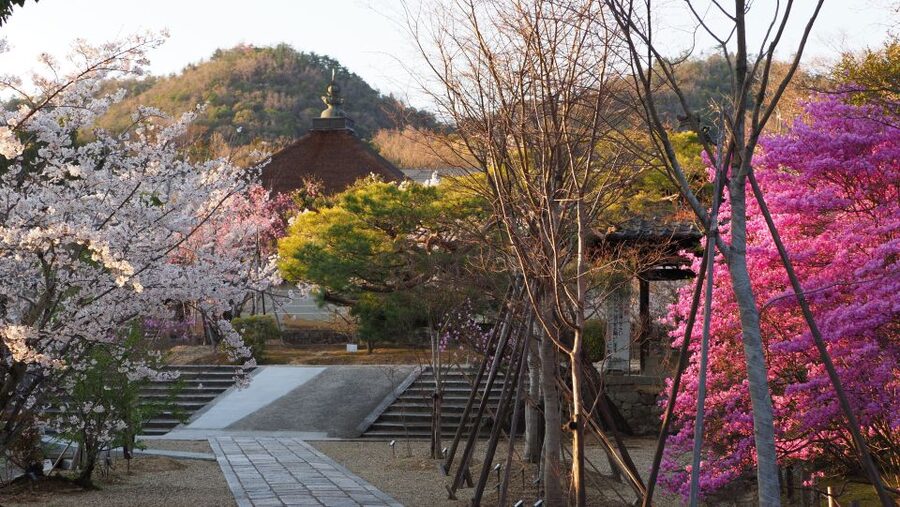
If you like traveling by seasons instead of by landmarks, Ninna-ji is a great choice. The temple experience changes throughout the year, and those shifts are not just cosmetic.
Here’s what to expect:
- Spring: late-blooming cherry blossoms from the Omuro sakura area, plus the soft feeling of gardens and temple buildings in bloom mood.
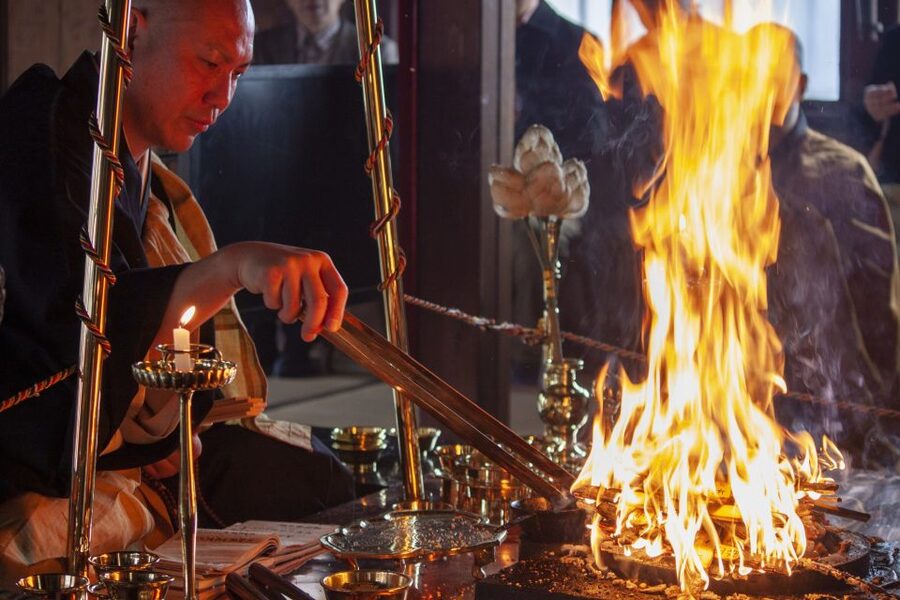
- Summer: many priests in the temple for Buddhist ceremonies, which adds a living, practiced side to the visit.
- Fall: historic buildings enveloped in vivid shades of red and yellow, which turns architecture into a color backdrop.
- Winter: a serene Japanese garden after snowed conditions, and the snowy Goten Palace scenery that can feel almost cinematic.
Season matters because it changes your best route choice. In spring, you’ll likely prioritize cherry viewing areas and allow time for the extra gate fee if it’s active. In summer, you might slow down around ceremonial rhythms and enjoy the human side of temple life. In fall, you can plan photo time when the light hits and when colors look strongest. In winter, focus on the palace and gardens atmosphere early, so you have time to warm up if the cold moves slower than your feet.
What to Do With a One-Day Ticket: A Smart, Low-Stress Route
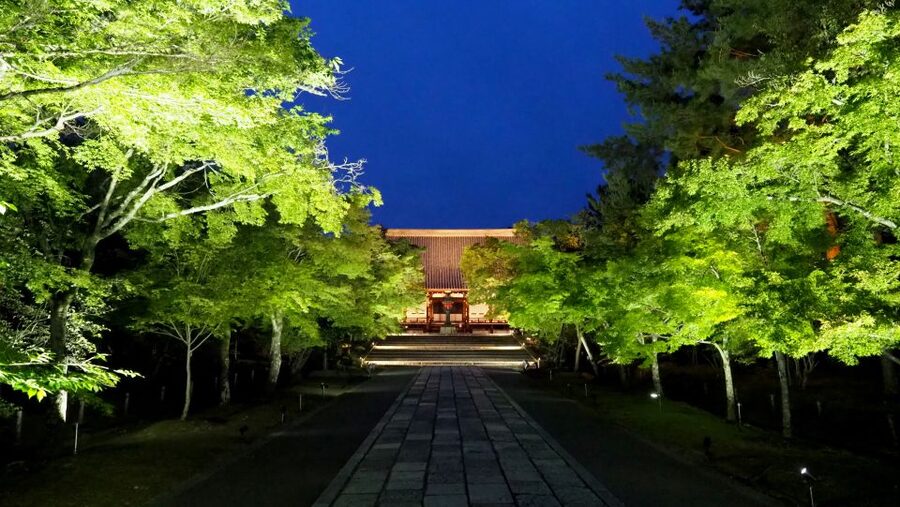
This entry ticket is valid for 1 day, so you want your plan to be simple and forgiving. If you want my practical route logic, it goes like this:
Start with the main temple grounds first, then work your way through key buildings while you still have energy for walking and moving between viewpoints. If Reiho-kan Museum is included in your option, I’d usually place it mid-day as a reset. After that, make space for the Goten Palace and gardens, since that often becomes the most atmospheric part of the visit depending on the season.
If cherry blossoms are involved, build in extra time for possible extra fees after the Chumon inner gate. If you plan to do the Omuro Pilgrimage course, treat it as a main event, not an optional stroll. Two hours sounds manageable, but it is still time on your feet and the terrain and pauses can slow you down.
Also, remember the ticket booths close 30 minutes before closing. That means even if you feel mid-exploration, you will need to wrap up. It’s worth deciding ahead of time where you want your day to end, so you can exit calmly instead of speed-walking.
Should You Book the Ninna-ji Entry Ticket?
Book it if you want a Kyoto temple day that mixes architecture, gardens, and seasonal mood without needing a big budget or a complicated plan. The value is strong, especially when you can enjoy the included palace and gardens access and still have time for the Omuro Pilgrimage course.
Consider a different plan if you’re visiting in cherry blossom peak days and you are sensitive to add-on costs, since viewing the Omuro sakura area after the Chumon inner gate may require an extra admission fee. Also, if your interest in museums is low, you may want to skip the museum option and keep your day more focused outdoors.
If you want a single-day temple experience that feels authentic and changes with the season, this is a smart pick. Go early, plan for your walking time, and let Ninna-ji do what it does best: slow you down in Kyoto.
FAQ
How long is the Ninnaji Temple entry ticket valid?
The ticket is valid for 1 day.
What are the temple opening hours?
From March to November, opening hours are 9:00 AM to 5:00 PM. From December to February, opening hours are 9:00 AM to 4:30 PM.
When do the ticket booths close?
The ticket booths close 30 minutes before the temple closes.
Do I need an extra fee to see the Omuro sakura cherry blossoms?
During the cherry blossom season, you may need an admission fee to enter the area after the Chumon inner gate to view the Omuro Sakura. The timing can vary depending on when the blossoms are in full bloom.
What is included with the ticket?
The ticket includes entry to the Goten palace and gardens. If you select the options, it can also include Reiho-kan Museum entry, flower festival entry, and other special entrance tickets.
Is this experience wheelchair accessible?
Yes, it is wheelchair accessible. People with a physical disability certificate can enter for free, only the person with the certificate, and should ask at the ticket counter.
Newly listed around Kyoto
- Taste of Nishiki Market Walking Food Tour with Local guide★ 5.0 · 17 reviews
- Kyoto: Sushi Making Class with Sushi Chef★ 4.8 · 64 reviews
- Simple Plan with Maiko★ 4.4 · 10 reviews
- Shibori Furoshiki Course at Kyoto Shibori Museum★ 5.0 · 21 reviews
- Kyoto: City Secrets eBike Tour★ 4.9 · 196 reviews
- Sacred Pathways: Discover the Philosopher’s Path of Kyoto★ 4.9 · 20 reviews
- Private Tour to Monkey Park and Arashiyama Highlights★ 5.0 · 22 reviews
- Private Nara Tour from Osaka – Meet at Your Hotel★ 5.0 · 22 reviews
Shrine & Temple Visits, compared.
Fushimi Inari, Kinkakuji, Bamboo Grove 1 Day Bus Tour
Read our review →

Meiji Shrine, Asakusa, Skytree Bus Tour and Cruise
Read our review →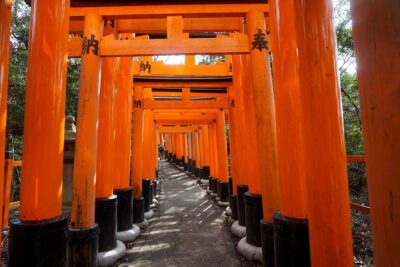
Fushimi Inari Hidden Hiking Tour (Private Option Available)
Read our review →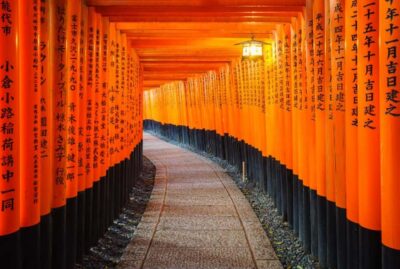
Osaka/Kyoto:Kinkakuji,Arashiyama,FushimiInariShrine,NaraPark
Read our review →
Asakusa Walking Tour with Sensoji Temple Visit
Read our review →
Nikko: Kegon Falls, Lake Chuzenji & Toshogu Temple
Read our review →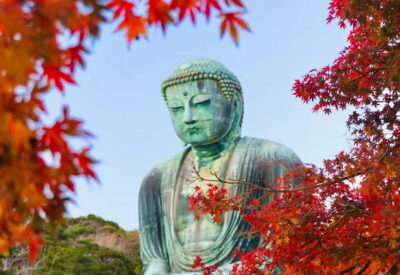
Kamakura & Enoshima Day Trip including Temple Tickets
Read our review →Browse the lists this tour appears in