
Review · SHRINE & TEMPLE VISITS
Kyoto: Zen Experience in a Hidden Temple
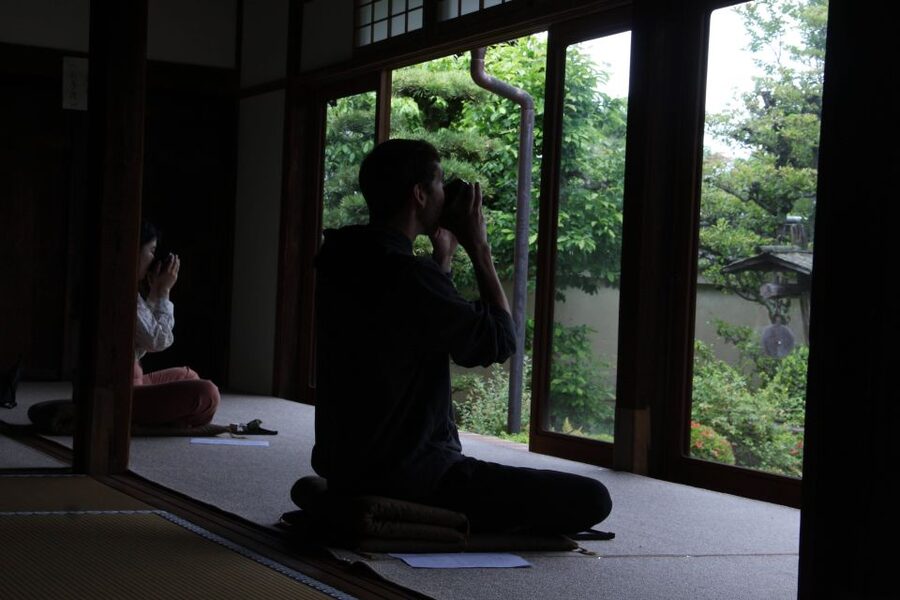
Kyoto can be quiet, on purpose. This 2-hour Zen session at Jusho-in lets you sit zazen with Abbot Eitetsu Nishida in a calm temple setting, then learn what you are actually doing and why it matters. Two standout parts for me are the patient guidance during meditation and the way the matcha lesson turns something everyday into a mindful ritual.
I also love the garden setting, with its seasonal beauty and a long artistic lineage. Your tea comes with Japanese sweets, and you get time to appreciate the grounds after the seated practice. One consideration: the posture is still work. Even with chair options, zazen can feel challenging if you expect it to be effortless, and the tour notes that rented kimono can make sitting uncomfortable.
In This Review
- Quick hits
- Jusho-in Temple at Myoshin-ji, where the pace drops
- Zazen with Abbot Eitetsu Nishida, plain practice first
- The two rounds of zazen, plus Q and A time that helps
- Tea, matcha history, and why sweets belong in a Zen lesson
- The 400-year garden, and how it changes your meditation
- Getting photos without breaking the spell
- Practical value at $109 for a 2-hour Zen reset
- Who should book this Kyoto zazen and matcha lesson?
- If you have extra time, explore Myoshin-ji thoughtfully
- Should you book this Zen zazen and matcha session?
- FAQ
- How long is the experience?
- What language is the tour in?
- What happens during the session?
- Is tea and sweets included?
- Will I get photos after the tour?
- Does the tour run in rain?
- Can I get a refund if I cancel?
- Is the experience wheelchair accessible?
Quick hits
- Abbot Eitetsu Nishida teaches the zazen mindset, not just the steps
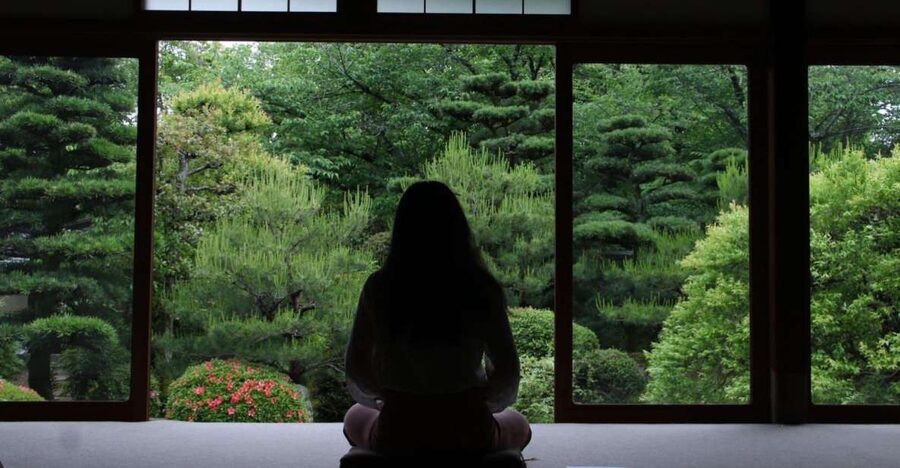
- Two 20-minute zazen sessions give you a real taste of Zen practice time
- Matcha and seasonal sweets connect directly to Zen habits of attention
- Jusho-in is part of Myoshin-ji, founded in 1599, with a 400-year-old garden feel
- A photographer captures your moments, so you do not keep checking your phone
- Chairs are available, but meditation etiquette still asks you to try
Jusho-in Temple at Myoshin-ji, where the pace drops
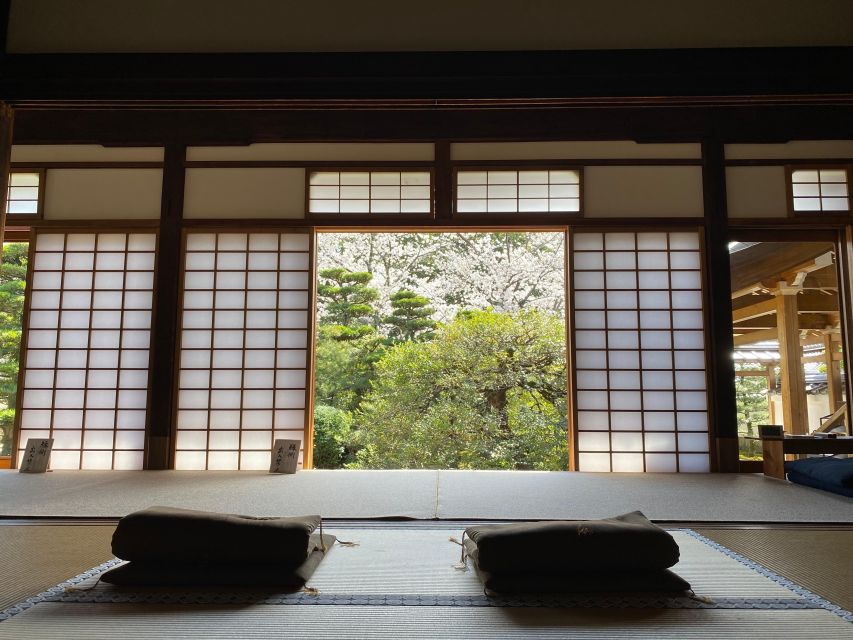
Most Kyoto sightseeing hits you fast, walking from one highlight to the next. This starts with a different vibe, at Myoshin-ji’s north gate, then a walk into Jusho-in. You feel the shift quickly. The temple atmosphere is meant for focus, so even before you sit down, the day already asks you to slow your mind down.
Jusho-in is a sub-temple within Myoshin-ji, founded in 1599. It has about 420 years of history, and it is one of 46 sub-temples in the larger complex. That matters because you are not just popping into a pretty space. You are entering a place with a living practice tradition.
The garden is a major part of the experience, and it has an “unchanged since creation” story. It is attributed to Eitoku Kano, a renowned 16th-century painter. The result is that you are not constantly chasing the next photo. You are sitting in the same kind of viewpoint the garden was designed to hold.
More Shrine & Temple Visits in Kyoto
- Kyoto: Fushimi Inari, Kinkakuji, Bamboo Grove 1 Day Bus Tour
★ 4.8 · 4,316 reviews - Kyoto: Tea Ceremony Ju-An at Jotokuji Temple
★ 4.9 · 3,207 reviews - Fushimi Inari Hidden Hiking Tour (Private Option Available)
★ 5.0 · 1,750 reviews
Zazen with Abbot Eitetsu Nishida, plain practice first
Zen can sound mystical until you are actually sitting. What makes this work well is that the chief priest, Eitetsu Nishida, guides you through what to do and how to relate to the moment while doing it. This is Rinzai Zen, a branch of Zen Buddhism known for intense practice, with the idea of sudden enlightenment (satori) through disciplined experience.
The tour also frames Zen in a practical way. It is Zen as direct experience, not Zen as text. So you are not just hearing philosophy. You are putting attention into a body action: seated meditation.
You get “two sets” of zazen practice, with clear timing. Two 20-minute segments sounds short on paper, but it is long enough to feel your mind fight you. That is a good thing. People often expect meditation to mean empty thoughts right away. Instead, you learn that the practice is noticing distraction and returning to posture and breath.
The day includes a chief priest sermon as well. That adds context without turning the experience into a lecture marathon. Expect explanations and guidance that aim to make the sitting possible, even if you have never meditated before.
The two rounds of zazen, plus Q and A time that helps
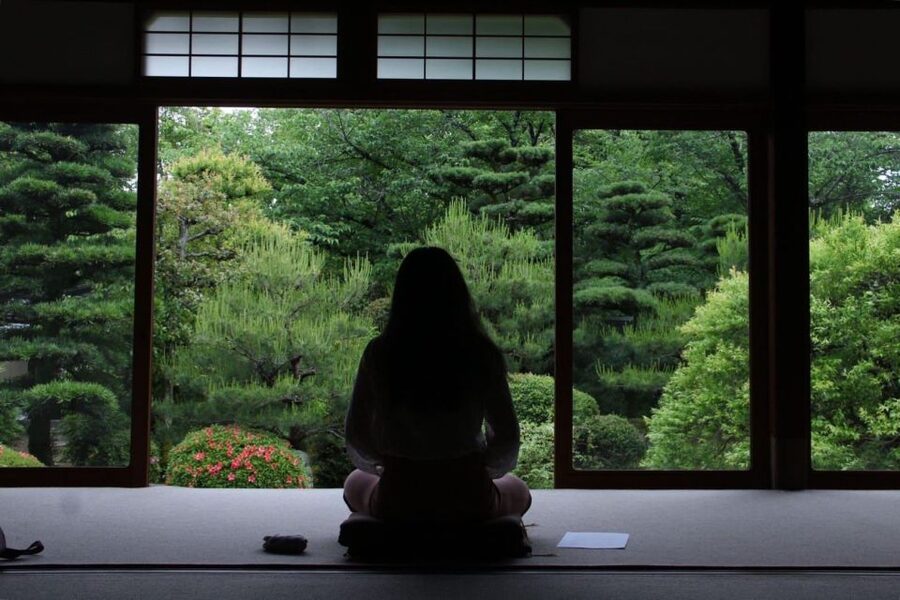
The structure is simple: meet, walk, then two 20-minute zazen sessions. Between the rounds, there is time for a break with stretching and chances to ask questions. That in-between moment is more important than it sounds. It gives your body time to recover, and it gives your brain a chance to stop guessing.
In this kind of practice, the hardest part is often not the idea of meditation. It is the physical reality of staying still, and the mental reality of trying to control your thoughts. People find it challenging to think about nothing, and that is normal.
A practical tip: take advantage of the support offered. The tour states that chairs are available for those who need them. So if you know you cannot sit cross-legged for long, do not silently “push through” out of pride. Use the chair option and focus on posture and awareness as best you can.
There are also notes about comfort. The tour runs rain or shine. In colder weather, the experience may be done with doors open to the garden side, and you might be offered blankets. If you are going in winter or early spring, pack for cool temple air. Comfortable layers matter more than fashion.
Tea, matcha history, and why sweets belong in a Zen lesson
After the second zazen session, you shift from sitting practice to a tea experience with matcha and traditional seasonal sweets. The chef’s key idea here is not just how to drink matcha, but how the ritual supports attention.
Eitetsu Nishida explains matcha and its history, so you have meaning behind the taste. Then you enjoy the matcha with Japanese sweets while taking in the garden. That pairing is smart. Tea gives you a slower sensory reset after meditation. You are not suddenly “done” with calm. You are continuing the same mind training through taste, temperature, and careful movement.
Matcha itself is the star. You learn more than just sip it, enjoy it. The tea experience includes guidance on the right way to drink and receive it, so you can participate without feeling like you are performing.
And the sweets are not random. The tour notes that seasonal sweets are served alongside matcha. In practice, this means you are meant to notice timing, texture, and how the meal fits the moment. Even people who are not big dessert fans tend to remember this part because it feels connected to the sitting rather than tacked on at the end.
More Shrine and Temple visits in Kyoto:
- Osaka/Kyoto:Kinkakuji,Arashiyama,FushimiInariShrine,NaraPark
★ 4.1 · 1,596 reviews - Kyoto/Osaka: Nara, Fushimi Inari Taisha, Arashiyama Bus Tour
★ 4.7 · 1,275 reviews - Arashiyama Bamboo, Temple, Monkeys, or Secret Sake Brewery
★ 4.8 · 886 reviews - Osaka/Kyoto: Arashiyama, Nara & Fushimi Inari Shrine w/Lunch
★ 4.4 · 754 reviews
The 400-year garden, and how it changes your meditation
The garden is doing more than looking pretty. Sitting with a garden view changes your attention. Instead of turning inward only, you get a gentle outside reference point. That can help you stay present when your mind starts spiraling into self-judgment.
Jusho-in’s garden is tied to seasons in a literal way. You can see cherry blossoms in spring, fresh greenery in summer, autumn leaves, and snow in winter. Even if the season you visit is different from someone else’s photo, the experience is designed around the seasonal cycle.
Also, you stay in a temple environment made for quiet. That is why many people love that this is not part of the busiest Kyoto circuits. It is a chance to step away from the crush and let a slower rhythm take over.
One more detail that matters: seating is assigned in the order of reservations. That means you should book earlier if you have strong preferences about where you sit. If you want the garden-facing view most directly, earlier reservations give you more control.
Getting photos without breaking the spell
Meditation and phones do not mix well. This tour solves that with a photographer. You get moments captured during the experience with a single-lens reflex camera, and you receive the photo data a few days after the tour ends.
This is one of those “small but brilliant” decisions. It lets you stop worrying about whether your knees look okay or whether you missed the best angle of the garden. You can actually do the practice, then keep the memory later.
It also helps for couples and families who want something more personal than a generic temple shot. The photo is not the point of Zen, but it is a thoughtful memory of a specific day and a specific room.
Practical value at $109 for a 2-hour Zen reset
At $109 per person, this is not the cheapest activity in Kyoto. But for what you get, it reads as fair value.
You are paying for several things at once:
- access to the temple experience and entry ticket
- instruction from the chief priest (and the sermon portion)
- a guided meditation structure with trained support
- matcha and seasonal sweets
- a professional photoshoot with digital photo delivery
The time is also used efficiently. Two hours is long enough for you to go through two meditation rounds and still end with a calm tea segment. It is not a half-day time sink.
The biggest value piece is that the instruction comes from a real abbot at Jusho-in. That is hard to replicate casually while you are traveling. Most people can find a temple photo spot on their own. Few can get hands-on guidance on posture, attention, and etiquette in a setting made for practice.
If you are debating between this and another Kyoto morning, I would use this rule: if you want quiet meaning, choose this. If you just want more sights, you might feel shortchanged.
Who should book this Kyoto zazen and matcha lesson?
This is best for people who want a structured calm break from Kyoto’s busy energy. It is ideal if you:
- have tried meditation before and want a clearer starting point
- are a beginner and prefer guided instruction with a real teacher
- care about Japanese culture beyond food and photos
- want a morning that feels orderly, respectful, and peaceful
It is open to all ages, but it is not wheelchair accessible. Still, chairs are available during zazen for those who need assistance. So think of it as “inclusive with practical options,” not “no barriers.”
One more note: the tour does not recommend renting a kimono for this experience. If you are planning to wear one, you might find it harder to sit comfortably. Choose comfort over cuteness for this particular appointment.
If you have extra time, explore Myoshin-ji thoughtfully
Your tour time is focused, but Myoshin-ji is large enough to reward a little extra walking if your schedule allows. In the wider complex, there are additional charms and main-temple details. For example, there is a Bell of Good Connections. Also, some areas, like parts of the main temple interior, may have photo restrictions, so keep your phone away when asked.
Think of it this way: your zazen session gives you the mindset. A little extra time in the same complex helps you carry that feeling outward instead of snapping back into tourist mode.
Should you book this Zen zazen and matcha session?
I think you should book if you want Kyoto to feel quieter and more intentional than your average morning. Two guided zazen rounds plus matcha and sweets, taught by Abbot Eitetsu Nishida, is a very focused use of time. The garden viewpoint and the photographer add comfort, so you can actually participate.
Skip it if you hate sitting still or you expect meditation to be easy. Also skip it if you want lots of wandering and viewpoints in a single morning. This experience is about practice and etiquette, not about checking off landmarks.
If you do book, arrive ready to participate. Choose comfortable clothing, consider using the chair option if you need it, and let your phone stay out during meditation. Then, when matcha arrives, notice how the taste and the calm connect. That is the point.
FAQ
How long is the experience?
It lasts about 2 hours, including explanations for zazen and tea.
What language is the tour in?
The tour is offered in English.
What happens during the session?
You walk to Jusho-in, practice zazen in two 20-minute sets, learn about matcha, and enjoy matcha with traditional seasonal sweets in the garden.
Is tea and sweets included?
Yes. Japanese tea and sweets are included.
Will I get photos after the tour?
Yes. A photographer takes photos during the experience, and you receive the photo data a few days after the tour ends.
Does the tour run in rain?
Yes, it runs rain or shine.
Can I get a refund if I cancel?
Full refunds are available for cancellations up to 24 hours before the tour.
Is the experience wheelchair accessible?
It is not wheelchair accessible. Chairs are available for those needing assistance during zazen.
Newly listed around Kyoto
- Taste of Nishiki Market Walking Food Tour with Local guide★ 5.0 · 17 reviews
- Kyoto: Sushi Making Class with Sushi Chef★ 4.8 · 64 reviews
- Simple Plan with Maiko★ 4.4 · 10 reviews
- Shibori Furoshiki Course at Kyoto Shibori Museum★ 5.0 · 21 reviews
- Kyoto: City Secrets eBike Tour★ 4.9 · 196 reviews
- Sacred Pathways: Discover the Philosopher’s Path of Kyoto★ 4.9 · 20 reviews
- Private Tour to Monkey Park and Arashiyama Highlights★ 5.0 · 22 reviews
- Private Nara Tour from Osaka – Meet at Your Hotel★ 5.0 · 22 reviews
Shrine & Temple Visits, compared.

Fushimi Inari, Kinkakuji, Bamboo Grove 1 Day Bus Tour
Read our review →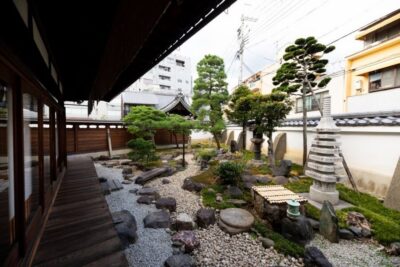

Meiji Shrine, Asakusa, Skytree Bus Tour and Cruise
Read our review →
Fushimi Inari Hidden Hiking Tour (Private Option Available)
Read our review →
Osaka/Kyoto:Kinkakuji,Arashiyama,FushimiInariShrine,NaraPark
Read our review →
Asakusa Walking Tour with Sensoji Temple Visit
Read our review →
Nikko: Kegon Falls, Lake Chuzenji & Toshogu Temple
Read our review →
Kamakura & Enoshima Day Trip including Temple Tickets
Read our review →Browse the lists this tour appears in