
Review · SHRINE & TEMPLE VISITS
Kyoto: Zen Meditation and Garden Tour at a Temple with Lunch
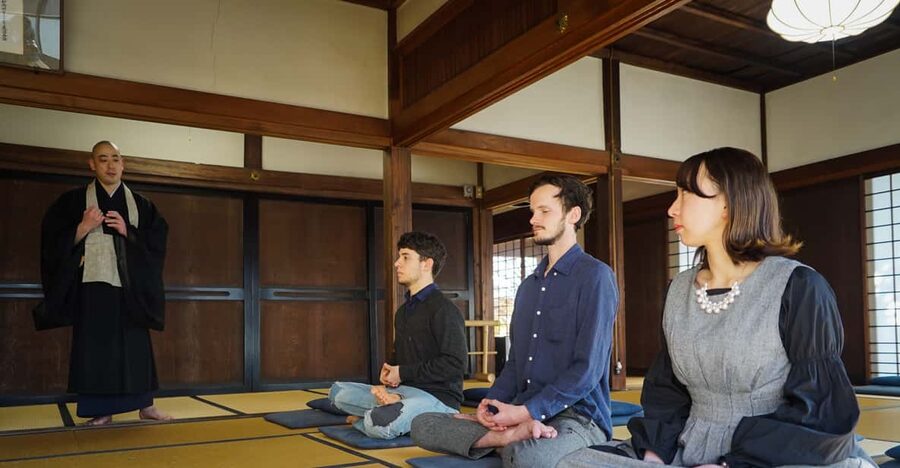
Zen looks simple, then it gets real. This Kyoto tour takes you to Tofuku-ji, one of Kyoto’s five Great Zen temples, with guided time in the Zen garden before you sit in zazen with a monk. I love that you get practical coaching on posture and breathing, not just ideas from a textbook, and I also love the temple pace, including the San-mon gate, dragon ceiling paintings, and even the oldest surviving toji (temple toilet) sight. The main consideration: during zazen, the group stays quiet, and you may not get a lot of back-and-forth during that hour.
One more thing I really like is the human scale. This is a small-group experience limited to 7 people, with photos included, so it feels more personal than a drive-by temple checklist. You also finish with Shojin Ryori, a monk-style vegetarian lunch, which makes the day feel complete rather than rushed.
In This Review
- Key things to plan for
- Komyo-in Garden: Zen ideas you can actually use
- Tofuku-ji Temple Highlights: San-mon gate and dragon ceilings
- Shōrin-ji (Bishamon-dō): Where the zazen happens
- Zazen posture and breathing: What you’ll practice, not just hear
- Shojin Ryori lunch: Monk-style vegetarian food after meditation
- Temple pacing and the value of a small group
- Price and value: Is $107 worth it?
- Logistics that can make or break your day
- Who should book this Kyoto Zen meditation and lunch tour
- Should you book this Kyoto Zen meditation and garden tour?
- FAQ
- What is the duration of the Kyoto Zen Meditation and Garden Tour with lunch?
- Where is the meeting point?
- Is there an English guide?
- Is lunch included?
- How long is the meditation session?
- Is this tour suitable for children?
- Is the tour gluten-free?
- What should I bring for the trip?
Key things to plan for
- Tofuku-ji Zen garden first, so you understand Zen principles before the sitting begins
- Zazen with a monk at a smaller practice spot inside the complex, guided and then silent
- Temple stops in a smart order, including San-mon gate and dragon ceiling paintings
- Shojin Ryori lunch after meditation, with dashi included and some dairy
- Small group (7 max) and English guide support, with quiet rules during meditation
Komyo-in Garden: Zen ideas you can actually use
The day starts near Tofukuji Station, outside Exit 2 by a FamilyMart. From there, you head into the temple grounds with a local guide who sets the tone: Zen is not always explained as meditation first, even in Japan. Instead, you begin with the Zen garden, learning how to look at it and how to connect that calm focus to zazen.
I like this approach because it prevents the classic tourist mistake. If you only show up for meditation, you might feel like you’re being dropped into silence with no context. Here, the guide gives you a lens for what you’re seeing, and that makes the whole experience feel less mysterious and more doable.
You’ll also notice the practical rhythm of temple spaces. People move slowly, voices soften naturally, and the garden becomes a kind of warm-up for the stillness to come. It’s a gentle way to shift your brain from sightseeing mode into attention mode.
More Shrine & Temple Visits in Kyoto
- Kyoto: Fushimi Inari, Kinkakuji, Bamboo Grove 1 Day Bus Tour
★ 4.8 · 4,316 reviews - Kyoto: Tea Ceremony Ju-An at Jotokuji Temple
★ 4.9 · 3,207 reviews - Fushimi Inari Hidden Hiking Tour (Private Option Available)
★ 5.0 · 1,750 reviews
Tofuku-ji Temple Highlights: San-mon gate and dragon ceilings
After the garden time, you continue deeper into Tofuku-ji Temple, part of a major Zen center where monks have practiced for centuries. One stop is brief, but it’s full of eye candy and meaning: the San-mon gate and the dragon ceiling paintings you can look at carefully instead of just snapping a photo and moving on.
Then there’s a detail I appreciate because it feels real, not overly theatrical. You’ll see the oldest surviving toji, described as a temple toilet. Yes, it’s funny in a deadpan sort of way, but it also grounds the visit. This is a working place of practice, not only a museum.
A quick note on time here. This temple segment is relatively short, so if you’re the type who wants to photograph every angle for 45 minutes, you might feel you’re moving faster than you’d like. The tradeoff is that you get to the meditation without burning the day.
Shōrin-ji (Bishamon-dō): Where the zazen happens
Next comes Shōrin-ji (Bishamon-dō), where your schedule shifts from walking and learning into the one-hour zazen experience. This is the heart of the tour, and it’s done with intention.
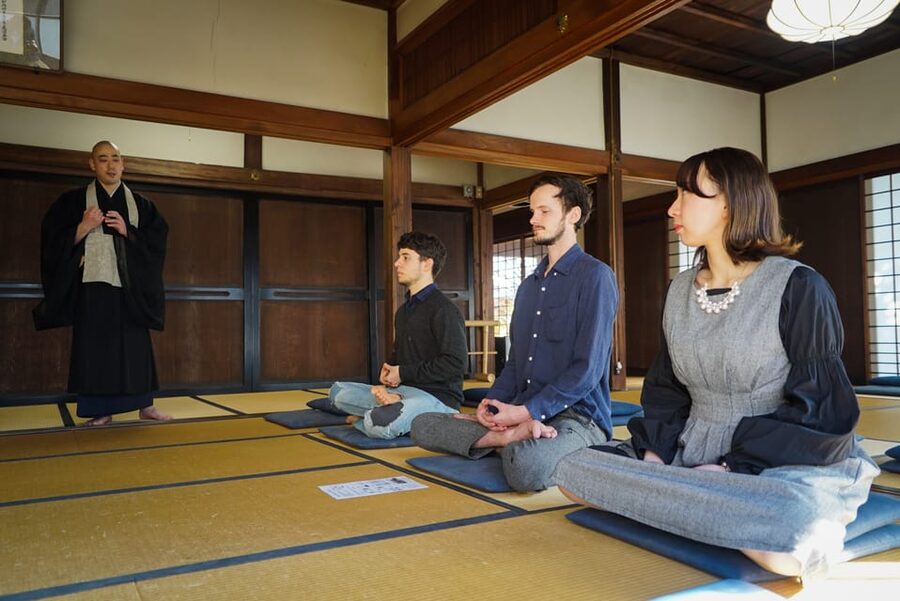
Before you sit, the guide helps set expectations and you’re shown the basics, including instruction on posture and breathing techniques. After that, you’ll enter a period of silence where your group keeps quiet, and you read silently from materials provided for the session.
This part matters more than people think. If you’re hoping for a dialogue with a monk during the hour, you may be surprised. The structure is meant for focus, not conversation. I’m fine with that, but it helps to know ahead of time so you’re not mentally fighting the rules.
You should also be ready for language reality. Some sessions may involve a monk who does not speak English directly, so the tour support and the silent reading materials do the heavy lifting. If you want to ask questions, the format includes a discussion after meditation with monks, where your guide can help translate.
Zazen posture and breathing: What you’ll practice, not just hear
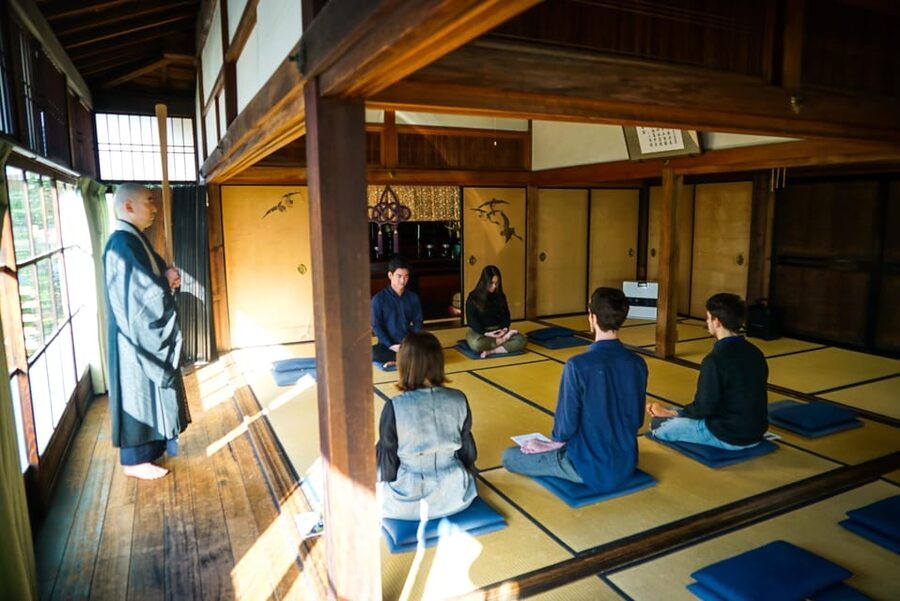
Even without getting technical or overly spiritual, this tour gives you enough structure to follow along. The guide covers the posture and breathing techniques, plus the methods and ideas tied to zazen. You’re not expected to be a meditation pro.
What I like about this is how it turns curiosity into action. You can leave the temple with something practical, like a repeatable way to sit, breathe, and focus. You’re also given context for why Zen practice is framed through discipline and attention rather than performance.
One small tip: wear clothes you can sit comfortably in. It sounds obvious, but when you’re sitting still for an hour, the wrong shoes or tight layers become annoying fast.
More Shrine and Temple visits in Kyoto:
- Osaka/Kyoto:Kinkakuji,Arashiyama,FushimiInariShrine,NaraPark
★ 4.1 · 1,596 reviews - Kyoto/Osaka: Nara, Fushimi Inari Taisha, Arashiyama Bus Tour
★ 4.7 · 1,275 reviews - Arashiyama Bamboo, Temple, Monkeys, or Secret Sake Brewery
★ 4.8 · 886 reviews - Osaka/Kyoto: Arashiyama, Nara & Fushimi Inari Shrine w/Lunch
★ 4.4 · 754 reviews
Shojin Ryori lunch: Monk-style vegetarian food after meditation
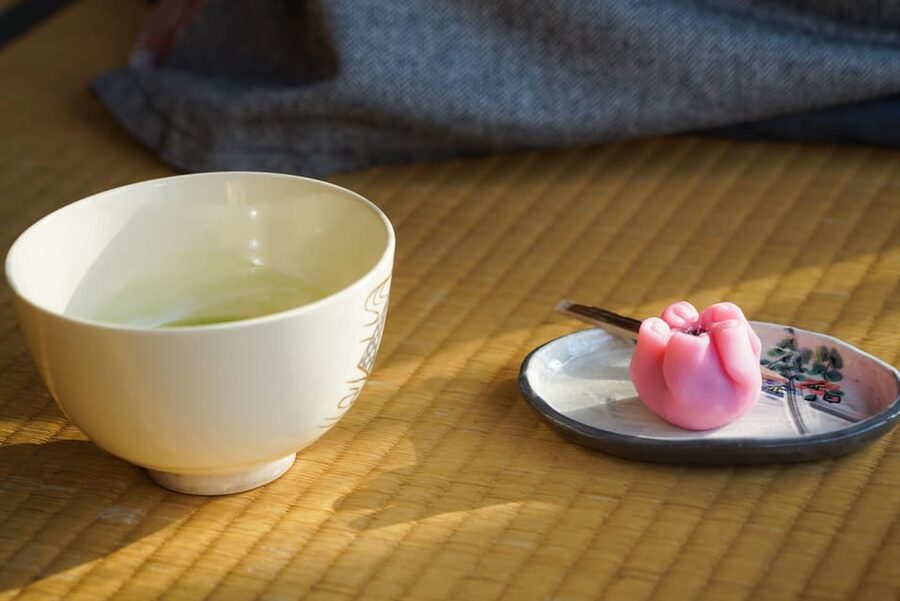
After meditation, you take a short walk to lunch. This is Shojin Ryori, a vegetarian style of Japanese monk cuisine that uses vegetables, mushrooms, and seaweed, and skips meat and fish.
Two details are worth calling out. First, dashi is included, so the flavor is savory and deeply Japanese. Second, the menu includes a bit of dairy, so this is not a strict vegan meal.
If you’re expecting plain health-food salad, adjust your mental picture. Shojin Ryori is satisfying, built for long temple days. You’ll also get a sense of what food culture looked like in training communities. The restaurant is adjacent to a temple that once trained up to 1,200 Buddhist monks, so the meal has strong historical atmosphere, even if you’re eating in modern comfort.
Timing-wise, lunch can land later depending on your start time. If your tour begins at 10:45, lunch is at 14:15, so plan a proper breakfast or brunch.
Temple pacing and the value of a small group
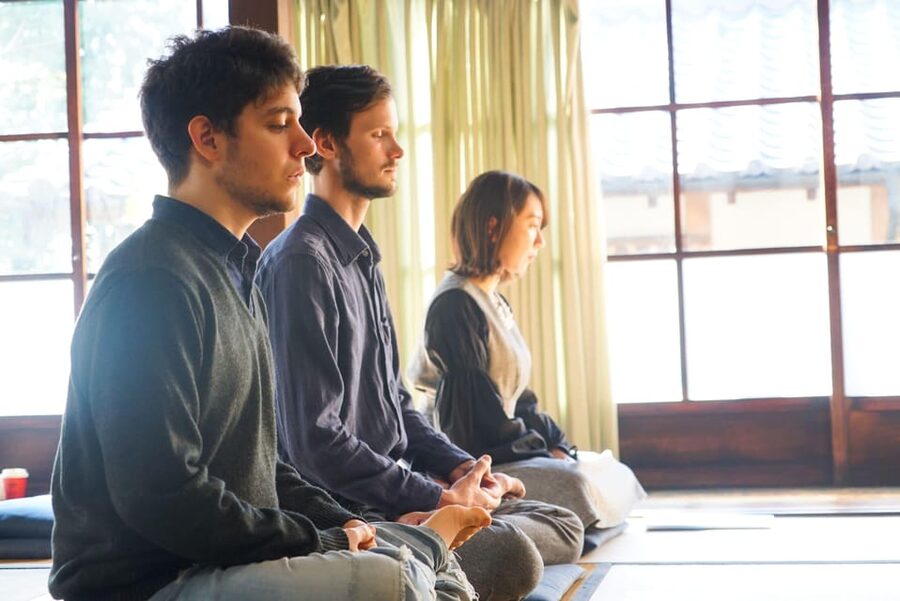
This tour stays intimate by design, limited to 7 participants. That small size is a big quality-of-life upgrade in Kyoto, especially when you’re entering quiet spaces and following a guided path.
I also like that the experience includes photos during the tour. In other temple tours, you end up asking strangers to take shots and then nobody gets everyone in frame. Here, you don’t have to think about it.
The other pacing advantage is the order of activities. You start with garden viewing, then move through temple highlights, then sit, then eat. That flow avoids the common problem of doing meditation too late in a day when your legs are tired and your attention is scattered.
Price and value: Is $107 worth it?
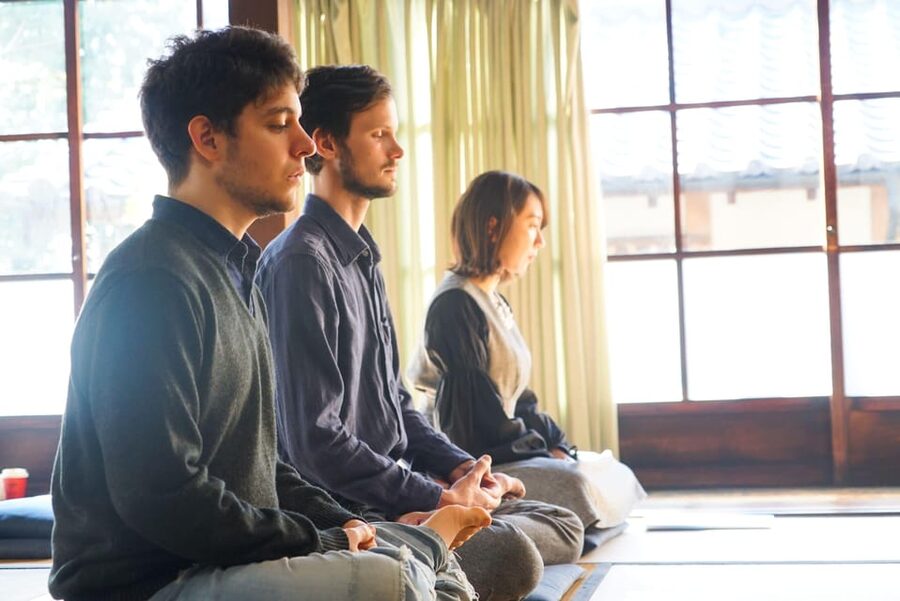
At $107 per person for about 270 minutes (4.5 hours), this isn’t a budget splurge. But you’re paying for several things that add up in Japan.
You get:
- A guided Zen garden experience
- Temple and admission time
- A guided zazen session with monk participation
- English live guide support
- A traditional Shojin Ryori lunch
- Group photos and included materials
From a value standpoint, the lunch is not an afterthought. Many tours toss in a quick snack and call it a meal. Here, lunch is structured as part of the Zen day, and the Shojin Ryori connection is part of the cultural story.
If you’re trying to recreate this on your own, you’d spend time figuring out the right temple route, figuring out meditation etiquette, and finding the right monk-guided moment. This tour compresses all of that into a half-day format.
Logistics that can make or break your day
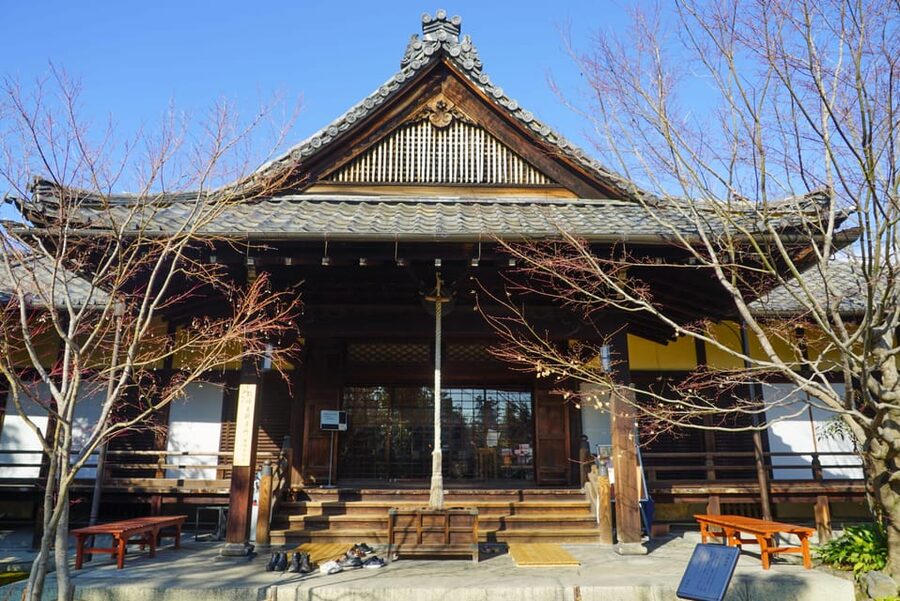
Temple days run on time. The tour must start on time, and if you’re late and miss the group, you can’t join and you won’t be able to reschedule on the spot.
So I’d treat the meeting point like a flight gate. Meet it early. The instructions are specific: outside Tofukuji Station Exit 2, next to the FamilyMart. One real-world lesson from a guest experience: if you arrive by taxi and the driver drops you somewhere else, you can end up sprinting to the correct entrance. Save yourself that stress by telling the driver Exit 2, FamilyMart side, at Tofukuji Station.
You’ll also want to pack for real Kyoto weather. Summers are hot and humid, so bring water and a hat. In winter, temple floors can be cold, so thick socks are a smart move.
Finally, this isn’t set up for kids under 12. And if you have a gluten intolerance, this tour isn’t suitable.
Who should book this Kyoto Zen meditation and lunch tour
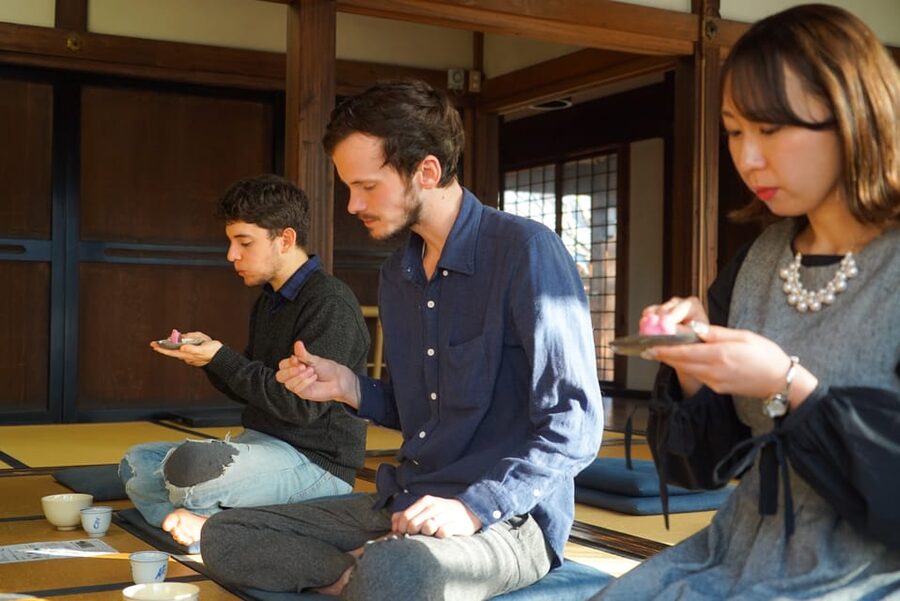
This is a great pick if you want more than postcard temples. I’d book it if you’re curious about Zen but you also want a practical “how to sit and breathe” guide, plus a cultural context for what you’re seeing in the garden.
You’ll also like it if you prefer small groups. With 7 people max, the experience feels calm rather than crowded, which matters during silent meditation.
It’s less ideal if you need nonstop talking during the zazen hour, because quiet is enforced. It’s also not the best fit if you struggle with waiting in silence, even if the guide is warm and the materials help.
Should you book this Kyoto Zen meditation and garden tour?
I think this is a strong yes for the right traveler. If you want a genuine taste of Zen practice, with guided context in the garden and a real zazen session, this is one of the most direct ways to do it in Kyoto. The Shojin Ryori lunch afterward adds a satisfying, culturally grounded ending.
Book it if:
- You want an English-guided day built around zazen, not just temple photos
- You like small groups and calm rules
- You’re comfortable with silence during meditation
Skip it or consider alternatives if:
- You need lots of Q and A during the zazen hour
- You’re very sensitive to language barriers during monk-led parts
- You’re traveling with kids under 12, or you need a gluten-free option
If your goal is to leave Kyoto feeling calmer and more centered, this tour gives you time to practice, not just to watch.
FAQ
What is the duration of the Kyoto Zen Meditation and Garden Tour with lunch?
The tour runs for about 270 minutes, or roughly 4.5 hours.
Where is the meeting point?
Meet outside Tofukuji Station Exit 2, next to the FamilyMart.
Is there an English guide?
Yes. The tour includes a live English-speaking guide.
Is lunch included?
Yes. Lunch is included and is a Shojin Ryori traditional vegetarian meal, with dashi included, and a bit of dairy.
How long is the meditation session?
The zazen session is about one hour.
Is this tour suitable for children?
No. It is not suitable for children under 12.
Is the tour gluten-free?
No. The tour is not suitable for people with gluten intolerance.
What should I bring for the trip?
Bring water and a hat for Kyoto’s hot, humid summers. In winter, wear thick socks because temple floors can be cold.
Newly listed around Kyoto
- Taste of Nishiki Market Walking Food Tour with Local guide★ 5.0 · 17 reviews
- Kyoto: Sushi Making Class with Sushi Chef★ 4.8 · 64 reviews
- Simple Plan with Maiko★ 4.4 · 10 reviews
- Shibori Furoshiki Course at Kyoto Shibori Museum★ 5.0 · 21 reviews
- Kyoto: City Secrets eBike Tour★ 4.9 · 196 reviews
- Sacred Pathways: Discover the Philosopher’s Path of Kyoto★ 4.9 · 20 reviews
- Private Tour to Monkey Park and Arashiyama Highlights★ 5.0 · 22 reviews
- Private Nara Tour from Osaka – Meet at Your Hotel★ 5.0 · 22 reviews
Shrine & Temple Visits, compared.

Fushimi Inari, Kinkakuji, Bamboo Grove 1 Day Bus Tour
Read our review →

Meiji Shrine, Asakusa, Skytree Bus Tour and Cruise
Read our review →
Fushimi Inari Hidden Hiking Tour (Private Option Available)
Read our review →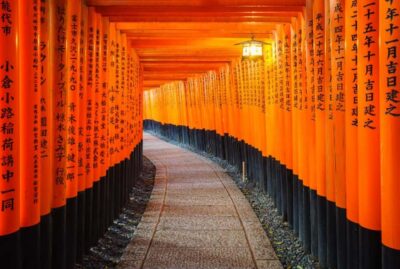
Osaka/Kyoto:Kinkakuji,Arashiyama,FushimiInariShrine,NaraPark
Read our review →
Asakusa Walking Tour with Sensoji Temple Visit
Read our review →
Nikko: Kegon Falls, Lake Chuzenji & Toshogu Temple
Read our review →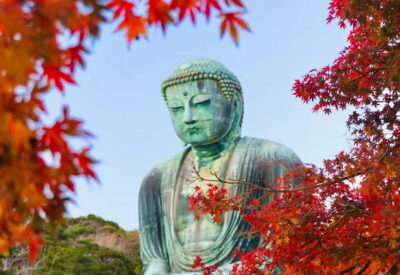
Kamakura & Enoshima Day Trip including Temple Tickets
Read our review →Browse the lists this tour appears in