
Review · SHRINE & TEMPLE VISITS
Kyoto: Zen Meditation at a Private Temple with a Monk
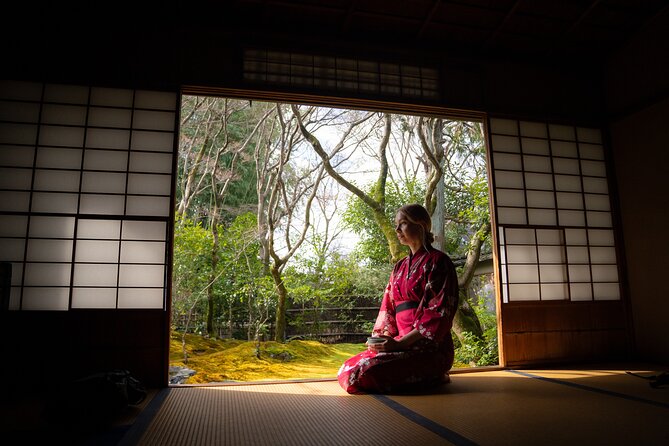
Kyoto can be loud, but this experience finds quiet. You get monk-led Zazen at a temple not open to the general public, tucked behind Kodaiji Park. It ends the way Zen often should, with tea, gardens, and a calm chance to talk things through.
Two things I really like: the session is hands-on, so you’re not just watching. And the English translation is a big part of the value, with guides like Kohtaro, Soma, and Satoru repeatedly praised for clear, smooth interpretation that makes the monk’s instruction actually usable.
One consideration before you book: it’s a 10-minute walk from Kodaiji Park, and the temple visit is not suitable for everyone. If you have mobility limits, claustrophobia, or a fear of heights, you may want to skip this one.
In This Review
- Key highlights I’d plan around
- Why Zen with a Monk in Kyoto Feels More Real Than a Show
- Kodaiji Park Meeting Point and the Short Walk That Sets the Tone
- The 1-Hour Temple Visit: What You Actually Do During the Class
- Zazen Practice: Breathing Rhythm and Letting Go of the Noise
- Tea Ceremony and Garden Views That Make the Ending Worth It
- The People Factor: Guides Like Kohtaro, Soma, and Satoru Make It Click
- Photos, Questions, and Real Monastic Conversation
- Price and Value: What $91 for 90 Minutes Really Buys You
- Who Should Book This Zen Session, and Who Should Skip It
- Practical Tips So You Can Focus on the Sitting, Not the Chaos
- Should You Book This Kyoto Zen Meditation at a Private Temple?
- FAQ
- Where is the meeting point for the Zen meditation?
- How long is the experience?
- What is the price per person?
- What language is the tour guide?
- Is transportation included?
- What’s included in the session?
- Is there tea included?
- Can I take photos during the experience?
- Who should avoid booking this activity?
- What group size is it?
Key highlights I’d plan around
- A private temple experience in Kyoto, not open to the general public
- Monk-led Zazen with a lecture on posture, principles, and technique
- Matcha tea plus sweets, served while you enjoy the garden view
- Real Q and A time with the monk, not just a quick hello
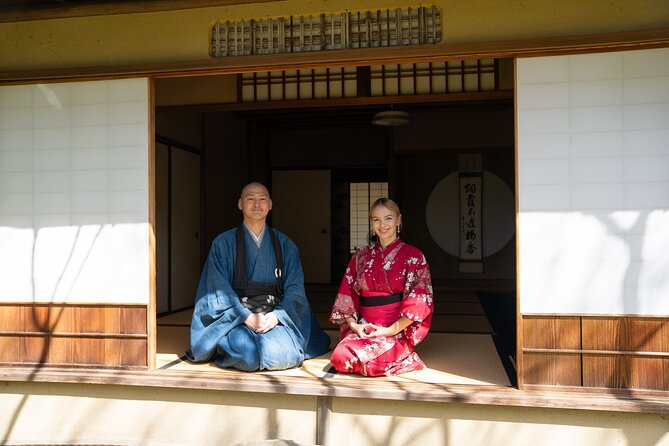
- Photo time with the monk and around the temple grounds
- Small-group or private options, so the calm stays calm
Why Zen with a Monk in Kyoto Feels More Real Than a Show
Kyoto has a lot of temples where you look, you photograph, you move on. This experience works differently. You step into a private setting guided by a person who understands how to help you slow down and listen. The monk does not just “perform Zen,” he teaches it, and you practice.
What makes it land is the combination. You get instruction on what Zazen is trying to do, then you sit. That pairing matters. If you’re a first-timer, you’ll usually leave with a working idea of how to practice at home, not just a vague feeling of calm. If you already meditate, you still get a fresh reference point, because the monk’s explanation and your guided posture can correct the little habits that keep your mind spinning.
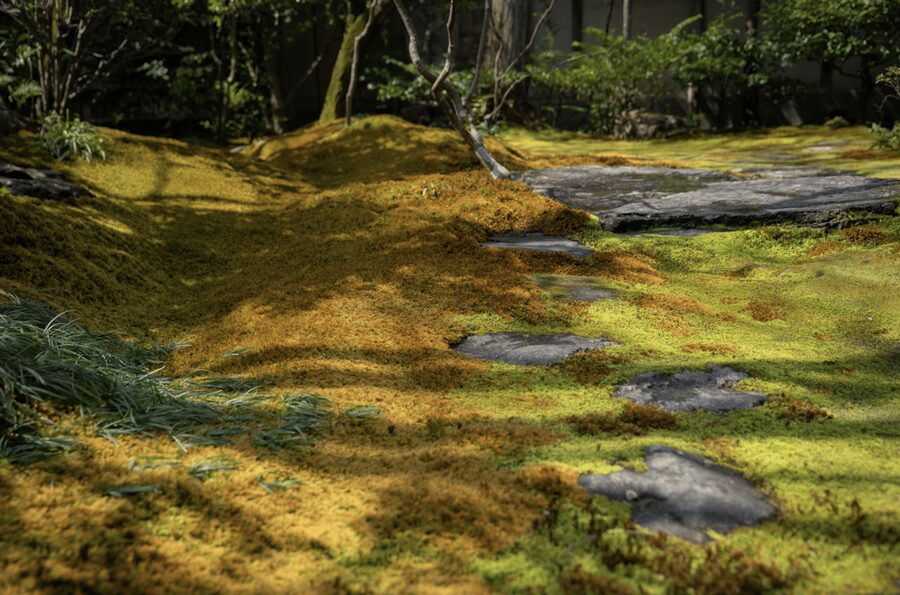
The garden time also changes the mood. Many sessions end in a hurry. Here, the matcha and sweets come with a view of the temple gardens, and you’re allowed to slow your pace again after sitting still.
More Shrine & Temple Visits in Kyoto
- Kyoto: Fushimi Inari, Kinkakuji, Bamboo Grove 1 Day Bus Tour
★ 4.8 · 4,316 reviews - Kyoto: Tea Ceremony Ju-An at Jotokuji Temple
★ 4.9 · 3,207 reviews - Fushimi Inari Hidden Hiking Tour (Private Option Available)
★ 5.0 · 1,750 reviews
Kodaiji Park Meeting Point and the Short Walk That Sets the Tone
The tour starts in Kodaiji Park. You’ll meet at the toilet area in the northern side of the park, and your guide waits there. This detail matters because some people get tripped up by map pin locations. My advice: don’t trust your first guess from Google Maps on arrival day. Follow the guide’s message where to meet.
Then you walk on foot for about 10 minutes. That short stretch is useful. You’re not suddenly dumped into a temple room with no context. You’re transitioning, physically and mentally, from Kyoto sightseeing mode into “sit down and listen” mode.
If you can, pick a start time when you’ll be less rushed by the rest of the city. Several experiences mention the morning feeling especially peaceful, with fewer people around the park. That helps your first minutes feel like part of the practice, not a commute.
The 1-Hour Temple Visit: What You Actually Do During the Class
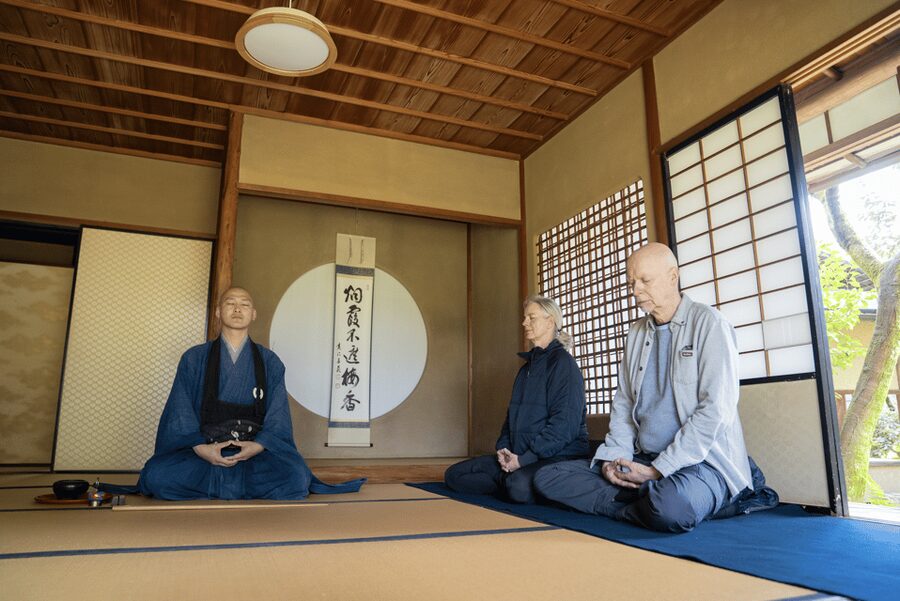
At the temple, the structured part is about 1 hour, and it usually unfolds like this: you get a brief introduction, you hear a lecture from the monk about Zazen, and then you practice. The guided tour aspect is not just a sightseeing add-on. It gives context for the sitting session, so the experience makes cultural sense, not just physical sense.
The monk’s lecture focuses on the principles and techniques of seated meditation. Based on what’s been shared in feedback, the teaching usually includes guidance on posture and how to work with your mind while you sit. That is the point where a lot of people feel relief. Meditation is simple on paper, but hard in practice. Having someone talk you through the mechanics makes the sitting feel more possible.
You also get a chance to talk afterward. That Q and A time is one of the most praised parts, because it turns the experience from passive to personal. You’re not stuck with your own assumptions. You can ask what’s confusing, or you can test whether your understanding is on track.
Zazen Practice: Breathing Rhythm and Letting Go of the Noise
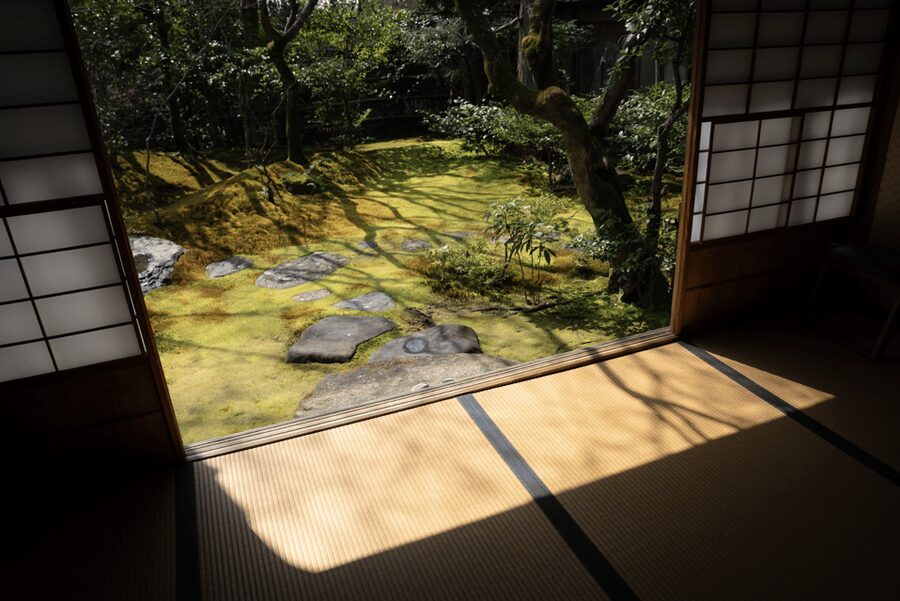
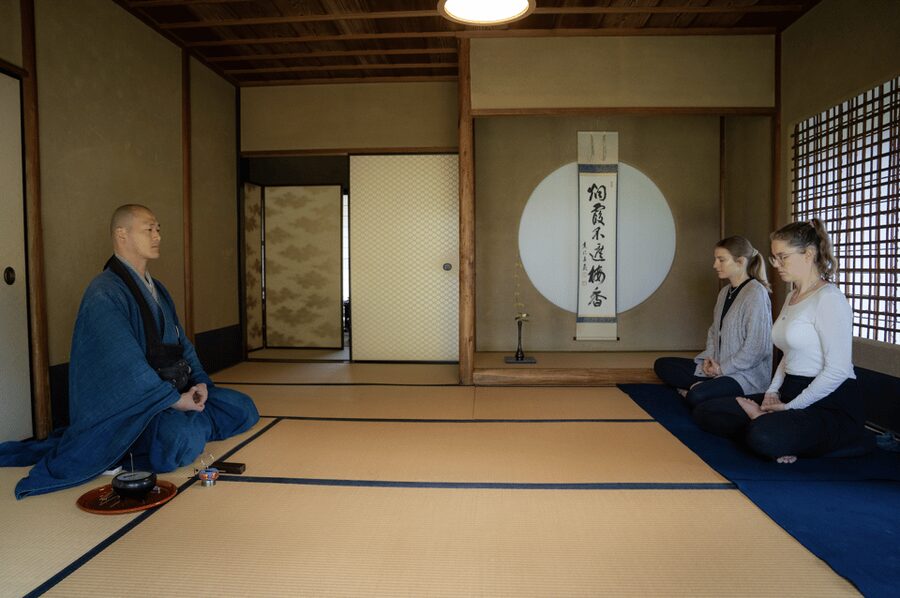
Zazen can sound intimidating until someone explains the goal in plain terms. In this session, the instructions emphasize unifying your mind and detaching from ego and worldly concerns. That doesn’t mean you need a life overhaul in 90 minutes. It means you learn how to relate to thoughts while your body stays steady.
Breathing rhythm comes up as part of the experience. The idea is to make your attention less random. When your breath becomes an anchor, it becomes easier to notice mental chatter instead of getting dragged by it.
The other practical win is posture. Even people who meditate alone often realize their posture habits are inconsistent. With the monk and guide offering technique guidance, you can learn a more grounded way to sit. That’s why so many first-timers describe feeling calm quickly. They’re not just told to meditate, they’re coached on how to do it.
And yes, silence matters. You may experience longer stretches of focused sitting than you’re used to, but that’s also why the hour can feel transformative. A guided session helps you stay with the practice instead of turning it into a self-criticism exercise.
More Shrine and Temple visits in Kyoto:
- Osaka/Kyoto:Kinkakuji,Arashiyama,FushimiInariShrine,NaraPark
★ 4.1 · 1,596 reviews - Kyoto/Osaka: Nara, Fushimi Inari Taisha, Arashiyama Bus Tour
★ 4.7 · 1,275 reviews - Arashiyama Bamboo, Temple, Monkeys, or Secret Sake Brewery
★ 4.8 · 886 reviews - Osaka/Kyoto: Arashiyama, Nara & Fushimi Inari Shrine w/Lunch
★ 4.4 · 754 reviews
Tea Ceremony and Garden Views That Make the Ending Worth It
After Zazen, the experience shifts from stillness to warmth. You end with a tea ceremony and discussion. Reviews repeatedly mention matcha and sweets, and the tea is served while you enjoy the view of the temple gardens.
This is not a random snack stop. Tea time functions like the cool-down period after training. You’re still in a respectful temple environment, but you’re no longer holding a still-body challenge. It gives you space to absorb what you learned and ask follow-up questions in a more natural way.
Then you can stroll the temple and gardens. This is where you get those memorable photo opportunities: you can take pictures of the temple grounds and gardens, and you may also take photos with the monk. The practical way to handle photos here is simple: ask when it’s okay, keep it brief, and don’t turn it into a distraction. Most monks in these settings have seen it all, but good manners go a long way.
The People Factor: Guides Like Kohtaro, Soma, and Satoru Make It Click
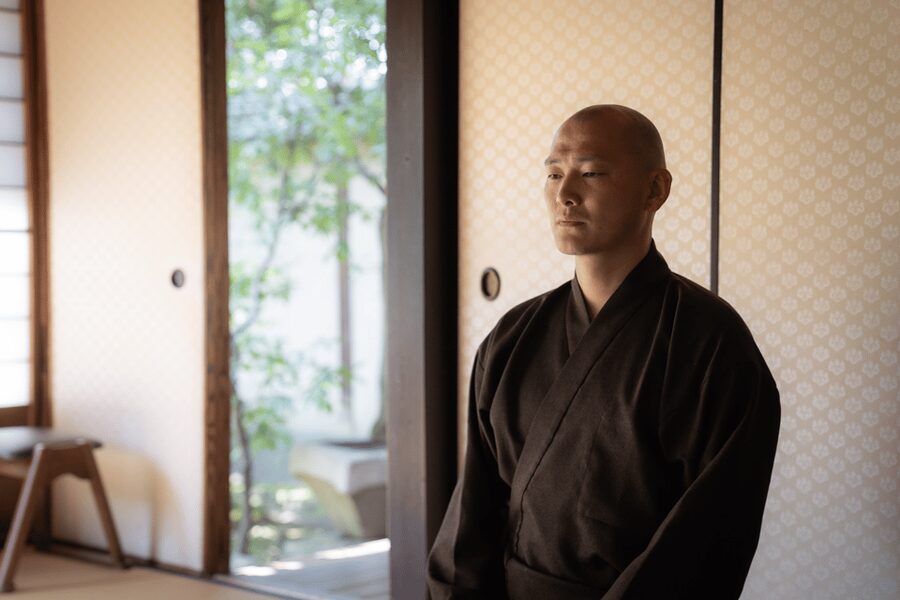
A meditation session lives or dies on translation and pacing. Several guides are mentioned by name in feedback, including Kohtaro, Soma, Ruko, and Satoru. What comes up again and again is that the English interpretation feels smooth and respectful, which matters because the monk’s talk is central.
If the translation is clunky, you end up guessing. If it’s clear, you can focus on the practice and actually understand what to do next. Multiple participants highlight how the guide helped them feel at ease, even if they had never meditated formally before.
Some sessions also feel more intimate because they operate as private or small groups. Several people describe being just two participants on certain days. That intimacy is often what lets your questions get answered properly, without the pressure of a big tour group rhythm.
Photos, Questions, and Real Monastic Conversation
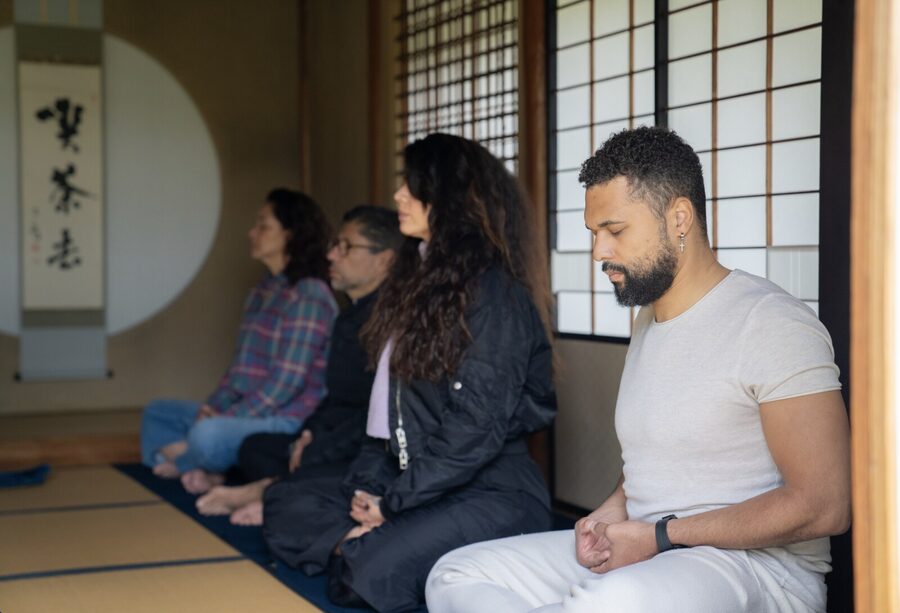
One of the most human parts of this experience is the opportunity to meet and ask questions of the monk. You’re not stuck with a script. People mention talking about life and Buddhism, and discussing personal mental concerns. That kind of conversation turns the session into more than a class.
Photography also comes up as a perk. You can take photos with the monk and within the temple area. If you care about capturing the moment, it’s genuinely useful to have guided permission and timing. You avoid wandering into places you shouldn’t, and you get a calmer, more respectful structure.
If you’re wondering what the “monk conversation” feels like, think welcoming, not formal. Feedback includes moments where the monk and guide seemed friendly and open, creating an atmosphere where participants felt safe asking questions.
Price and Value: What $91 for 90 Minutes Really Buys You
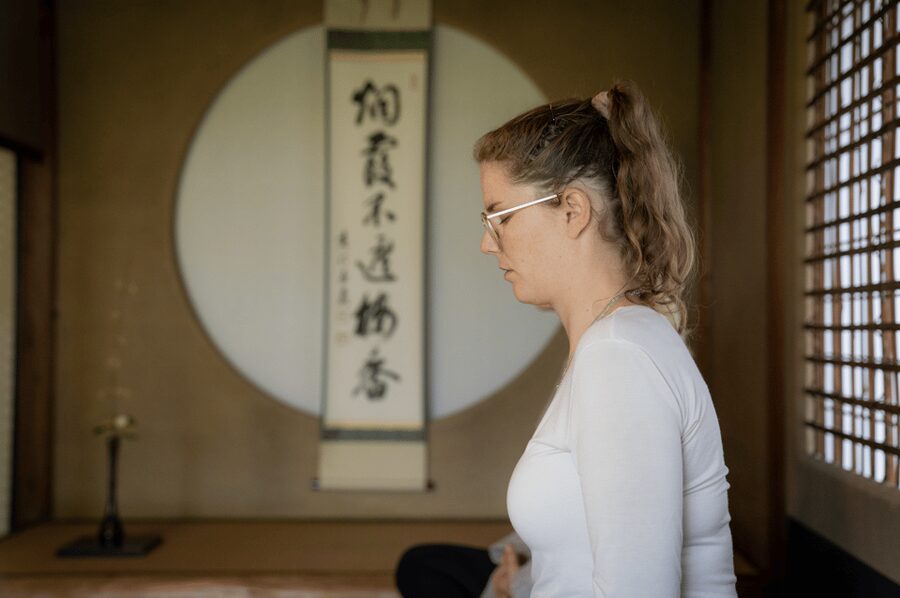
At $91 per person for 90 minutes, this is not a budget activity. But the value is real, because the time goes to three expensive parts most tours skip: monk instruction, temple entry, and guided interpretation.
You get:
- Entry to the temple
- A lecture on meditation principles and technique
- Guided Zazen practice
- Tea ceremony with garden views
- Time to discuss with the monk
- Photos in the temple context
- An English live guide
Transportation is not included, so you’ll handle getting to Kodaiji Park yourself. That’s normal for Kyoto activities clustered around popular areas.
The best way to judge the price is to ask what you want from Kyoto. If you want another temple photo, you can do that on your own. If you want an explained, guided sit with a monk plus a chance to ask questions, this is the kind of structured, respectful access that’s hard to replicate solo.
More than one reviewer mentions skepticism about the price, then comes away feeling it was worth it. That pattern usually means you’re paying for access and guidance, not just for sitting quietly.
Who Should Book This Zen Session, and Who Should Skip It
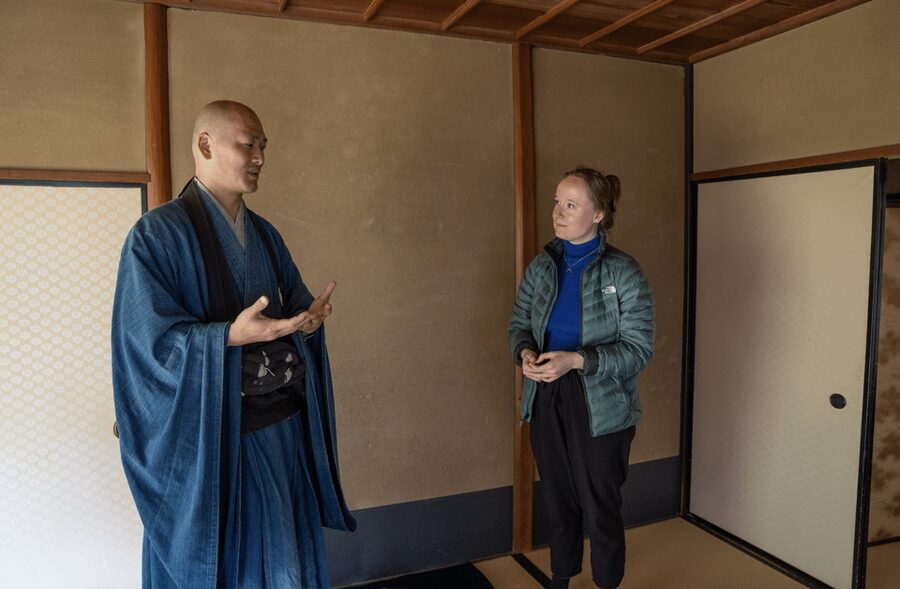
This experience is a strong fit if you want something calmer than Kyoto crowds and you’re open to learning a traditional practice the right way. It also seems to work well for people who are new to meditation, because instruction includes posture and technique, not just “sit and be quiet.”
It can also suit teens at least 12 and up. One review mentions a teenage son trying a first formal introduction and enjoying it in the intergenerational setting of a monk’s home.
Skip it if any of these apply:
- Children under 12
- Mobility impairments
- Claustrophobia
- Fear of heights
That list is important because temple spaces can be tight, and meditation practice often involves sitting closely and staying still. Also, the tour includes walking within the park approach, so mobility matters.
Practical Tips So You Can Focus on the Sitting, Not the Chaos
Here are a few things that will make the experience smoother, based on what people flagged as friction points.
1) Use the guide’s meeting instructions. Meet at the toilet area in Kodaiji Park on the northern side. If the map pin is confusing, follow the message you get.
2) Plan for a calm pace. The walk is short, but the tone is quiet. Arrive with time to breathe before you start.
3) Treat your questions like part of the practice. People praise how welcoming the monk is for discussion. Ask what’s unclear, but keep it respectful and on topic.
4) Keep photos brief. Photo time is included, but temple etiquette matters. Let the guide set the moment.
5) Bring the right expectations. This isn’t a performance. You’ll learn Zazen principles, practice seated meditation, then finish with tea and garden time.
Should You Book This Kyoto Zen Meditation at a Private Temple?
If you’re craving a meaningful break from Kyoto’s sightseeing rush, I’d book it. The biggest reasons are simple: you practice Zazen with instruction, you get a monk-led lecture with translation support, and the tea plus garden wrap-up turns the session into a full experience, not a quick demo.
It’s especially worth it if you want access you can’t easily recreate on your own, like a temple visit not open to the general public and time for discussion with the monk.
Skip it only if your comfort needs are incompatible with temple environments. If claustrophobia or mobility limits are factors, or if fear of heights makes you uneasy, protect your peace and choose a different Kyoto activity.
FAQ
Where is the meeting point for the Zen meditation?
You meet at the toilet at Kodaiji Park. The guide waits on the northern side of the toilet.
How long is the experience?
The experience lasts 90 minutes.
What is the price per person?
The price is $91 per person.
What language is the tour guide?
The live tour guide speaks English.
Is transportation included?
No. Transportation is not included.
What’s included in the session?
It includes Zen experience, entry to the temple, a lecture on meditation principles and techniques, and practice of Zazen.
Is there tea included?
Yes. The experience ends with a tea ceremony and tea is served while you enjoy the garden view.
Can I take photos during the experience?
Yes. You can take photos with the monk and within the temple.
Who should avoid booking this activity?
It is not suitable for children under 12, people with mobility impairments, people with claustrophobia, or people afraid of heights.
What group size is it?
It’s offered as private or small groups available.
Newly listed around Kyoto
- Taste of Nishiki Market Walking Food Tour with Local guide★ 5.0 · 17 reviews
- Kyoto: Sushi Making Class with Sushi Chef★ 4.8 · 64 reviews
- Simple Plan with Maiko★ 4.4 · 10 reviews
- Shibori Furoshiki Course at Kyoto Shibori Museum★ 5.0 · 21 reviews
- Kyoto: City Secrets eBike Tour★ 4.9 · 196 reviews
- Sacred Pathways: Discover the Philosopher’s Path of Kyoto★ 4.9 · 20 reviews
- Private Tour to Monkey Park and Arashiyama Highlights★ 5.0 · 22 reviews
- Private Nara Tour from Osaka – Meet at Your Hotel★ 5.0 · 22 reviews
Shrine & Temple Visits, compared.
Fushimi Inari, Kinkakuji, Bamboo Grove 1 Day Bus Tour
Read our review →

Meiji Shrine, Asakusa, Skytree Bus Tour and Cruise
Read our review →
Fushimi Inari Hidden Hiking Tour (Private Option Available)
Read our review →
Osaka/Kyoto:Kinkakuji,Arashiyama,FushimiInariShrine,NaraPark
Read our review →
Asakusa Walking Tour with Sensoji Temple Visit
Read our review →
Nikko: Kegon Falls, Lake Chuzenji & Toshogu Temple
Read our review →
Kamakura & Enoshima Day Trip including Temple Tickets
Read our review →Browse the lists this tour appears in