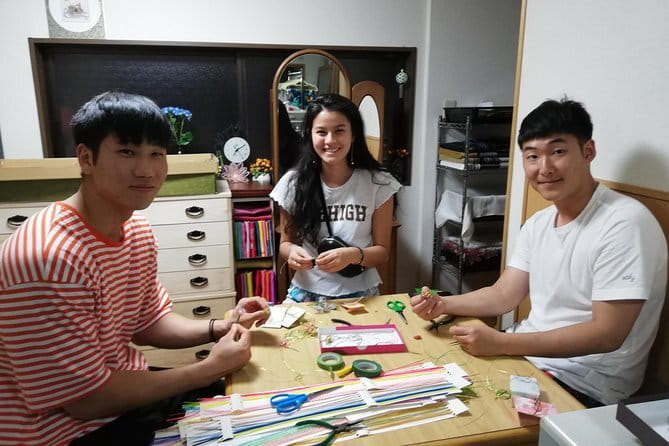
Review · KYOTO TOURS
Let’s make Japanese accessories with Mizuhiki
Paper strings make perfect souvenirs.
This Kyoto class turns mizuhiki into wearable art, with a clear, step-by-step lesson you can follow even if your hands are not crafty. I love that you practice the core knot before you start your design, so it actually clicks. I also love the relaxed finish, with matcha and sweets to slow you down after the tying. The one possible drawback is time, it is about an hour, so you may not have time to experiment with every style shown in the samples.
You start by making a tiny colored-paper mini bag, then tie a classic abalone knot, and from there you pick an accessory idea from the samples. The whole thing is rooted in real Japanese gift culture, where mizuhiki cords have long been tied to envelopes and ritual offerings. Even better, instruction style is consistently described as patient and friendly, including by workshop leaders such as Akemi, and that matters when you are learning tight, precise knots.
In This Review
- Key highlights before you tie your first mizuhiki knot
- Kyoto mizuhiki accessories in one hour, with a calm matcha break
- Price and timing: what 19.60 gets you in Shimogyo
- Where RakueJapan is and how to show up ready
- Step by step: poch i bag setup, abalone knot practice, then your design
- Picking your accessory: what the sample ideas mean for real-life use
- The instructor vibe: patient teaching is the difference maker
- Matcha and sweets: why the break matters
- What you might see shared on Instagram
- Who should book this mizuhiki workshop, and who might want another option
- FAQ
- How long does the Japan mizuhiki class in Kyoto take?
- What does it cost?
- Where is the meeting point?
- Is this a private class?
- Do I need a mobile ticket?
- What is included in the price?
- What is not included?
- Can most people participate?
- Is there free cancellation, and how late can I cancel?
- Should you book this Kyoto mizuhiki accessory class?
Key highlights before you tie your first mizuhiki knot
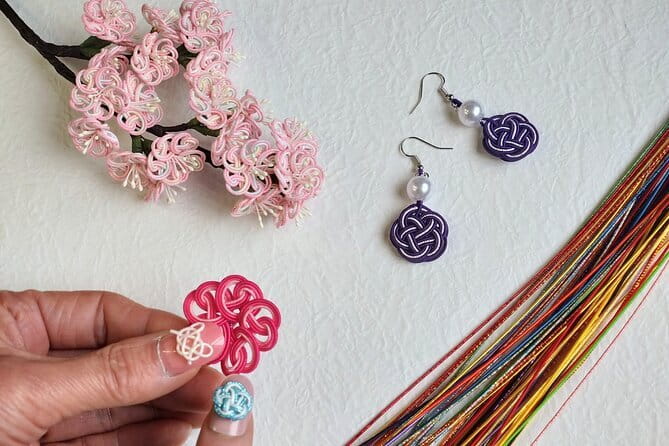
- Pochi bag first: you build a mini bag from colored paper, then add the cord knot to make it look finished.
- Abalone knot foundation: you learn the basic knot and practice it on simple string before moving to your accessory.
- Pick your accessory from samples: choose designs like strawberry straps, floral hair ornaments, cute earrings, and mini baskets.
- Beginner-friendly pace: the lesson is structured so even first-timers can complete a real result.
- A quick reset with matcha: your knotwork break comes with matcha and sweets.
- Small, private-group feel: it is set up as a private activity for your group, not a large workshop line.
Kyoto mizuhiki accessories in one hour, with a calm matcha break
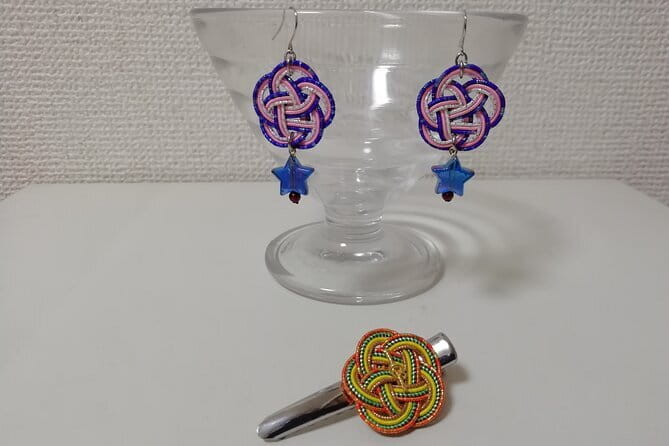
Kyoto has a way of making traditional crafts feel both meaningful and practical. This class does that by focusing on the one thing mizuhiki is known for, tying. You work with a light, solid string made by winding thin twisted paper with thread, then turning that string into shapes you can actually wear or gift.
I like that the lesson is built around a few reliable skills, not a vague art project. You start with the core process, a basic setup knot, then you use that knot as a base for an accessory you can recognize as a Kyoto souvenir. The reward is that you leave with something cute enough to use right away, like earrings or a keychain style piece, not just a decoration you feel guilty about leaving in a drawer.
There is also a real cultural layer. Mizuhiki has been used in Japan for sacred things in rituals, and it is still tied to money envelopes when people celebrate special occasions. That context helps your craft feel more intentional. You are not just copying a pattern, you are learning a Japanese way of tying meaning into everyday gifting.
A few more Kyoto days to weigh up
- PERFECT KYOTO 1-Day Bus Tour
★ 5.0 · 13,518 reviews - Kyoto: Fushimi Inari, Kinkakuji, Bamboo Grove 1 Day Bus Tour
★ 4.8 · 4,316 reviews - Kyoto: Tea Ceremony in a Traditional Tea House in Kiyomizu
★ 4.9 · 3,519 reviews
Price and timing: what 19.60 gets you in Shimogyo
The price is $19.60 per person, and you get a lot of the essentials covered. Materials are included, plus matcha and sweets. For many craft experiences, the hidden costs are the real issue, extra tools, extra supplies, and snacks that never quite make it into the ticket. Here, the ticket supports the full experience, at least for the things you need to make your piece.
The class is about one hour, and that short time is a feature if you are on a tight Kyoto schedule. It is also a consideration: if you want to learn multiple different knots at a deep level, you might want a second session another day or a longer class elsewhere.
Timing-wise, the workshop is popular. Booking on average is 38 days in advance, so if you want a specific time slot, do not wait until the last minute. There is also a practical note from the workshop, if you want an earlier time, contact them as soon as you can to increase the reservation options. That is usually what makes the difference between getting the slot you want and settling for whatever remains.
Where RakueJapan is and how to show up ready
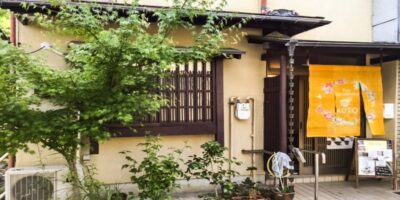
You meet at RakueJapan, 600-8481 Kyoto, Shimogyo Ward, Shijo Horikawachō, 255 野村ビル 2階. The good news is that it is near public transportation, so you can plug it into a normal day of temple and neighborhood wandering without a long detour.
It ends back at the meeting point, so you are not stuck with a complicated route afterward. Also, this is a private tour/activity, meaning only your group participates. That tends to make a craft class easier to enjoy. You can ask questions without feeling like you are part of a crowd.
You will get a mobile ticket, so have your phone ready. Beyond that, you just need comfortable clothing. Knotwork is hands-on, and you do not want to fight with sleeves or bags.
Step by step: poch i bag setup, abalone knot practice, then your design
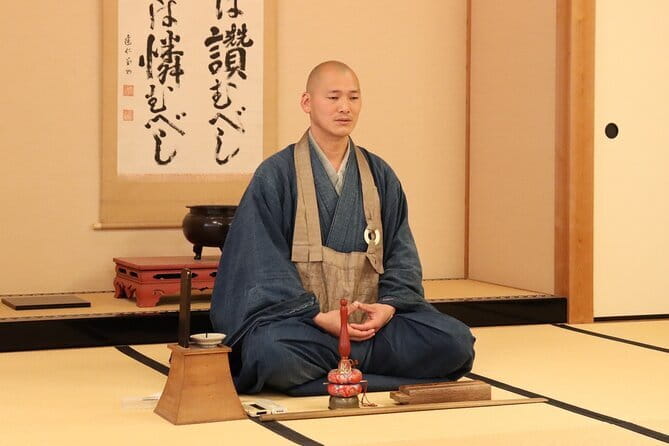
The lesson follows a clear flow, and that matters because mizuhiki is all about technique. Here is what to expect in the order you will likely experience it:
First, you choose colored papers to make a tiny “Pochi bag,” basically a mini bag base. This gives you something sturdy to attach the knot to, and it makes the final accessory look intentional instead of like a string experiment.
Next comes the basic abalone knot. The workshop teaches you how to tie it, then you practice the abalone knot with just a string before you lock it into your accessory. That practice step is one of the biggest reasons people feel successful, because you are learning how the knot moves before you worry about what your final design will look like.
After the knot foundation, you shift into the fun part, selecting your accessory. You will look at sample designs, then choose what you want to make. The examples mentioned include strawberry straps, floral hair ornaments, cute earrings, and mini baskets. If the concept sounds complicated, that is normal, but the craft is built so you can complete at least one version during the class time.
Finally, you pick the mizuhiki cords for your chosen piece and start tying the accessory elements. The overall rhythm is concentrated, then satisfying. Once the steps start repeating, you often find your brain calms down. It becomes the type of activity where you focus on something small and doable, then suddenly it is finished.
A different sort of day in Japan:
- Kyoto Geisha Walking Tour: Gion District & Hidden Gems
★ 4.7 · 3,273 reviews - Kyoto: Tea Ceremony Ju-An at Jotokuji Temple
★ 4.9 · 3,207 reviews - Kyoto: 45-Minute Tea Ceremony Lesson Experience
★ 4.3 · 2,378 reviews - Kyoto: Gion Geisha District Walking Tour – Stories of Geisha
★ 4.7 · 2,187 reviews
Picking your accessory: what the sample ideas mean for real-life use
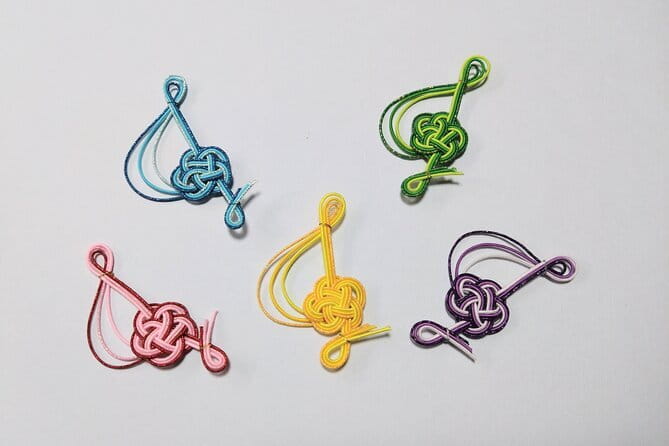
The sample ideas are not just decorative. They map to what people actually want to carry from Kyoto.
A strap-style piece, like the strawberry example, is the easiest to gift because it looks cute even if the recipient never wears jewelry. A hair ornament format can work for photos, festivals, or even just giving your travel outfit a local touch. Earrings feel more personal, and they also make the effort feel worth it, since you end up with something you can wear the day you finish.
Mini basket style pieces are also popular because they look like tiny objects with personality. They can become desk décor or a small keepsake you do not want to hide.
If you want a tip based on the lesson approach, it is this: choose the design you can visualize wearing or using right after you make it. Because the class is about an hour, picking something that matches your style right away makes the whole session feel more rewarding.
The instructor vibe: patient teaching is the difference maker
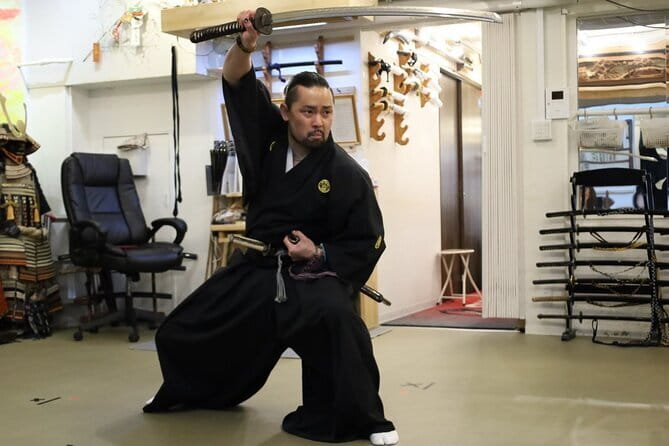
Craft lessons can go one of two ways. Either you feel rushed and lost, or you feel guided through mistakes until the technique clicks. The workshop instruction style is consistently described as welcoming and patient, and that shows up in how the steps are taught.
One detail that comes through strongly is that the instructor demonstrates first, then guides you while you tie. That is why beginners are able to finish pieces like earrings, keychains, or other small accessories without feeling like they have to be natural at knots.
Akemi is a name you may see referenced in connection with guidance during the class. Regardless of who is teaching your session, the key idea is the same, you are not left alone with a piece of string. You get feedback while you work.
Also, the setting is described as small and authentic-feeling. That means you spend your time tying, not wandering around a huge studio trying to figure out where to stand.
Matcha and sweets: why the break matters
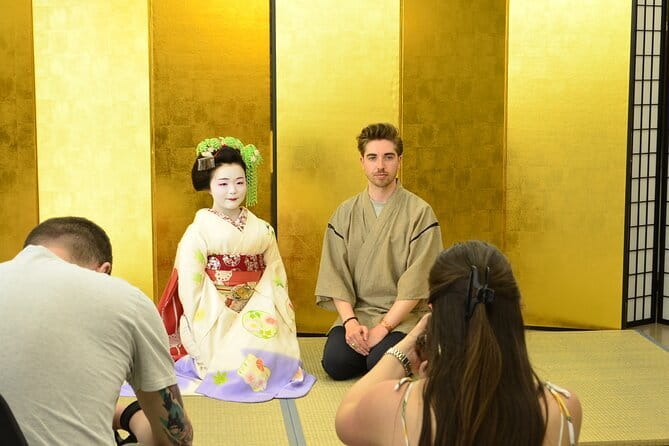
Halfway through the day, it is tempting to snack and keep moving. But here, matcha and sweets are part of the experience, and it changes how you remember the class.
After you tie, twist, and adjust your knotwork, your shoulders and hands need a reset. The matcha and sweets break makes the craft feel complete, not like homework you only half finished. It is also a nice moment to look at your own work calmly. When you have been focused on tiny movements, stepping back helps you appreciate what you built.
If you are the type who loves a finishing ritual, this matters. You get a sweet, soothing end that fits Kyoto well.
What you might see shared on Instagram
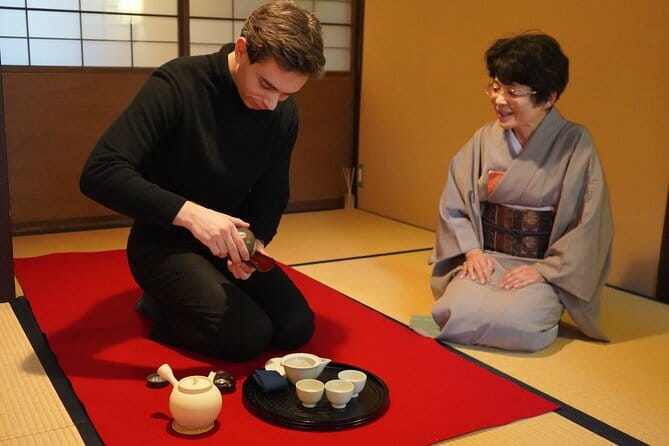
The workshop notes that the work is published on Instagram. In practical terms, that means your completed piece may show up on their feed, and it can be a fun way to see how different color choices turn out across sessions.
If you are camera-shy, you can still enjoy the class. A shared feed does not have to mean extra pressure during your time there, but it is worth knowing ahead of time.
Who should book this mizuhiki workshop, and who might want another option
This workshop is a strong fit if you want a Kyoto souvenir that is personal. It is also a great choice if you like learning small skills that feel Japanese and practical, especially gift-tying culture.
You should strongly consider it if:
- you want something more hands-on than a typical walking tour
- you like crafting that has clear steps and an achievable finish
- you want wearable or giftable results like earrings or charm-style pieces
- you like a short schedule that still feels meaningful
You might want a different option if:
- you are hoping for a long, multi-project class that teaches many advanced knots in one go
- you want lots of design freedom beyond the sample ideas
- you expect to bring home everything needed to replicate the exact hardware at home, since metal fittings are not included
In other words, think of this as a focused workshop with a polished end result, not an open-ended art session.
FAQ
How long does the Japan mizuhiki class in Kyoto take?
It runs for about 1 hour.
What does it cost?
The price is $19.60 per person.
Where is the meeting point?
Meet at RakueJapan, 600-8481 Kyoto, Shimogyo Ward, Shijo Horikawachō, 255 野村ビル 2階.
Is this a private class?
Yes. It is a private tour/activity, so only your group participates.
Do I need a mobile ticket?
Yes. The activity uses a mobile ticket.
What is included in the price?
Materials are included, and you also get matcha and sweets.
What is not included?
Mizuhiki for non-gift items and metal fittings for making items at home are not included.
Can most people participate?
The workshop states that most people can participate.
Is there free cancellation, and how late can I cancel?
Yes, you can cancel for a full refund up to 24 hours before the experience starts. If you cancel within 24 hours of the start time, the amount paid is not refunded.
Should you book this Kyoto mizuhiki accessory class?
If you want one hour of Kyoto that feels hands-on, calming, and truly souvenir-worthy, book it. The biggest value is the combination of clear knot instruction and an actually usable result, plus that matcha and sweets finish that makes the whole thing feel like a complete experience.
If you are the type who loves gift culture details, even better. Mizuhiki connects directly to how Japanese people tie meaning into envelopes and celebrations, so the craft has a reason to exist beyond aesthetics.
Just pick your accessory thoughtfully from the sample ideas, because your time is limited. Do that, and you will leave with something cute, local, and made by your own hands.
Newly listed around Kyoto
- Otagi Nenbutsu Temple and Arashiyama Bamboo Forest Tour★ 5.0 · 37 reviews
- Private Ramen or Gyoza Cooking Class in Kyoto with Chef Midori★ 5.0 · 18 reviews
- 2-Hour Oriental Body and Head Massage in Kyoto Japan★ 5.0 · 9 reviews
- Kyoto Private & Personalized Full-Day Tour with a Local Guide★ 4.5 · 31 reviews
- Exclusive Gion Kyoto Photoshoot: A Private Experience★ 5.0 · 11 reviews
- Nishiki Market, Private Sushi class & Sake Tasting in Townhouse★ 5.0 · 6 reviews
- Nishiki Market Lunch Tour★ 5.0 · 47 reviews
- One-Day Walking Tour : Enjoy Kyoto to the fullest!★ 5.0 · 78 reviews
Kyoto Tours, compared.
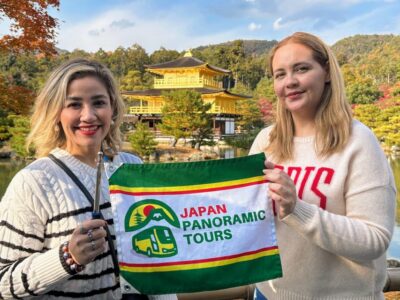
Fushimi Inari, Kinkakuji, Bamboo Grove 1 Day Bus Tour
Read our review →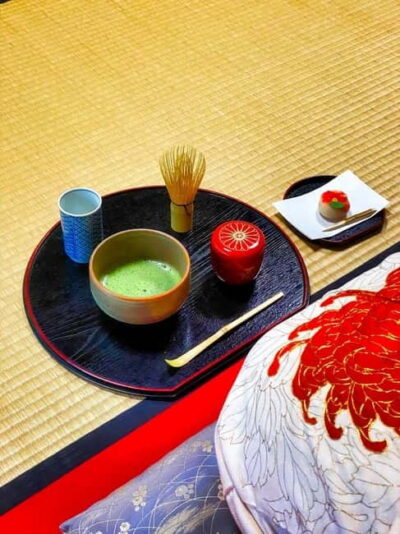
Tea Ceremony in a Traditional Tea House in Kiyomizu
Read our review →
Kyoto Geisha Walking Tour: Gion District & Hidden Gems
Read our review →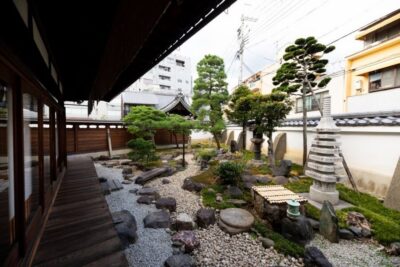
Gion Geisha District Walking Tour – Stories of Geisha
Read our review →