
Review · GEISHA DISTRICT WALKS
Best of Kyoto: Gion, Geisha, Pagodas & Cobblestones
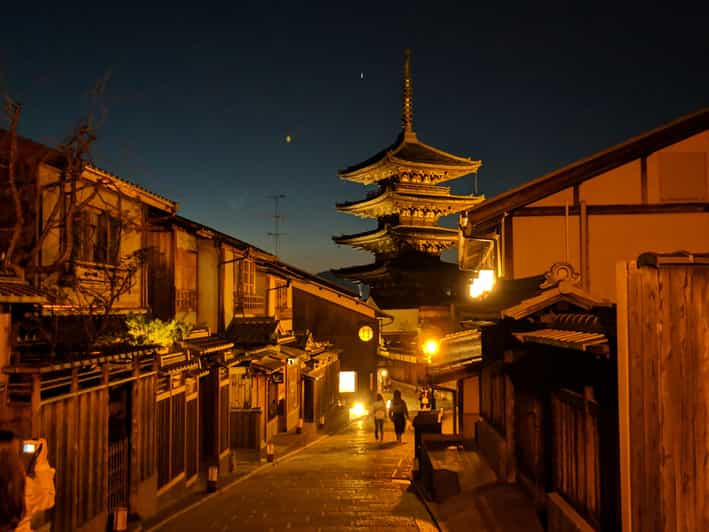
Lanterns in Gion feel like another Kyoto. This is a guided Gion and Higashiyama night walk that turns the famous streets quieter and more atmospheric, with shrines, temple grounds, and the kind of geisha background that helps you look without staring. You’re walking when lanterns are working overtime and the district feels less like a checklist and more like the real city.
I love two things most. First, you get a smart mix of landmarks and smaller stops, like Ninenzaka and multiple shrine moments, without spending all night in the busiest lanes. Second, I really like how the guide explains the customs around geisha and apprentice maiko-san, so you understand what you’re seeing instead of just chasing silhouettes.
One drawback to plan for: it’s a night walk, so dress for cold and expect a few dimmer stretches of pavement. A couple of reviews even call out darker spots and winter chills, so bring warm layers and keep your eyes open.
In This Review
- Key highlights you will actually feel
- Why this 2-hour Gion night tour works on a first Kyoto day
- Starting point choices, and why they matter for your stress level
- Yasaka Shrine: the big emotional anchor before you step into the back streets
- Ninenzaka and the cobblestone drama you only notice after dark
- Hōkan-ji temple photo stop: the lit pagoda moment
- Yasui Kompira-Gu Shrine: a smaller stop with the kind of meaning big stops miss
- Gion after dark: the calmer streets where you can actually look
- Geisha and maiko customs: what you learn changes how you see everything
- Price and value: why $24 makes sense for this kind of night orientation
- After the tour: how to keep the night going without overthinking
- Weather, timing, and comfort tips that keep the night pleasant
- Who this tour is perfect for
- Should you book? My go/no-go checklist for Gion Nightscapes
- FAQ
- FAQ
- How long is the Kyoto Gion, Geisha, Pagodas & Cobblestones tour?
- Where is the meeting point?
- What language is the tour guide available in?
- What stops do you visit during the tour?
- Is seeing geisha or maiko guaranteed?
- Are food and drinks included in the price?
- Is this tour private or a small group?
- What is the cancellation policy?
- What should I do if I cannot find the guide?
Key highlights you will actually feel

- A Gion night mood shift, when the lanterns are lit and the streets get calmer
- Shrine and temple pacing, with short stops that still leave time to look around
- Geisha and maiko context, shared respectfully by guides like Karim, Kevin, Ben, and Diana
- Cobblestones, wooden facades, and photo chances, especially at Hōkan-ji’s well-lit pagoda area
- Maiko or geiko glimpses possible, usually toward the end of the walk
- First-day friendly, a fast way to orient yourself in Kyoto’s eastern old-town lanes
Why this 2-hour Gion night tour works on a first Kyoto day
Kyoto can feel like sensory overload on day one. This tour is built to fix that. In about two hours, you get a concentrated snapshot of the Gion and Higashiyama districts, with enough stops to understand the area and enough walking to feel the nighttime atmosphere.
What makes it especially useful is timing. Late afternoon and evening in Gion are a different world than morning sightseeing. You’ll see lantern-lit street scenes on wooden buildings, and the quieter lanes help you notice the details that get lost when crowds are pressing in.
It’s also a good value for what you’re paying. You’re not just buying entry tickets. You’re paying for a guide who connects the dots between Shinto shrines, Buddhist temple culture, and the entertainment-district traditions you’ll hear about in everyday Kyoto conversation.
Compare these Geisha District walks in Kyoto:
- Kyoto Geisha Walking Tour: Gion District & Hidden Gems
★ 4.7 · 3,273 reviews - Kyoto: Gion Geisha District Walking Tour – Stories of Geisha
★ 4.7 · 2,187 reviews - Night Walk in Gion: Kyoto’s Geisha District
★ 4.5 · 2,003 reviews
Starting point choices, and why they matter for your stress level
You get two starting options, and that can really change your experience. One option is near Tsuruha Drug at Yasaka Shrine Store, plus FamilyMart. The other option is simply Kyoto Gion.
Pick the one that matches where you’re already walking from. If you plan your day so you’re not rushing across town, you’ll start calmer and your whole evening will feel smoother. This matters because meeting points can vary depending on what you book, so being near your listed starting location saves time.
Also, plan for contact. If you have trouble finding the guide, you’re told to call them at least ten minutes before the tour begins, with WhatsApp recommended. Arriving late or not being able to find your guide means there’s no refund, so treat the start time like an appointment.
Yasaka Shrine: the big emotional anchor before you step into the back streets
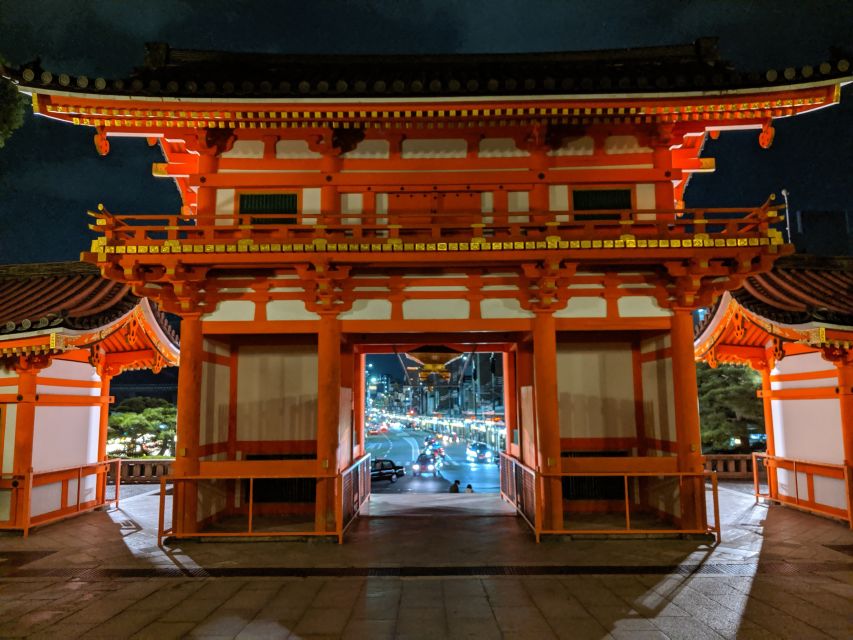
The first major stop is Yasaka Shrine. Even if you already know its name from Kyoto postcards, a night visit changes how it feels. Shrines are living places in Kyoto, not just photo backdrops, and your guide’s job here is to help you read the symbolism without turning it into a lecture.
You get about twenty minutes at this opening stop. That’s enough time to look around, absorb the atmosphere, and adjust to the nighttime pace. It also sets the tone for the rest of the walk, because Kyoto’s old-town charm is not only architecture and stones, it’s also ritual and belief.
Potential downside: because it’s a shrine area, you might still see small clusters of visitors depending on the evening. The benefit is that you have context for what you’re seeing before the tour shifts into quieter residential-feeling lanes.
Ninenzaka and the cobblestone drama you only notice after dark
Next up is Ninenzaka. This is one of those Kyoto streets where the design choices are obvious in daytime, but you get a different effect at night. Lanterns and softer lighting make the slope feel more intimate, and you start noticing the transition from busier main streets to calmer side lanes.
This stop is short, around twenty minutes, which is the right length for a street like this. You don’t need hours. You need time to walk slowly, look up at building lines, and feel the “old Kyoto” rhythm.
Here’s what I think you’ll appreciate: the tour is not only about seeing famous spots, it’s about teaching you how to move through them. Your guide helps you slow down, so you can enjoy the cobblestones and wooden facades instead of rushing for the next landmark.
A few more Kyoto days to weigh up
- PERFECT KYOTO 1-Day Bus Tour
★ 5.0 · 13,518 reviews - Kyoto: Fushimi Inari, Kinkakuji, Bamboo Grove 1 Day Bus Tour
★ 4.8 · 4,316 reviews - Kyoto: Tea Ceremony in a Traditional Tea House in Kiyomizu
★ 4.9 · 3,519 reviews - Kyoto: Tea Ceremony Ju-An at Jotokuji Temple
★ 4.9 · 3,207 reviews
Hōkan-ji temple photo stop: the lit pagoda moment
You’ll then make a photo stop at Hōkan-ji Temple for about twenty minutes. This is the kind of place where night lighting matters. A pagoda lit for evening is a different sight than the same structure in daylight glare, and your camera will thank you for the contrast.
Because it’s listed as a photo stop, don’t expect a long lesson. Instead, think of it as a focused moment: take a few photos, step back to let the scene settle in, then keep moving.
One thing to keep in mind: your best angles often require a bit of waiting and patience, especially if other people are shooting. If you go in ready to share space, you’ll come away happier than if you treat every corner like a private photoshoot.
Yasui Kompira-Gu Shrine: a smaller stop with the kind of meaning big stops miss
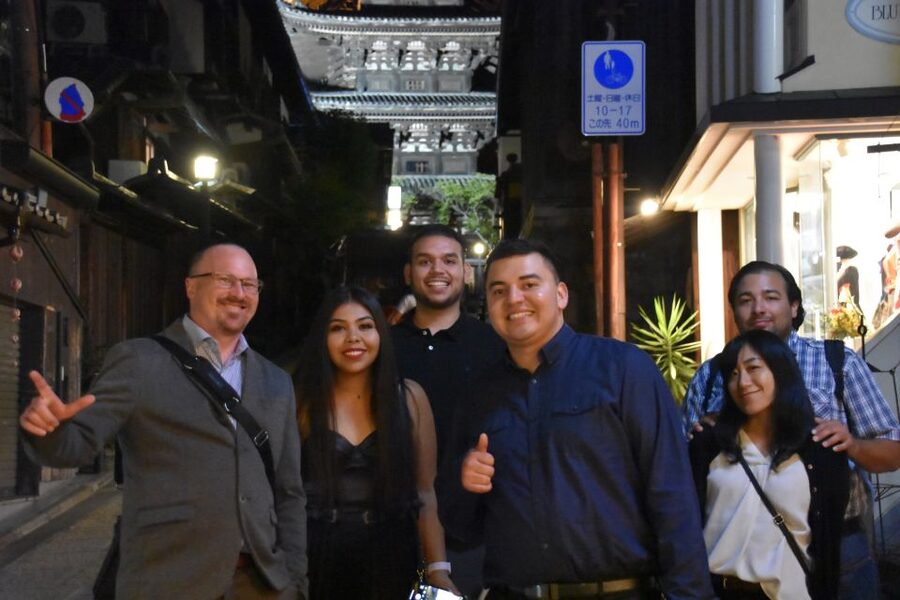
After Hōkan-ji, you visit Yasui Kompira-Gu Shrine for around fifteen minutes. The time is shorter, but this is a nice change of pace. Kyoto has a way of making every major landmark feel essential, even when your legs are begging for a break.
This is where your guide’s explanations can really help. When you understand what a shrine is for and why certain rituals are repeated, the stop becomes more than scenery. It becomes part of your mental map of Kyoto’s spiritual geography.
If you tend to like quieter moments, this is one you’ll likely enjoy. And since the group is moving, it also keeps energy up without dragging.
Gion after dark: the calmer streets where you can actually look
The heart of the tour is the Gion portion, around forty-five minutes. This is where the district becomes most magical, especially compared to daytime crowds. Reviews repeatedly highlight how quiet and peaceful it feels at night, and that quiet is not an accident. It’s the point.
During this time, your guide walks you through Gion so you can observe without being overwhelmed. You’ll get that cinematic feeling of lanterns and old wooden lanes, the kind of atmosphere that makes Kyoto look like Kyoto in every movie trailer.
In many evenings, the pacing is what makes the difference. Guides like Karim, Kevin, Ben, Amir, and Diana are often praised for balancing story time with walking time. You get information, but it doesn’t feel like you’re trapped in a slow-moving classroom.
You may also catch a glimpse of a few women in full costume toward the end of the tour. That’s not something you should count on like a scheduled performance, but it does happen often enough to be worth going for. If it happens, your best move is to stay respectful, follow your guide’s reminders, and let the moment pass naturally.
Geisha and maiko customs: what you learn changes how you see everything
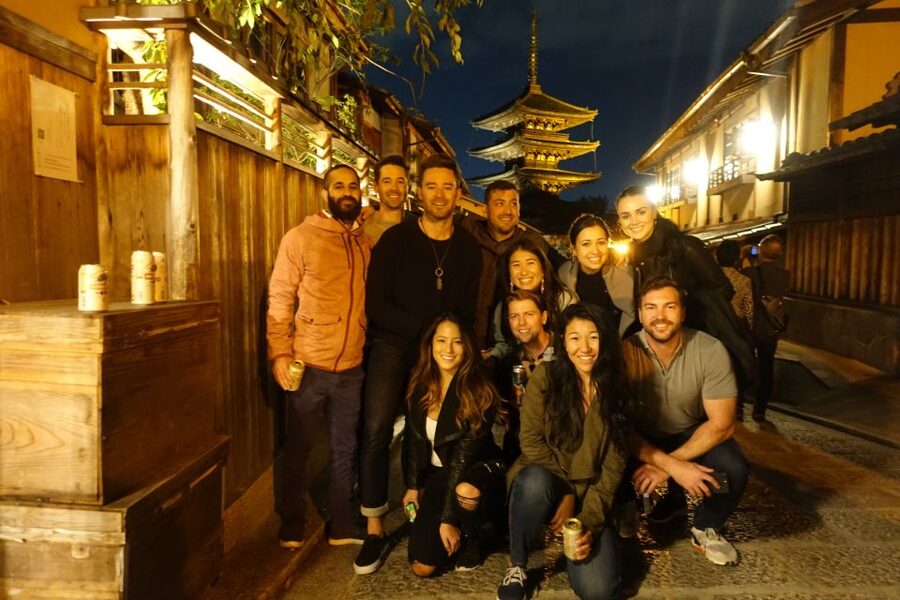
A big reason people love this tour is that it doesn’t treat geisha culture like a mystery to solve. It treats it like a tradition with training, roles, and etiquette.
Your guide explains the customs of geisha and apprentice maiko-san. That matters because if you only see the costumes and think about photos first, you’re likely missing the point. With the right context, you can appreciate what’s behind the appearance: the discipline, the respect for the craft, and the social rules that help entertainment districts function.
One theme that comes through in guide praise is the tone. Many reviews mention that guides handle the subject respectfully, and that they help you avoid accidental disrespect. That’s the kind of guidance you want in a place where real people live and work.
Also, guides vary in style. Some are known for relaxed conversation, others for clear structuring and even visual aids on a tablet. Either way, the goal is the same: you leave with better understanding and better behavior.
Price and value: why $24 makes sense for this kind of night orientation
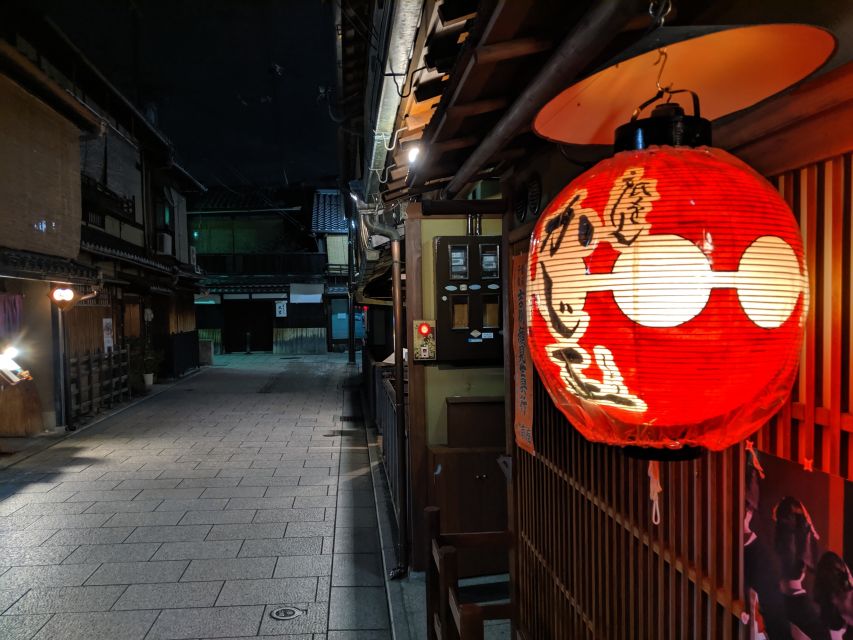
At about $24 per person for a two-hour guided walk, you’re paying less than you might for a big-ticket attraction, but you’re getting something harder to replicate on your own.
Here’s the value math that matters: you’re covering multiple stops, including shrine areas and a temple photo moment, and you’re getting cultural interpretation while you walk. Without a guide, you can certainly wander Gion and Higashiyama, but you might spend time guessing what you’re looking at and where to focus your attention.
And this tour includes the most expensive part of any guided experience: time. A guide handles route flow, pacing, and explanations, which is why the night feels organized rather than chaotic.
Not included in the price are food and drinks. That’s normal for a walking tour, but it does mean you’ll want a plan for where to eat or grab a drink after.
After the tour: how to keep the night going without overthinking
Food is not part of the tour, but the experience is designed to end with you ready to continue. Your guide provides recommendations for places to grab a drink or bite to eat afterward, and that’s a helpful practical bonus.
My suggestion: treat the last part of the evening like Kyoto pacing. You’ve already walked enough to get your bearings, so now choose somewhere close, not across town. If you’re chasing the best vibe, look for spots that feel local and not only crowded with day-trippers.
Also, if you did see a costume glimpse toward the end, plan your dinner route so you’re not constantly circling the same lanes. That helps you avoid turning a special district into a repeat photo hunt.
Weather, timing, and comfort tips that keep the night pleasant
Since this is a night tour with winter-friendly reviews, plan for temperature. Even in seasons that feel mild in daytime, Kyoto nights can feel sharp.
Wear shoes that handle cobblestones comfortably. You’re walking through Gion streets and slopes like Ninenzaka, and your feet will notice if you wore something soft but unstable.
One more practical note: some reviews mention darker spots along the route. You don’t need to panic, but you should be aware. Keep your phone light off while you walk if it’s bright and distracting, and rely on street lighting and your guide’s lead.
Who this tour is perfect for
This is a strong fit if you:
- want a first-day snapshot of Gion and Higashiyama
- like learning how to interpret what you see, not just taking photos
- prefer a guided night walk with calmer streets
- care about respectful etiquette around geisha and maiko culture
- want a small group or private option so the pace feels comfortable
It may be less ideal if you want a self-paced, totally flexible wander with no structure at all. This experience works because it sequences stops and holds your attention at the right moments, like the pagoda photo stop and the shrine visits.
If you’re the type who gets impatient with walking tours that feel too slow, you should still like this one. The schedule is short enough to keep momentum, but long enough to let each place land.
Should you book? My go/no-go checklist for Gion Nightscapes
Book it if you want a guided, respectful way to experience Kyoto’s eastern old-town at night. The combination of shrine and temple stops, the quieter Gion atmosphere, and the geisha culture context makes this more useful than wandering alone.
Skip it if night walking in cooler or dimmer areas sounds unpleasant. Also skip if you only care about being in the busiest Gion lanes for maximum foot traffic, because this tour is designed to avoid the crush later at night.
If you’re on the fence, my advice is simple: if it’s your first Kyoto trip, this is one of the best ways to get oriented fast while still enjoying the city’s nighttime mood.
FAQ
FAQ
How long is the Kyoto Gion, Geisha, Pagodas & Cobblestones tour?
It lasts about 2 hours.
Where is the meeting point?
The meeting point can vary depending on the option booked. Options mentioned include Tsuruha Drug Yasaka Shrine Store near FamilyMart, and Kyoto Gion.
What language is the tour guide available in?
The live tour guide offers English and French.
What stops do you visit during the tour?
You visit Yasaka Shrine, Ninenzaka, Hōkan-ji Temple (photo stop), Yasui Kompira-Gu Shrine, and then spend time walking through Gion.
Is seeing geisha or maiko guaranteed?
No. The tour notes that you may catch a glimpse of women in full costume toward the end, but it is not promised.
Are food and drinks included in the price?
No. Food and drinks are not included, though your guide can share recommendations for after the tour.
Is this tour private or a small group?
Private or small groups are available.
What is the cancellation policy?
Free cancellation is available up to 24 hours in advance for a full refund.
What should I do if I cannot find the guide?
You should call the guide at least ten minutes before the tour begins if you have trouble locating the meeting point, with WhatsApp recommended. Late arrivals or people who cannot find the guide will not be refunded.
Newly listed around Kyoto
- Taste of Nishiki Market Walking Food Tour with Local guide★ 5.0 · 17 reviews
- Kyoto: Sushi Making Class with Sushi Chef★ 4.8 · 64 reviews
- Simple Plan with Maiko★ 4.4 · 10 reviews
- Shibori Furoshiki Course at Kyoto Shibori Museum★ 5.0 · 21 reviews
- Kyoto: City Secrets eBike Tour★ 4.9 · 196 reviews
- Sacred Pathways: Discover the Philosopher’s Path of Kyoto★ 4.9 · 20 reviews
- Private Tour to Monkey Park and Arashiyama Highlights★ 5.0 · 22 reviews
- Private Nara Tour from Osaka – Meet at Your Hotel★ 5.0 · 22 reviews
Geisha District Walks, compared.
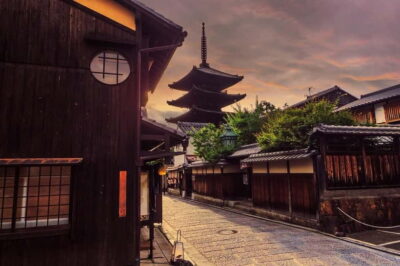
Kyoto Geisha Walking Tour: Gion District & Hidden Gems
Read our review →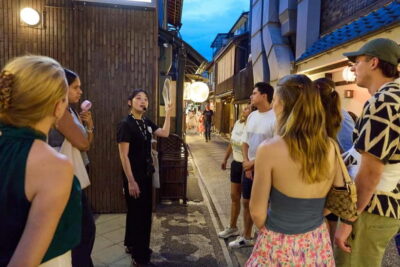
Gion Geisha District Walking Tour – Stories of Geisha
Read our review →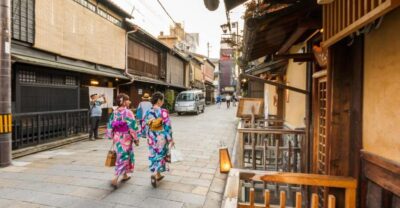

Kyoto Night Foodie Tour in Gion (9+ dishes + 6 Sake tastings)
Read our review →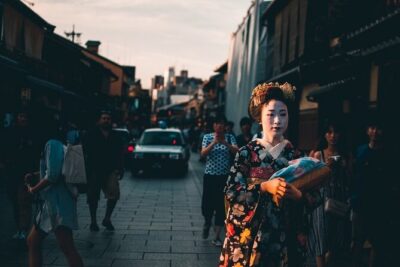
Kyoto Gion Geisha District Walking Tour – The Stories of Geisha
Read our review →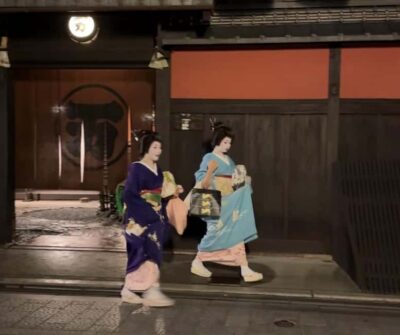
Gion Magical Night Walking Tour with Geisha Insights
Read our review →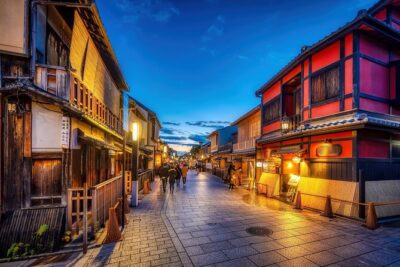
Kyoto Gion Night Walk & Geisha District Guided Tour
Read our review →
Kyoto Night All-Inclusive Eats and Streets, Gion and Beyond
Read our review →Browse the lists this tour appears in