
Review · MATCHA & TEA CEREMONY SESSIONS
Kyoto: 45-Minute Tea Ceremony Lesson Experience
Tea on tatami, taught like it matters. You’ll meet a licensed Urasenke tea master from Tea Ceremony Koto and learn the rules of the thin tea ceremony, step by step, with matcha at the center.
Two things I really like here: the host explains the history and spiritual role of the tea ceremony while you learn how to make it, and you taste two flavors of Japanese green tea with guidance on how technique changes flavor. The experience stays calm and focused, not loud or gimmicky.
One drawback to consider: the whole flow is tight for 45 minutes, and it can feel a bit rushed, especially if you want extra time for questions.
In This Review
- Key Things to Know Before You Go
- Kyoto Matcha, Done With Actual Ceremony Rules
- The 45 Minutes: What Happens From Start to Finish
- Two Green Teas, and Why Technique Matters
- Tea Etiquette You’ll Actually Remember
- Sweets and Tea House Details That Make It Feel Real
- Kimono Add-On: Faster Than You Think, Photos Done Right
- Candlelight Sessions for a More Quiet Kyoto Mood
- Private, Public, or Candlelight, Pick Your Best Fit
- Getting There Near Kinkakuji, Without a Headache
- Price and Value: Why $22 Can Be a Smart Spend
- Who Should Book This Tea Ceremony Lesson
- Should You Book Tea Ceremony Koto in Kyoto?
- FAQ
- How long is the Kyoto tea ceremony lesson?
- What is included in the price?
- Where do I meet for the ceremony?
- Is hotel pick-up included?
- What language is the instructor?
- Are photos allowed?
- Is video recording allowed?
- What if I want to wear a kimono?
- What if I cannot sit on the tatami floor?
- Are there different session options?
- Do I have to pay immediately to reserve?
Key Things to Know Before You Go
- Licensed Urasenke tea master leads the lesson, including the ceremonial rules behind matcha.
- You make the tea yourself after watching the preparation of matcha with the matcha tools and motions.
- Two green tea tastings are included, with explanations of how each method affects flavor.
- Traditional sweets arrive after the main brewing and tasting.
- No video recording during the ceremony, and the atmosphere is meant to stay respectful and quiet.
- Optional kimono and candlelight sessions change the mood, and kimono requires arriving early.
Kyoto Matcha, Done With Actual Ceremony Rules
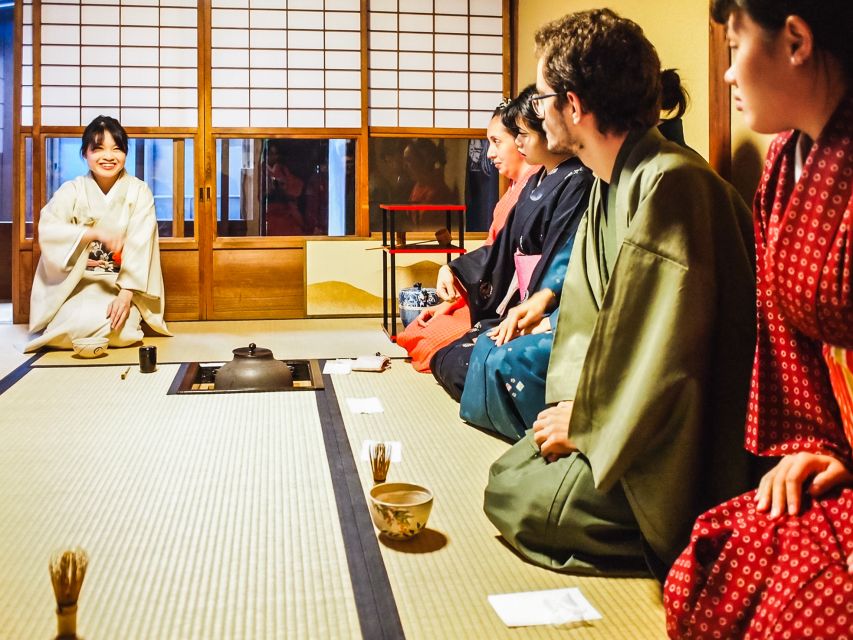
If you want Kyoto tea culture, this is the kind of experience that takes the ritual seriously. Tea Ceremony Koto runs the lesson with the idea that they are teaching people the way Japanese beginners learn, not turning it into a fast tourist act. That mindset shows in how the host explains etiquette, manners, and why each step exists.
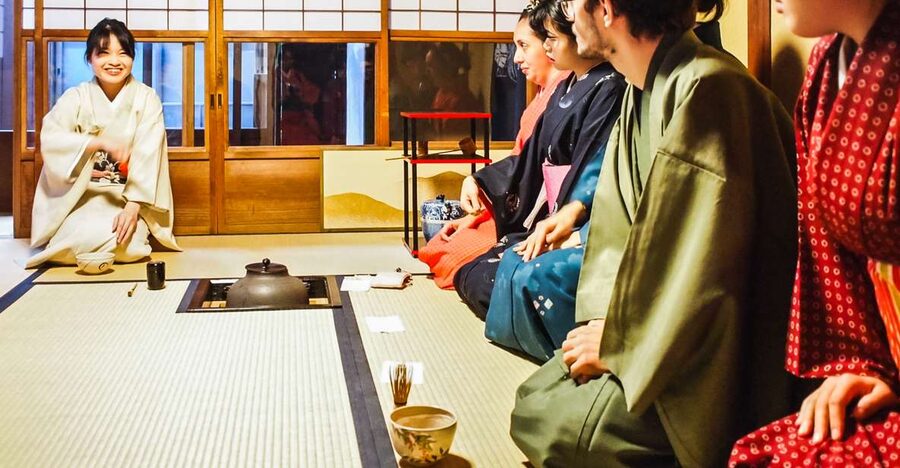
I like that it is not just watching. You sit down on the tatami mats, you learn the sequence, and then you make tea yourself. The ceremony is calm, respectful, and designed to slow you down enough to understand what you’re doing, not just sample something sweet and leave.
More Tea Ceremonies in Kyoto
- Kyoto: Tea Ceremony in a Traditional Tea House in Kiyomizu
★ 4.9 · 3,519 reviews - Kyoto: Tea Ceremony Ju-An at Jotokuji Temple
★ 4.9 · 3,207 reviews - Kyoto: Table-Style Tea Ceremony at a Kyo-Machiya
★ 4.9 · 1,211 reviews
The 45 Minutes: What Happens From Start to Finish
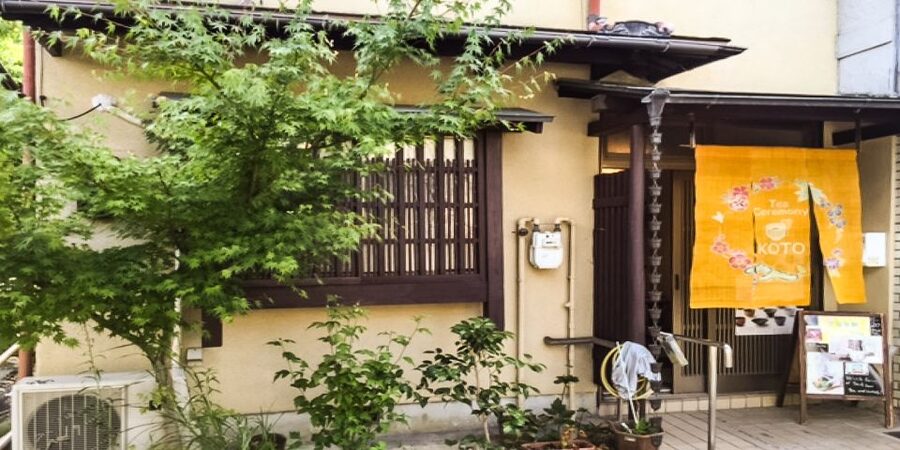
You begin by entering the building through the sliding door with the orange curtain. After that, your English-speaking host meets you and brings you into the tea space on traditional tatami flooring.
First, you watch the tea master prepare matcha in the ceremonial way. This is not casual whisking. You’re paying attention to the motions, the tools, and the pacing, because the host is also talking through what the ceremony means and how different preparation approaches influence the tea’s taste.
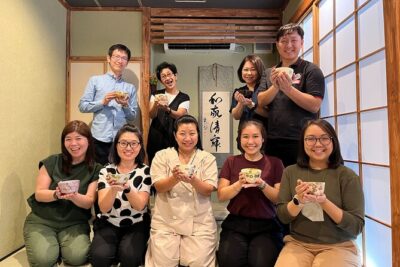
Then it is your turn. You learn how to make the tea following the rules of the ceremony, with ongoing guidance while you do it. At the end, you savor the tea plus traditional Japanese sweets.
One small but important detail: you are not meant to treat this like a photo op with audio and video flying around. Video recording is not allowed, and in practice the lesson runs phone-free or close to it, so expect a quiet, focused room.
Finally, you get a chance to take photos and look at examples of kimonos and woven textiles connected to Kyoto’s Nishijin district. If you add kimono during booking, this is where that choice turns into a memorable photo moment.
Two Green Teas, and Why Technique Matters
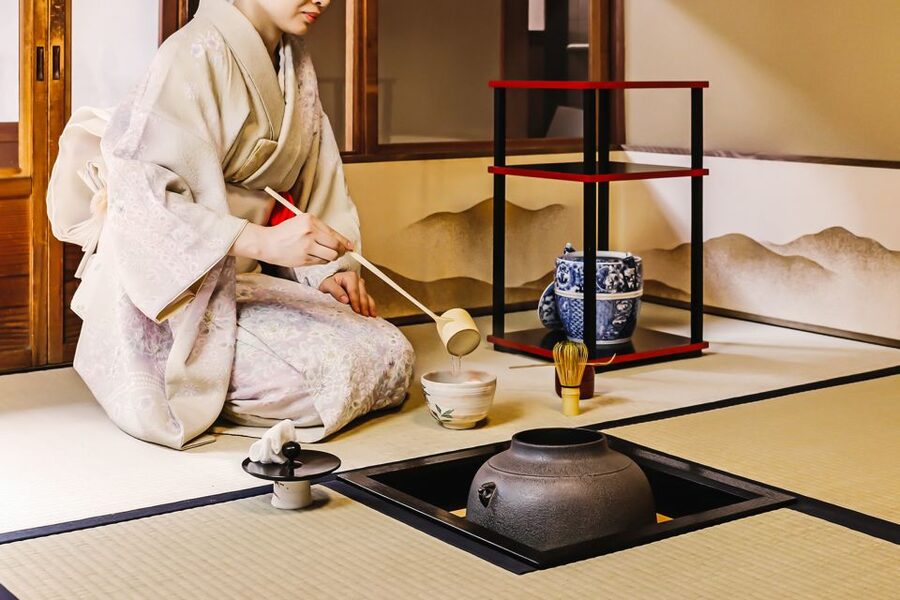
The lesson includes two flavors of Japanese green tea. In real terms, that means you get more than one tasting moment, and the host connects those tastes to what is happening in the preparation.
What you learn is that matcha is not just matcha. Small differences in how the tea is made can change the character you taste, including bitterness and sweetness balance, and how the tea feels in your mouth. You’ll hear the host explain how each tea-making method affects flavor, which helps you understand why the ceremony is so precise about steps and timing.
If you’re worried you’ll only taste bitterness, don’t skip this. Many people come in with a negative idea about matcha, then get pleasantly surprised when they realize they were never tasting matcha made with ceremonial care. The tea here is presented as something you learn to enjoy through technique, not just a powder you try once.
Tea Etiquette You’ll Actually Remember
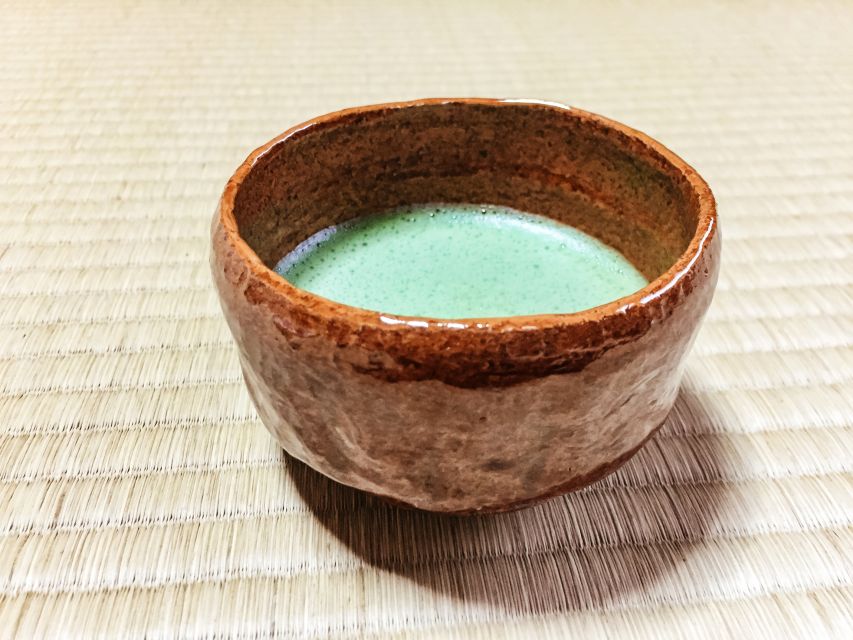
The ceremony is built on respect and manners. You get instruction on the basics of how to behave during the tea moment, including how to drink in the right spirit and how to move with awareness.
That matters because tea ceremony is not only about flavor. It is about attention. Even if you do not remember every step perfectly, you will likely walk away with a clearer sense of what the host is teaching: the ritual is meant to create harmony, not performance.
This is also where the host’s teaching style makes a difference. Reviews highlight hosts who patiently explain the details, slow down enough for you to understand, and keep the tone polite even when people have questions. One name that shows up in the feedback is Joseph, described as friendly and helpful, and another theme is hosts who guide you through the motions while explaining what to say and do during the ceremony.
A different sort of day in Japan:
- PERFECT KYOTO 1-Day Bus Tour
★ 5.0 · 13,518 reviews - Kyoto: Fushimi Inari, Kinkakuji, Bamboo Grove 1 Day Bus Tour
★ 4.8 · 4,316 reviews - Kyoto Geisha Walking Tour: Gion District & Hidden Gems
★ 4.7 · 3,273 reviews - Kyoto: Gion Geisha District Walking Tour – Stories of Geisha
★ 4.7 · 2,187 reviews
Sweets and Tea House Details That Make It Feel Real
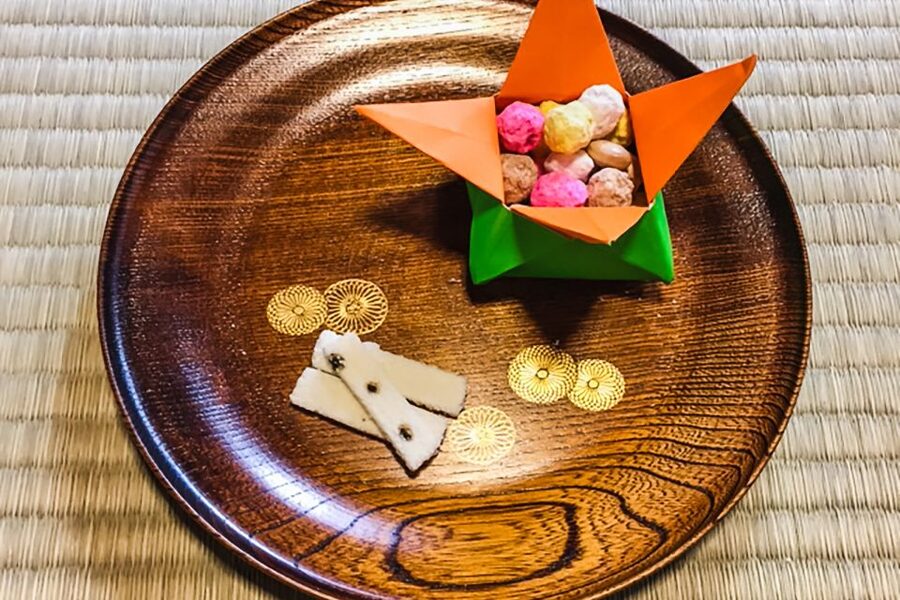
After you finish the main tea making and tasting, you get traditional Japanese sweets. They are not just an afterthought, either. They help round out the experience so you understand matcha with context, especially if you find the tea a bit strong on its own.
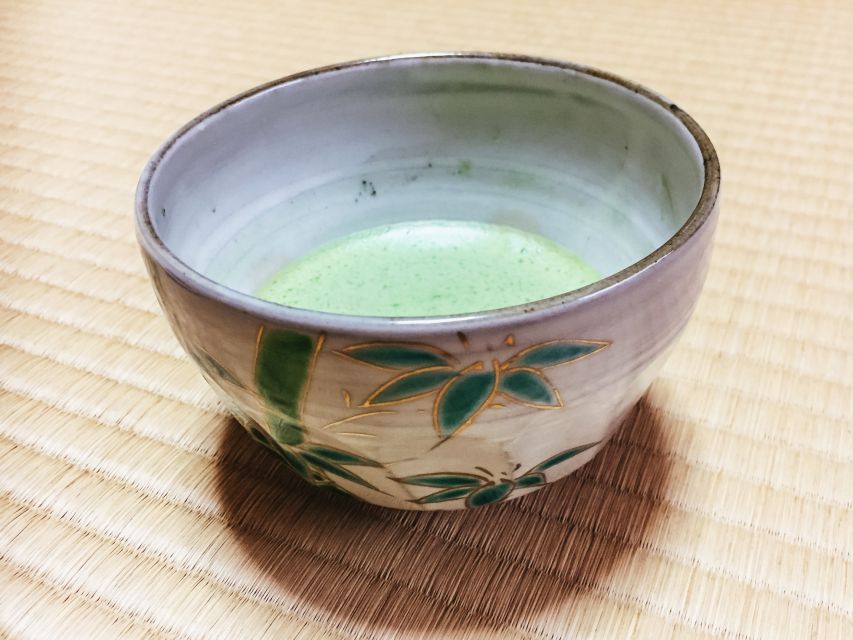
You also get time to notice the setting. People comment on the tea house atmosphere and the ceramics used for drinking. That’s useful for you, because it gives you something to remember besides taste and photos. In Kyoto, that kind of lived-in detail is often what turns a short activity into a lasting memory.
Kimono Add-On: Faster Than You Think, Photos Done Right
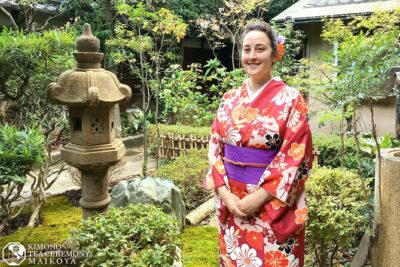
If you want the iconic Kyoto look, you can add kimono during booking. The big practical point is timing. If you choose kimono, you need to arrive 20 minutes early, because you cannot count on being able to add it last minute.
Once you’re in, the experience is designed to keep things moving. In feedback, people mention being helped with wearing the kimono correctly, and there’s usually an easy transition from changing into photos.
Photo-wise, your best plan is to treat the ceremony itself as the main event and then use your photo time after it. The experience allows photos, but it does not allow video recording. That means you’ll get the snapshot moments you want without turning the lesson into a screen show.
Candlelight Sessions for a More Quiet Kyoto Mood
If you want the ceremony after sunset, pick the candle light ceremony option. This special evening session uses traditional candlelight to create a peaceful ambiance of old Kyoto.
In practice, candlelight changes the feel immediately. The ceremony becomes slower and more atmospheric, which is a good match if you’re going with someone who enjoys calm experiences or if you want family-friendly bonding without rushing.
One more reason to choose candlelight: you’re doing Kyoto at a different tempo. Daytime sightseeing can be relentless. Evening tea lets you step out of the crowds and into a smaller, quieter world.
Private, Public, or Candlelight, Pick Your Best Fit
You can choose the session style that matches how you like to travel.
- Private ceremony option: Ideal if you want close attention and a quieter pace, like for couples or families who prefer fewer people around the tatami space.
- Public ceremony option: Best if you’re comfortable learning in a small group and like the idea of sharing the cultural lesson with other participants.
- Candlelight ceremony option: Choose this when you want atmosphere after sunset and a more reflective tone.
You do not have to pick the most expensive option to get value. Instead, pick the option that fits your mood. If you want a thoughtful, low-stress experience, private or candlelight will likely land better than public.
Getting There Near Kinkakuji, Without a Headache
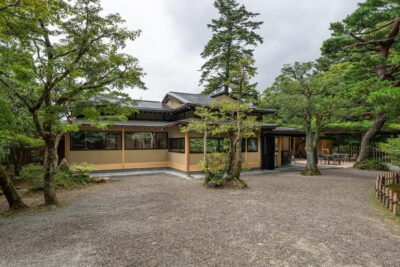
The meeting point is close to Kinkakuji. You enter from the sliding door with the orange curtain at the building. The location is about a 1-minute walk from the Kinkakuji-michi city bus stop, and it’s also right near the gate of Kinkakuji-temple.
If you’re using public transit, you can reach the area by Kyoto city bus 204 or 205 from Kitaoji subway station, or from JR Enmachi. The experience also notes bicycle parking near the Kinkakuji-temple area.
Two practical notes for your planning:
1) Hotel pick-up is not included, so you’ll want to build in a little buffer for walking and finding the orange curtain entrance.
2) Plan the tea lesson as a main activity, not a quick stop in between buses.
Price and Value: Why $22 Can Be a Smart Spend
At $22 per person for a 45-minute lesson, the value comes from what you actually get, not just the fact that it’s in Kyoto. You are paying for a structured experience led by a licensed Urasenke tea master, with explanations tied directly to how the tea is prepared and how you should behave during the tea moment.
You also receive tangible parts of the ritual: matcha preparation instruction, two green tea tastings, and traditional sweets. Then there’s the optional kimono add-on if you want the visual memory.
Is $22 cheap? It’s fair for what’s included. Is it long? Not really. But 45 minutes is long enough to learn the key motions and experience the tea, as long as you enter ready to focus and follow the rules.
Who Should Book This Tea Ceremony Lesson
This lesson is a great fit if you:
- Want a full version of the thin tea ceremony instead of a simplified “tourist” version.
- Like learning etiquette and cultural context, not only tasting matcha.
- Want a calm, respectful activity that feels different from shopping or temple selfies.
It’s also a good pick if you’re traveling with family. Candlelight sessions are often chosen for that reason, and the format supports it as long as everyone can handle the quiet tone.
One practical consideration: you’ll be sitting on tatami. If you have trouble sitting on the floor, tell the supplier ahead of time and they can provide chairs.
Should You Book Tea Ceremony Koto in Kyoto?
Book it if you want matcha culture with real rules, a teacher who takes the process seriously, and an experience that ends with tea, sweets, and photos. It’s also a smart choice if you’re nearby Kinkakuji anyway, because the location makes it easy to plug into your day.
Skip it or adjust expectations if you:
- Hate structured activities and want something more casual.
- Need lots of time for conversation or extra questions, because the schedule is tight.
- Want to record everything on video, since video recording is not allowed.
If your goal is to leave Kyoto with more than a souvenir, this is the kind of short lesson that changes how you think about matcha the next time you taste it.
FAQ
How long is the Kyoto tea ceremony lesson?
The experience lasts 45 minutes.
What is included in the price?
You get two flavors of Japanese green tea and traditional Japanese sweets.
Where do I meet for the ceremony?
Enter the building through the sliding door with the orange curtain. The meeting point is a 1-minute walk from the Kinkakuji-michi city bus stop and near the gate of Kinkakuji-temple.
Is hotel pick-up included?
No, hotel pick-up is not included.
What language is the instructor?
The instructor teaches in English and Japanese.
Are photos allowed?
You will have a chance to take photos after the ceremony.
Is video recording allowed?
No, video recording is not allowed.
What if I want to wear a kimono?
Kimono is not included by default, but you can select it as an add-on during booking. If you reserve kimono, you must arrive 20 minutes early.
What if I cannot sit on the tatami floor?
If you might have difficulty sitting on the floor, tell the supplier and chairs can be provided.
Are there different session options?
Yes. You can choose private, public, or candle light ceremony options.
Do I have to pay immediately to reserve?
The experience offers reserve now and pay later, so you can book without paying today.
Newly listed around Kyoto
- Taste of Nishiki Market Walking Food Tour with Local guide★ 5.0 · 17 reviews
- Kyoto: Sushi Making Class with Sushi Chef★ 4.8 · 64 reviews
- Simple Plan with Maiko★ 4.4 · 10 reviews
- Shibori Furoshiki Course at Kyoto Shibori Museum★ 5.0 · 21 reviews
- Kyoto: City Secrets eBike Tour★ 4.9 · 196 reviews
- Sacred Pathways: Discover the Philosopher’s Path of Kyoto★ 4.9 · 20 reviews
- Private Tour to Monkey Park and Arashiyama Highlights★ 5.0 · 22 reviews
- Private Nara Tour from Osaka – Meet at Your Hotel★ 5.0 · 22 reviews
Matcha & Tea Ceremony Sessions, compared.
Tea Ceremony in a Traditional Tea House in Kiyomizu
Read our review →
World Heritage Kyoto & Nara Uji Authentic Matcha Experience
Read our review →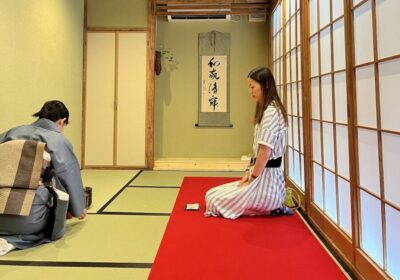
Browse the lists this tour appears in